What to eat in London depends on the day. Order fish and chips on a weekday, a Sunday roast on Sunday, a salt beef bagel in the East End and a curry in the evening. London’s food is the sum of its migrations, so the best meals are often Bangladeshi, Caribbean, Turkish or Cypriot rather than strictly British. Below: how the city eats, seven dishes with ingredients and price bands, market timing, etiquette and what to skip.
How eating works in London
London eats in three registers. Breakfast and lunch are quick and casual: a bakery, a market stall, a sandwich. Dinner is the main social meal, usually between 18:30 and 21:00. And on Sunday the pub lunch takes over, with roasts served from about midday until the kitchen runs out.
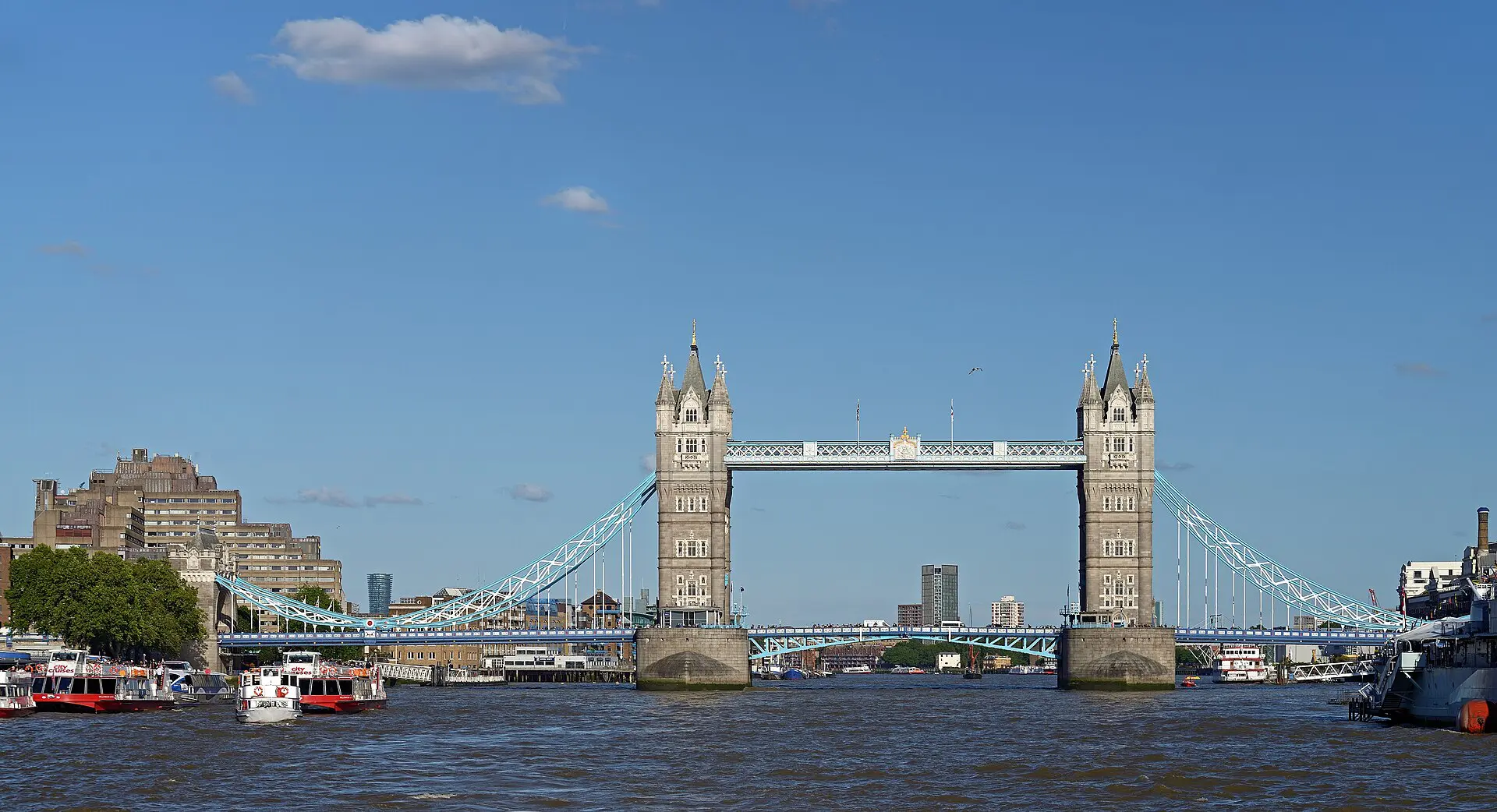
The food system is an import economy. London sits at the head of the Thames estuary and has been a port for nearly 2,000 years, so spice, sugar, tea and coffee arrived early. Later waves of Jewish, Irish, Cypriot, Caribbean, South Asian and West African settlers each built food districts that still run on their own ingredient supply. That is why one city can offer pie and mash and a Bangladeshi lunch within a few Tube stops.
Reservations matter at dinner and for Sunday roasts, which often sell out. Lunch and weekday market stalls rarely need a booking.
London market timing: when to go and what to order
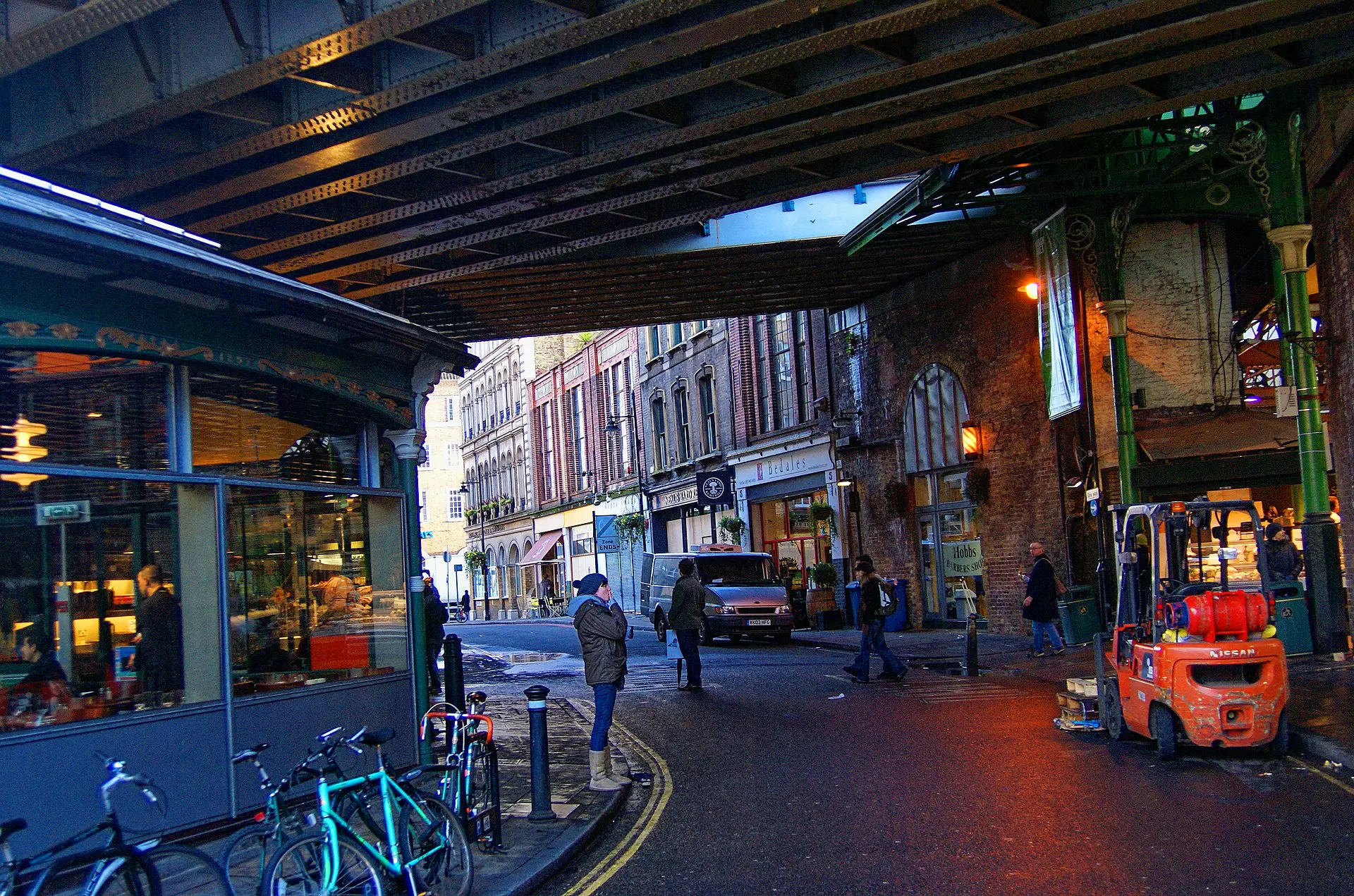
Market days are the best way to see how ingredients move through the city. Hours change, so check each market before you go.
| Time | Where | What to order |
|---|---|---|
| 08:00-10:00 | Neighbourhood bakeries and breakfast stalls | Bacon roll, bagel, pastry, tea |
| 11:00-14:00 | Borough Market and similar covered food markets | Hot lunches, cheese, a sandwich from a stall |
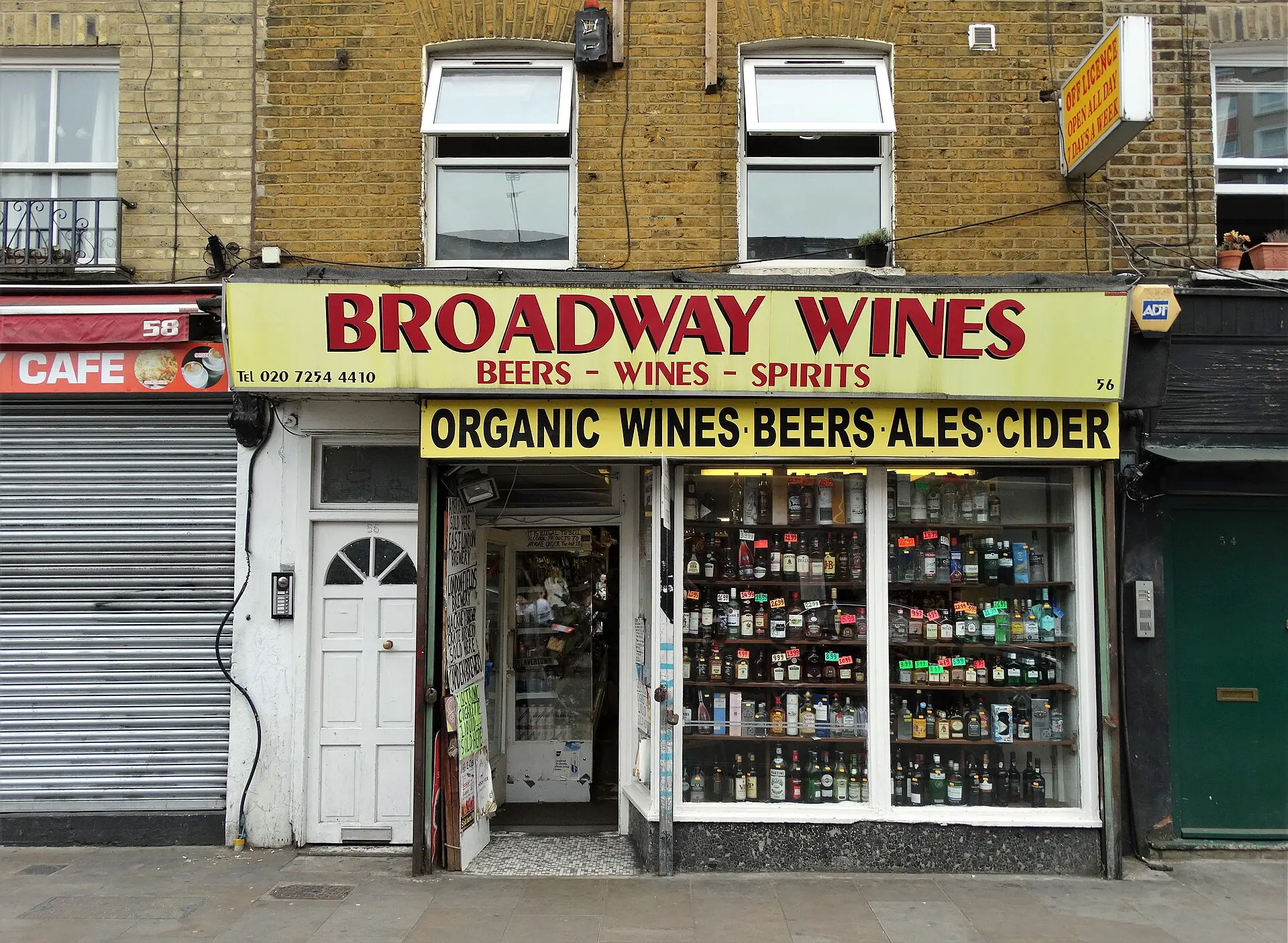
| 12:00-15:00 | Broadway Market and weekend street markets | Street food, pastries, coffee |
| Weekend mornings | East End Jewish and Bangladeshi food streets | Salt beef bagel, curry house lunch |
| Late afternoon | Brixton and Peckham food streets | Caribbean and West African plates |
The big tourist markets are crowded from late morning, so arrive early or on a weekday. Many stalls sell only until the product runs out.
What to eat in London: 7 dishes
Prices are hedged bands per person, as of 2026. London prices vary widely between a zone 1 tourist street and a neighbourhood café.
1. Fish and chips
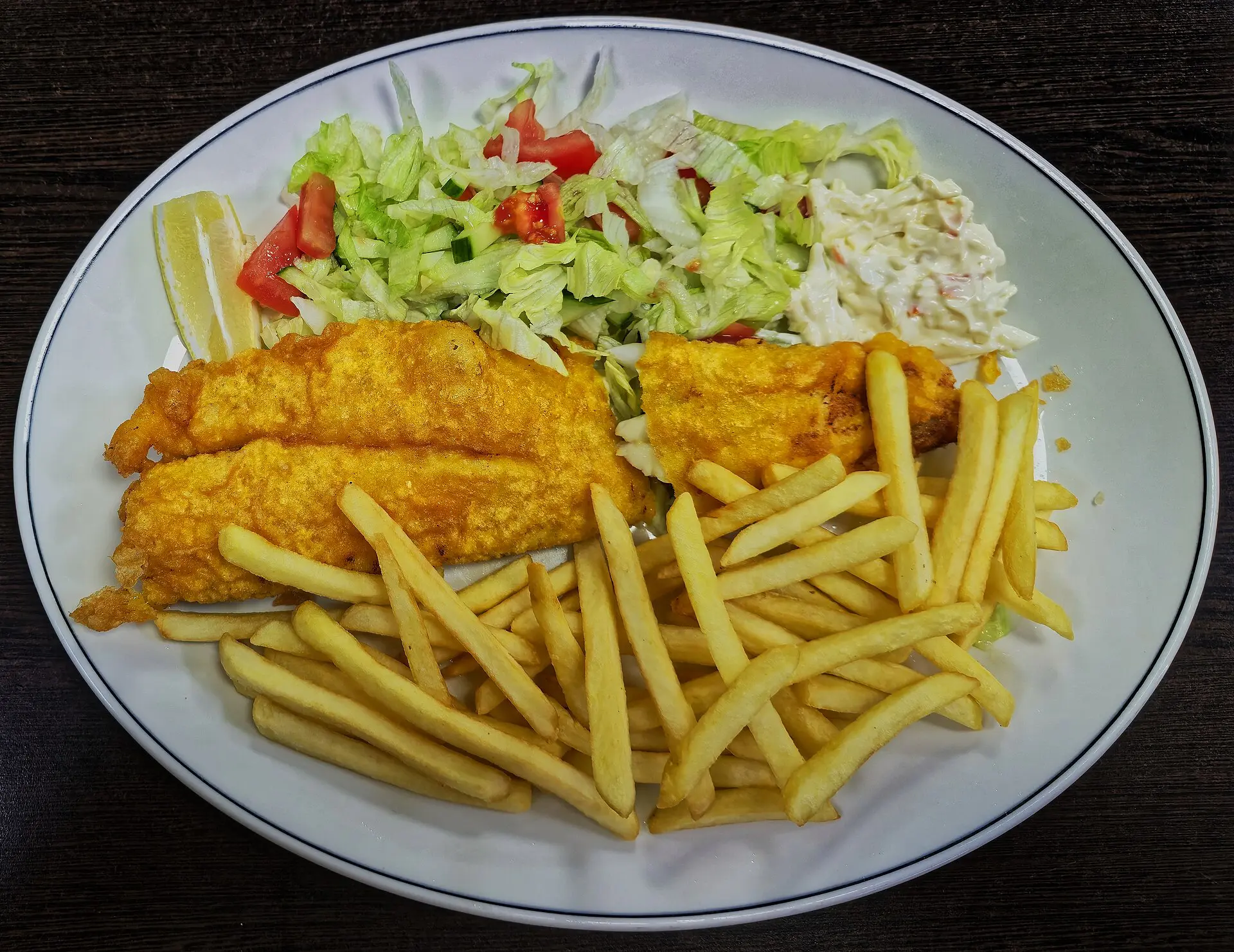
Cod or haddock in crisp batter, thick chips, mushy peas and tartare sauce, salt and malt vinegar. The old fish-and-chip trade grew from Jewish fried fish and from cheap fried potato in the 19th century. Eat it hot, from paper if you can, or sitting down. A good shop fries to order. Price band: roughly 10-18 GBP, higher in restaurants.
2. Sunday roast
Roast beef, lamb, pork or chicken, roast potatoes, seasonal vegetables, gravy and a Yorkshire pudding, a puffed batter baked in beef fat. It is the weekly family meal, and pubs have turned it into a standard. Order beef first. Book ahead, and arrive hungry. The main course is large enough that most people skip a starter. Price band: roughly 16-28 GBP.
3. Pie and mash
A minced beef pie with a crisp top, served with mashed potato and a green parsley sauce called liquor, which is traditionally made from the water used to cook eels. It is a working-class east and south London dish. Eels, jellied or stewed, are the other traditional order and an acquired taste. Eat it with vinegar and chilli. Price band: roughly 6-11 GBP.
4. Full English breakfast
Fried or scrambled eggs, bacon, sausage, baked beans, grilled tomato, mushrooms, fried bread or toast, and sometimes black pudding. It is a heavy meal meant to be eaten late, as brunch. Café versions are cheap and enormous. Order a tea, which arrives strong and with milk. Price band: roughly 9-16 GBP.
5. Curry, Bangladeshi and Punjabi style
London’s curry tradition runs through Brick Lane and the East End, where Bangladeshi cooks built the curry house, and through west London, where Punjabi families in Southall run grills and sweet shops. Order a rich lamb or chicken curry with rice or naan, or grilled meats from a tandoor. The city’s version of chicken tikka masala is a local dish in its own right. Price band: roughly 12-22 GBP.
6. Salt beef bagel
Salt beef is brisket cured in brine, simmered until tender and carved thick, then stacked in a bagel with mustard and a pickle. It belongs to the Jewish East End and survives in a few delis and street stalls. Eat it as a quick lunch. Price band: roughly 6-11 GBP, often cheaper at a counter than at a table.
7. Afternoon tea
Finger sandwiches, scones with clotted cream and jam, small cakes and a pot of tea. It is a hotel and tearoom tradition, and a ceremony more than a meal. Cream first or jam first is a Cornwall-versus-Devon argument you can ignore. Book in advance and expect a fixed price. Price band: roughly 35-80 GBP, with simpler tea-and-scone options for much less.
What does food cost in London?
London is among Europe’s most expensive cities for sit-down meals, though street food and ethnic neighbourhood restaurants offer much better value. Hedged ranges per person, as of 2026:
| Meal | Typical band |
|---|---|
| Breakfast (café) | 6-14 GBP |
| Market or street lunch | 7-14 GBP |
| Pub lunch or Sunday roast | 14-28 GBP |
| Dinner in a neighbourhood restaurant | 18-40 GBP |
| Afternoon tea | 35-80 GBP |
Tap water is free on request in restaurants, and a meal deal at a supermarket is a cheap fallback.
London eating etiquette
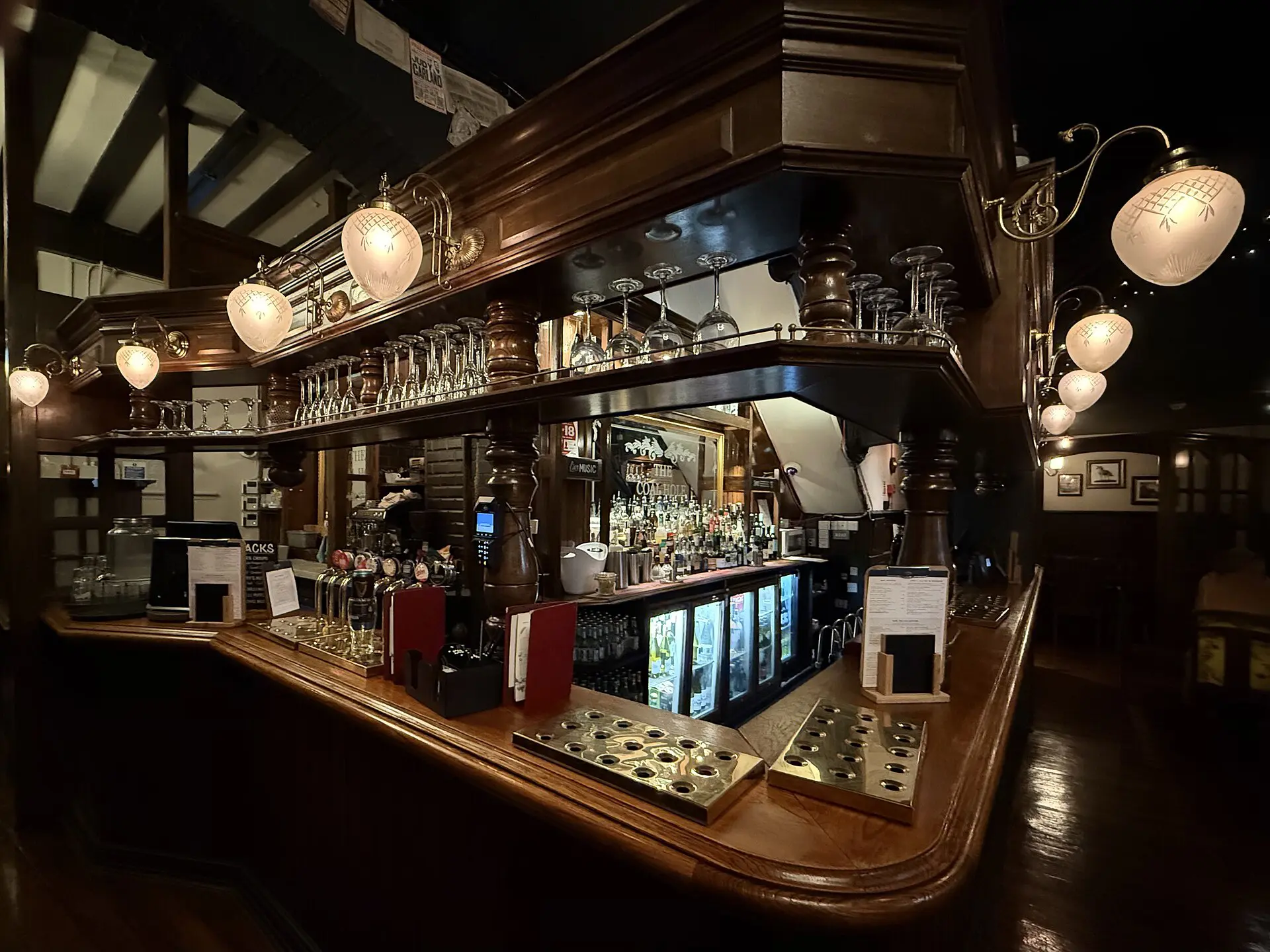
- Pubs: order and pay at the bar, and tell staff your table number if you eat. Table service is the exception.
- Tipping: many restaurants add a discretionary service charge of about 10-12.5 percent. Check the bill. You may ask for it to be removed or reduced if service was poor. At a bar or café counter, tipping is optional.
- Queues: form a line, and wait your turn. Pushing in gets noticed.
- Rounds: if you are drinking with locals, expect to take turns buying drinks.
- Bookings: arrive on time, as tables are often given up after 15 minutes.
Where to eat in London by neighbourhood type
- East End and Brick Lane area: Bangladeshi curry houses, bagel shops and old Jewish delis. See also the London guide.
- Brixton and Peckham: Caribbean and West African kitchens, with jerk, stews, plantain and fried fish.
- Southall and west London: Punjabi grills, sweet shops and bakeries.
- Green Lanes and north London: Turkish and Cypriot grills with fresh bread and mezze.
- Soho and Chinatown: noodle and dim sum counters, long-running and late-opening.
- Pubs in every borough: traditional roasts, pies and Sunday lunch.
If you are still deciding where to base yourself, the sibling guide on where to stay in London helps with areas. More background: Wikivoyage’s London guide.
What to skip when deciding what to eat in London

- Restaurants around the main sights with photographic menus and a person outside. Walk two streets.
- Afternoon tea at a famous address if you only want scones. A good tearoom serves them for far less.
- Pub food sold with no kitchen hours posted. Many kitchens close by 21:00.
- Dishes that must be ordered on a weekend, such as roasts, on a Monday.
FAQ about eating in London
What is the national dish of England?
Roast beef with Yorkshire pudding and fish and chips are the most common answers. Chicken tikka masala is often named too, reflecting how South Asian cooking became part of British eating. London cooking leans on all three.
Is food expensive in London?
Restaurant dinners can be pricey, but street food, markets, pies, bagels and neighbourhood curry houses are good value. Eating a cheap lunch and a mid-priced dinner keeps most days to a manageable figure. Prices rise near major sights.
Do you tip in London restaurants?
Check the bill first. Many restaurants add a discretionary service charge of about 10-12.5 percent. If it is not added, a tip of around 10 percent is a common courtesy for good service. Tipping in pubs and at counters is optional.
What is a good first meal in London?
Fish and chips, or a pie and mash if you want something older and plainer. If it is Sunday, go for a roast. Choose a place with a short, stable menu and a kitchen that cooks to order.
Can I eat well in London on a budget?
Yes. What to eat in London on a budget comes down to market stalls, bakeries, bagel counters, curry lunches and supermarket meal deals. Tap water is free in restaurants. Aim to spend your main budget on one good dinner rather than three average ones.