The best things to do in Chengdu start at the table and spread outward. The city is a UNESCO City of Gastronomy, sits on a plain so fertile it is called the “Land of Abundance”, and plans its day around meals, tea and long sitting. Eat the local food, see the pandas early, spend one afternoon in a teahouse, and the sights fall into place around those anchors. This guide orders everything by the rhythm of a Chengdu day, with dishes, timing, price bands and manners for each stop.
Best time to visit Chengdu
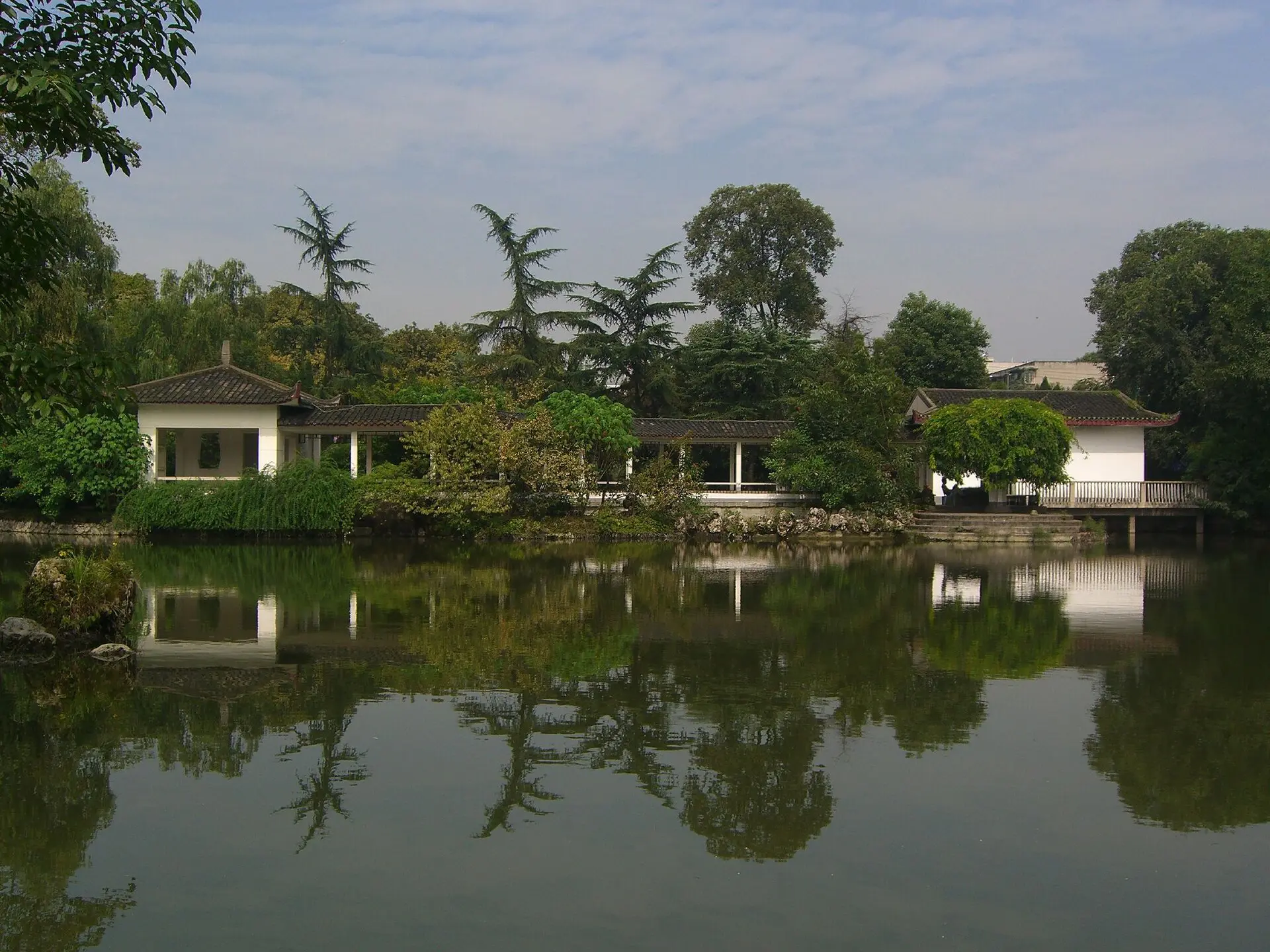
Spring and autumn are the comfortable seasons, and the city is foggy and sunless for much of the year. Summer is hot and humid, which is when cold noodles and mild hotpot broths start to make sense. Check current weather before you book.
| Season | Weather | Crowds and prices | Good for |
|---|---|---|---|
| Spring (Mar-May) | Mild, some rain | Moderate; busy around public holidays | Walking, teahouses, day trips |
| Summer (Jun-Aug) | Hot, humid | Busy at the panda base; hotel rates vary | Evening skewers, mountain escapes |
| Autumn (Sep-Nov) | Mild, often overcast | Peaks around early October holiday week | Hotpot, sightseeing |
| Winter (Dec-Feb) | Cool, damp, grey | Quieter, lower prices | Hotpot, tea, indoor culture |
Avoid the first week of October if you can. Everyone in China travels then, and queues for every attraction and restaurant stretch.
Top things to do in Chengdu
1. Eat Sichuan hotpot the way locals order it
Hotpot is the dish most people mean when they search for chengdu hotpot, and it rewards a little planning. Choose a split pot: one side of red broth thick with chilli, Sichuan pepper and beef tallow, the other a mild clear soup. Order sliced beef, tripe, duck intestine, lotus root, tofu skin and greens. Dip cooked items in sesame oil with garlic. Go in the evening with at least three people, so you can order widely. Expect a typical meal at roughly 15-35 USD per person, depending on the venue.
2. Spend a morning in a teahouse
Chengdu’s teahouses are where the city slows down. Bamboo chairs, a covered cup of jasmine tea, a thermos of hot water refilled again and again, and nothing more demanded of you. People Park in the centre is the classic setting. Go between 09:00 and 11:00, when retirees fill the tables, order one cup, and stay for an hour or two. A cup usually costs a few dollars and includes unlimited refills. Do not tip. If an ear cleaner or a card game appears, you can politely decline.
3. See the giant pandas before the heat
The Chengdu Research Base of Giant Panda Breeding sits just outside the city, and arriving at opening time matters. Pandas are most active at feeding time in the morning, when they sit eating bamboo shoots, and many retreat to sleep as the day warms. Eat breakfast first, since food options inside are limited and priced for tourists. Allow three hours, book tickets ahead during holidays, and check the current opening hours and entry fee before you go.
4. Walk a wet market and learn the three pillars of the cuisine
Sichuan cooking is built on a few ingredients you can see in any neighbourhood market. Look for fermented broad bean paste (doubanjiang, famously from nearby Pixian), pickled chillies, dried red chillies, and the green or red Sichuan peppercorn that creates the numbing “ma” feeling against the chilli’s “la” heat. Go before 09:00, when produce is freshest and stalls are busiest. Ask before photographing vendors, buy a small bag of peppercorns to take home, and consider a half-day cooking class that starts at a market.
5. Order mapo tofu and dan dan noodles first
If you eat only two dishes, make them these. Mapo tofu is soft tofu in a red, oily sauce of doubanjiang, minced beef, chilli and numbing pepper, served over rice. Dan dan noodles are a small bowl of noodles with chilli oil, preserved vegetable, minced pork and sesame. Both are everyday food, so eat them at an ordinary neighbourhood restaurant, not a showpiece. A bowl or plate typically costs 2-6 USD. Order a plain stir-fried vegetable to balance the heat.
6. Visit the Wuhou Shrine for the Three Kingdoms
The Wuhou Shrine honours Zhuge Liang and the ruler Liu Bei, whose Shu Han state made Chengdu its capital in the Three Kingdoms era. Cypress-shaded courtyards, stone tablets and statues make this the city’s main historical site, and the story is well known across China. Plan an hour or two in the morning. Cross the street afterward for a tea or a snack, and read a short summary of the Three Kingdoms before you go. It makes the place mean far more.
7. Browse Jinli Street, with a plan
Jinli is a restored old-style lane beside the shrine, lined with snack stalls, lanterns and craft shops. It is touristy, but it is a useful tasting counter. Look for glutinous rice cakes, sweet jelly noodles, skewers of grilled meat and sugar-blown figures. Come at 10:00 or after dark, when lanterns are lit and tour groups have thinned. Compare prices at two or three stalls before buying, and expect snacks at about 1-4 USD each. I would skip the souvenir shops.
8. Stroll Kuanzhai Alley between meals
The Wide and Narrow Alleys are three parallel lanes of restored Qing-style courtyards, now holding cafes, bars and restaurants. Treat them as a place to walk and sit, not a major sight. A mid-afternoon visit, after lunch, works best, with tea or coffee in a courtyard. Dinner here is usually pricier than in residential streets, so for the best value eat elsewhere and come for the architecture and the light.
9. Eat vegetarian lunch at Wenshu Monastery
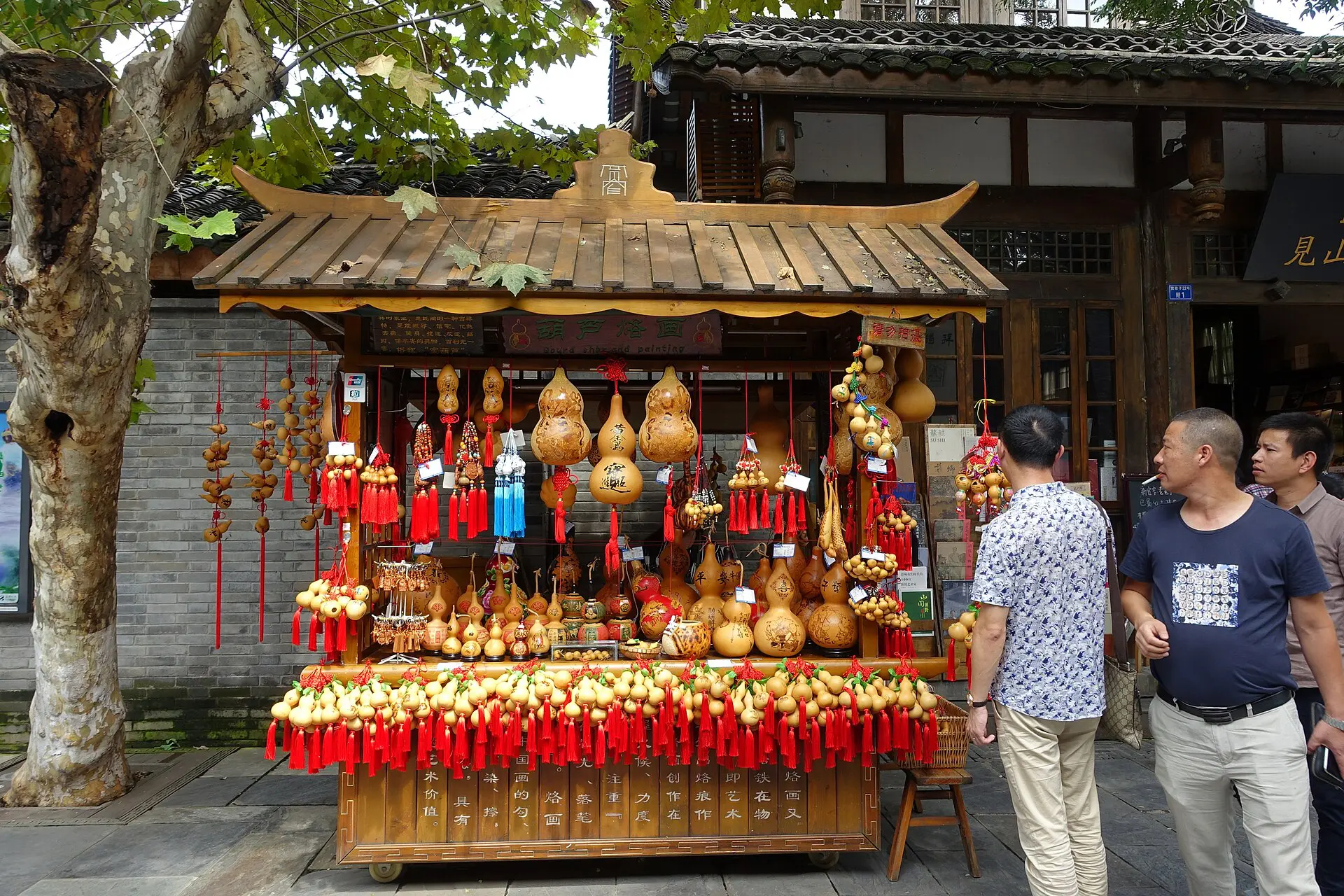
Wenshu Monastery is an active Buddhist temple in the old centre, with incense, tea gardens and a calm that feels far from the shopping streets. Its vegetarian kitchen follows the temple tradition of plant-based cooking, with tofu, mushrooms and seasonal vegetables. It makes a good counterpoint after several chilli-heavy days. Go around midday, dress modestly, speak quietly and do not photograph worshippers praying. Entry is cheap, and a vegetarian meal is typically a few dollars.
10. Walk the Du Fu Thatched Cottage grounds
Du Fu, the Tang dynasty poet, lived in Chengdu for a few years, and a park of bamboo groves, ponds and reconstructed cottages commemorates him. It is a quiet, green place to walk for an hour. It is also a pleasant counterweight to the city’s intensity. Go on a weekday morning, bring water in warm months, and pair it with a tea stop afterward. Check the current entry fee, which is modest.
11. Watch Sichuan opera and face-changing
Sichuan opera is known for bian lian, or face-changing, where performers swap painted masks in an instant. Many teahouse theatres stage short shows in the evening alongside shadow puppetry and music. These run about 60-90 minutes, so eat first and arrive for tea. Book through your hotel, confirm the start time and ticket price, and be wary of anything that promises a “full dinner show” at a high fixed price.
12. Graze on night skewers and street snacks
After dark, small grills serve chuan chuan: skewers of meat, vegetables, tofu and offal, dusted with chilli and cumin. Other staples are zhong dumplings in red oil, sweet glutinous balls and cold noodles in summer. Order by the handful, eat standing up or on low stools, and let the stall tally the sticks. A decent late supper typically costs 5-12 USD. Choose busy stalls with quick turnover, and ask for “wei la” (mild) if you are new to Sichuan heat.
Day trips from Chengdu
Leshan Giant Buddha
The 71-metre Buddha is carved into a cliff above the confluence of three rivers. Trains from Chengdu take roughly an hour or a little more. Go early, and look at the Buddha from both the boat and the stairs. Leshan is also known for local noodle and tofu dishes, so plan lunch there.
Dujiangyan irrigation system
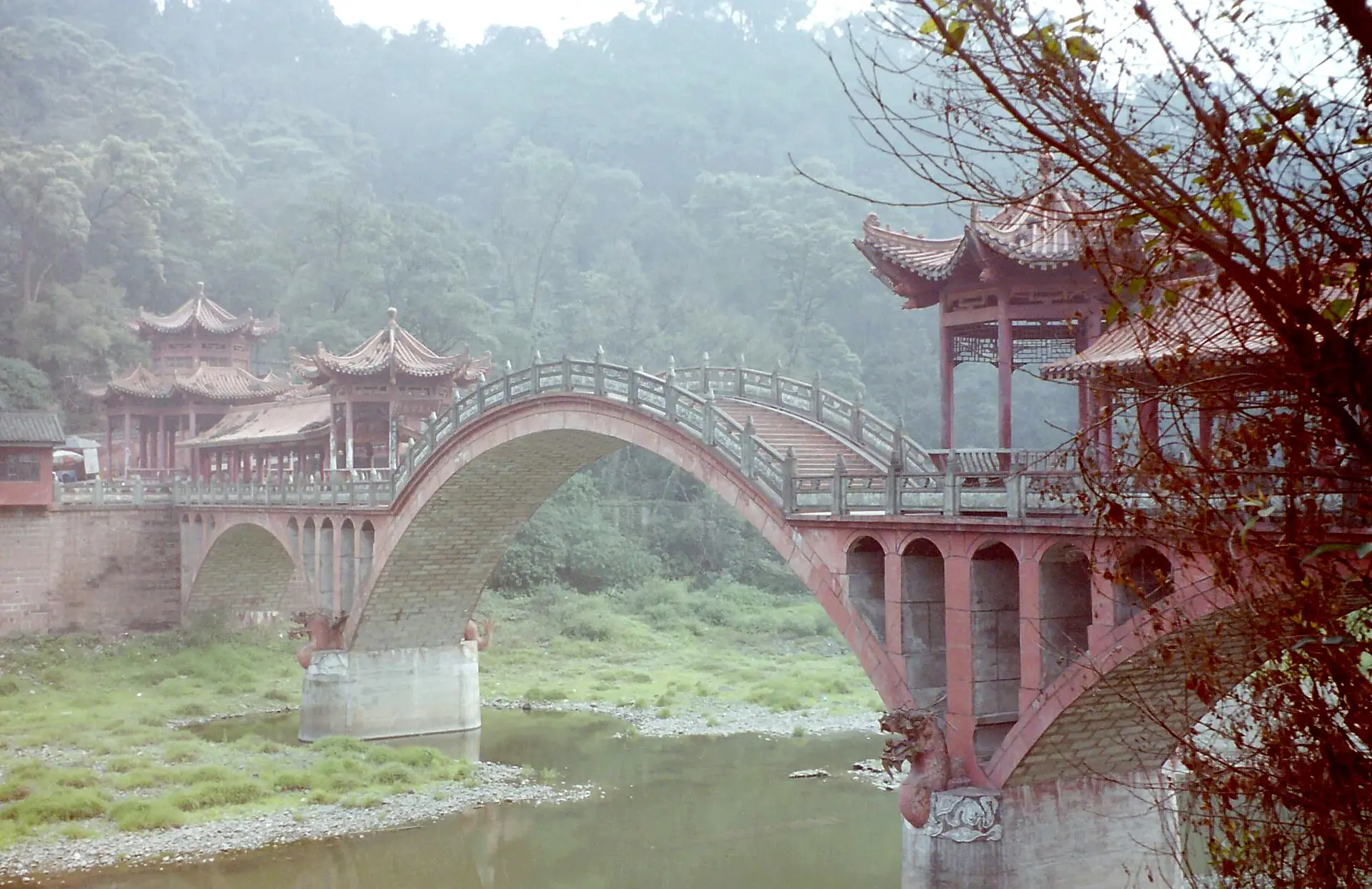
This ancient irrigation system is a World Heritage Site and the reason the Chengdu Plain is so productive. A fast intercity train runs from the city. Walk the river embankments, then eat in the town, where tea and rabbit dishes are common. Half a day is enough.
Mount Emei
One of China’s sacred Buddhist mountains, Emei has monasteries, forest trails and cable cars. It needs an overnight stay or a very early start, and the weather can turn cold and foggy higher up. Pack a layer even in summer.
Qingcheng Mountain
A Daoist mountain near Dujiangyan, with shaded paths and temples that suit a quieter day. Combine it with Dujiangyan to see two sites in one outing, and bring snacks and water for the climb.
Where to stay in Chengdu
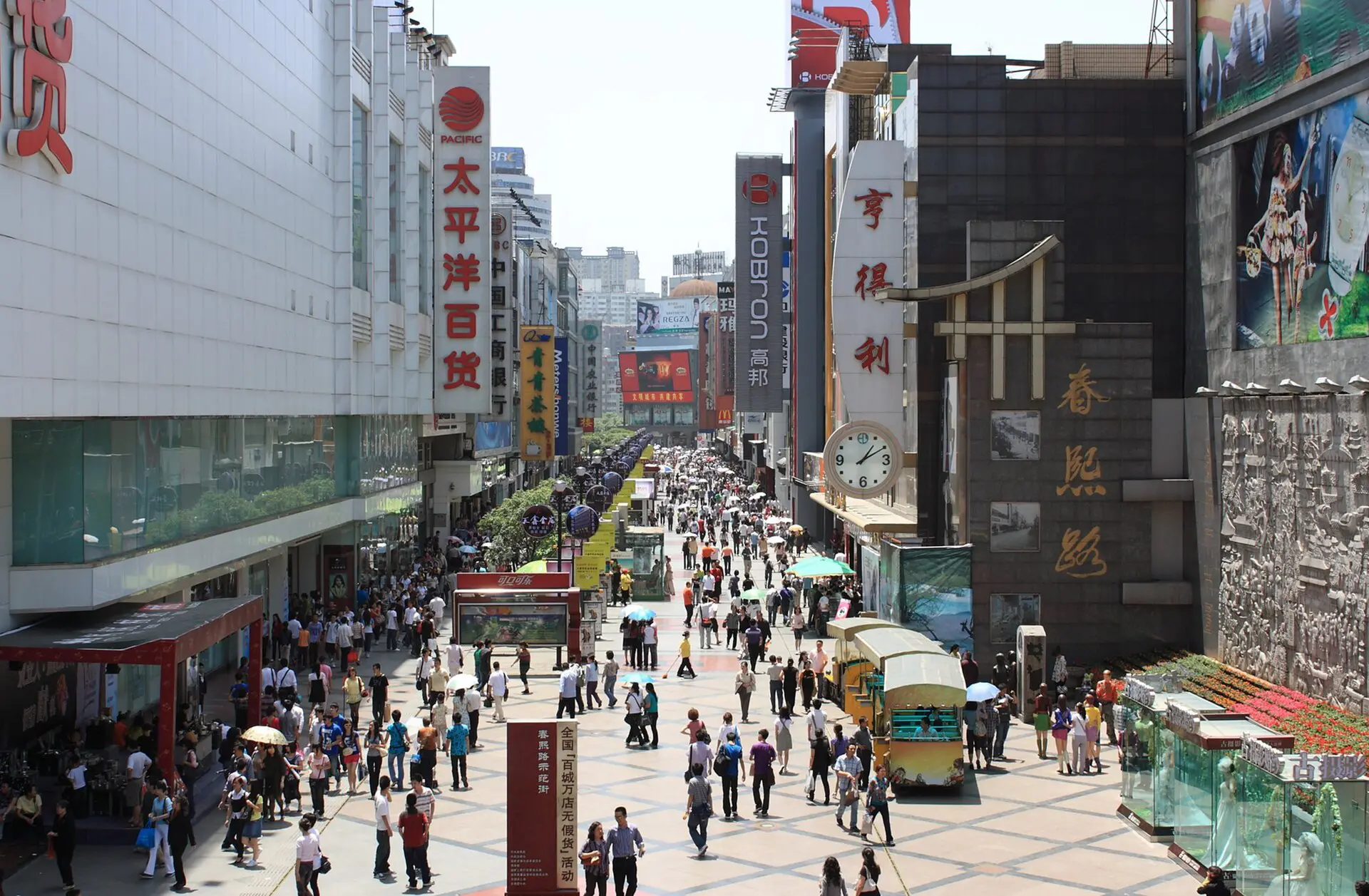
- Chunxi Road and Tianfu Square: the central shopping and metro hub, with every food style nearby. Best for first-timers who want convenience.
- Kuanzhai Alley and Wenshu area: the old-town feel, with courtyards, teahouses and temples within a short walk. Best for slow, walkable stays.
- Jinli and Wuhou: close to the shrine and the evening snack streets. Good for history and night eating.
- Near a metro line outside the centre: cheaper rooms and local restaurants with fewer tourists. Best for travellers on a budget who do not mind a short train ride.
Getting around Chengdu
The metro is clean, cheap and covers most of what you want to see. You can buy single-ride tickets at machines, and the interface can be switched to English. Foreign cards work with WeChat and Alipay on the ticket machines. A ride from Tianfu Airport to the centre is cheap; check the current fare.

The city has two airports: Shuangliu, about 14 km southwest of the centre, and the newer Tianfu, about 53 km southeast. Check which one your flight uses. Taxis are metered, so have your destination written in Chinese. For day trips, high-speed and intercity trains are the easiest option. Check which of the city’s railway stations your train leaves from, since several handle different routes.
How much does a trip to Chengdu cost?
Food is the cheapest thing in the city, and hotels and transport set the rest. These are hedged ranges per person per day in USD, as of 2026, and will vary.
- Budget: about 30-50 USD. Hostel bed, noodles and skewers, metro, one paid sight.
- Mid-range: about 70-130 USD. Comfortable hotel, a hotpot dinner, tea, entry fees and the odd taxi.
- High: about 180 USD and up. Upscale hotel, tasting menus, private guides and drivers for day trips.
Spend more on a good hotel location and the panda base early start. Save on food: the best meals are often the cheapest.
Is Chengdu worth visiting?
Yes, if eating is a reason to travel. Chengdu offers one of the deepest regional cuisines in the world, a relaxed pace, and easy access to pandas and mountains. It is also an easy way to see China without the intensity of Beijing or Shanghai.
Skip it if you cannot eat chilli at all, since even “mild” dishes carry numbing pepper, or if you want dramatic scenery in the city itself. The sky is often grey, and the sights are modest compared with the food. Learn to use payment apps and translation tools before you land, because they will matter more than any guidebook. For background, see Wikivoyage’s Chengdu guide and the Chengdu entry on Wikipedia.
FAQ about Chengdu
How many days do you need in Chengdu?
Three days covers the pandas, one teahouse morning, hotpot, the old-town sights and a night of skewers. Add a fourth for Leshan or Dujiangyan, and a fifth if you want Mount Emei or a cooking class.
Is Sichuan food always very spicy?
No. Many dishes are savoury, sweet or sour, or use the numbing pepper without much heat. Chili oil is often served on the side, and you can ask for mild broths. Start with dishes like mapo tofu and adjust from there.
Do I need to speak Chinese in Chengdu?
Not necessarily, but some preparation helps. Many menus have photos, and translation apps cope well. Save addresses in Chinese characters for taxis, and set up a payment app before arriving, since cash is used less every year.
Should I tip in Chengdu?
No. Tipping is not expected in restaurants, teahouses or taxis in China. A friendly thank you is enough. In upscale hotels, a service charge is sometimes added to the bill instead.
What is the best way to see the pandas?
Go early, ideally at opening, when the animals are fed and active. Book ahead in holiday periods, and give yourself three hours. Check the current ticket price and opening times on the official site before you go.
Is Chengdu safe for travellers?
Generally yes. Normal city precautions apply: watch your phone in crowds, use official taxis or ride-hailing apps, and eat at busy places with good turnover. Check your government’s current travel advice before you go.