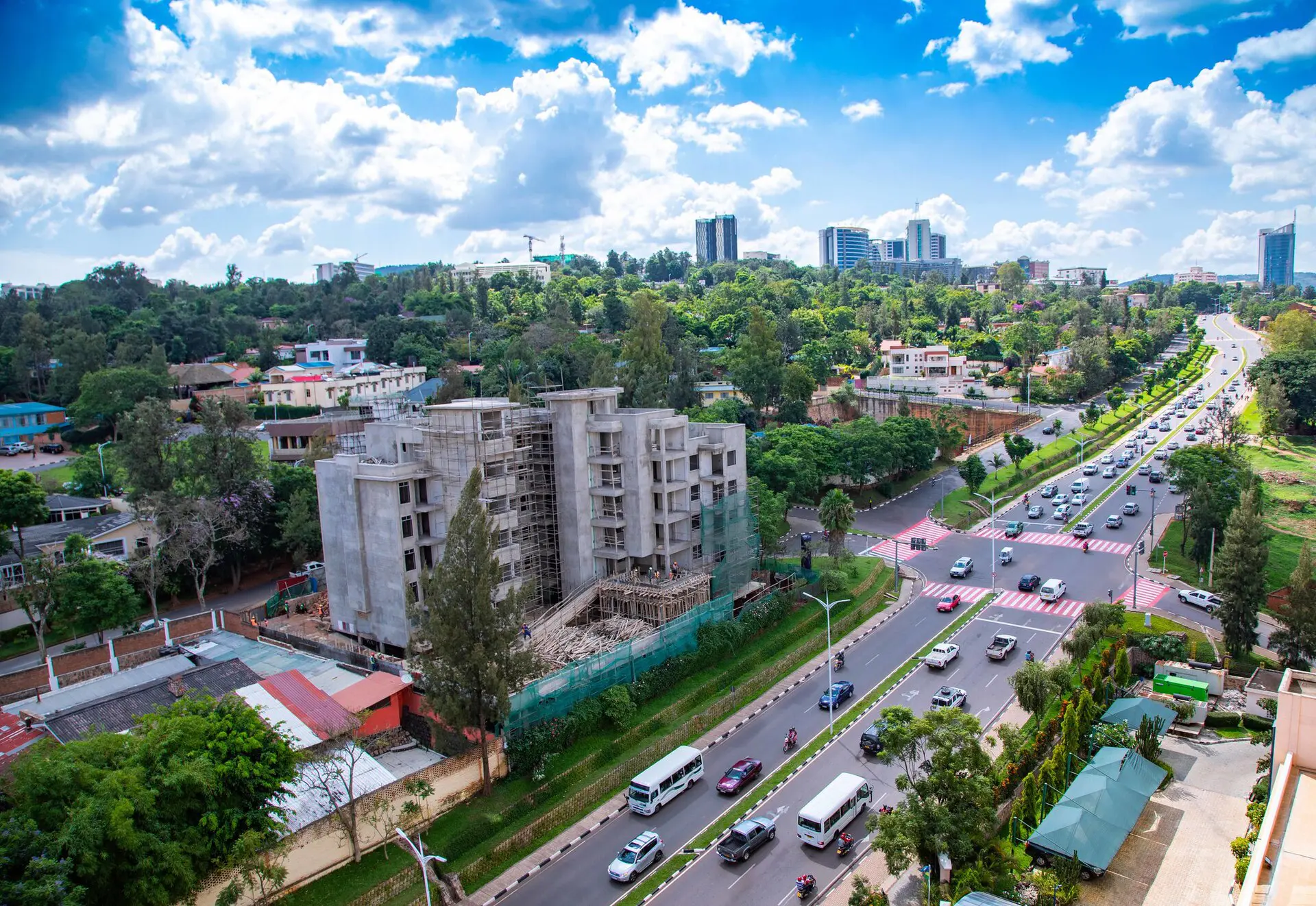
For a Kigali digital nomad, the pitch is simple: a clean, orderly, hilly capital where daily life is easy and the infrastructure is better than most people expect. It suits remote workers who want routine, safety and a long stay, and who are happy to trade nightlife and bargain rents for calm. It is a poor fit if you want a beach, a huge nomad crowd or rock-bottom prices. Below: a one-month band, areas by commute, and what to test yourself.
What does a month in Kigali cost a remote worker?
These are planning ranges in US dollars, as of 2026, and they are estimates, not quotes. Rents for furnished places swing widely by area and by whether a landlord quotes expats or locals, so treat the top row as the one to verify first.
| Item | Range per month |
|---|---|
| Furnished studio or one-bed, decent area | US$500 to 1,200 |
| Food (mix of local meals and cafe or supermarket spend) | US$250 to 500 |
| Transport (moto and ride-hailing) | US$40 to 100 |
| Coworking desk or cafe budget | US$0 to 150 |
| Mobile data and home internet | US$30 to 80 |
| Everything else (gym, laundry, weekends away) | US$100 to 300 |
| Realistic total, single person | US$1,000 to 2,000 |
We would plan on the middle of that band for a comfortable month with a proper desk and a reliable connection. Cheaper is possible, but usually means a longer commute or a weaker connection, which costs you in work hours.
Where to base yourself in Kigali, by commute
Kigali spreads over several hills and valleys, and Wikivoyage notes that many of the better restaurants and hotels sit away from the traditional downtown. That makes the commute the real variable. Hills are steep, so a short distance on a map can mean a slow walk. Check the exact address on a map and ask how you would get to your usual work spot. The list below describes types of area; confirm the details locally.
1. Kimihurura
A popular residential pocket close to the centre, known for houses, cafes and restaurants. Good for people who want to walk to their daily spots. Expect higher rents than average, so it is the one to choose if you value being able to work, eat and exercise without a daily moto ride.
2. Kiyovu
An older, leafier district near the centre with embassies and quiet streets. It suits people who want calm and are happy to take short rides for everything else. Rents tend to sit at the upper end.
3. Kacyiru
A government and office district to the north of the centre. Good if your work involves meetings, an office or an NGO circle. Evenings are quieter than the cafe-heavy areas, which some people prefer for focus.
4. Remera
A busy, mixed area toward the airport side with shops, eateries and the main road out of the city. Typically better value than the smarter districts. Buses link the airport with Remera, which helps if you travel often.
5. Nyarutarama
A more suburban, upscale area with larger houses and compounds. Better for people who want space and a car-based routine than for walkers. Check how far you are from a good coworking option before signing anything.
6. Nyamirambo
A lively, older, more local neighbourhood southwest of the centre. It offers a different feel and often lower prices, but you will probably commute by moto for work. Visit during the day and evening before you commit.
Work-friendly spots by type in Kigali
We do not name places here, because we cannot vouch for any connection or seat. Think in types and test them yourself.
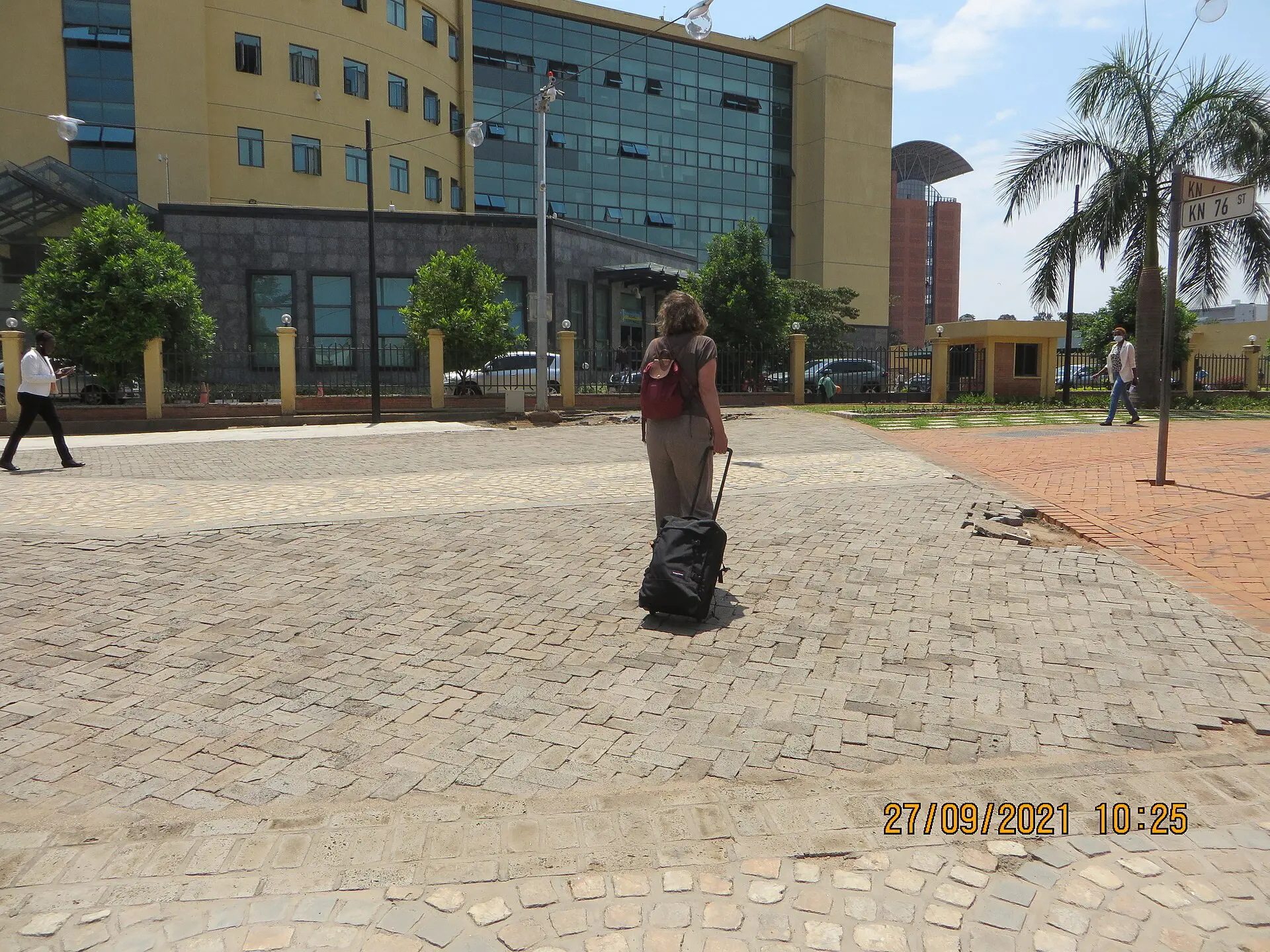
- Coworking space: the best answer for video calls. Ask about a day pass first, then a monthly desk, and check whether there is backup power and a quiet room.
- Cafe with laptop culture: fine for four hours of focused work. Look for sockets, shade, a calm lunch hour and staff who do not mind a long stay. Buy something regularly.
- Apartment desk: the most reliable if you set it up properly. Ask the landlord for a real desk, a chair you can sit in for eight hours and the name of the internet provider.
- Hotel lobby or lounge: an emergency option when your connection or power fails. Not a long-term plan.
Internet and power in Kigali: what to check yourself
Rwanda has invested heavily in connectivity, and Kigali is generally regarded as one of the better connected capitals in the region. Even so, quality depends on building, provider and day. Do not rely on a listing that says “fast wifi”.
- Run a speed test at your desk, at the hours you work, and on a video call.
- Ask whether the apartment has fibre or a mobile router, and who fixes it when it fails.
- Get a local SIM as a backup, with a data plan you can top up on your phone.
- Ask about power cuts and whether the building has a generator or inverter. A small power bank for your router is cheap insurance.
- Bring a universal adapter. Check the plug type for your devices before you go.
Kigali digital nomad visa and stay length
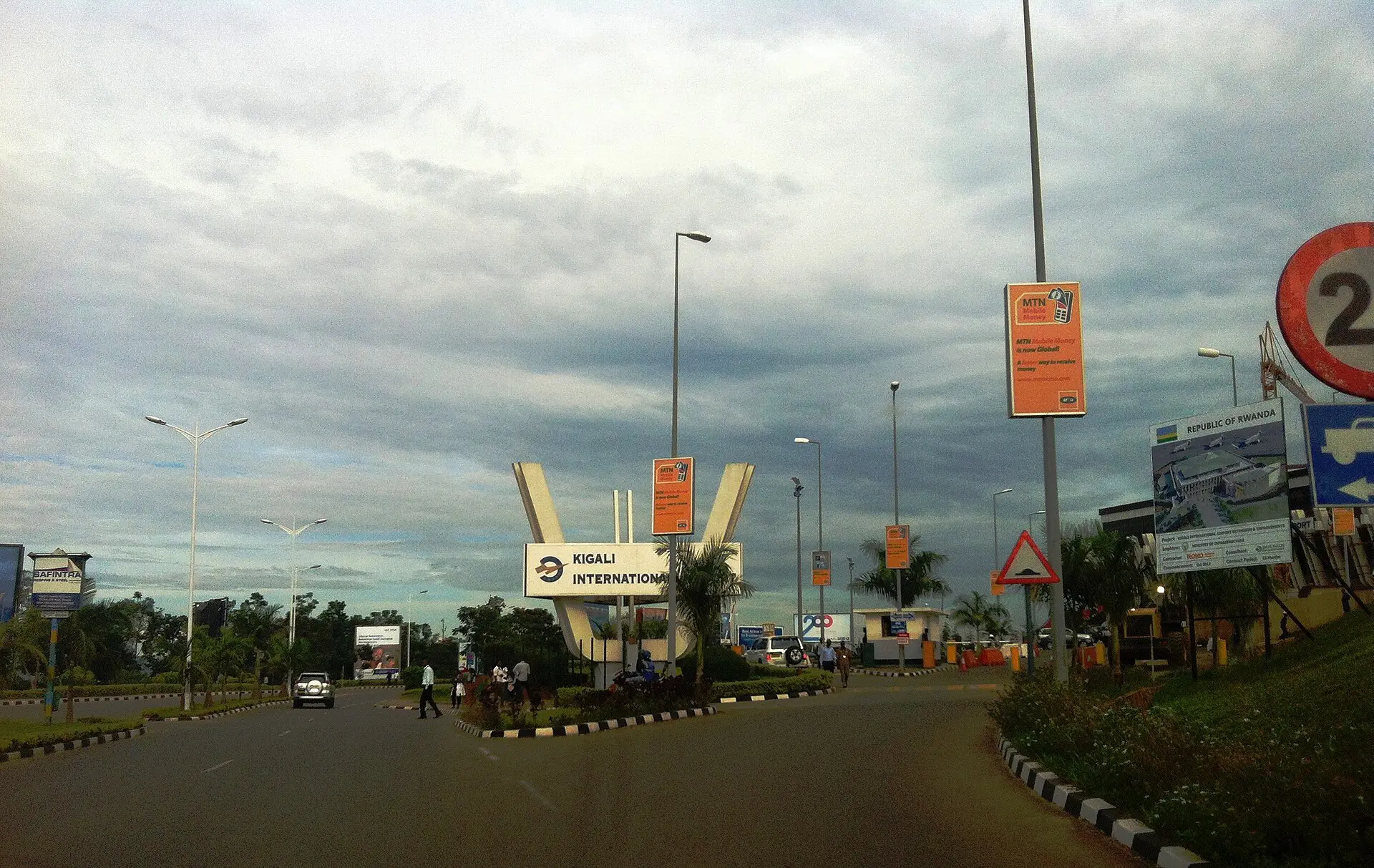
Visa rules for Rwanda depend on your passport and change. Some nationalities have been able to enter visa-free or on arrival for a limited period, and others need to apply online first. Longer stays and remote work may need a different permit, and Rwanda has also promoted long-stay options for remote workers. Do not rely on a blog, including this one. Verify the current requirement, the maximum stay and whether remote work is allowed with the official Rwandan immigration service or your embassy. Also check health entry requirements before you travel.
Routine and recovery in Kigali
Kigali sits at roughly 1,500 metres above sea level, and the weather is mild compared with much of tropical Africa. Mornings are the best time to work and to walk. Rain can slow traffic, so plan important calls for a time you can be home for.
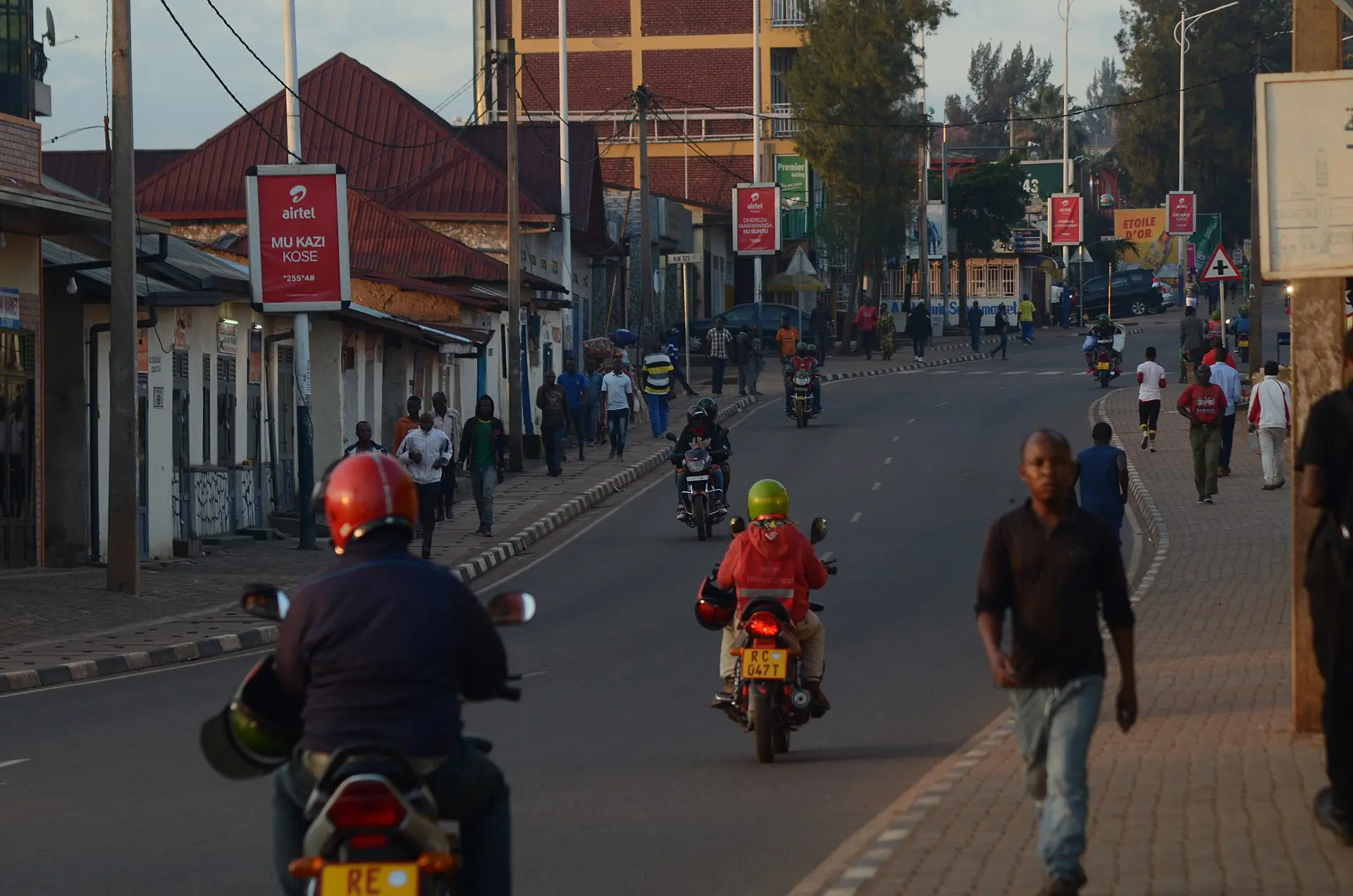
The city runs on early starts. Plan a daily rhythm: a morning work block, a late lunch, a second block, then a walk. Weekends suit getting out of town, since Rwanda is small and most of it can be reached on a day trip or a short weekend. For ideas on what to see, read our Kigali guide and the wider Rwanda travel guide.
Recovery matters in a long stay. Pick a gym or a regular walking route in week one, since the hills do the cardio for you.
Test Kigali in your first week
Book a short first stay before a long lease. Use week one as a test, and keep a note of the results.

- Run speed tests at your desk at three times of day, including one video call.
- Time the commute from your place to your coworking space or main cafe, on a weekday morning.
- Note any power cuts and how long they last.
- Walk the neighbourhood after dark and see if it feels right.
- Price your regular groceries and two cafe meals, and compare them to your table above.
- Check the maximum stay on your entry stamp or permit with the official source.
- Decide by day seven whether to extend, move areas or leave.
FAQ about the Kigali digital nomad life
Is Kigali good for digital nomads?
It is good for people who value safety, order and routine. Kigali is clean and generally considered one of the calmer capitals in Africa. It is not a budget beach town, and the nomad community is smaller than in Bali or Lisbon. Test your internet and commute in the first week.
How much does it cost to live in Kigali for a month?
A single remote worker could plan on roughly US$1,000 to 2,000 a month in 2026, depending mostly on rent and how often you use coworking. Local food is cheap, imported groceries are not. These are estimates, so check rents before booking.
Is the internet reliable in Kigali?
Connectivity is generally regarded as good by regional standards, but it varies by building and provider. Test at your desk before paying a deposit, keep a mobile SIM as a backup and ask about power cuts. We cannot guarantee any specific connection.
Which Kigali area is best for remote workers?
It depends on your commute. Kimihurura and Kiyovu suit people who want cafes and calm near the centre, Remera offers better value, and Nyarutarama suits those who want space. Pick the area nearest your work spot, then confirm the walk or moto ride yourself.