
Why visit Kigali
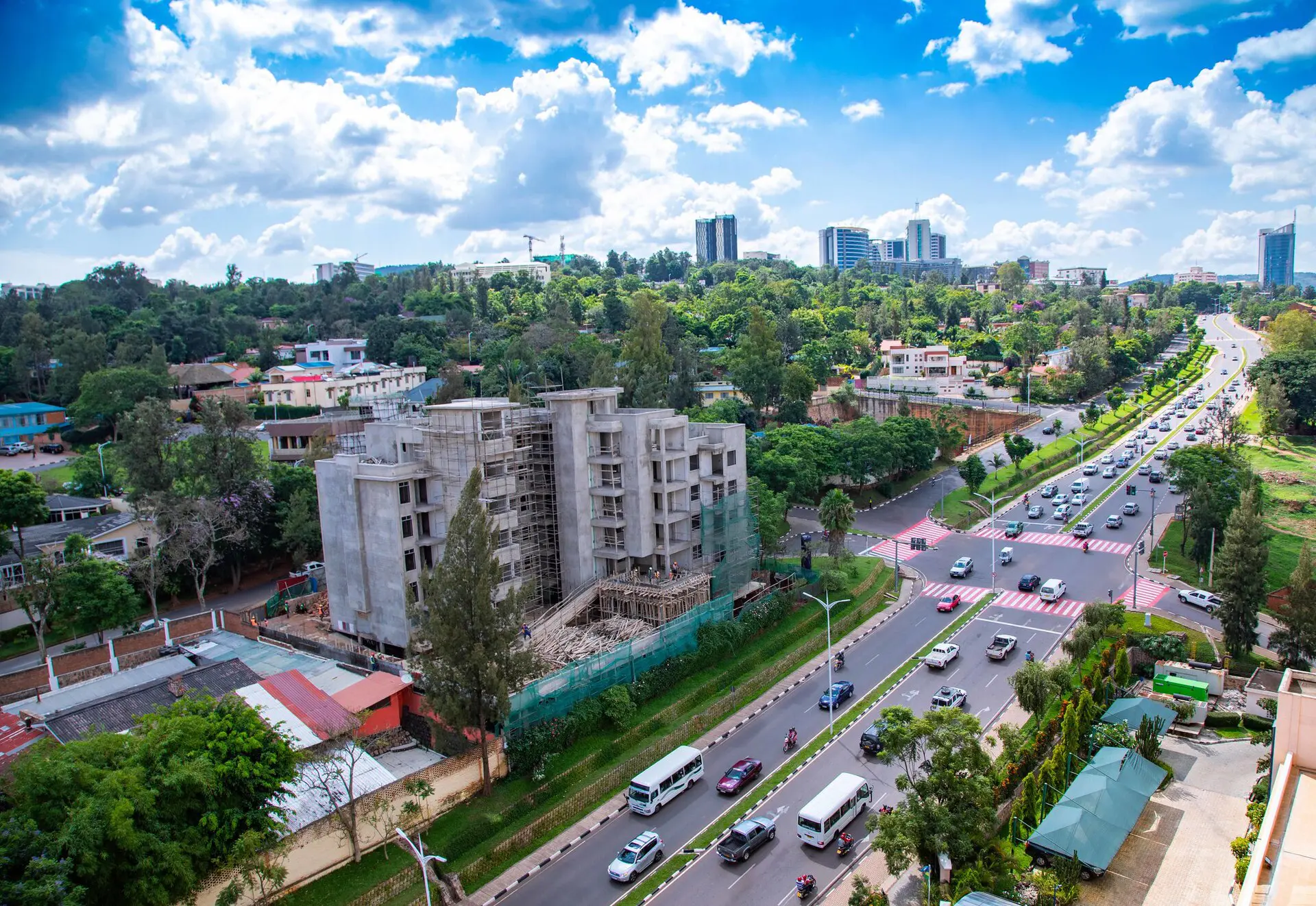
Things to do in Kigali mix reflective history, cafe culture and easy city walks. It is the capital, largest city and a province-level unit of Rwanda, in the centre of the country, in a landscape of rolling hills marked by valleys and ridges connected by steep slopes. Founded in 1907 as a German administrative outpost, it became the national capital at independence in 1962.

Kigali had around 1.75 million inhabitants as of 2022. It is a clean, comfortable and ordered city that is popular with long-term expatriates, and it dominates Rwanda to the point that few visitors reach the country without passing through it. It is developing fast and is designed to impress visitors, investors and dignitaries.
That polish has a downside, it is easy to forget you are in Africa. Seen another way, Kigali is the easiest place in the country to find good coffee, restaurants and transport, and it also hosts important memorials. It works well as a base for a day or two before heading to the parks, Lake Kivu or the volcano region.
Top things to do in Kigali

Kigali Genocide Memorial
The memorial documents the 1994 genocide against the Tutsi and is the most significant historical visit in the city. Allow two to three hours. Dress respectfully, expect emotional content, and check opening times and any photography rules before you go.
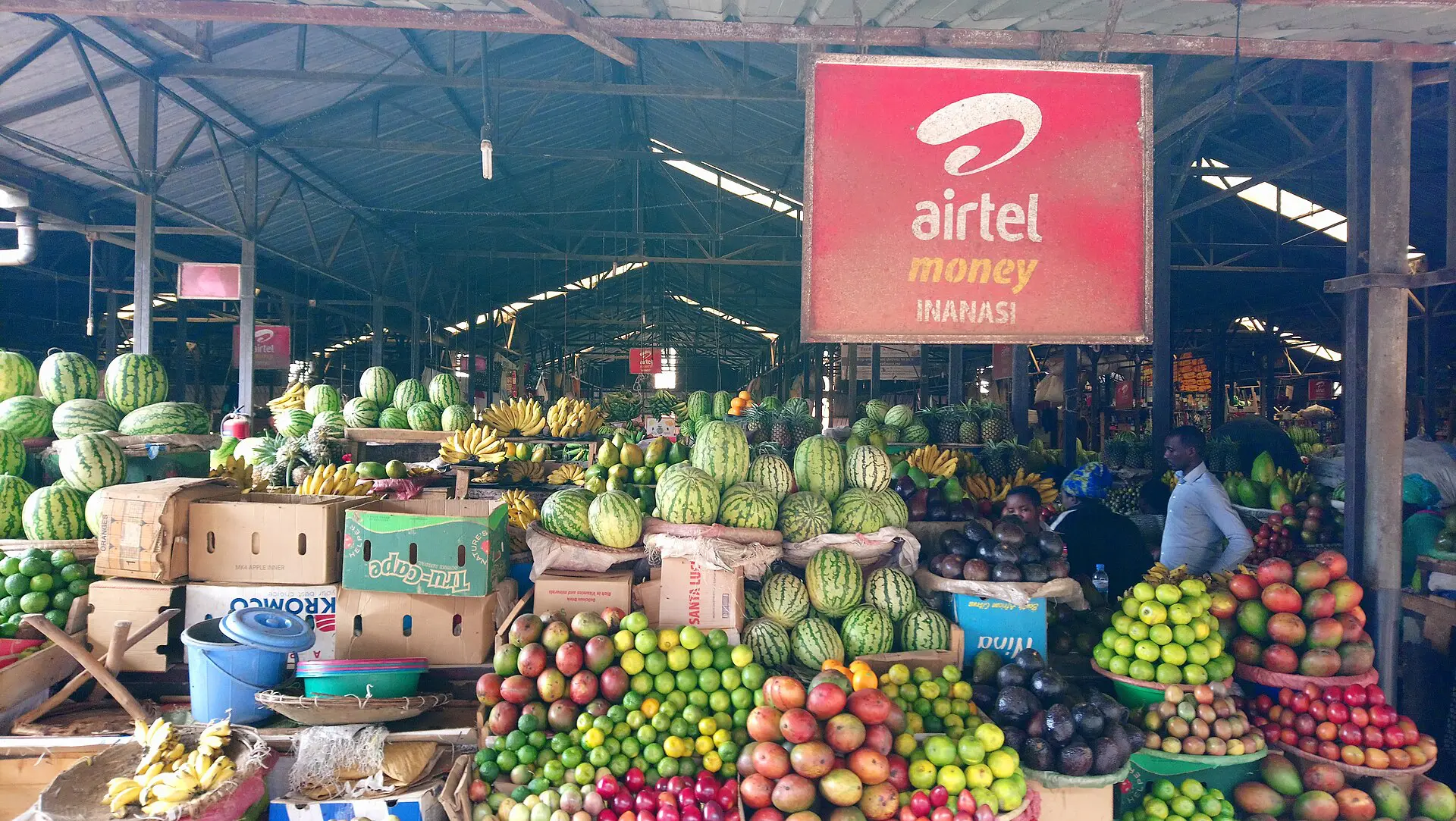
Kimironko Market
One of the busiest markets in the city, with fruit, vegetables, fabrics and household goods. Allow an hour or two. Go in the morning when stalls are fully stocked, carry small notes and keep valuables secure in the crowds.
Nyamirambo neighbourhood walk
Nyamirambo is a lively, historically Muslim area with narrow streets, small shops and cafes. Local guides run walking tours that typically last two to three hours. Book through your hotel or a reputable operator, and check the route and cost in advance.
Rwanda Art Museum
Housed in the former presidential palace, the museum shows contemporary Rwandan art and objects from the country’s history. Allow one to two hours. Check opening hours and any ticket prices before you go, as they can change.
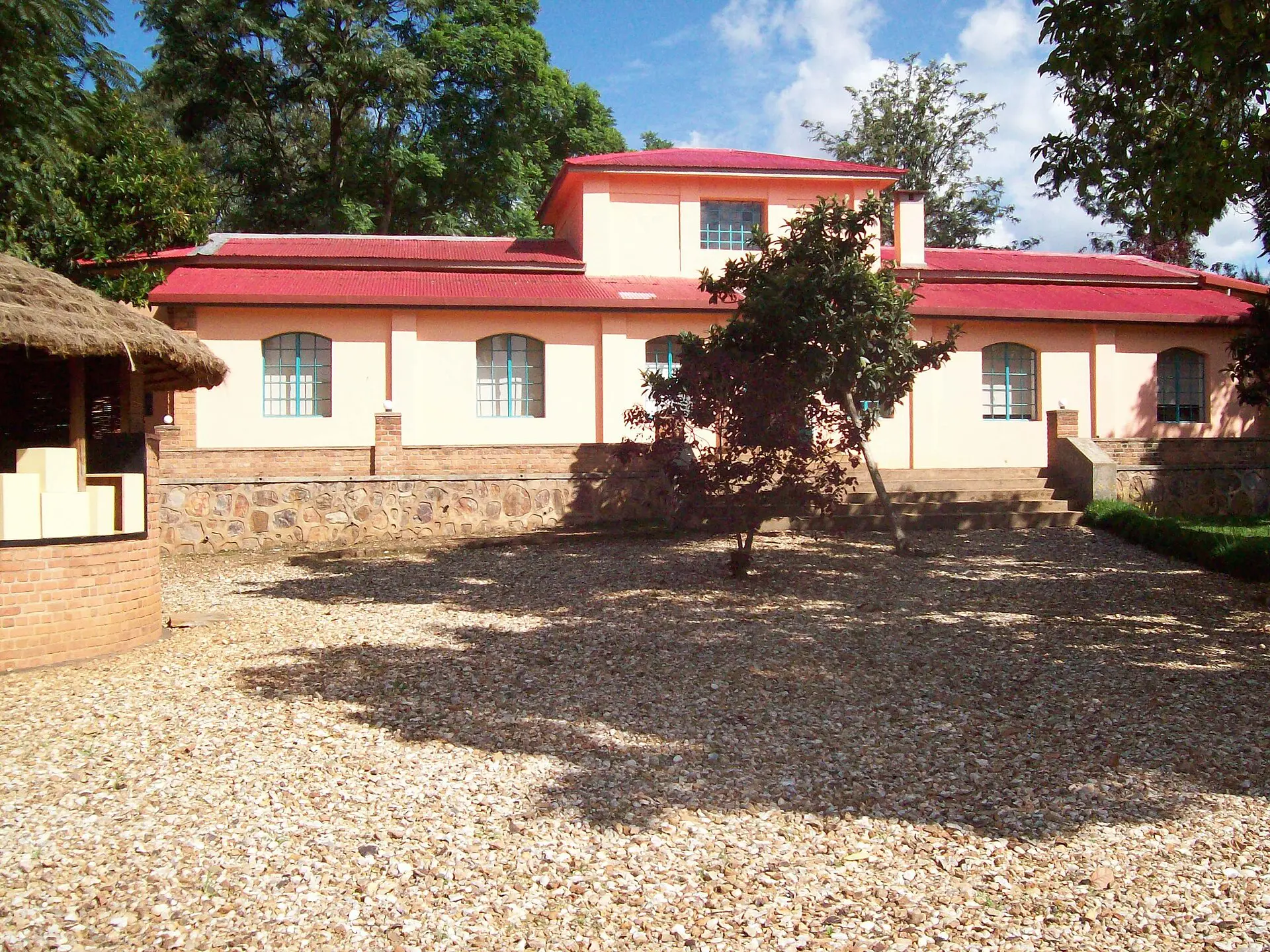
Kandt House Museum
Dedicated to the early colonial era and the city’s founding, the museum sits in what was Kigali’s first European-style building. Allow about an hour. It is a short ride from the centre, and a taxi or moto taxi is the simplest option.
Coffee and cafe stops
Rwanda is known for coffee, and Kigali has plenty of cafes serving locally grown beans. Allow an hour for a tasting stop. Ask about origins and roasting, and consider buying a bag as a souvenir, since small packs travel well.
Hills and viewpoints
The city’s hills offer views over the valleys, and many cafes and restaurants sit on ridges. Plan for sunset, when the light is soft. Distances look short but slopes are steep, so use a taxi or moto taxi for the climb.
Best time to visit Kigali
Rwanda sits close to the equator but at altitude, so Kigali is generally mild year-round rather than hot. The two main dry seasons, roughly June to September and December to February, are the most popular times to visit, especially if you are combining the city with gorilla trekking or park visits. The wetter months bring heavier rain and lush hills.
| Season | Weather | Crowds and prices |
|---|---|---|
| June to September | Mostly dry, mild | Busiest, higher prices |
| October to November | Rainy, green | Quieter, better value |
| December to February | Mostly dry, warm days | Moderate to busy |
| March to May | Wettest period | Quiet, lower prices |
Rain can interrupt travel to the parks, so check conditions, and pack a light waterproof in any season.
How to get to Kigali and around
Most visitors fly into Kigali International Airport, with connections from African hubs and a number of international cities. Airline routes change, so check current schedules, and look for news about a planned new airport near the city. A taxi or ride-hailing car from the airport to the centre usually takes 20 to 40 minutes depending on traffic.
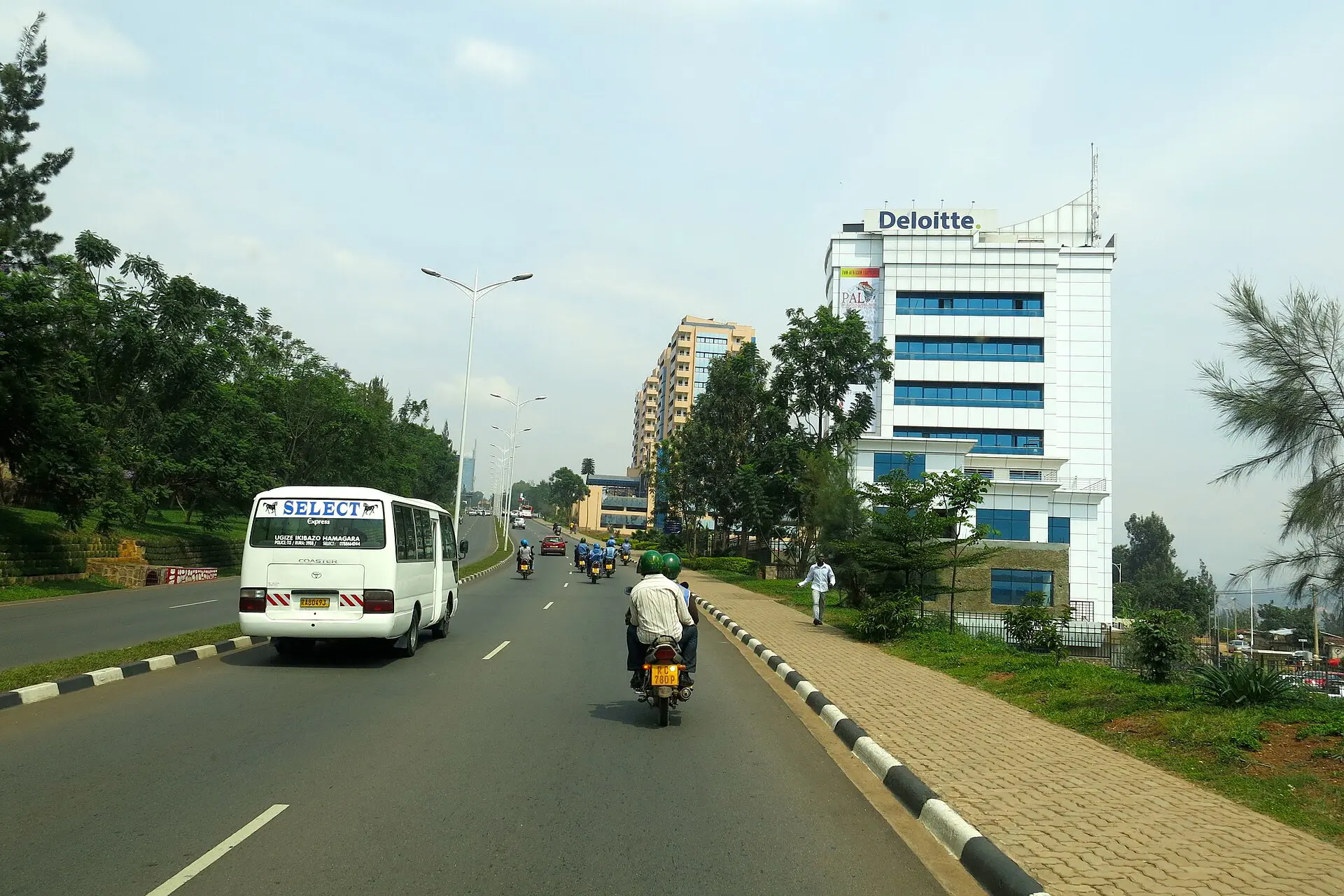

Within the city, taxis, ride-hailing apps and moto taxis are the common options for visitors. Moto taxis are quick on hills but riders should use helmets, and you should check your travel insurance. Buses and minibuses serve local routes, though they can be hard to navigate on a short stay.
Coaches link Kigali with other towns, including Musanze, Huye and Rubavu, and are an economical way to reach the north and west. Many visitors instead arrange private drivers for park trips, which can be more convenient but costs more.
Where to stay in Kigali
Many of the better restaurants and hotels lie away from the traditional downtown area. Compare current prices, as rates vary with demand.
- Kiyovu and central areas: best for first-time visitors who want hotels, restaurants and cafes close together and short rides to the main sights.
- Kimihurura and Kacyiru: popular with expatriates and business travellers, with restaurants, cafes and many guesthouses.
- Nyamirambo: suits travellers who want a livelier local atmosphere and simpler guesthouses, away from the more polished districts.
- Near the airport: useful for early or late flights, with limited things to do nearby.
Guesthouses and boutique hotels are common, so read recent reviews for reliability of power and Wi-Fi.
How many days do you need?
Most visitors need two days, which is enough for the memorial, a market, a neighbourhood walk and a few cafes. If you are flying in and heading straight to the gorillas or Lake Kivu, a single day at the start or end of the trip works. Add a third day for museums, longer walks or a short excursion.
- One day: Morning at the Kigali Genocide Memorial, lunch at a cafe, afternoon at a market or museum, and sunset from a hill viewpoint.
- Two days: Add a guided walk in Nyamirambo and the Kandt House Museum or Rwanda Art Museum.
- Three days: Add a half-day trip outside the city, or a slower day of cafes, shopping and rest before travelling on.
Day trips and nearby
Lake Kivu
Lake Kivu lies on Rwanda’s western border and has lakeside towns with beaches and boat trips. It is a long day trip from Kigali, so most visitors stay overnight. Check current travel times and road conditions before booking, and check your government’s current travel advice for the western border areas near the Democratic Republic of the Congo.
Volcanoes National Park
This park in the north is the base for gorilla trekking in the Virunga mountains. Reaching it from Kigali takes roughly two to three hours by road, depending on conditions. Permits are limited and must be arranged well in advance.
Akagera National Park
Akagera is Rwanda’s main savannah park, in the east, and is known for classic safari wildlife. It can be reached by road from Kigali in a few hours. A full day is possible, but an overnight stay is more relaxed.
Nyungwe Forest National Park
Nyungwe is a large forest in the south-west with trails and primate viewing. It is a long journey from the capital, so plan an overnight stay and check permit and booking requirements in advance.
FAQ
Q1When is the best time to visit Kigali?
The drier months, roughly June to September and December to February, are the most comfortable and the most popular. The city is mild year-round because of its altitude. The wetter months, particularly March to May, are quieter and greener, but rain can slow travel.
Q2How many days do you need in Kigali?
Two days is enough for the memorial, a market, a neighbourhood walk and cafes. One day works if you are passing through. A third day is useful for museums or a short excursion. Most visitors then continue to the parks or Lake Kivu.
Q3How do you get to Kigali?
Most visitors fly into Kigali International Airport, which has links to regional and international hubs. A taxi or ride-hailing car to the centre usually takes 20 to 40 minutes. Check current routes, and any new airport plans, before booking flights.
Q4Is Kigali safe and expensive?
Kigali is clean, comfortable and ordered, and many expatriates live there. As anywhere, guard against petty theft and take care at night. Costs are higher than in many African capitals, with mid-range budgets of roughly USD 80 to 180 per day.
Prices, schedules and entry rules change. Check current details with official sources before you travel. Read the Rwanda travel guide.