Why visit Rwanda
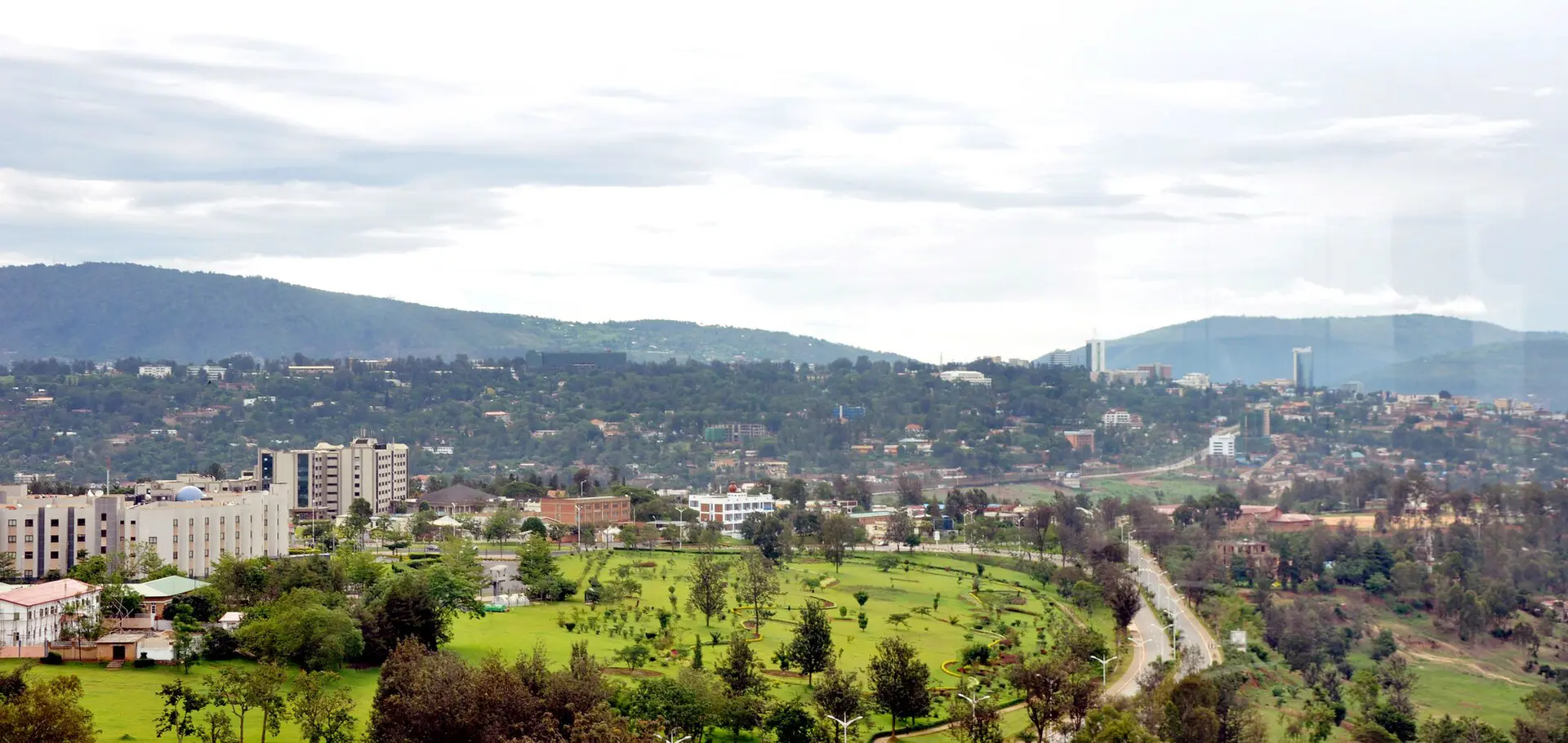
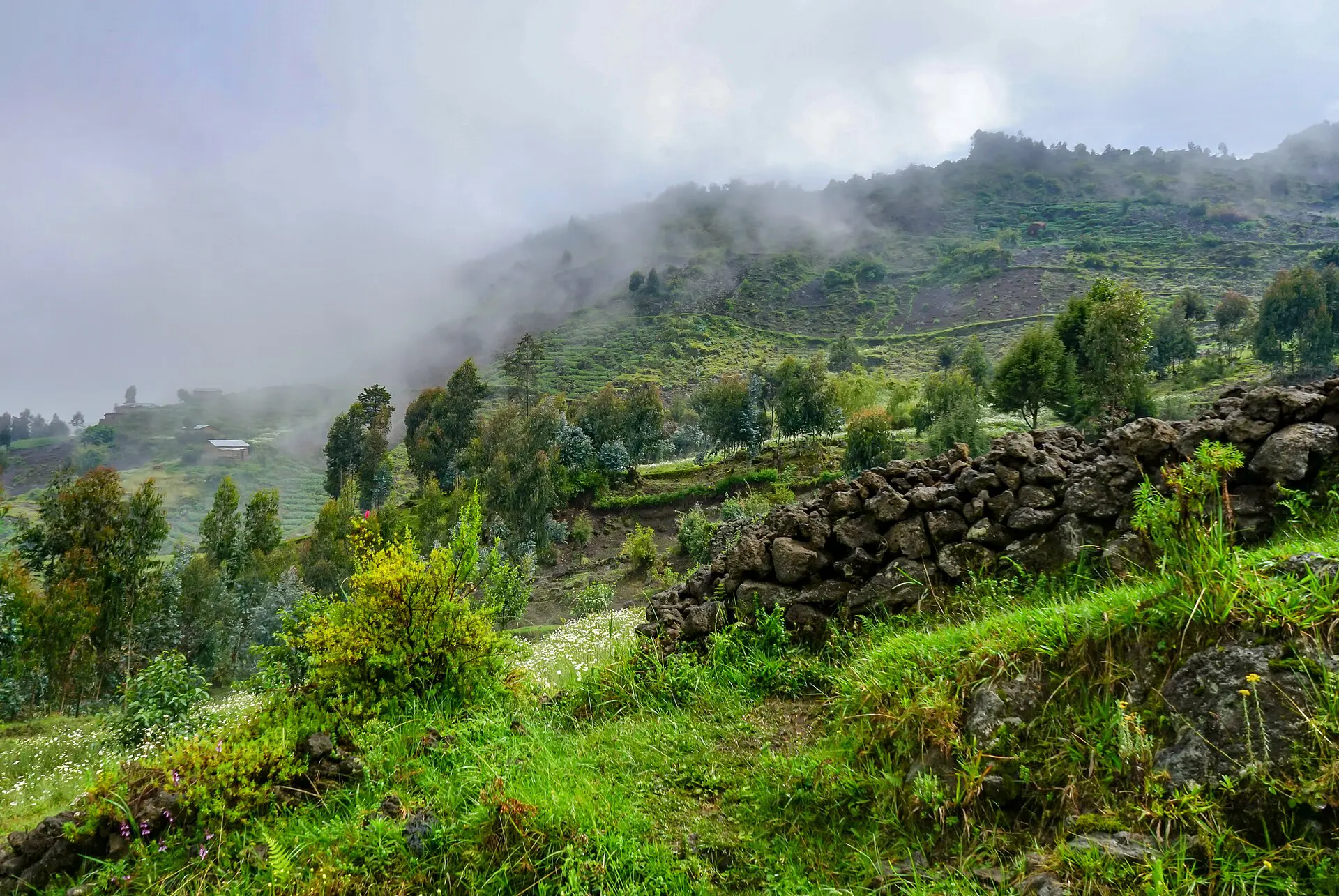
This Rwanda travel guide starts with the case for going: the country is a landlocked East African nation of about 26,000 square kilometres with mountains in the west, savannah in the east and several volcanoes of the Virunga chain in the northwest (see the Wikipedia overview for background). Known as the land of a thousand hills, it combines rolling green highlands, ancient rainforest and a capital, Kigali, at about 1,570 metres above sea level.
Rwanda suits wildlife travellers, hikers, and visitors who want an organised destination where distances are short. Mountain gorilla trekking is the headline, but Akagera National Park offers Big Five safaris, and Nyungwe has chimpanzees and a canopy walk. The country is also a place to learn about the 1994 genocide against the Tutsi and the rebuilding since, through memorials and museums, which many visitors find essential context.
Best places to visit in Rwanda
The best places to visit in Rwanda are national parks and a handful of towns, all reachable within a day’s travel from Kigali.
Volcanoes National Park
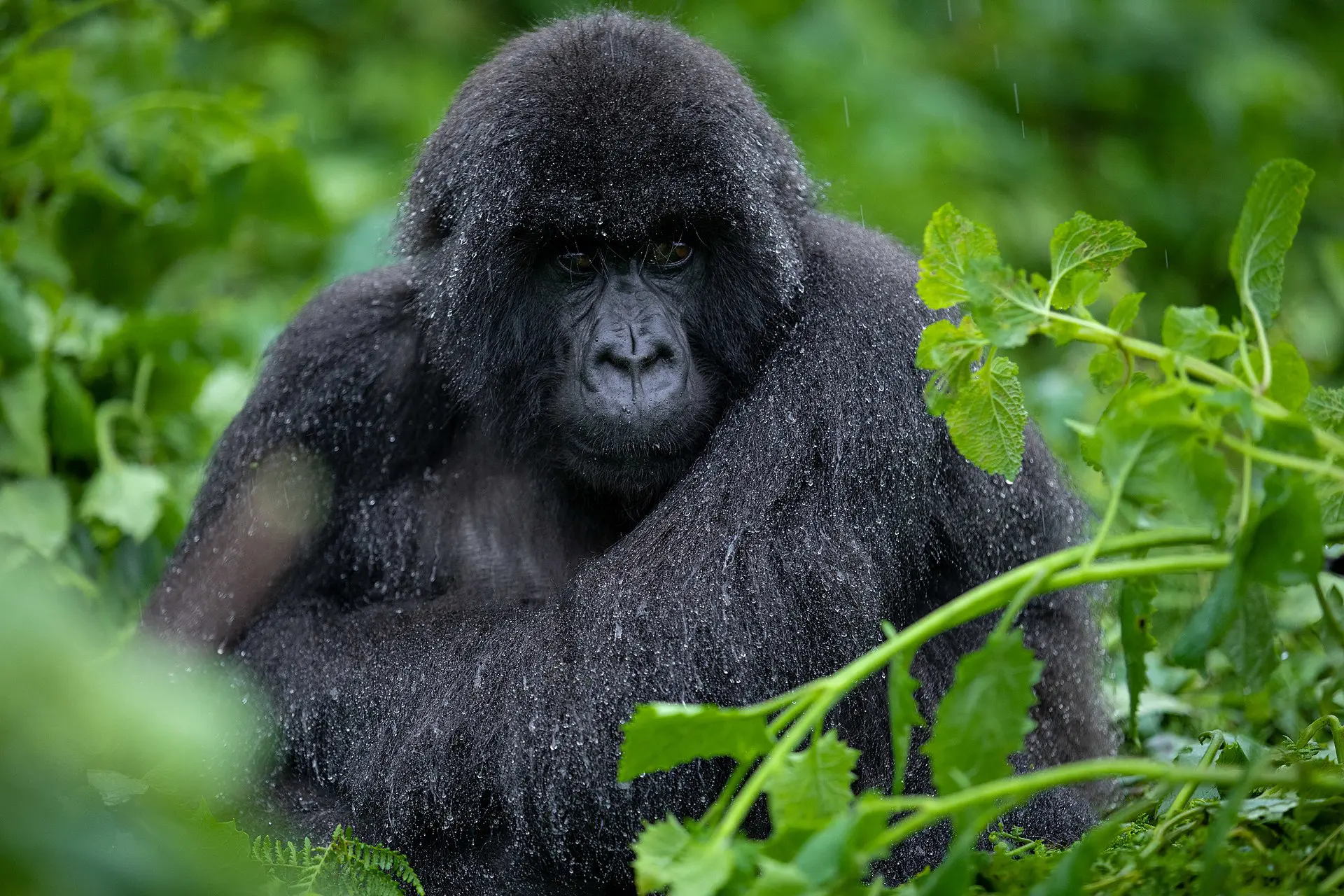
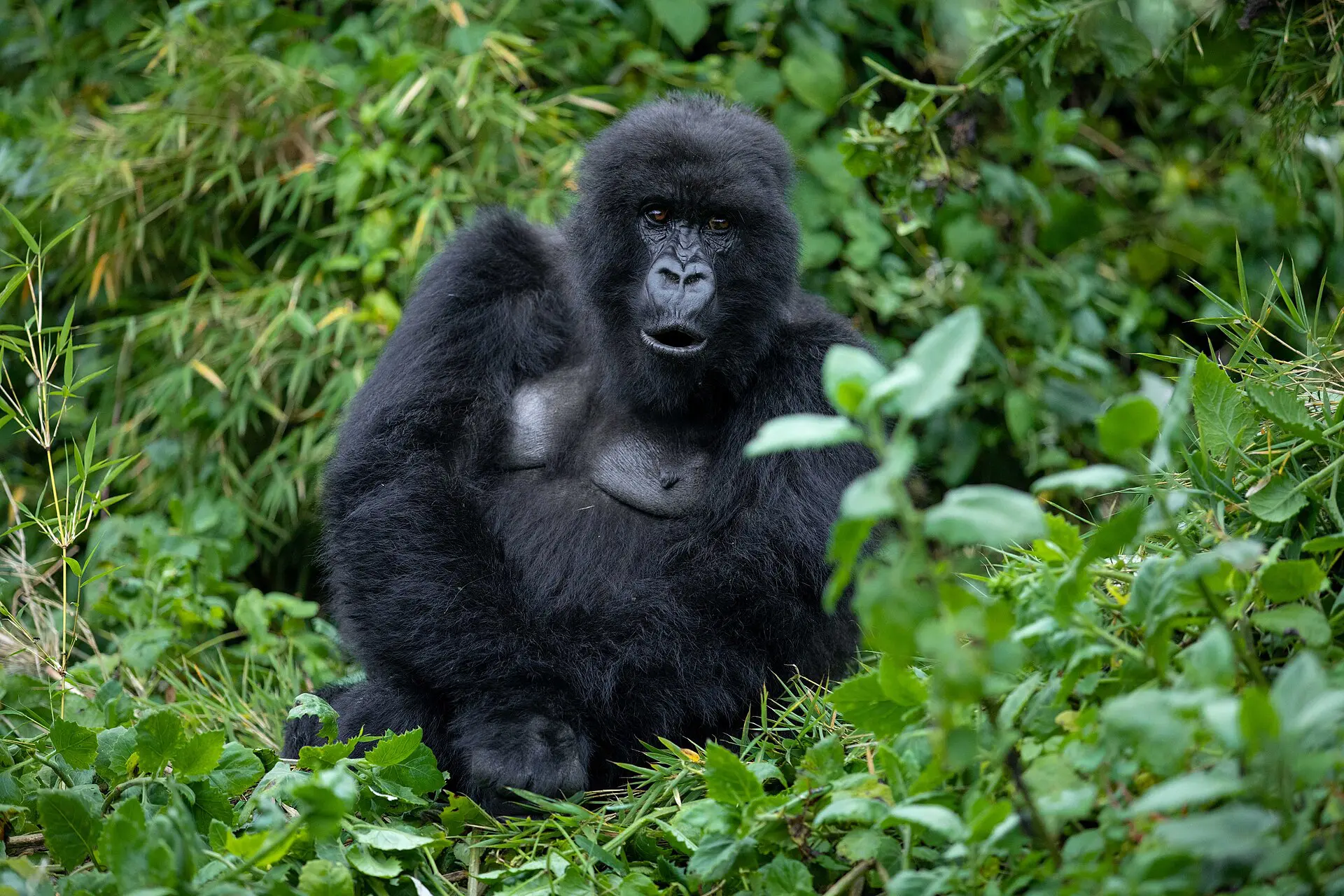
Near Musanze in the northwest, this park protects mountain gorillas in the Virunga range, which spreads into Uganda and the Democratic Republic of the Congo. It is also the setting for Dian Fossey’s research. Treks and golden monkey visits start from the park headquarters at Kinigi.
Kigali
The capital is clean, hilly and relatively calm. The Kigali Genocide Memorial is a key visit, and the city has cafés, craft markets and a growing arts scene.
Akagera National Park
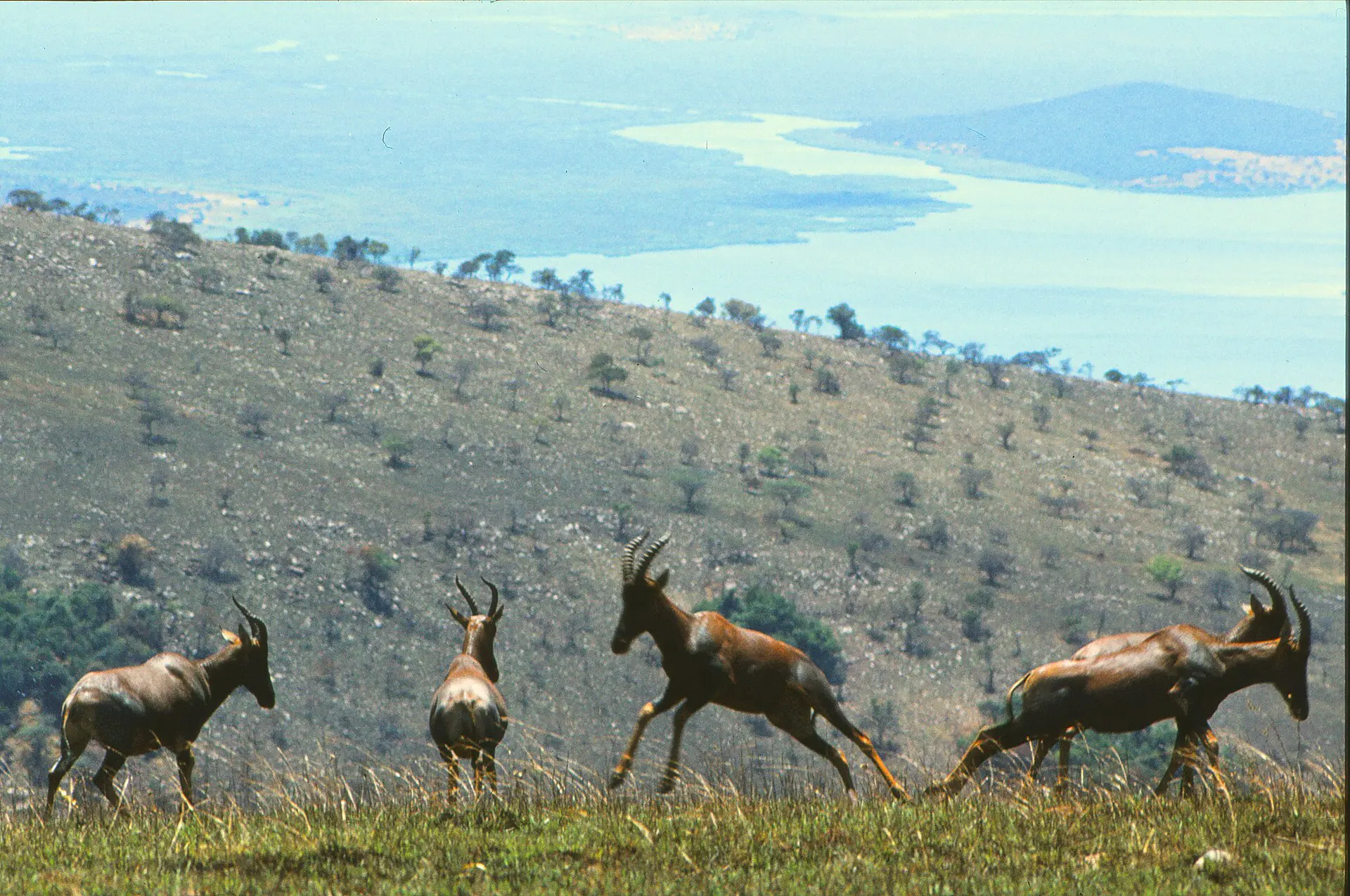
On the eastern border with Tanzania, Akagera has lions, rhinos, elephants, buffalo and leopards, plus hippos and birds on its lakes. It is a good two or three day trip from Kigali.
Nyungwe National Park
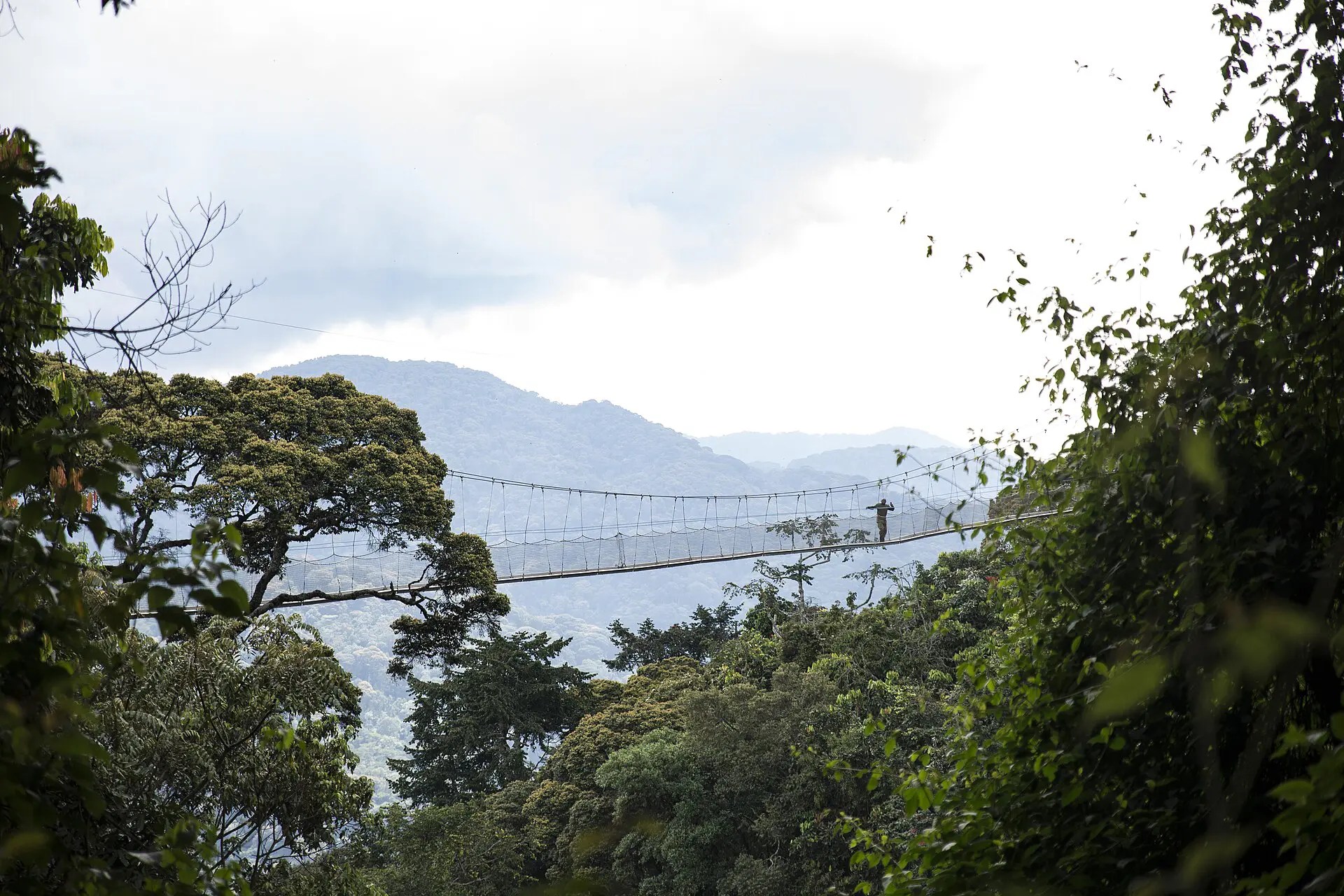
One of the best-preserved rainforests in Central Africa, Nyungwe offers chimpanzee tracking, colobus monkeys and a suspended canopy walkway.
Lake Kivu
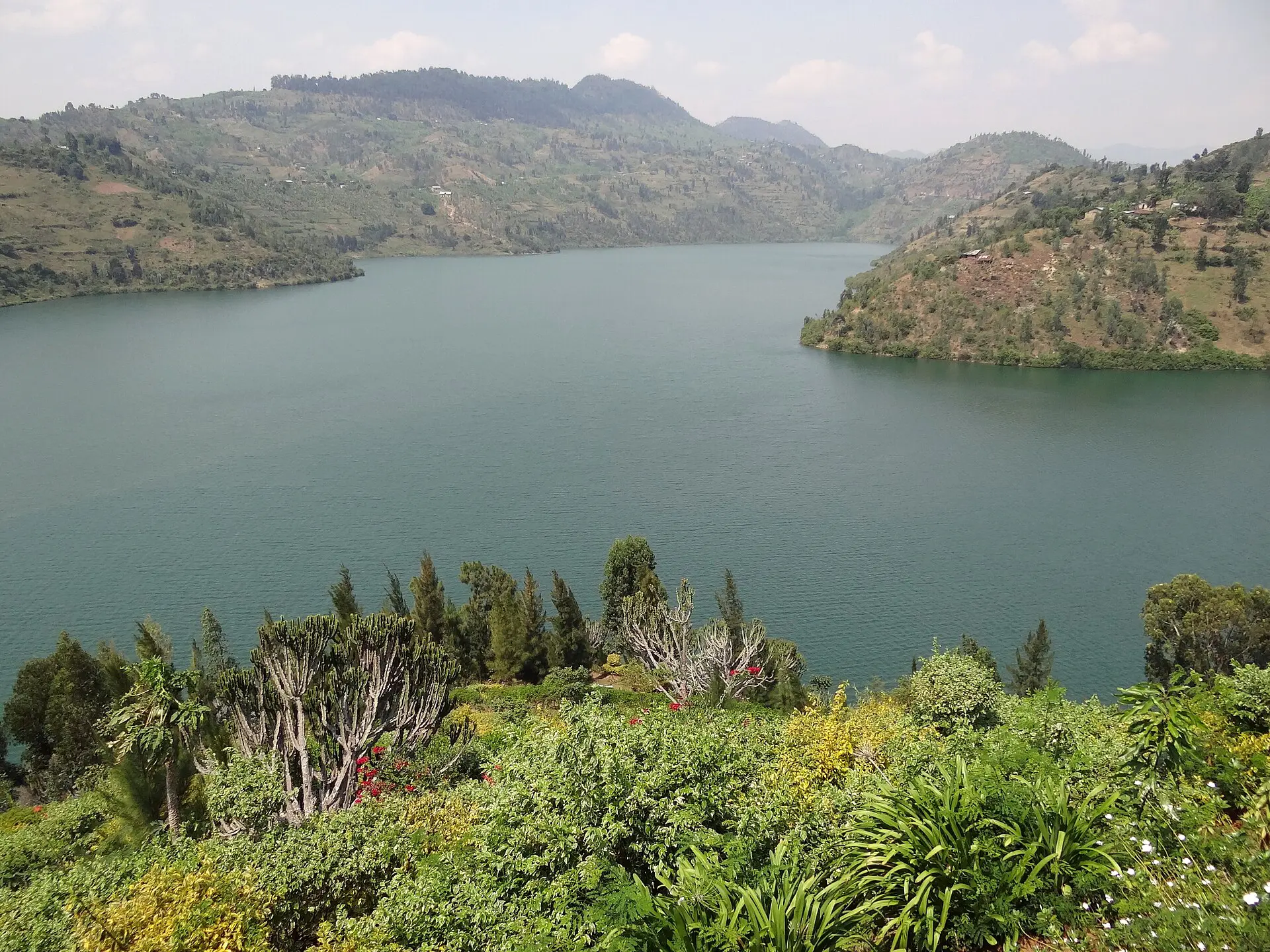
The lakeshore towns of Karongi (Kibuye) and Rubavu (Gisenyi) have beaches, boat trips and relaxed hotels. Check border-area advice before visiting Rubavu.
Huye
The southern town has the Rwanda National Museum, a good introduction to the country’s culture and history.
Top things to do in Rwanda
The top things to do in Rwanda centre on wildlife, with history and cultural stops in between.
- Trek mountain gorillas: in Volcanoes National Park, small groups spend an hour with a habituated family after a guided hike.
- Track golden monkeys: a cheaper, easier primate day in the same park.
- Go on safari in Akagera: game drives and boat trips on Lake Ihema show lions, rhinos, hippos and many birds.
- Track chimpanzees in Nyungwe: early starts and steep forest walks reward fit visitors.
- Walk the Nyungwe canopy: a suspended walkway runs high above the forest floor.
- Visit the Kigali Genocide Memorial: the exhibition and gardens are a sober, important introduction to the country’s history.
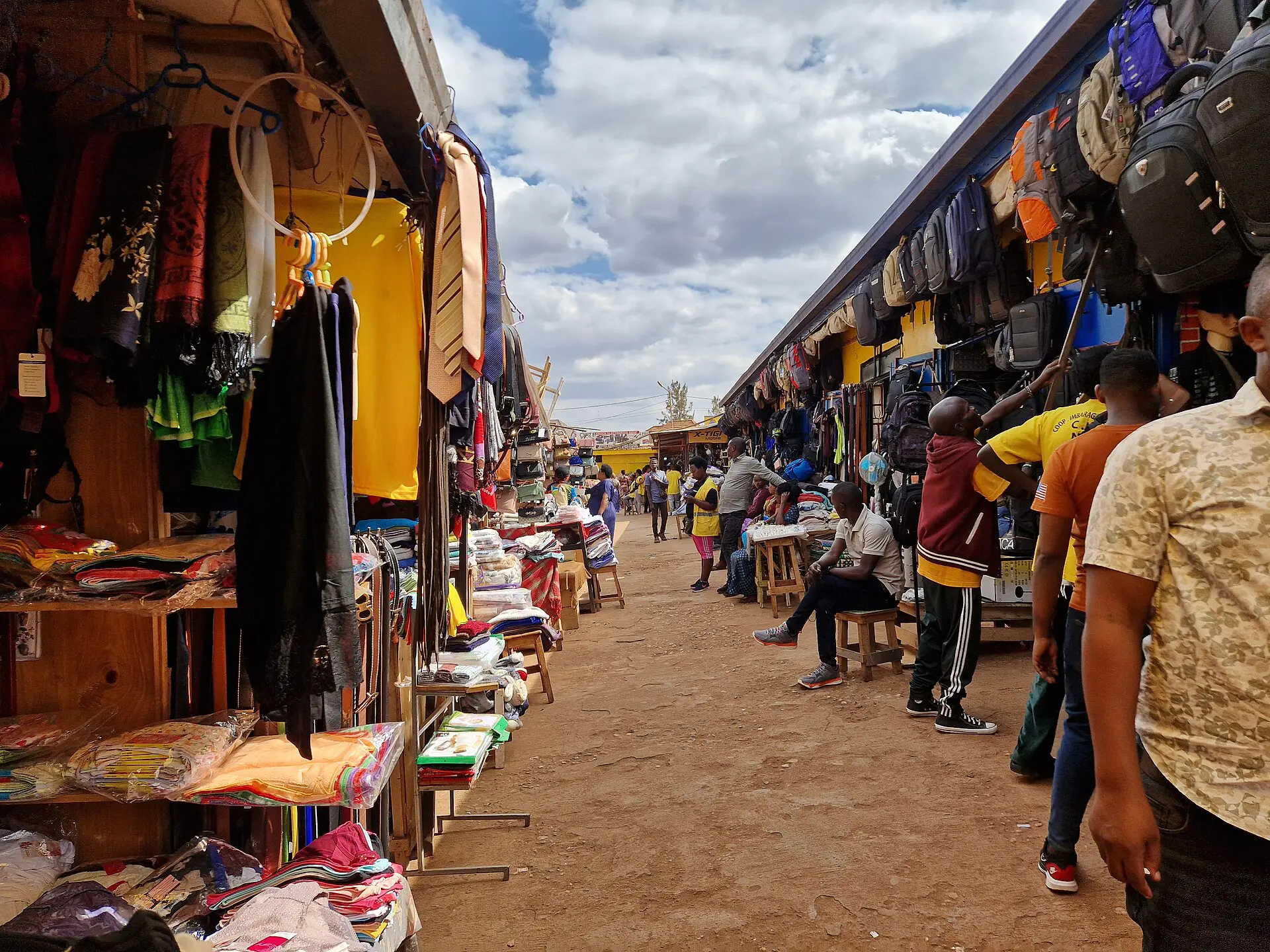
- Explore Kimironko Market in Kigali: shop for fabrics, crafts and fresh produce.
- Cruise or kayak on Lake Kivu: calm water and island stops around Karongi.
- Visit the Rwanda National Museum in Huye: it has well-organised cultural collections.
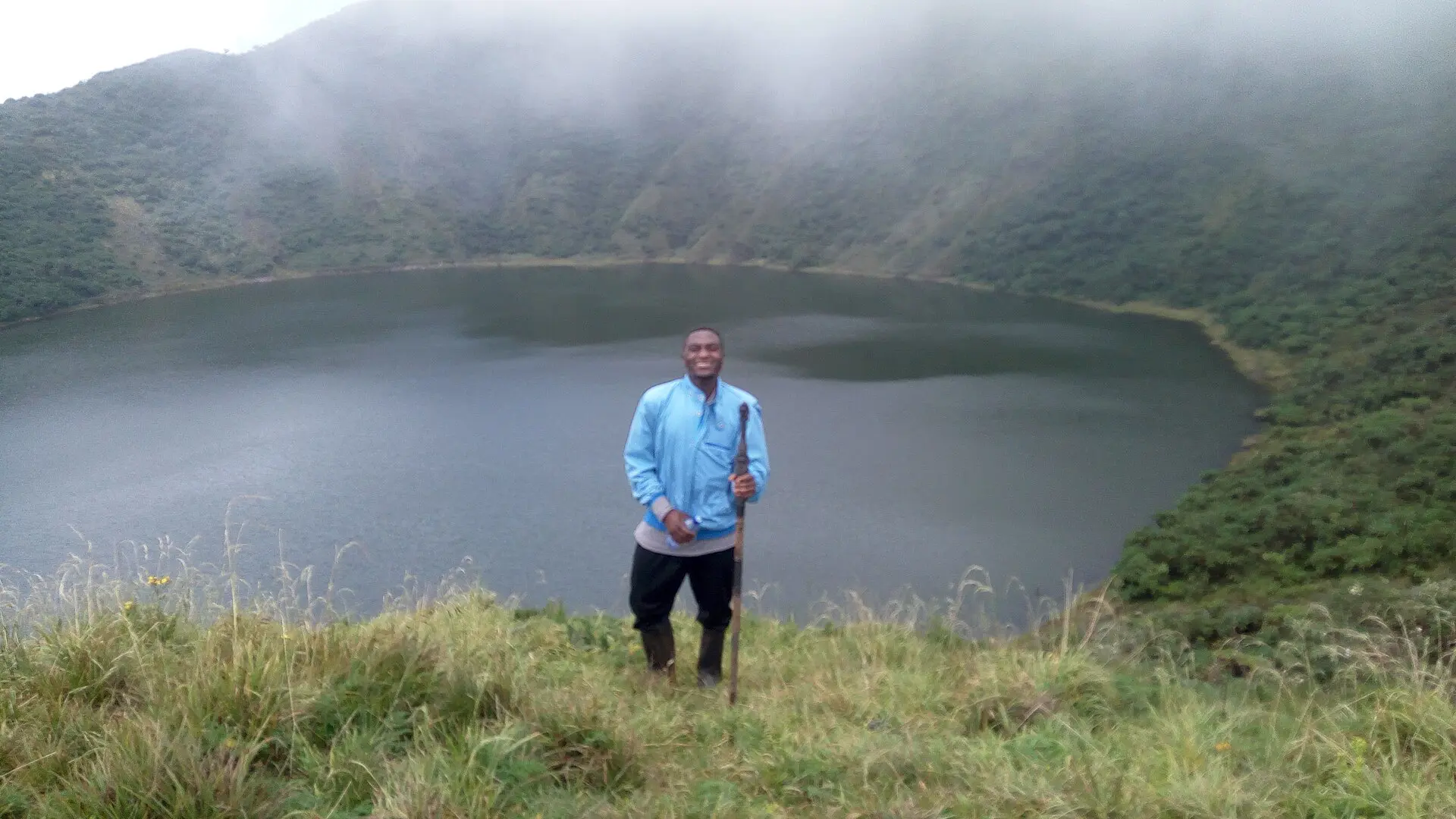
- Hike Mount Bisoke or Karisimbi: volcano climbs from the Volcanoes park suit fit walkers.
Best time to visit Rwanda
The best time to visit Rwanda is the long dry season from June to September, with a shorter dry spell from December to February. Trails are drier, roads are better and wildlife viewing in Akagera is easier. Rwanda has a tropical highland climate with two rainy seasons, so mountain mornings are cool at any time of year, and gorillas can be trekked all year.
| Season | Weather | Crowds and prices | Good for |
|---|---|---|---|
| Long dry (Jun-Sep) | Dry, sunny days, cool nights | Highest; book permits early | Gorillas, safaris, hiking |
| Short rains (Oct-Nov) | Showers, green landscapes | Lower | Birding, quieter parks |
| Short dry (Dec-Feb) | Mostly dry, warm | Moderate, peaks around holidays | Gorillas, Akagera, Nyungwe |
| Long rains (Mar-May) | Heavy rain, muddy trails | Lowest; some lodges offer discounts | Budget travel, fewer visitors |
Trails in the rainy months are slippery, and some lodges close briefly in April and May.
Is Rwanda safe to visit?
Yes, Rwanda is generally one of the safest and most orderly countries in Africa, with low street crime and strict rules, but the western border with the Democratic Republic of the Congo needs attention. Check your government’s current advice, such as the UK FCDO or US State Department pages, because some advise against travel close to the DRC frontier and have warned about tensions between the two countries.
Border areas. Eastern DRC has seen armed conflict. Stay away from the border zones that your government flags, and check the latest information before visiting Rubavu, Rusizi or parks near the frontier.
Crime and scams. Petty theft exists in Kigali markets and buses, though violent crime against tourists is uncommon. Keep phones and bags out of sight.
Roads and motos. Moto-taxis are cheap but risky. Wear the helmet provided, and prefer cars for long distances. Mountain roads are winding.
Health. Malaria risk exists in lower areas, and yellow fever documentation may be requested. See a travel clinic. Tap water is not safe to drink.
Politics and photos. Do not photograph military, police or government buildings. Political topics are sensitive.
Visa and entry requirements for Rwanda
Entry rules depend on your nationality. Rwanda has offered visas on arrival or an online e-visa to many visitors, and citizens of some African and Commonwealth countries have enjoyed visa-free entry, but eligibility and fees change. Confirm the current rule with the Rwandan Directorate General of Immigration and Emigration or your nearest embassy.
Bring a passport valid for at least six months. Some arrivals are asked for proof of onward travel and accommodation. A yellow fever certificate may be required if you arrive from a country at risk, so check health requirements. The East Africa Tourist Visa has covered Rwanda, Uganda and Kenya for multi-country trips, though terms have changed, so verify before booking.
Rwanda has banned single-use plastic bags, and officers may confiscate them at arrival, so pack in cloth or reusable bags. Gorilla permits are booked separately through the Rwanda Development Board, and your passport details are needed. The UNESCO page for Rwanda lists heritage sites, though it does not cover entry rules.
Getting to and around Rwanda
Most visitors fly into Kigali International Airport, which has direct links to Nairobi, Addis Ababa, Doha, Brussels and other hubs, with RwandAir as the national carrier. Overland, Rwanda connects with Uganda at Gatuna and Cyanika, Tanzania at Rusumo and Burundi, though check current border status because crossings have been disrupted at times.
Rwanda is small, and the main roads are paved and generally good. Typical drive times from Kigali are about two to two and a half hours to Musanze for Volcanoes National Park, about two to three hours to Akagera, around two hours to Huye, and five to six hours to Nyungwe. Check times locally, since road works and traffic vary.
Public buses and minibuses link towns cheaply. Many visitors hire a car with a driver-guide, which is the easiest way to reach the parks. Moto-taxis and ride-hailing apps work in Kigali. Self-driving is possible on the right, but rural roads are steep and busy with pedestrians and bikes.
How much does a trip to Rwanda cost?
Rwanda is not a budget destination for wildlife, because park fees are high by design. The currency is the Rwandan franc (RWF), but many tour operators quote in US dollars. Gorilla trekking permits have recently cost around USD 1,500 per person, and chimpanzee, canopy and safari fees add to this. Check the Rwanda Development Board for current rates. Figures below are rough per-person guides for 2026, excluding the gorilla permit.
- Budget: around USD 50 to 90 per day, with hostels or simple guesthouses, buses and local meals.
- Mid-range: around USD 100 to 200 per day, with comfortable lodges, a car and driver for part of the trip and park fees.
- High-end: from around USD 400 per day, with luxury lodges and private guides.
The permit and park fees are the biggest cost drivers, followed by lodge prices near Volcanoes National Park and Akagera. In Kigali, meals and local transport remain modest. Tipping guides, trackers and porters is appreciated.
Rwanda food and drink
Rwanda food is simple and starch-based, with beans, plantains, cassava, potatoes and vegetables, and meat or fish as side dishes. Kigali also has international restaurants and good coffee.
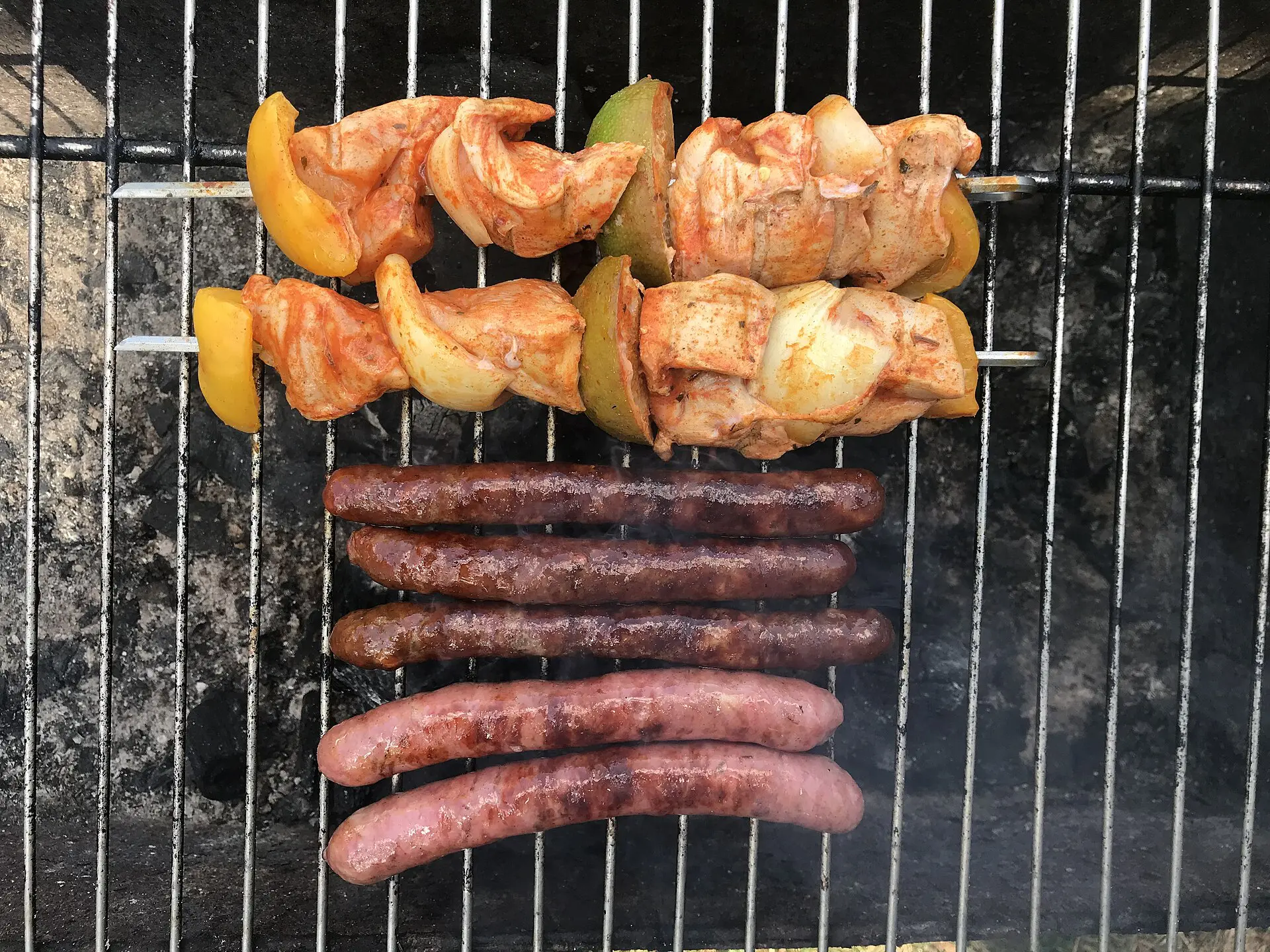
- Brochettes: grilled skewers of goat, beef or chicken, popular in bars and roadside stands.
- Isombe: cassava leaves cooked with aubergine and often groundnut paste.
- Ugali (ubugali): a stiff maize or cassava porridge eaten with stews.
- Matoke: steamed or stewed green plantains, often with beans.
- Sambaza: small fried fish from Lake Kivu, served crisp as a snack.
- Urwagwa and Primus: traditional banana beer and the main local lager.
- Coffee and tea: Rwanda grows both, and visits to plantations are possible.
Vegetarians do well, because bean, vegetable and plantain dishes are common, although meat features at celebrations. Buffet-style restaurants called “hotels” serve cheap lunches. Drink bottled or treated water, and peel or wash fresh fruit and salads.
Culture, language and etiquette in Rwanda
Rwanda’s official languages are Kinyarwanda, English and French, and Swahili is also used in trade. Kinyarwanda is spoken by almost everyone. English is common in Kigali and in tourism. Greeting people politely matters: a handshake and a few words, such as murakoze (thank you), go a long way.
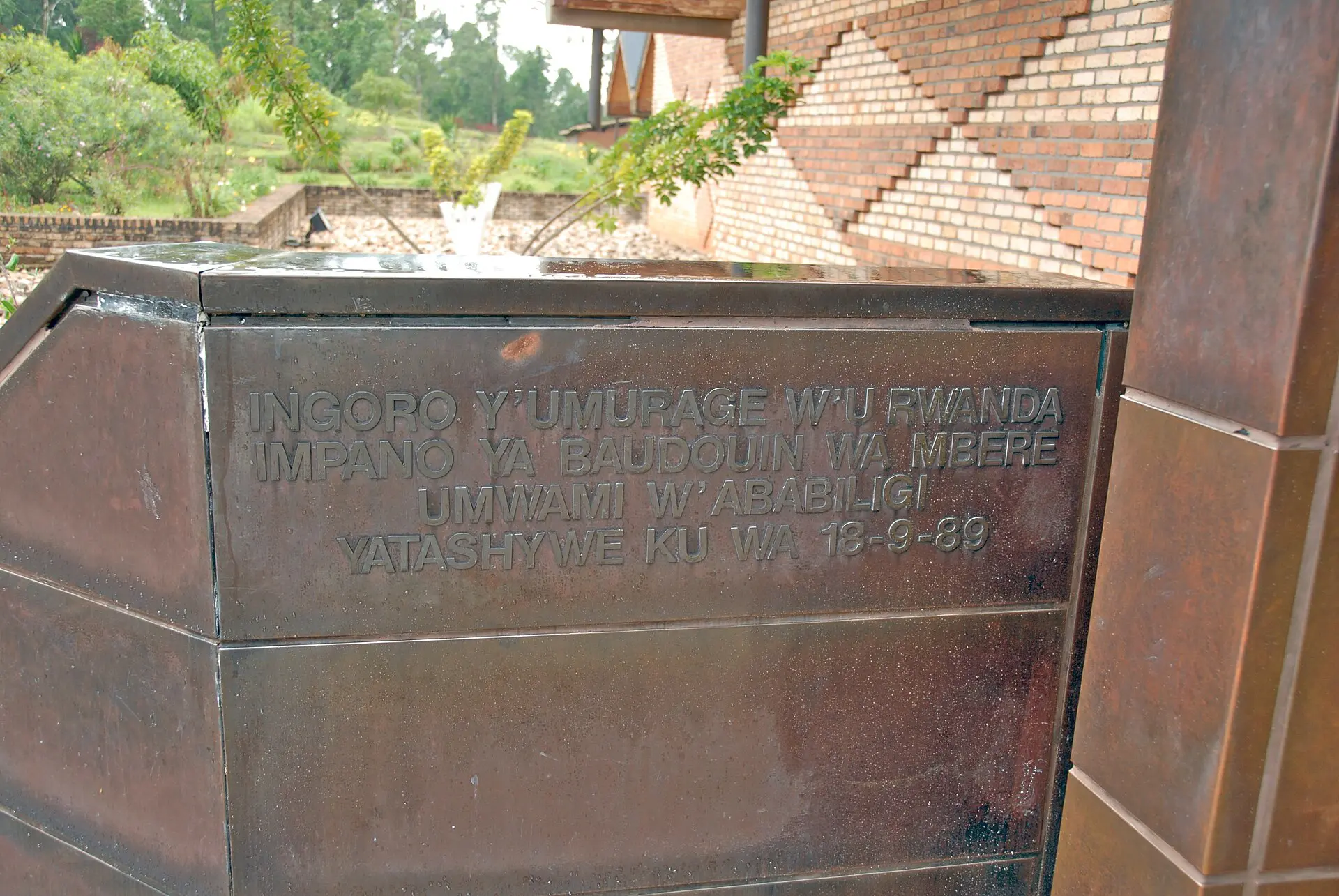
The 1994 genocide against the Tutsi is a central part of national memory, and the country commemorates it each April. Visit memorials respectfully, dress modestly and ask before taking photos, and do not photograph inside the museum sections at Kigali’s memorial. Public discussion of ethnic groups is discouraged by law and custom, so avoid raising it casually, and listen if people speak about their experiences.
Umuganda, community work on the last Saturday of each month, can close roads and shops for a morning in the early hours. Rwandans value cleanliness and order, so litter is frowned upon, and plastic bags are banned. Dress is conservative outside tourist areas.
Rwanda itinerary: a 7-day route
This route links Kigali with the main parks by road, using a hired car and driver. Check current official advice for the western border areas before you commit.
- Day 1, Kigali: arrive, then visit the Kigali Genocide Memorial and a local market.
- Day 2, Akagera: drive about two to three hours east, with an afternoon game drive.
- Day 3, Akagera and back: take an early game drive and a boat trip, then return to Kigali.
- Day 4, Musanze: drive about two hours north and stay near Volcanoes National Park.
- Day 5, gorilla trek: a full day for the trek and the return, with permit booked months ahead.
- Day 6, Lake Kivu or Huye: head to Karongi for lake time, or to Huye for the National Museum, depending on border advice.
- Day 7, return: allow three to four hours to Kigali airport.
With more days, add Nyungwe for chimpanzees and the canopy walk. In the rainy season, swap some safari time for Kigali and Huye.
Practical tips for Rwanda
- Money: the Rwandan franc is the local currency; ATMs work in Kigali and bigger towns, and cards are accepted at larger hotels. Carry cash and small notes outside the capital. US dollars are used by operators, but notes should be recent and undamaged.
- SIM and eSIM: local SIMs are cheap, and mobile coverage is good on main roads. Registration with a passport is required.
- Plugs: types C and J at 230 V.
- Tipping: not required, but guides, trackers, porters and drivers expect small tips at the parks.
- Health: see a travel clinic about malaria, yellow fever and routine vaccines, and bring insect repellent and insurance with evacuation cover.
- Packing: waterproof jacket, gaiters and sturdy boots for trekking, warm layers for mornings, gardening gloves for nettles and cloth bags instead of plastic.
- Booking: reserve gorilla permits and lodges early for June to September.
For wider background, see the Wikivoyage Rwanda guide.
FAQ
Q1Is Rwanda safe?
Generally yes. Rwanda is among the most orderly countries in Africa, with low street crime and strict rules. The main caution is the western border with the DRC, where some governments advise against travel because of conflict. Check your government's current advice, and be careful on moto-taxis.
Q2What are the best things to do in Rwanda?
Top picks are trekking mountain gorillas in Volcanoes National Park, safari in Akagera, chimpanzee tracking and the canopy walk in Nyungwe, visiting the Kigali Genocide Memorial, and relaxing on Lake Kivu. Most fit into a seven to ten day trip.
Q3How much does a gorilla trek in Rwanda cost?
The Rwanda Development Board has charged around USD 1,500 per person for a gorilla permit in recent years, with extra costs for transport, lodging and tips. Prices can change, so check the official rate and book months ahead for the dry season.
Q4What is the best time to visit Rwanda?
June to September is the best season, with a shorter dry period from December to February. Trails and roads are drier and wildlife viewing is easier. The rainy months of March to May and October to November are quieter and cheaper, though trails are muddy.
Q5What are the best places to visit in Rwanda?
Volcanoes National Park for gorillas, Akagera for savannah safari, Nyungwe for chimpanzees and rainforest, Kigali for history and food, and Lake Kivu for relaxation. Huye adds the National Museum. Distances are short, so several stops fit in a week.
Q6Do I need a visa for Rwanda?
It depends on your nationality. Many visitors can obtain a visa on arrival or an e-visa, and some nationalities are exempt, but rules and fees change. Confirm with Rwandan immigration or your embassy, and check whether a yellow fever certificate is needed.
Q7Is Rwanda safe for solo female travellers?
Rwanda is widely regarded as safe for solo women, including in Kigali after dark in main areas. Use registered taxis or apps at night, dress modestly outside tourist spots and arrange guides for park visits. Check current official advice before travelling.