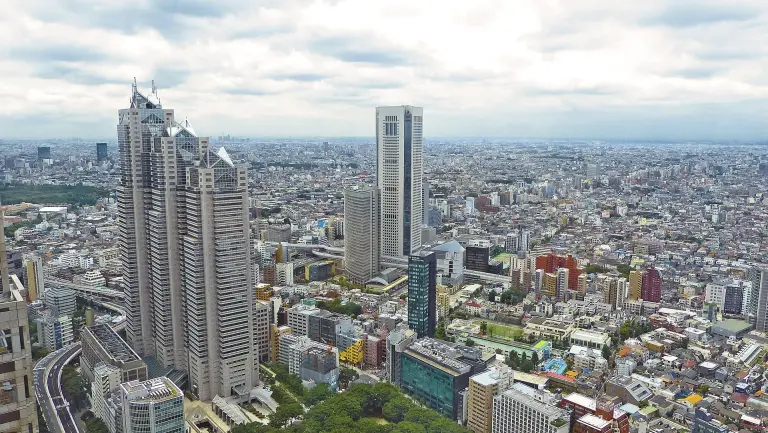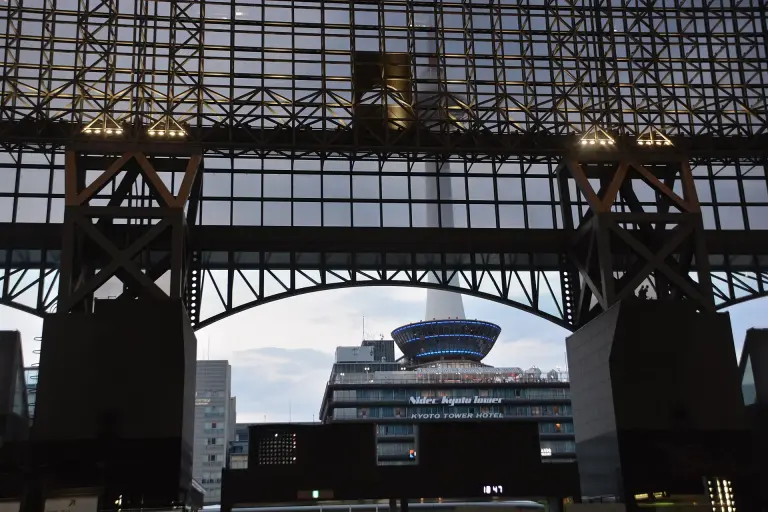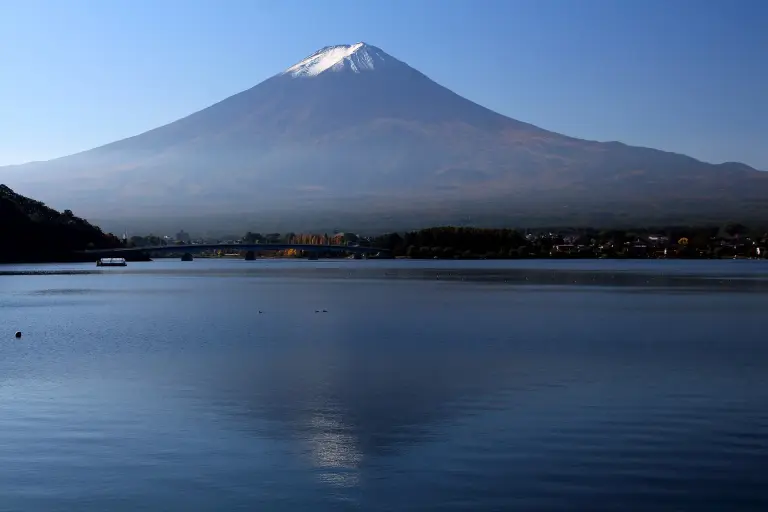
A workable Japan itinerary with kids is 10 days with two bases: five nights in Tokyo, then four or five in Kyoto with Nara and Osaka as day trips. Primary-school children cope well with Japan because trains are punctual and convenience stores solve most meal problems, but they tire on stairs, crowds and long walks. Every day below has two blocks, a rest anchor and a block you can drop without breaking the rest.
Japan itinerary with kids at a glance
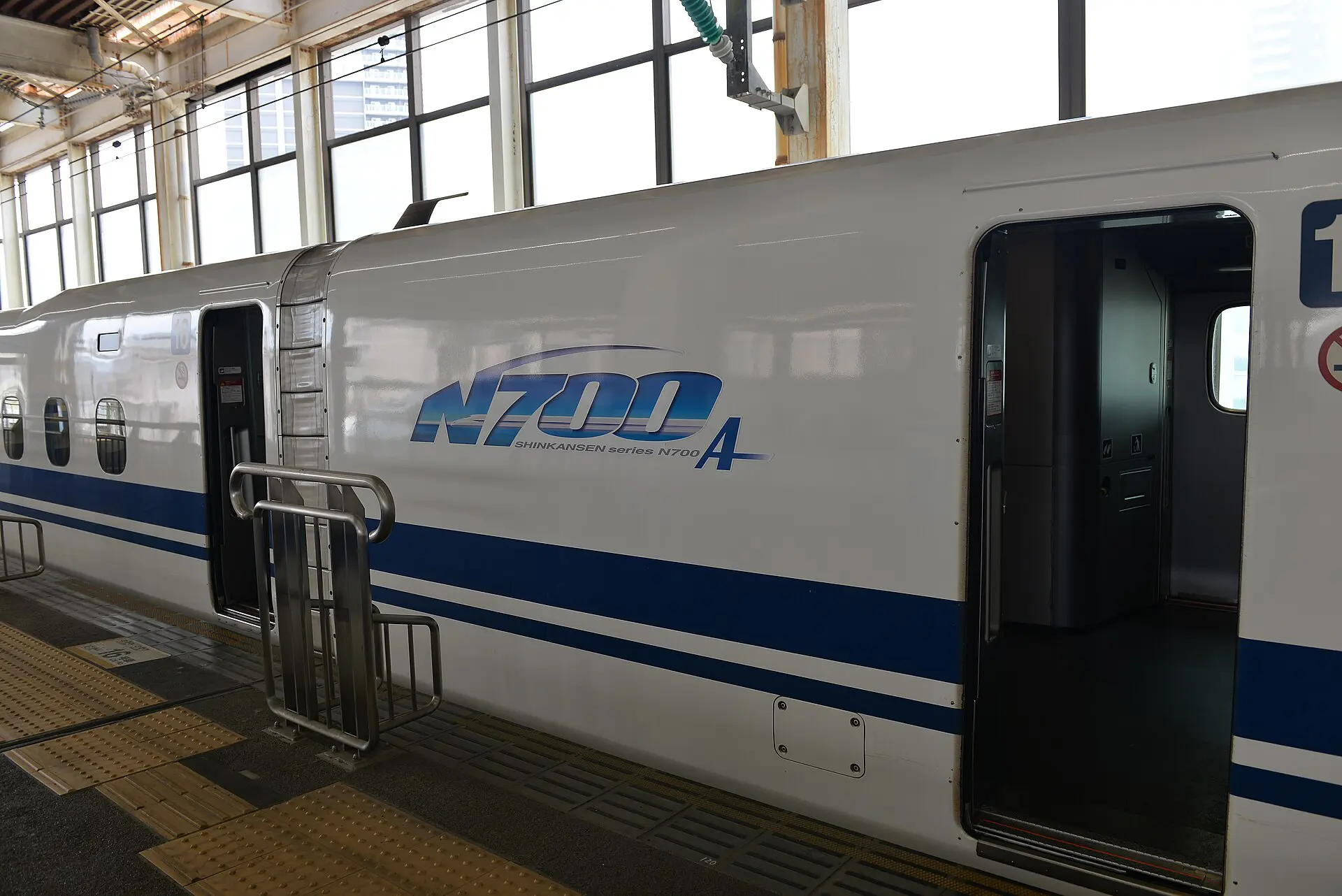
The longest transfer in the whole plan is the Tokyo to Kyoto bullet train, about two and a half hours. Everything else is under 45 minutes door to door. Hotel changes happen once.
| Days | Base | Longest transfer | Pace |
|---|---|---|---|
| 1 to 2 | Tokyo (east side) | Airport to hotel, 60 to 90 minutes | Gentle: jet lag first |
| 3 | Tokyo | 25 minutes by train | Full: zoo and museum |
| 4 | Tokyo | 30 minutes by train | Light: park and shrine |
| 5 | Tokyo | 35 minutes by train | Light: one booked visit |
| 6 | Tokyo to Kyoto | Bullet train, about 2.5 hours | Travel day: nothing else |
| 7 | Kyoto | 15 minutes by train | Full, early start |
| 8 | Kyoto (Nara trip) | 45 minutes by train | Medium |
| 9 to 10 | Osaka or Kyoto, then flight | 30 to 75 minutes | Light, then departure |
Fly into Tokyo and out of Osaka (Kansai Airport) if the fares allow, because it removes a second long train day. If a return flight to Tokyo is cheaper, take the bullet train back on day 10 and treat it as a travel day with nothing else planned.
Day-by-day Japan itinerary with kids
Block lengths assume children aged 5 to 11. Each day lists a morning block, an afternoon block, one anchor for food and rest, and a swap for when everyone is tired.
Days 1 to 2: Arrive and settle in Asakusa
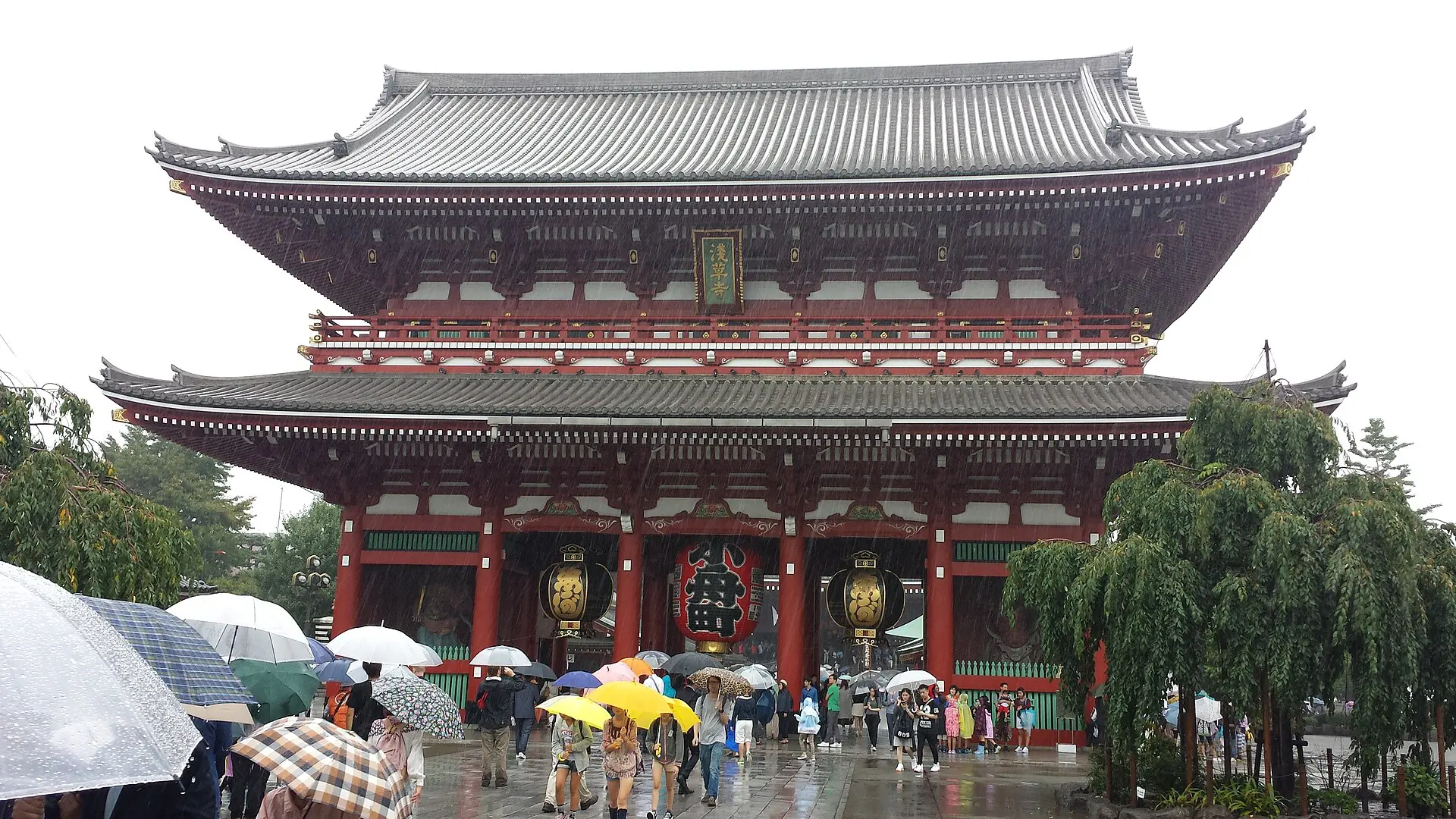
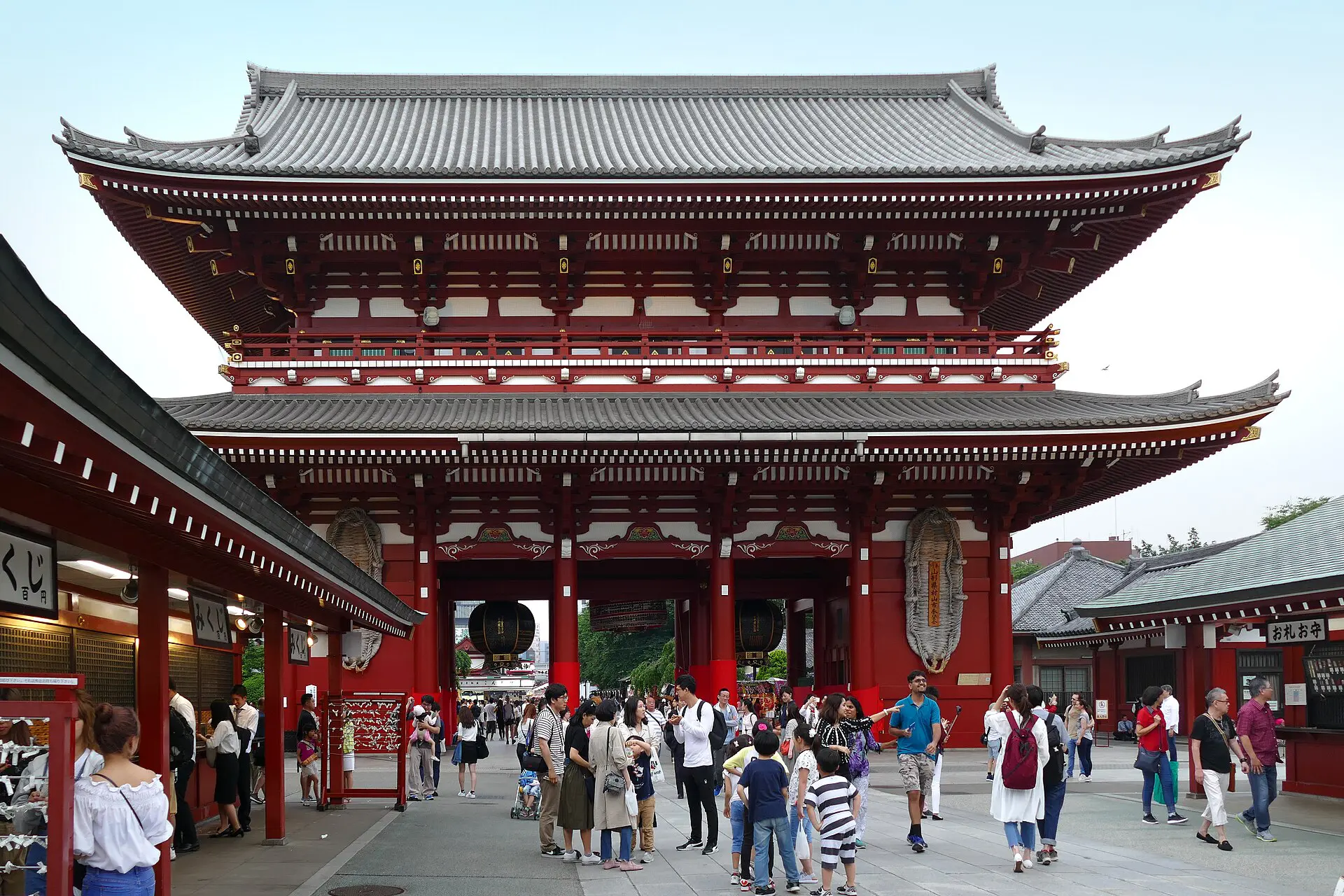
Morning (day 2): a slow walk through Sensoji temple and the market street leading to it. Go before 9:00, because the street fills quickly. Afternoon: a boat or a short train ride along the Sumida River, then back to the hotel. Anchor: an hour of quiet time at the hotel after lunch; jet lag usually hits children around mid-afternoon on the first two days.
Day 1 is arrival only. Eat something simple from a convenience store near the hotel and sleep. Tired-day swap: skip the river and spend the afternoon in a neighbourhood playground; Tokyo has many small ones, and they cost nothing.
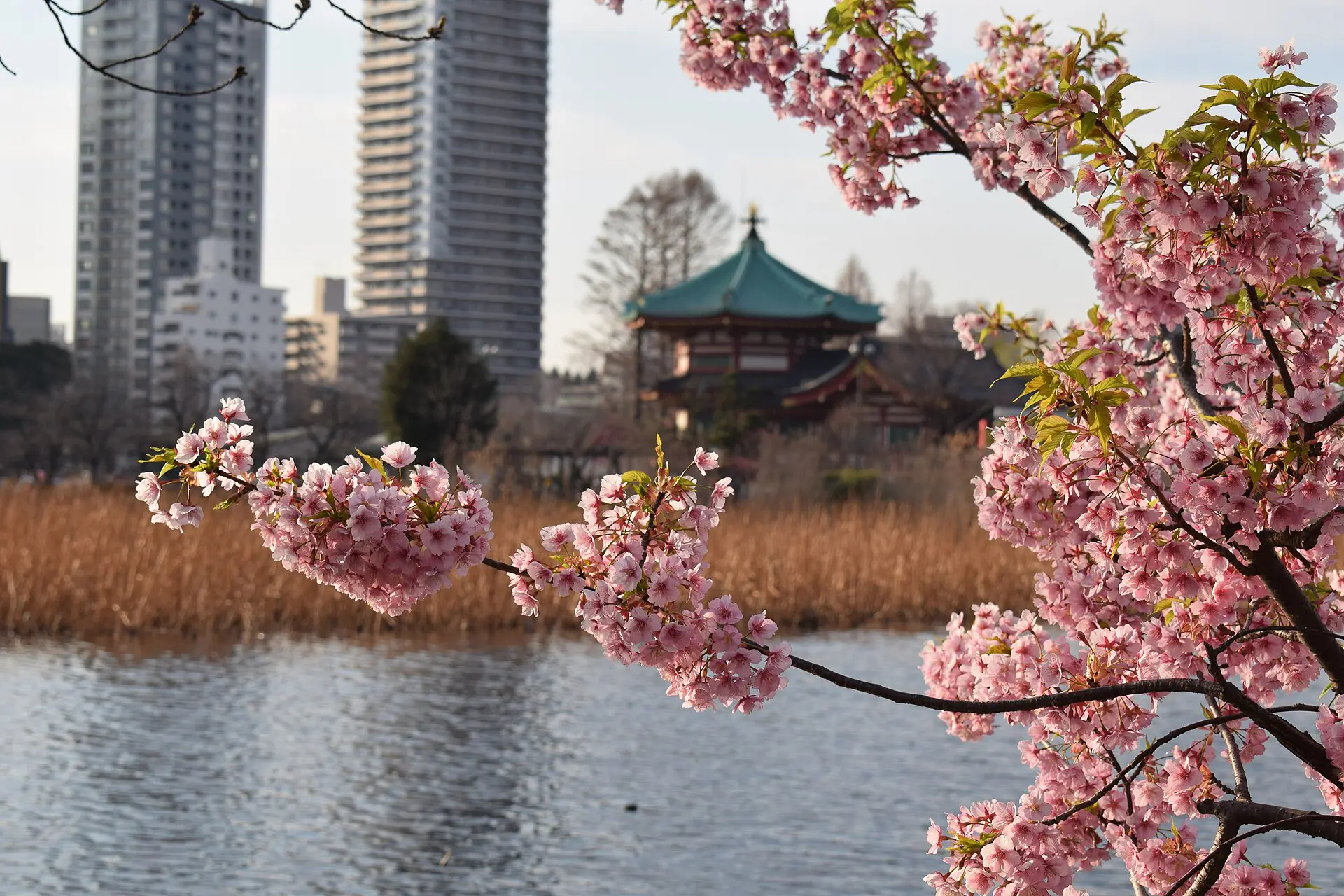
Day 3: Ueno Park, the zoo and a science museum
Morning: Ueno Zoo, which is large and hilly, so pick three or four enclosures and ignore the rest. Afternoon: the National Museum of Nature and Science, which has hands-on rooms and suits children who need to touch things. Anchor: picnic lunch in the park, with a bench rest of at least 45 minutes before the museum.
Tired-day swap: replace the zoo with the museum only, and spend the other half of the day on the lawns and the pond area of the park. This is the fullest day in Tokyo, so it comes after two easy days.
Day 4: Meiji Shrine and Yoyogi Park
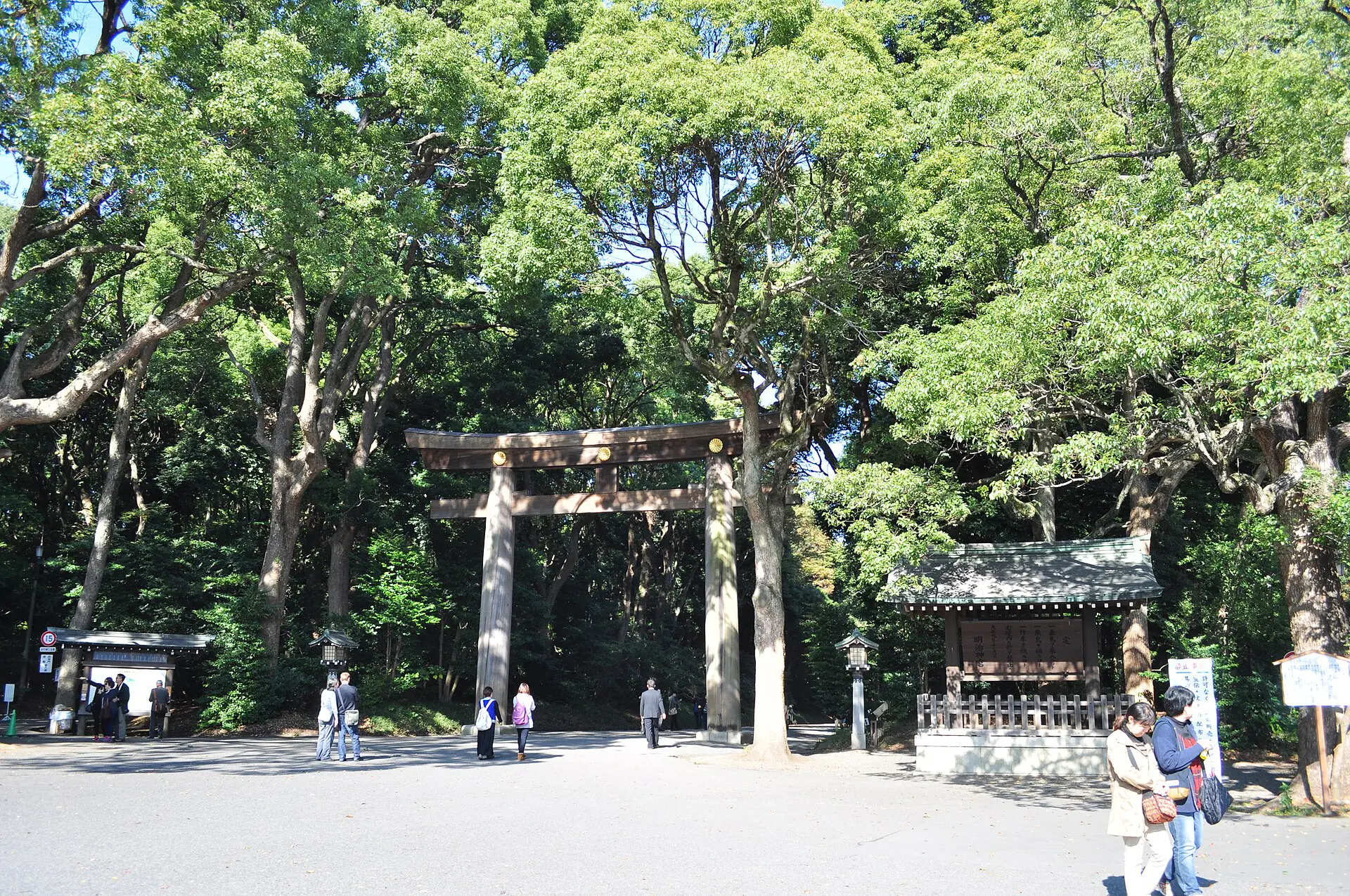
Morning: the forested approach to Meiji Shrine, a flat gravel walk of about 15 minutes each way that works for all ages. Afternoon: Yoyogi Park next door, where children can run, ride rental bikes or watch street performers on weekends. Anchor: lunch near Harajuku station, then a long park break.
Tired-day swap: go to the shrine only, then take the train back for a hotel rest. If the day is wet, the forest still works under a light rain jacket, and the park block can move to a department store floor with a play area.
Day 5: One booked visit, nothing else
Choose one: the Ghibli Museum in Mitaka (tickets are sold in advance, usually a month or so ahead, so check the official sales rules early) or a science and technology museum on the waterfront. Morning: travel and visit. Afternoon: a park such as Inokashira if you went to Mitaka, then home early.
Anchor: an early dinner by 18:00. Tired-day swap: if the ticket is missing, pick any indoor museum and use the day as a deliberate rest day. Pack luggage tonight, because tomorrow is the bullet train.
Day 6: Tokyo to Kyoto by bullet train
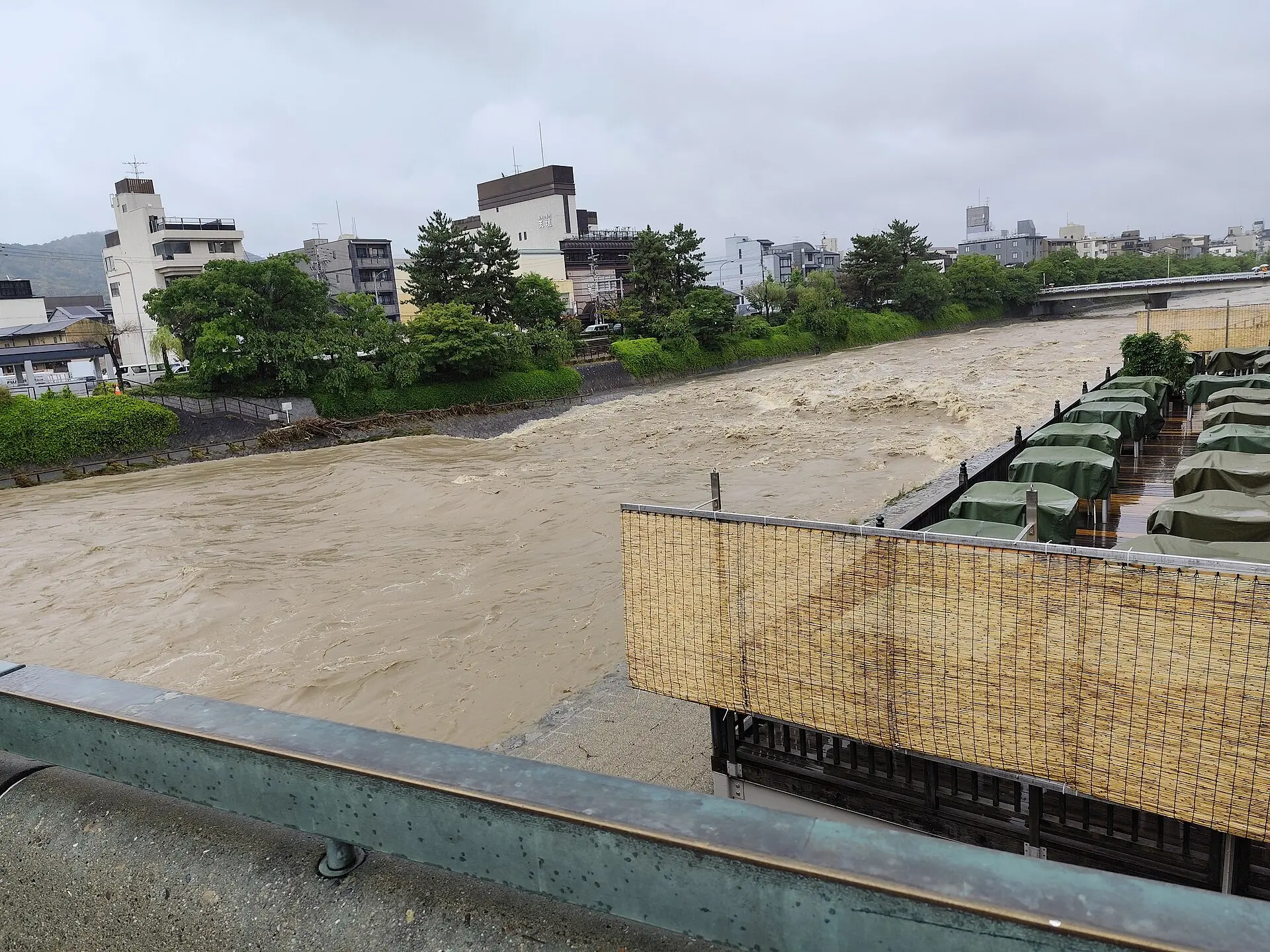
Book reserved seats, and buy bento boxes and snacks at the station before boarding. The ride takes about two and a half hours on the fastest services. Afternoon: check in, then walk along the Kamo River near the hotel. That is all.
Send large suitcases ahead by luggage forwarding service if your hotel offers it, and travel with a small bag each. Anchor: snacks on the train and an early night. Tired-day swap: not needed, since the day is already the fallback.
Day 7: Fushimi Inari and the railway museum
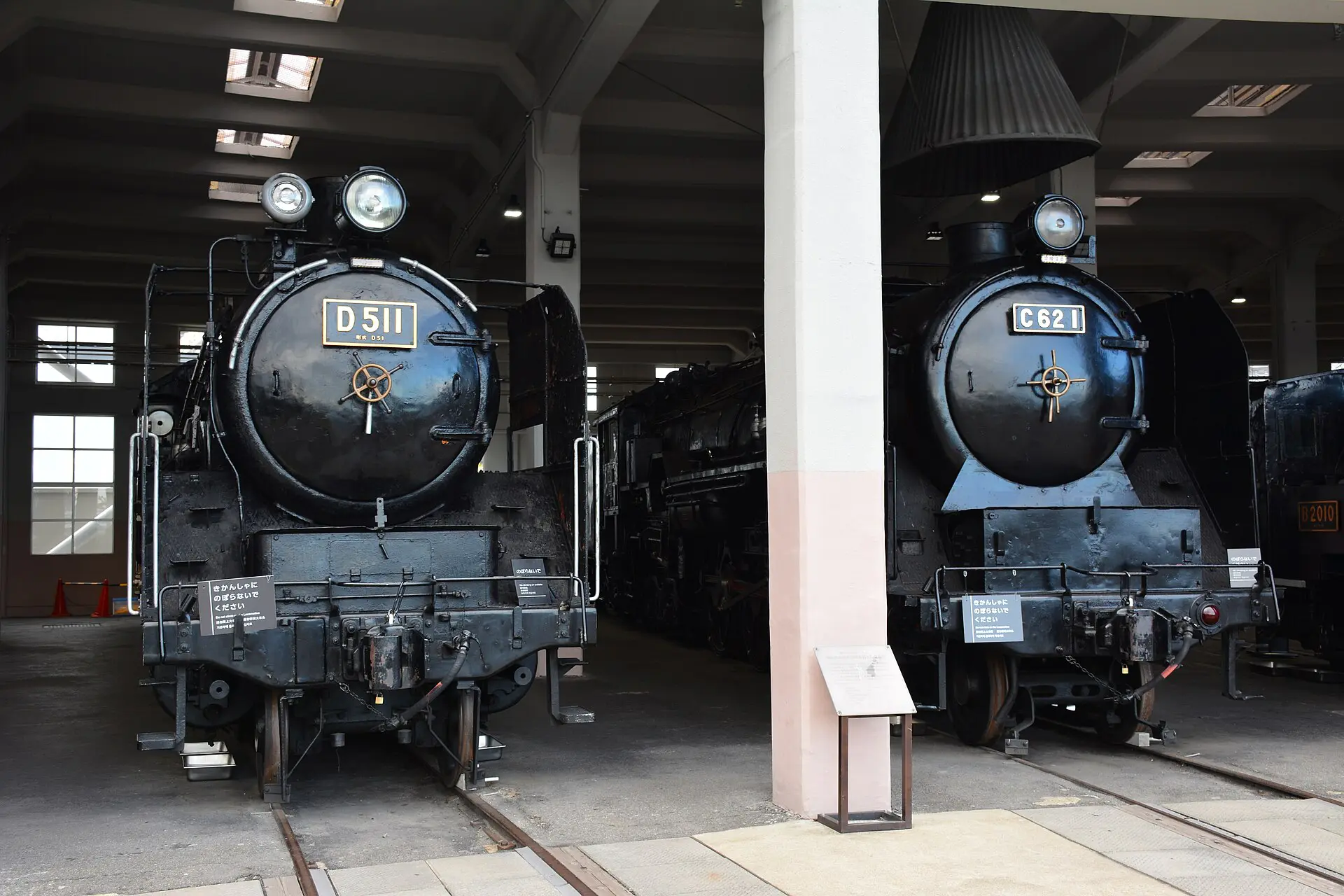
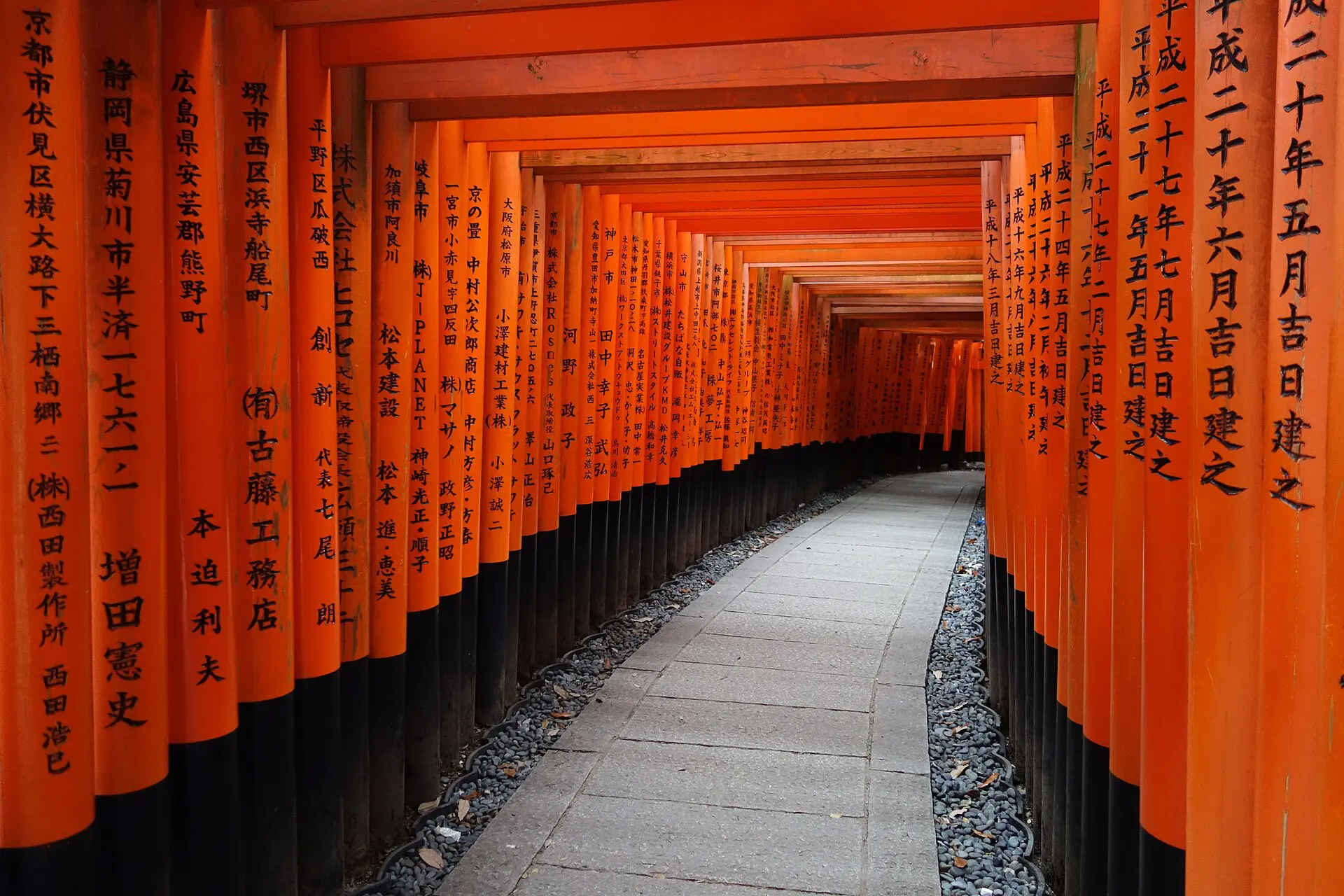
Morning: the red gate paths at Fushimi Inari, starting by 8:00 before the crowds. The first sections are easy; the full circuit is a hike of two to three hours and is not worth forcing. Turn back after the first viewpoint area with children under eight. Afternoon: the Kyoto Railway Museum, which is indoors and has real locomotives to climb on.
Anchor: lunch from the shops by Fushimi Inari station, then a short rest before the museum. Tired-day swap: skip the shrine and go straight to the museum after a late start.
Day 8: Nara deer and Todai-ji
Take a train to Nara, about 45 minutes. Morning: Nara Park and its free-roaming deer; buy the special biscuits only when ready, because the deer can be pushy and children under seven may find them alarming. Afternoon: Todai-ji and its Great Buddha Hall, a short, impressive visit of about an hour.
Anchor: lunch near the park and a sit-down on the grass. Tired-day swap: stay at Nara Park, skip the temple, and take the train back by 15:00. I would not add a second temple, because that is where the day usually tips from good to tired.
Days 9 to 10: Osaka aquarium and departure
Move to Osaka by train, about 30 minutes from Kyoto, or stay in Kyoto and day-trip. Day 9 morning: the Kaiyukan aquarium, best visited early on a weekday. Afternoon: Osaka Castle grounds, where the open lawns allow a run. Day 10: breakfast, check out, and a flight timed for late morning or later.
Tired-day swap: keep the aquarium and replace the castle with a hotel rest. Aim to reach the airport three hours before an international flight, since children slow down every queue.
Ages and stamina on a Japan trip
Ages 5 to 7: plan for about two hours of walking a day in total, not counting station corridors, which add up. Use a lightweight stroller or a carrier only if the child still naps, since stations have many stairs and not every one has a lift. Expect a rest at midday. Cap each block at 90 minutes.
Ages 8 to 11: three to four hours of walking is realistic with a proper break. These children can handle the first stretch of Fushimi Inari, a full zoo morning and the Nara day. Give them a role, such as checking the train platform number, and they tend to stay interested.
Getting around Japan with children
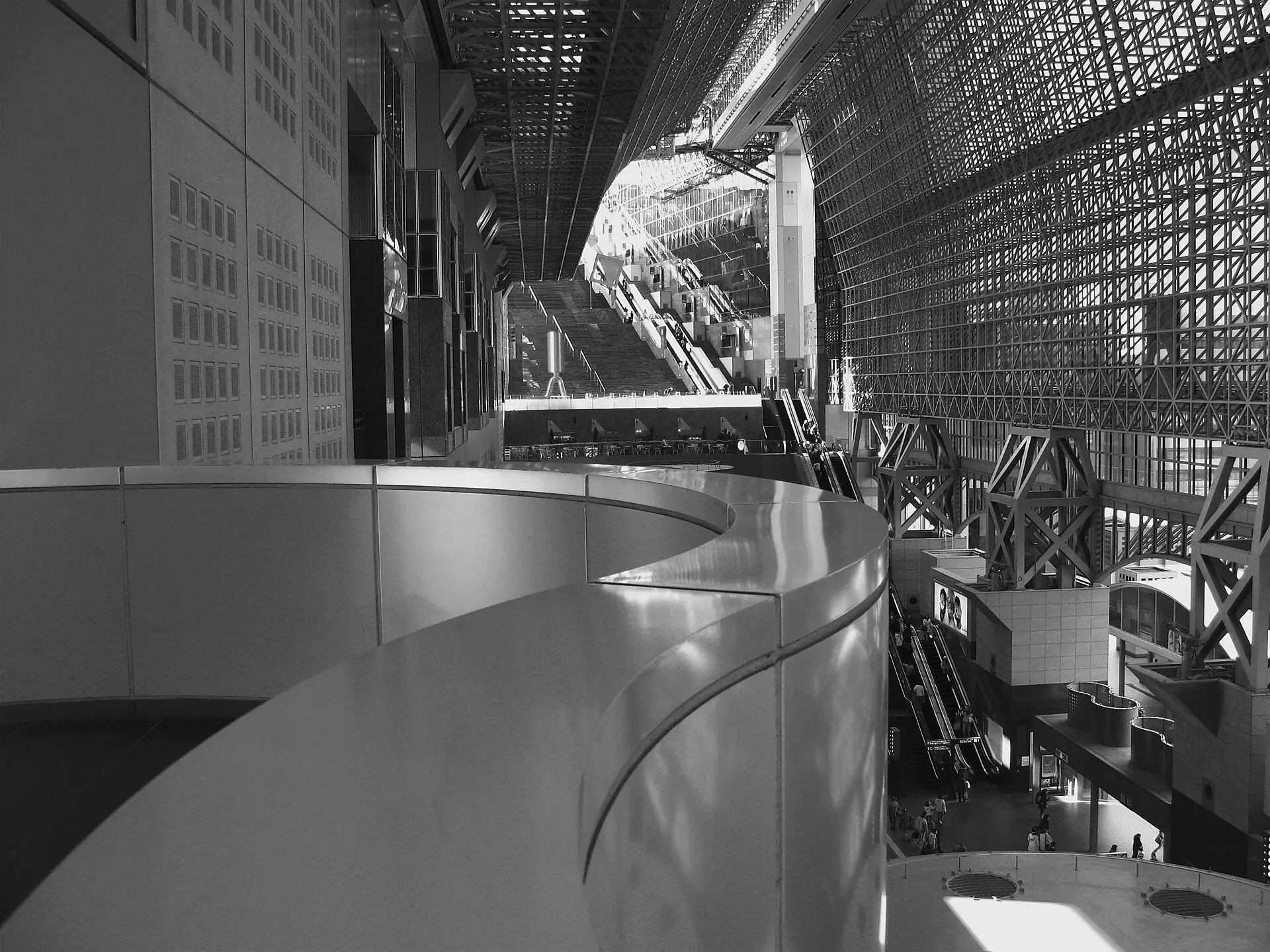
Trains and subways cover almost every stop in this plan. Rush hours run roughly 7:30 to 9:30 and 17:00 to 19:30 in Tokyo; avoid them with children and with luggage. Children under six usually travel free on JR trains when sharing a seat, and ages six to eleven pay a reduced fare, but check the current rules when you book. A rechargeable IC card for each adult speeds up everything, and children’s cards are available for older kids.
Decision points
- Rail pass or single tickets? With one Tokyo to Kyoto ride, single reserved tickets usually cost less than a national pass. Run the numbers for your own route.
- Stroller or carrier? Carrier for children under about four, a compact stroller only for children who nap daily.
- Taxi or train? Take a taxi for the last uphill leg or when luggage is involved; fares are metered and drivers open the door automatically.
- Forward the luggage? Yes, for the Tokyo to Kyoto leg. It turns a stressful stair day into a simple one.
Where to stay in Japan with kids
- Tokyo, east side (Asakusa, Ueno): good rail links, quieter streets, many mid-priced hotels with family rooms. Suits the first five nights.
- Kyoto, near the station: the station is the transport hub for Fushimi Inari, Nara and Osaka, so you avoid daily bus rides. Suits ages 5 to 11.
- Osaka, optional last night: shortens the airport journey on departure day. Use it only if your flight is early.
Hotel rooms in Japan are often small, so look for family rooms or apartments with a washing machine, which also lets you pack lighter. The Japan travel guide covers the regions beyond this route.
Rainy-day and tired-day fallbacks in Japan
Rain is common, especially in June and early autumn. Indoor options that fit this route: a museum or aquarium day, a department store play floor, an arcade, a covered shopping arcade (many Kyoto and Osaka shopping streets have a roof) and the railway museum. Swap the outdoor and indoor blocks of the same day rather than cancelling anything.
For a tired day, use this order: drop the afternoon block, keep the anchor meal, go back to the hotel by 15:00. Convenience stores sell warm rice balls, sandwiches, fruit and yogurt, so a quiet dinner in the room is easy.
How much does a Japan itinerary with kids cost?
Costs vary a great deal with exchange rates, season and the hotel type, so treat these as rough ranges per day for a family of four as of 2026, excluding flights: budget around the equivalent of US$180 to US$280, mid-range US$300 to US$500, higher US$600 and up. Accommodation and the bullet train are the largest items.
Meals cost less than many visitors expect, especially at convenience stores and casual restaurants. For a fuller breakdown, see the Japan trip cost guide for three budget levels.
Best time for families in Japan
Spring (late March to April) and autumn (October to November) have mild temperatures and clear days, but they are also the busiest and most expensive. Summer is hot and humid, with July and August the hardest months for children. Winter is cold and dry in Tokyo and Kyoto, with fewer crowds. Avoid Golden Week (late April to early May), the August Obon holidays and New Year, when trains and sights are packed.
FAQ about a Japan itinerary with kids
How many days do you need for Japan with kids?
Ten days is a comfortable minimum for two bases. Seven days works with Tokyo only plus a day trip. Twelve to fourteen days allow a third base, but each extra base costs a half day in packing and transfers, so add one only with a clear reason.
Is Japan good for children aged 5 to 11?
Yes. Transport is reliable and safe, food is easy to find at any hour, and children enjoy the trains themselves. The main difficulties are crowds, summer heat, jet lag in the first days and stairs at stations, which is why this plan limits transfers.
Do children need their own rail tickets?
Usually, yes, from age six. Children under six generally travel free on JR trains if they share a seat with an adult, though limits apply to the number of free children. Rules and fares change, so check with the operator or the ticket office when you book your reserved seats.
Is it hard to find food that children will eat?
No. Convenience stores sell rice balls, noodles, fruit, yogurt and sandwiches, and many restaurants display plastic models or picture menus. Plain rice, udon, grilled chicken skewers and tamago sandwiches are reliable. Keep snacks in your bag for the hours between meals.
What is the best way to avoid overtiring children in Japan?
Plan two blocks a day, put the main sight first, schedule a meal and rest anchor in the middle, and keep one drop-able block. Alternate a full day with a light one, and never plan a sight after a bullet train ride. The 10-day route for solo travellers shows a faster alternative for adults.