Is Singapore expensive? For rooms and alcohol, yes. For food and getting around, much less than its reputation suggests. A four-day trip typically costs about S$600 to S$1,800 per person before flights, depending mainly on the hotel, which is roughly US$450 to US$1,350 at recent exchange rates. Hawker centres and the metro keep daily costs in check, while central hotels and bar drinks push them up. Below: costs by budget level, where to pay more, where to save and the best months. Figures are ranges as of 2026.
Is Singapore expensive? Total cost by budget level
The table covers one traveller sharing a double room, excluding flights. Singapore dollars are used because that is what you will pay. As of 2026, one Singapore dollar was worth roughly three-quarters of a US dollar, but check the rate when you book.
| Budget level | Daily range | 10-day total | What it covers |
|---|---|---|---|
| Budget | About S$90 to S$150 | About S$900 to S$1,500 | Hostel dorm or basic room, hawker meals, MRT, free sights |
| Mid-range | About S$220 to S$400 | About S$2,200 to S$4,000 | 3-star hotel, mix of hawker and restaurant meals, a few paid attractions |
| Comfort | About S$500 to S$900 | About S$5,000 to S$9,000 | 4-star central hotel, restaurants, bars, tours |
The four-day version of the mid-range level lands at roughly S$900 to S$1,600 per person. Nearly half of that is the room. If you cut the hotel from the equation, daily spending on food, transport and sights can stay under S$100.
Is Singapore expensive for a short stay? Where to base yourself
Hotel position decides the answer more than any other choice, so compare three bases for the same four nights, per room and in 2026 ranges.
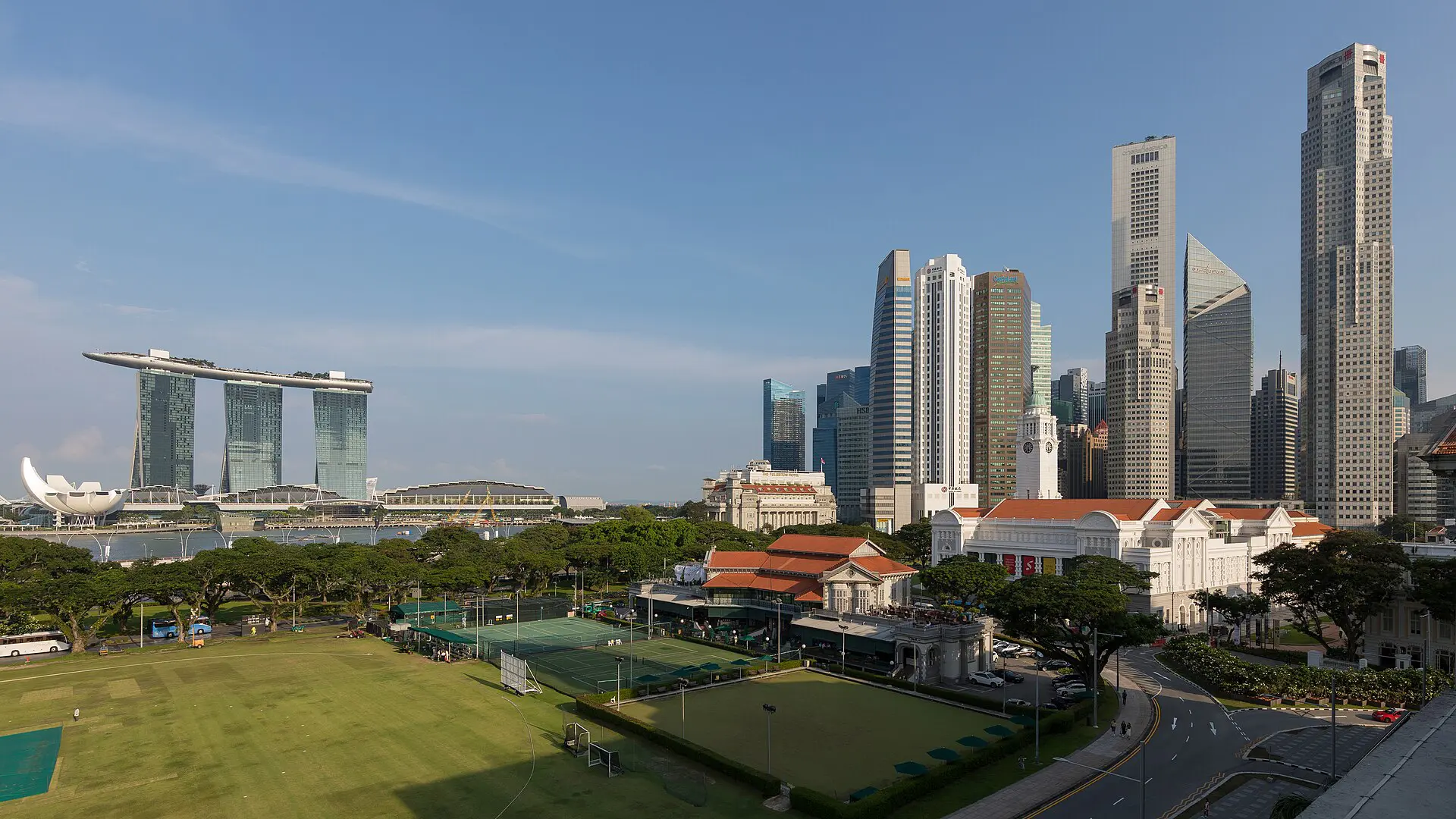
- Marina Bay and Orchard: about S$1,200 to S$2,400 for four nights. You get views, malls and walkable sights, but you pay a premium for the address.
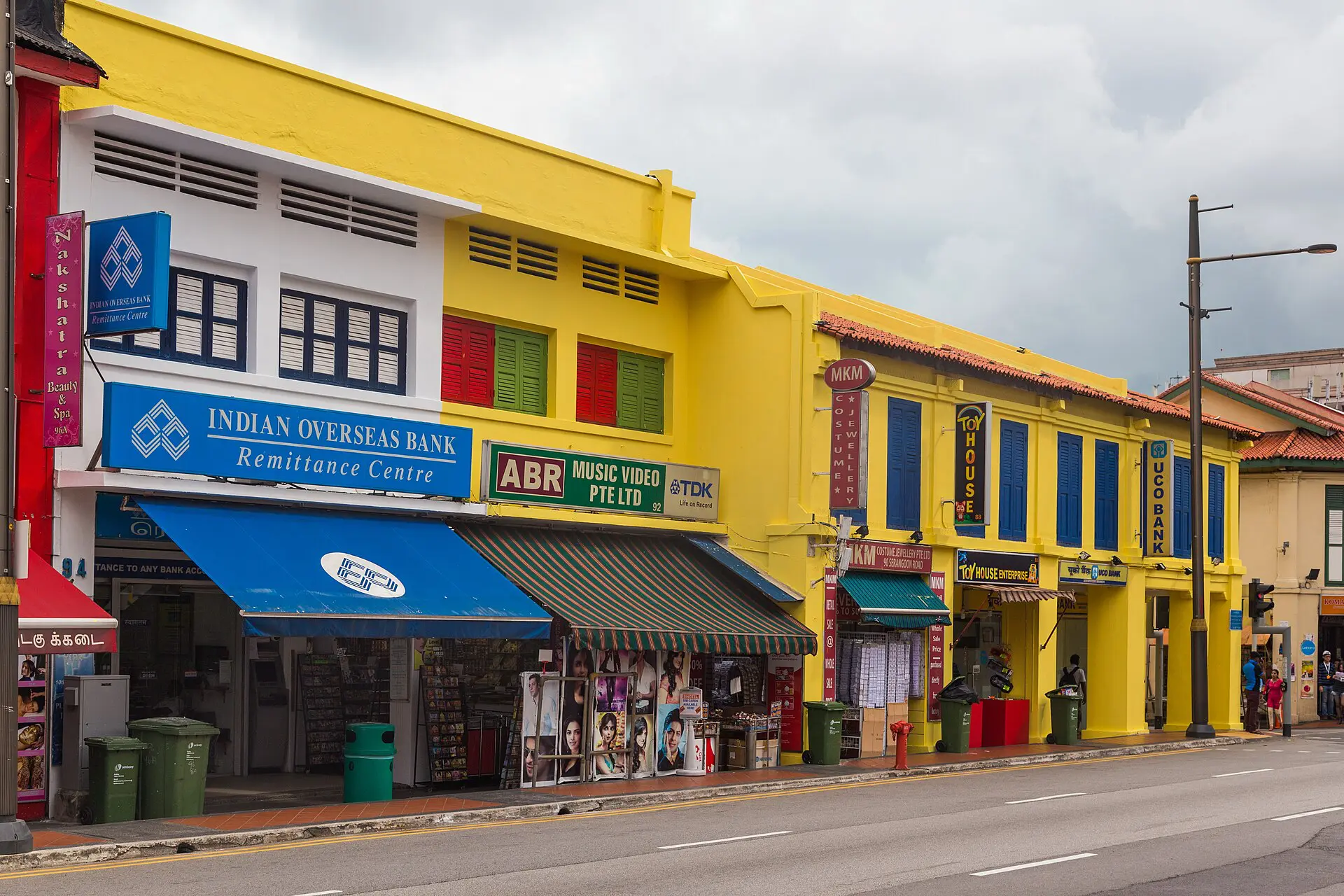
- Bugis, Lavender and Little India: about S$600 to S$1,100. Short MRT rides, hawker centres and shophouse streets are close, and the saving can cover a full day of attractions.
- Hostels and capsule hotels near Chinatown or Kampong Glam: about S$160 to S$360 for a dorm bed over four nights. Cheapest, but shared space and tighter rules.
For most mid-range travellers, the second option gives the best balance. Spend the difference on one or two paid sights and one restaurant dinner, rather than on a room you use mainly to sleep in.
One more lever is the day of the week. Weekend rates at business hotels in the Marina Bay and Orchard areas often dip, because their weekday clientele leaves, while leisure-oriented hotels near the beach resorts on Sentosa rise. Compare both if your dates are flexible, and check whether the room rate includes breakfast, which can add S$25 to S$45 a person if bought separately and is rarely worth it when a hawker breakfast of kaya toast and coffee costs about S$3 to S$6.
Where paying more pays off in Singapore
1. Pay more for a hotel near an MRT station
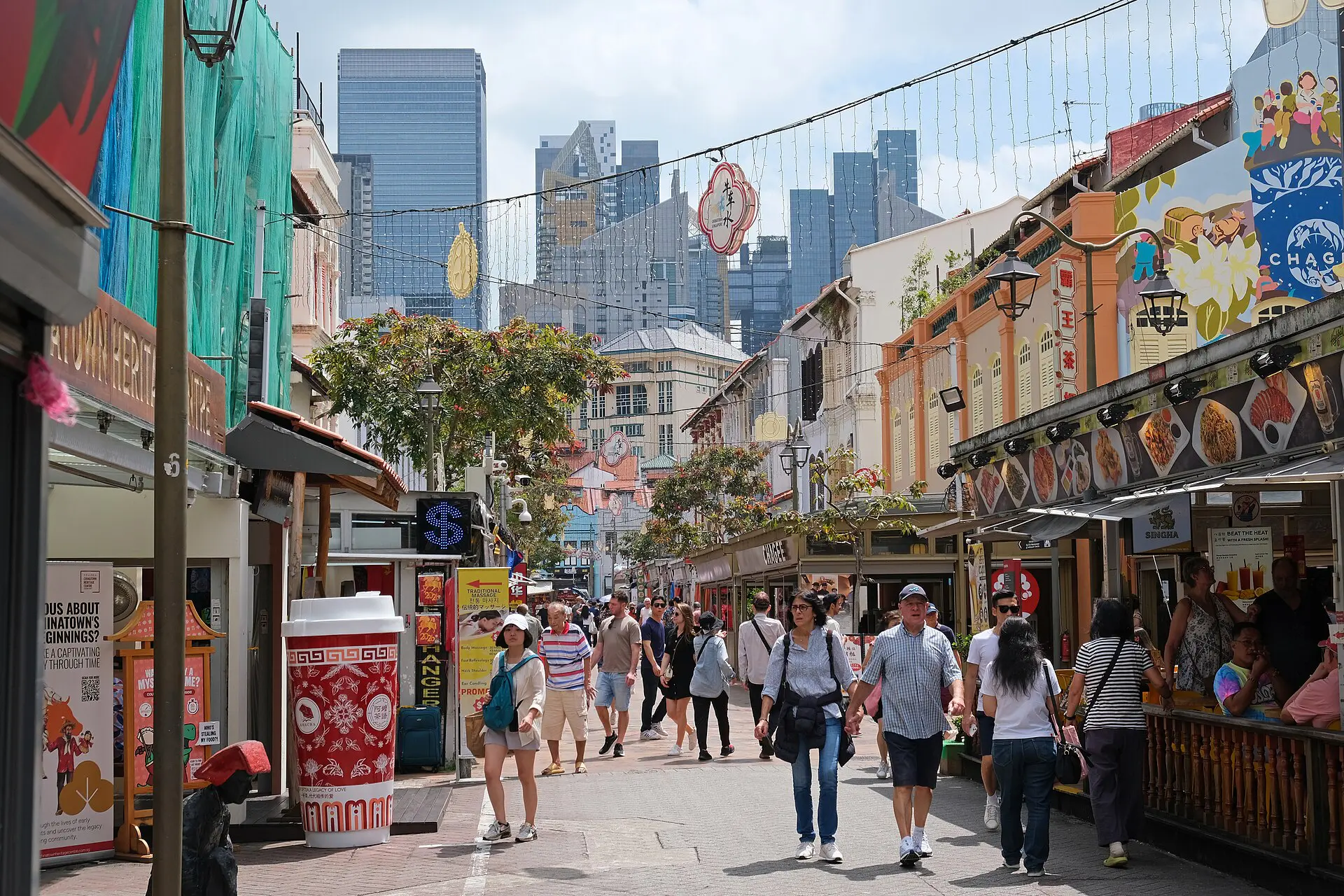
This is the main hotel-position trade-off. Rooms around Marina Bay and Orchard Road often cost S$300 to S$600 a night, while similar rooms near Bugis, Lavender, Little India or Tiong Bahru can cost S$150 to S$280. The MRT is fast, air-conditioned and runs from early morning to around midnight, so you rarely need to be in the middle. Pay more only when the station is under five minutes on foot, since a hot, humid ten-minute walk wears you down.
2. Pay more for a short, good tour of the right thing
Many sights are free or cheap, but a good guided walk of heritage districts or a night safari booked in advance is worth S$30 to S$80 if it saves you wasted hours. Pre-booking timed attractions is better than queuing in heat. I would spend on one or two big-ticket sights, not six.
3. Pay more for one proper restaurant meal
Singapore’s food scene covers Chinese, Malay, Indian and Peranakan cooking at many price points. A restaurant dinner with a drink can cost S$40 to S$90, and a 10 percent service charge plus 9 percent goods and services tax is often added on top of menu prices. One such meal fits a mid-range budget without breaking it.
Where to save in Singapore
4. Save with hawker centres over restaurants
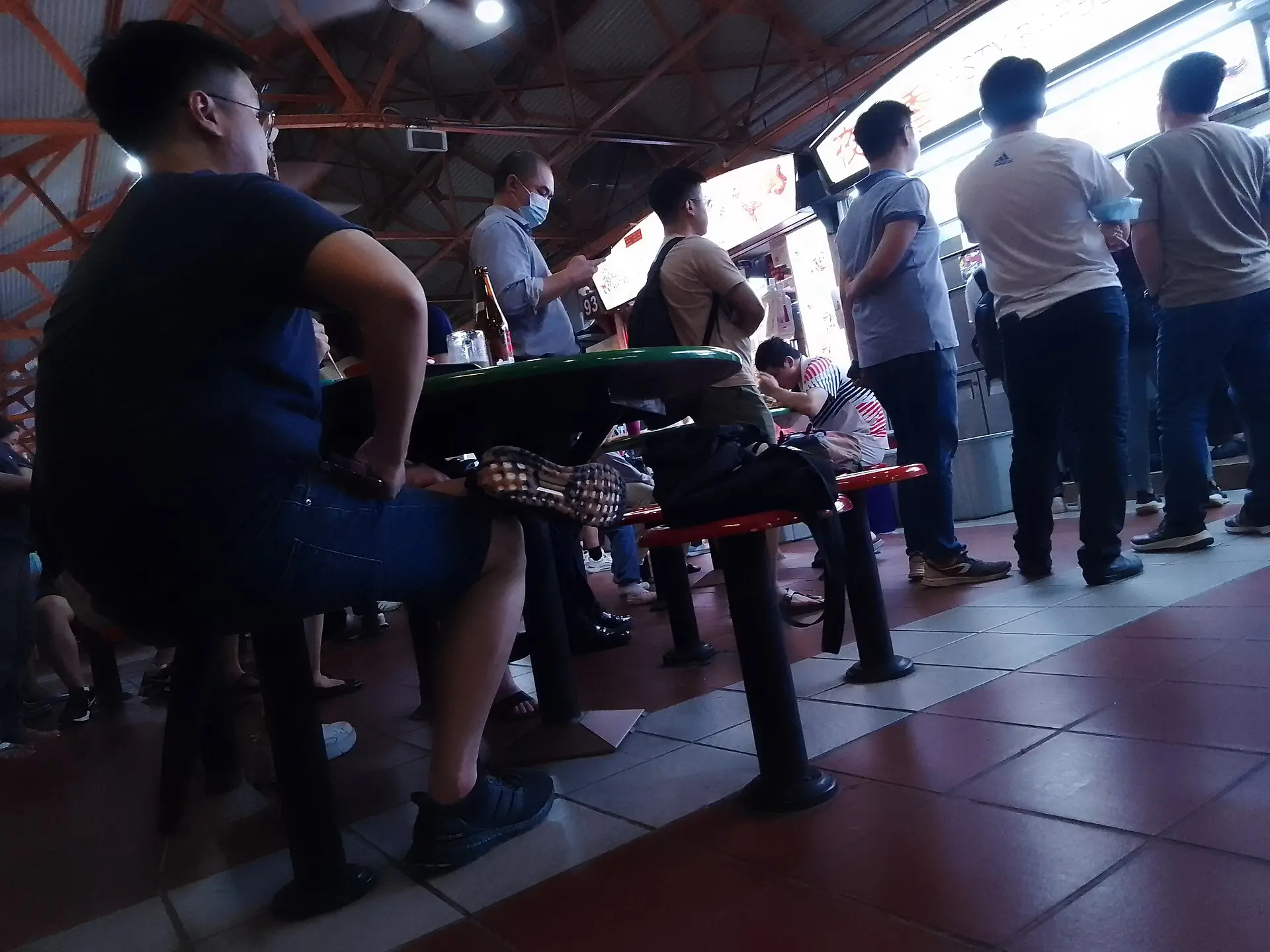
The food-centre versus restaurant split is the biggest daily lever. A plate of chicken rice, noodles or satay at a hawker centre typically costs S$4 to S$9, against S$20 to S$40 for a comparable restaurant meal. Eating three hawker meals a day can keep food under S$30. Busy stalls at lunch are the safest choice, and drinks from the stall are cheaper than from a tourist bar.
5. Save on alcohol
Taxes make alcohol the single priciest part of eating out. A beer in a bar can cost S$12 to S$20, and a cocktail S$20 to S$30. Many visitors buy from supermarkets or convenience stores, which sell beer at far lower prices, and enjoy a drink at a hawker centre instead. Happy hours help in some bars.
6. Save with free attractions
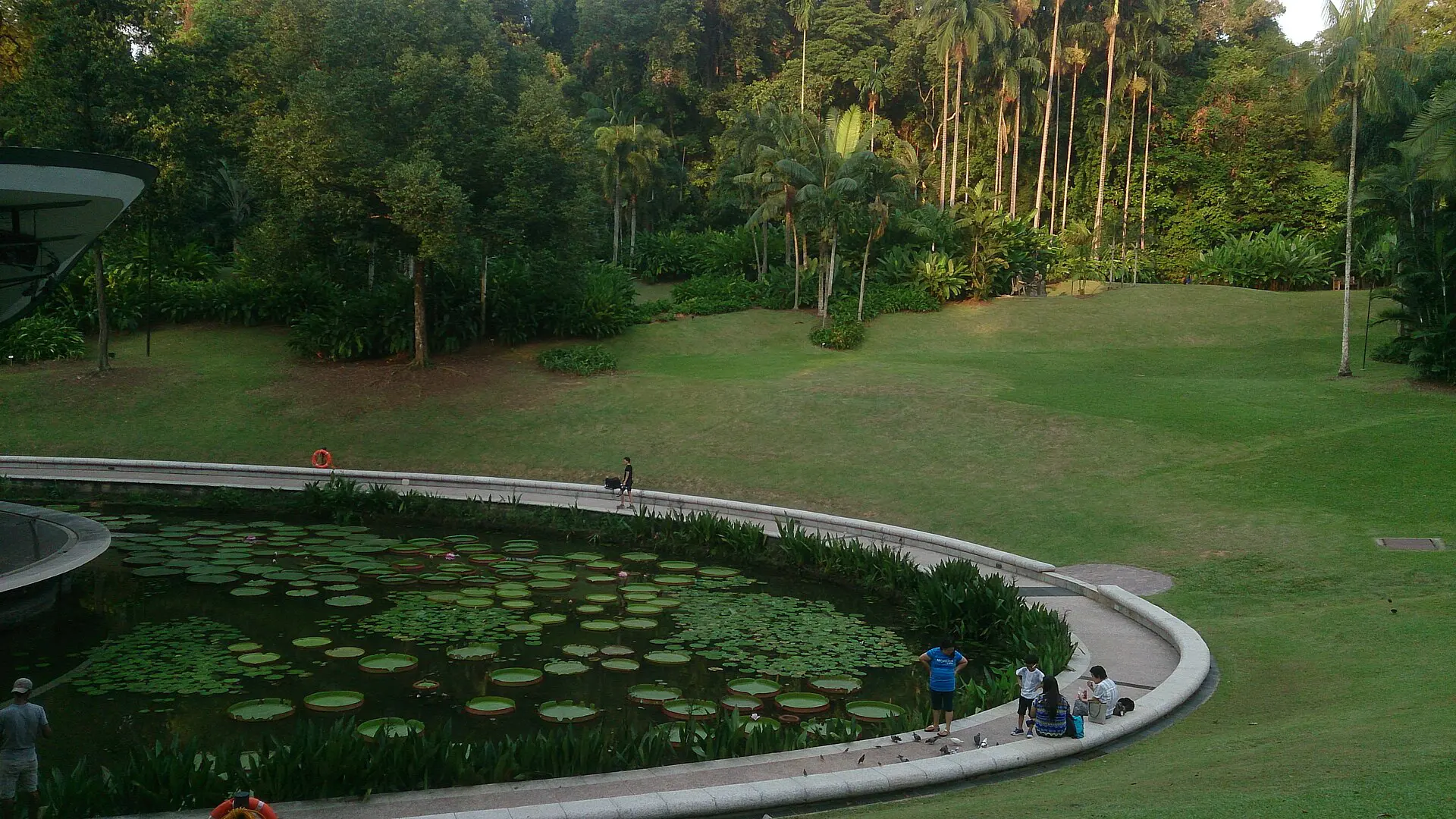
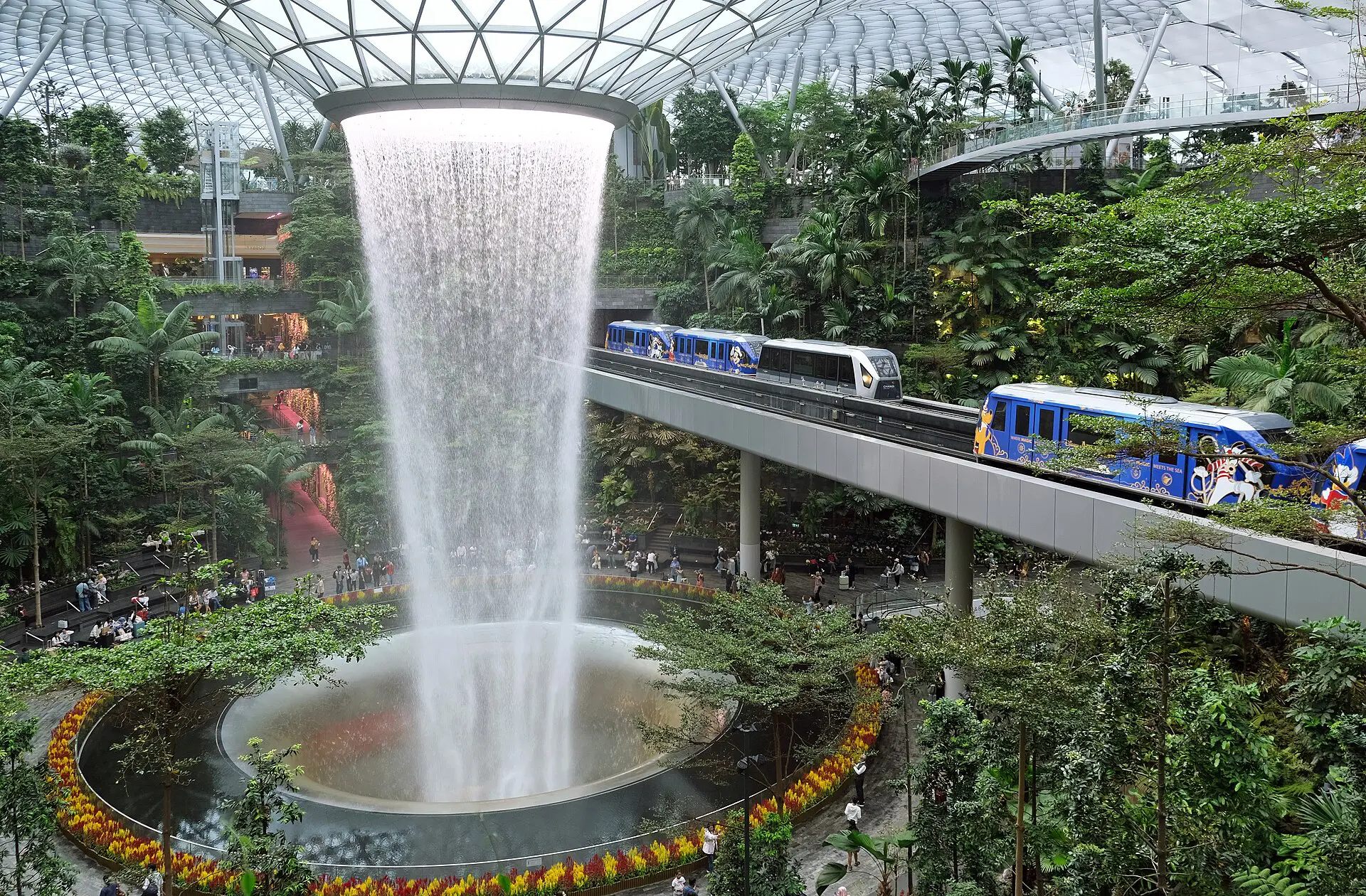
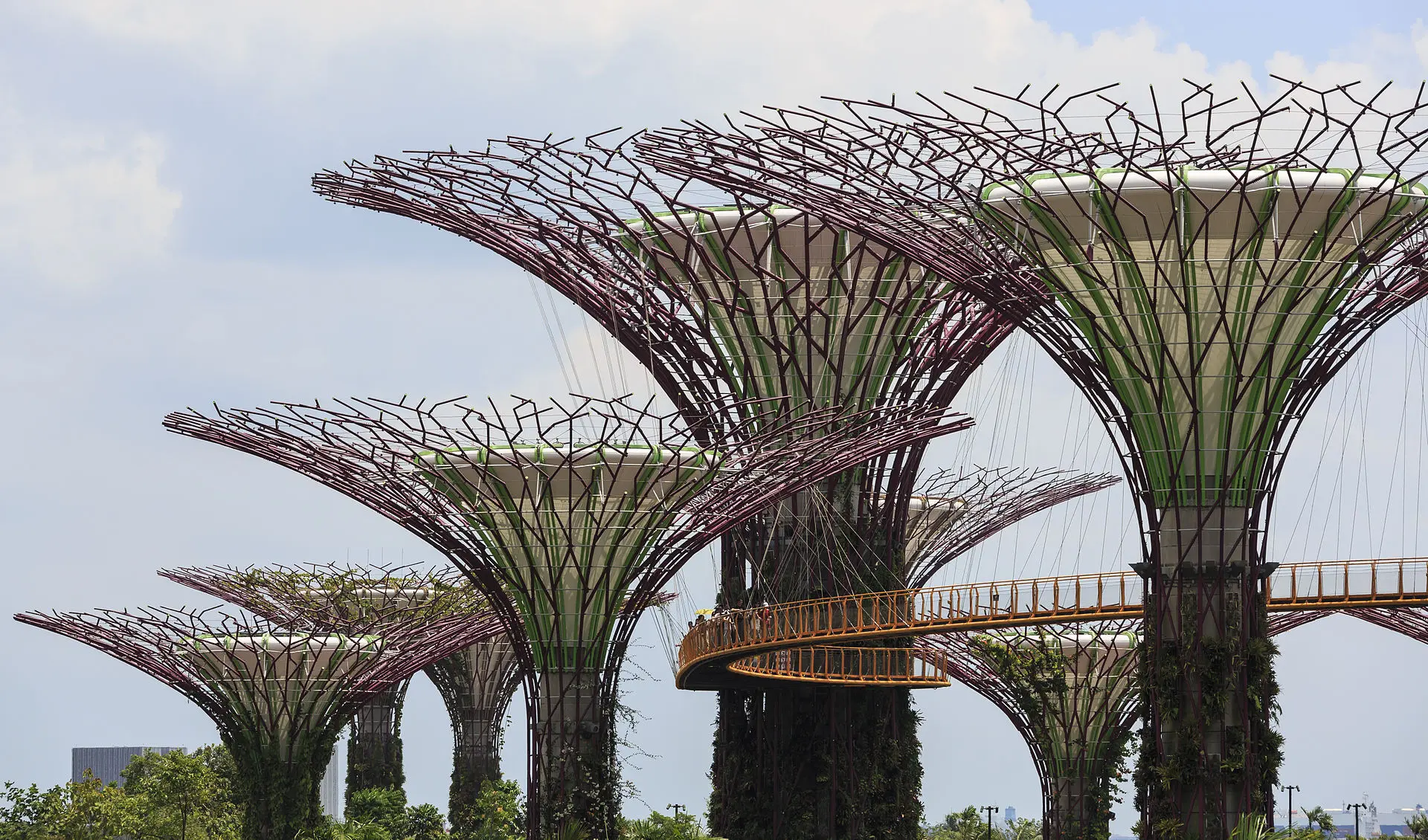
The Singapore Botanic Gardens’ main grounds, the Supertree Grove at Gardens by the Bay, the waterfront promenades and the Rain Vortex at Jewel Changi are free to enter. Many neighbourhood walks, such as Chinatown, Kampong Glam and Little India, cost nothing either. Pair free sights with one paid attraction per day.
7. Save on transit with a pass or contactless card
The MRT and buses charge by distance, with typical single trips under S$2.50, and contactless bank cards are accepted at the gates as of 2026. A Singapore Tourist Pass offers unlimited rides for one to three days, but it only pays off if you ride a lot. Add up your planned trips first: a typical visitor takes fewer rides than the pass needs. Taxis and ride-hailing cost more, particularly at peak times and from the airport.
Transport and booking windows for Singapore
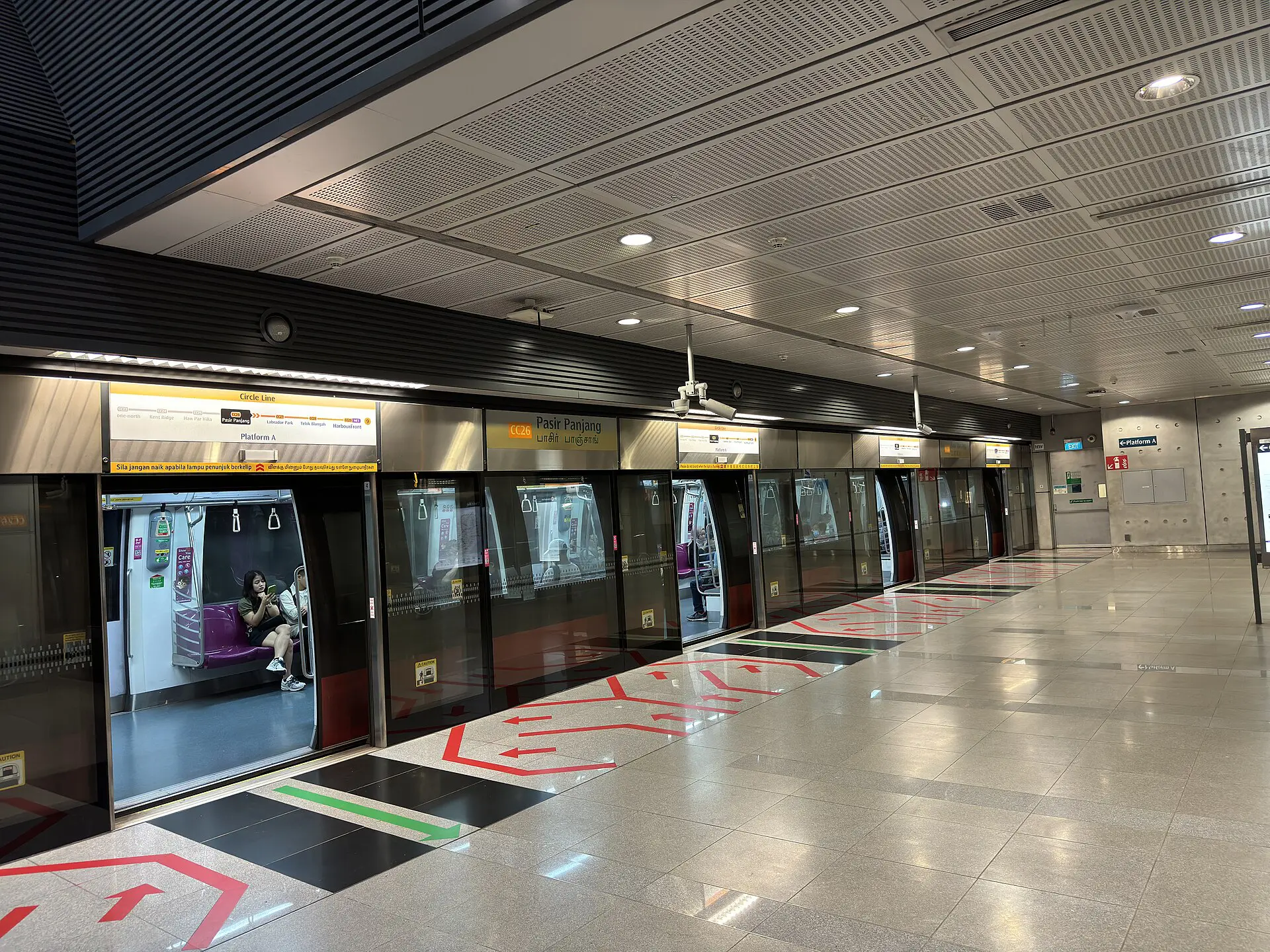
Is Singapore expensive to reach? Flights are the largest single cost for most trips, and Singapore is a hub with frequent services. Changi Airport is connected by MRT to the city in roughly 30 minutes for a few dollars, against S$25 to S$40 for a taxi. Book flights six to ten weeks ahead for shoulder months and three to four months ahead for December and peak holidays.
Hotel rooms tend to be cheaper if reserved with free cancellation and rechecked a month before travel. Big events such as the Formula 1 night race in the autumn and Chinese New Year can lift room rates by 30 percent or more, as of 2026. Timed tickets for Gardens by the Bay domes, Universal Studios and the zoo are cheaper and quicker online, and sometimes sell out on weekends. For family travel, see the Singapore with Kids plan.
Best months to visit Singapore for value
Singapore is hot and humid all year, so the question is rain and price, not temperature. The wetter months run roughly November to January, with afternoon thunderstorms common. February to July tends to be drier. Hotel rates are lowest outside school holidays, which in June and December push prices up, and outside major events.
A sensible value window is February to May, apart from Chinese New Year, when rates and crowds both peak. The weeks around the autumn night race are the priciest of the year. Consider a mid-week arrival, since many hotels charge less from Sunday to Thursday. The Wikivoyage entry on Singapore lists festivals and public holidays that move prices.
FAQ about Singapore costs
How much does a 4-day trip to Singapore cost?
Roughly S$600 to S$1,800 per person before flights, depending mostly on the hotel. A budget traveller using hostels and hawker food can stay near the low end, while a mid-range traveller in a central hotel lands around S$900 to S$1,600.
Is Singapore more expensive than Bangkok or Kuala Lumpur?
Yes, typically by two to three times for rooms and by much more for alcohol. Food is the exception: hawker meals cost closer to regional prices. If you are comparing, price the hotel first, since it decides most of the difference.
Is Singapore cheaper to visit than other expensive cities?
Often, in food and transport. A day with hawker meals, the MRT and free parks can cost less than in Tokyo, London or Zurich, though hotels and drinks are not cheaper. A smart base outside the centre makes the biggest difference.
Do I need a tourist pass in Singapore?
Not for most visitors. A contactless bank card or a standard stored-value card covers MRT and buses. A tourist pass pays off only on days with many rides, so compare your plan to the pass price first.
Is it cheaper to eat at hawker centres?
Yes, by a wide margin, about S$4 to S$9 a dish against S$20 to S$40 in a restaurant. Hawker food is also part of the local scene, so it is not a compromise. For more background, see the Wikipedia entry on Singapore.