
Why visit Singapore
Anyone planning things to do in Singapore will find a surprisingly varied list for such a small place. Singapore is a city-state in Southeast Asia, made up of a main island and dozens of smaller islets, about one degree north of the equator. Modern Singapore began as a British trading post in 1819 and has since become one of the world’s busiest ports and a wealthy, orderly city.

The appeal is a blend of the polished and the street-level. You can ride a metro to futuristic gardens, then eat inexpensive meals at a hawker centre, where food stalls from across Asia share communal tables.
The city is also easy. English is widely used, signs are clear, and public transport is efficient. It can feel sterile if you stick to malls, but neighbourhoods like Little India, Chinatown and Kampong Glam, and nature reserves within the city, add real character. It suits first-time visitors to Asia, families and food lovers.
Top things to do in Singapore
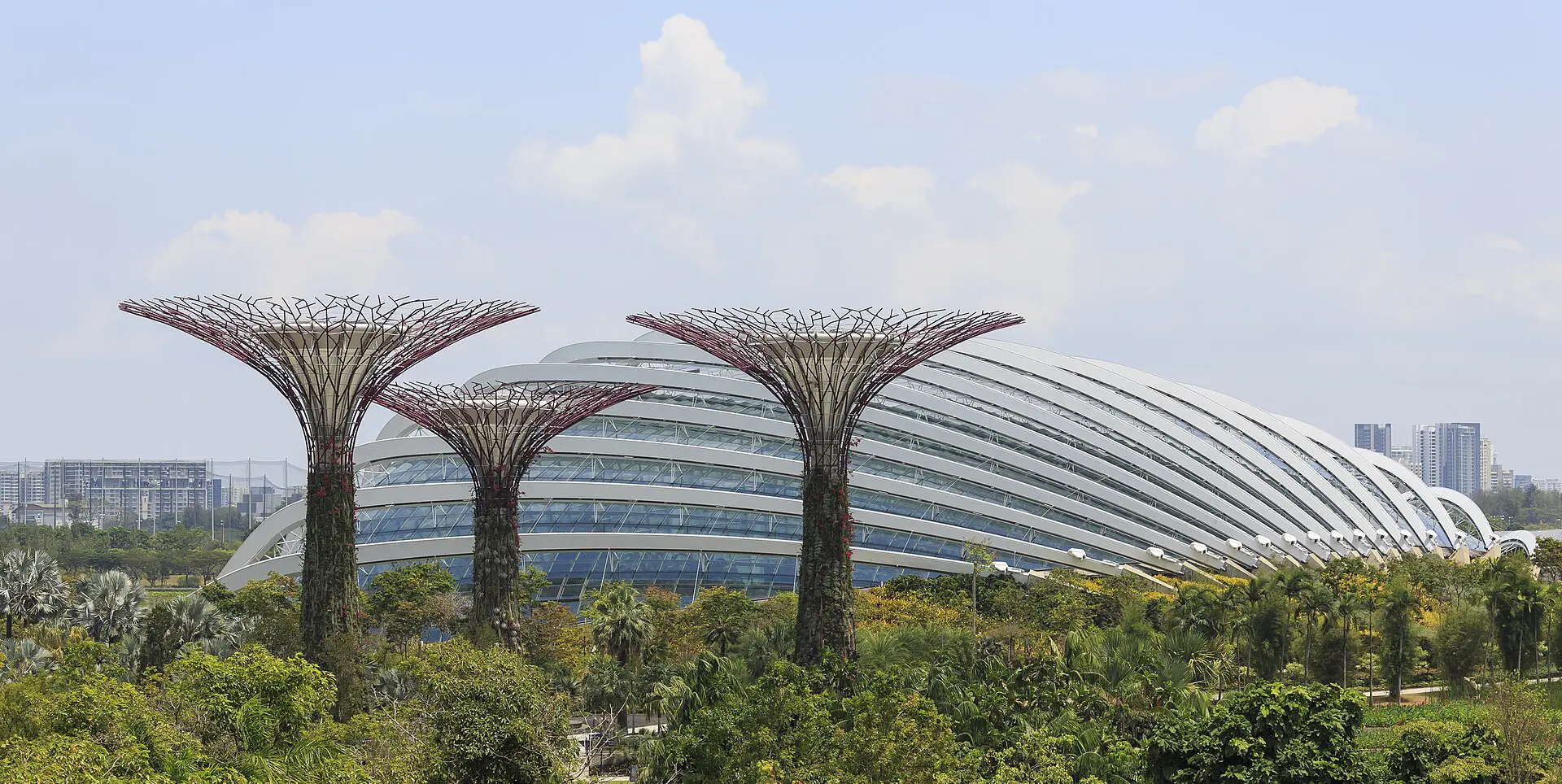

Gardens by the Bay
This waterfront park is known for its tall Supertree structures and glasshouse conservatories. Allow two to three hours. Visit late afternoon to see it by daylight and then at night, when the Supertrees are lit, and check which paid attractions you want, since tickets and show times vary.
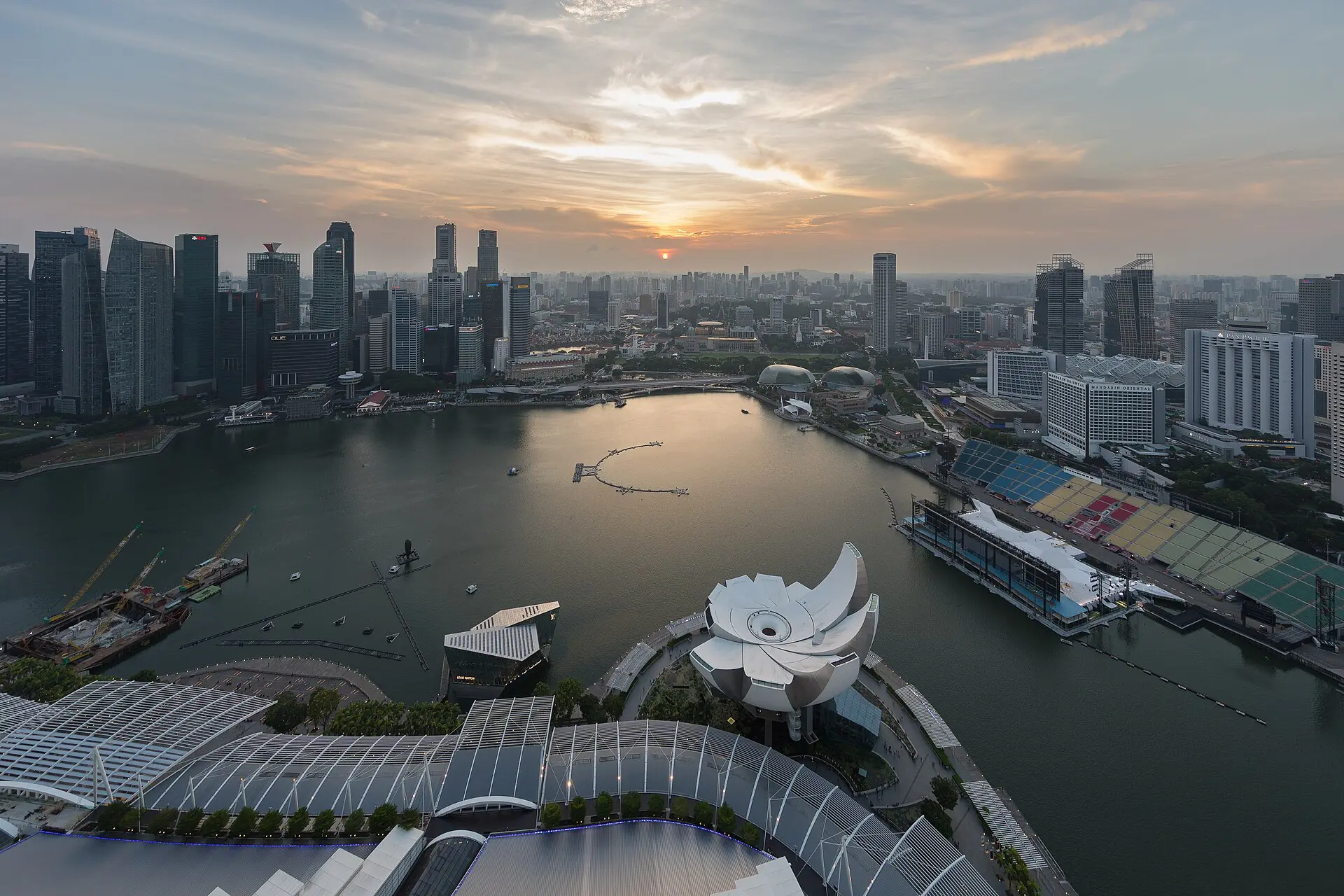
Marina Bay
The bay is the city’s postcard view, with a waterfront promenade, a Merlion statue and views of the central skyline. Walk the full loop in around an hour or two. Evening light is best, and weekends are busy.
Hawker centres
Hawker centres are open-air food halls with dozens of stalls serving local dishes at low prices. Plan at least one meal in one. Go outside peak lunch hours to avoid queues, carry small change and use tissue packets only as locals do to reserve seats if you follow along.
Chinatown, Little India and Kampong Glam
These historic districts show the city’s cultural mix, with temples, shophouses and food. Each takes two to three hours. Dress modestly for temples and mosques, and remove your shoes where signs ask.
Singapore Botanic Gardens
This green space close to Orchard Road is easy to reach and free to enter for most areas. Allow an hour or two for a stroll, and visit in the morning to beat heat and humidity. Some specialist sections may charge a fee.
Sentosa
Sentosa is a resort island with beaches, theme parks and activities, reached by monorail, bus or on foot. It suits families. Allow half a day to a day, and compare ticket prices for attractions before you go.
Singapore Zoo and Night Safari
The zoo and its companion night-time park are well regarded for open enclosures. Plan half a day for either, and book tickets ahead online. Bring insect repellent and water, and check current opening hours.
Best time to visit Singapore
Singapore sits near the equator, so temperatures are hot and humid all year, usually around 25 to 32 C, and rain can arrive at any time. There is no true dry season, but the wetter months are generally November to January, when afternoon storms are common.
February to April is often drier and slightly less humid, though still warm. The hottest period tends to be around May to July. Haze from regional fires can affect air quality at some points in the second half of the year, so check the local air-quality index before outdoor plans. Peak travel times include Chinese New Year, school holidays and year-end, when hotel prices rise. Because many attractions are indoors or shaded, the city is rarely a bad choice.
| Season | Weather | Crowds and prices |
|---|---|---|
| Feb to Apr | Hot, often drier | Busy around Chinese New Year, otherwise moderate |
| May to Jul | Hot and humid | Moderate, school-holiday peaks |
| Aug to Oct | Warm, possible haze | Moderate, event-driven peaks |
| Nov to Jan | Wetter, thunderstorms | Busy at year-end, higher prices |
How to get to Singapore and around
Changi Airport (SIN) is one of the world’s busiest hubs, with direct flights to many cities in Asia, Europe, Australia and North America. It is well connected to the centre by MRT metro, buses and taxis, and the ride into town usually takes around 30 to 45 minutes. You can also arrive overland from Malaysia by bus or train over the causeway, so check the latest border arrangements.

Within the city, the MRT is clean, air-conditioned and easy for visitors. Buses fill gaps, and taxis and ride-hailing apps are widely available. You can usually pay with a contactless bank card or a stored-value transit card, which saves you buying single tickets.
Central areas are walkable, though heat and humidity make long walks tiring, and many covered links and underground passages help. You will not need a car, and driving is costly and regulated.
Where to stay in Singapore
Singapore’s compact size and efficient MRT mean most areas are within a short ride of the sights, so choose by budget and atmosphere.
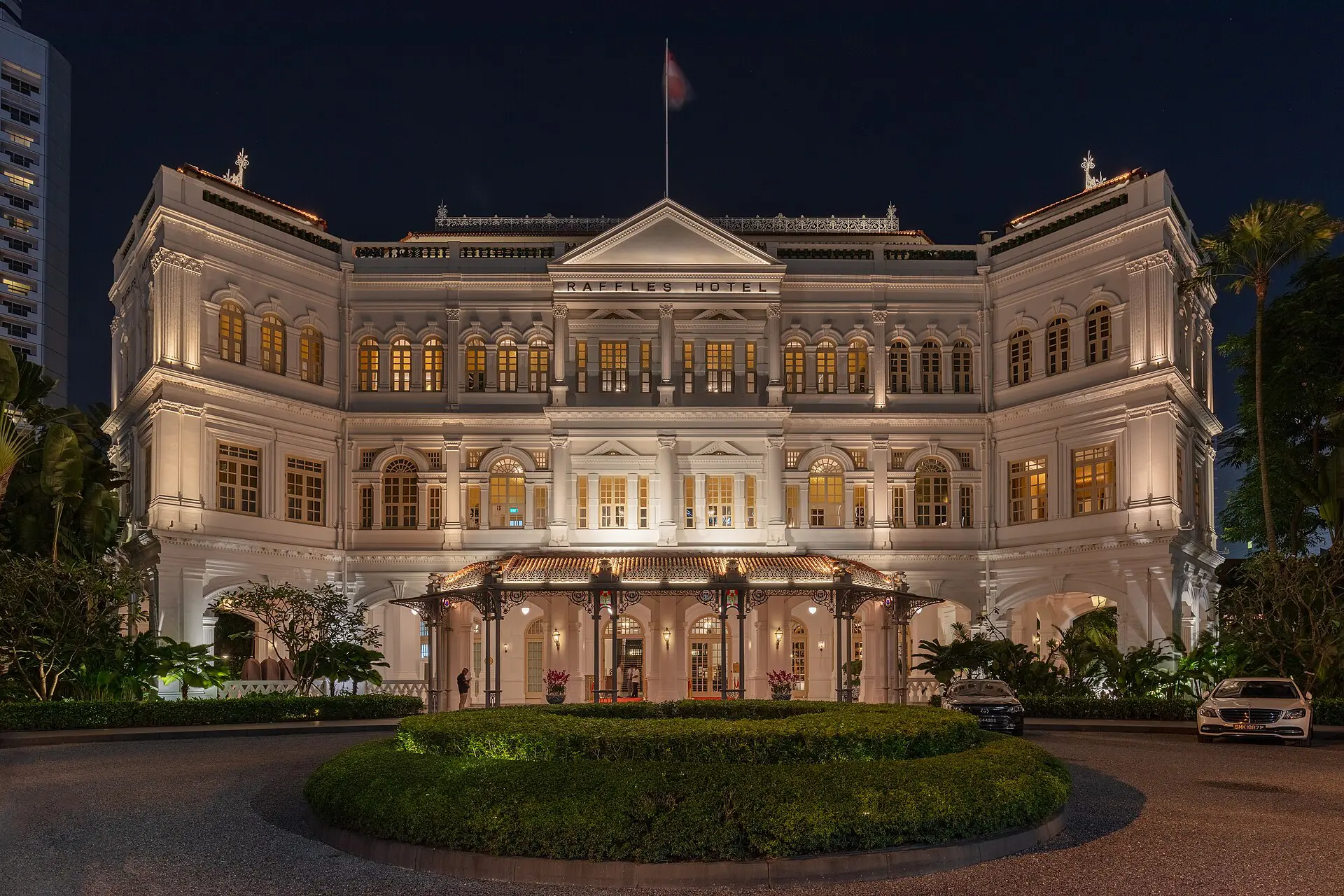

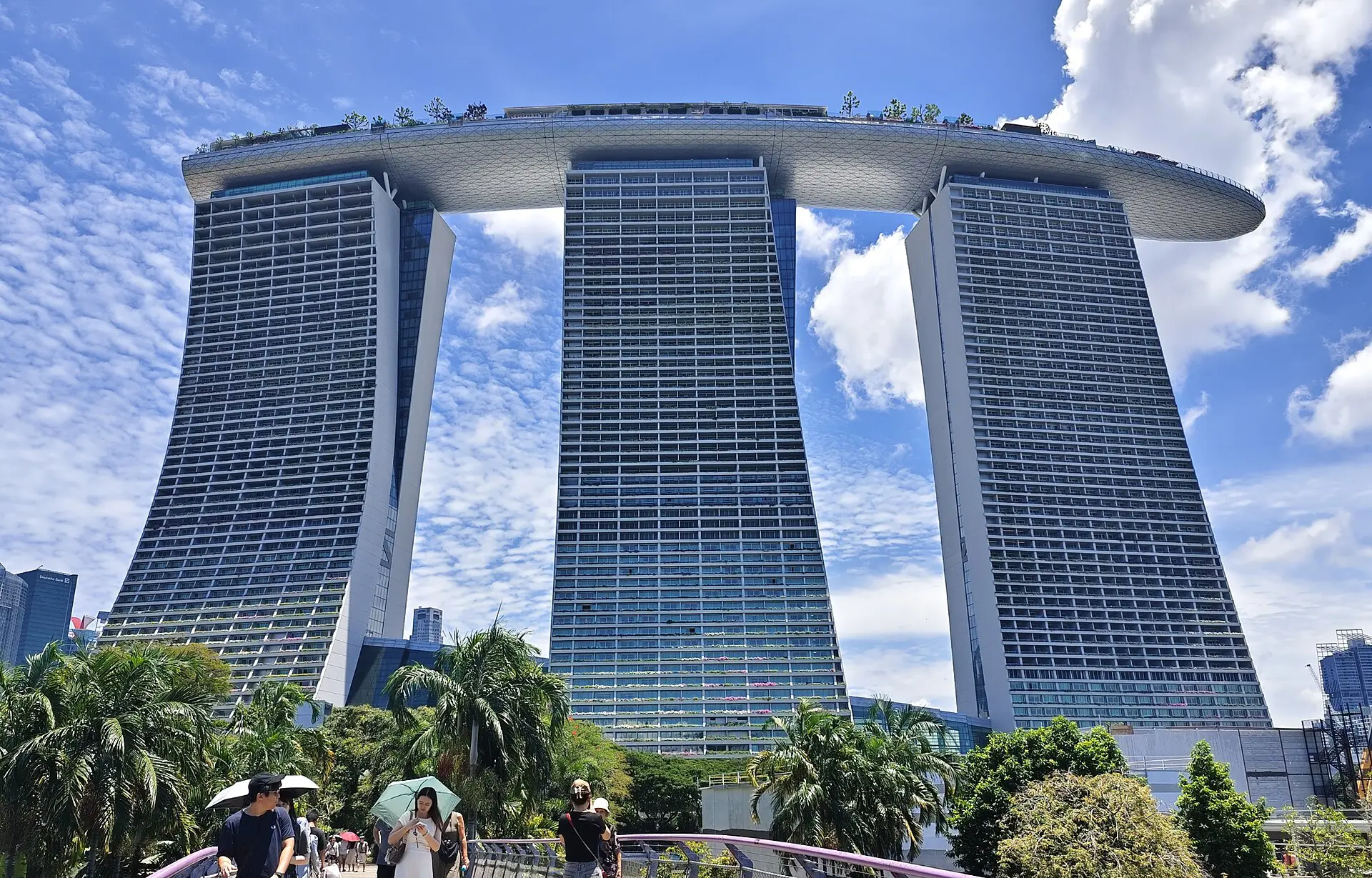
Marina Bay and the Civic District offer skyline views, high-end hotels and easy access to Gardens by the Bay. They suit travellers who want polish and convenience.
Orchard Road is the main shopping area, with a wide range of hotels and malls. It suits families and those who like air-conditioned surroundings.
Chinatown, Clarke Quay and the Central area mix heritage buildings, nightlife and restaurants, with many mid-priced and boutique stays.
Little India, Bugis and Kampong Glam have more affordable guesthouses and hostels, with character and food on the doorstep. They suit budget travellers and food-focused visits.
How many days do you need?
Three to four days is a comfortable length for most visitors, giving you time for the main sights, a few neighbourhoods and several hawker meals. A stopover of two days works if you focus on the bay, one district and a hawker centre, while a week allows nature reserves, islands and slower days.
- Day 1: Marina Bay waterfront, a hawker lunch and Gardens by the Bay at dusk.
- Day 2: Chinatown and the Botanic Gardens in the morning, then Little India and Kampong Glam in the afternoon and evening.
- Day 3: Sentosa for beaches or attractions, or the zoo and Night Safari if you prefer wildlife.
With extra time, add Pulau Ubin or the Southern Ridges walk.
Day trips and nearby
Pulau Ubin
This small island off the northeast coast is known for rural scenery and cycling. A short boat ride from the mainland, it makes a half-day or full-day escape. Rent a bike, bring water and check the boat schedule, as it runs when enough passengers gather.
Southern Ridges
The Southern Ridges is a trail of parks and elevated walkways connecting green spaces across the south. It suits a morning or late afternoon walk of two to three hours. Go early to avoid the heat and check for closures after storms.
Bukit Timah Nature Reserve
This reserve preserves primary rainforest near the city centre, with trails of varying difficulty. Allow two to four hours. Wear sturdy shoes, carry water and watch for macaques, which can snatch food.
Johor Bahru, Malaysia
Across the causeway, Johor Bahru is a quick international day trip by bus or train. Allow time for immigration queues on both sides, bring your passport and check entry requirements for your nationality beforehand.
FAQ
Q1When is the best time to visit Singapore?
February to April is often drier and a little less humid, but Singapore is warm and humid year-round. November to January is wetter, and haze can affect air quality at some points later in the year. Expect higher hotel prices around Chinese New Year and year-end.
Q2How many days do you need in Singapore?
Three to four days covers Gardens by the Bay, Marina Bay, the main cultural districts and hawker food at a relaxed pace. Two days works for a stopover if you plan carefully, and a week allows nature reserves and nearby islands.
Q3How do you get to Singapore?
Most visitors fly into Changi Airport (SIN), which is linked to the city by MRT metro, buses and taxis, typically within 30 to 45 minutes. You can also arrive overland from Malaysia by bus or train, so check border and entry rules in advance.
Q4Is Singapore safe and expensive?
Singapore is widely regarded as very safe, with low street crime and strict laws, so read local rules before you go. It is expensive for accommodation and alcohol, but hawker food, public transport and many attractions keep daily costs manageable.
Prices, schedules and entry rules change. Check current details with official sources before you travel. Read the Singapore travel guide.