Why visit Singapore
This Singapore travel guide starts with a surprise: a country of just 710 square kilometres, about one degree north of the equator, packs in more food, culture and green space than most places many times its size. Over half of the island is covered in greenery, with parks, nature reserves and tree-lined streets between glass towers. The Wikivoyage entry calls it a stopover or a springboard into the region, and it works as both.
Singapore suits travellers who want an easy introduction to Southeast Asia, food lovers who care about hawker centres, and families who need clean, well-organised sights. English is an official language, public transport is excellent and the infrastructure rarely fails. The trade-offs are cost, constant heat and a reputation for predictability. Beyond the skyline, neighbourhoods such as Little India, Kampong Glam and Chinatown still show how many cultures share one small island.
Best places to visit in Singapore
The best places to visit in Singapore are all within a short train ride of each other, so you can base yourself anywhere central.
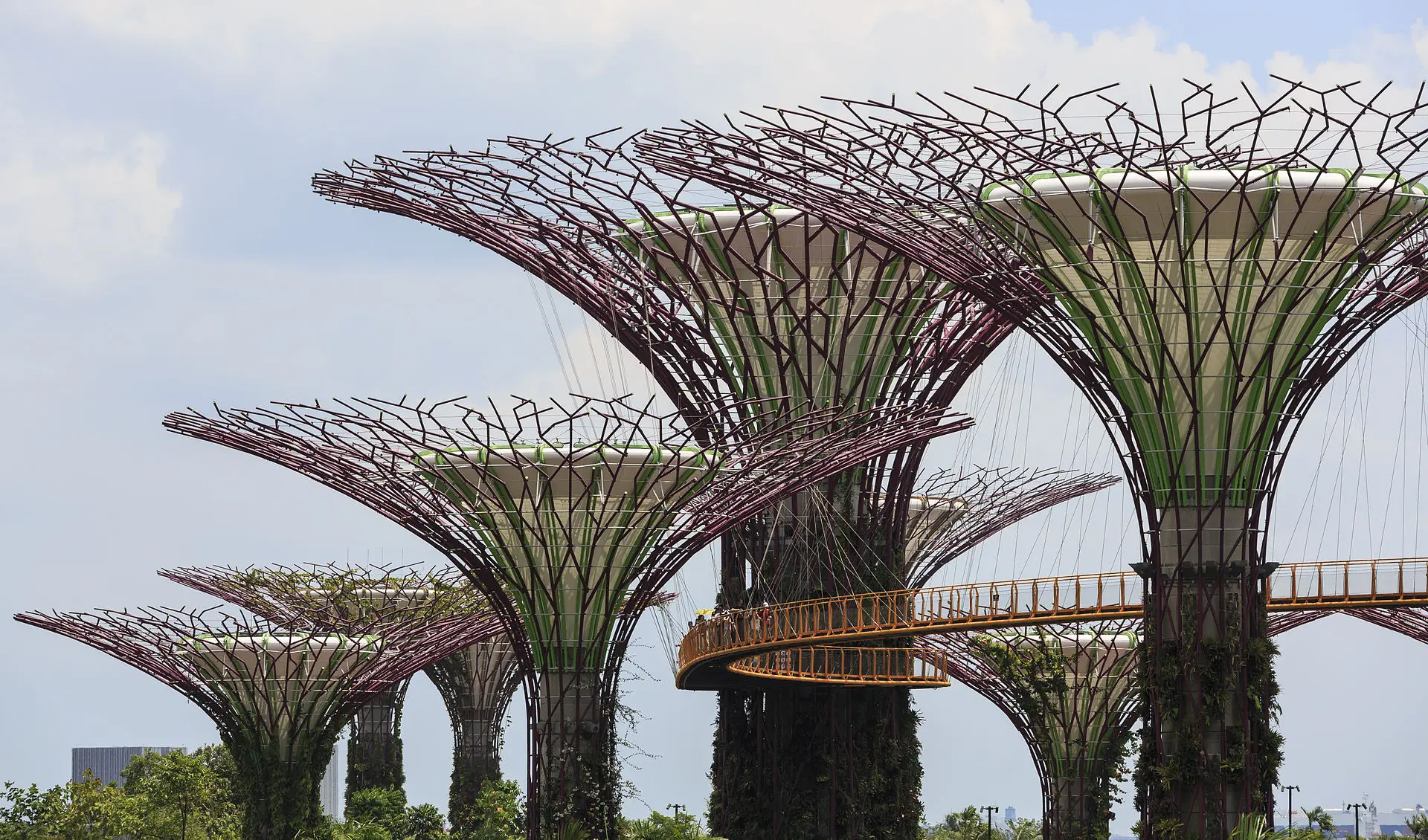
Marina Bay
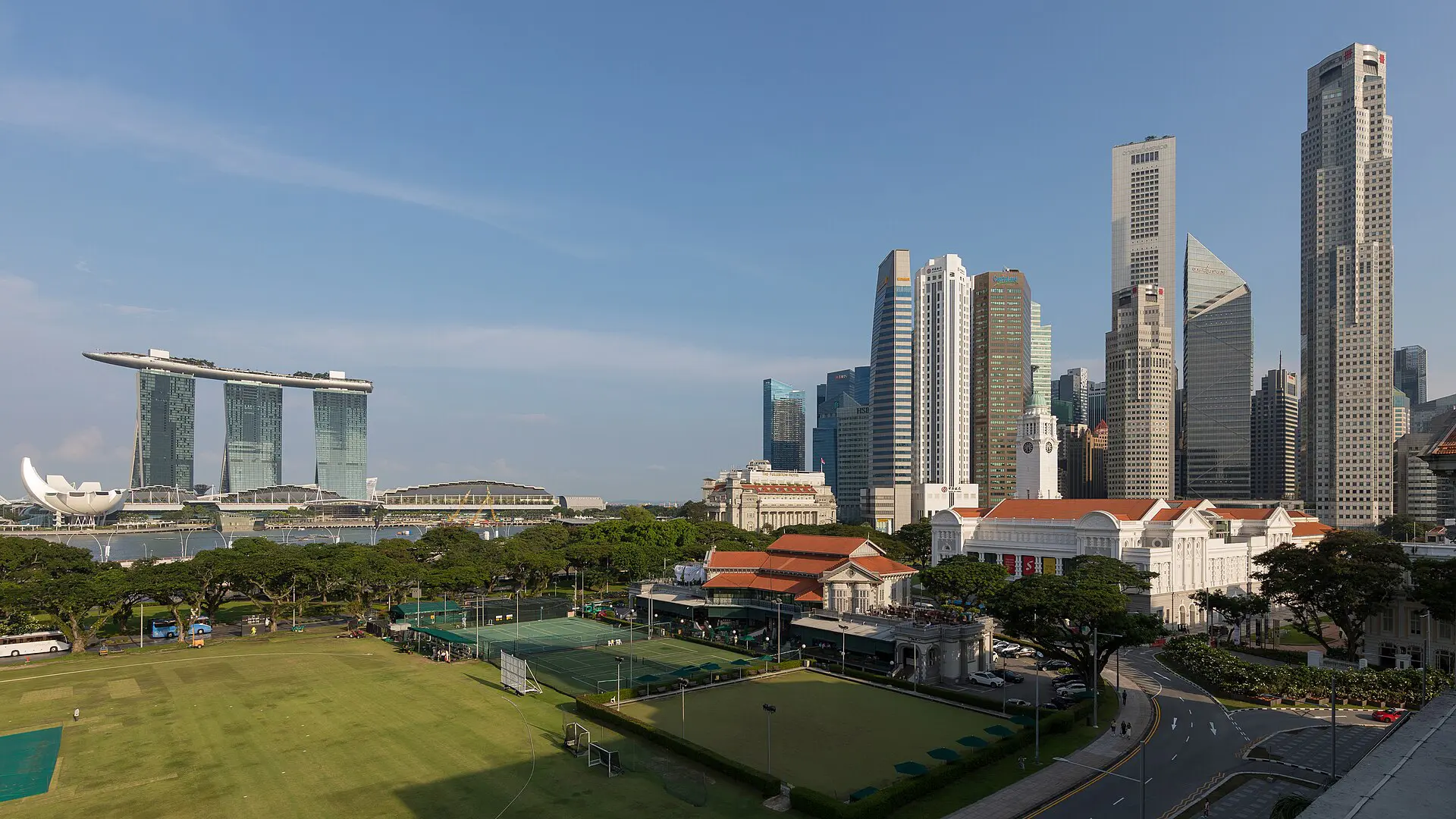
The icon of the modern city: the Marina Bay Sands hotel, the Gardens by the Bay supertrees, the ArtScience Museum and the Merlion statue facing the skyline. A walk around the bay at dusk gives the best views, and a free light show runs over the water in the evening.
Chinatown and the Civic District
Colonial buildings such as the Asian Civilisations Museum sit beside the Singapore River, a short walk from Chinatown’s shophouses, temples and food streets. The Buddha Tooth Relic Temple and the Sri Mariamman Temple are both here.
Little India and Kampong Glam
Little India has spice shops, flower garlands and curry houses, while Kampong Glam centres on the golden-domed Sultan Mosque and Arab Street’s textiles and cafés.
Orchard Road
A long boulevard of malls and department stores, useful for shopping and air-conditioned breaks.
Sentosa
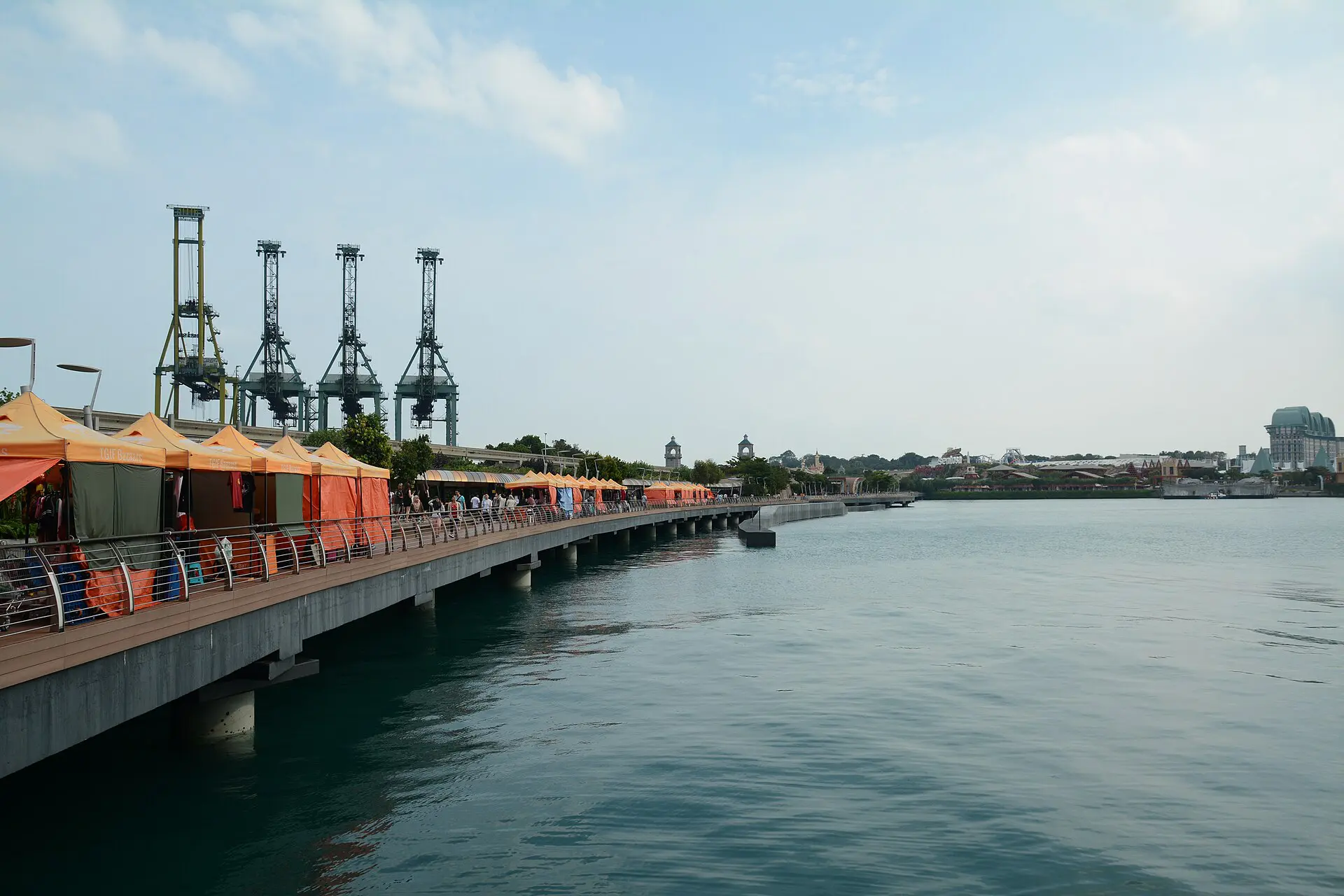
A resort island with beaches, theme parks and aquariums, reached by monorail or cable car.
Pulau Ubin and the green fringe
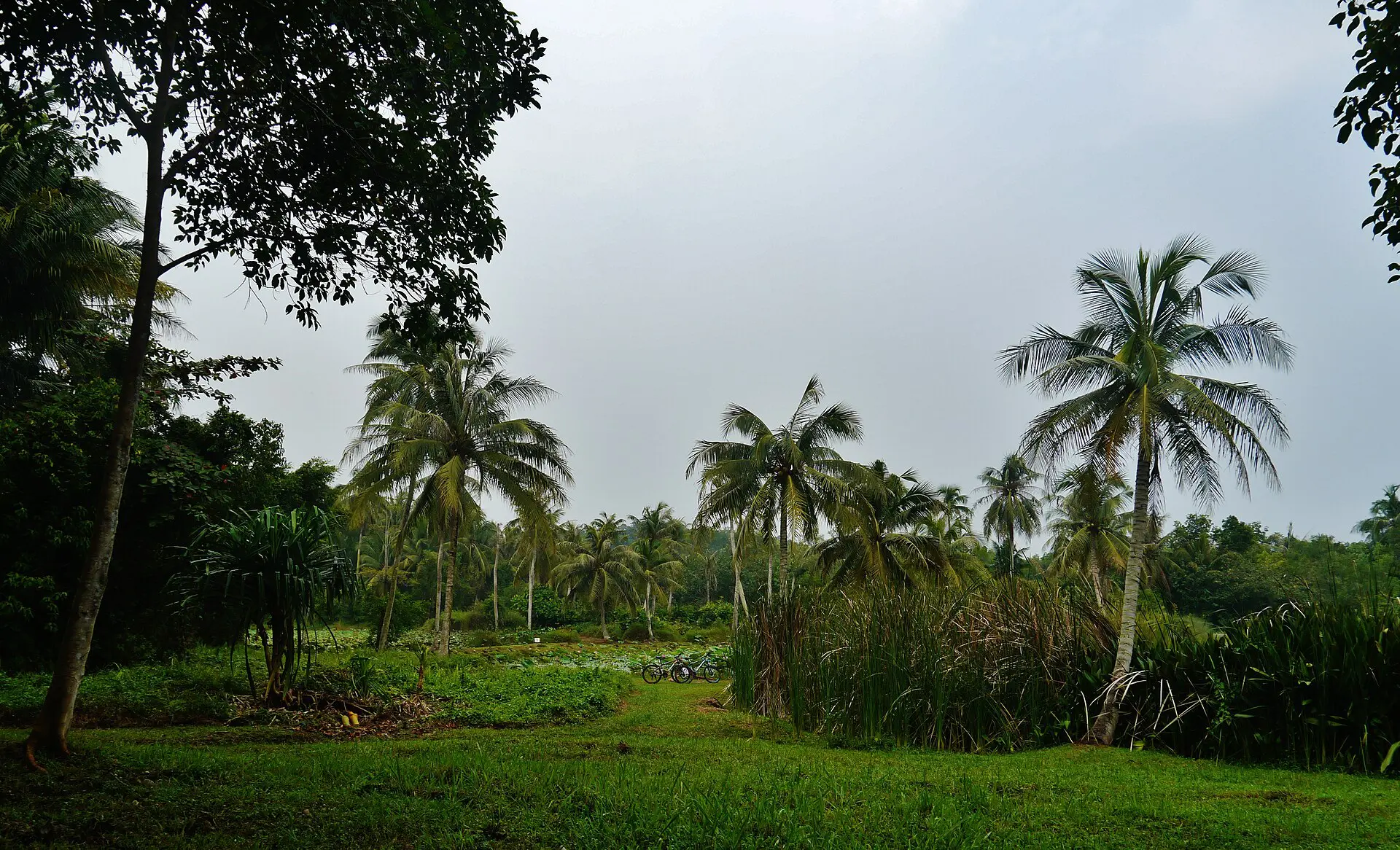
A small island northeast of the mainland where cycling tracks, mangroves and old kampong houses show an older Singapore.
Top things to do in Singapore
The top things to do in Singapore combine food, gardens and city views, and almost all of them work in the heat or the rain.
- Eat at a hawker centre: try places such as Maxwell Food Centre or Lau Pa Sat for chicken rice, laksa and satay at low prices.
- Walk Gardens by the Bay: the outdoor supertrees are free, while the Cloud Forest and Flower Dome conservatories charge admission.
- See Marina Bay at night: the waterfront promenade and light show are free.
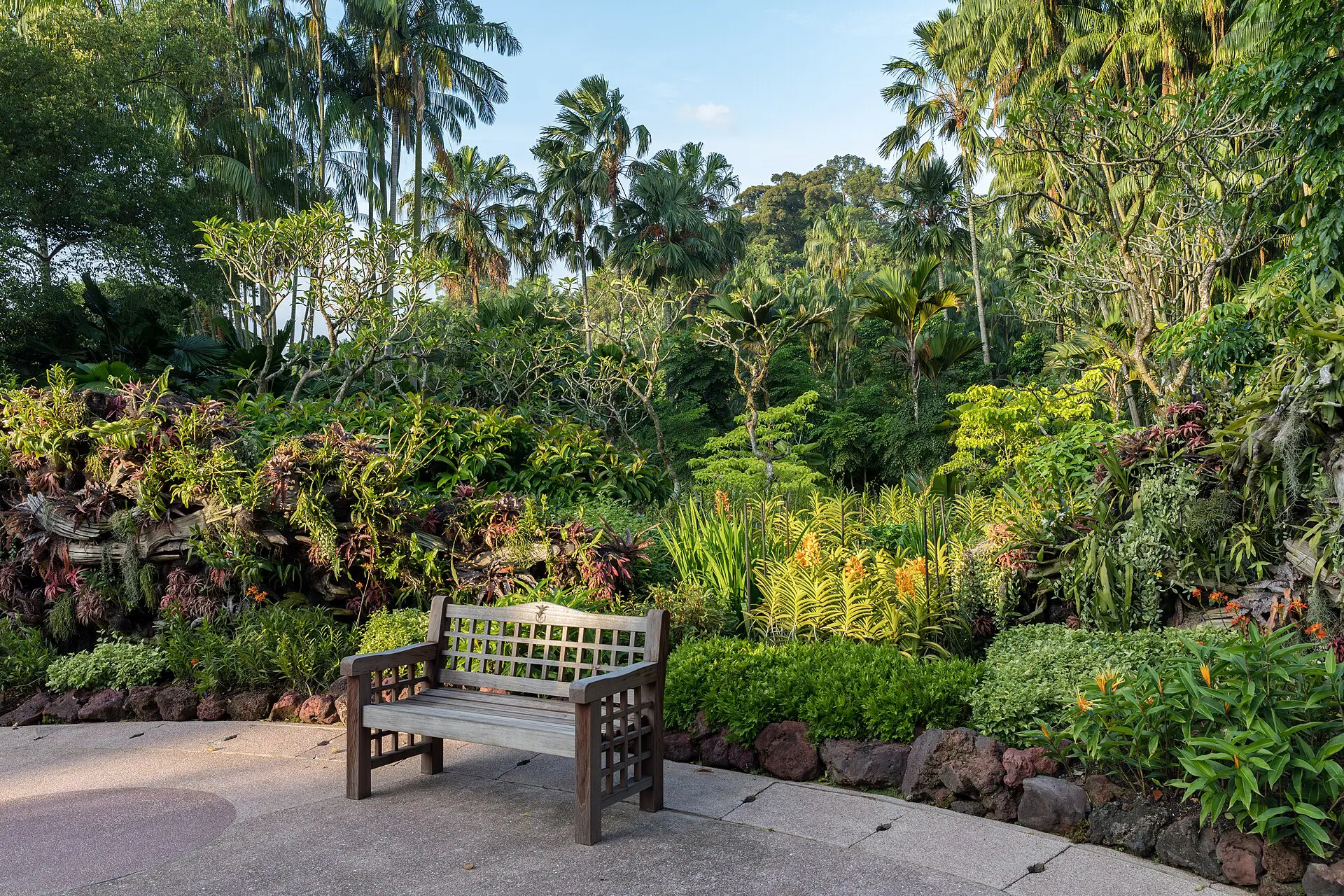
- Stroll the Singapore Botanic Gardens: a UNESCO-listed garden with the National Orchid Garden inside.
- Visit Chinatown’s temples: the Sri Mariamman and Buddha Tooth Relic temples are both close together.
- Take the Night Safari: a night-time zoo experience with tram and walking trails.
- Spend a day on Sentosa: beaches, rides and an aquarium suit families.
- Cycle on Pulau Ubin: hire a bike near the jetty and ride the island’s trails.
- Walk the Southern Ridges: an elevated trail linking parks, including the Henderson Waves bridge.
- Drink at a rooftop bar: cocktails come with skyline views, though prices are high.
Best time to visit Singapore
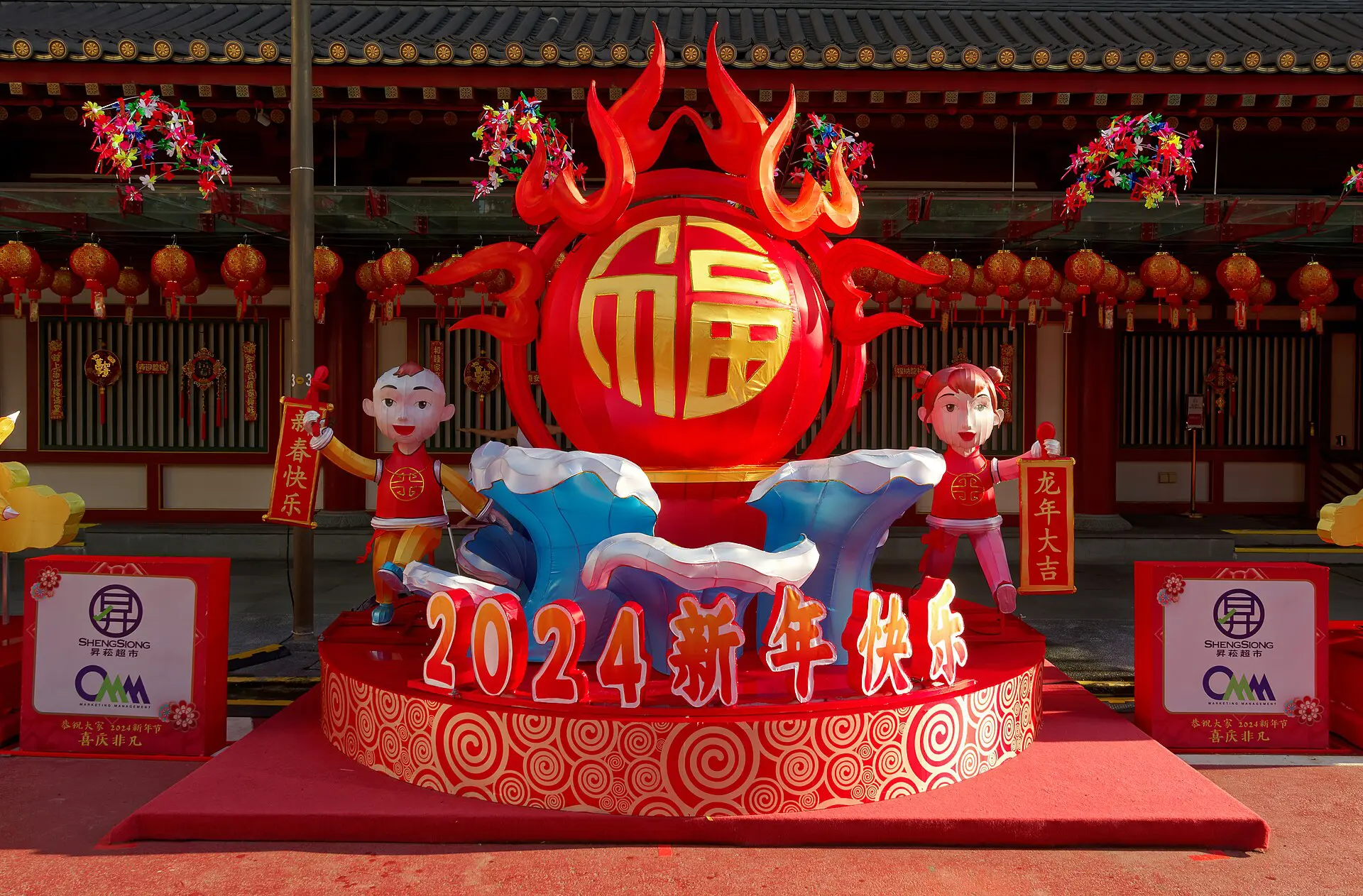
The best time to visit Singapore is February to April, when rainfall is lower and the humidity eases slightly, though the island is hot and humid every month, with daytime highs around 31 C and little seasonal variation. Short, heavy afternoon thunderstorms can happen in any month, and the wettest period is usually November to January.
| Season | Weather | Crowds and prices | Good for |
|---|---|---|---|
| Feb-Apr | Hot, relatively drier | Moderate; Chinese New Year in late January or February is busy | Outdoor sights, gardens, walking |
| May-Jul | Hot and humid, occasional storms | Busy at school holidays, with the Great Singapore Sale around June | Shopping, food festivals, indoor sights |
| Aug-Oct | Hot, wetter; occasional regional haze | Mid-range; Formula 1 night race in September or October lifts prices | Events, museums, night attractions |
| Nov-Jan | Wettest, cooler evenings | Busy at year-end holidays | Christmas lights, indoor attractions |
Pack for rain whenever you go, and plan outdoor sightseeing for early morning or evening.
Is Singapore safe to visit?
Yes, Singapore is among the safest countries in the world for visitors, with very low violent crime and a strong police presence. The main risks are minor: pickpocketing in crowded tourist areas, online scams and unintended breaches of strict local laws. Check the UK FCDO or US State Department advice for your own nationality before you travel.
Laws. Penalties are severe and enforced. Drug offences can carry the death penalty, and trafficking quantities are low. Vaping is banned, including carrying e-cigarettes, and chewing gum sales are restricted. Fines apply for littering, smoking in banned places, jaywalking and eating on public transport.
Health. Dengue fever spreads by mosquitoes year-round, so use repellent. Tap water is safe to drink, and healthcare is excellent but expensive, so carry travel insurance.
Weather. Heat and humidity can cause dehydration, so drink water and rest in air-conditioning. Occasional haze from regional fires can affect air quality between August and October.
Scams. Fake ticket sellers and unlicensed taxi touts exist at tourist spots. Use official queues and ride-hailing apps.
Visa and entry requirements for Singapore
Entry rules depend on your nationality. Many visitors, including citizens of the EU, UK and US, have generally been able to enter without a visa for short stays, but some nationalities need one in advance. Confirm the current rule for your passport with the official Singapore immigration authority or your nearest embassy.
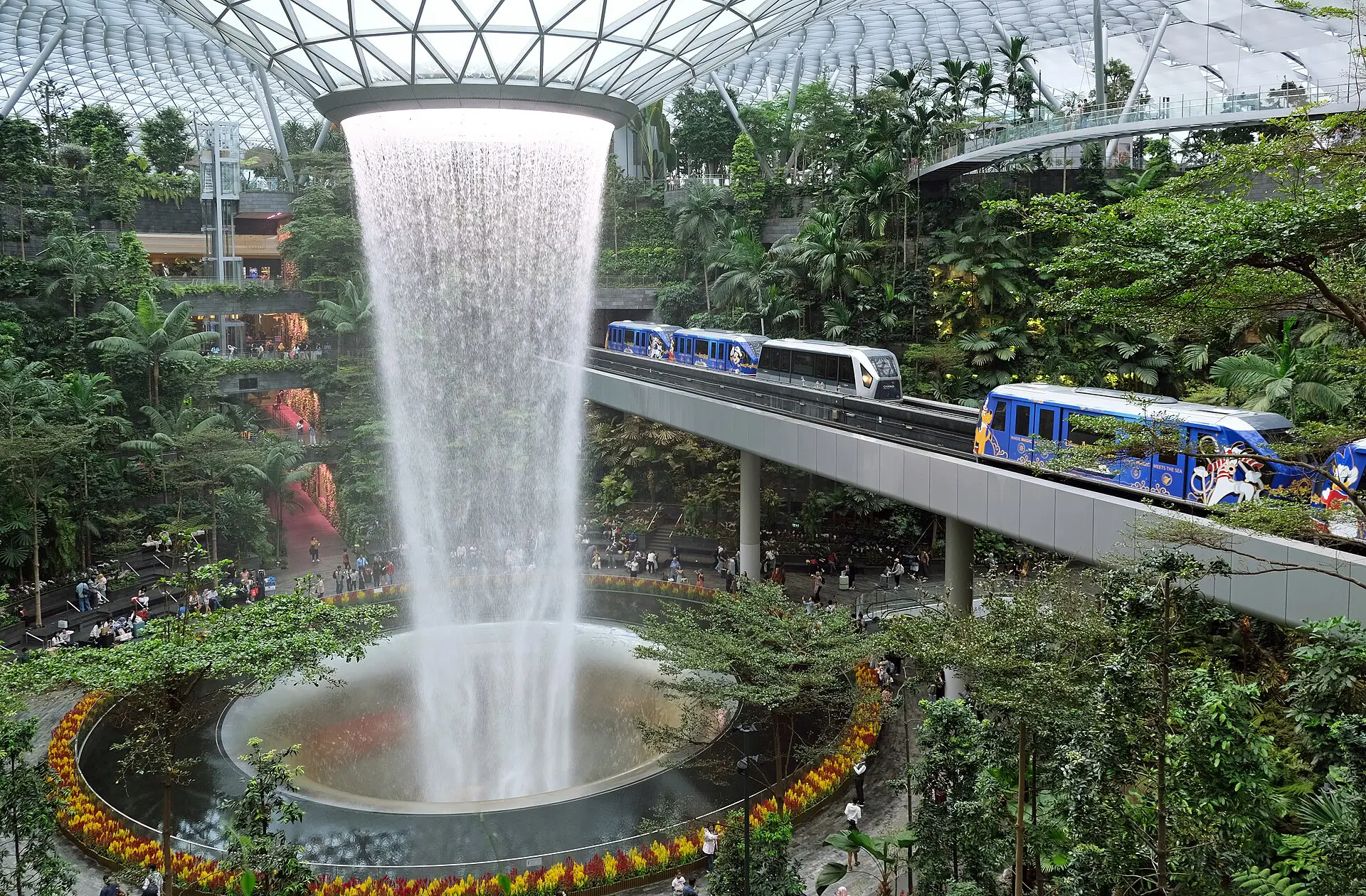
All travellers are generally required to submit a digital arrival card before landing, free of charge through the official site, so avoid third-party sites that charge fees. Your passport should be valid for at least six months from arrival, and you may be asked for proof of onward travel and sufficient funds.
Bring any prescription medicine in original packaging with a doctor’s letter, as some common drugs are controlled. Customs rules also restrict items such as e-cigarettes, chewing gum for resale and certain publications. The UNESCO page for Singapore lists its heritage sites, but it does not cover entry rules.
Getting to and around Singapore
Singapore Changi Airport is one of the world’s busiest hubs, with direct flights from Europe, Asia, Australia and North America. The airport has its own MRT station, with trains to the city in about 30 to 40 minutes, as well as taxis and ride-hailing cars that cost more. Land crossings link Singapore with Johor Bahru in Malaysia, by the Causeway and the Second Link, and ferries connect it to Indonesia’s Batam and Bintan islands.
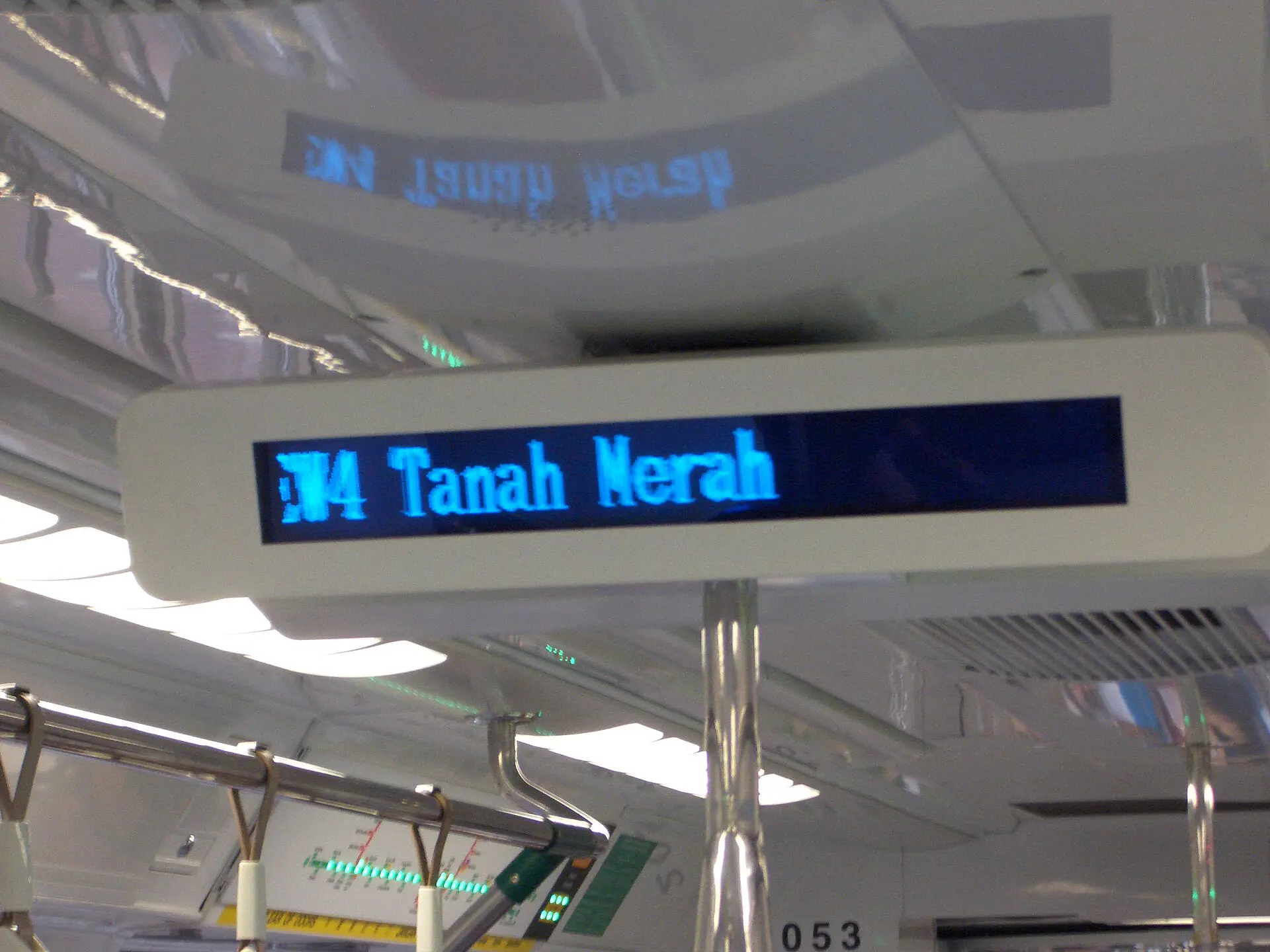
Getting around is easy. The MRT metro and the LRT lines cover most places visitors want to go, and buses fill the gaps. You can tap in with a contactless bank card or a transit card, so you rarely need tickets. Taxis and ride-hailing apps are plentiful, and fares rise in rain and at peak times. Traffic drives on the left.
Distances are small: Orchard Road to Marina Bay takes about 20 minutes by train. Walking in the heat is tiring, so plan stops, and use covered walkways and underground links between malls and stations.
How much does a trip to Singapore cost?
Singapore is one of the most expensive destinations in Asia, mainly because of accommodation and alcohol, while food and transport can be remarkably cheap. The currency is the Singapore dollar (SGD), and cards and contactless payments are accepted almost everywhere. Figures below are rough per-person guides for 2026 and change with exchange rates.
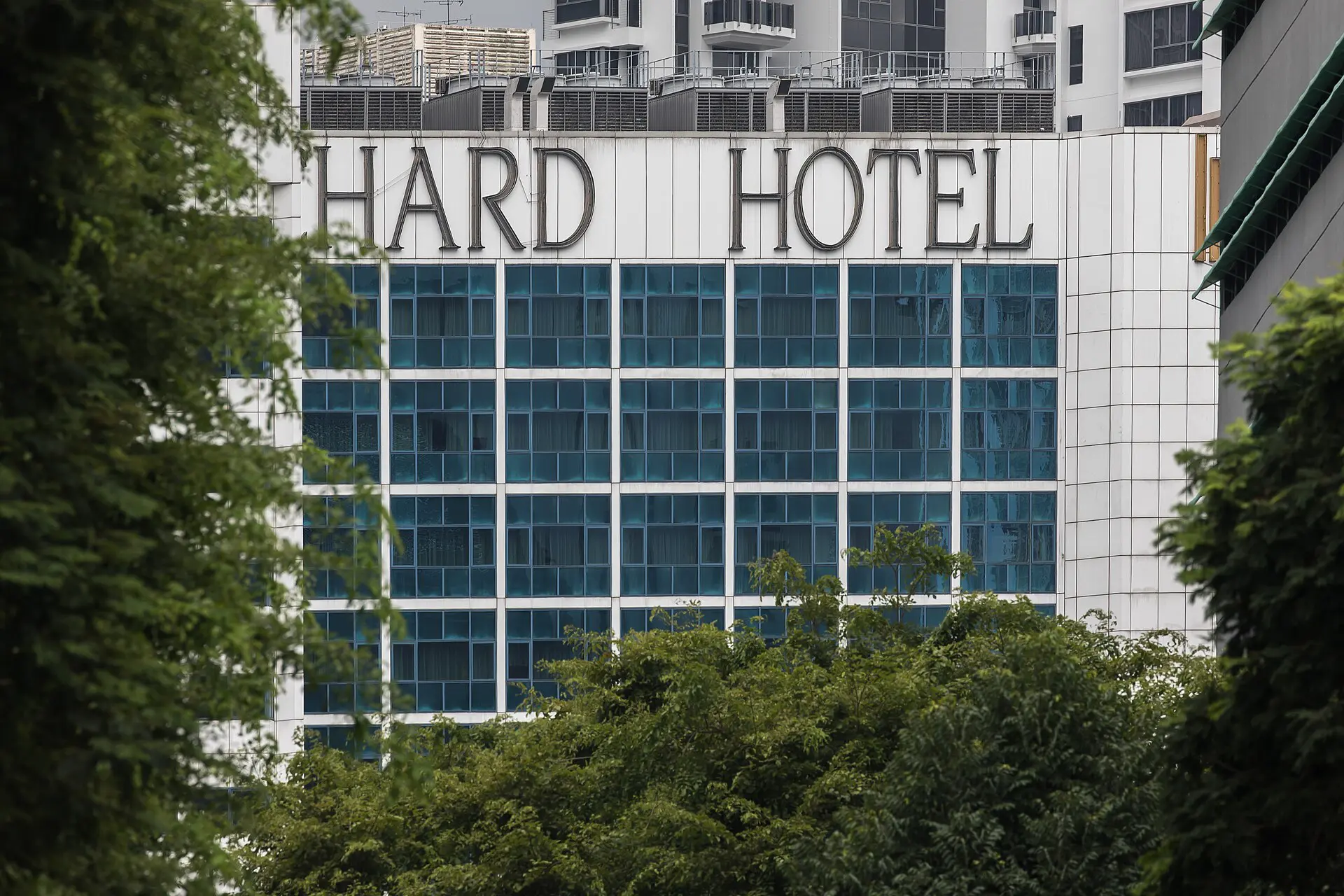
- Budget: around SGD 100 to 150 per day, with a hostel dorm, hawker-centre meals, MRT and free sights.
- Mid-range: around SGD 200 to 350 per day, with a three or four-star hotel, restaurant dinners, paid attractions and taxis.
- High-end: from around SGD 500 per day, with luxury hotels, fine dining and rooftop bars.
Hotel rooms are the biggest cost and rise sharply during events and holidays. Alcohol is heavily taxed, so a cocktail can cost more than a full hawker meal. Many highlights, such as the supertrees, Marina Bay and the botanic gardens’ main areas, are free, and hawker meals cost a few dollars.
Singapore food and drink
Singapore food is the main reason many visitors come, and it blends Chinese, Malay, Indian and Peranakan cooking. The best meals are at hawker centres, where individual stalls sell one or two dishes each.
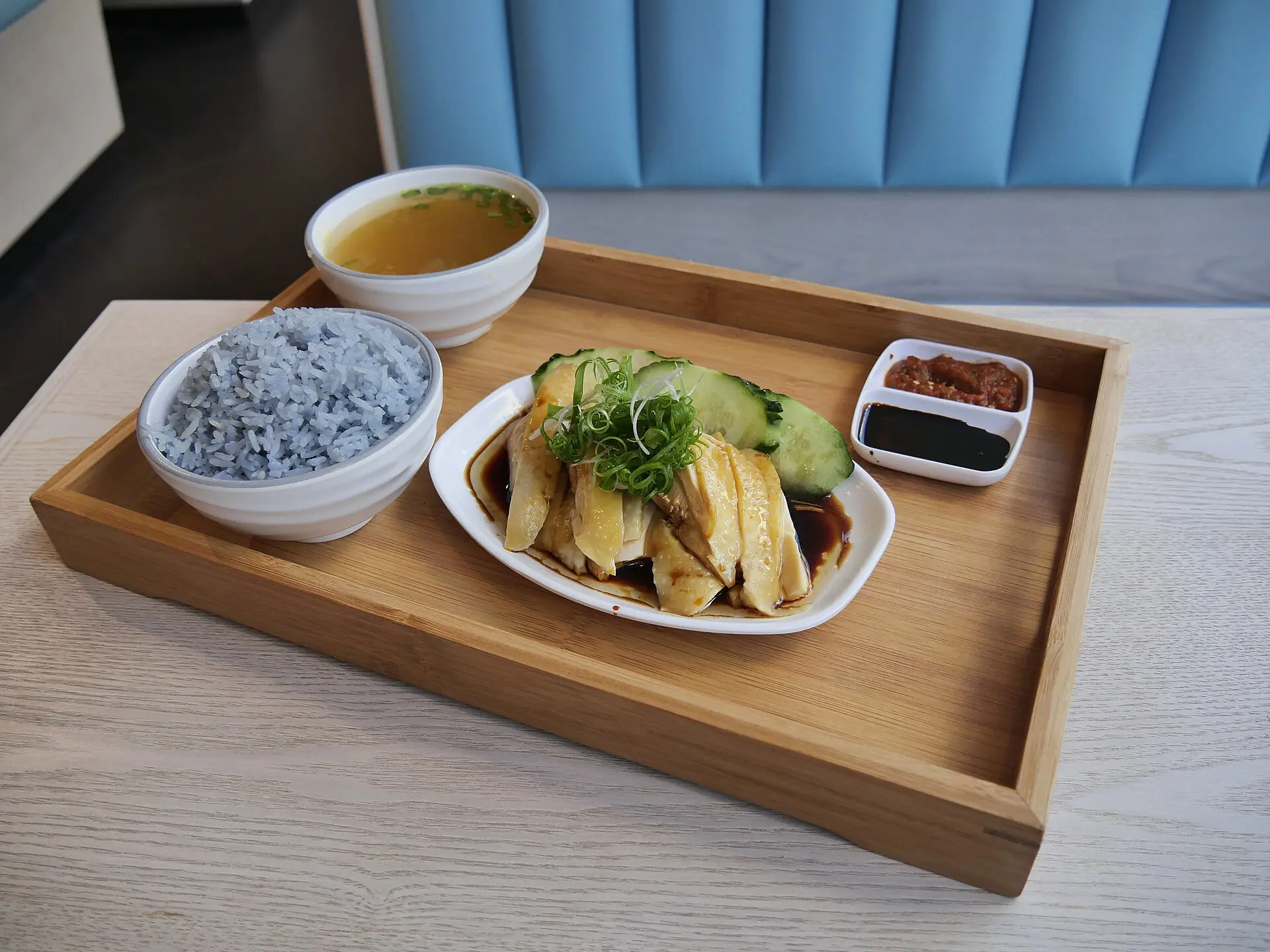
- Hainanese chicken rice: poached chicken on fragrant rice with chilli and ginger sauce, often called the national dish.
- Laksa: noodles in a spicy coconut-milk broth, with prawns and cockles.
- Chilli crab: mud crab in a sweet, spicy tomato-egg sauce, eaten with fried buns.
- Char kway teow: flat rice noodles stir-fried with egg, cockles and sausage.
- Satay: grilled skewers with peanut sauce, a Malay classic.
- Roti prata: a crisp flatbread served with curry, popular for breakfast.
- Kaya toast and kopi: toast with coconut jam and soft-boiled eggs, with local coffee.
Hawker centres are cheap and clean, and cash is still handy at some stalls, though many take digital payments. Vegetarians can find Indian vegetarian restaurants and many vegetable dishes, while halal food is easy to find. Drinks come in many forms, from sugarcane juice to Tiger beer, and the Singapore Sling cocktail was born at the Raffles Hotel.
Culture, language and etiquette in Singapore
Singapore’s four official languages are English, Malay, Mandarin Chinese and Tamil. English is the main working language and is used for signs, transport and business, while many people also speak Singlish, a local English mix with words from Chinese, Malay and Hokkien. Malay is the national language, used for the anthem.
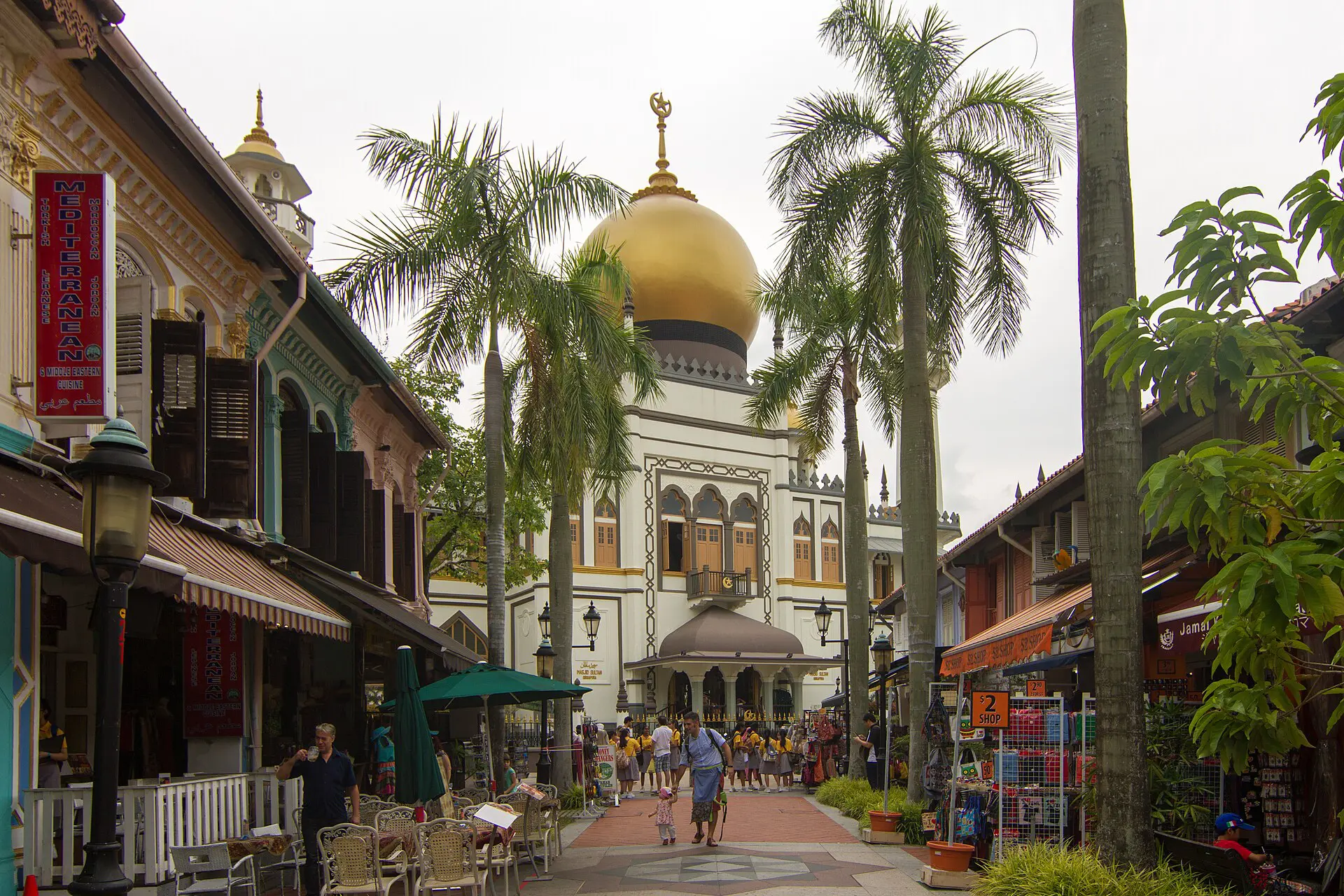
The population is mostly ethnic Chinese, with large Malay and Indian communities, and the country has Buddhist, Taoist, Muslim, Christian and Hindu populations. Respect for religious and ethnic harmony is a firm social and legal norm, so avoid remarks that mock any group.
Remove shoes when entering homes and many temples, and cover shoulders and knees in places of worship. Use your right hand when giving or receiving, especially with Muslim and Indian hosts, and do not point your feet at people or images. Queue patiently, give up seats on the MRT and keep voices low on public transport. Public displays of strong political opinion, and unauthorised gatherings, are restricted, so stay out of protests. Greetings are friendly but reserved.
Singapore itinerary: a 7-day route
Seven days is generous for Singapore, so this route adds a day for Sentosa and one for a nearby island. Everything works by MRT, with short taxi rides where noted.
- Day 1, Marina Bay: arrive, check in, walk the bay promenade and watch the evening light show.
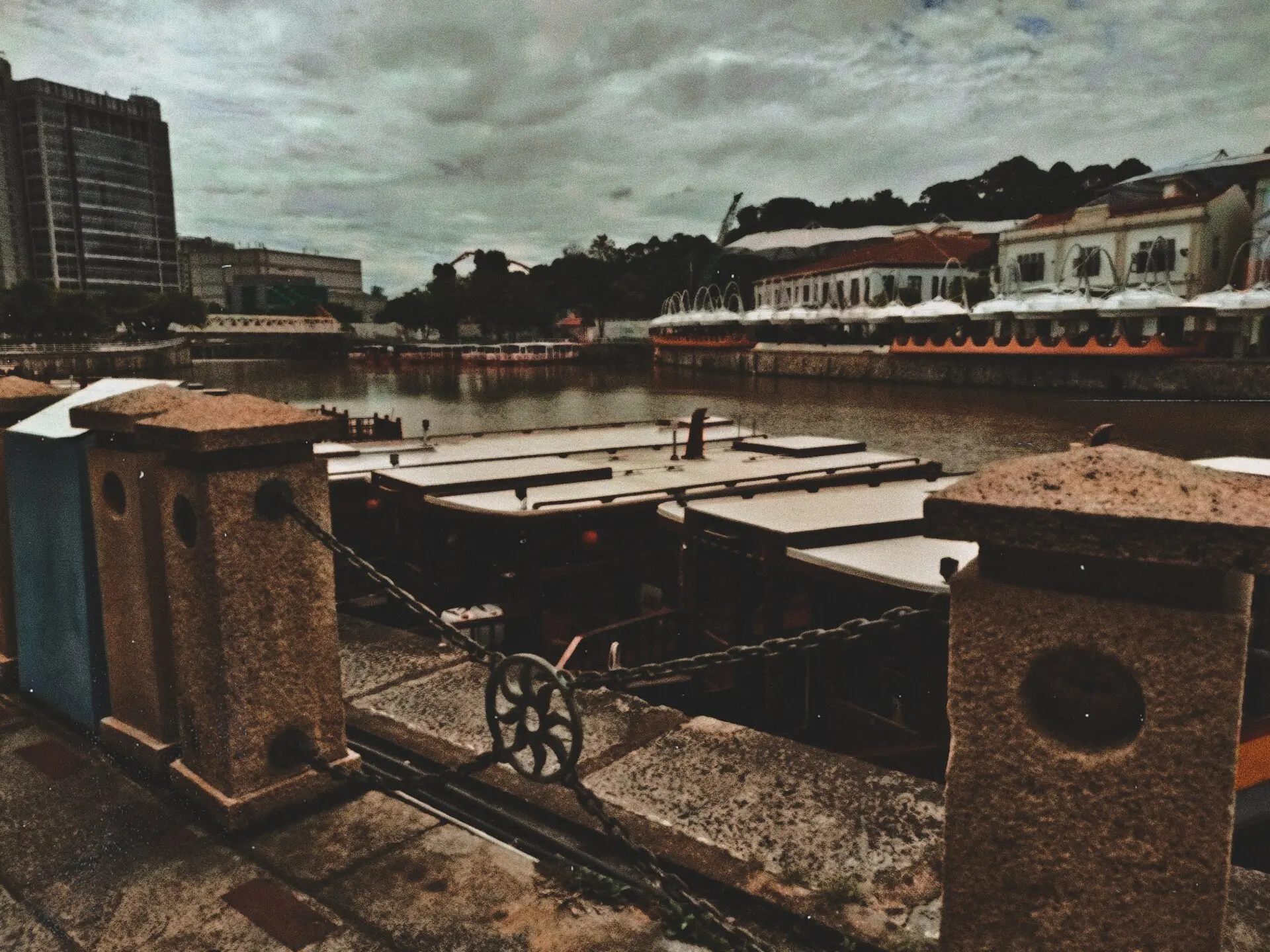
- Day 2, Gardens and the Civic District: spend the morning at Gardens by the Bay, then walk the river past the colonial buildings to Clarke Quay.
- Day 3, Chinatown and hawker food: visit the Buddha Tooth Relic Temple, eat lunch at Maxwell Food Centre, and explore Tiong Bahru in the afternoon.
- Day 4, Little India and Kampong Glam: see the Sultan Mosque, shops on Arab Street and the temples in Little India.
- Day 5, Botanic Gardens and Orchard Road: visit the National Orchid Garden early, then shop or rest in air-conditioned malls.
- Day 6, Sentosa: take the cable car or monorail for beaches, an aquarium or a theme park.
- Day 7, Pulau Ubin or departure: take a bumboat from Changi Point for a bike ride, or head to the airport, allowing three hours before an international flight.
If you only have three days, keep Days 1 to 3 and add the Night Safari.
Practical tips for Singapore
- Money: the Singapore dollar is the currency, and ATMs and cards are everywhere, including contactless payments. Keep a little cash for hawker stalls.
- SIM and eSIM: tourist SIMs and eSIMs are cheap, and mobile and Wi-Fi coverage is excellent. Many visitors buy a SIM at the airport on arrival.
- Plugs: type G at 230 V, the same three-pin plug used in the UK.
- Tipping: not customary; most restaurants and hotels add a service charge and a goods and services tax.
- Health: tap water is safe, pharmacies are widespread and repellent helps against dengue-carrying mosquitoes.
- Packing: light, breathable clothes, a compact umbrella, comfortable shoes, a light layer for over-cooled malls and sunscreen.
- Laws: do not bring vaping products, observe no-smoking areas and do not litter or jaywalk.
- Connections: Singapore pairs easily with Malaysia, Indonesia and Thailand for longer trips.
For wider background, see the Wikipedia article on Singapore.
FAQ
Q1Is Singapore safe to visit?
Yes, Singapore is one of the safest destinations in the world, with very low violent crime. The main hazards are petty theft in crowds, dengue mosquitoes and strict laws on drugs, vaping and littering. Learn the rules before you arrive, and check your government's travel advice.
Q2What is the best time to visit Singapore?
February to April is often the driest period, but Singapore is hot and humid all year, with highs around 31 C and brief heavy showers. November to January is wettest, and haze can occur between August and October. Book ahead for Chinese New Year and year-end.
Q3What are the best things to do in Singapore?
Top picks are eating at hawker centres, walking Gardens by the Bay and Marina Bay at night, visiting the Botanic Gardens, exploring Chinatown and Little India, spending a day on Sentosa and cycling on Pulau Ubin. Many of these cost little or nothing.
Q4How many days do you need in Singapore?
Three to four days cover the main sights, food and gardens at a relaxed pace. Add a day for Sentosa, a day for Pulau Ubin or nature walks, and extra time if you want museums, shopping or day trips to Malaysia or Indonesian islands.
Q5Do I need a visa for Singapore?
It depends on nationality. Many travellers, including those from the EU, UK and US, have generally entered visa-free for short stays, but all need to complete the free digital arrival card. Confirm the current rule with the official immigration authority before booking.
Q6Is Singapore expensive for tourists?
Singapore is one of Asia's pricier destinations, mostly because of hotels and alcohol. Hawker meals cost a few dollars, public transport is cheap and many sights are free. Budget travellers manage around SGD 100 to 150 per day, and mid-range visitors SGD 200 to 350.
Q7What is Singapore food like?
Singapore food mixes Chinese, Malay, Indian and Peranakan cooking, served mainly in hawker centres. Try chicken rice, laksa, chilli crab, char kway teow, satay and roti prata. Halal and vegetarian options are easy to find, and prices at hawker stalls are low.