Order white coffee first, then a bowl of hor fun. That is the short answer to Ipoh food, and it works best before 10:00, when the kopitiam (traditional coffee shops) and hawker stalls are at their busiest. Ipoh is better known among Malaysians for its restaurants, hawkers and local dishes than for the tin that built the city. Below: what to order, how a day of eating runs, and what each meal costs.
How does eating work in Ipoh?
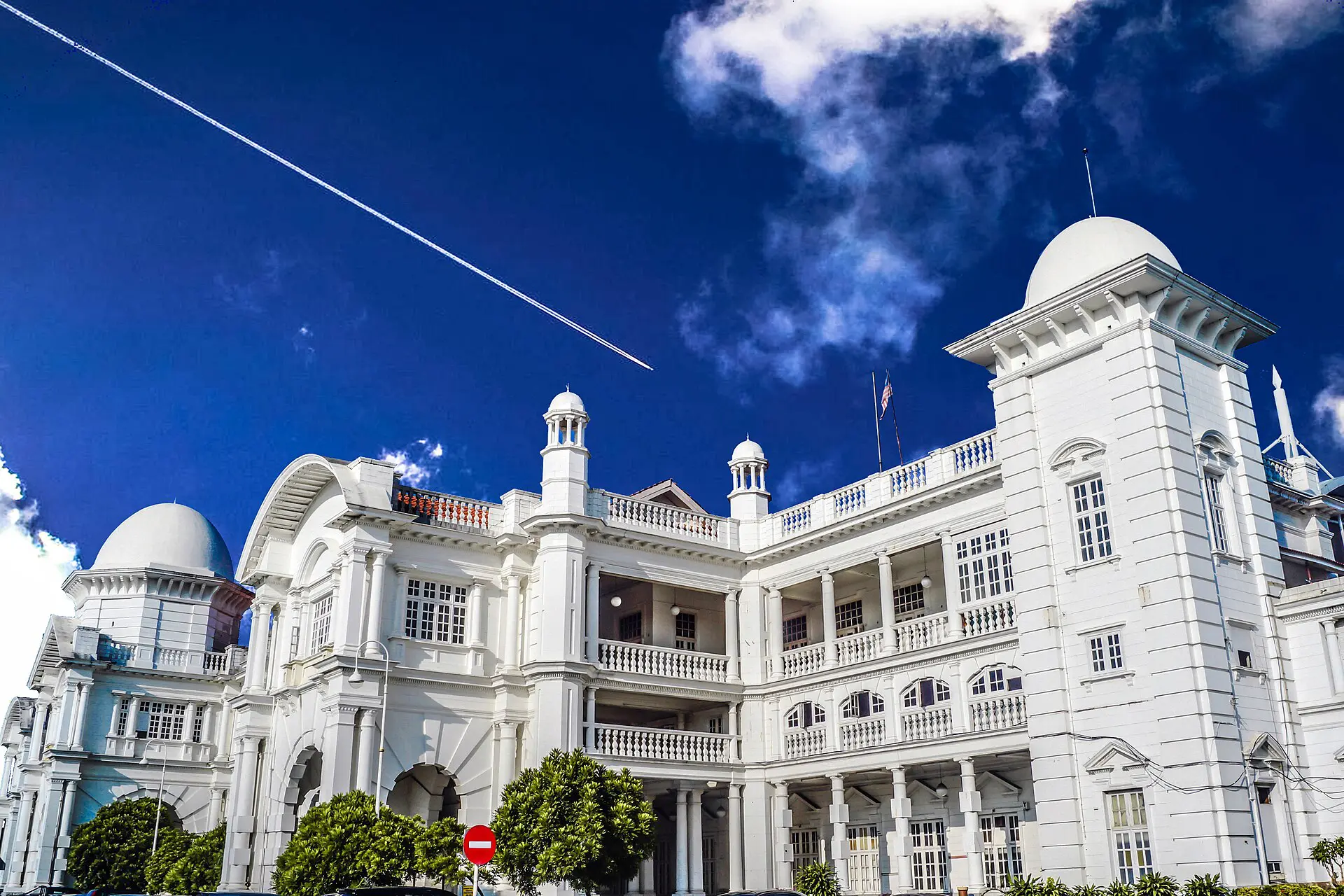
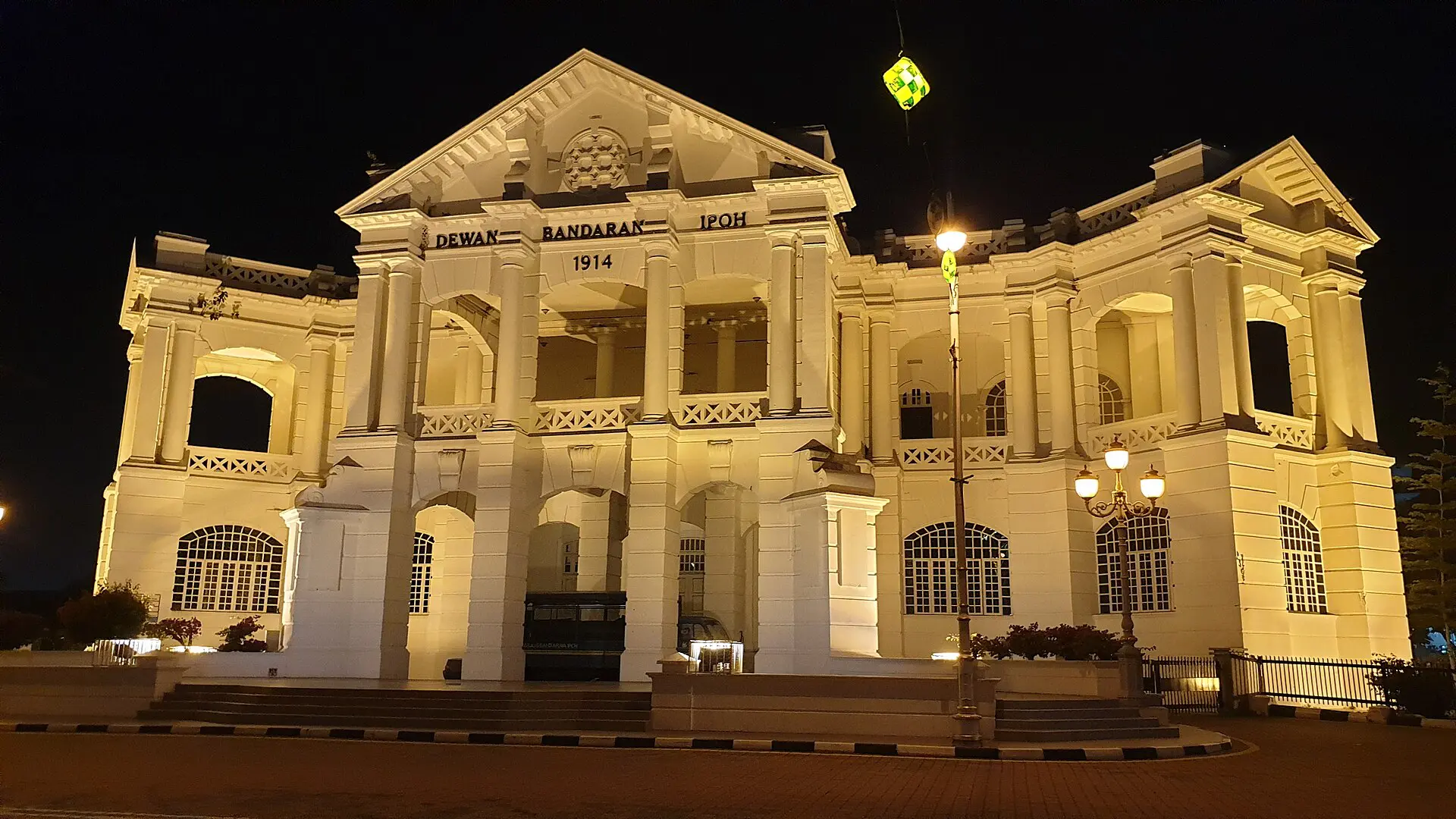
Ipoh grew on tin after rich deposits were found in the Kinta Valley in 1876. Waves of mostly Chinese immigrants arrived to work the mines and supply the industry, and they brought Cantonese, Hainanese and Hakka cooking with them. When tin collapsed in the 1980s, the food stayed, and now it is what the city is best known for.
The unit of eating is the kopitiam: an open-fronted coffee shop with a drinks counter run by the owner and several independent food stalls inside. You sit, order drinks from the shop staff, then order food from whichever stalls you like. Each stall brings its own dish to the table. This is how a single table can hold noodles, chicken rice and a custard dessert from three different cooks.
Meals follow the heat. Breakfast is early and substantial, lunch is mid-day, the afternoon has a coffee-and-cake break, and the evening shifts to hawker streets and open-air stalls. Many popular stalls sell out by early afternoon, which is why the morning matters. A workable plan is three stops before 13:00: coffee and toast around 8:00, noodles around 10:30, and chicken rice at about 12:30, each ordered in a small portion.
Ipoh hawker and meal timing
Stall hours vary and many close one day a week, often for cleaning. Check before you go, and expect public holidays to change everything.
| Time | Where | What to order |
|---|---|---|
| Early morning (6:30-10:00) | Old-town kopitiam and dim sum halls | White coffee, kaya toast, soft-boiled eggs, dim sum |
| Late morning (10:00-12:00) | Hawker courts, noodle stalls | Hor fun, curry mee, wonton noodles |
| Midday (11:30-14:30) | Chicken rice shops, food courts | Chicken with bean sprouts and rice, salt-baked chicken |
| Afternoon (14:30-17:30) | Cafes, dessert counters | Caramel custard, cendol, pastries, tea |
| Evening (18:00-23:00) | Hawker streets, night stalls | Satay, fried noodles, seafood, grilled items |
What to order in Ipoh
1. Ipoh white coffee
Beans are roasted with margarine, not sugar, then brewed strong and served with condensed milk. The result is smoother and lower in bitterness than dark kopitiam coffee. Order it hot or iced. Roughly RM 3-7 a cup, as of 2026.
2. Ipoh hor fun (kai si hor fun)
Wide, slippery rice noodles in a clear broth made from chicken and prawn, topped with shredded chicken and prawns. Spring onion and sometimes fried shallot finish it. The noodles are made with local water, according to Ipoh tradition, though that claim is hard to prove. Roughly RM 7-13 a bowl.
3. Chicken with bean sprouts (tauge ayam)
Poached chicken served with plump, short bean sprouts, rice and a soy-based sauce. The sprouts are crunchy and sweet, and many cooks credit the local water for their texture. Order the rice with it. Roughly RM 8-15 a plate.
4. Dim sum
Steamed baskets of dumplings, buns and rolls, taken with tea. Ipoh’s dim sum culture reflects its Cantonese roots. Order in small rounds of two or three baskets, share them, and pour tea for the table before you pour your own. Roughly RM 4-9 per basket, depending on the dish.
5. Curry mee and wonton noodles
Curry mee is a noodle soup in a spicy coconut broth with chilli paste, tofu puffs and sometimes cockles. Wonton noodles are dry-tossed with a light sauce and served with wontons and roast pork. Roughly RM 7-12 for either.
6. Caramel custard
A soft, silky egg custard topped with a thin layer of dark caramel. It is served chilled or at room temperature and is a classic afternoon sweet. Pair it with a hot tea or a glass of iced white coffee, and eat it with a small spoon. Roughly RM 3-6 per cup.
7. Kaya toast and soft-boiled eggs
Thin toast spread with kaya, a jam made from coconut, egg and pandan, and often butter. Eat it with two runny eggs seasoned with soy and pepper. This is a light breakfast or a snack. Roughly RM 4-9 for a set with coffee.
Ipoh food prices by meal
These are hedged per-person ranges in Malaysian ringgit (RM), as of 2026. Prices change by stall and by season.
| Meal | Hawker or kopitiam | Air-conditioned cafe or restaurant |
|---|---|---|
| Breakfast | About RM 8-15 | About RM 15-30 |
| Lunch | About RM 8-18 | About RM 20-40 |
| Snack or dessert | About RM 3-8 | About RM 8-18 |
| Dinner | About RM 12-30 | About RM 30-70 |
A full day of hawker eating can come to about RM 30-60 per person, which is low by regional standards. Seafood and set dinners push the total up.
Etiquette when eating in Ipoh
- Order drinks first: the kopitiam owner expects it, and it often covers the right to use the table.
- Share tables: at busy times, strangers sit together. A nod is enough.
- Pay as the shop expects: some kopitiam collect payment at the table, others at the counter, and some per stall. Ask or watch.
- Use your right hand: for eating with hands, pass and receive food with the right hand.
- Check halal status: Malaysia has a Muslim-majority population, and many Chinese-run stalls serve pork. Muslim visitors should look for halal certification on the stall or shop.
- No tipping needed: in hawker settings, tips are not expected. A service charge may appear in restaurants.
Where to eat in Ipoh by type of place
- Old Town: colonial shophouses and long-running coffee shops, the best place for white coffee, kaya toast and traditional breakfast.
- New Town: the commercial area with hawker courts, noodle stalls and busy lunchtime eateries.
- Garden and residential districts: neighbourhood food courts and night hawker streets, useful for evening meals.
- Dim sum halls: large, bright dining rooms that open early and fill by mid-morning. Arrive before 9:00 on weekends.
- Roadside seafood and satay stalls: evening-only, usually open-air, and best for groups.
What to skip when eating in Ipoh
I would skip lunch after about 14:00, because many of the best noodle and chicken stalls close or sell out by then. Skip sitting in the tourist-facing lanes for a main meal if a local-looking kopitiam is a short walk away. Do not order from every stall at once: the food arrives in waves, and cold dishes suffer. And do not assume every cafe serves true white coffee, since some use the term loosely for flavoured drinks.

FAQ about Ipoh food
What is Ipoh famous for eating?
White coffee, kai si hor fun (rice noodles in chicken and prawn broth), tauge ayam (chicken with bean sprouts), dim sum and caramel custard. Together they make up a day of local eating, with most stalls open mornings to mid-afternoon.
What should I order first in Ipoh?
Start with white coffee and kaya toast at a kopitiam, then follow with hor fun or chicken and bean sprouts for lunch. If you only have time for one thing, choose the hor fun.
Is Ipoh food cheap?
Yes. At hawker stalls, a full dish usually costs about RM 7-15, as of 2026, and drinks cost a few ringgit. Air-conditioned cafes and seafood restaurants charge more. Check prices as you order, since menus can change.
Is Ipoh worth a trip just for food?
Many Malaysians make it a weekend food trip, and the city of about 650,000 people (657,852 in 2010) is compact enough to cover in two or three days. It is also a gateway to the Cameron Highlands and Pangkor Island.
Where is Ipoh and how do I plan around it?
Ipoh is the capital of Perak, on the west side of Peninsular Malaysia, and is the country’s third-largest city. For more context, see the Ipoh guide, the Malaysia travel guide and Wikivoyage’s Ipoh page.