Georgia country digital nomad plans start with a clarification: this is the Caucasus country on the Black Sea, not the US state. For remote workers it offers a capital with real city infrastructure, a seaside second city and a few quieter towns, at costs that are often below Western Europe. As of 2026 a month for one person might run from about US$1,200 to 2,200. Stay rules depend on your passport, so verify them first.
Georgia country digital nomad stay rules and visas
Many nationalities have been able to enter Georgia without a visa and stay for a long period, and the country has also offered programmes aimed at remote workers. We do not state a stay length, because it differs by passport and the rules have been changed more than once. Treat anything you read, including here, as a prompt to check the official source.
Check three things on the official Georgian government or foreign ministry pages: whether your passport gets visa-free entry and for how long, whether any remote-worker or residence route exists for your situation, and what you need to show at the border. Border staff may ask for proof of onward travel, funds or accommodation, so keep documents handy. The embassy in your country can confirm whether remote work is permitted on your entry type.
Tax is separate from the visa. A long stay can create tax residency, and Georgia has had special regimes for some individual entrepreneurs, so ask a qualified adviser before you rely on a headline. For a wider framework, Wikivoyage covers entry basics, though it is no substitute for the official source.
One-month budget band for a Georgia country digital nomad
These are rough monthly ranges for one person in US dollars, as of 2026, and they move with the exchange rate. Tbilisi sits at the upper end and smaller towns at the lower end. Seaside rents in Batumi rise sharply in summer. Check current listings, because short-term rates differ from long-term ones.

| Category | Lean month | Comfortable month | Notes |
|---|---|---|---|
| Rent, a studio or one-bedroom | About US$400 to 700 | About US$800 to 1,300 | Summer on the coast costs the most |
| Food and groceries | About US$200 to 350 | About US$400 to 700 | Local meals are cheap, imported goods are not |
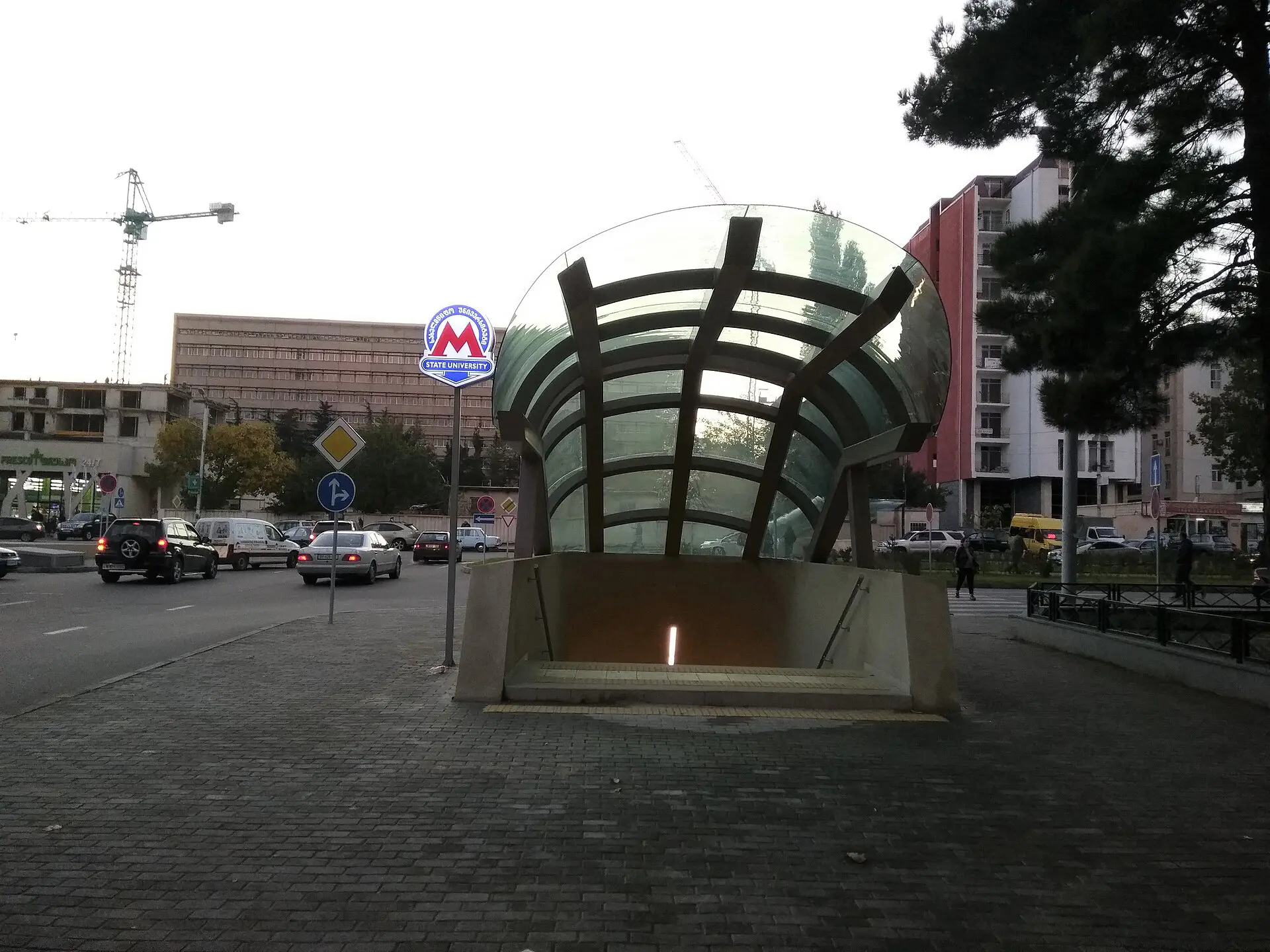
| Local transport | About US$15 to 40 | About US$30 to 80 | Metro, buses and ride-hailing |
| Coworking or cafés | About US$30 to 80 | About US$80 to 200 | Day passes versus a monthly plan |
| Phone, data and utilities | About US$30 to 70 | About US$60 to 120 | Heating costs matter in winter |
| Health insurance | About US$40 to 100 | About US$80 to 200 | Depends on age and cover |
| Rough total | About US$800 to 1,500 | About US$1,600 to 2,700 | Does not include flights or tax |
Eating is the happy surprise for many of us. Georgian cuisine is filling and affordable, and our Georgian food guide explains khachapuri, khinkali and how a supra works.
Where to base yourself in Georgia as a remote worker
Seven bases, grouped by the kind of work they suit. We have not tested internet or coworking in any of them. Run your own test in week one.
1. Tbilisi: for a full city with the most options
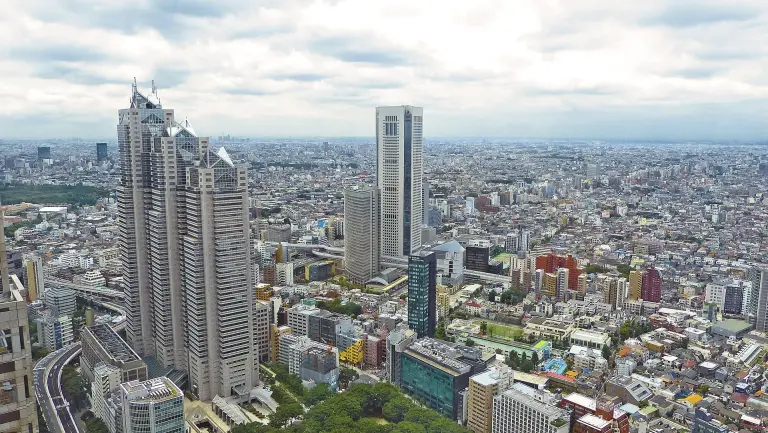
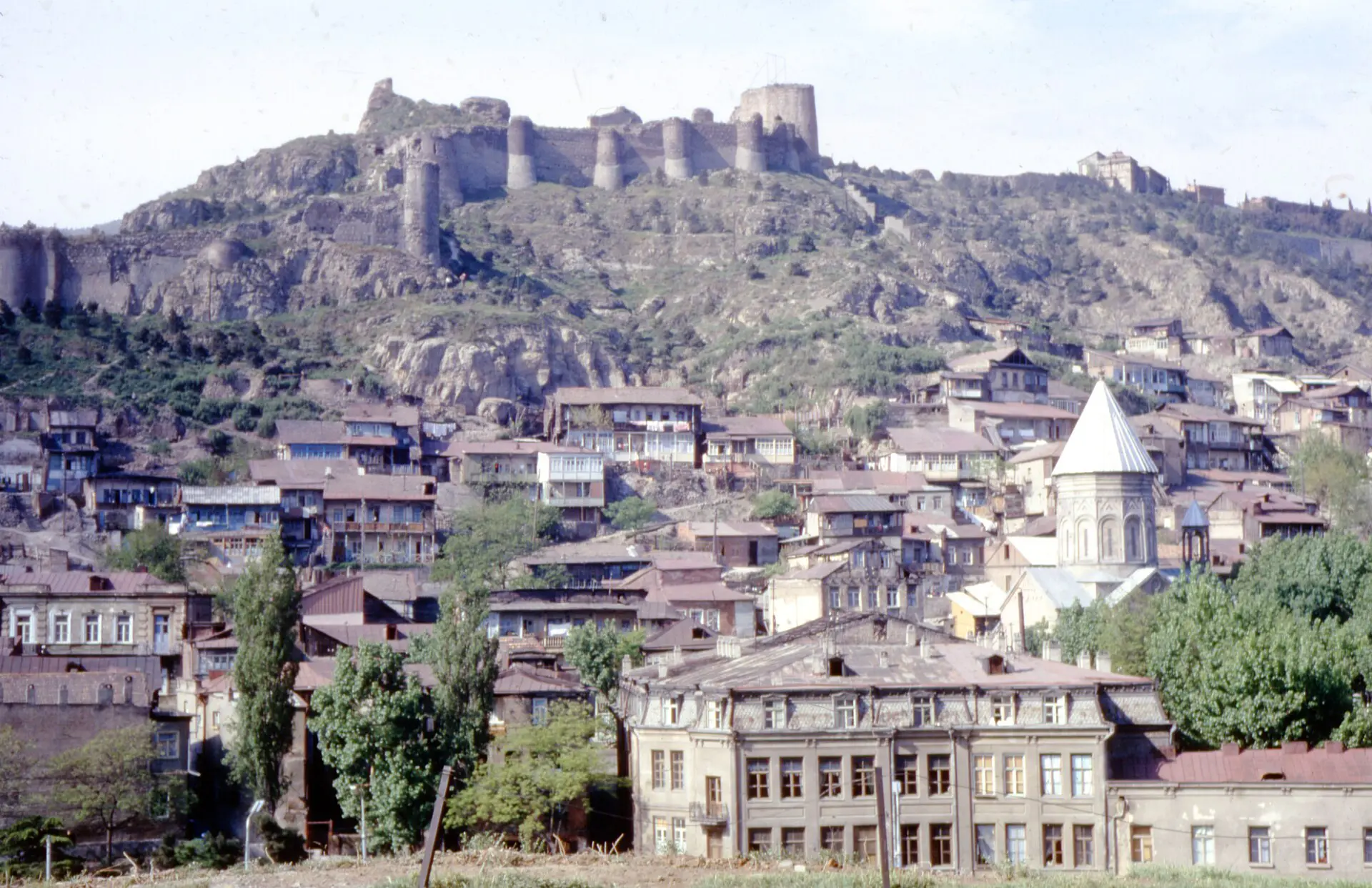
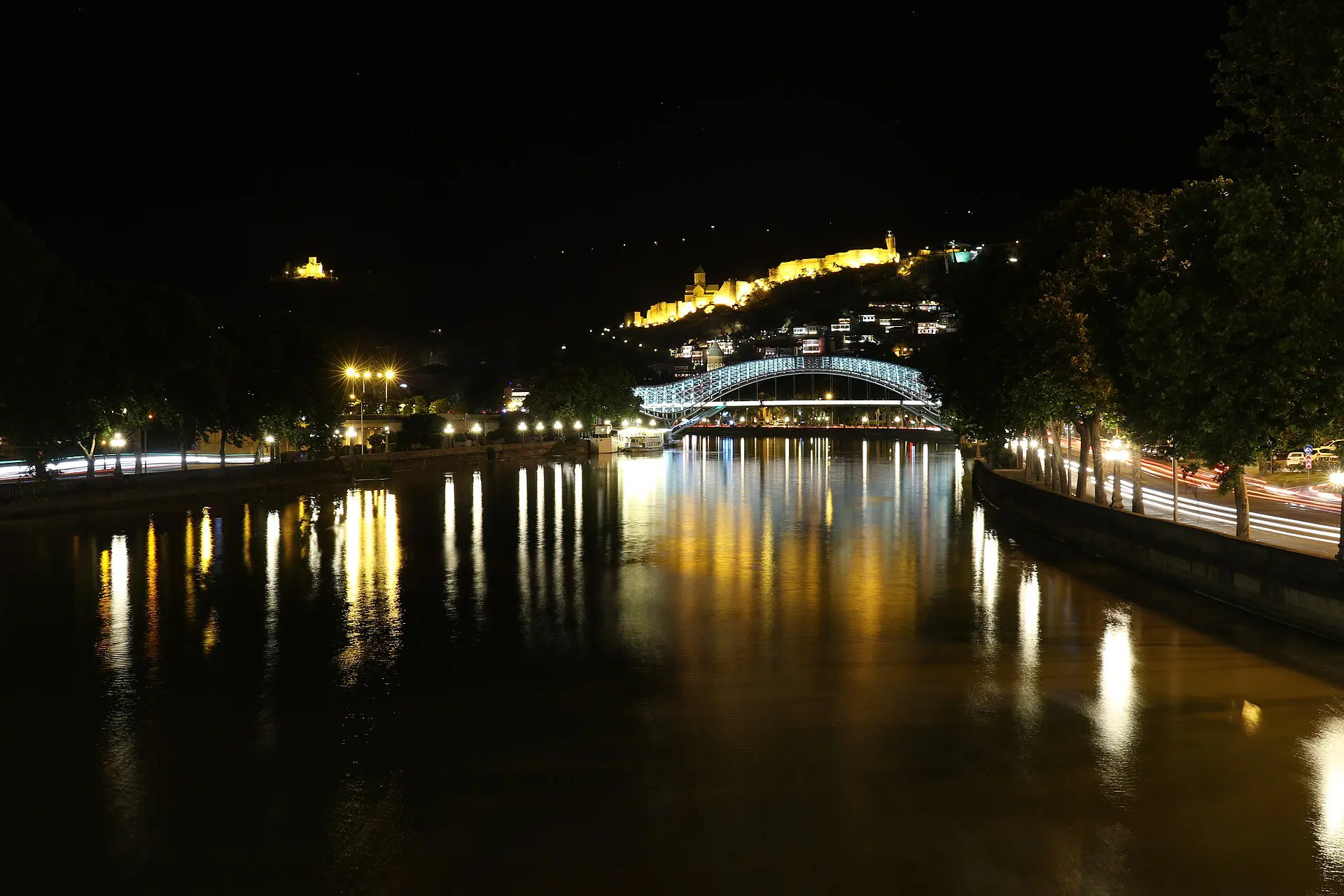
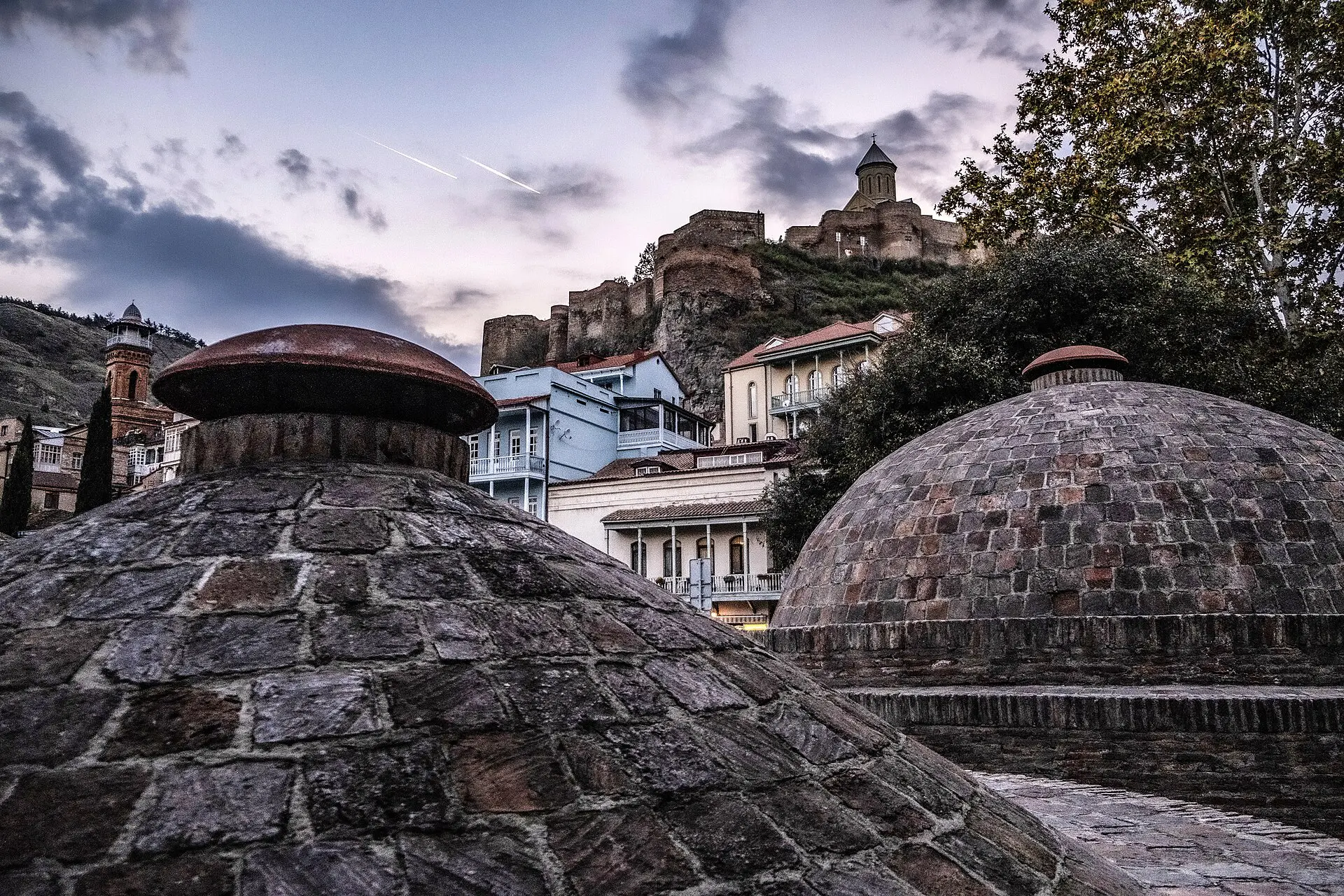
Tbilisi is the capital and holds nearly a third of the country’s people, with old classical buildings next to ultra-modern ones. It has the widest choice of flats, cafés and coworking, plus an airport and a remote-worker community. Neighbourhoods differ a lot, so view a few before you book. It is the best fit for call-heavy jobs.
2. Batumi, Georgia: for a seaside month
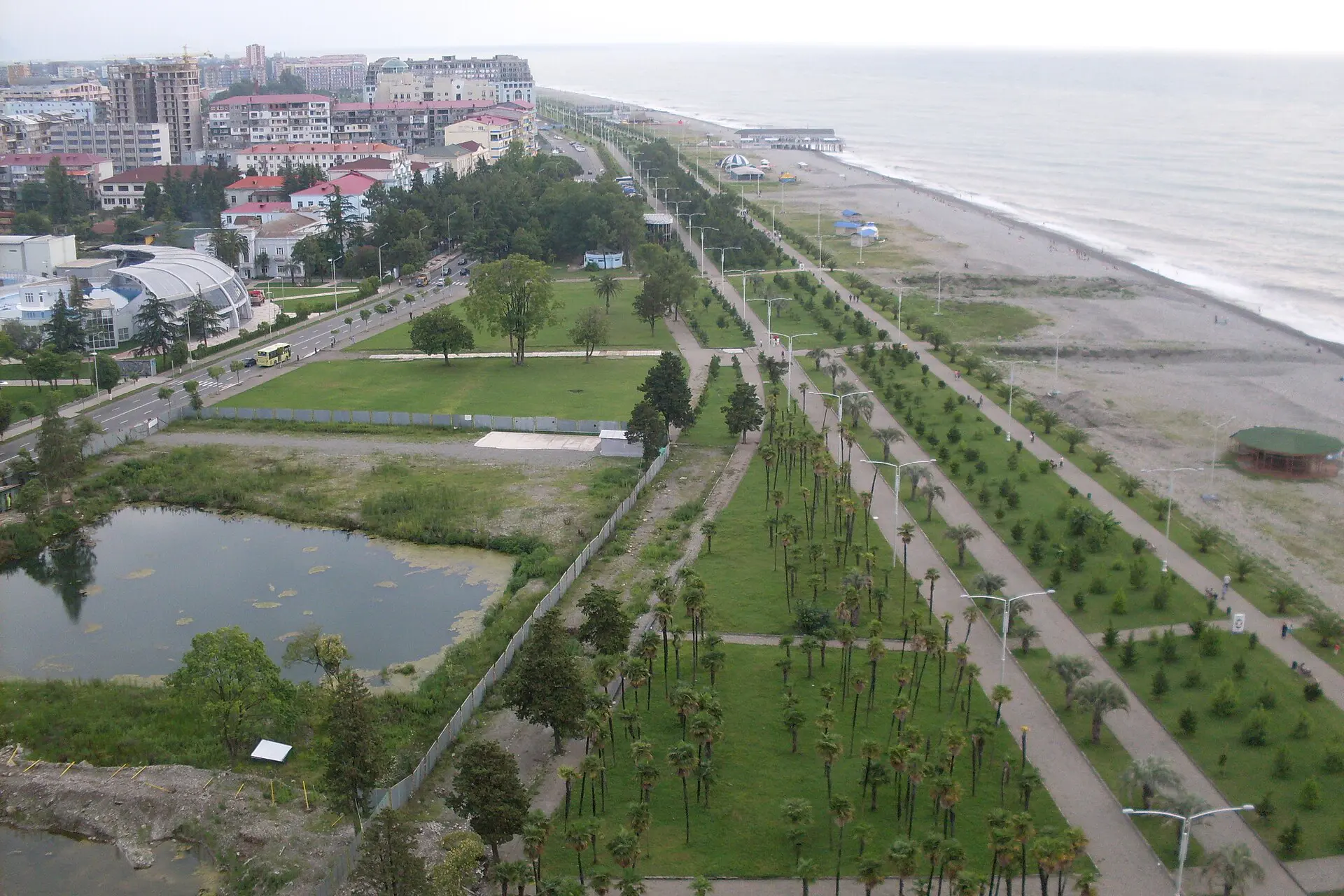
Batumi is Georgia’s second largest city, on the Black Sea in the west, with classical buildings set against rising skyscrapers and palm trees. It suits people who want swimming and a promenade between work blocks. Summer is busy and expensive, and winter is quiet and damp.
3. Kutaisi: for a smaller, cheaper city
Kutaisi sits in the west, inland from the coast, and is a smaller, slower city with lower rents. It suits people who value quiet and are happy with fewer coworking options. Check the internet at the exact flat, and look at how you would reach Tbilisi or Batumi by train or road for a change of scene.
4. Sighnaghi: for a hill town with wine country around it
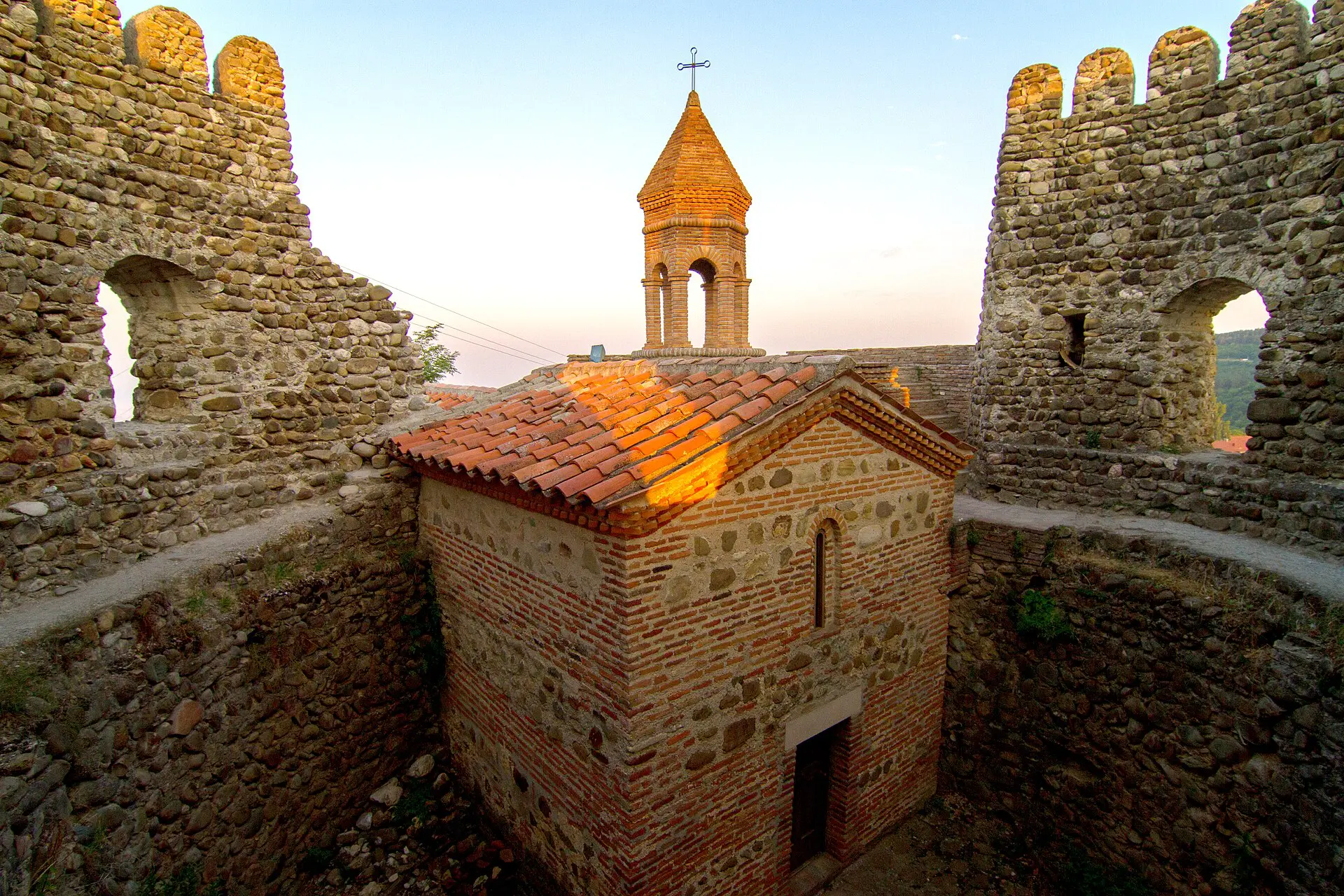
Sighnaghi is a small town in the wine-growing east, with views over the Alazani valley. Georgia is a candidate for the oldest wine-making country in the world. It is a good fit for a short writing retreat, but it is small. Check whether the house has a reliable connection and a heater.
5. Telavi: for a regional town in Kakheti
Telavi is the main town of Kakheti, the wine region, and it works as a practical base for exploring the valleys. It is quiet and inexpensive, with less choice of cafés and coworking. Expect to rely on your apartment desk, and check the winter heating before you commit to a cold month.
6. Borjomi: for a mountain-spa town
Borjomi is a green town in the mountains, known for mineral water and a national park. It suits people who prefer forest walks to nightlife. Services are limited compared with the big cities, so confirm the internet, groceries and transport before you book a month.
7. Stepantsminda (Kazbegi): for mountain scenery on a short stay
Stepantsminda, also called Kazbegi, is a high-altitude village near the Russian border in the Greater Caucasus. It is best for a short stay rather than a full month: winter closes roads at times, services are limited and the connection may be weaker. Check road status and weather before you travel.
Work-friendly setups by type in Georgia
We do not recommend specific venues, and listings change. Here is what to look for by type.
- Coworking spaces. Most common in Tbilisi and Batumi. Ask for a day pass, the hours and whether phone booths exist.
- Cafés. Plentiful in both cities, but laptop policies vary. Avoid mealtimes and take calls elsewhere.
- Apartments. Ask for a photo of the desk and chair, and a recent speed test. Check the heating and hot water in winter.
- Guesthouses in smaller towns. Often with a shared connection. Ask about backup power and data.
Add a local SIM with data as a backup everywhere. Our Georgia travel guide covers the places worth a weekend trip.
Month-to-month cost volatility in Georgia
Rents shift by season, especially on the coast. Summer demand pushes Batumi prices up and winter softens them, while Tbilisi tends to be steadier. The exchange rate also matters: if you earn in a foreign currency, a swing in the lari changes your costs. Prices have risen in recent years, so a figure from last year may be out of date.
Also watch for extras. Heating in winter, summer air conditioning and short-term premiums can each add to a bill. Booking a longer lease usually lowers the monthly rent, but only commit after your first week of tests.
Admin friction for remote workers in Georgia
Admin is manageable, but plan for it. Check each item with an official source before you rely on it.
- SIM and data. Prepaid SIMs are available in cities. You may be asked for a passport when you buy one.
- Banking. Opening a local account for a foreigner may need documents and extra time. Many nomads use a foreign account and a card that handles currency conversion.
- Payments. International cards can face restrictions with some providers, so carry a backup method.
- Taxes. Ask a qualified adviser about residency rules and any regime for self-employed people.
- Healthcare. Private insurance is common for visitors. Check coverage and what happens in an emergency.
Routine and recovery as a digital nomad in Georgia
Georgia sits ahead of Europe and well ahead of North America, with a time offset of several hours, so check your meeting times on the local clock. For US clients, expect late evenings, which is a real cost. Build your day around the calls, then fit exercise and food around them.
For recovery, use the country’s geography. Take a train or minibus out of the city on weekends, walk in the hills near Tbilisi or swim at Batumi in summer. Wikipedia gives the background on the country’s history and geography if you want context before you arrive.
FAQ: Georgia country for digital nomads
Is Georgia good for digital nomads?
Many remote workers like it for low costs, easy daily life and a mix of city, sea and mountains. Internet is generally good in Tbilisi and Batumi but varies by building. Test it before you commit, and check stay rules for your passport.
How long can I stay in Georgia as a remote worker?
It depends on your passport, and the rules have changed in the past. Some nationalities can enter without a visa for an extended period. Verify the current rules on the official Georgian government or foreign ministry pages before you plan a stay.
Tbilisi or Batumi for a digital nomad?
Choose Tbilisi for choice, coworking and year-round life. Choose Batumi for the sea and a summer month, but expect higher prices and quieter winters. If your work involves frequent calls, test the internet in either city.
How much does a month in Georgia cost?
As of 2026, a single remote worker might plan on roughly US$1,200 to 2,200 a month, depending on the city, the season and rent. Smaller towns cost less. Treat every figure as a range and verify current listings.
Where is Batumi in Georgia?
Batumi is on the Black Sea coast in the west, near the border with Turkey. It is Georgia’s second largest city, with a seafront promenade and a busy summer season. It connects to Tbilisi by train, road and air, so check current schedules before you book.