The best time to visit Vietnam for most travellers is March to April, with October to November a good second choice for the south. Vietnam is long, so the north, centre and south run on different weather clocks, and no single month suits all three. This guide prices each season, shows where paying more is worth it and where to save, and flags the dates when rates jump. All price levels below are relative and rough, so check live fares before you commit.
Best time to visit Vietnam by month
Read the verdict column against the region you plan to spend most nights in. Price level is a relative index (Low, Mid, High) for flights and rooms together, not a quote.
| Month | Weather | Price level | Crowds | Verdict |
|---|---|---|---|---|
| January | Cold and grey in the north, dry and warm in the south | High near Tet | Heavy around Tet | South only; avoid Tet week |
| February | Cool north, dry centre and south | Mid to High | Moderate | Good after Tet ends |
| March | Mild north, dry and sunny centre | Mid | Moderate | Strong value |
| April | Warm everywhere, humid building in the south | Mid | Moderate, spikes at 30 April | Best all-round month |
| May | Hot centre, rains start in the south | Low to Mid | Light | Good for the centre and north |
| June | Very hot centre, wet south | Mid | Rising with school breaks | Beaches yes, cities tiring |
| July | Hot, humid, showers; storm risk in the north | High | Busy at the coast | Pay more only for the beach |
| August | Wet north, storm risk building | High to Mid | Busy then easing | Use with care |
| September | Typhoon season, wet north and centre | Low | Light | Cheap but risky |
| October | Clear north, heavy rain and flooding risk in the centre | Low to Mid | Light | North and south only |
| November | Dry, cooler north; wet centre; drying south | Mid | Moderate | Good for Hanoi and the south |
| December | Cool north, dry south, uneven centre | High at month end | Busy late month | South; book early |
Typhoon timing and rainfall vary by year, so treat each row as a tendency. The Wikivoyage entry for Vietnam lists the main regions if you need to place a city on the map.
Pay more for / save on by season
Seasons change what each dong buys, so split the budget the same way. These are the trade-offs that matter.
Pay more for
- Dry-season beach rooms in the centre. From roughly February to August the central coast is at its best, and rooms near the sand cost noticeably more than rooms a short ride inland. Paying for walking distance saves taxi money and time.
- Flexible fares around Tet. Travel in the weeks around Lunar New Year is where rigid tickets hurt most, because disruption is common.
- Internal flights for long hops. Hanoi to the south by air is often worth a modest fare compared with a long overland day, particularly in the rainy months when roads and rails slow down.
Save on
- Shoulder months. April to May and October to November tend to price below the July peak for flights and rooms alike.
- Mid-range city hotels. Hanoi, Ho Chi Minh City and Da Nang have deep supply, so rates outside holidays are often well below Western city levels.
- Local food. Street meals and market stalls cost a fraction of tourist-menu restaurants all year. See our guide to Vietnamese food by region for what to order where.
The best value window for Vietnam
If you can pick only one stretch, choose late March to early May. The north has shed its winter chill, the centre is dry and the south has not yet turned wet. You do not pay peak-season rates, which tend to start around June and July for foreign beach holidays and run again over Christmas and Tet.
A second window is October to November for a north and south trip, skipping the central coast, where flooding risk is highest.
Total cost box
- Best-value window (late March to early May): a mid-range traveller might plan on roughly $45 to $90 per person per day for rooms, food, local transport and entry fees, as of 2026.
- Peak months (July, Christmas, Tet): the same trip can run 20 to 40 percent higher, mostly through rooms and domestic flights.
- Not included: international flights, visa fees, insurance and big-ticket tours. Check your visa rules with the official source before you book.
For a longer stay, the cost of living in Vietnam guide breaks down monthly spending in Da Nang and Hanoi.
Months to skip in Vietnam
Skipping is relative. The point is to know what you are accepting.

- Tet week (January or February, date varies). Many shops and restaurants close, transport is packed and prices rise. Only go if you want the festival itself.
- September to November in the centre. Typhoons and flooding hit Hue, Hoi An and Da Nang hardest. Cheap rooms are not a bargain if you lose days to rain.
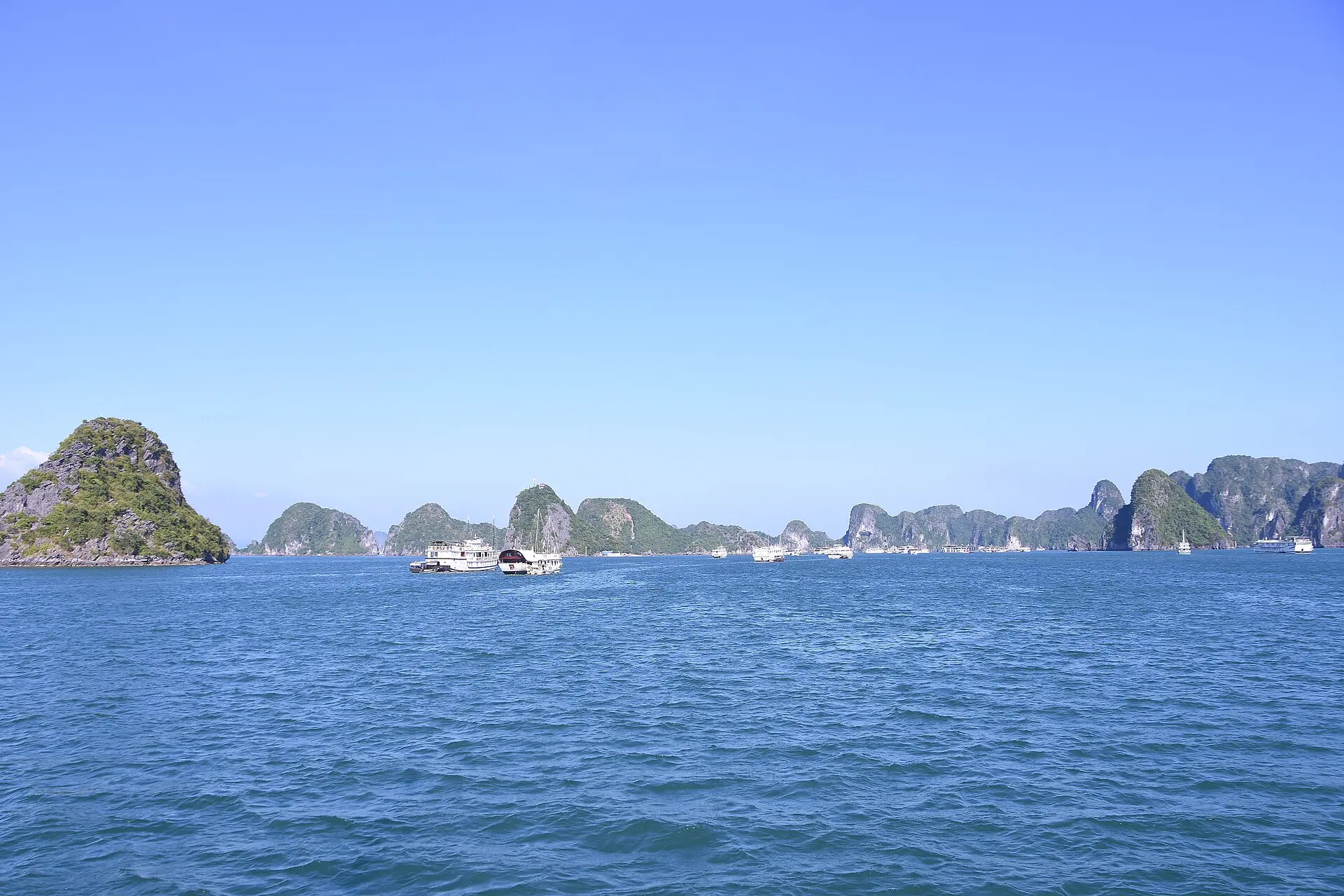
- July and August in the north. Heat, humidity and storms make trekking in Sa Pa and a Ha Long Bay cruise less reliable. I would skip these months for the north unless the price gap is large.
- December to February in Hanoi. Not dangerous, just cold, damp and grey. Pack layers if you go.
If you are heading to the coast, our Da Nang beach guide covers what each stretch of sand is like in different seasons.
When to book Vietnam flights and rooms
Treat these as windows, not rules, and compare fares on your own dates.
| Trip period | Flights from North America or Europe | Rooms |
|---|---|---|
| Peak (Tet, Christmas, July) | Book roughly 3 to 5 months out | Book 2 to 3 months out for beach towns |
| Shoulder (Mar to May, Oct to Nov) | Book roughly 2 to 4 months out | Book 2 to 6 weeks out |
| Low (Sep, rainy-season cities) | Watch for sales, 6 to 10 weeks out | Often fine on arrival |
Domestic flights and trains fill around public holidays. Book those as soon as you fix your dates. Choose refundable rooms for typhoon-season trips so you can move if a storm changes your route.
Vietnam events that spike prices

Tet (Lunar New Year)
Dates fall between late January and mid-February. Families travel home, businesses close for days and transport sells out early. Rooms in tourist areas rise, but food and activity options shrink. Book months ahead or avoid it.
30 April and 1 May holidays
Reunification Day and Labour Day often combine into a long weekend for Vietnamese travellers. Beach towns, Da Lat and Phu Quoc fill up, and rates rise sharply for a few days.
2 September National Day
Another multi-day domestic holiday. Hotel rates at the coast can climb and trains and flights get tight. It lands in storm season, so you can pay more for worse weather.
Mid-Autumn Festival
Held around September or early October by the lunar calendar, with lanterns and mooncakes in Hanoi and Hoi An. It is a cultural highlight with mild price effects, mostly in the old towns.
Hoi An full-moon lantern nights
The old town goes lantern-lit on the monthly full moon. Rooms inside the old town can go for more on those dates, so book earlier or stay a short ride away.
Christmas and New Year
Peak for the south and the central coast, with rates rising in the last two weeks of December. Book early or shift to early December or mid-January.
Best time to visit Vietnam FAQ
What is the cheapest time to visit Vietnam?
September and October are usually the lowest-priced months for flights and rooms, but they bring typhoon and flood risk in the centre. May is a safer low-cost choice. Cheap is not the same as good value, so weigh the weather risk against the saving.
What is the rainy season in Vietnam?
It depends on the region. The south is wet from roughly May to November, the north is wettest from about June to September, and the central coast gets its heaviest rain from around September to December. Rain often arrives in afternoon bursts rather than all day.
Is Vietnam worth visiting in the rainy season?
Yes, with a flexible plan. In the south the rain is often short and heavy, which leaves mornings free. The risk is the centre in autumn, when flooding can cancel trips. Choose refundable bookings and keep a day or two spare.
When should I visit Hanoi and Ha Long Bay?
Hanoi is at its best from about October to early December and again from March to April. Ha Long Bay is clearest in autumn and spring. Winter brings mist and cool temperatures, and summer brings storms, so check forecasts closely before booking a cruise.
How many days do I need in Vietnam?
Two weeks lets you cover Hanoi, the central coast and Ho Chi Minh City with domestic flights. One week suits a single region. Our Vietnam travel guide maps the main routes, and Wikipedia has the background.