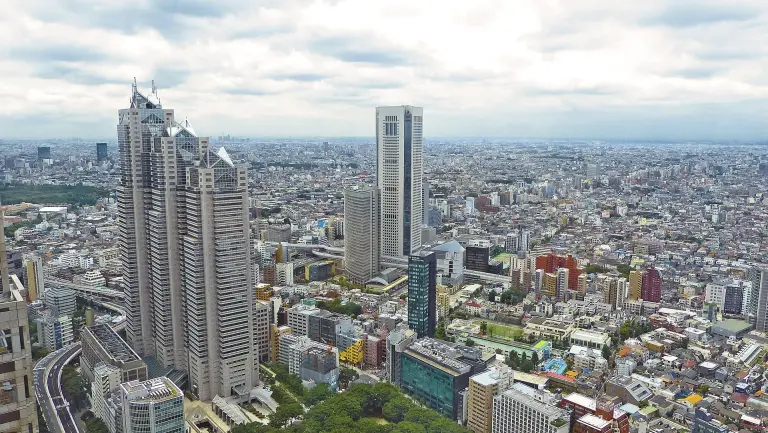
The cost of living in Vietnam for a single remote worker is roughly 900 to 2,000 US dollars a month, as of 2026, with Da Nang and Hanoi in the middle of that range and Ho Chi Minh City toward the top. Daily life is cheap: street food, rideshare and a cafe workday cost little. Rent, air conditioning and a decent apartment are what move the total. Treat these as planning ranges and verify against live listings.
Cost of living in Vietnam: a monthly budget band
Vietnam is one of the best-value long-stay countries in Asia, though the gap with Western prices has narrowed in the big cities. Local meals and transport are inexpensive, imported groceries and Western-style cafes cost more, and modern serviced apartments in the main cities are priced in their own range. The table gives daily and ten-day figures for one person, in US dollars, hedged for 2026.
| Budget level | Daily range | 10-day total | What it covers |
|---|---|---|---|
| Lean | around US$30 to 45 | around US$300 to 450 | A basic room or small studio, street food and local restaurants, rideshare, cafe workdays |
| Comfortable | around US$55 to 95 | around US$550 to 950 | A modern studio or one-bedroom in a main city, cafe and restaurant meals, a coworking day pass now and then |
| Easy | around US$110 to 180 and up | around US$1,100 to 1,800 and up | A serviced apartment with a pool, a coworking desk, Western food, weekend flights |
The daily and 10-day figures are for a short stay at nightly rates. Over a month the daily cost falls, because long-stay rents are lower, so use the monthly figures for a longer stay.
For a one-month band, we would plan on about US$900 to 1,400 in Da Nang or Hanoi, US$1,100 to 1,800 in Ho Chi Minh City and as low as US$700 to 1,000 in a smaller city. Rent is the line to verify first. Our Da Nang beach guide covers the coast in more detail.
Where to base yourself by work style
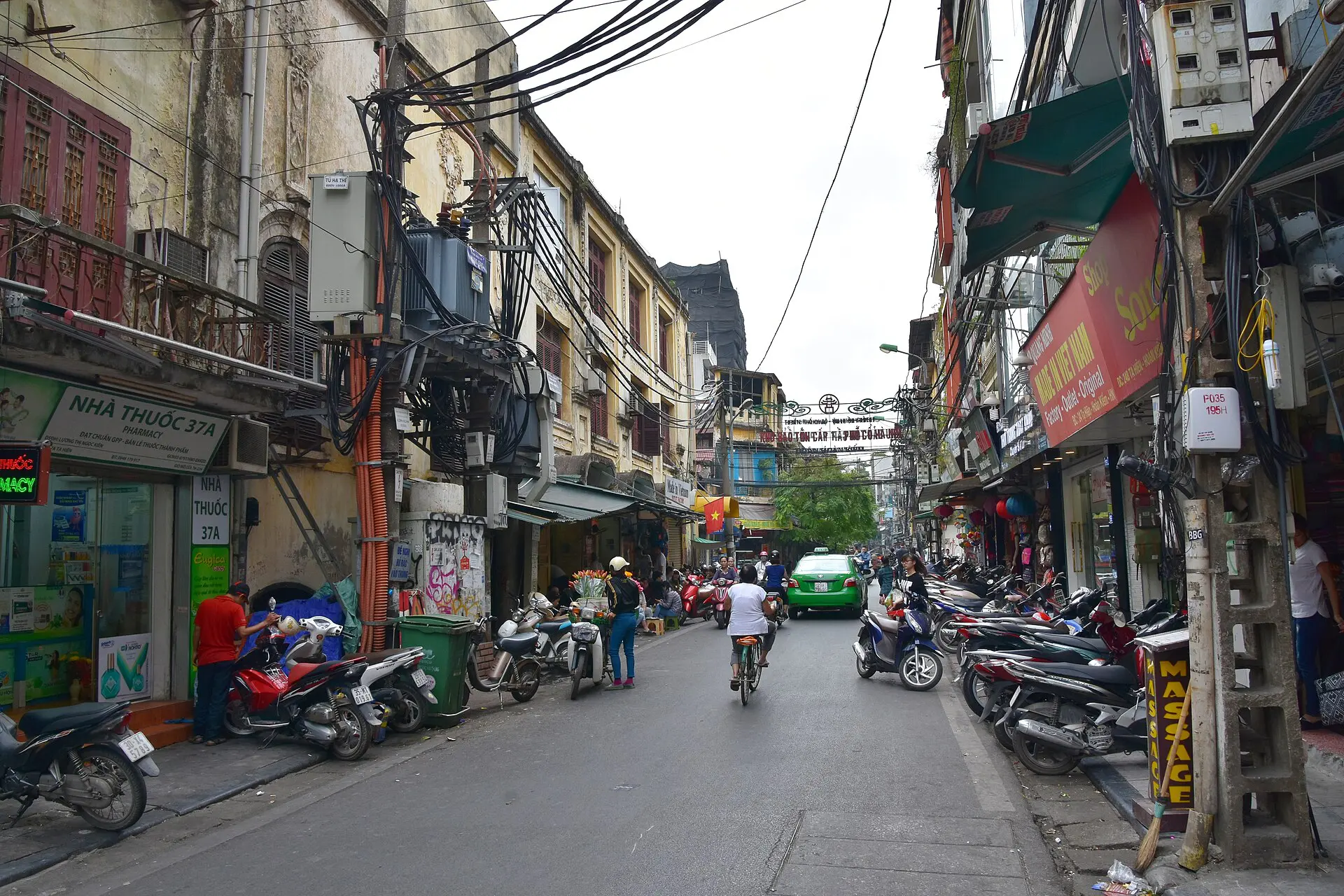
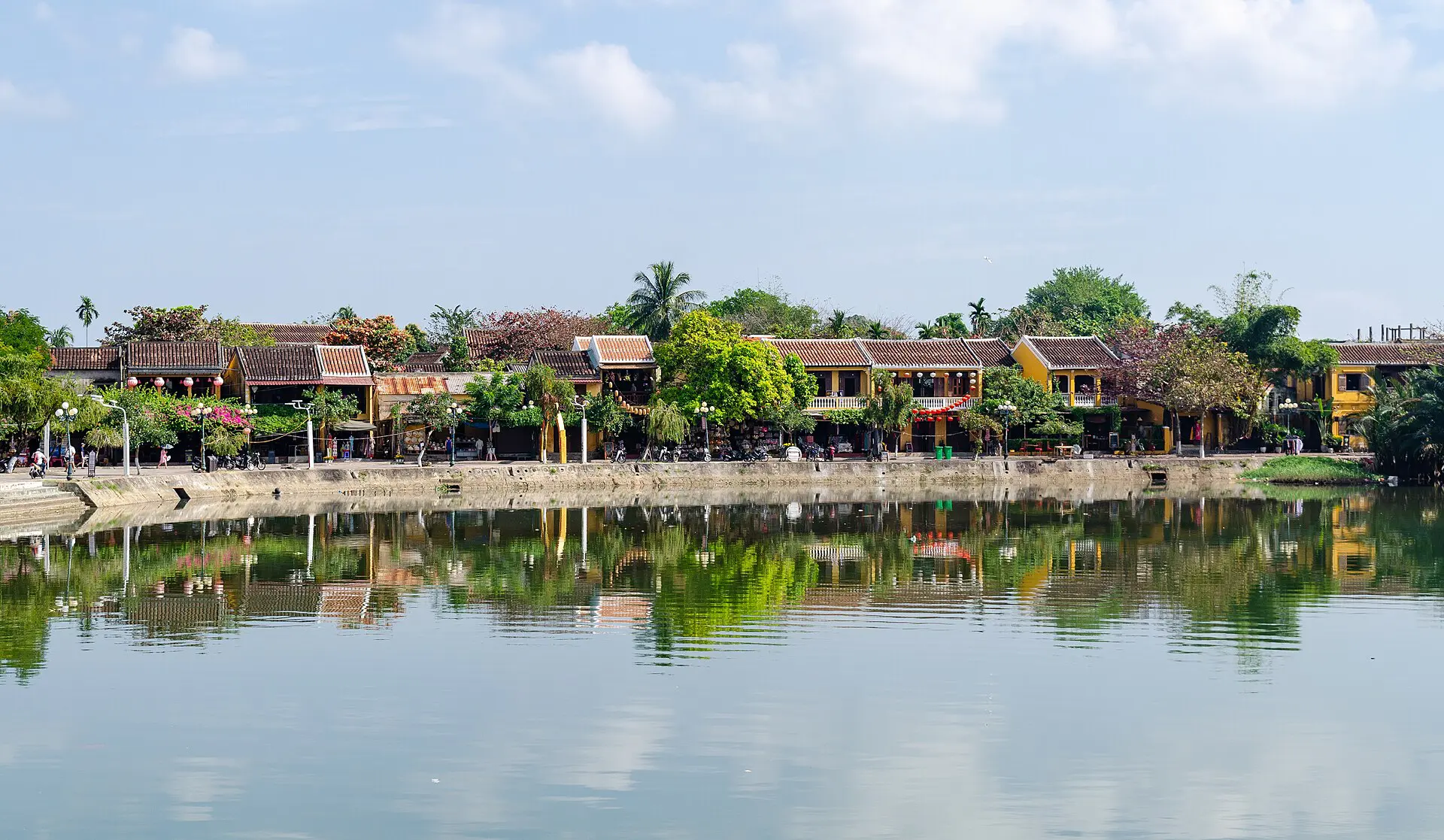
Pick the city by the kind of working month you want. Da Nang is a beach city with flat streets, modern apartments and a large long-stay crowd, so it suits people who want a routine and the sea. Hanoi is a dense, older capital with a stronger cafe culture, cooler winters and a more local feel. Ho Chi Minh City is the largest and fastest, with the most coworking, events and flights. Smaller places such as Hoi An, Da Lat or Hue are cheaper or calmer, with less choice.
If you have calls with the US or Europe, check how late the night shift would run. Vietnam is roughly six hours ahead of central Europe and twelve or more ahead of the US, so US-facing work means evenings or very early starts, and that suits a quiet, well-lit apartment more than a social hostel. The Vietnam travel guide compares the regions.
Work-friendly spots by type in Vietnam
We have not tested individual cafes or spaces, so here is how to sort them. Vietnam has a huge cafe culture, and many places welcome laptops: look for air-conditioned rooms with sockets and a steady line rather than the prettiest decor. Coworking spaces cluster in Ho Chi Minh City, Hanoi and Da Nang, and day passes make it easy to trial one. Serviced apartments sometimes include a business lounge. Open-air and street-side cafes are lovely but loud. Test any place with a real call, and keep a mobile hotspot ready.
Where paying more pays off in Vietnam
Vietnam rewards a few upgrades more than others. Here is where we would spend.
1. A modern apartment with tested fibre
Fibre is common, but quality varies by building. Ask for a recent speed test, then run your own on arrival. A newer building with a proper desk, good air conditioning and a reliable router saves far more than it costs. Pay a deposit only after testing.
2. A neighbourhood close to what you do daily
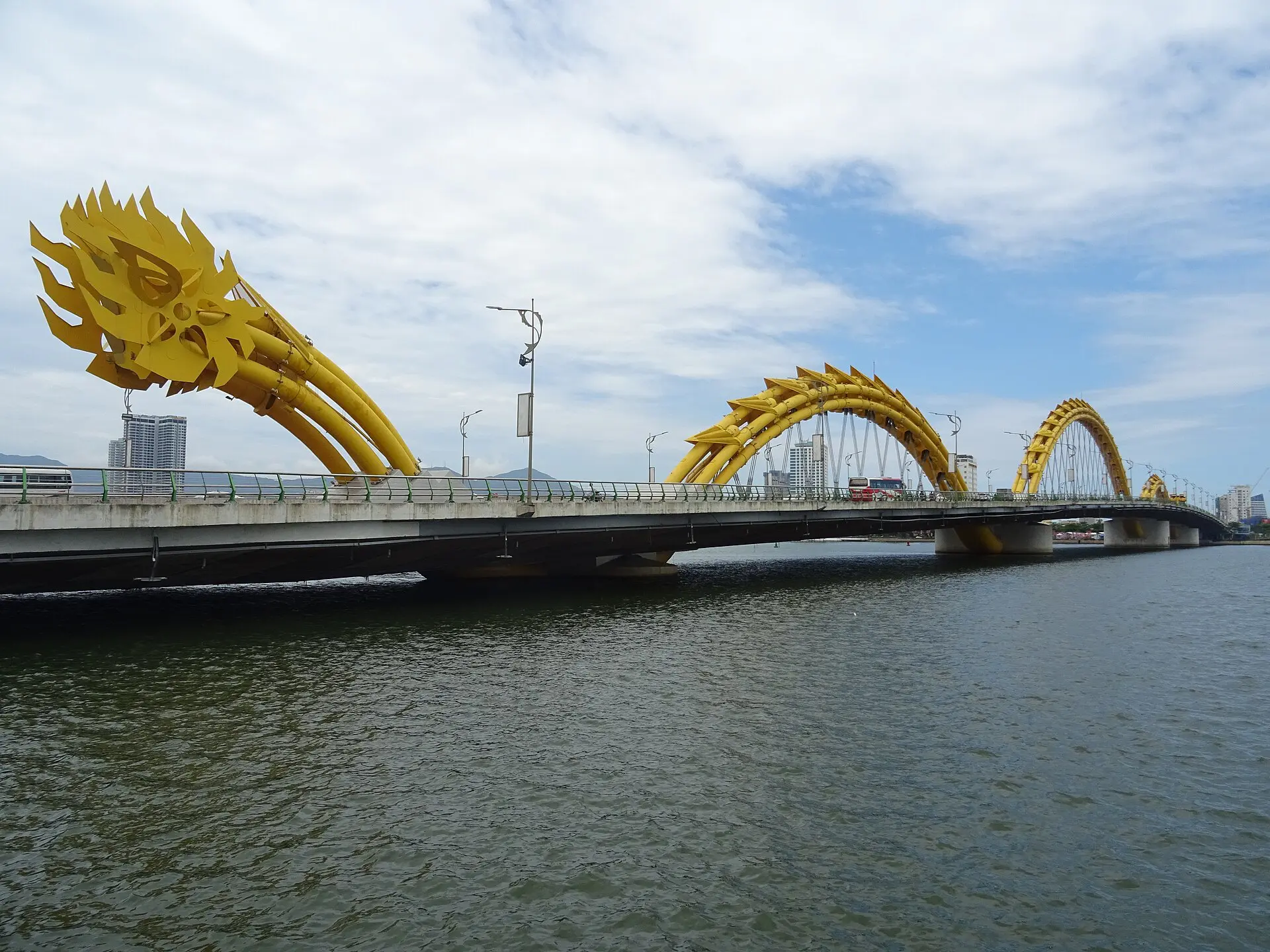
In sprawling cities, a cheaper flat far from cafes, markets and your gym can cost time and rideshare fares. Paying a little more to be a short walk or ride from a few cafes usually pays off. In Da Nang, the beach and An Thuong area are popular with long-stayers, and the river side is cheaper for local food.
3. Air conditioning and a decent mattress
The tropics are hot and humid, and a bad night’s sleep affects work. Ask who pays for electricity, since air conditioning raises bills, and check the bed before booking a month.
Where to save in Vietnam
Daily Vietnamese life is where the cost of living in Vietnam stays low.
4. Eat local, not Western
Noodle soups, rice plates and street snacks cost a fraction of a Western-style meal, and the quality is high. Our guide to Vietnamese food by region shows what to order. As of 2026, expect a local meal to run a few dollars, though prices vary between tourist and local streets.
5. Use rideshare and buses, not taxis
Motorbike and car rideshare apps are cheap and transparent, and city buses cost very little. Renting a scooter saves money but needs the correct licence and insurance. We would not ride without both.
6. Book monthly rentals directly
Monthly rates are usually well below nightly rates, and some landlords offer discounts for longer stays. Compare a few listings and ask what is included in the rent, such as cleaning, wifi and water.
7. Pick a second-tier city
Hue, Da Lat, Can Tho, Hai Phong and others cost less than the big three for rent and eating out. The trade-off is fewer flights, a smaller foreign community and thinner coworking. If you want quiet, it is a good trade.

Transport and booking windows
Domestic flights link Hanoi, Da Nang and Ho Chi Minh City, and fares are usually lowest when booked weeks ahead, with price spikes around Tet and the summer holidays. Trains run along the coast and are slower but comfortable. Buses are cheapest. Check timetables and prices with the operators, since they change.

Within a city, ride-hailing is the simplest. Airport transfers are usually short. For long stays, plan the first week’s accommodation only, then move once you know your area. Time the move around Tet and the summer holidays, when fares and rents jump, and leave a spare day before any important call.
Best months for value
The north and south differ. Hanoi has a cool, damp winter and a hot summer, while the south is warm all year with a rainy season. Central Vietnam, including Da Nang, is usually best in spring, with storms more likely in autumn. Rates rise at Tet in January or February and in the summer school holidays, so we would aim for February to April or the shoulder weeks of autumn and plan flexibly. Check a forecast and the Tet date before you book.
Test-it-yourself checklist before you commit
- Run a speed and latency test at your desk at several times of day, then make a real video call.
- Check the air conditioning, the bed and the noise at night.
- Walk to a cafe, a market and a rideshare pick-up point at the hour you would go.
- Spend one workday in a cafe and one in coworking, then compare.
- Price a normal week of meals and rides, then compare with your budget.
Write the results down and compare them with the budget table above before paying more than a week. The Wikivoyage page on Vietnam has regional context, and a weak result in week one is a reason to move, not to stay out of politeness.
FAQ about cost of living in Vietnam
How much money do you need to live in Vietnam per month?
A single person might plan on roughly US$900 to 2,000 a month as of 2026, with smaller cities at the bottom and Ho Chi Minh City toward the top. The figure depends on rent and lifestyle. Verify visa costs and any requirements with the official source.
Is Da Nang cheaper than Hanoi?
The two are often close, and it depends on your apartment and habits. Da Nang is a beach city with more modern, flat and quiet living, while Hanoi has a denser old centre and cooler winters. Compare current listings for each, since neither is reliably cheaper.
Can you live in Vietnam on 1,000 dollars a month?
Yes for one person in many cities if you rent a modest studio, eat local food and use rideshare. It is tighter in Ho Chi Minh City or in a serviced apartment. Keep a buffer for deposits, insurance and flights home.
Is Vietnam cheaper than Thailand?
For everyday food, transport and rent, Vietnam is often slightly cheaper, though Bangkok and Phuket can be comparable to Ho Chi Minh City. Visa rules differ too. Compare the specific city, and verify entry rules for your passport with each country’s official source.
Is Vietnam safe for long stays?
It is generally regarded as safe for visitors. Common problems are ordinary ones: traffic, bag snatching from motorbikes and overcharging. Check current government travel advice before you go, and read the Wikipedia article on Vietnam for background.