The best time to visit Switzerland for value is May to mid-June and September to mid-October. Hiking trails are open, trains and boats run a full timetable, and hotel rates sit below the July and August peak. Switzerland is expensive in every month, so the real gain comes from avoiding the two premium seasons: high summer and the Christmas-to-March ski months. Below are the months by price and crowds, where paying more is worth it, and when to book.
Best time to visit Switzerland: month by month
Price level is relative: 1 is the cheapest Swiss month, 5 the dearest. Absolute prices stay high year-round, and ranges vary a lot between a lakeside city and a ski resort.
| Month | Weather | Price level | Crowds | Verdict |
|---|---|---|---|---|
| January | Cold, snowy in the Alps | 4 to 5 | High in ski resorts | Ski value only if you book early |
| February | Cold, reliable snow | 5 | High, school holidays | Dearest ski month |
| March | Cold to mild, spring snow up high | 3 to 4 | Moderate | Good late-season skiing at lower rates |
| April | Mild, wet, thaw | 2 | Low | Cheap but many lifts and trails closed |
| May | Mild, fresh green, some rain | 2 to 3 | Low to moderate | Strong value for cities and lakes |
| June | Warm, long days, high trails opening | 3 to 4 | Rising | Early June good, late June pricier |
| July to August | Warmest, thunderstorms possible | 5 | Highest | Peak pricing and full trains |
| September | Mild, stable, clear | 3 | Moderate, easing | Best overall balance |
| October | Cool, autumn colour, some closures | 2 to 3 | Low | Good value; check seasonal closures |
| November | Grey, cold, little snow | 1 to 2 | Lowest | Cheapest, least scenic |
| December | Cold, snow arrives, Christmas markets | 4 to 5 | High around holidays | Early December is a cheaper pocket |
Altitude matters more than the calendar. A mountain pass can be snowbound while a lake town is warm. Wikivoyage describes Switzerland as a country where the season largely determines which regions and routes are accessible.
Pay more for / save on by season
Switzerland rewards choosing what to spend on, rather than trying to spend as little as possible.
- Pay more for: a stay in the mountains in July or August only if high-altitude hiking is the aim. Lifts and trails are at their most reliable then.
- Pay more for: a clear-weather window on a headline viewpoint. Check the forecast on the day, since a cloudy ride wastes a high fare.
- Pay more for: a base with a rail station. Walking distance to a train often saves more than a cheaper room that needs taxis.
- Save on: accommodation in towns away from the famous resorts, using trains for day trips. Rates can drop by a third or more.
- Save on: picnic lunches from supermarkets. Restaurant meals are a large share of a Swiss budget; our cost of living in Switzerland guide shows how prices compare.
- Save on: point-to-point rail tickets if you take only one or two long trips. A pass pays off only with heavy travel.
The best value window for visiting Switzerland
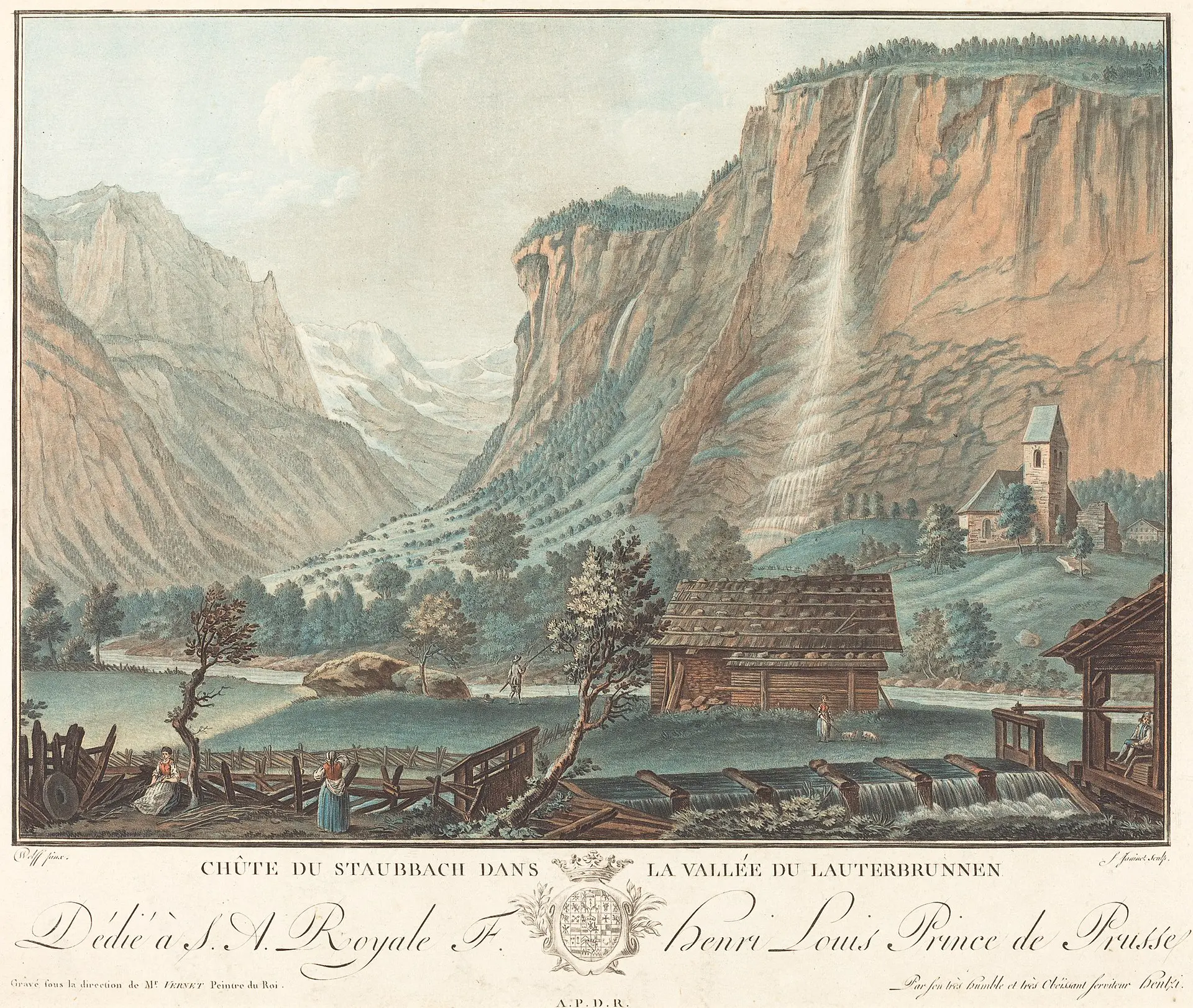
Two windows give the best deal. May to mid-June suits cities, lakes and lower valleys: flowers and waterfalls, fewer groups, and rates well below summer. September to mid-October gives stable weather, autumn colour and lower prices, but some mountain cable cars, boats and huts reduce service or close for maintenance in the shoulder months, so check each operator.
As a rough guide, a mid-range double room in a Swiss city might run $180 to $300 a night in shoulder months and $250 to $450 or more in peak weeks, as of 2026. The lower range comes from towns outside the best-known resorts.
Months to skip
Skip February if you are on a budget and want snow: it is the dearest and busiest ski month, with school holidays pushing rates up. Skip late April and much of November unless you are focused on cities, as lifts, boats and mountain huts are often closed between seasons, and the landscape is at its least appealing.
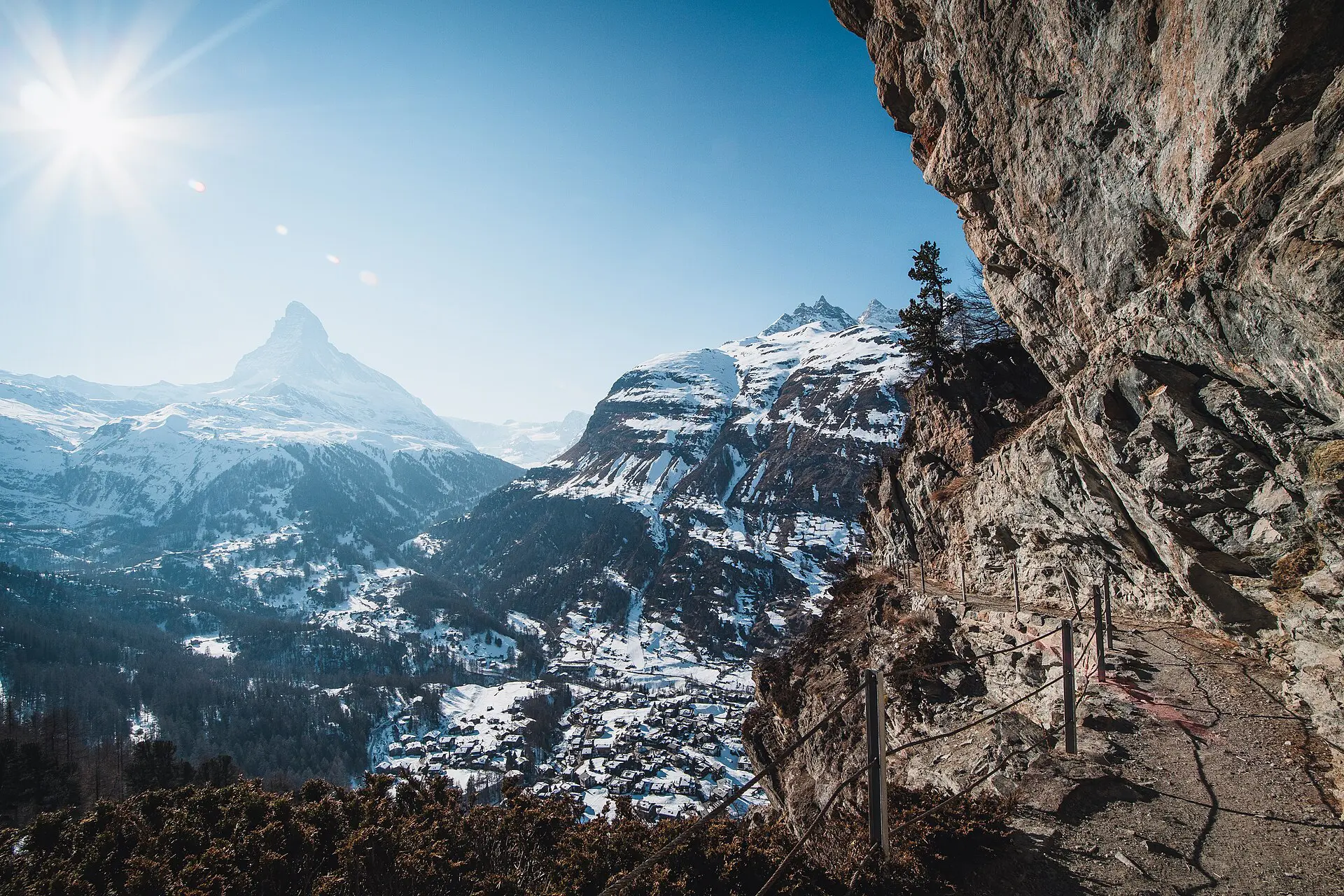
I would also skip July and August in the best-known Alpine villages if you are price-sensitive. Crowds and prices peak, and the same hike is quieter a few weeks later. If you must travel in peak weeks, base yourself in a smaller town and rely on trains for day trips.
Booking timing for Switzerland
Swiss lodging is limited in the places visitors want, so timing counts.
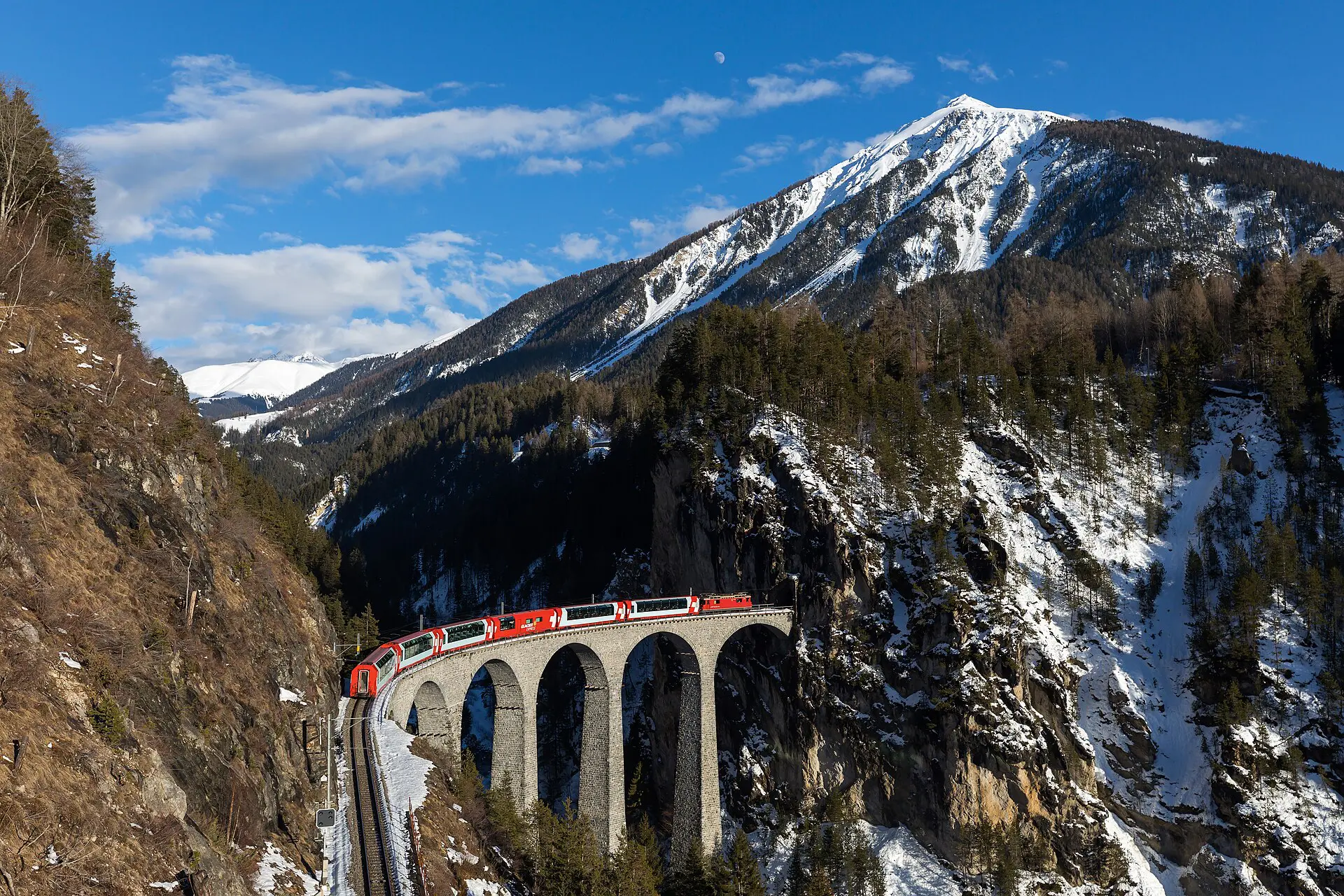
- July and August: book four to six months ahead for mountain towns, and three months for cities.
- Ski season: book by October for Christmas and February weeks; late January and March are easier.
- Shoulder months: two to three months ahead is usually enough, and flexible rates are common.
- Rail and passes: regular fares are mostly fixed, with limited discounted tickets. Look at passes and discount cards only after you list your routes. Check current prices on the official rail site.
If you are travelling with children, our Switzerland itinerary with kids shows how to set the pace around family discounts.
Event spikes that raise prices in Switzerland
Events lift local rates, sometimes by a lot, so check dates against your plan.
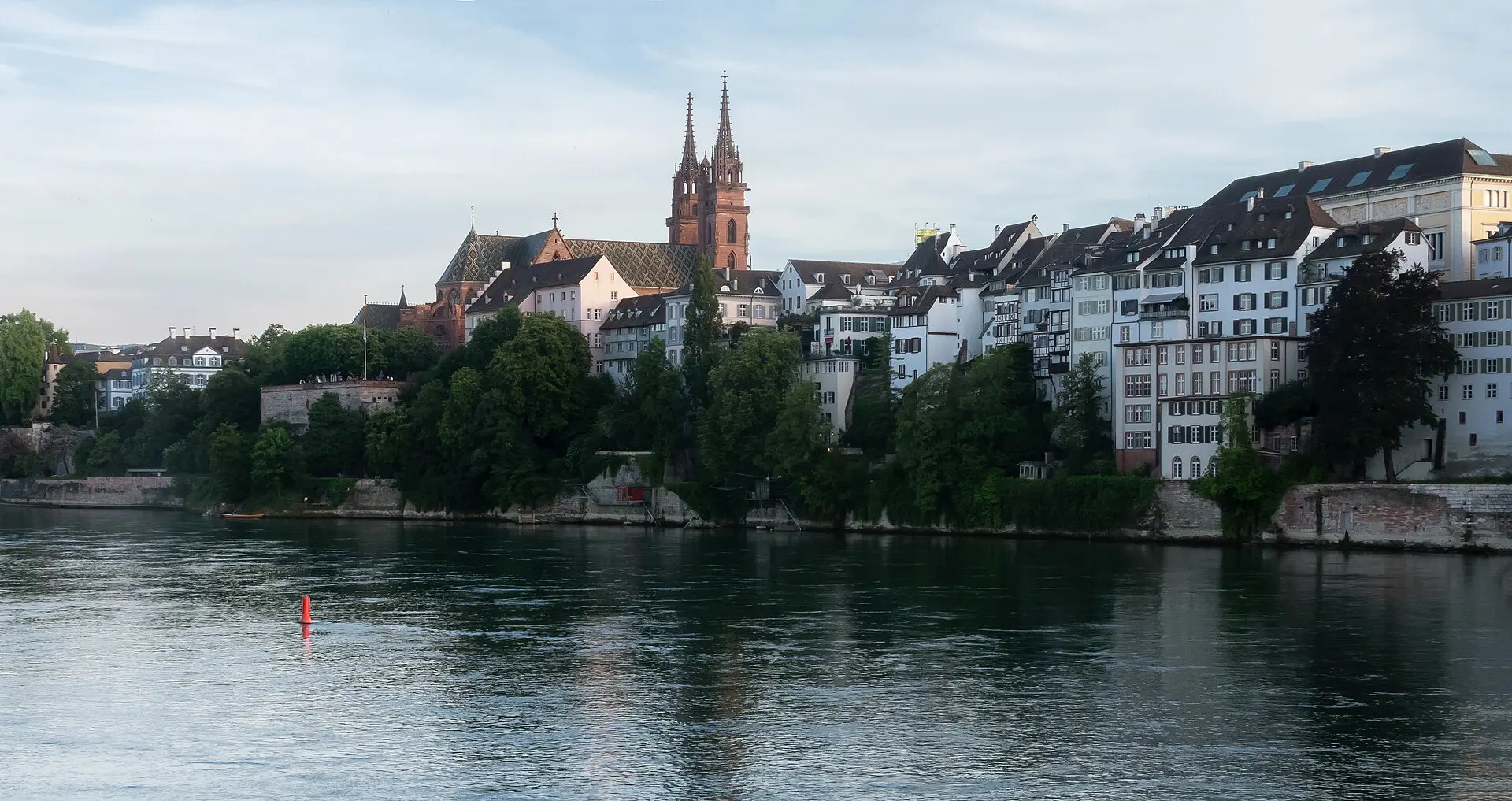
Basel Fasnacht, February or March
The carnival fills Basel hotels for several days in the cold months. Book early, or stay in a nearby town and take the train.
Lauberhorn races at Wengen, January
The ski weekend draws a large crowd to the Bernese Oberland. Rooms in and around Wengen sell out and prices climb. Pick another weekend if you just want to ski.
Art Basel, June
The art fair pushes Basel hotel rates to some of the highest of the year. Treat mid-June as a premium week in the city.
Montreux Jazz Festival, July
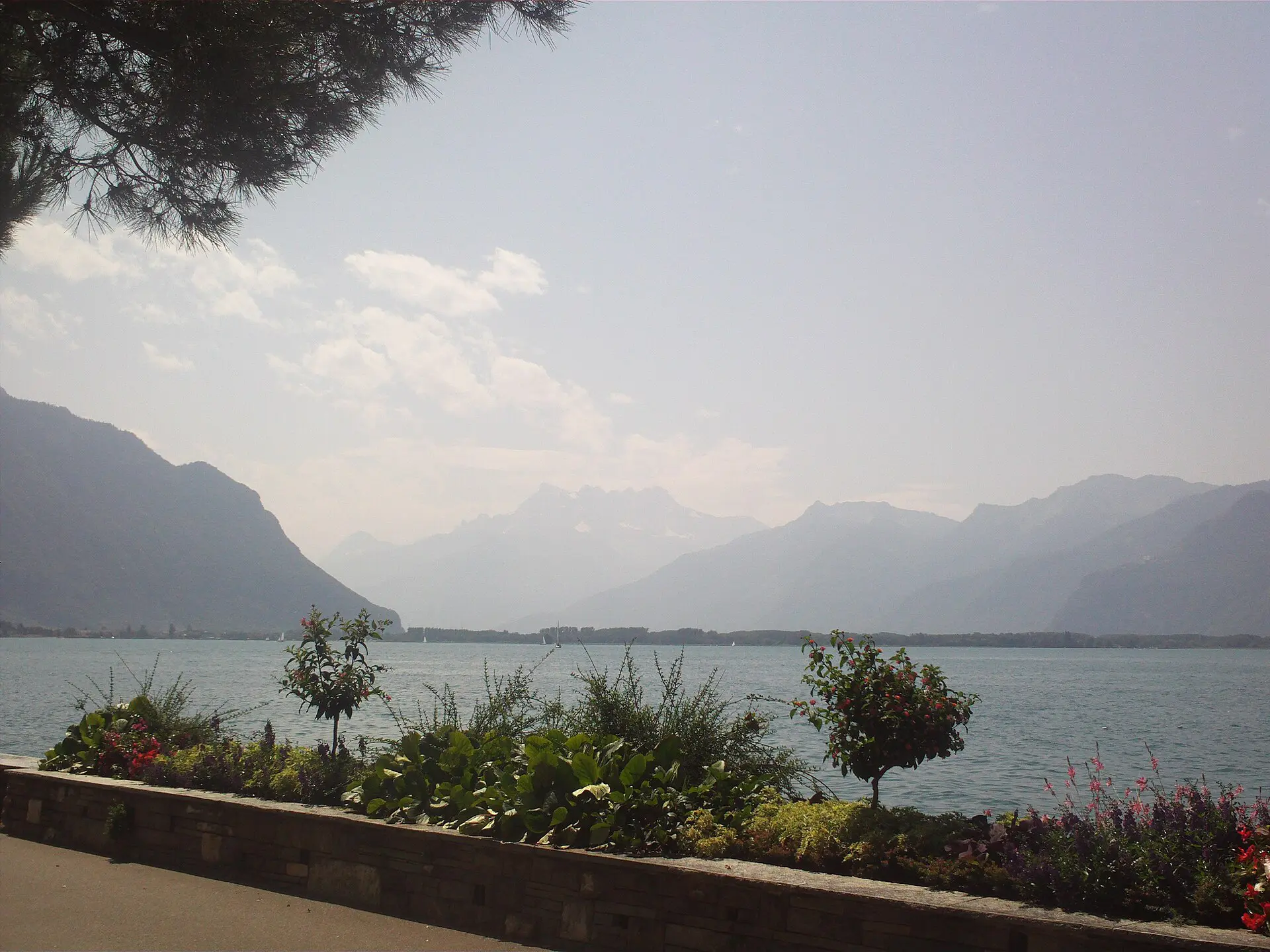
The lakeside festival draws visitors for around two weeks, and Lake Geneva rooms rise with it. Staying in Lausanne or Vevey and using the train is the usual way to trim the bill.
Zurich Street Parade, August
A large dance event that fills Zurich hotels for the weekend. If you are visiting for sightseeing, choose a different weekend.
Christmas markets, December
Cities like Zurich, Basel and Montreux hold markets from late November. Weekends are busy and rooms cost more. Midweek visits and early December are usually cheaper.
FAQ about the best time to visit Switzerland
What is the cheapest month to visit Switzerland?
Usually November, followed by April, though both bring trade-offs: grey weather and closed lifts and boats. For a better balance of price and scenery, choose May or late September, when more routes are open.
When is the best time for hiking in Switzerland?
Mid-June to mid-September is the main high-trail season, with July and August the most reliable. Snow can linger on high passes into June, so check trail conditions locally. September offers clear air and fewer crowds.
When is the best time to see the Swiss Alps for photos?
Early summer for green meadows and waterfalls, and late September to October for autumn colour and crisp air. Winter gives snowfields but short days. Clear mornings after a weather change are best in any season.
Is Switzerland worth visiting in winter?
Yes, for skiing, snow scenery and Christmas markets, but it costs more. For a lower bill, go in early December or March and stay in smaller resorts connected by train. Lift passes and gear rental add to the total cost.
How many days do you need in Switzerland?
Seven to ten days covers a Zurich, Lucerne and Interlaken or Zermatt loop at a relaxed pace. For route ideas see our Switzerland travel guide, the Wikivoyage guide to Switzerland and the Wikipedia entry on Switzerland.