A Switzerland itinerary with kids works well by train: eight days, three bases (Zurich for one night, Lucerne for three, the Interlaken area for three) and no transfer longer than about two hours. Trains run on time, change platforms are short and stations are close to the lakes, so children get a window seat instead of a back seat. It suits ages five to eleven, and it is expensive, which the costs section covers plainly.
Switzerland itinerary with kids at a glance
| Days | Base | Longest transfer | Pace |
|---|---|---|---|
| 1 | Zurich | Airport to city, about 10 to 15 minutes by train | Easy: lake walk only |
| 2 to 4 | Lucerne | Zurich to Lucerne, about 45 to 60 minutes | Medium: one lake day, one mountain day, one indoor day |
| 5 to 7 | Interlaken area | Lucerne to Interlaken, about 2 hours | Medium: one lift day, one valley day, one rest or lake day |
| 8 | Interlaken to Zurich airport | About 2 to 2.5 hours | Transfer day: nothing else planned |
Times are approximate and vary by train type, so check the national rail timetable before you go.
Day-by-day Switzerland itinerary with kids
Day 1: Arrive in Zurich and keep it flat
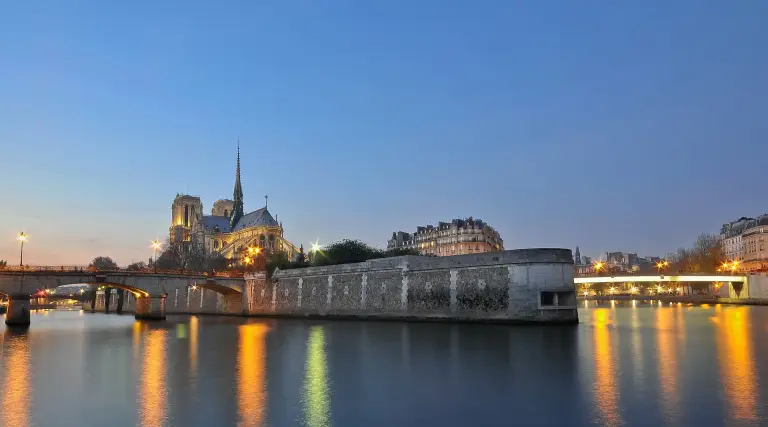
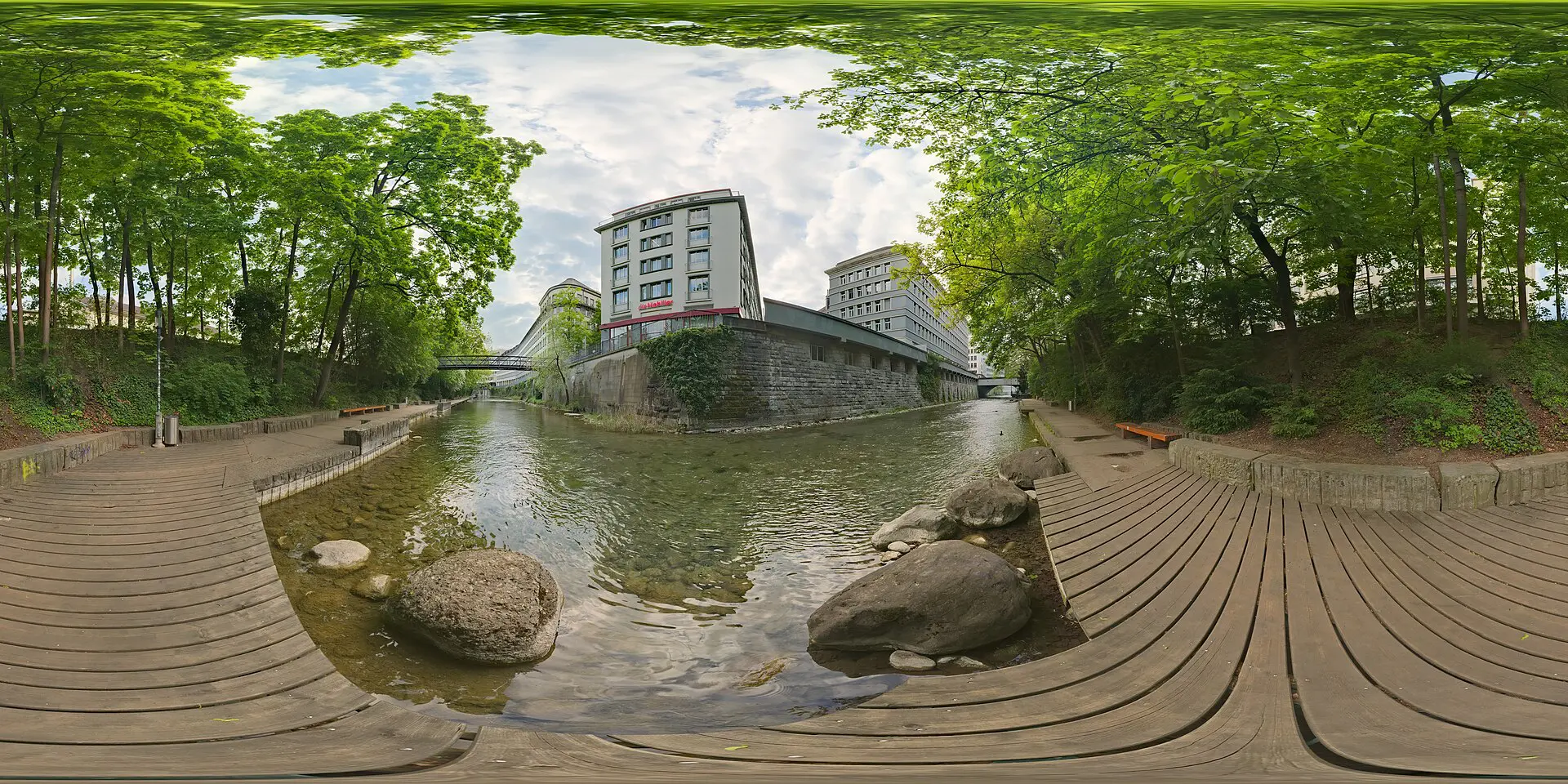
Morning: nothing booked. Afternoon: walk along the lake and the old town, which is flat and easy, with a playground or a ferry ride on the lake if energy allows. Rest anchor: an hour at the hotel, then an early dinner. The Zurich airport station is on the main line, so you can travel to the city in minutes. Tired-day swap: go to the hotel and skip the walk, since the next day starts with a train.
Day 2: Train to Lucerne and a lake boat
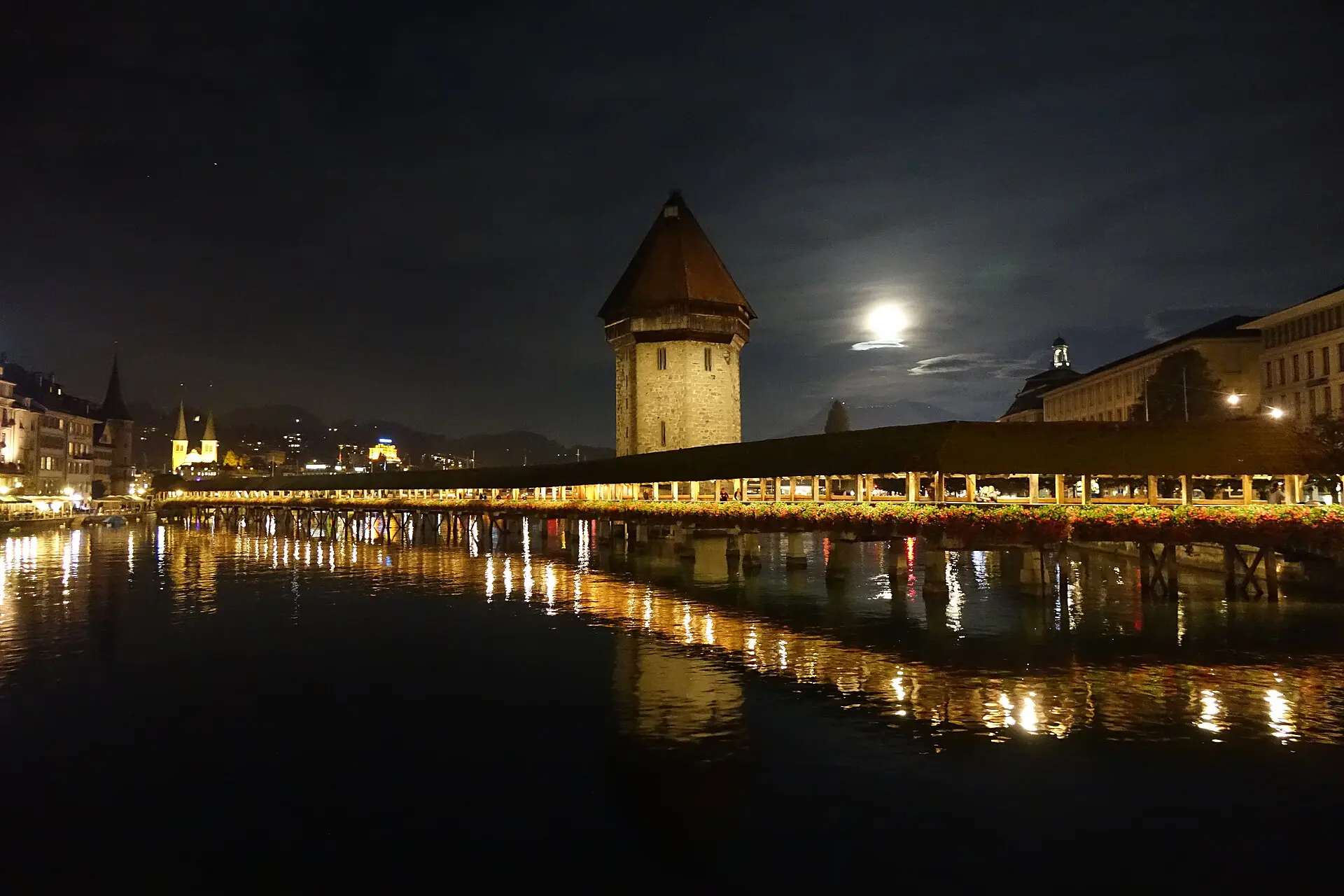
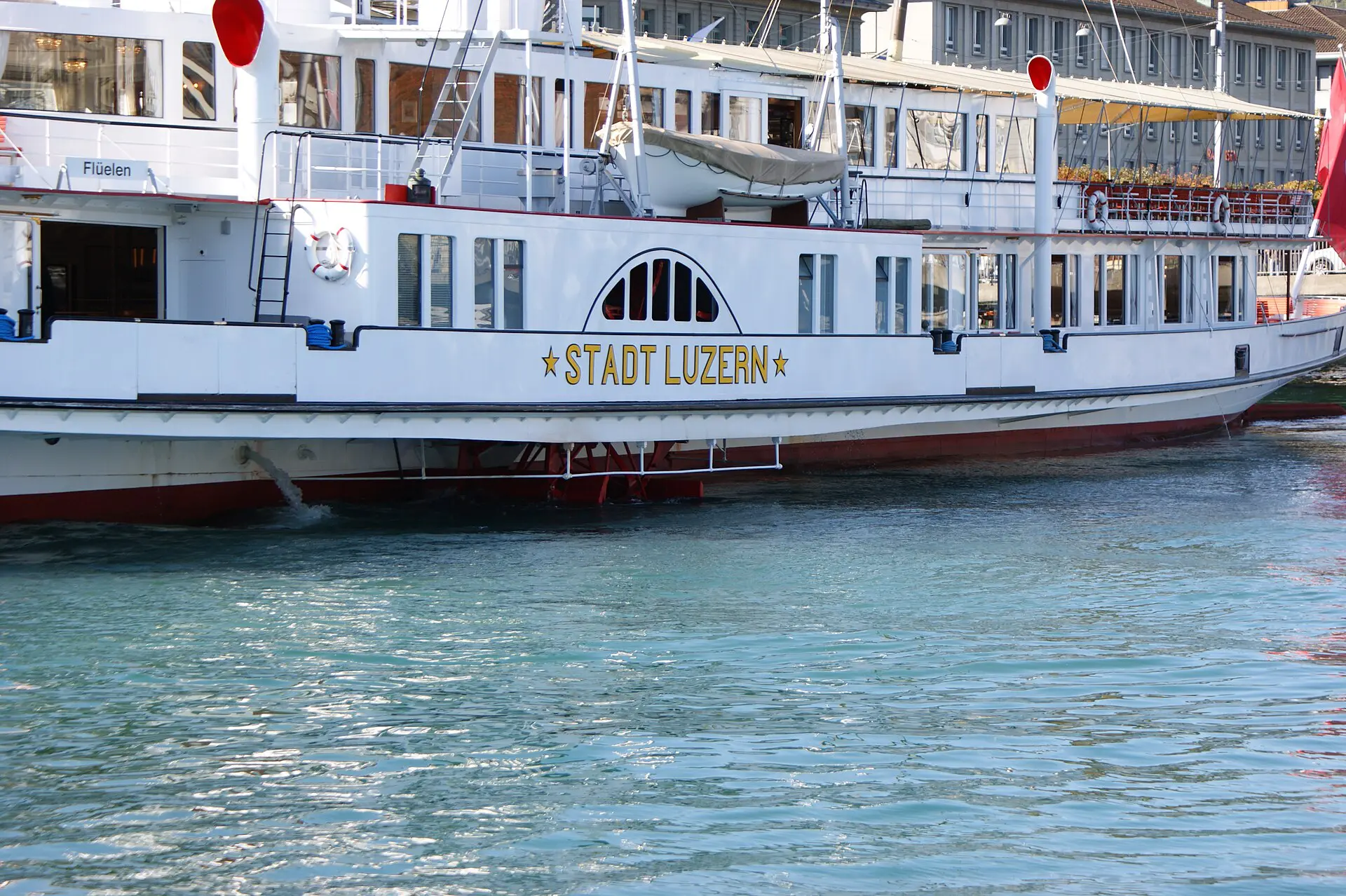
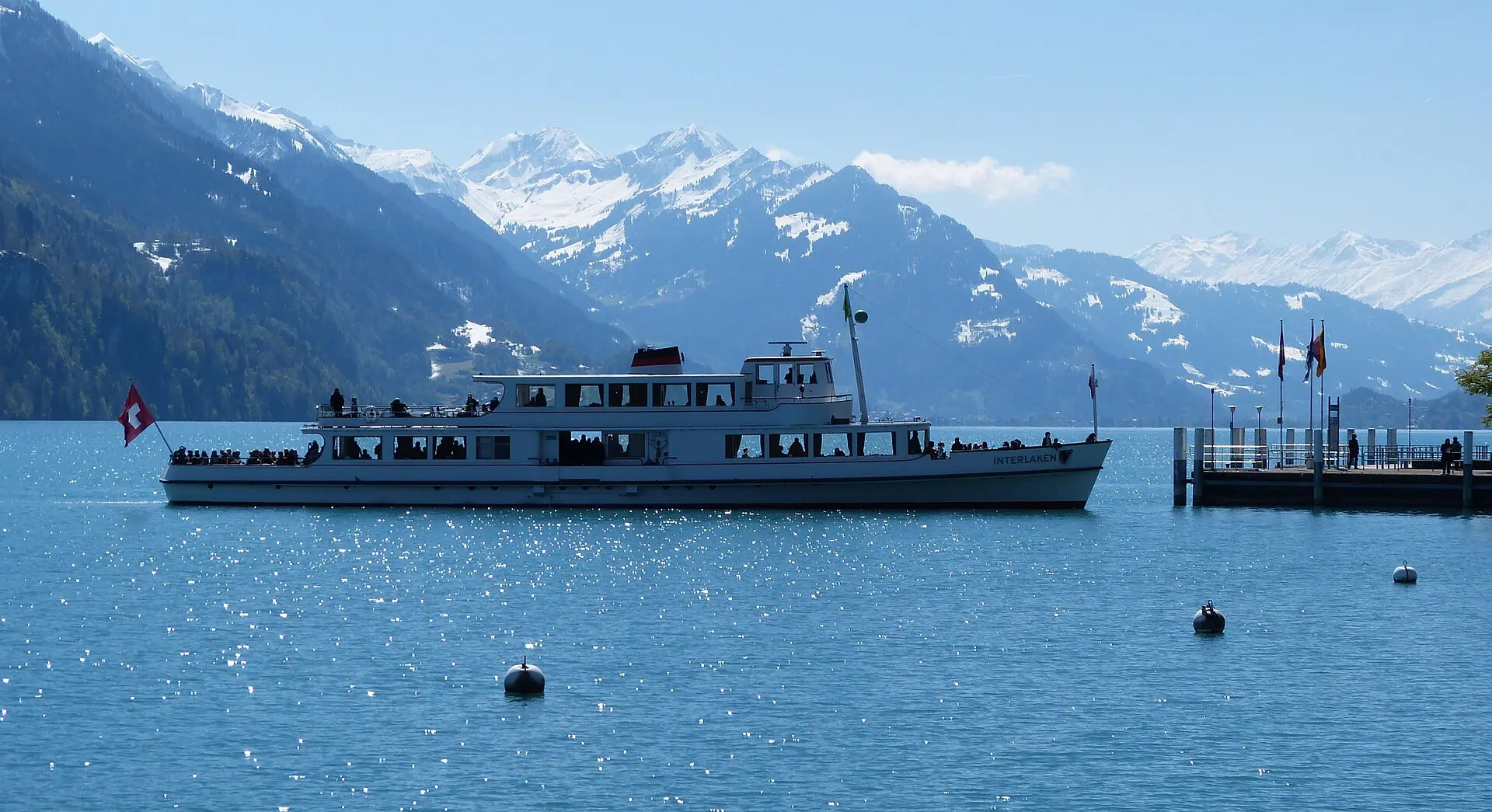
Morning: take the train to Lucerne, about an hour, and drop your bags at the hotel. Afternoon: walk across the covered wooden Chapel Bridge and take a short boat trip on Lake Lucerne. Boats run on a timetable, so choose a one-hour round trip, not the longest route. Meal anchor: a proper lunch at 12:30, before energy drops. Rain swap: the Swiss Museum of Transport, which has trains, planes and cars for children to climb into, and is large enough for half a day.
Day 3: Mount Rigi by cogwheel train
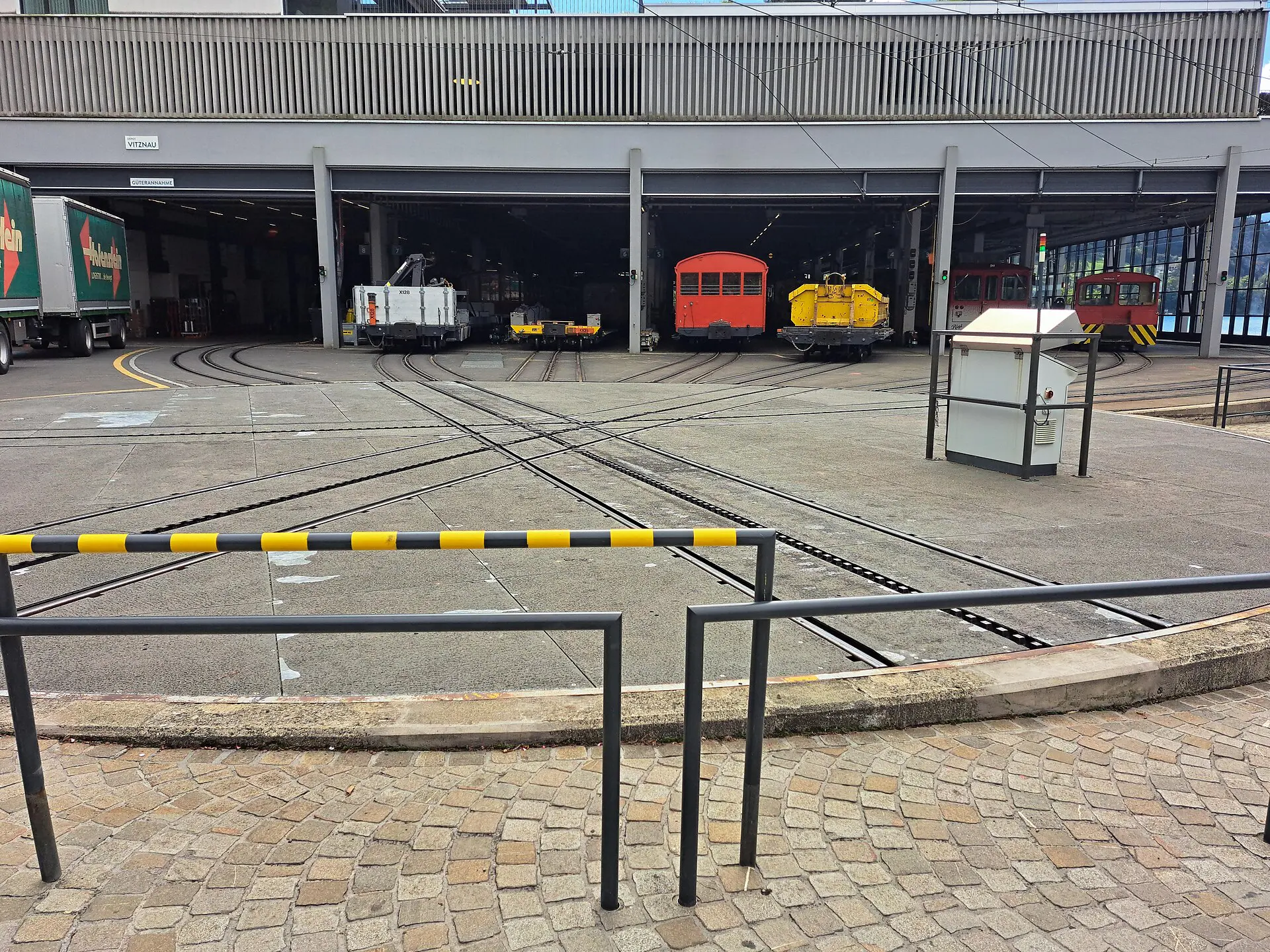
Rigi is a mountain above Lake Lucerne, reached by one of the oldest mountain railways in Europe from Vitznau, and a cable car from Weggis. Morning: go up early, as views are clearest before cloud builds, and walk a short, flat path at the top. Afternoon: come down for lunch by the lake, then rest. Allow five to six hours in total. It suits ages five and up, with a jacket, because it is cooler at the summit. Tired-day swap: skip the mountain and take the transport museum instead.
Check the weather first, because a cloudy day makes the trip poor value, and look at the live webcam or the operator’s status page before you leave the hotel. If the top is in cloud, the lakeside lunch and the museum are a perfectly good day.
Day 4: A lake day with no schedule
A day between two moves should be light. Morning: a playground, the lakeside promenade and a swim in summer if the water and your children allow it. Swiss lakes are cold, so check conditions before they go in. Afternoon: a rest at the hotel, then pack. Decision point: if the weather is clear and everyone is rested, add the Rigi trip here instead, and keep the museum for the wet day.
Day 5: Lucerne to Interlaken by scenic train
The line from Lucerne to Interlaken crosses the Brunig Pass and takes about two hours on the direct service, with lake views and mountains. Morning: leave after breakfast and bring snacks, a card game and a drink. Afternoon: check in and walk by the river and the town park, then an early dinner. Rest anchor: do not plan anything for the afternoon except a swim or a short walk. Tired-day swap: stay in the hotel, since it is the longest train of the trip.
Day 6: Lauterbrunnen valley and Trummelbach Falls
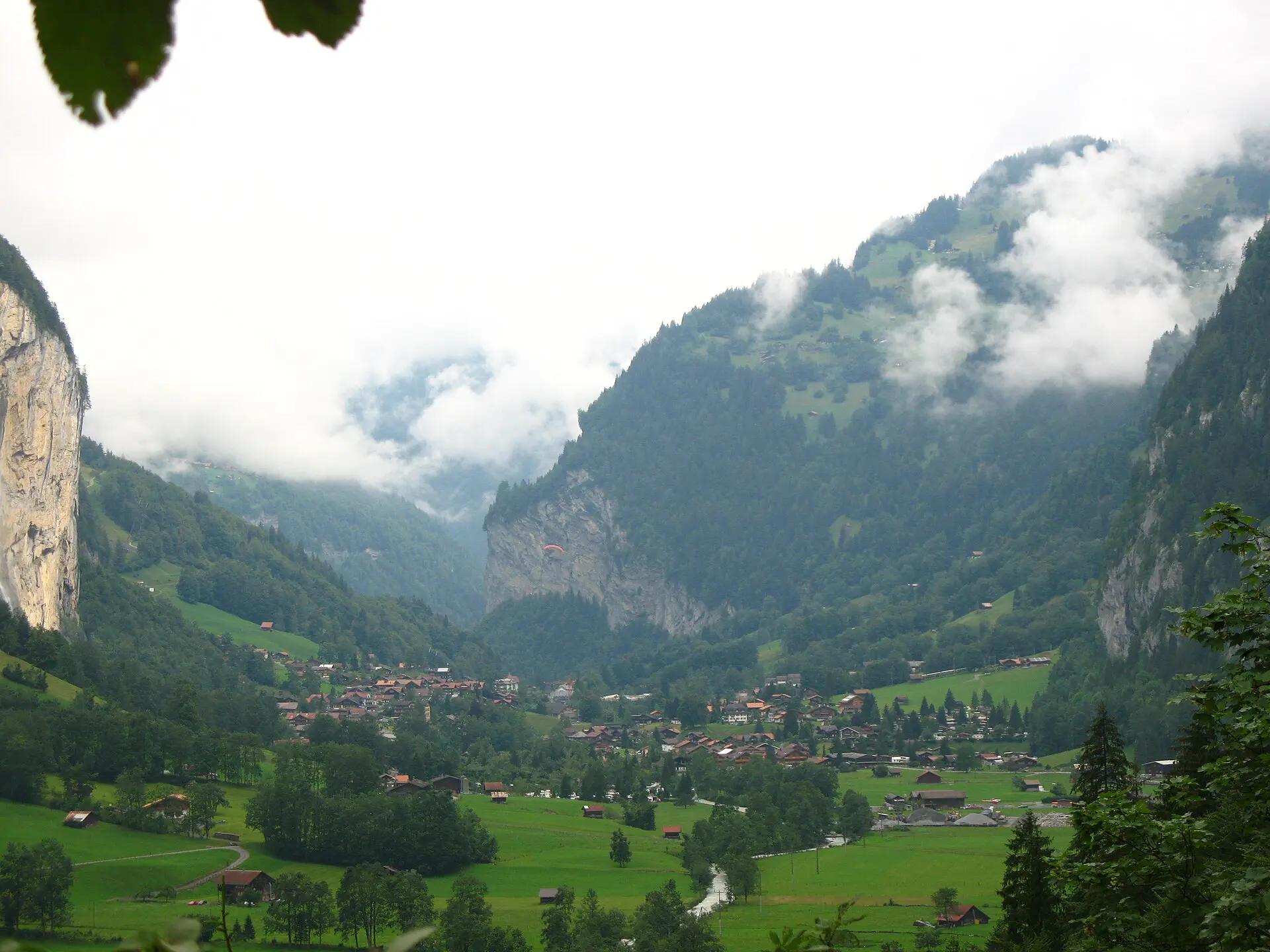
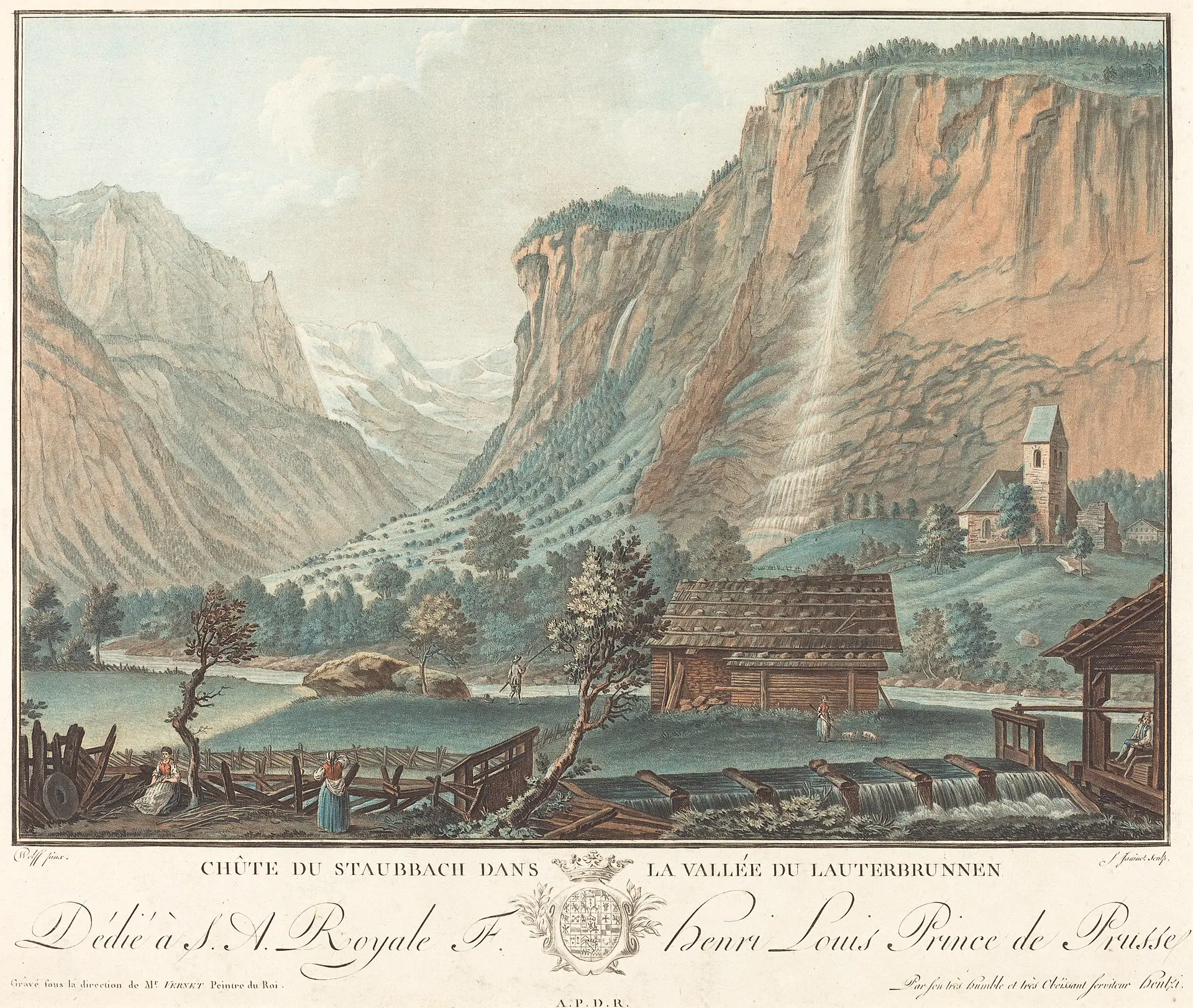
Take the train from Interlaken to Lauterbrunnen, about 20 minutes. The valley has high cliffs and waterfalls, and the flat valley path is suitable for ages five and up. Morning: a walk by the village and the Staubbach Falls. Afternoon: Trummelbach Falls, a set of glacier-fed falls inside the mountain, reached by a lift and covered paths. It is wet and loud and open in the warmer months, so check dates. Rain swap: the falls work well in rain, as they are partly indoors. Bring a waterproof jacket.
Day 7: A lift day, or Lake Brienz
Choose based on the weather. On a clear day, take a gondola or cable car to a viewpoint with an easy path, such as around Grindelwald, and plan about half a day. The Jungfraujoch, at around 3,450 metres, is far higher and far dearer, and altitude can bring headaches, so I would skip it with children under eight. On a cloudy day, take a boat on Lake Brienz and walk a short lakeside path. Rest anchor: back in town for lunch by 13:00.
Day 8: Interlaken to Zurich airport
Allow two to two and a half hours by train, via Bern, with a change on the way. Leave at least four hours before a flight, and check that the luggage sits in the carriage and not in the aisle. Fallback: if you have a late flight, stop in Bern for the old town and a bear park, a short and easy walk from the station.
Ages and stamina on a Switzerland trip with kids
Ages five to seven: keep to a single lift or boat a day, and choose paths that are flat or have railings. Children this age tire faster at altitude and in the cold, so carry layers and snacks. Trains help, because they give a seated rest between activities, and a snack bag keeps the peace between stations. Mountain paths often have drops, so keep hands held.
Ages eight to eleven: they can manage a short mountain walk of one to two hours and a lake swim in summer. Hand them the timetable and let them find the platform. It keeps them engaged and makes transfer days feel shorter. They still need the afternoon rest on the day of any lift, because cold air and altitude tire them more than the walking does.
Getting around Switzerland with children
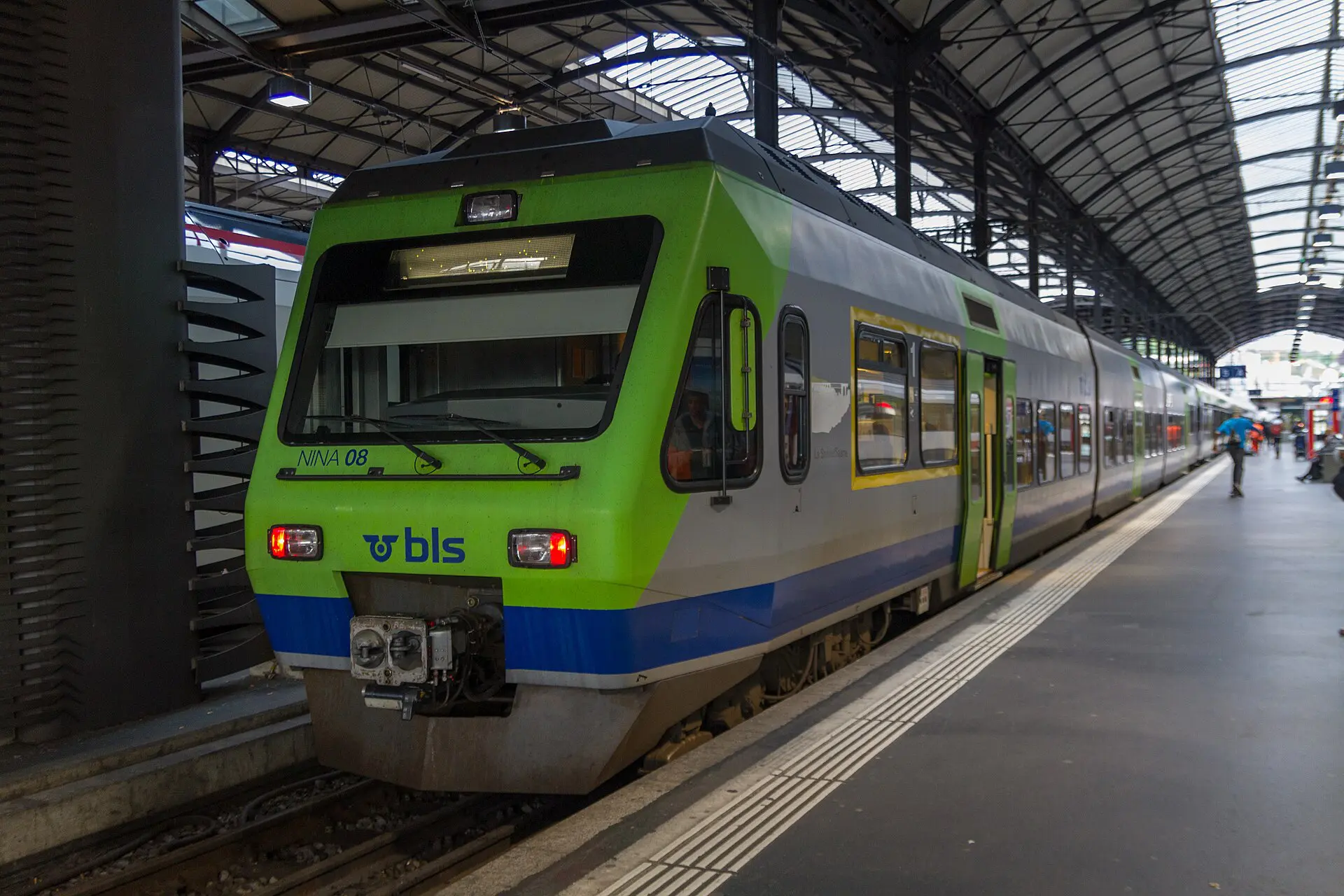
The train is the spine of the trip. Connections are frequent and punctual, and most stations are in the town centre. Many rail passes and family cards let children travel free or cheaply with a parent, so check the current rules for the Swiss Family Card and for passes before you buy. Seat reservations are rarely needed except on panoramic routes. Pack one light bag per person, since luggage on stairs is the main difficulty. A car is not needed, and the Switzerland travel guide explains the regions.
Where to stay in Switzerland with kids
- Zurich: one night near the main station or the airport, because it keeps the first and last days simple.
- Lucerne: choose a spot a short walk from the station and the lake, with a family room, as boats and trains both start there.
- Interlaken: a base between the two lakes, with train links to Lauterbrunnen and Grindelwald. A family apartment saves restaurant bills.
Switzerland rainy-day and tired-day fallbacks
Rain in the mountains can hide the views, so check the forecast the evening before and keep one indoor option for each base: the transport museum in Lucerne, Trummelbach Falls and a swimming pool or the town cinema around Interlaken. On a tired day, take a train with no destination plan, a lake boat or a slow lunch. Skip the lift when clouds are low, because the view is the point.
- Keep a layer, a hat and a rain jacket in every day bag.
- Buy picnic lunches at a supermarket, as restaurants are costly.
- Book nothing in advance except accommodation and the biggest lift.
How much does a Switzerland itinerary with kids cost?
Switzerland is one of the most expensive countries in Europe, and the cost should be known before you book, not discovered at the till. These are rough daily ranges for a family of four in Swiss francs as of 2026, excluding flights. Check current prices before you go.
- Budget: about CHF 350 to CHF 480. Hostels or apartments with kitchens, supermarket meals, passes and free walks.
- Mid-range: about CHF 550 to CHF 800. Family hotel rooms, one paid lift a day and cafe lunches.
- High: CHF 900 and up. Central hotels, restaurant dinners and high mountain trips.
Mountain lifts and boats are the big variable, so choose two or three that matter and skip the rest. Eating is the second lever: a supermarket picnic on a lake bench costs a fraction of a restaurant lunch, and children usually prefer it. Keep one sit-down meal a day, ideally lunch, when menus are often cheaper than at dinner.
Best time to visit Switzerland with kids
June to September is the main season, with open lifts, long days and swimmable lakes in July and August. Prices peak in July and August. May and October are quieter, but some lifts and boats run reduced timetables or close, so confirm schedules. Winter suits snow trips and not this plan. The Wikipedia article on Switzerland explains how the climate varies with altitude.
FAQ about a Switzerland itinerary with kids
How many days do you need in Switzerland with kids?
Eight days gives three bases without rushing. With younger children, cut to two bases, Lucerne and Interlaken, over six or seven days. Each change of base costs half a day, so fewer changes mean more time in the places themselves.
Is Switzerland too expensive for a family?
It is costly, but you can control it. Use apartments with kitchens, buy picnic food, pick two or three paid lifts and check family discounts on trains. Free pleasures are many: lakeside walks, playgrounds, villages and valley paths.
Do children need rail passes?
Often children travel free or at a low rate when with a paying adult, under conditions that change. Compare a pass with point-to-point tickets for your actual route, because on a short trip with few long rides, tickets can be cheaper. Verify the rules with the official rail operator.
Are mountain trips safe for young children?
Marked paths and lifts are well run, and safety rails are common, but drops are real. Keep young children by the hand near edges, check the weather and turn back if conditions worsen. Altitude above about 3,000 metres can affect children, so avoid it with the youngest.
What is the best base for a first trip?
Lucerne and Interlaken give a lake, mountains and easy trains. Lucerne has the more compact centre, and Interlaken is the gateway to the valleys. Both are linked by one direct train of about two hours. See the Wikivoyage Switzerland guide for more.