The cost of living in Switzerland for one remote worker typically runs about CHF 3,500 to CHF 6,500 a month, roughly US$4,000 to US$7,500, and rent is most of the gap between the low and high end. It is among the most expensive countries on earth, so a remote worker can afford it only with a strong income and a careful base. These are rough ranges as of 2026, so verify current prices and stay rules before you book.
Cost of living in Switzerland: the monthly budget box
Wikivoyage says Switzerland has one of the highest standards of living in the world, with prices to match. For a nomad that means two things: a short-stay budget is manageable if you plan around the big costs, and a long-stay budget is not casual. The table turns daily costs into ten days and a month, in Swiss francs. Treat every cell as an estimate, because exchange rates and cities move it by a fifth either way.
| Budget level | Daily range (CHF) | 10-day total (CHF) | What it covers |
|---|---|---|---|
| Lean | about 120 to 170 | about 1,200 to 1,700 | Room or small studio outside the main cities, supermarket cooking, a regional transit pass, cafe working |
| Comfortable | about 190 to 280 | about 1,900 to 2,800 | Furnished studio with a desk in Basel, Bern or Lucerne, some restaurant meals, public transport |
| Generous | about 320 to 500 | about 3,200 to 5,000 | Central apartment in Zurich or Geneva, regular restaurant meals, a coworking pass, weekend mountain trips |
The daily and 10-day figures are for a short stay at nightly rates. Over a month the daily cost falls, because long-stay rents are lower, so use the monthly figures for a longer stay.
That works out to roughly CHF 3,600 to 5,100 for lean, CHF 5,700 to 8,400 for comfortable and CHF 9,600 and above for generous. Short-term furnished rentals are priced well above long leases.
Where to base yourself in Switzerland by work style
Switzerland is compact and well connected, so a base can be chosen for price and then used as a hub. Wikipedia lists Zurich, Geneva, Basel, Bern, Lausanne, Winterthur and Lucerne among the largest economic centres.
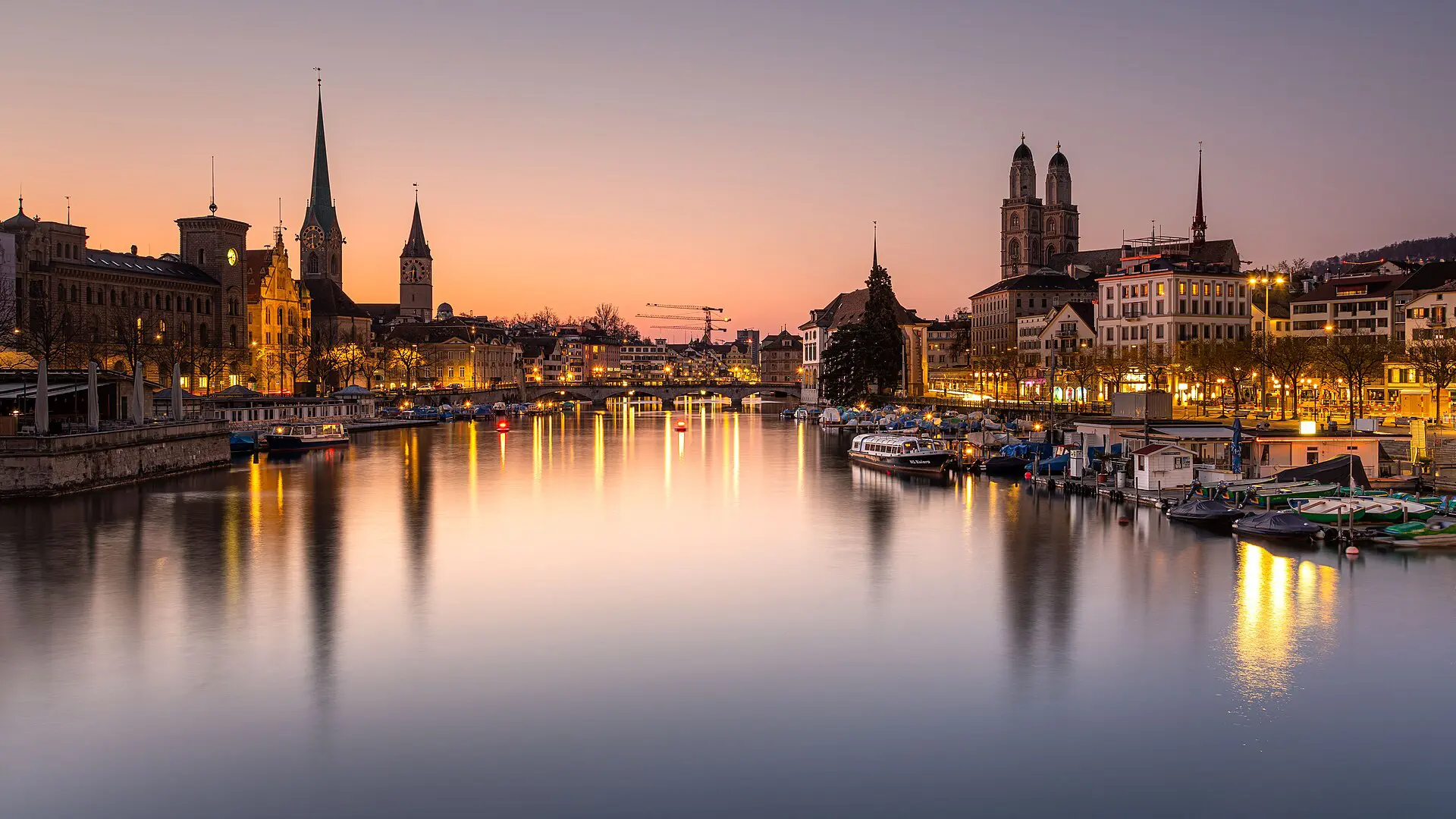
- Calls and client meetings: Zurich and Geneva have the most coworking and international services, and the highest rents.
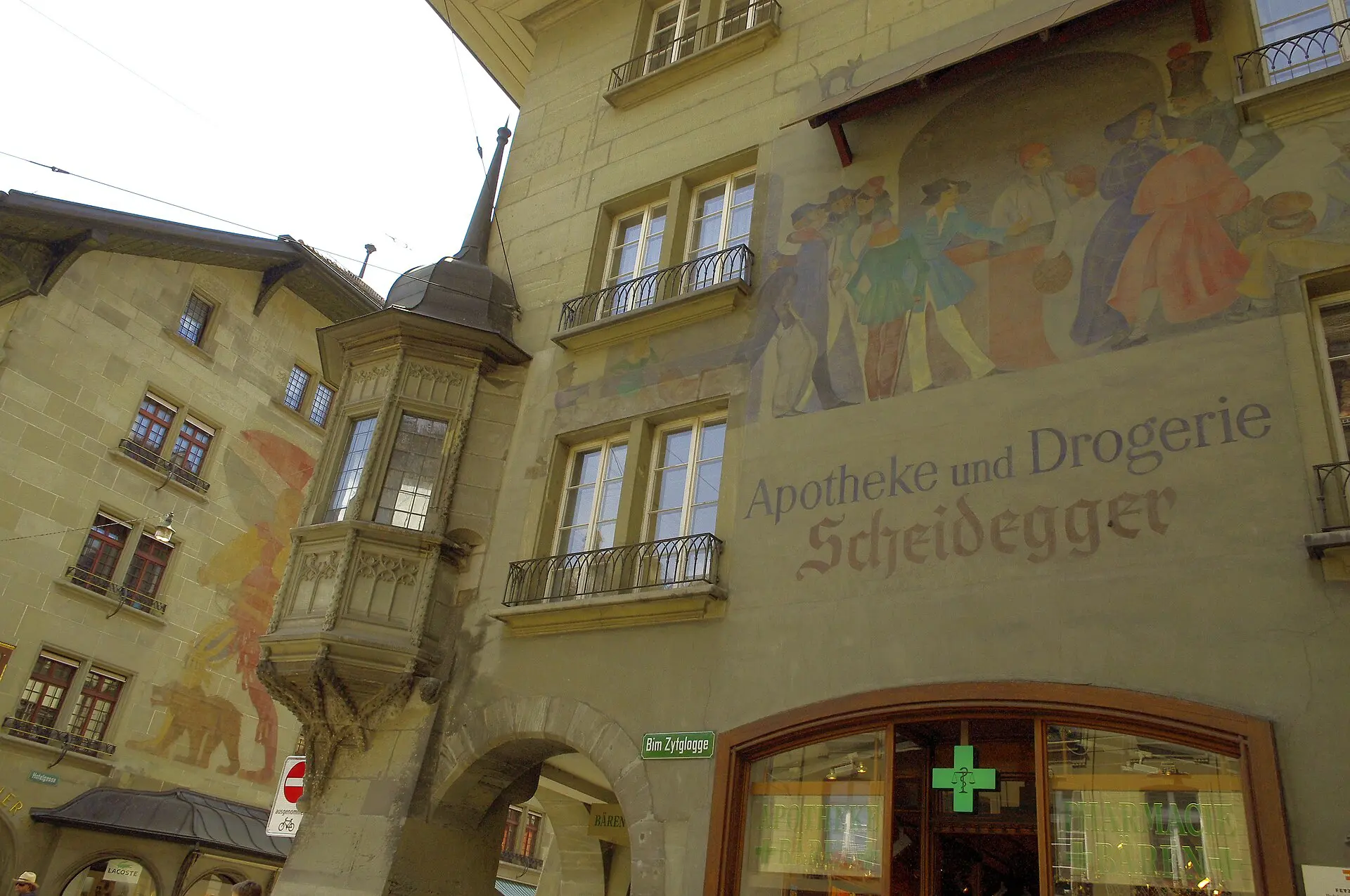
- Value with a city feel: Basel, Bern and Winterthur are generally cheaper than Zurich or Geneva while keeping fast transit and good internet.
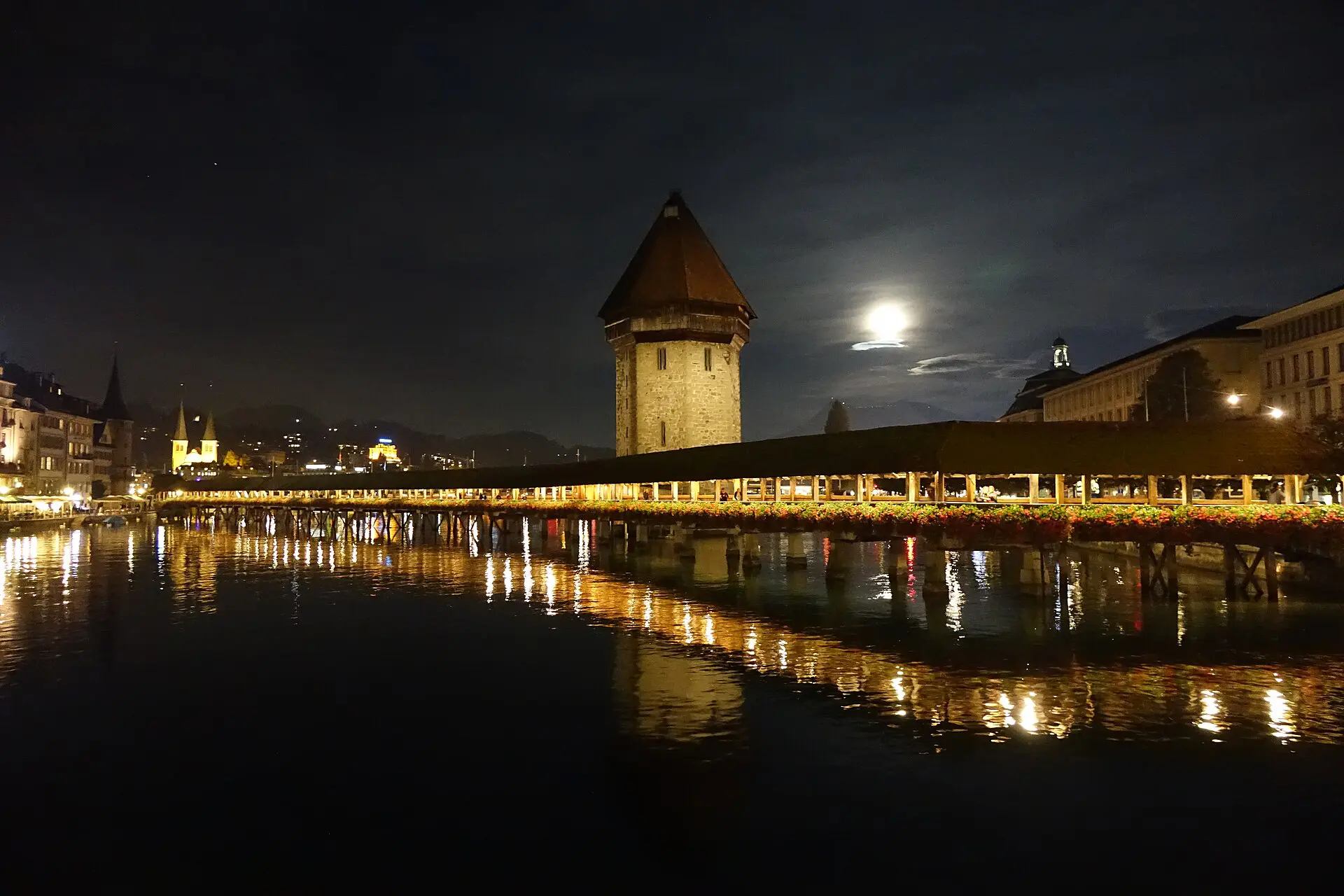
- Lakes and quieter days: Lucerne and towns around Lake Geneva suit a slower routine, though rents are high in the popular ones.
- Border strategy: some people base in a cheaper neighbouring town in Germany, France or Italy. Check commuting costs and local rules.
Where paying more pays off in Switzerland
Three costs are worth paying because the cheaper alternatives are weak.
1. A furnished, well-connected apartment
Short-term furnished rentals cost more per month than long leases, but a standard lease may need paperwork a visitor cannot provide. Check the minimum stay, the cleaning terms and whether utilities are included. Look for a real desk and fast fibre. As a rough guide, a furnished studio in a big city can cost CHF 2,000 to 3,500 a month, and the same flat in a smaller town perhaps 20 to 30 percent less.
2. A good transit pass
Swiss public transport is dense, punctual and expensive. A regional or half-fare pass can pay off quickly if you travel often. Compare the options on the national rail operator’s official site, since products and prices change.
3. Coworking for focused days
Home internet is typically excellent, but a coworking pass helps if your apartment is tiny or noisy. Day passes and monthly plans vary by city, so check current prices. A few coworking days a week can beat a daily cafe habit, since a coffee runs about CHF 4 to 6 and a three-hour session easily costs CHF 10 or more.
Where to save in Switzerland
Four habits make the biggest dent in the bill.
4. Shop at supermarkets and cook
Restaurant meals are expensive and tipping is not expected, since service is generally included. Large supermarket chains such as Migros and Coop sell prepared food and groceries at a fraction of restaurant prices. Lunch menus are often cheaper than dinners, sometimes by CHF 5 to 10 for the same plate. A simple supermarket week for one can run CHF 80 to 130, against CHF 20 to 35 for a single restaurant main.
5. Buy groceries across the border
Prices in Germany, France and Italy are often considerably lower, and many people near a border shop there. Check customs allowances on what you can carry back, because limits and rules apply.
6. Choose a smaller city and a smaller flat
Rent depends heavily on the town. A studio in Bern or Basel is usually cheaper than a comparable one in Zurich or Geneva, and smaller places cheaper again. I would trade a central address for a quick tram ride every time.
7. Swap paid outings for free ones
Free lakes, public hiking trails and city walks beat paid attractions. Mountain railways and cable cars are expensive, so pick a couple of favourites rather than one every weekend. Tap water is safe and widely available.
Transport and booking windows for Switzerland
Most long-haul visitors arrive at Zurich or Geneva, both well served by trains. Book flights a few months ahead for July, August and the ski season. Within the country, advance rail fares and supersaver tickets can be cheaper than same-day fares on some routes. Check the official timetable.
Accommodation fills in summer and over Christmas. Ski resorts book far in advance for peak weeks. For seasons and prices month by month, see our best time to visit Switzerland guide.
Visa and stay length in Switzerland, hedged
Switzerland is in the Schengen Area, and many visitors can stay up to 90 days in any 180-day period without a visa, depending on nationality. Switzerland does not have a digital nomad visa as far as we know, and long-term residence and work permits are tightly controlled. Verify with the official Swiss State Secretariat for Migration source before you book.
Remember that the 90 days are counted across the whole Schengen Area, so a month in Spain or Italy earlier in the half-year uses up the allowance. Check the official calculator before you plan a 30-day or longer stay.
Working for a foreign employer while visiting falls in a grey area that depends on your situation and on tax rules. For anything beyond a short stay, take professional advice on tax and permits.
Best months for value in Switzerland
Spring and autumn give the best price, with April to early June and late September to November usually cheaper than summer or winter. Some mountain lifts and hotels close between seasons, and weather can be unsettled. July and August are warm and busy, and December to March carries ski-season prices in the Alps.
City stays are less seasonal than mountain stays, and Swiss rail passes and lifts often have lower shoulder-season rates of 10 to 20 percent. If your work is city-based, shoulder months can reduce rent and keep the weather comfortable. Check closures for mountain areas before you plan a weekend away.
Test-it-yourself checklist for a month in Switzerland
We cannot tell you that a specific connection, cafe or coworking space works. Run a short test on your first days instead.
- Run a speed test at your desk at three different times and note the upload speed.
- Join a video call at the time you will actually work.
- Check noise levels, since many buildings have strict quiet hours.
- Time the walk to a supermarket and a transit stop.
- Try a cafe, a coworking day pass and your own desk for a day each.
- Track your first week of real spending and multiply by four.
Work-friendly spots fall into four types: cafes, coworking spaces, public libraries and your own rental. Confirm hours in person, including Sunday closures.
Is Switzerland worth it?
For high earners who value safety, trains and mountains, yes. For a tight budget, probably not as a base. For background see Switzerland on Wikipedia and our Switzerland travel guide. A short stay can work as a treat month, while a long one needs a clear budget.
FAQ about the cost of living in Switzerland
How much does it cost to live in Switzerland per month?
A single remote worker can plan on roughly CHF 3,500 to 6,500 a month, with Zurich and Geneva at the top end. Rent is the biggest cost, followed by food and health insurance. Treat these as ranges and check current prices before you commit.
Is Switzerland the most expensive country in Europe?
It is among the most expensive. Wikivoyage notes prices to match one of the highest standards of living. Rent, restaurants and services cost more than in most neighbouring countries. Supermarket food, local transport and free outdoor activities keep a month more manageable.
Which Swiss city is cheapest for a remote worker?
Smaller cities such as Winterthur, Bern or Basel are generally cheaper than Zurich and Geneva, and towns outside the main centres can be cheaper still. Compare real listings, because supply is tight and prices vary by neighbourhood.
Can you work remotely in Switzerland as a visitor?
Most visitors can stay for short periods without a visa, depending on nationality, but work rules and tax obligations depend on your case. There is no digital nomad visa that we know of. Verify with the official State Secretariat for Migration before you rely on a visitor stay.
When is Switzerland cheapest to visit?
Spring and autumn shoulder periods are usually cheaper than July, August and the ski season. Some mountain facilities close in between. City stays are less seasonal, so rent savings are smaller there. Check closures before you book mountain accommodation.