Arequipa food is eaten at midday. Lunch is the main meal, the best cooking is in traditional lunch kitchens called picanterías, and the dish to order first is rocoto relleno, a stuffed chilli baked with cheese. Add a bowl of adobo on a weekend morning, a soup of river shrimp, and a cold glass of chicha de jora. Below: how the day runs, seven dishes, market hours, price bands and the habits of the table.
How eating works in Arequipa
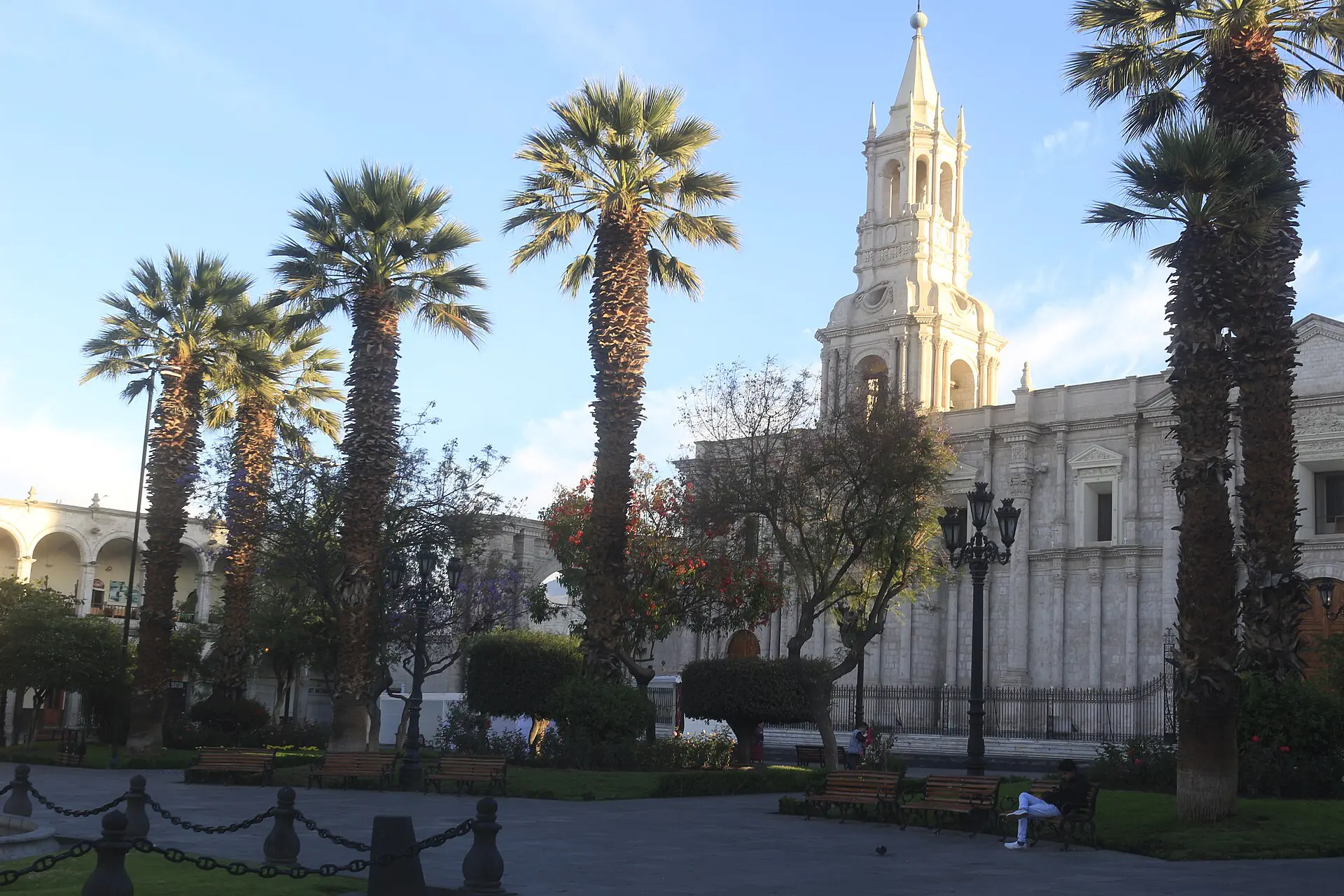
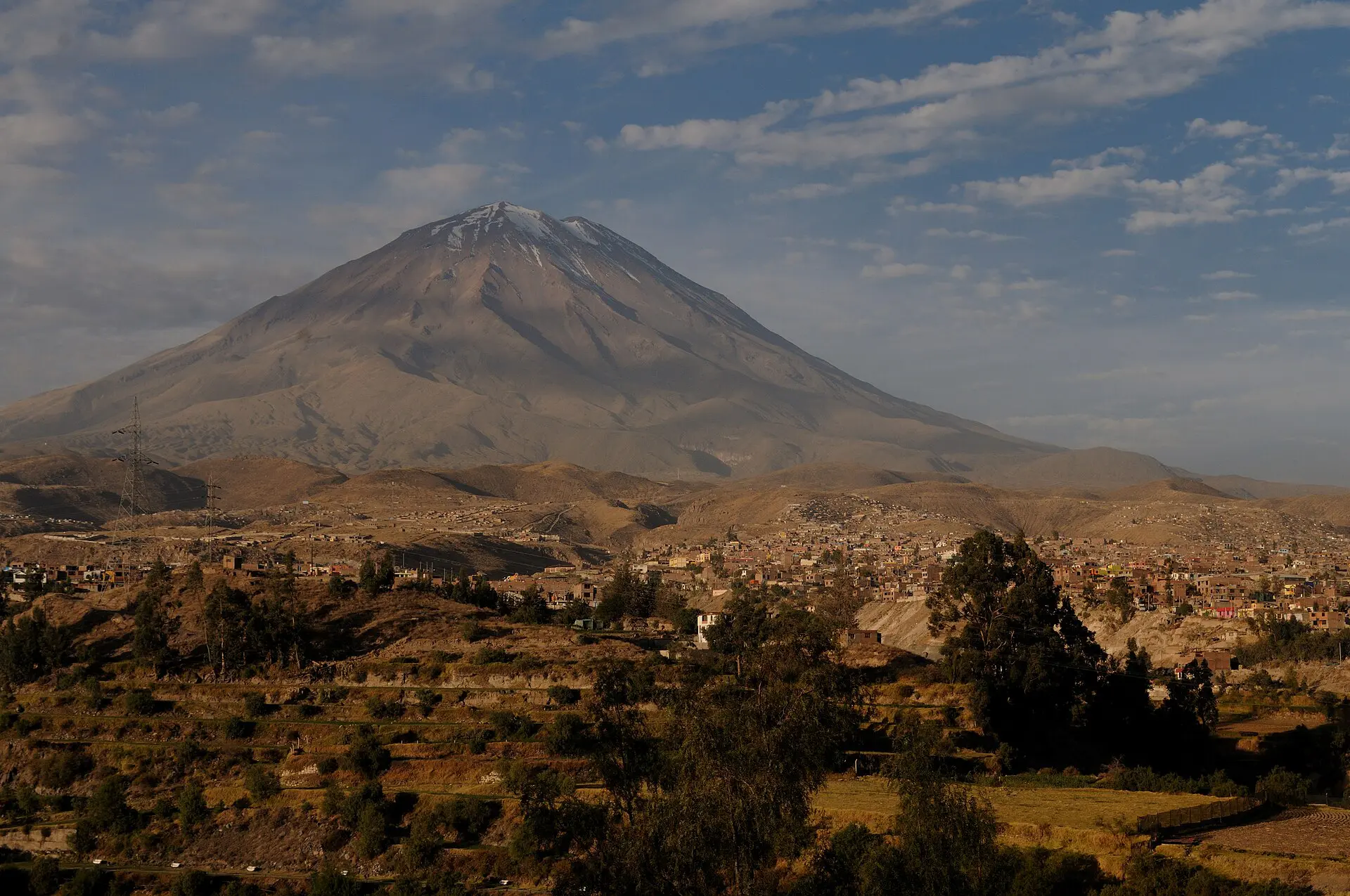
Arequipa sits at about 2,380 m in the Chili valley, ringed by volcanoes, as the second most popular city for tourists in Peru after Cusco. The valley has irrigated farmland, so the cooking leans on its own ingredients: potatoes, maize, onions, fava beans, local cheese, river shrimp from the coastal valleys and, above all, rocoto, a thick-fleshed, fruity, very hot chilli.
The picantería is the system behind the food. It started as a place where regional dishes with chilli were cooked in clay pots over wood, usually by a family, usually for lunch. Many open late morning and close by late afternoon, some only on set days, and the menu follows the day. Arrive between 12:00 and 15:00. After that, the best dishes may be gone.
Dinner is lighter and later, often a sandwich, grilled meat or a bowl of soup. Treat lunch as your big meal and dinner as a snack, and you will eat better and spend less.
Market timing in Arequipa
| Time | Where | What to order |
|---|---|---|
| 06:30-09:30 | Central market stalls | Fresh bread, fruit juice, adobo on weekends |
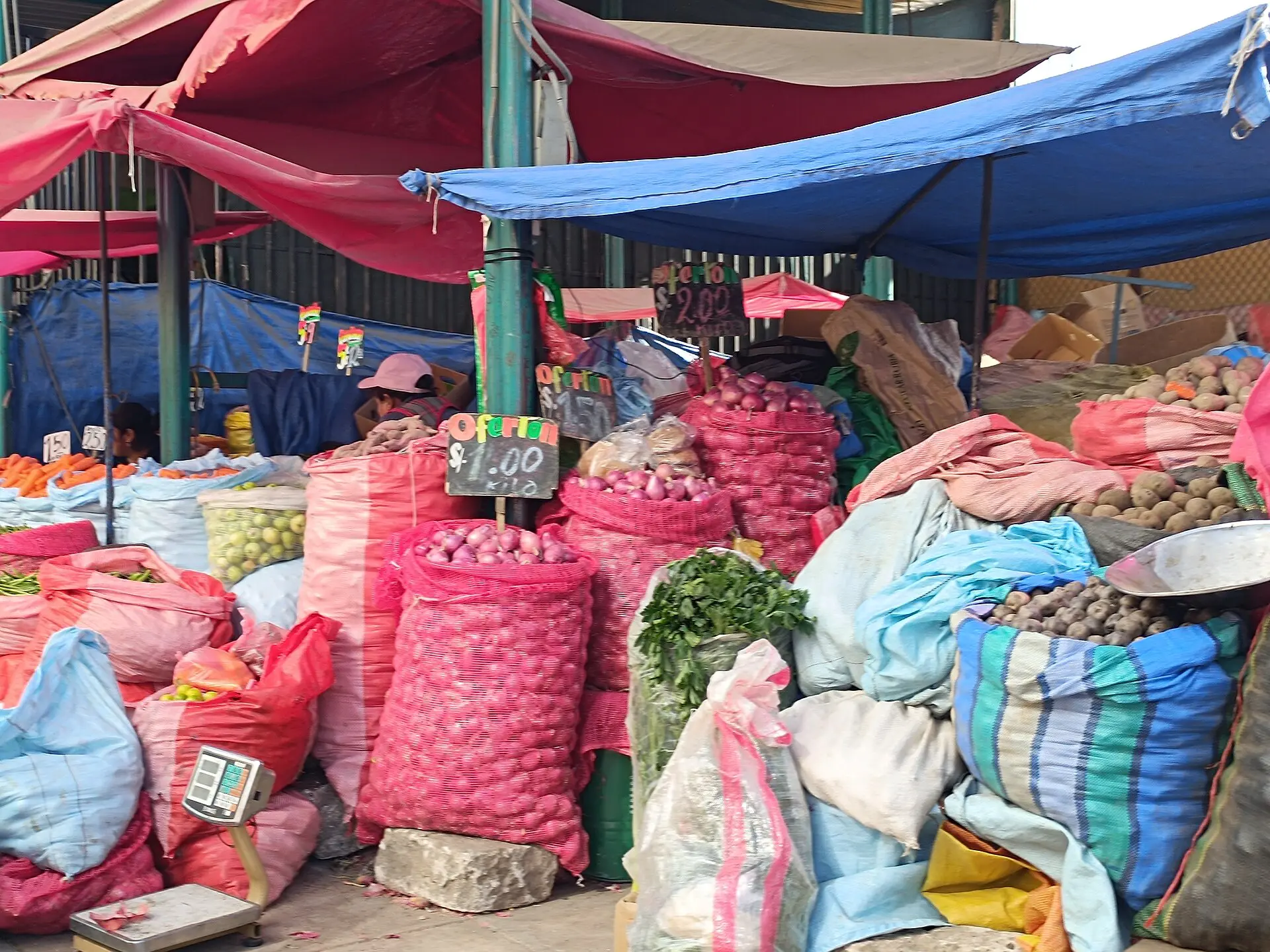
| 09:00-12:00 | Covered markets and produce aisles | Rocoto, cheese, potatoes, herbs for sauces |
| 12:00-15:00 | Picanterías and lunch kitchens | Rocoto relleno, chupe, ocopa, the set menu |
| 16:00-18:00 | Sweet stalls and cafes | Queso helado, pastries, coffee |
| 19:00-22:00 | Street grills and small cafes | Anticuchos, soup, sandwiches |
Markets are best in the morning, when produce is stacked and sellers are not yet tired. Check each market’s hours locally, as they differ by day and season.
What to order in Arequipa: seven dishes
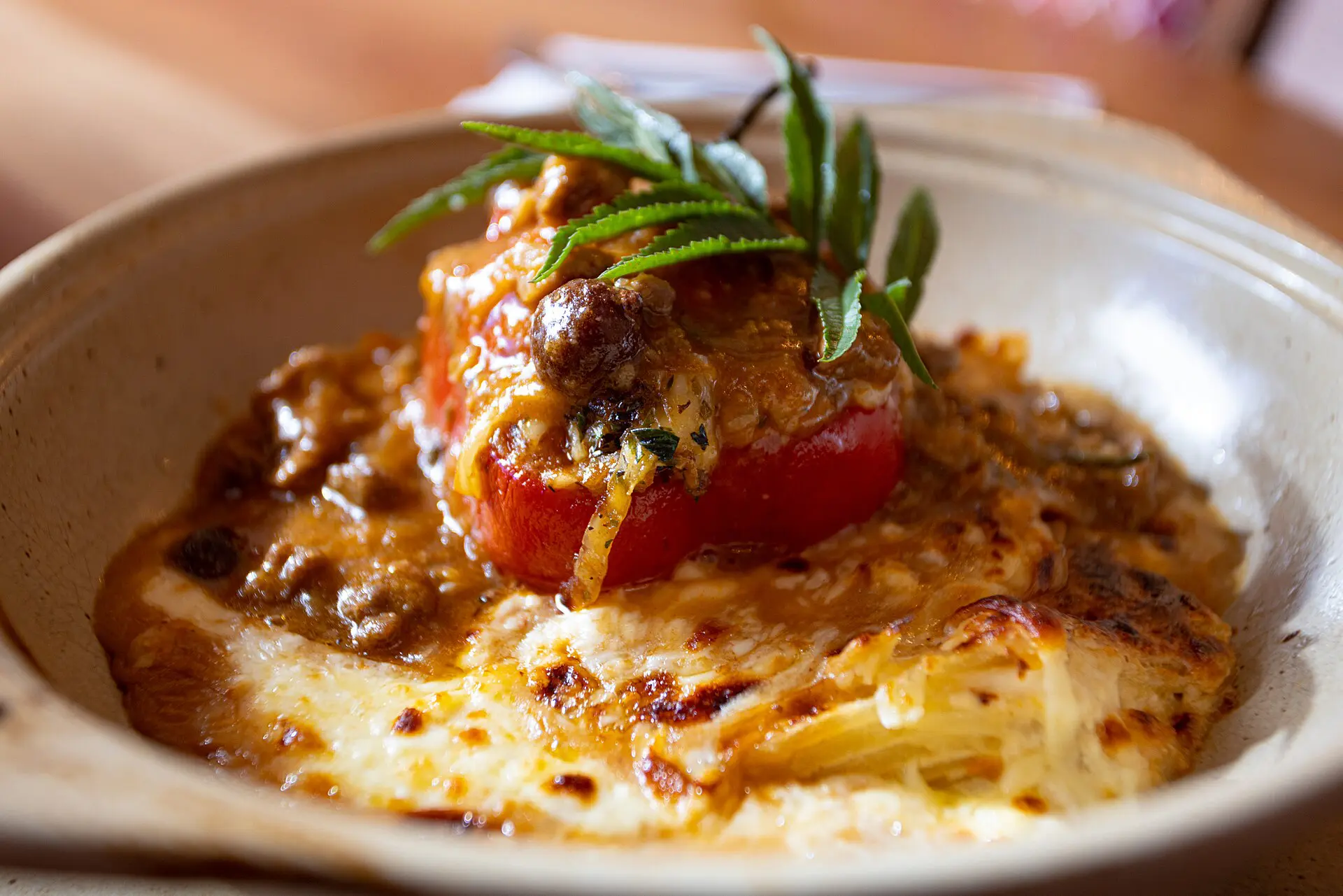
1. Rocoto relleno
The defining dish. A rocoto is hollowed, boiled several times to soften the heat, then filled with minced beef, onion, peanuts, olives and herbs, topped with cheese and baked in a milk and egg sauce. It is served with a slice of baked potato gratin. Even tamed, it is hot. Start with half, and eat bread and cheese alongside. Expect roughly 3-6 USD in a casual lunch kitchen, as of 2026.
2. Adobo arequipeño
A pork stew, marinated in chicha de jora, garlic, cumin and chilli, served with bread and eaten as a weekend breakfast. The bowl is thick and sharp, and it is common to dip bread rather than use a spoon. Order before late morning. A bowl typically costs 3-5 USD.
3. Chupe de camarones
A rich soup built on river shrimp, rice, potato, fava beans, corn, milk, cheese and an egg poached in the broth, finished with huacatay or oregano. It is a full meal. Local custom ties it to particular days, usually early in the week, so ask whether the kitchen is serving it. Plan about 5-10 USD.
4. Ocopa and soltero de queso
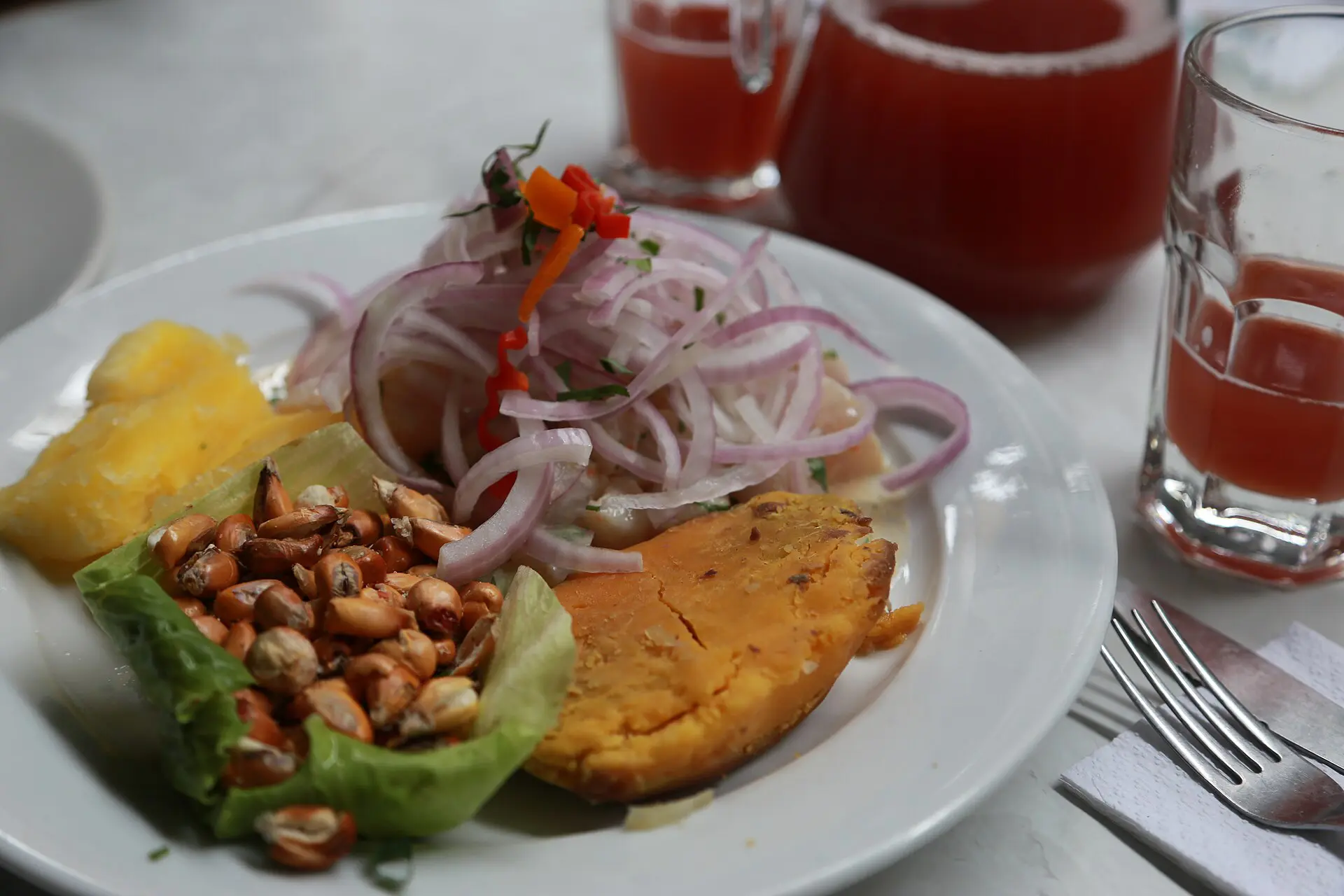
Ocopa is boiled potato in a green sauce of huacatay (black mint), peanuts and cheese, a classic starter. Soltero de queso is a cold salad of fresh cheese, fava beans, corn, onion and tomato. Both are good for vegetarians and cost around 2-4 USD as a starter.
5. Cuy chactado
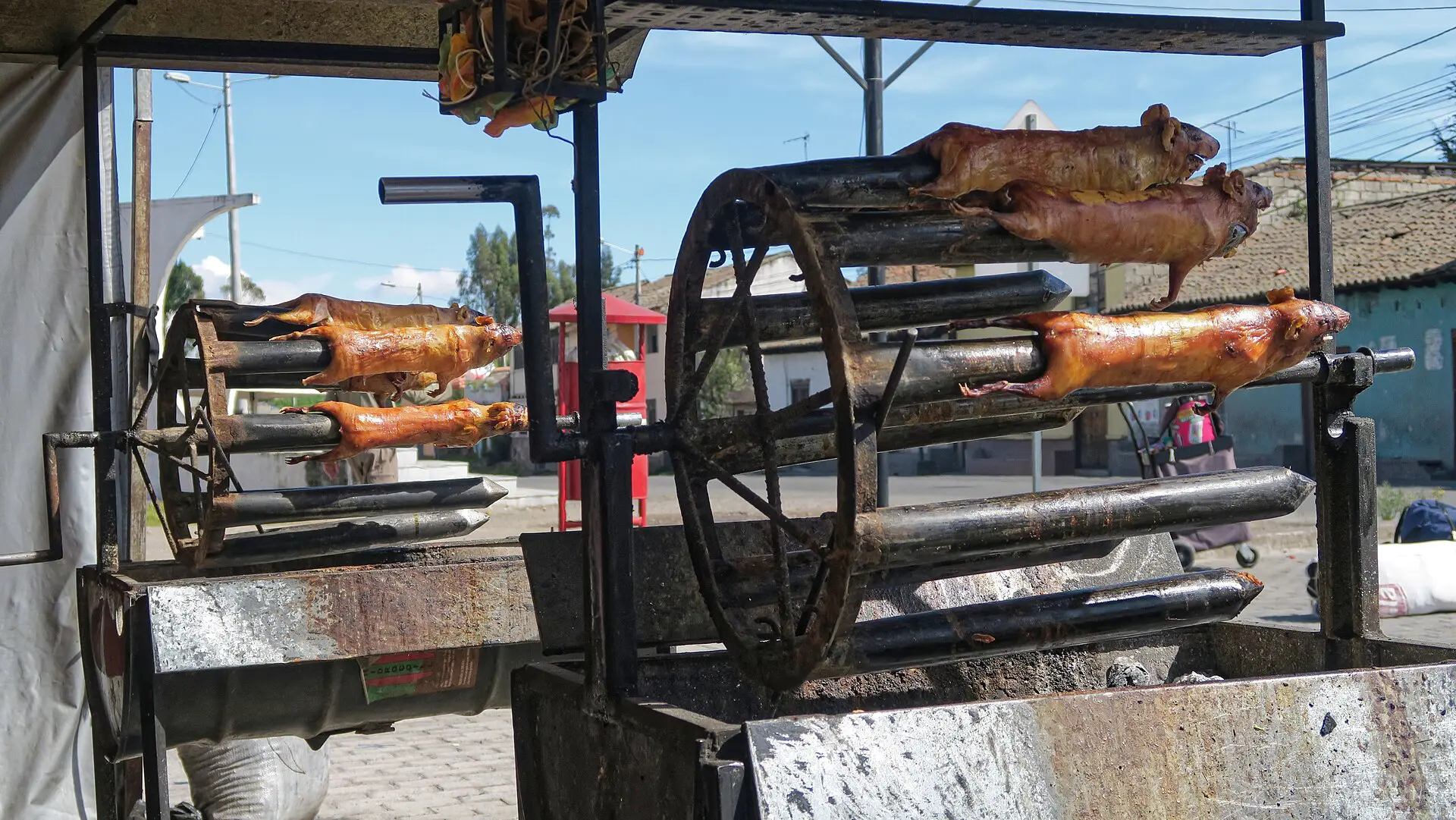
Guinea pig, pressed flat under a stone while frying until the skin turns crisp. It comes with potatoes and a salad, and it is a celebration dish more than a daily lunch. A portion is usually 10-18 USD. Share it, as it takes time to cook and has little meat. Order ahead if you are with a group.
6. Anticuchos and street grills
Skewers of marinated beef heart, grilled over charcoal and served with potato and ají sauce. They are sold in the evenings from street stalls and small shops for roughly 1-3 USD a skewer. Pick stalls with a busy queue and hot coals.
7. Queso helado and chicha de jora
Queso helado is not cheese. It is a frozen milk dessert flavoured with cinnamon and sugar, sold in small cups. Chicha de jora is a fermented maize drink, sour and low in alcohol, served in picanterías. Try one small glass first, as strength and sweetness vary. Both cost about 1-3 USD.
How much does Arequipa food cost?
Hedged per-person ranges in USD, as of 2026. Tourist streets near the main square cost more.
| Meal | Typical band | What it buys |
|---|---|---|
| Market breakfast | about 1-3 USD | Bread, juice, coffee or a bowl of soup |
| Set lunch (menú) | about 2-5 USD | Starter, main, drink in a local lunch kitchen |
| Picantería lunch | about 6-14 USD | A regional main, a starter, chicha |
| Dinner | about 4-12 USD | Grill, soup or a sit-down meal |
Arequipa food etiquette
- Greet and ask: a “buen provecho” on entering a small lunch room is normal, and servers will suggest the day’s dish.
- Chilli: ask for the sauce on the side, as aji is served separately in many places.
- Tipping: not required, but 5-10 percent in a sit-down place is welcome. Check whether a service charge is on the bill.
- Pace: lunch is not rushed. Ask for the bill when you are ready, as it is rarely brought on its own.
- Altitude: at 2,380 m, go easy on alcohol and heavy food on your first day.
Where to eat in Arequipa by type
No venues are named here. Choose by type.
- Historic centre: the white sillar streets around the main square have tourist-facing restaurants, rooftop cafes and some solid lunch menus. Walk two or three blocks from the square for lower prices.
- Market districts: small counters and juice bars inside and around the covered markets suit breakfast and cheap lunch.
- Residential districts: picanterías often sit in residential neighbourhoods and on the edge of town. They are worth a short taxi ride at midday.
- Evening streets: grill stalls and sandwich counters cluster where students and office workers pass.
If you are heading out to the canyon, see our Colca Canyon planning guide, and for the city itself the Arequipa guide.
What to skip in Arequipa
I would skip lunch menus that list pizza, pasta and burgers beside a few Peruvian dishes with English signs outside, as these kitchens rarely cook the regional dishes well. Skip raw salads and ice from unknown sources in the first days, until your stomach adjusts. And skip rocoto on an empty stomach, or when you are not sure how you handle chilli. Broader trip planning is in the Peru travel guide.
FAQ about Arequipa food
What is Arequipa famous for eating?
Arequipa is known for rocoto relleno, adobo, chupe de camarones and ocopa. Its picanterías, traditional lunch kitchens, are the local institution, and chicha de jora and queso helado are the classic drink and dessert.
What should I order first in Arequipa?
Order rocoto relleno at lunch, with a side of bread or the potato gratin it normally comes with. Then try ocopa as a starter, and adobo on a weekend morning. Ask which dish the kitchen is known for that day.
Is Arequipa food very spicy?
Some of it is. Rocoto is hotter than most chillies, though cooks boil it to soften the heat. Ask for sauces on the side and start with a half portion. Dishes such as ocopa and soltero de queso are mild.
Is it safe to eat street food in Arequipa?
Choose busy stalls where food is cooked hot in front of you, and skip raw salads and ice until you know how your stomach copes. Drink sealed or boiled water. Check current health advice for Peru before you travel.
What time is lunch in Arequipa?
Lunch usually runs from about 12:00 to 15:00, and picanterías may close in late afternoon, some on set days. Arrive early for the best choice. Dinner is lighter and later. See Wikivoyage’s Arequipa guide for city basics.