Altitude sickness itinerary planning comes down to one number: how high you sleep each night. Above about 2,500 m, aim to gain no more than 300 to 500 m of sleeping elevation per night, add a rest night every 3 to 4 days, and keep spare days to cut. Fitness does not protect you. A schedule that has slack lets you stop at the first symptoms and avoid a bad week. Everything below is general guidance, not medical advice.
How to plan an itinerary around altitude: the method
Altitude illness is driven by how fast you gain height, not by how high the trip peaks. A day at 4,000 m is manageable if you slept at 3,000 m the night before. A flight that lands you at 3,400 m from sea level in about 1.5 hours is harder than three days of walking up to the same place.
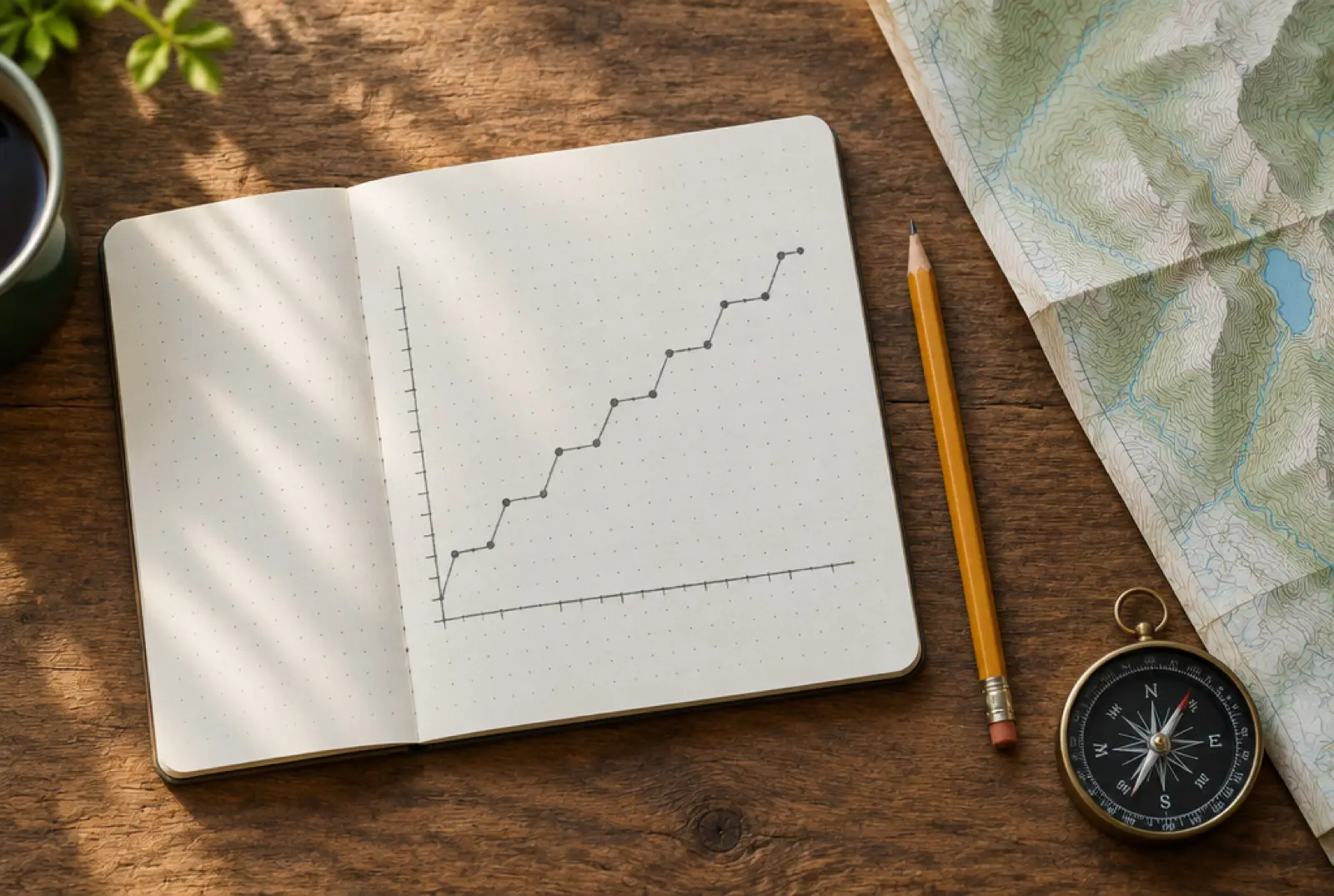
The method has four parts. First, list the elevation where you sleep each night, not only the places you visit. Second, mark every night above 2,500 m. Third, check the gap between consecutive nights against a cap of 300 to 500 m once you are above 3,000 m. Fourth, add a rest day, meaning no gain in sleeping elevation, every 3 to 4 days or after each 1,000 m of gain. Then write down what you will drop if symptoms appear.
Guidance varies between sources and your own response varies too. Check the advice of a travel-medicine clinic, and ask about prescription options before you leave. Do this early, not at the airport.
Altitude by destination: sleeping elevations table
Elevations are rounded. Airports and city centres can differ by hundreds of metres, so check where you will actually sleep.
| Place | Approx. sleeping elevation | Typical entry | Planning note |
|---|---|---|---|
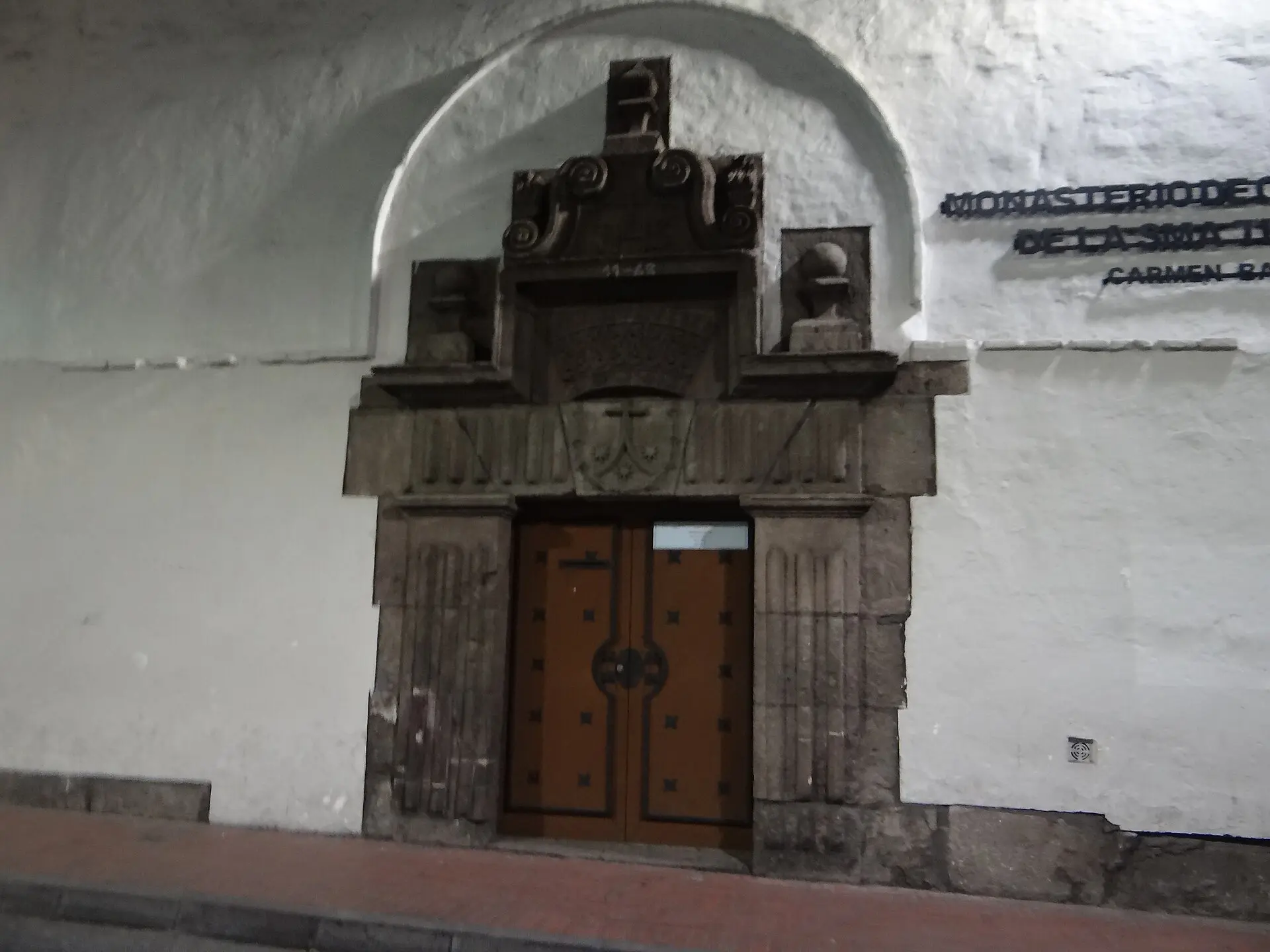
| Quito, Ecuador | 2,850 m | Flight from sea level | Mild start; spend the first night here and take it easy |
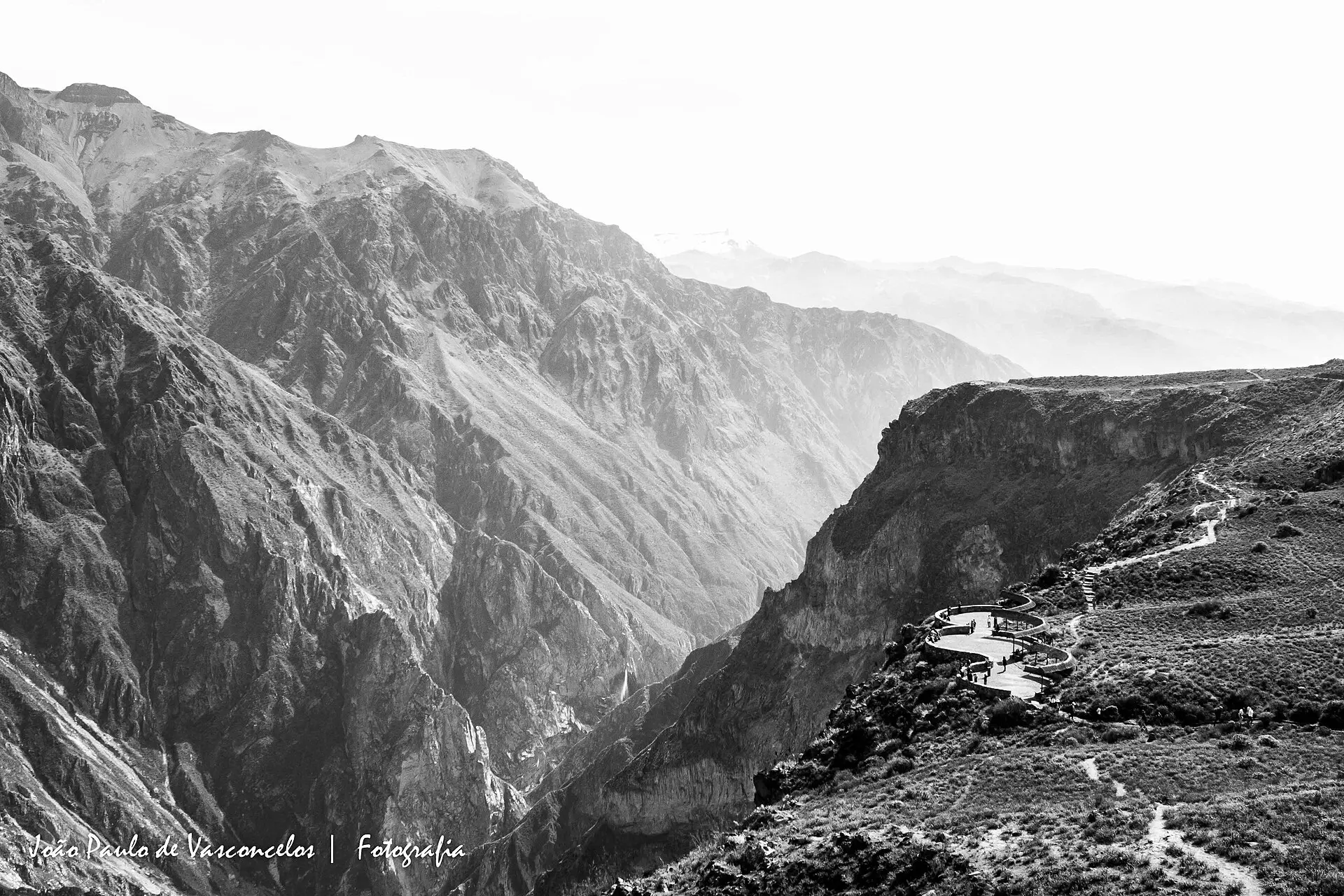
| Arequipa, Peru | 2,350 m | Flight from Lima | Useful buffer before the Colca Canyon |
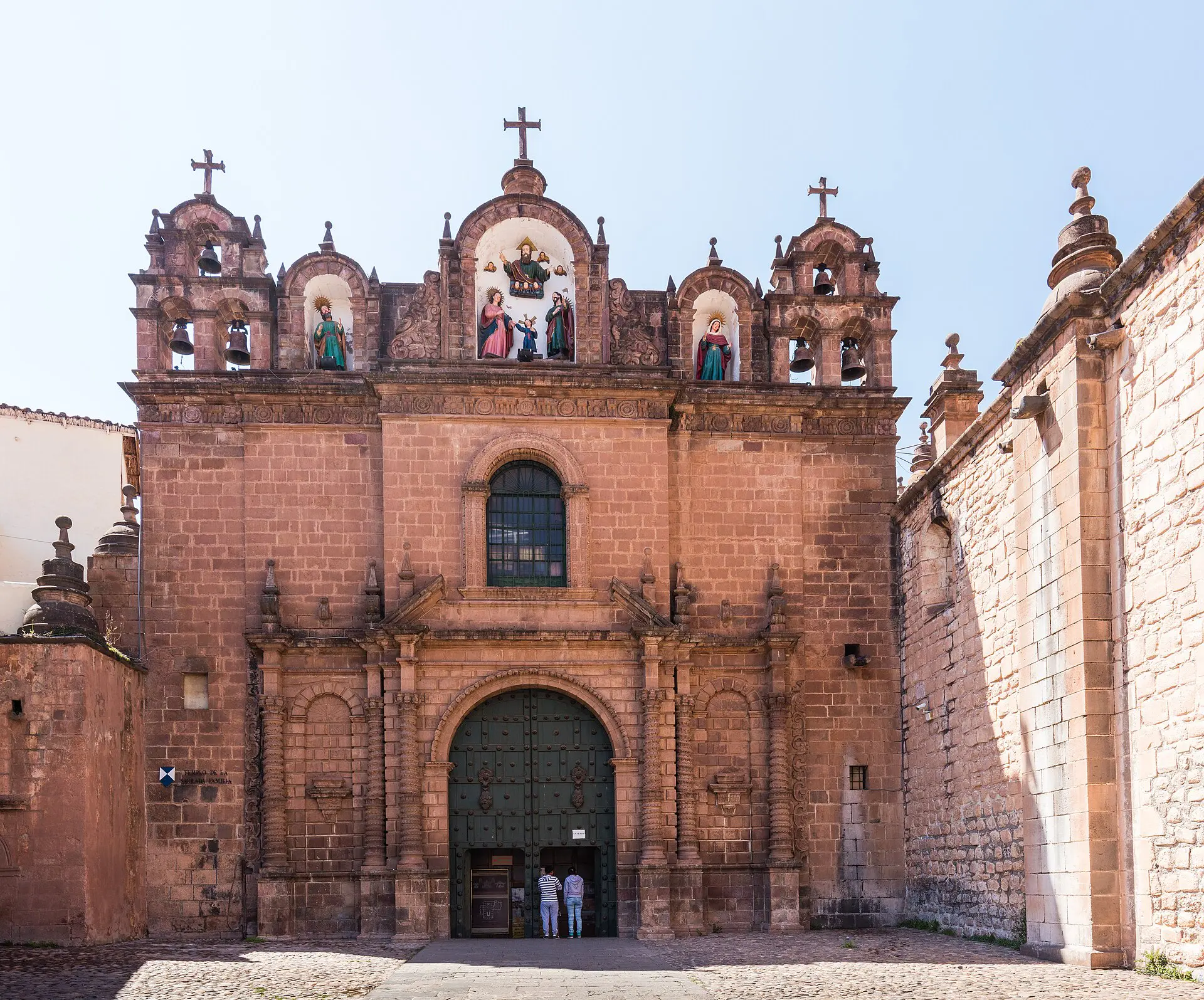
| Sacred Valley, Peru | 2,800 to 2,900 m | Road from Cusco or Ollantaytambo | Sleep here before Cusco, if you can |
| Cusco, Peru | 3,400 m | Flight from Lima: about 1.5 hours | Fast jump; first day should be a rest day |
| La Paz, Bolivia | 3,600 m (airport 4,060 m) | Flight to El Alto | High from the first night; plan a quiet first day |
| Chivay, Peru | 3,600 m | Bus from Arequipa: 3 to 4 hours | Passes above 4,800 m on the way |
| Thorong La, Nepal | 5,416 m (pass) | Walking, usually 7 to 10 days in | Slow approach; sleep well below the pass |
Altitude acclimatisation rules, step by step
Use these seven rules as the skeleton of any altitude sickness itinerary planning exercise, then fit the sights around them.
1. Plan by sleeping elevation, not by sightseeing elevation
A day trip to 4,000 m and a return to 3,000 m to sleep is gentler than a night at 4,000 m. Build the itinerary around where you lie down. Write the number next to each night, and watch for jumps rather than peaks.
2. Start low if the route allows it
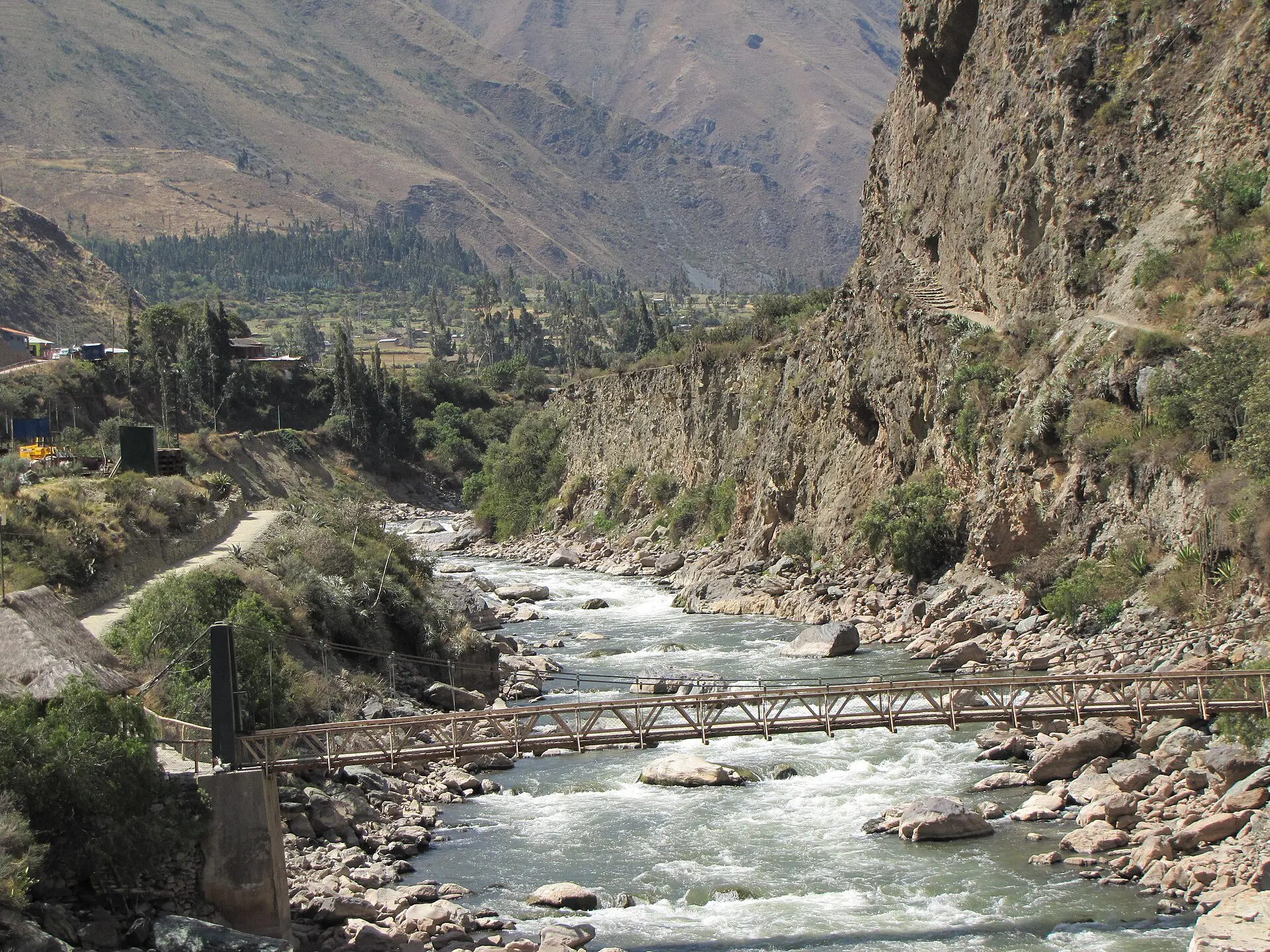
If you can reach the high place by road or on foot from a lower base, do it. Cusco can follow the Sacred Valley; La Paz is hard to approach from lower ground, so sleep in its lower districts, a few hundred metres below the centre and El Alto, if you can. Where a flight makes this impossible, plan a rest day on arrival and keep the first evening light.
3. Cap the nightly gain above 3,000 m
Between 3,000 m and 5,000 m, 300 to 500 m of gain per night is the common guideline, with 500 m as a ceiling. On roads and vehicle routes this means a stop at a mid-point instead of the shortest drive. A transfer that gains 1,000 m in one day needs a night to adjust before the next gain.
4. Put a rest day every 3 to 4 days
A rest day means the same sleeping elevation as the night before. Use it for short walks, laundry and logistics. Rest days are the part people cut first and the part that is most useful when something goes wrong, because they absorb a bad night with no change to the plan.
5. Climb high and sleep low
A day walk to a higher point followed by a return to a lower bed builds tolerance. For example, a day above 4,000 m from a base at 3,400 m costs little and helps a later move. Keep the high day light and short, and turn back at the first sign of a worsening headache.
6. Manage water, food and alcohol
Drink steadily; urine should be pale. Eat small, frequent, carbohydrate-heavy meals, since appetite drops with height. Skip alcohol for the first two nights above 2,500 m and cut back after. Sleeping pills that depress breathing are a poor idea. Altitude also dries the throat and burns skin quickly, so carry sunscreen and a lip balm.
7. Write stop rules before you leave
Decide in advance: a mild headache means no further ascent that day; a headache with nausea, dizziness or heavy fatigue means rest and descend if it does not improve; confusion, loss of balance, breathlessness at rest or a wet cough means go down now and get medical help. Do not leave a person with symptoms alone. A descent of even 500 m often helps.
Common altitude sickness itinerary planning mistakes and edge cases
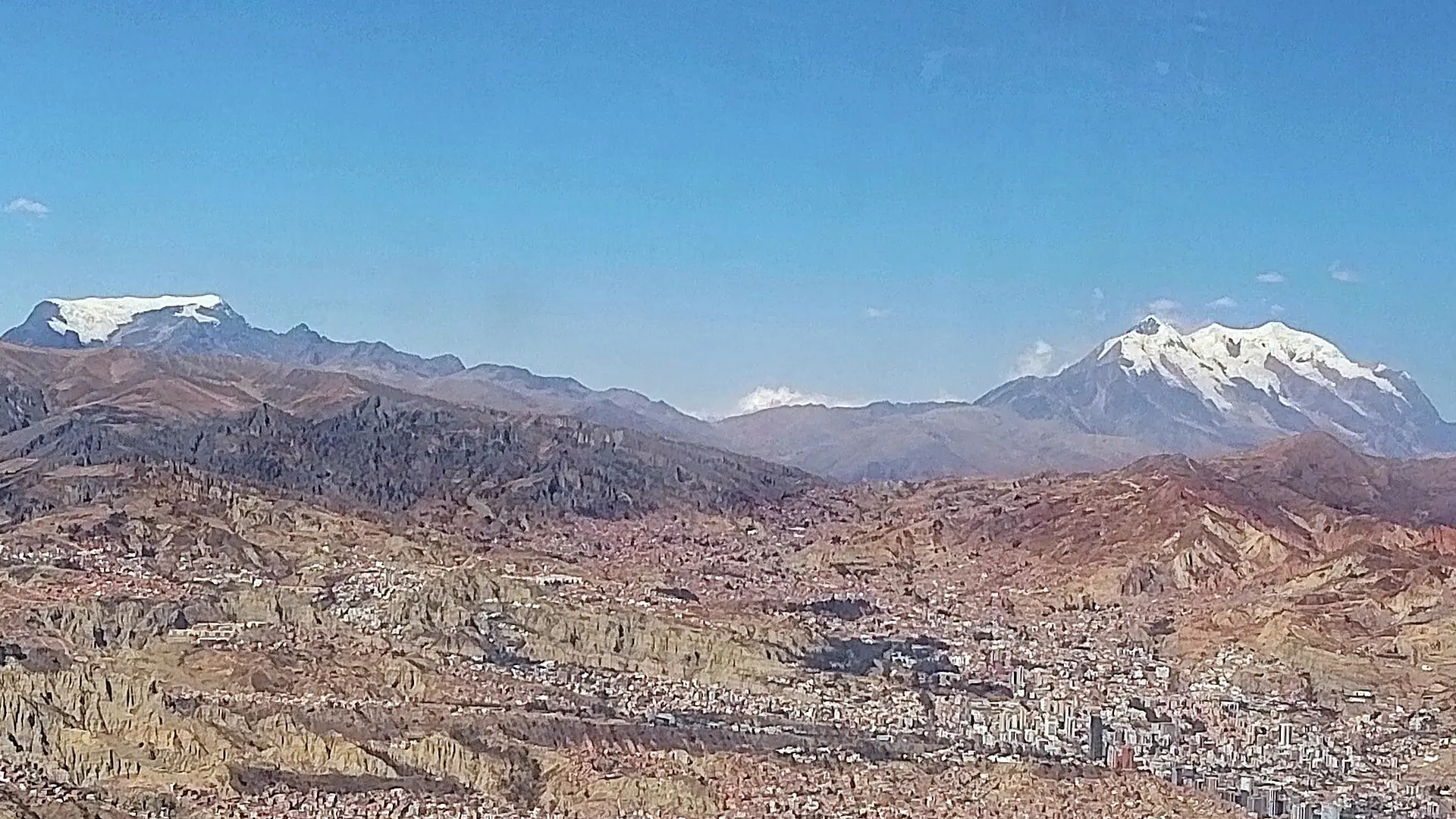
- Flying in and out the same day: a short visit to La Paz or Cusco is not an acclimatisation plan. Give it at least 2 days.
- Trusting past experience: a good trip last year does not guarantee the next one. Response varies from one trip to another.
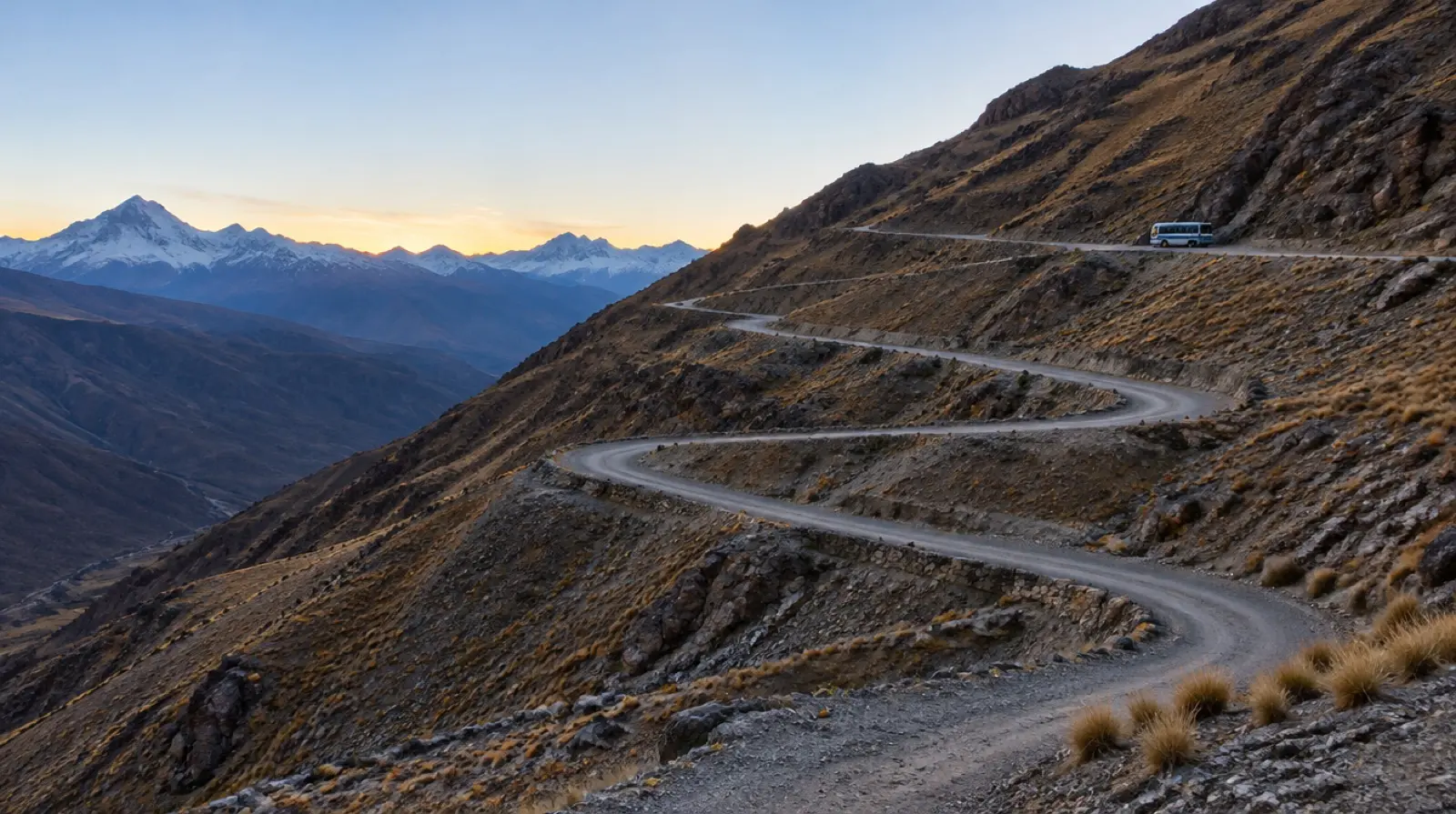
- Counting only the destination: passes on the road can be 1,000 m higher than the place you sleep. A bus from Arequipa to Chivay crosses well above 4,000 m.
- No slack: a trip with a locked-in train, tour or flight on every day leaves no space for a rest day. Add 1 flexible day per week above 3,000 m.
- Cold nights: in the Andean dry season, nights below freezing are common. Poor sleep and cold worsen symptoms. Pack a warm layer for the bed, not only for the trail.
- Medication: some people use acetazolamide, but it needs a prescription and a doctor’s advice. It does not replace a slow ascent.
Altitude itinerary fallbacks and what to cut first
- Headache on day two in Cusco: cancel the planned hike and stay at the same height. Add a night before any ascent.
- Poor sleep at 3,600 m: drop the next gain. Move down to a lower sleeping elevation if you cannot rest.
- Flight, bus or trek booking you cannot move: choose a lower alternative on the same day, not the planned summit.
- Cut first: second high day trips, passes above 4,500 m, and one-night side trips. Keep the rest days.
- Cut last: your first two nights at a lower height.
Season and food facts matter, too. In the central Andes the dry season runs roughly May to September, with cold nights and clear days; the wetter months bring road delays. In Nepal, the main trekking windows are about October to November and March to May. Plan buffer days in both for landslides and flight delays.
What to verify before you rely on this plan
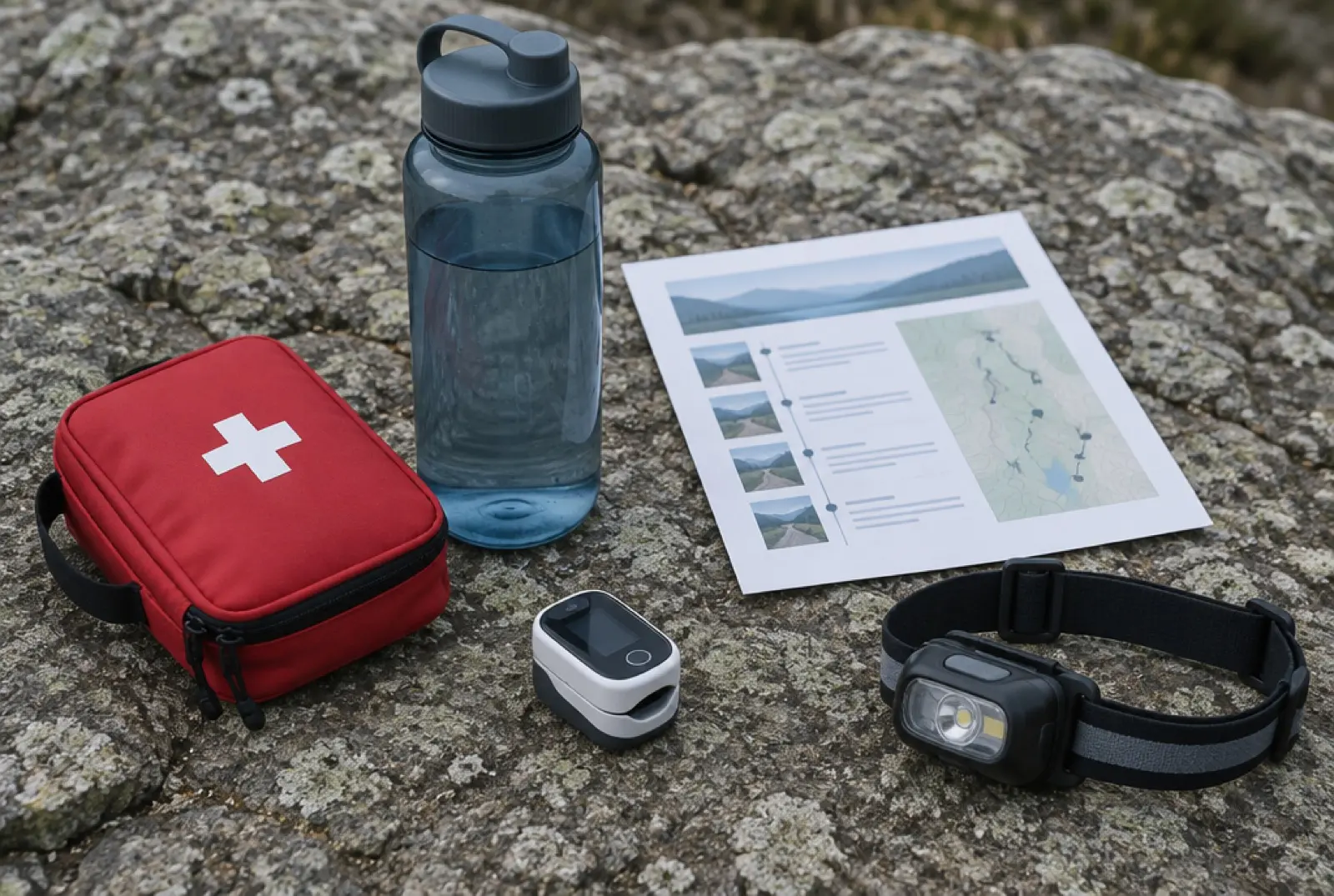
- Current elevations of your actual beds, from the property listing or a map.
- Road and pass status, bus times and flight schedules for the dates you travel.
- The advice of a travel-medicine clinic, particularly if you have heart, lung or blood conditions, are pregnant or travel with children.
- Insurance that covers evacuation from altitude, and the limits on the height it covers.
- Whether your tour or lodge has oxygen and a descent plan.
Skip this approach if you have a medical condition and your doctor has told you not to go high. For you, a lower route is the plan.
Where to go next
For a worked example, the Arequipa and Colca Canyon guide walks through transfers, altitude and trek choices. For a Himalayan example, see Pokhara and the Annapurna region trek logistics. For a lower-altitude overland plan that still needs slack, read Ulaanbaatar and Mongolia overland basics.
FAQ about altitude sickness itinerary planning
How many days do you need to acclimatise?
Most people feel better after 2 to 3 days at the same height, but the exact time varies. Plan at least two rest nights on arrival above 3,000 m and add another rest day every three or four nights as you climb.
At what height does altitude sickness start?
Symptoms can start above about 2,500 m, and the risk rises with height and speed of ascent. Some people feel it lower. Plan as if you could be affected, and track your sleeping elevation from the start.
Should you take medication for altitude?
Ask a doctor or travel clinic before you go. Some prescription drugs are used for prevention or treatment, but none replaces slow ascent and the right response to symptoms. Never use medication to push higher when you already have symptoms.
What should you do if you get altitude sickness on a trip?
Stop going up. Rest, drink and eat lightly, and see whether symptoms ease in a few hours. If they get worse, or you have confusion, loss of balance or breathlessness at rest, descend at once and get medical help.
Is it better to fly or go overland to high places?
Overland is usually gentler, because the height gain is spread out and gives you time to adjust. Flying is faster but puts you high in a few hours. If you fly, plan a rest day and keep the first night low-effort.





