This Mongolia travel guide overland starts with one fact: distances are long and roads are short. A trip outside Ulaanbaatar means hours on tracks, not highways, so you budget days by kilometres of dirt, not by sights. The usable season is roughly June to September. Most visitors hire a driver and vehicle. Below: how to arrive, a road table, six routes with fallbacks, where to sleep, and who should not go.
Getting to Ulaanbaatar and Mongolia
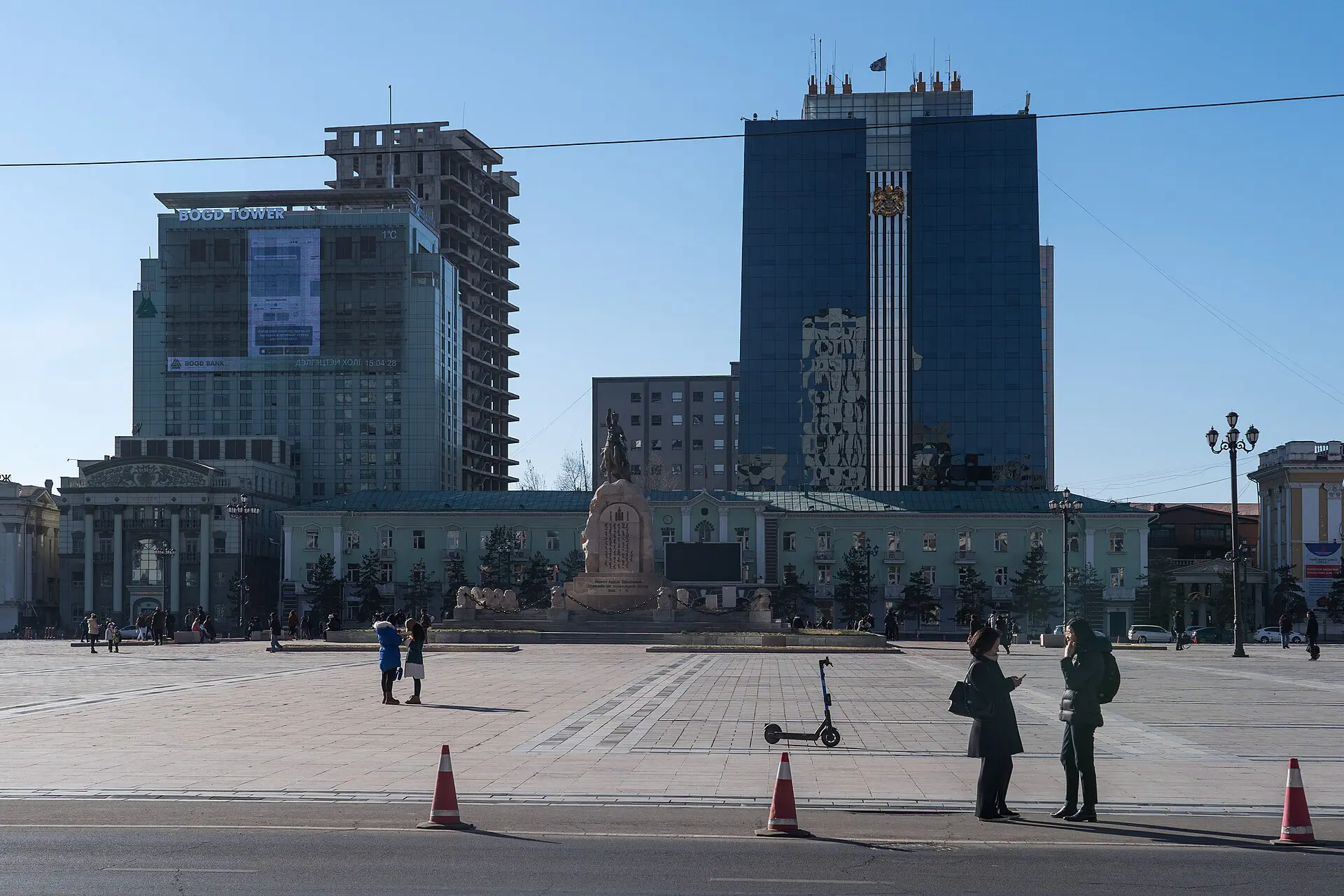
Any Mongolia travel guide overland begins in the capital. Almost every trip starts in Ulaanbaatar (UB), at about 1,300 m in the Tuul River valley. International flights land at the Chinggis Khaan airport, which sits well outside the city; allow 1 to 1.5 hours to the centre, longer in traffic. The Trans-Mongolian train from Beijing and the train from Russia are the slower alternatives, both with border stops that can add hours. Fallback: if a flight is cancelled, train and bus links to China and Russia exist but run on fixed, infrequent schedules, so check them.
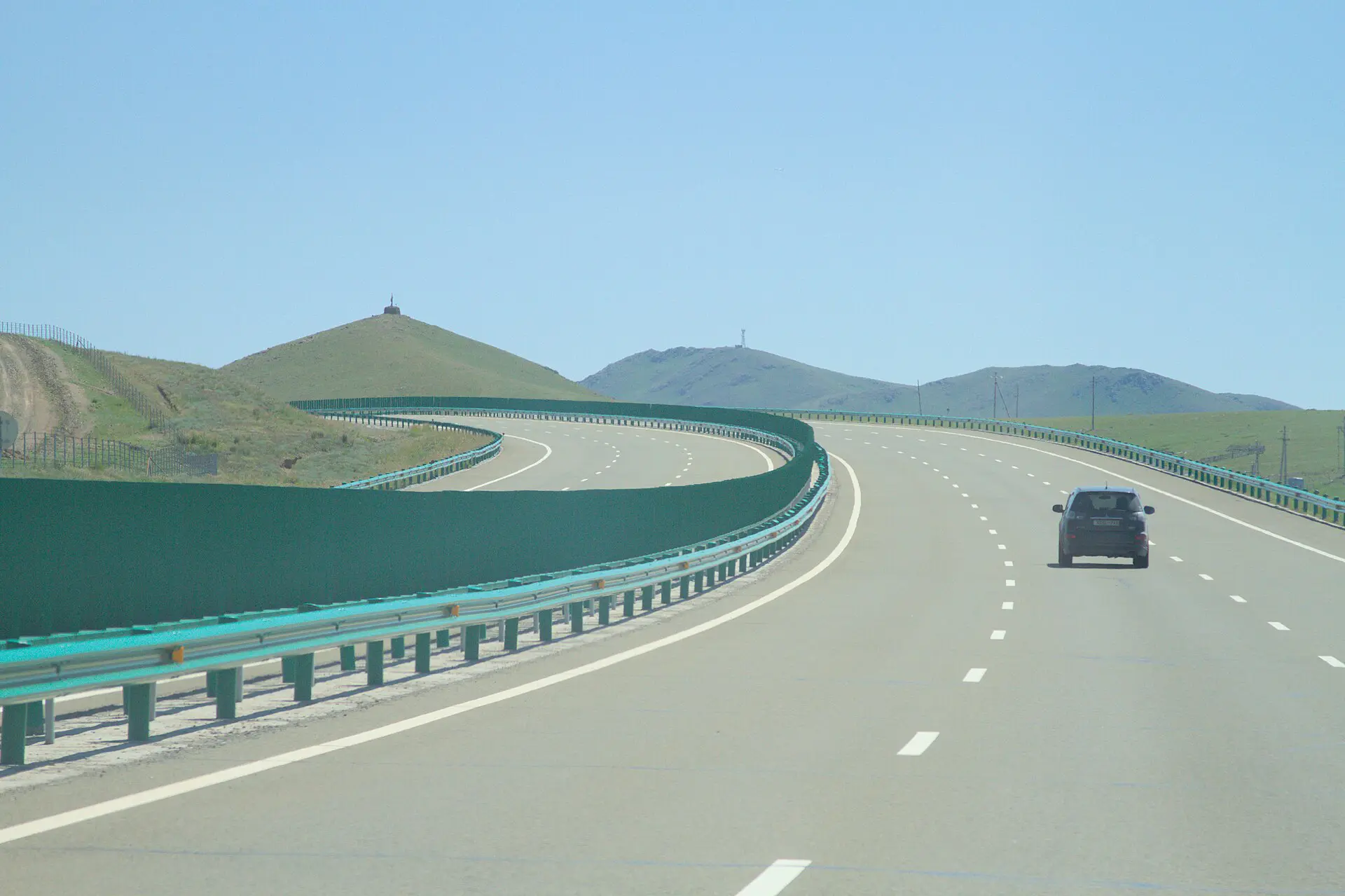
Visa rules for Mongolia have changed several times and differ by passport. Verify the current rule with the official source for your nationality before booking. Also check vehicle rules if you plan to bring your own car, which I would not do on a first trip.
Mongolia travel guide overland: distances and road quality from Ulaanbaatar
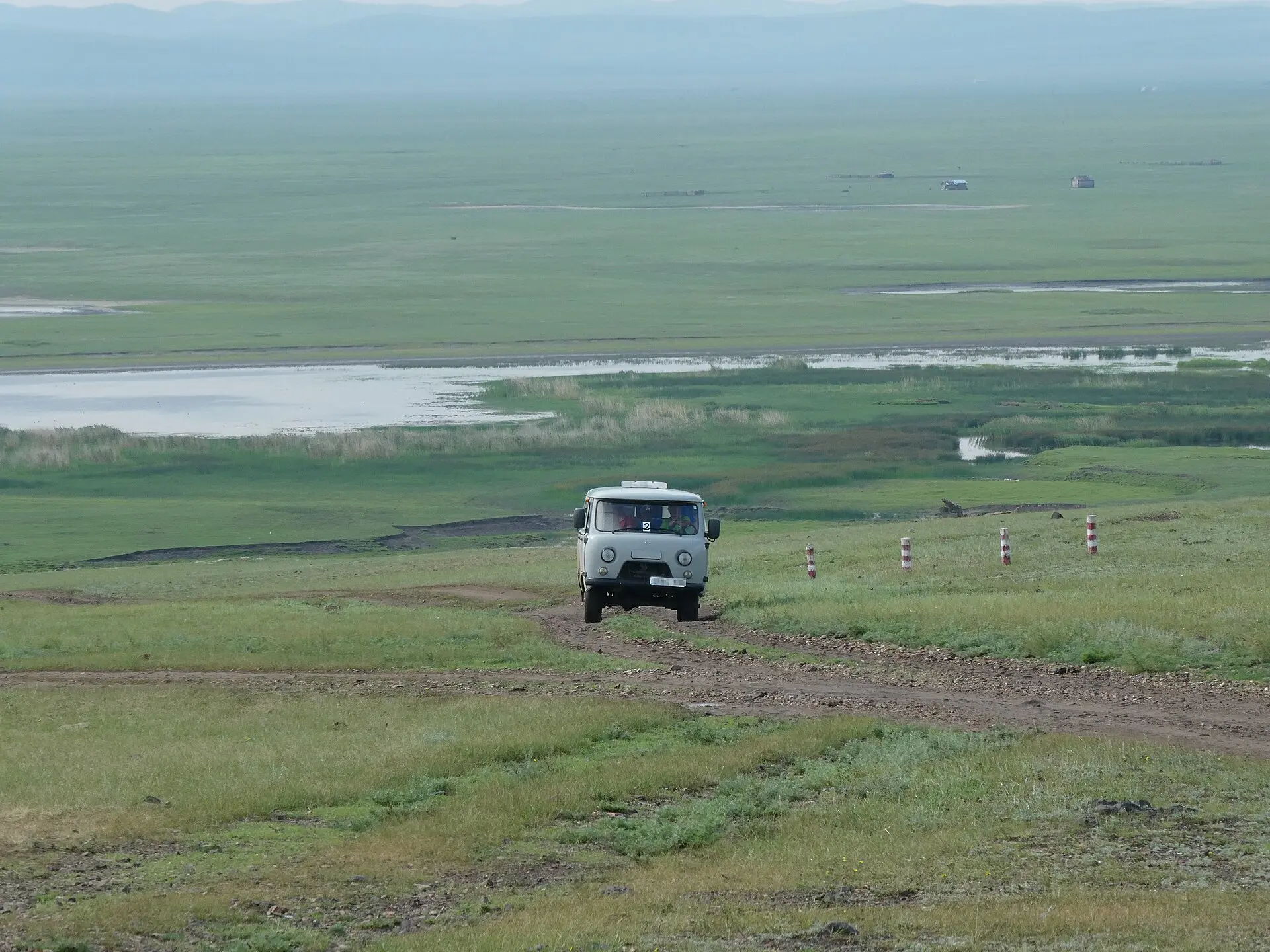
Distances are approximate, measured from Ulaanbaatar. Times assume dry weather and a competent driver. Rain, river crossings and breakdowns add hours.
| Destination | Distance | Typical time | Road | Reliability |
|---|---|---|---|---|
| Gorkhi-Terelj National Park | about 65 km | 1.5 to 2 h | Paved, then a rough track | High; rain makes the track slow |
| Hustai National Park | about 100 km | 2 to 2.5 h | Paved, then gravel | High |
| Kharkhorin (Erdene Zuu) | about 370 km | 6 to 7 h | Mostly paved | High on the main road |
| South Gobi (Dalanzadgad) | about 550 km | 8 to 10 h | Paved in parts, then track | Medium; flights are an option |
| Khuvsgul Lake | about 670 km to Murun, then 100 km more | 12 to 14 h to Murun, 3 to 4 h onward | Paved, then gravel | Medium; mud in July and August |
Road surfaces improve each year, but the table is a guide, not a promise. Ask your driver for the current state of the routes you plan to use.
Six routes from Ulaanbaatar
1. Gorkhi-Terelj National Park
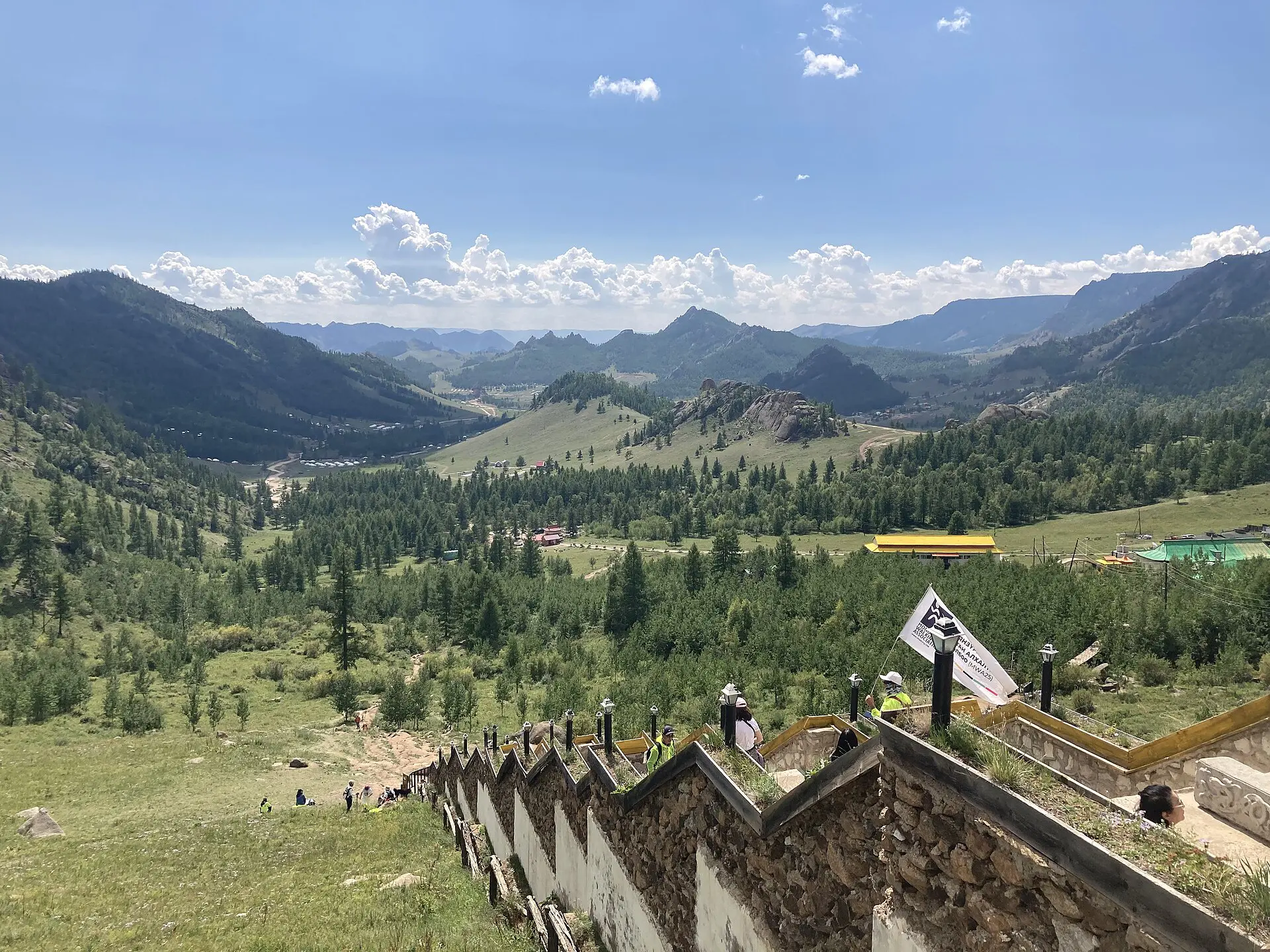
The nearest big landscape: granite outcrops, meadows and ger camps along a river, about 65 km from the city. It works as a one-night trip or a long day. Expect crowds at weekends in summer. Fallback: if rain closes the track, stay a night near Bogd Khan Mountain on the city edge, or visit the Gandan monastery in town.
2. Genghis Khan statue and the eastern steppe
The large equestrian statue at Tsonjin Boldog is about 54 km east of the city, on the road toward Terelj. It is a short half-day stop and combines easily with Terelj. The road is paved. Fallback: if you are short on time, do this alone and return to UB.
3. Hustai National Park
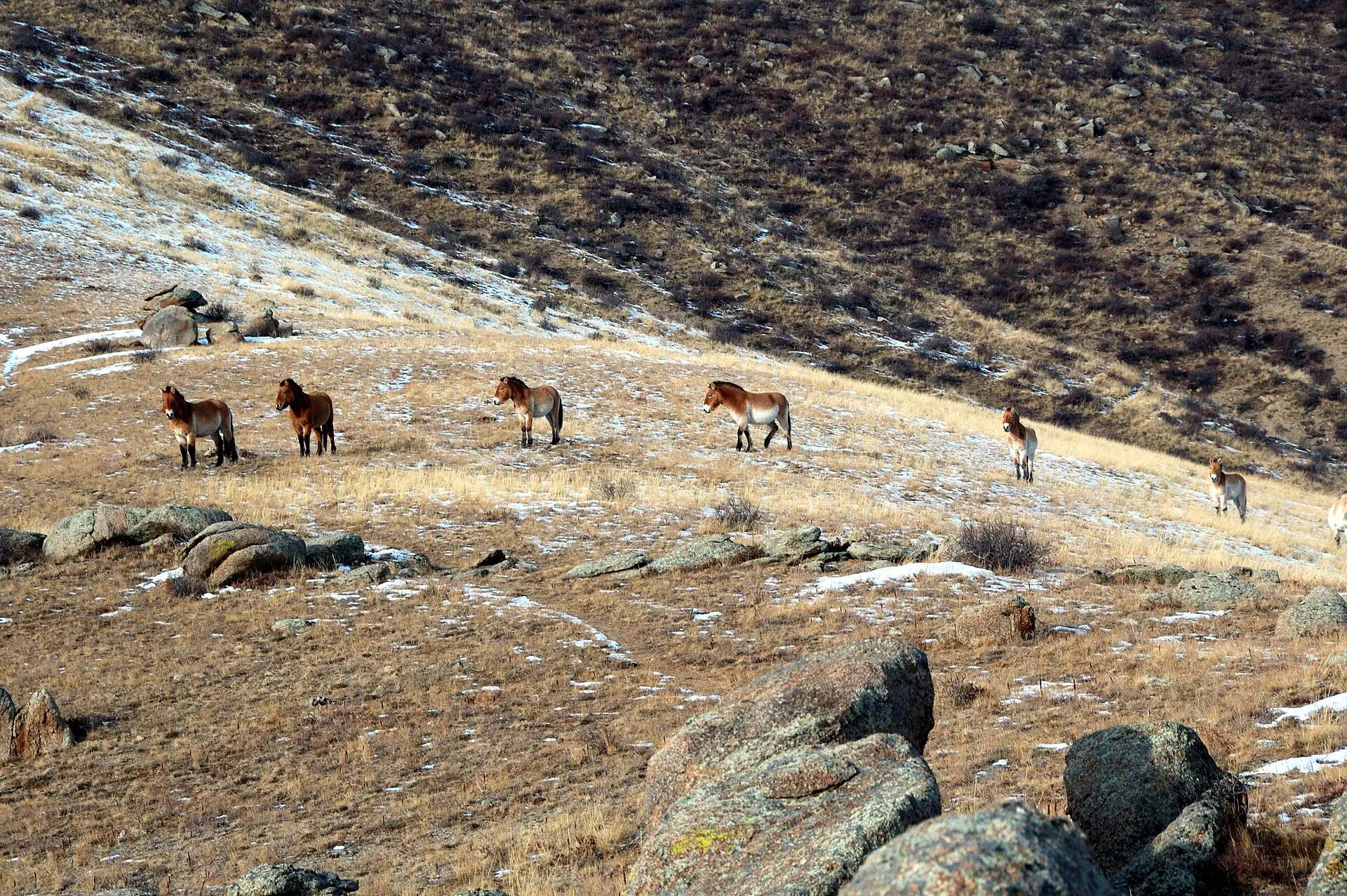
Hustai protects the reintroduced Przewalski’s horse, known in Mongolia as takhi, plus red deer and marmots. The park is about 100 km west and works as an overnight or day trip. Sightings depend on the time of day and the season, so go early or late and do not expect certainty. Fallback: if the horses are far from the viewing areas, the steppe scenery still holds a day.
4. Kharkhorin and the Orkhon Valley
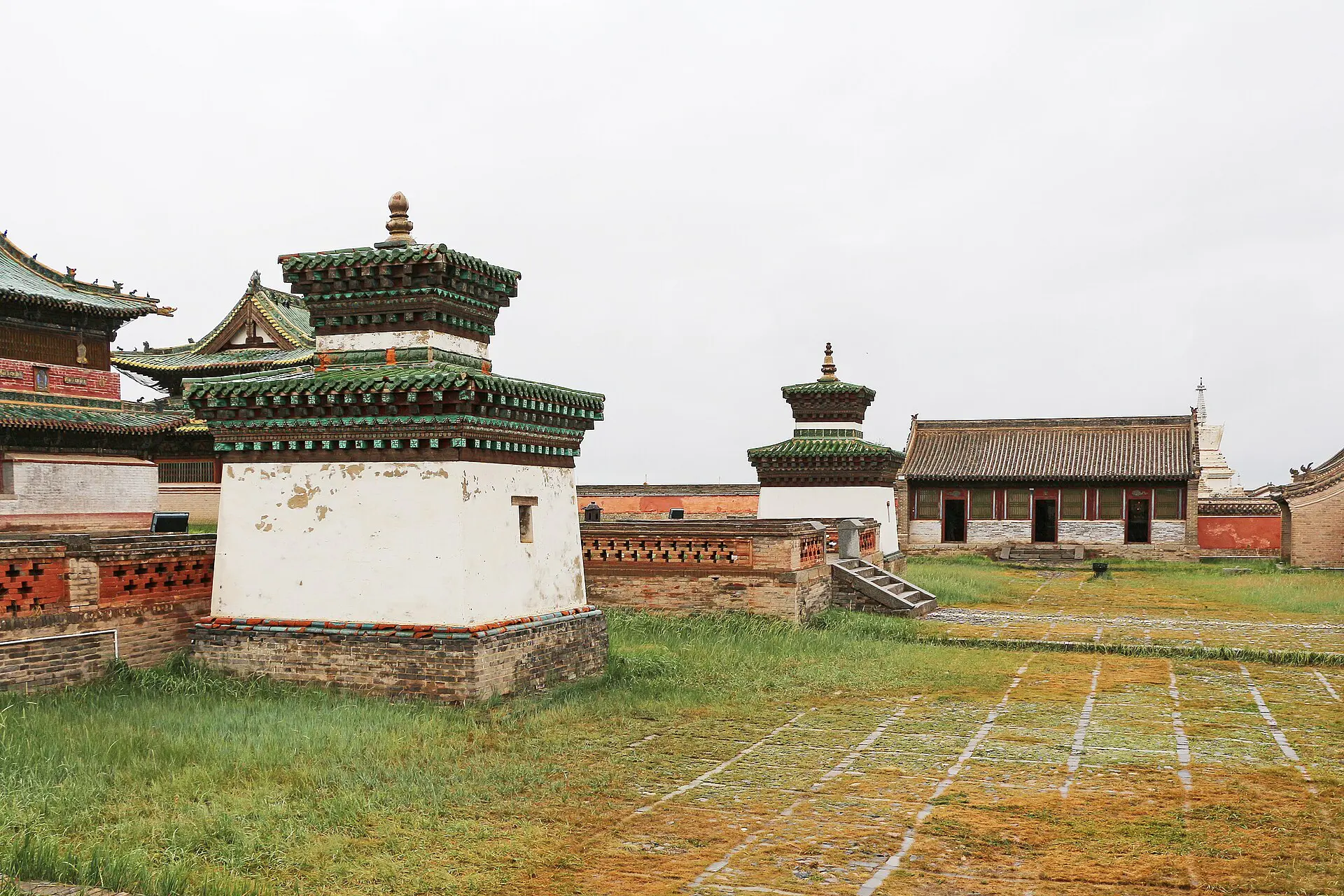
Kharkhorin, about 370 km west, is home to the Erdene Zuu monastery, set on the site of the old Mongol capital. Further on, the Orkhon waterfall and its gorge are a long drive over mixed roads. Plan three days from UB with an overnight at each end. Fallback: if the track to the waterfall is wet, spend the extra day at Kharkhorin and on the paved road back.
5. The Gobi Desert
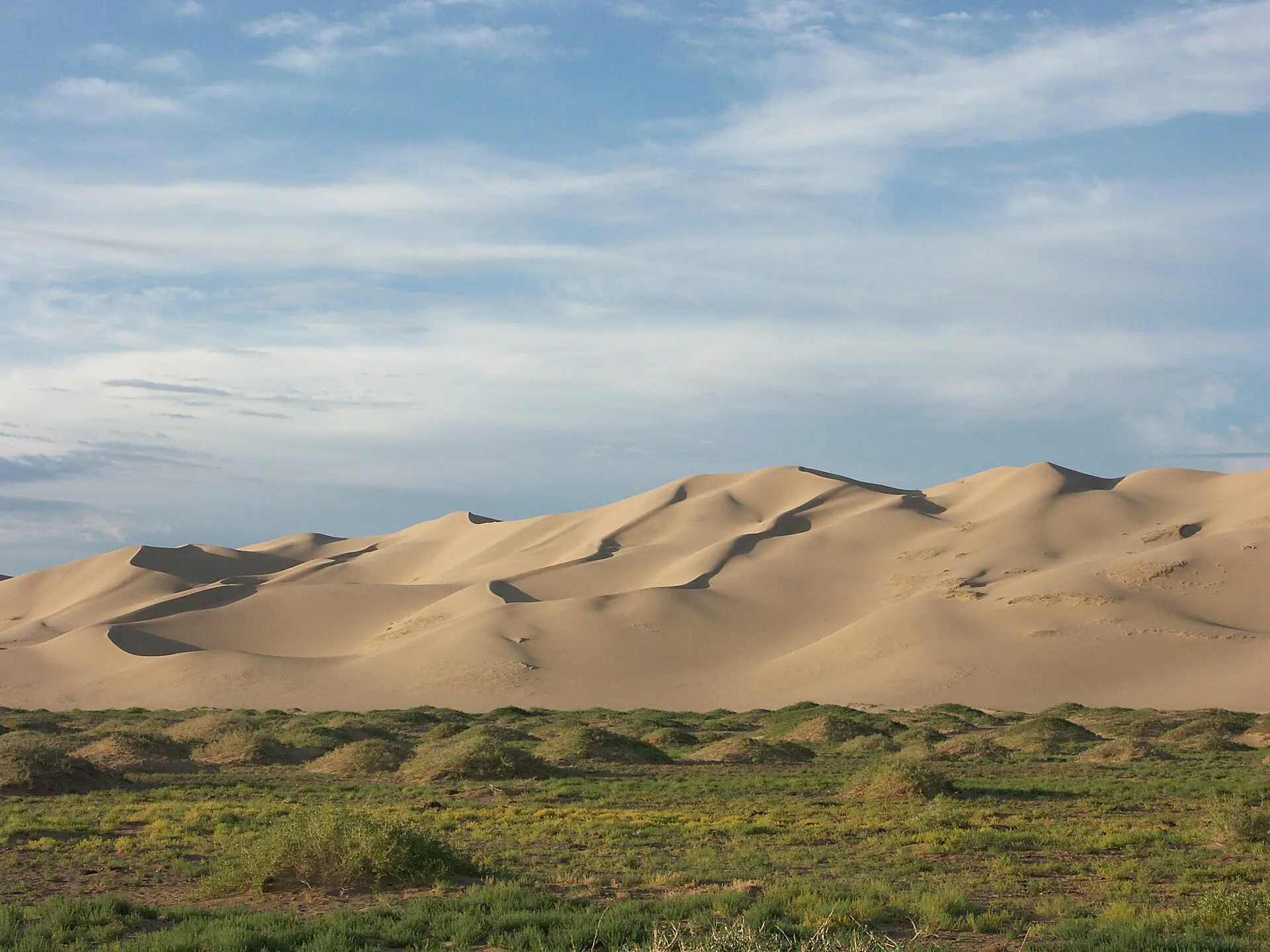
The South Gobi is where distance becomes the main factor. Dalanzadgad is about 550 km away, and sites like Yolyn Am, the Flaming Cliffs and the Khongoryn dunes lie farther on tracks. Plan 6 to 8 days by road, or fly to Dalanzadgad and hire a vehicle there. Summer heat is high and shade is rare. Fallback: if you only have 4 days, fly one way.
6. Lake Khuvsgul in the north
The northern lake is about 670 km from UB to Murun, then roughly 100 km of gravel and track. It is a long drive in summer and a bad one after rain. Domestic flights to Murun exist; check schedules, as weather cancels them. Fallback: if the road or the flight fails, shorten to a trip in the Orkhon region instead.
Best time to go overland from Ulaanbaatar
- June to August: warmest, greenest, and busiest. The Naadam festival in July fills transport and camps; book early. Rain brings mud and swollen rivers.
- September: cooler and often stable, with fewer people. Many camps close around the end of the month.
- October to April: cold to extreme cold, with winter daytime temperatures far below zero and nights worse. Most tourist camps are shut. Only plan a winter trip with proper gear and a driver who knows the roads.
- May: unsettled; some camps open late and the steppe is still brown.
Fallbacks for each Mongolia overland route
Keep a spare day for every 3 to 4 days of travel. Vehicles break down, rivers rise and fuel stops are far apart. Carry at least 10 litres of water per person for a day trip and more for the Gobi, and keep a full tank before leaving a town. If your plan includes a flight, book the flexible fare and accept that weather can move it by a day.
What a driver changes
A hired driver and vehicle turn a navigation problem into a budgeting one. The driver knows which track is passable after rain, handles repairs, speaks the language with families and camps, and knows where fuel is. Most are paid by the day and charge for fuel on top, so agree the daily rate and what it includes. Self-drive is a different category. Tracks are unmarked and rescue is far away, so go with a driver unless you have off-road experience.
Where to sleep outside Ulaanbaatar: ger camps and homestays
Tourist ger camps offer a bed in a round felt tent with a stove, shared toilet blocks, and set meals. They are the default on most routes. Nomad family stays are simpler: floor beds, an outdoor toilet, and little or no running water. In both, nights are cold even in summer, so bring a warm layer and a sleeping bag for family stays. In UB, hotels and guesthouses cover all budgets. Book camps ahead in July and August, and confirm whether they are open if you travel in May or late September.
Skip this Mongolia travel guide overland plan if
- You have fewer than 5 days outside Ulaanbaatar. Gobi and Khuvsgul need more.
- Long vehicle days make you ill. Many days are 6 to 10 hours seated.
- You need guaranteed schedules. Weather and roads decide.
- You plan to travel in the winter without cold-weather gear and a backup place to sleep.
For background, the Ulaanbaatar article on Wikipedia covers the city’s history. Our Ulaanbaatar guide covers the city, and the Mongolia travel guide covers the country.
FAQ about Mongolia travel overland
How many days do you need for Mongolia overland?
Five to seven days covers Terelj, Hustai and Kharkhorin. Add 4 to 6 days for the Gobi, and more for Khuvsgul. Fewer days means choosing one direction and accepting you will not see the rest.
Can you travel in Mongolia without a driver?
You can reach towns by bus or shared minivan, but most sights are far from them. Tracks are not signed, and distances between fuel and help are long. For anything beyond Terelj and Kharkhorin, a driver is the practical choice.
When is the best time to go to Mongolia?
June to September gives the open roads and the camps. July has the Naadam festival and the highest demand. September is a good balance. Winters are extreme, and most tourist infrastructure closes.
Are the roads in Mongolia paved?
Main routes between larger towns are mostly paved, and the network keeps growing. Once you leave them, most roads are tracks that turn to mud in rain. Ask your driver or agency about the current state of each stretch.
What is a ger camp like?
A ger is a round tent with wooden frame and felt walls, with a central stove and several beds. Camps add a dining ger and shared toilets and showers, hot water not guaranteed. Nights can drop close to freezing even in summer, so pack a warm layer.