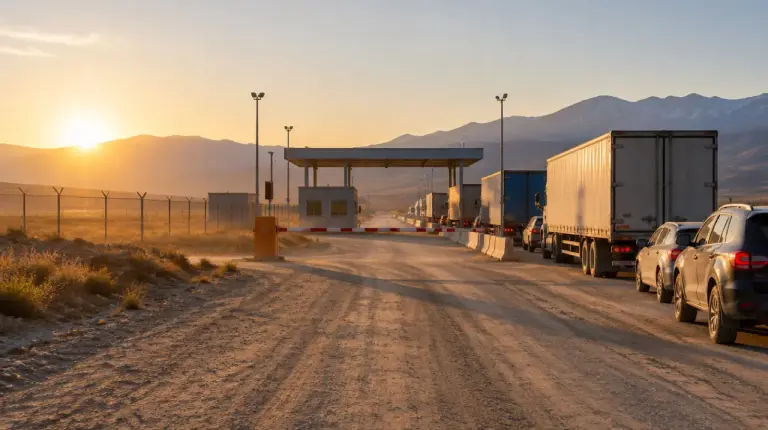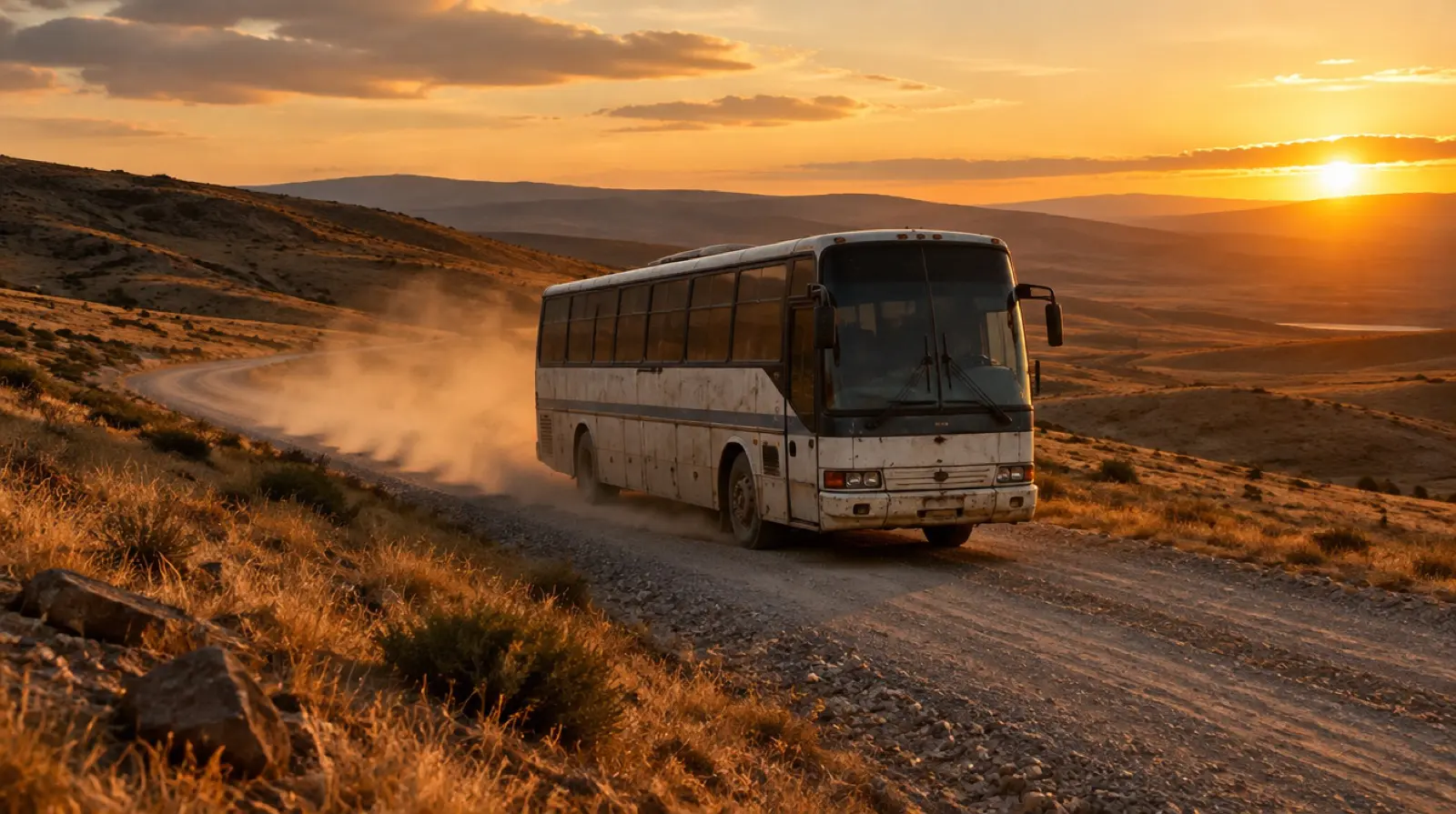
The best long distance bus travel tips are logistical: carry water and food for twice the scheduled time, keep warm layers and your valuables in the cabin with you, pick a seat by road type, and book a day of slack either side. Buses on rough routes run late, not on time. Below: what to prepare, and what to do when the bus does not go.
The short version
- Book the departure, then read the road: surface, passes, border posts, season.
- Pack for double the scheduled time: water, food, a warm layer, light, power.
- Pick the seat by road type and keep your daypack on your lap.
- Plan stops and toilet breaks, and take cash in small notes.
- Write the fallback before you leave: next departure, shared taxi, or a night in town.
Long distance bus travel tips, step by step
1. Read the route before you buy the ticket
A 400 km leg on a sealed highway is a 6 to 8 hour ride. The same distance on gravel or mountain road can take 12 to 20 hours, and a pass or river crossing can add more. Ask the ticket office for the scheduled time, then plan for the longer end. Night departures save a hotel bill but cost you the view of the road and make stops harder to judge. Skip an overnight ride if the road is unsealed and you cannot sleep upright.
2. Carry for double the scheduled time
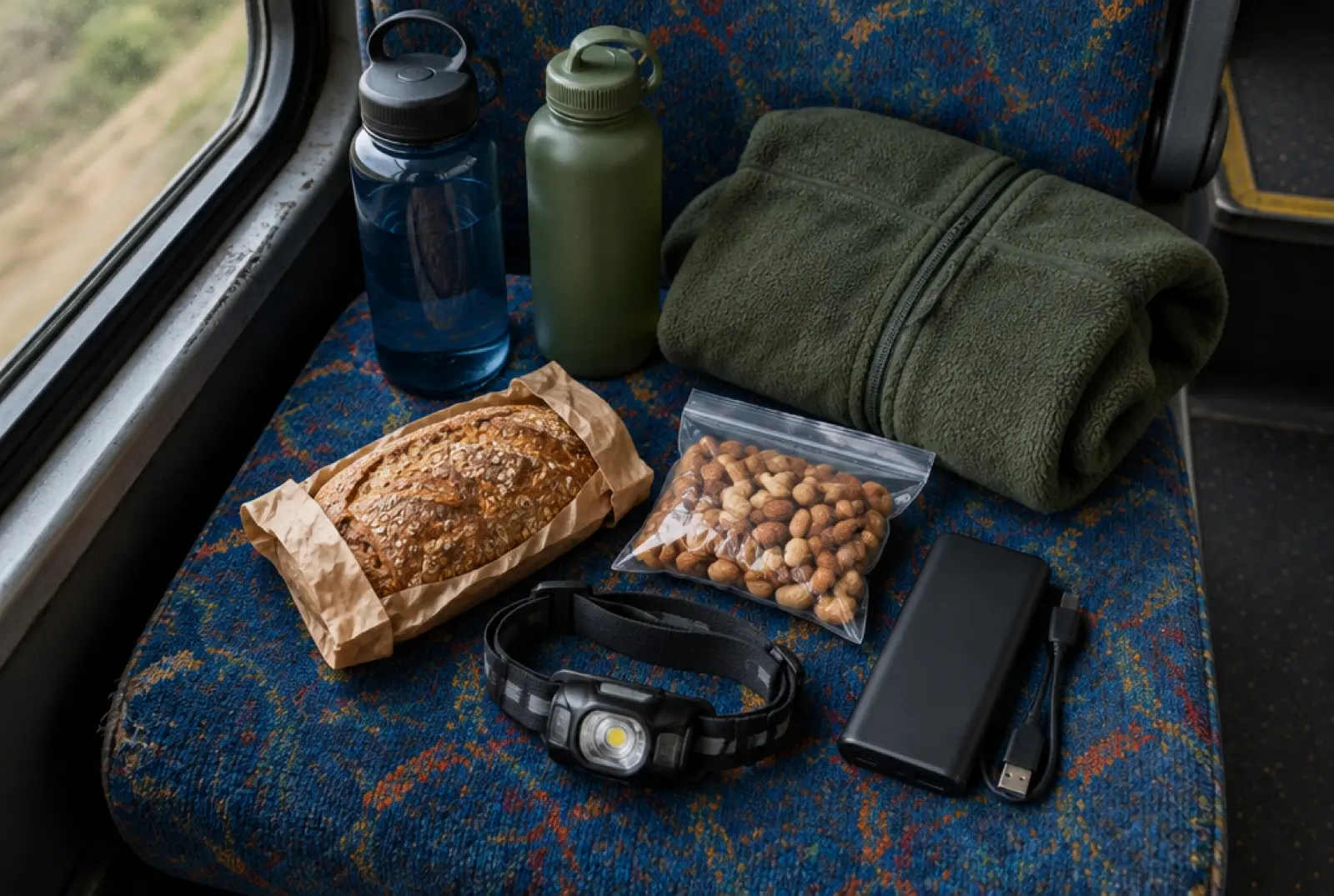
Take at least 2 to 3 litres of water per person for a day ride and more in hot or dry country. Pack food that survives heat: bread, nuts, dried fruit, hard cheese. Add a warm layer even in summer, since night air conditioning and mountain passes are cold. Bring a headlamp, a power bank and tissue or toilet paper. Fallback: if the bus stalls, you are fed and warm for 12 hours past the timetable.
3. Choose the seat for the road
On sealed roads, a window seat on the shaded side helps with sun and gives something to lean on. Over rough or winding roads, the middle of the bus, ahead of the rear wheels, rides gentler and carries less motion sickness; the back row bounces most. Avoid seats beside the toilet. I would take an aisle seat on a short leg and a window on a long one.
4. Keep valuables with you, not in the hold
Use the underbus hold for your main bag and the cabin for passport, phone, money, medication and a charger. Photograph the bag tag, lock zips with a small padlock, and watch the bag loaded and unloaded where you can. On overnight rides, loop a strap from the daypack round your leg or arm. Do not hand a bag to anyone who is not staff. Fallback: carry a photocopy and phone copy of your passport so a theft costs time, not the trip.
5. Plan stops, food and toilets
Rough routes stop every 2 to 4 hours, usually at roadside restaurants, sometimes in the middle of nowhere. Drivers often give the stop length at the last minute, so note the bus colour, number and where you got off. Eat food that is hot and busy, drink only sealed or treated water and carry small notes for toilets and snacks. Limit liquids before a long stretch with no stop; do not stop drinking altogether in heat.
6. Write the fallback before you leave
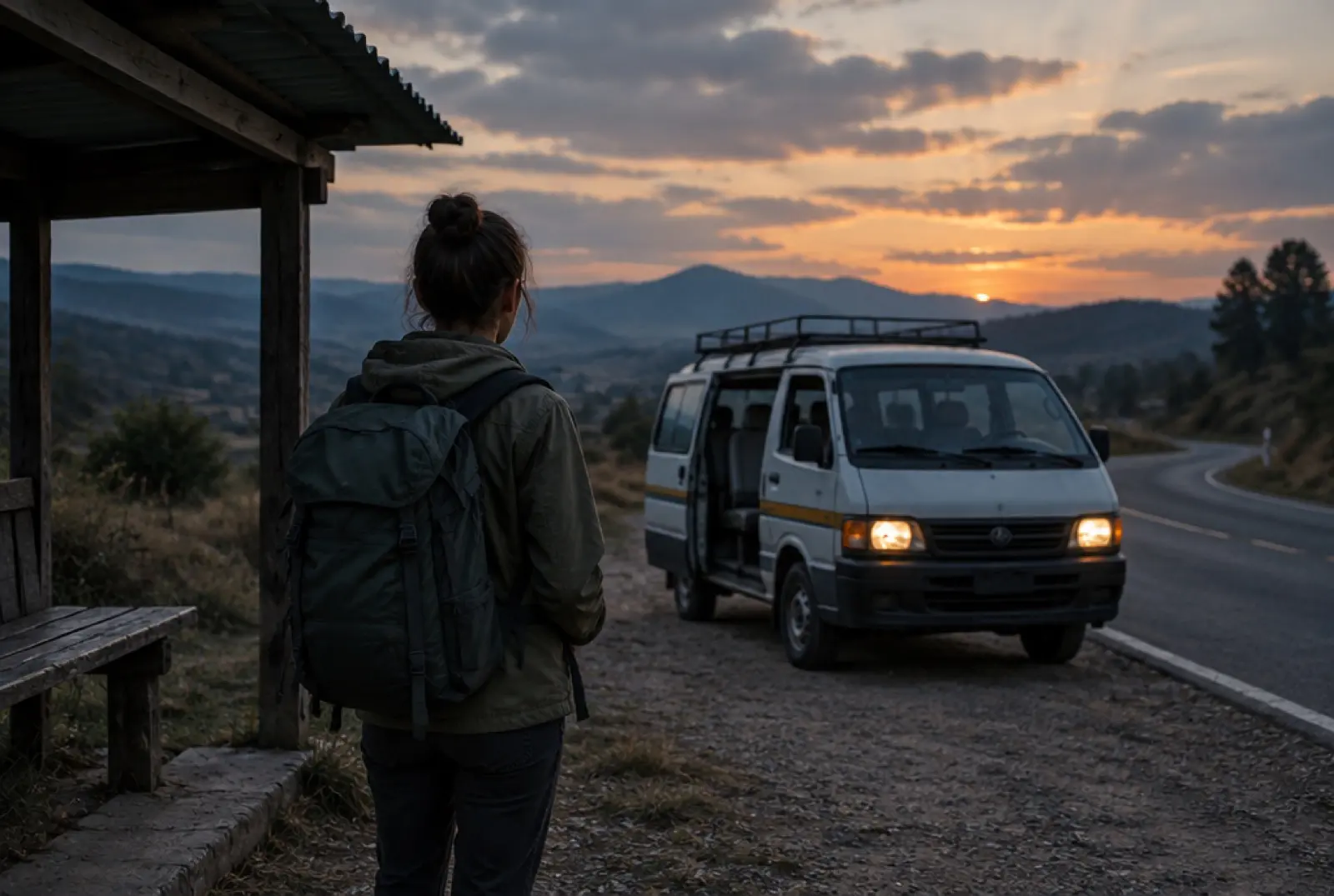
Buses fail through breakdown, landslides, snow, flooding, strikes and low passenger numbers. Before you go, know the next departure, the cost of a shared taxi on the same road, and the nearest place to sleep along the way. Book onward tickets with a day of slack. If the ticket is non-refundable, assume you will lose it and budget accordingly. For a worked example of how distances and road quality shape a plan, see our Mongolia overland guide.
Bus ride planning table
| Road type | Typical speed | Reliability | Buffer to add |
|---|---|---|---|
| Sealed highway | about 50 to 70 km/h average | Fair to good | 1 to 2 hours |
| Mixed sealed and gravel | about 30 to 40 km/h | Variable | 3 to 4 hours |
| Gravel or mountain pass | about 15 to 30 km/h | Weather dependent | Half a day, or a spare day |
| Border crossing on the route | stop of 1 to 4 hours | Hard to predict | Arrive with 2 hours slack |
These are rough planning figures, not timetables. Local conditions beat any table.
Common mistakes on long bus rides
- Booking a tight connection after a bus. Leave a night or a half day.
- Putting the only warm layer in the hold.
- Travelling with a flat phone and no printed or saved address for the arrival point.
- Arriving at a terminal at night with no plan for the last 5 km.
- Skipping the toilet at the last proper stop.
- Trusting a quoted arrival time. Add the buffer yourself.
Skip this approach altogether if the road is closed by weather or unrest in the area: a delayed trip is better than a stranded one. The same buffer logic applies to boats, as explained in our guide to ferry cancellations and weather buffers.
What to verify before you go
- Departure day, time and terminal, directly with the operator or terminal as of your travel date.
- Road and pass status, from local sources and your accommodation.
- Whether the ticket is refundable or changeable.
- Your government’s current travel advice for the region and any border rules.
- Whether the bus has a toilet. Many do not, or it is locked.
FAQ about long distance bus travel
How early should I arrive for a long distance bus?
Aim for 45 to 60 minutes before departure at larger terminals and 20 to 30 at small ones. Buses on rough routes sometimes leave early once full, so do not arrive at the last minute. Confirm the platform and the bus registration with staff.
What should I wear on a long bus ride?
Wear layers: a base layer, a fleece or similar warm layer, and a light shell. Choose loose trousers and closed shoes you can walk in at a muddy stop. Night cabins and mountain passes are often cold, while the same bus can be hot at midday.
How do I sleep on an overnight bus?
Use a neck pillow, earplugs and an eye mask, and keep your daypack strapped on your lap or under your legs. Recline only a little if the person behind you has limited space. Take any motion-sickness measures from advice by a pharmacist or doctor, not from guesswork.
What if the bus does not run?
Ask the terminal for the next departure and whether the route is closed. Then compare a shared taxi, a different route or a night in town. Never pay for a replacement in advance without a receipt. This is why the fallback is part of the plan, not an afterthought.