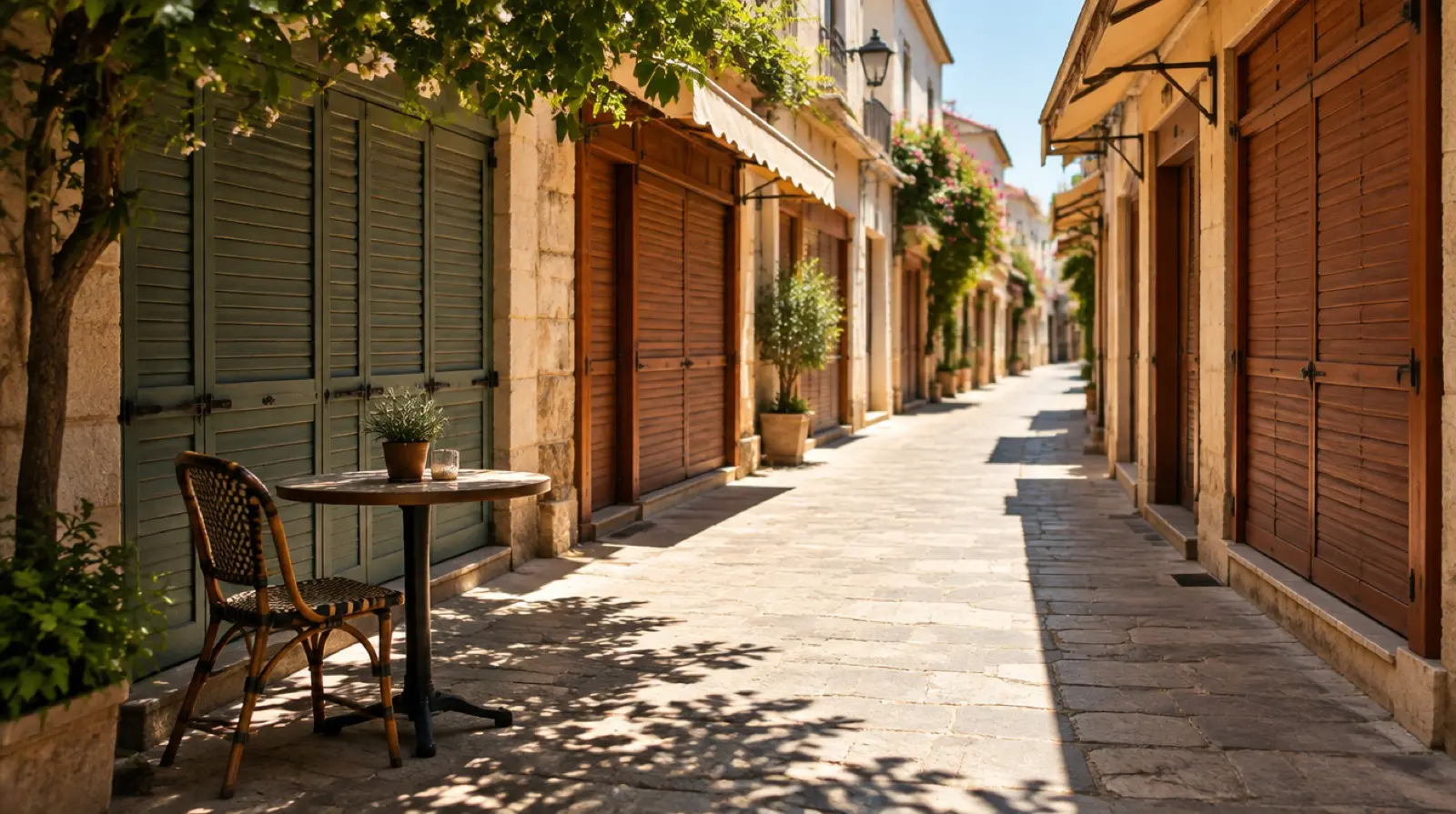
The most useful siesta opening hours tourist tips come down to one rule: in many countries, small shops and some restaurants close for a few hours in the afternoon, then reopen late. Plan culture before and after the break, eat during it, and always check the weekly closing day. If you only have one day, front-load it.
The short version
- Check each stop’s weekly closing day and midday break before you book anything.
- Put museums and big sights in the morning, or after the break reopens.
- Use the shut hours for a long lunch, a walk or a rest rather than a queue.
- Confirm the day before, because hours shift by season and holiday.
Step by step: building a day around the break
1. Learn the regional pattern, then verify it
Midday closures are most associated with Spain, Portugal, Italy, Greece and parts of Latin America, and they are strongest in smaller towns and in hot months. Big-city museums, department stores and chain shops in major centres often stay open all day. Treat this as a pattern, not a rule. A town twenty minutes from a capital can behave quite differently, so verify each stop rather than trusting the country.
2. Block the morning for anchors
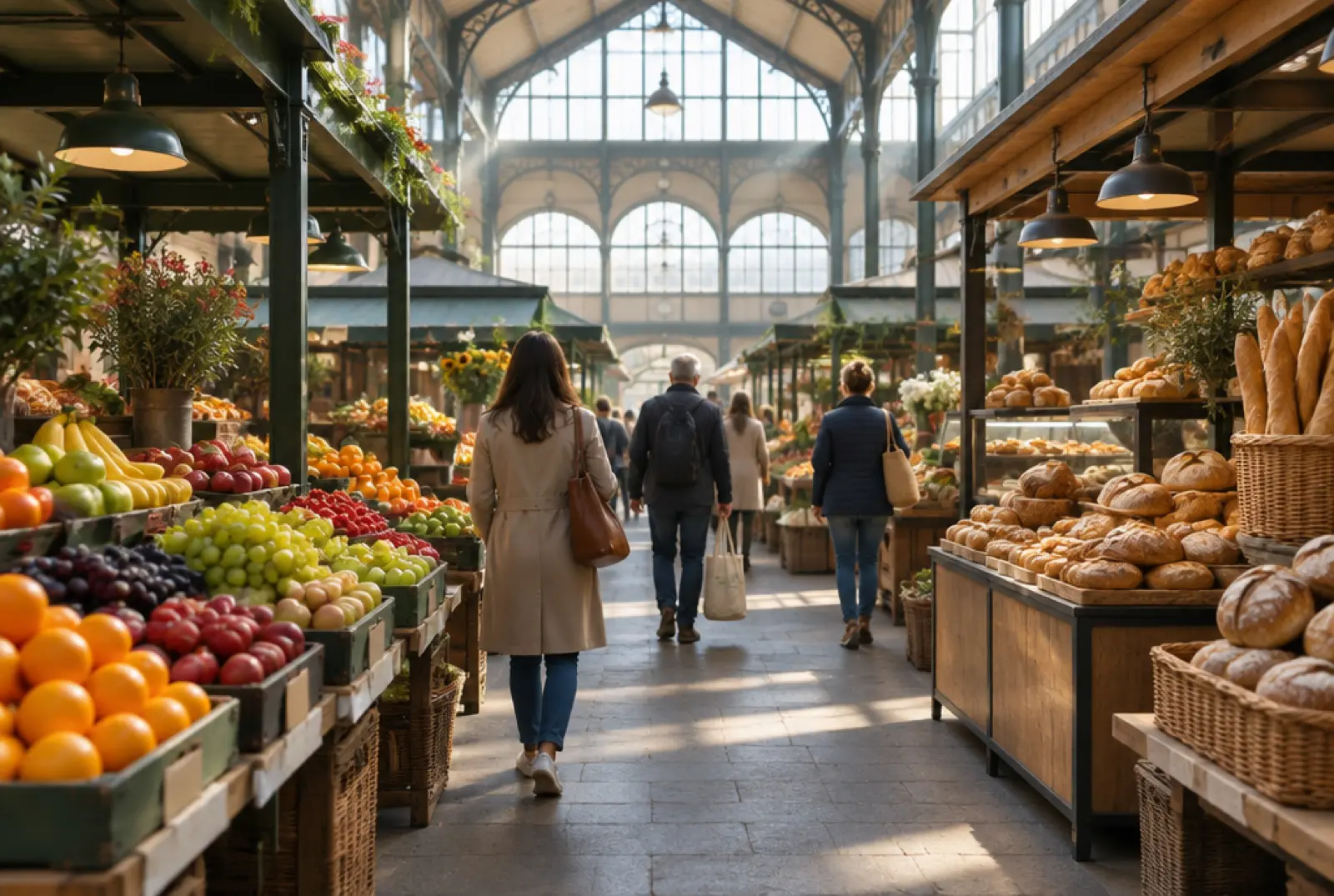
Morning is the safest window for anything with fixed hours: museums, churches, palaces and market halls. Markets in particular tend to wind down by early afternoon, so a food market belongs before lunch, not after. Arrive at opening to beat the first tour groups and shorten the ticket queue. A good morning is one anchor sight plus one market or street scene, finished around midday.
3. Treat the break as your lunch slot
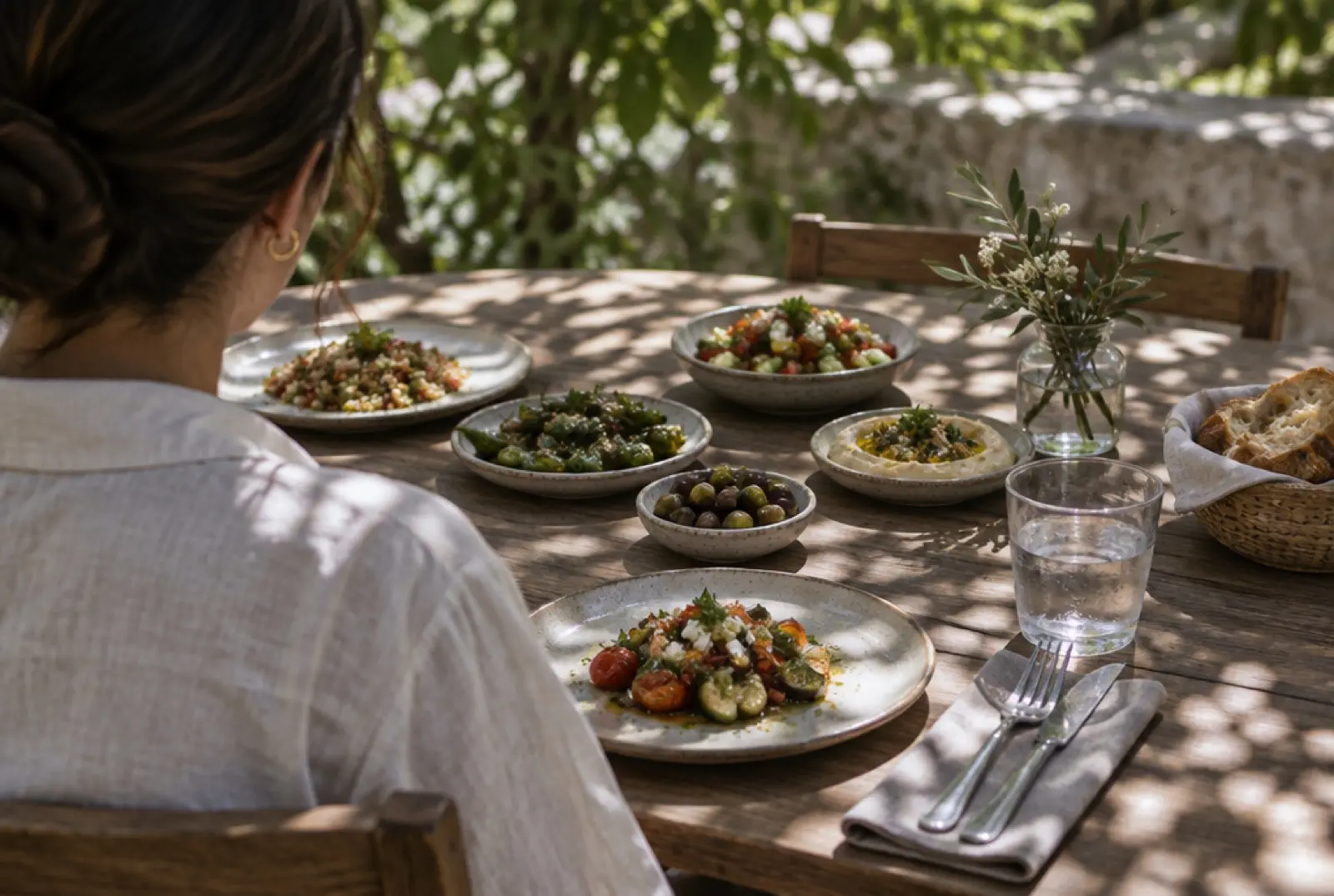
Many kitchens serve lunch later than visitors expect, often from early afternoon, and the local lunch can run long. Use that. Sit down when the shops shut and the streets go quiet, rather than hunting for an open counter. In heat, this is also the sensible time to rest at your accommodation. You lose little, because the shut hours are exactly when you would be queuing for the wrong things.
4. Plan the late opening
Shops and some sights reopen in the late afternoon and stay open into the evening, which is when streets fill again. This is the second culture block: a gallery that opens late, a neighbourhood walk, shopping for anything you need. Dinner often starts later than in northern Europe, so a light snack at five keeps the evening comfortable. Check the reopening time, since it varies between places.
5. Check the closing day first
The weekly closing day matters more than the siesta. Many museums close on Monday, some on Tuesday, and small shops and restaurants may close on Sunday or Monday. Build the order of your days around these gaps, not against them. Our guide to museums closed on Monday covers the pattern in more detail. Put a market or street walk on the day your anchor is shut.
6. Confirm the day before
Hours change with season, public holidays, local festivals and staffing. Check the official website or the venue’s listing the day before, and again in the morning for anything you have planned around. A short call or message to a small venue costs little. For a worked example of a short, time-blocked plan, see Montevideo in 2 days.
A sample day in time blocks
This is the pattern most siesta opening hours tourist tips boil down to. Adjust the times to the town, and verify each stop.
- 9:00 to 12:30: anchor museum or church, then the market hall while stalls are still full.
- 13:00 to 16:00: long lunch, then rest or a slow walk. Do not queue for anything that may be shut.
- 16:30 to 19:30: reopened shops, a late gallery or a neighbourhood walk.
- 20:30 onwards: dinner, which often starts later than you expect.
That gives roughly six hours of culture in a day without a single locked door. If a closing day clashes with your anchor, swap the whole block with the next day rather than squeezing both in.
A quick pattern table
| Place type | Typical midday behaviour | Best use of the time |
|---|---|---|
| Large city museum | Often open through the day | Go at opening or in the last two hours |
| Small-town church or sight | May close for a few hours | Visit in the morning |
| Food market | Winds down by early afternoon | Go before lunch |
| Independent shop | May shut, reopen late afternoon | Shop after the break |
| Restaurant | Lunch can start later and run long | Book a slot during the break |
These are tendencies as of 2026, not guarantees. Individual venues set their own hours, and a short check the day before is worth more than any general rule about siesta in a given country.
Common mistakes
- Arriving at a small sight at one o’clock and finding it shut until the evening.
- Assuming the capital’s all-day pattern applies in the next town.
- Ignoring the weekly closing day because the opening hours looked fine.
- Scheduling a market for the afternoon, when stalls are packing up.
- Skipping lunch during the break, then hunting for food when kitchens are closed.
What to verify before you go
Use the venue’s official website or the local tourist office for current hours, and look for notes on public holidays and seasonal changes. Check whether a ticket needs a timed slot, since that can change your queue plan. For transport that matters to the plan, confirm schedules with the operator. Treat third-party listings as a starting point and the official source as the answer.
FAQ
Do all Spanish shops close for siesta?
No. Large chains and big-city shops often stay open through the day, while smaller independent shops and some restaurants close for a few hours. The pattern is stronger in smaller towns and in hot weather. Check hours for each stop rather than assuming.
Is siesta a real thing for tourists to plan around?
Yes, in some places, but less than the stereotype suggests. It affects small shops, some sights and kitchen times more than major museums. Planning around it is mostly a matter of putting fixed-hours sights in the morning and using the break for lunch.
What time do shops reopen after the break?
It varies by country and town, but late afternoon is typical, often followed by an evening trading period. Reopening times are not standard. Look at the shop’s door sign or official listing, and ask your accommodation if you are unsure.
Should I book timed tickets around the midday break?
If a venue offers timed entry, a morning or late-afternoon slot is usually the safest choice. Booking ahead can shorten queues, but confirm the slot rules and any cancellation terms with the official seller before you pay.