Montevideo in 2 days works as a clean split: the old city and port by day one, the parliament and the long waterfront promenade on day two. The old town is small and walkable, and the Rambla ties the rest together. If you only have one day, do Plaza Independencia, Ciudad Vieja, the port market for lunch and the Rambla at sunset. Check the day of the week first, because Sunday changes the plan.
How to use two days in Montevideo
Montevideo is a cosmopolitan city with a nostalgic touch, and the old town sits on a small peninsula that abuts the bay. The centre of the plan is Ciudad Vieja, with Centro immediately to the east along Avenida 18 de Julio, and the Rambla running along the south coast to Parque Rodó and the beaches.
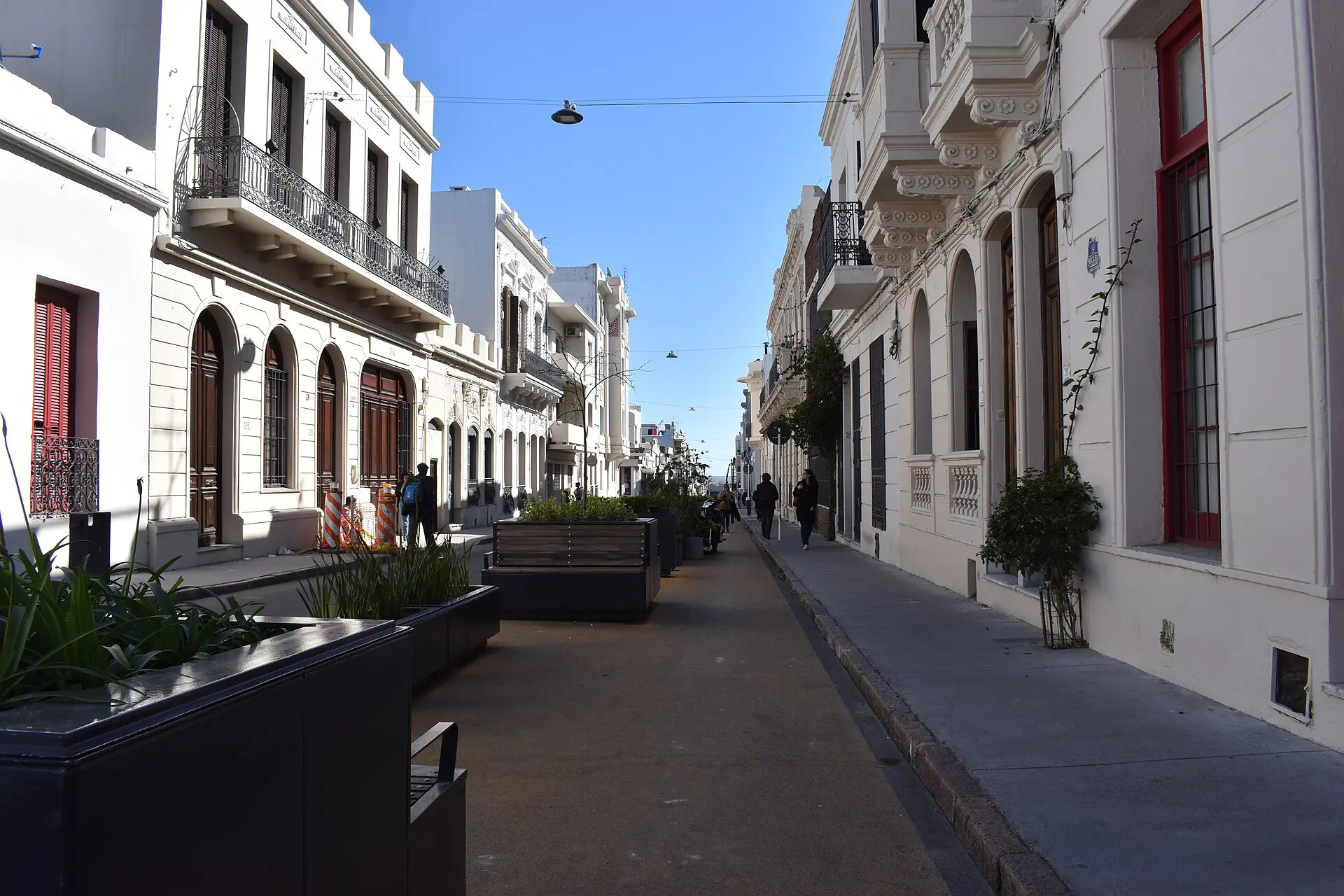
For Montevideo in 2 days, the logic is anchor plus street. In the morning, pair a theatre or museum with the pedestrian street. At lunch, go to the market. In the afternoon, walk the waterfront, when the light is softer and the temperatures drop. Winter can be chilly and windy, so bring a layer even in spring.
Montevideo time-blocked plan: two days
Day 1, 9:00 to 11:00: Plaza Independencia and Teatro Solís
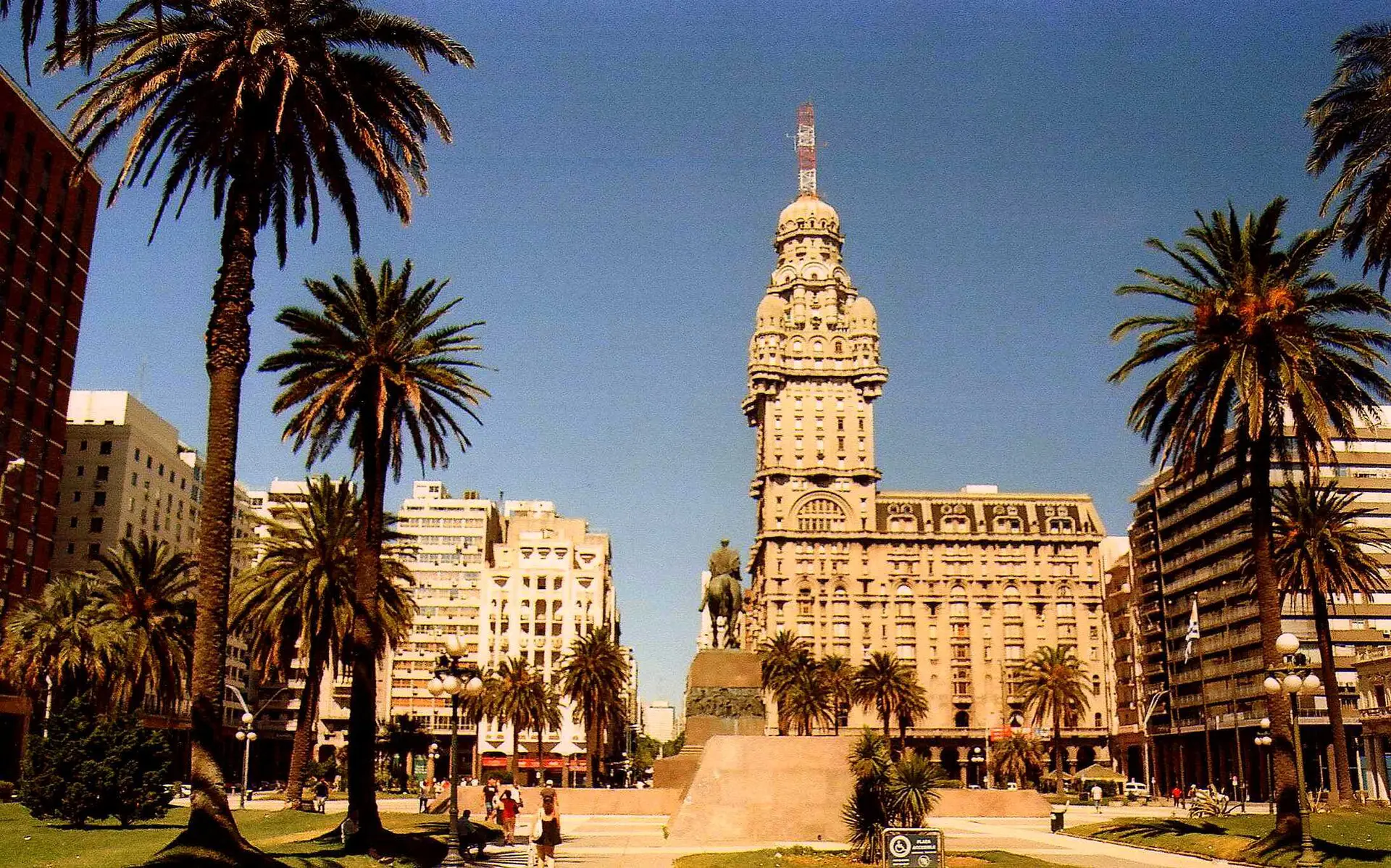
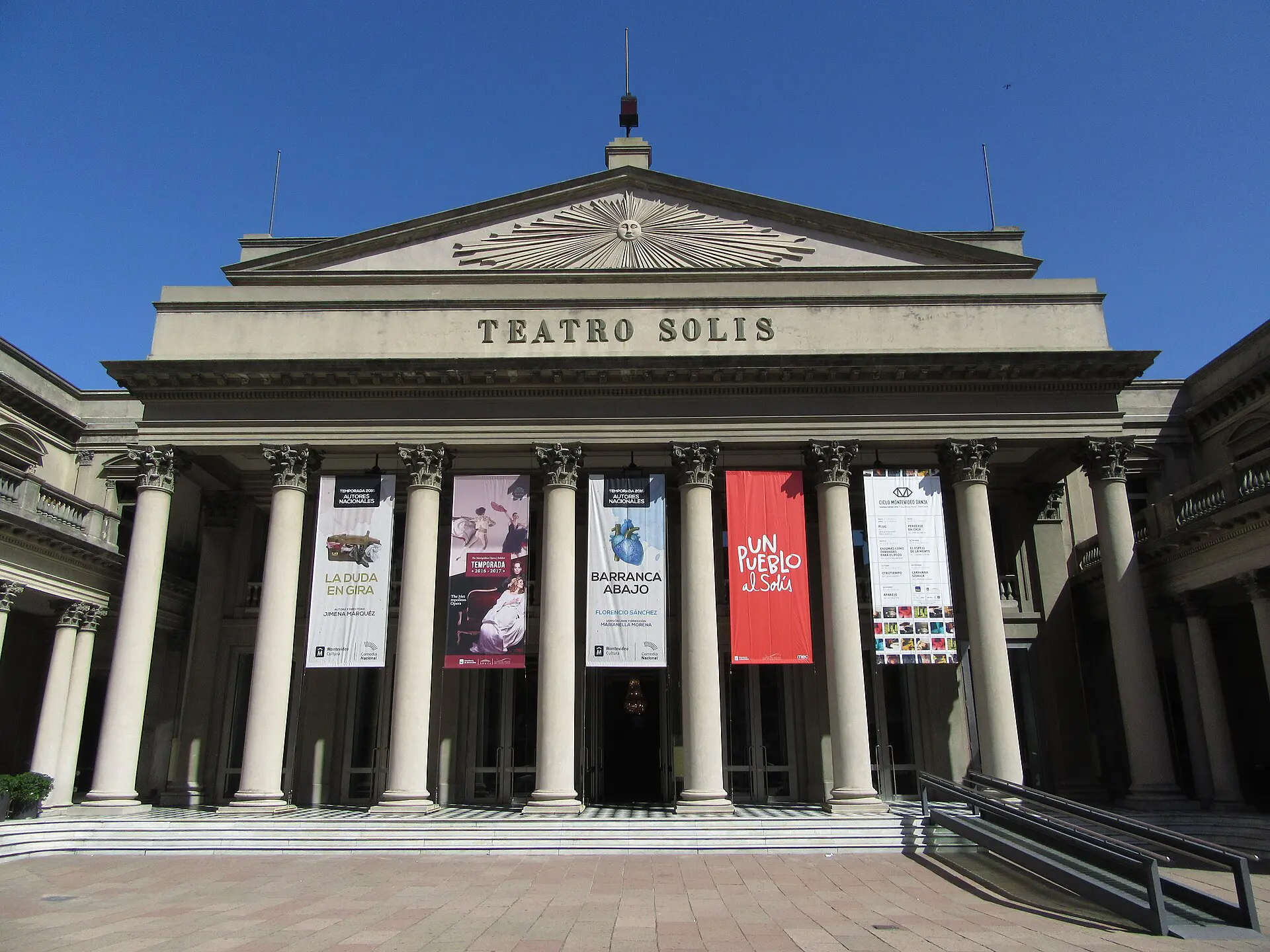
Start at the square, dominated by the Art Deco Palacio Salvo, which is the symbol of the city. The old city gate stands at the edge of the plaza. A few steps away is the Teatro Solís, the grand 19th-century opera house. Guided visits are usually offered, but times change with the programme, so check before you go. Allow two hours.
The plaza is also the seam between the old city and the modern centre, so it is a good place to get your bearings. Look back along Sarandí, and notice how quickly the streets narrow. A coffee at a window table costs little and gives you ten minutes off your feet before the next block.
Day 1, 11:00 to 13:00: Peatonal Sarandí, Plaza Matriz and the Museo Torres García
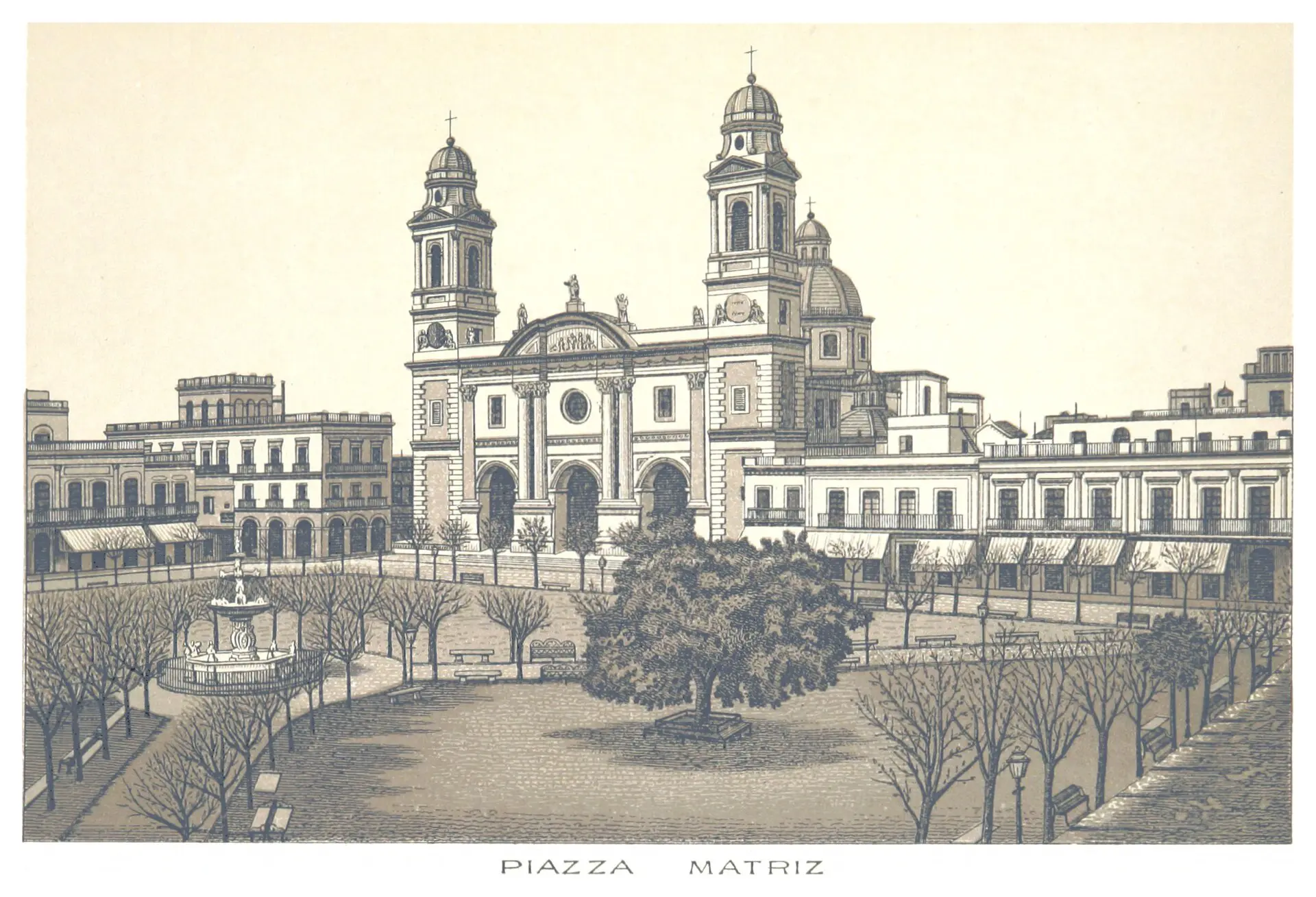
The pedestrian street Sarandí runs through Ciudad Vieja. Walk it west, with the Museo Torres García on the way, which is dedicated to the Uruguayan modernist Joaquín Torres García. It is the compact art anchor of the trip, and 45 to 60 minutes is enough. The Museo del Carnaval, nearby, is a fair swap if Torres García is closed, subject to current opening days. Finish at Plaza Constitución, the Plaza Matriz, with the old Cabildo, the former city hall, beside it.
Day 1, 13:00 to 15:00: Mercado del Puerto
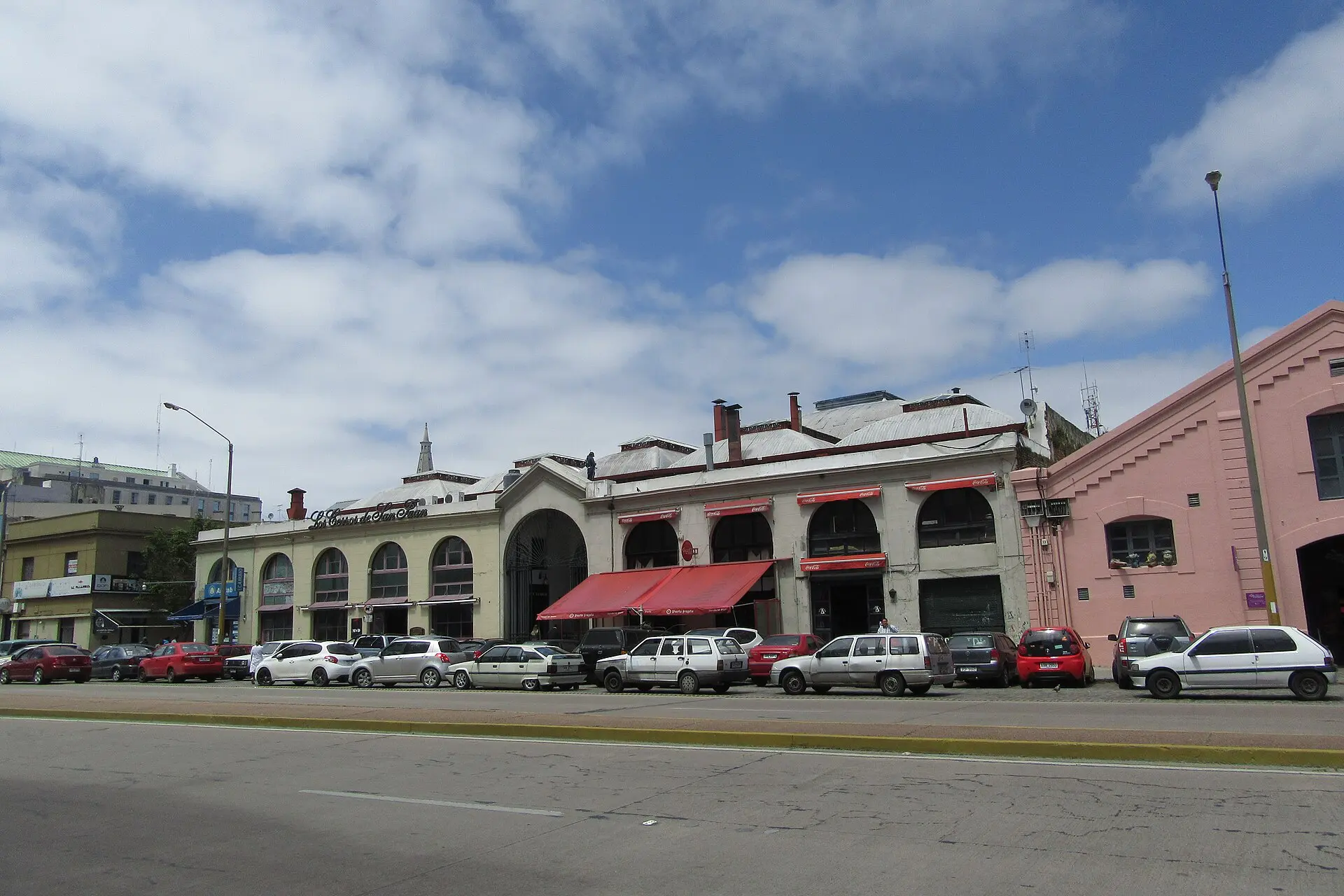
The old port market is a 19th-century iron hall full of grill restaurants, and it is the lunch stop. Go at 12:45 or after 14:00, because the hall is at its loudest at 13:30. Grilled meat is the draw, and the benches fill with locals and visitors alike. Prices are not displayed everywhere, so ask before you order. The surrounding streets have craft stalls.
After lunch, a slow walk through the port streets is the right pace. The area is busiest at midday and quiet after about 17:00, when most visitors leave, so do not linger here after dark. Head back toward Plaza Independencia and take a taxi if the light is going.
Day 1, 16:00 to 19:00: Barrio Sur and the Rambla at golden hour
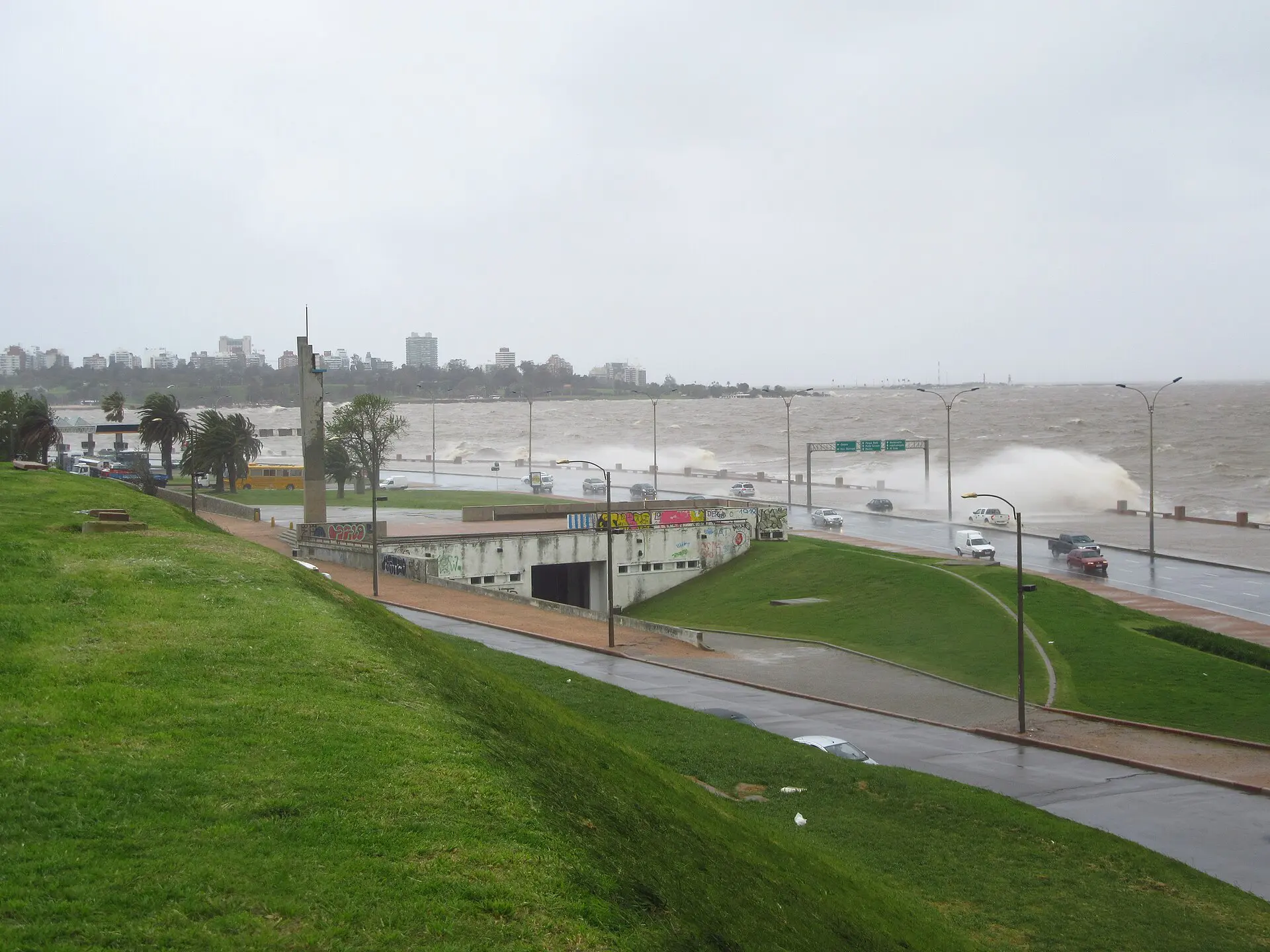
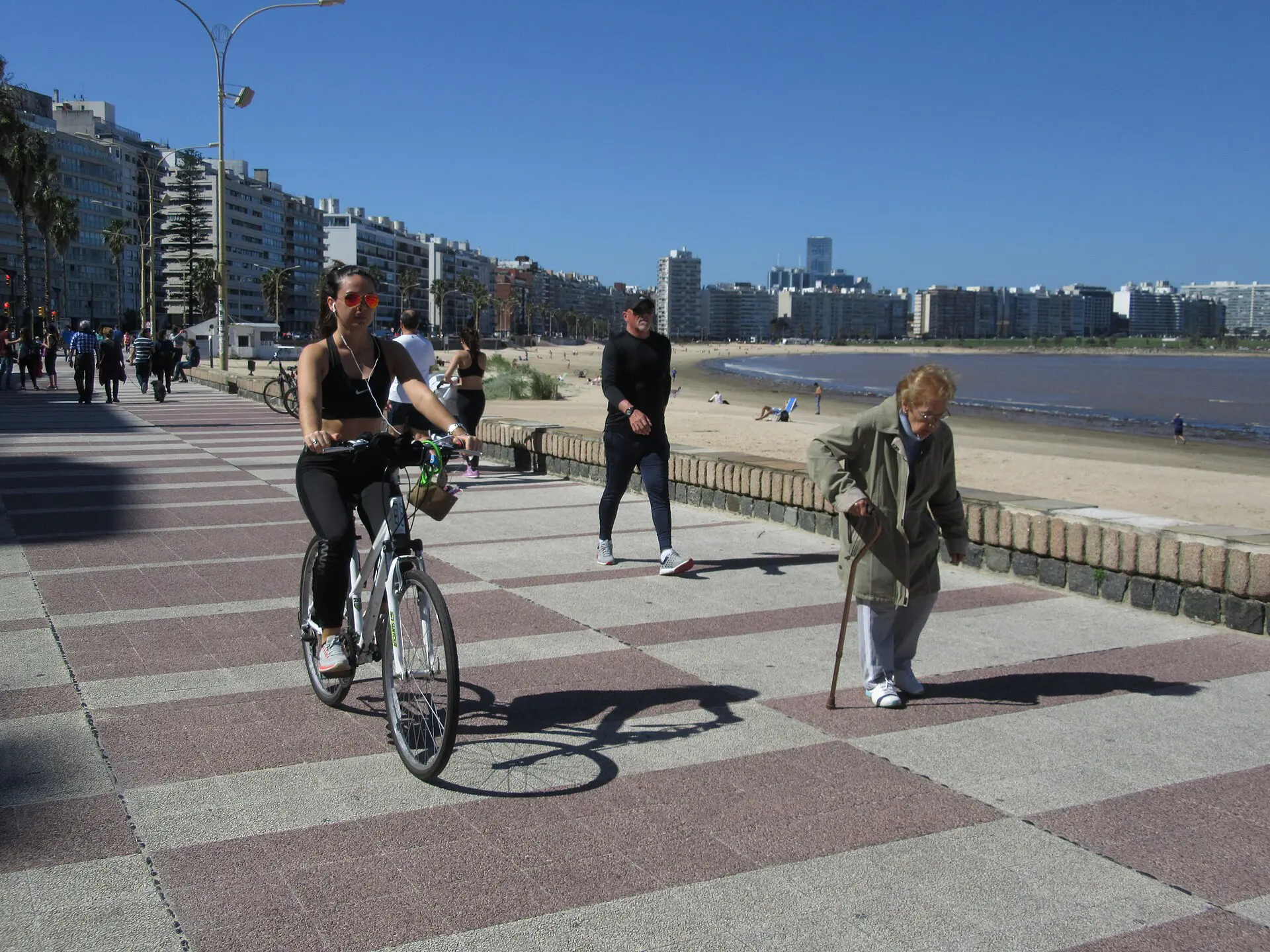
Walk south and east to Barrio Sur, the district linked to candombe and Afro-Uruguayan culture, then step out onto the Rambla, the seaside promenade. This is where Montevideans walk with a thermos of hot water for mate, and the sunset over the water is the free show. The distance to Parque Rodó is a long walk, so go as far as you like and then take a bus or taxi back.
This is the unhurried block of the plan, and it is the one to protect if you are tempted to add a museum. Montevideo is a city to be walked slowly, and the water is the best thing in it at the end of the day.
Day 2, 9:30 to 12:30: Avenida 18 de Julio and the Palacio Legislativo
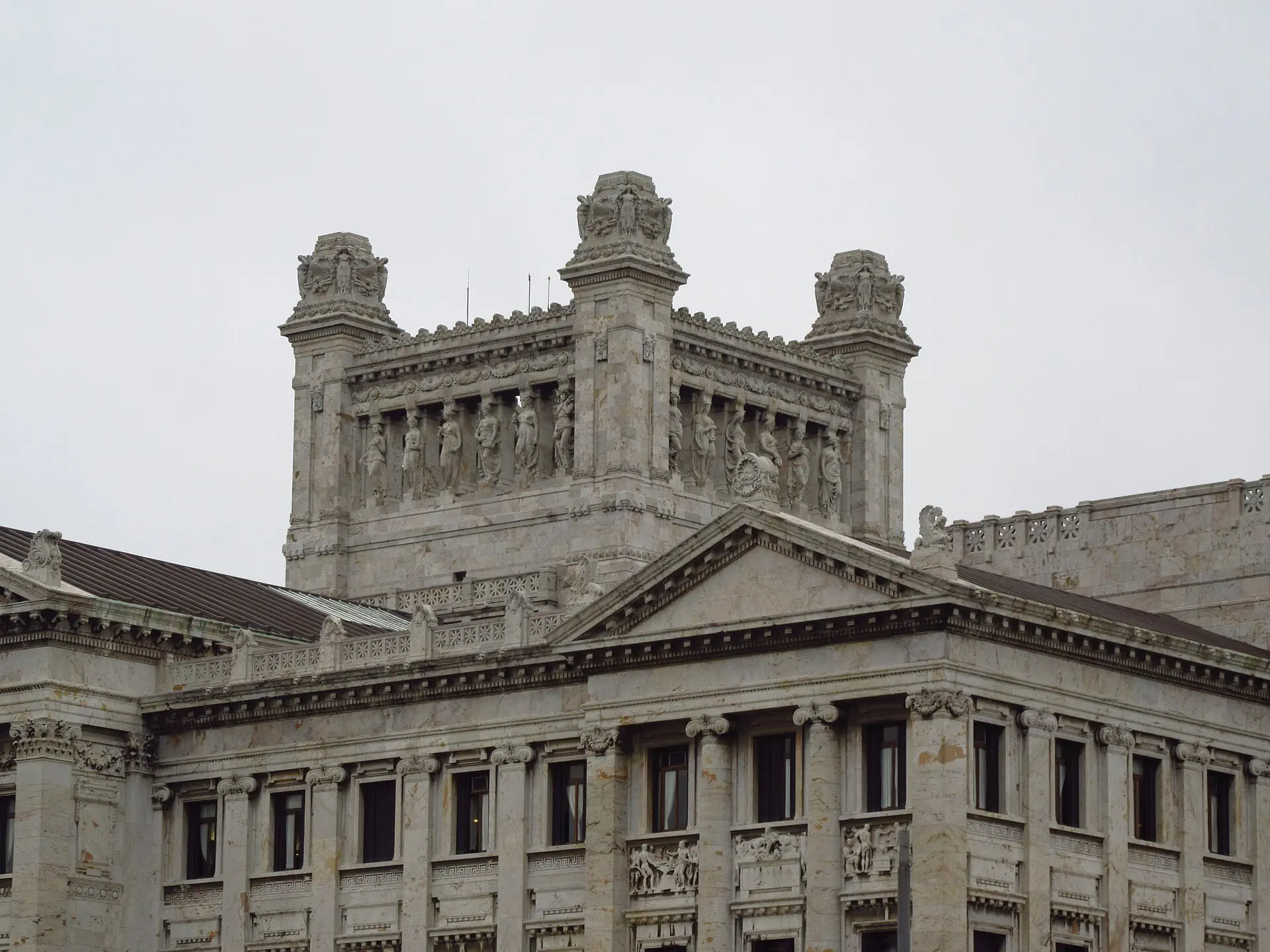
Walk Centro along 18 de Julio, the main avenue, toward the neoclassical Palacio Legislativo in La Aguada. Guided visits of the parliament are normally offered on set days, and photo ID is often requested, so check the arrangements. If the parliament is shut, spend the block on the avenue’s old cinemas and cafés. Sunday is the risk: many offices and museums are closed.
The avenue is lined with 20th-century buildings, from Art Deco to modernist, and it makes a good architectural walk when you have no ticket to queue for. Allow three hours with stops. If you reach the parliament at midday and the tour is full, ask about the next slot and walk to the park nearby while you wait.
Day 2, 13:00 to 18:00: Tristán Narvaja market, or Parque Rodó and Pocitos
On a Sunday morning, the street market of Tristán Narvaja is the best use of time, with books, antiques and food, in the district of Cordón near Centro. On other days, take the Rambla toward Parque Rodó and the beach at Pocitos, about 3 km southeast of the centre. Sit on the sand in summer. In winter, walk the promenade in the afternoon sun.
Montevideo queue-avoidance timing and closure watch
Montevideo is not a city of long queues, but the timing still matters. Sundays and Mondays are the days when small museums and some shops are shut, and the old town can feel empty at weekends. Confirm hours the day before, and have a fallback plan: the Rambla and the port market work when museums do not.
- Teatro Solís: book a guided slot, or visit on a day with no rehearsal.
- Mercado del Puerto: avoid 13:30 to 14:00.
- Rambla: weekday evenings are calm, and weekend afternoons are busy.
Getting around Montevideo
Ciudad Vieja and Centro are on foot. For the Rambla and Pocitos, use a bus or a taxi. The intercity bus terminal is at Tres Cruces, at the far end of Avenida 18 de Julio, and the airport lies east along Avenida Italia. Montevideo’s pavements can have loose tiles that hide puddles after rain, so watch your step. See the Montevideo guide and the Uruguay travel guide for planning.
Where to stay in Montevideo by area
- Ciudad Vieja: best for the first morning and the port. It is quiet at night and on Sundays.
- Centro: close to 18 de Julio, with more services and more evening life.
- Pocitos: a residential beach district about 3 km out, good for the Rambla and a slower pace, with a bus or taxi to the old town.
What to skip in Montevideo if you are short on time
If your Montevideo in 2 days shrinks to one, skip the parliament visit and the beach. I would also skip Pocitos in winter. Keep Plaza Independencia, the Teatro Solís, the market and the Rambla. See also Wikivoyage Montevideo.
FAQ about Montevideo in 2 days
Is 2 days enough for Montevideo?
Yes. Two days cover the old city, the port market, the main avenue, the parliament and a long stretch of the Rambla. A third day only makes sense for the beaches, the neighbourhood museums or a trip out of the city.
What is closed on Sundays in Montevideo?
Many small museums, offices and shops are closed or have short hours on Sundays, and Ciudad Vieja can feel empty. The Rambla, the port market and the Tristán Narvaja street market are the reliable options. Check hours the day before.
Is Montevideo walkable?
The old town and Centro are walkable, with flat streets and short distances. The Rambla is long, so combine walking with a bus or taxi. Watch for loose tiles after rain, and wear flat shoes.
What is the best time to visit Montevideo?
Summer, from December to February, is warm, with beach weather. Spring and autumn are comfortable for walking. Winter is chilly and windy, with high humidity, which suits museums and cafés more than the waterfront. Pack a windproof layer.