The most useful overland border crossing tips are simple: arrive in the morning with every document in paper form, check the entry rules with an official source before you leave, and have a place to sleep on the near side if the crossing is shut. Most failed crossings come down to paperwork, timing or a closed office.
The short version
- Confirm entry rules, visa type and the exact crossing you will use with an official source.
- Carry a document set in paper and digital form, plus passport photos and small notes in local currency.
- Reach the border in the morning, with daylight left to find a bed if the crossing fails.
- Treat each step in order: exit stamp, then entry stamp, then any vehicle or health check.
- Keep a fallback: a town on the near side, a second crossing or a flight.
Overland border crossing tips, step by step
1. Check that this crossing is open to you
Not every border post accepts foreigners, and some open only on certain days or for certain vehicles. Check the exact crossing name with the foreign ministry or border authority of both countries. Rules about e-visas, visas on arrival and onward-travel proof change often. As of 2026, check again within a week of travel. If sources disagree, assume the stricter one applies until an official page says otherwise.
2. Build a document checklist
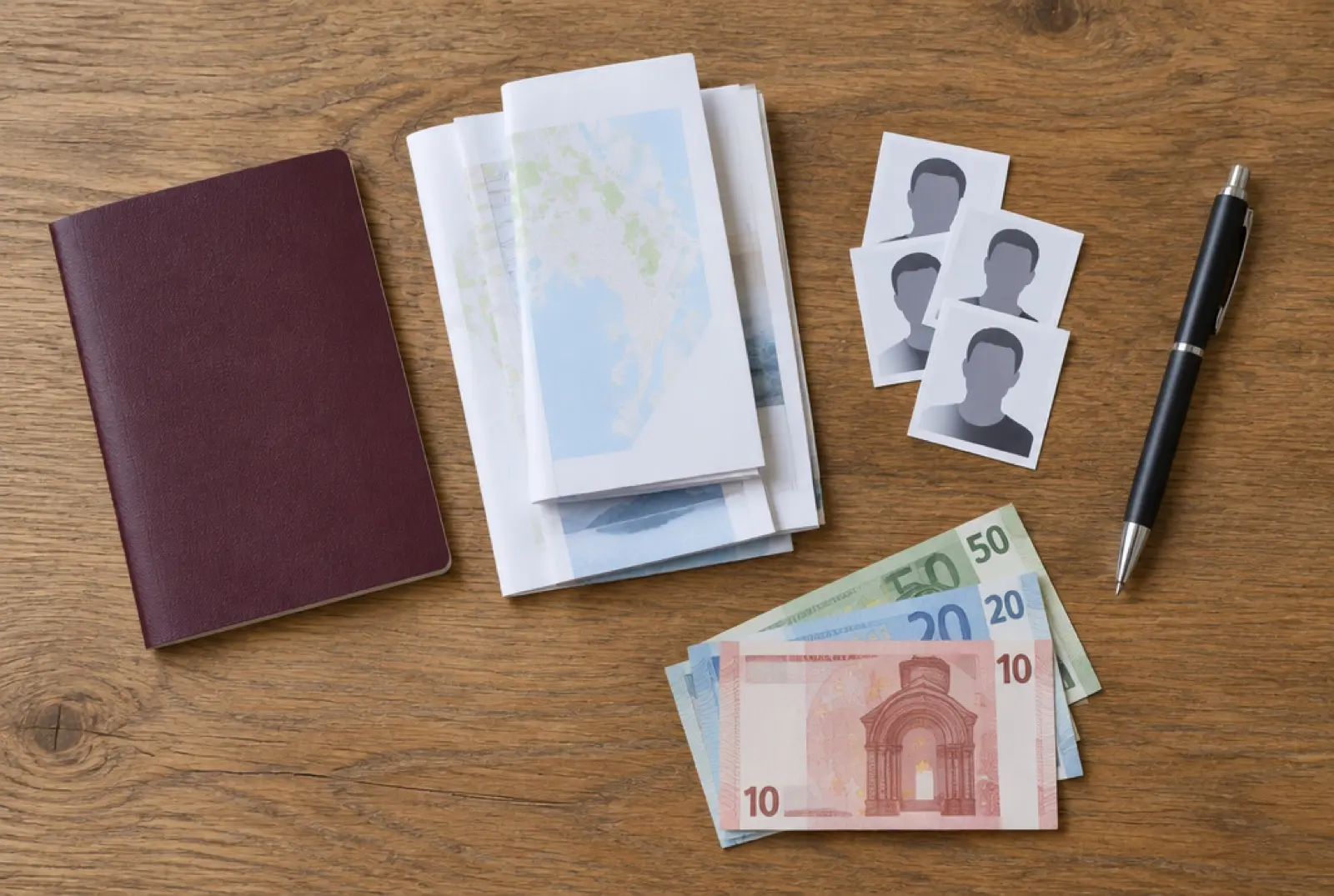
Carry your passport with enough blank pages and validity left, as many countries want months of validity beyond your stay. Add the visa or e-visa printout, proof of onward travel, proof of the first night’s accommodation, travel insurance details and, for vehicles, ownership papers, insurance and any permit. Bring two or three passport photos. Keep scans in cloud storage and offline on your phone, and keep originals in a separate pouch from cash.
3. Time the day around closing hours
Borders close, often by mid or late afternoon, and a lunch break can shut one side for an hour. Queues build in the morning for freight and holiday traffic. Aim to arrive 1 to 2 hours after opening: early enough to finish in daylight, late enough that the officers are in place. Avoid public holidays on either side. Work out how far the first town is, and check the last bus or taxi time from the far side.
4. Expect the order of steps and the small costs
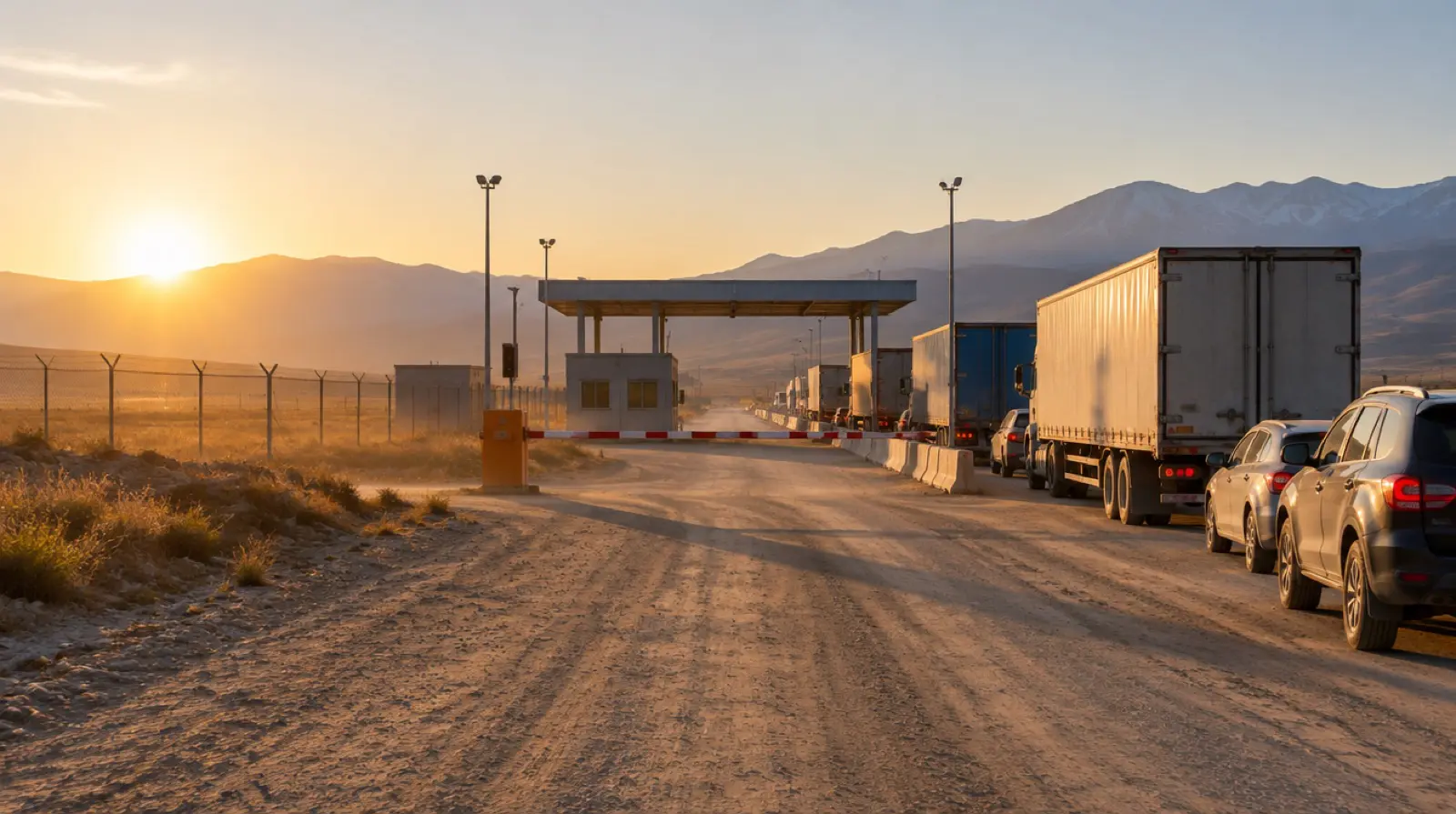
Most crossings run in sequence: exit control from the country you leave, a walk or ride across the gap, then entry control, customs and sometimes a health or vehicle check. Fees may be small and sometimes cash only, in a currency you may not hold. Ask for a receipt. A fixer who offers help can save time, but agree what is normal first and do not hand over your passport to a stranger.
5. Handle delays and unofficial requests calmly
Delays of 1 to 3 hours are common, and a cargo queue can be much longer. Stay polite, keep documents in hand and do not photograph officials or military areas. If you are asked for a payment with no receipt, ask politely what it is for and where it is listed. Do not argue at the window. Walk-through crossings are often faster than vehicle lanes, so check whether you can cross on foot.
6. Keep a fallback on the near side
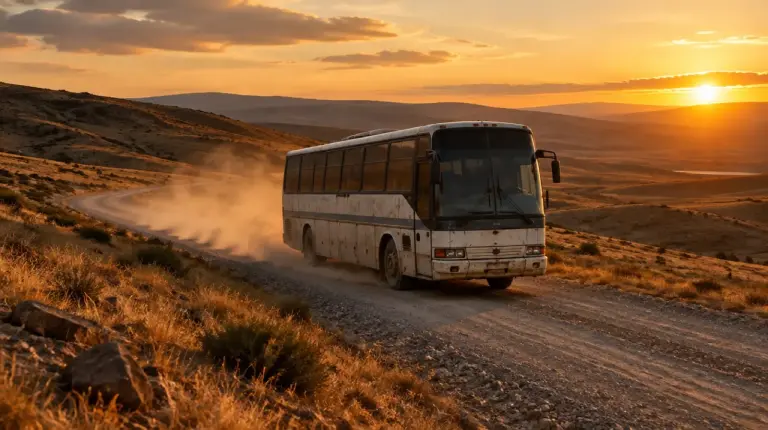
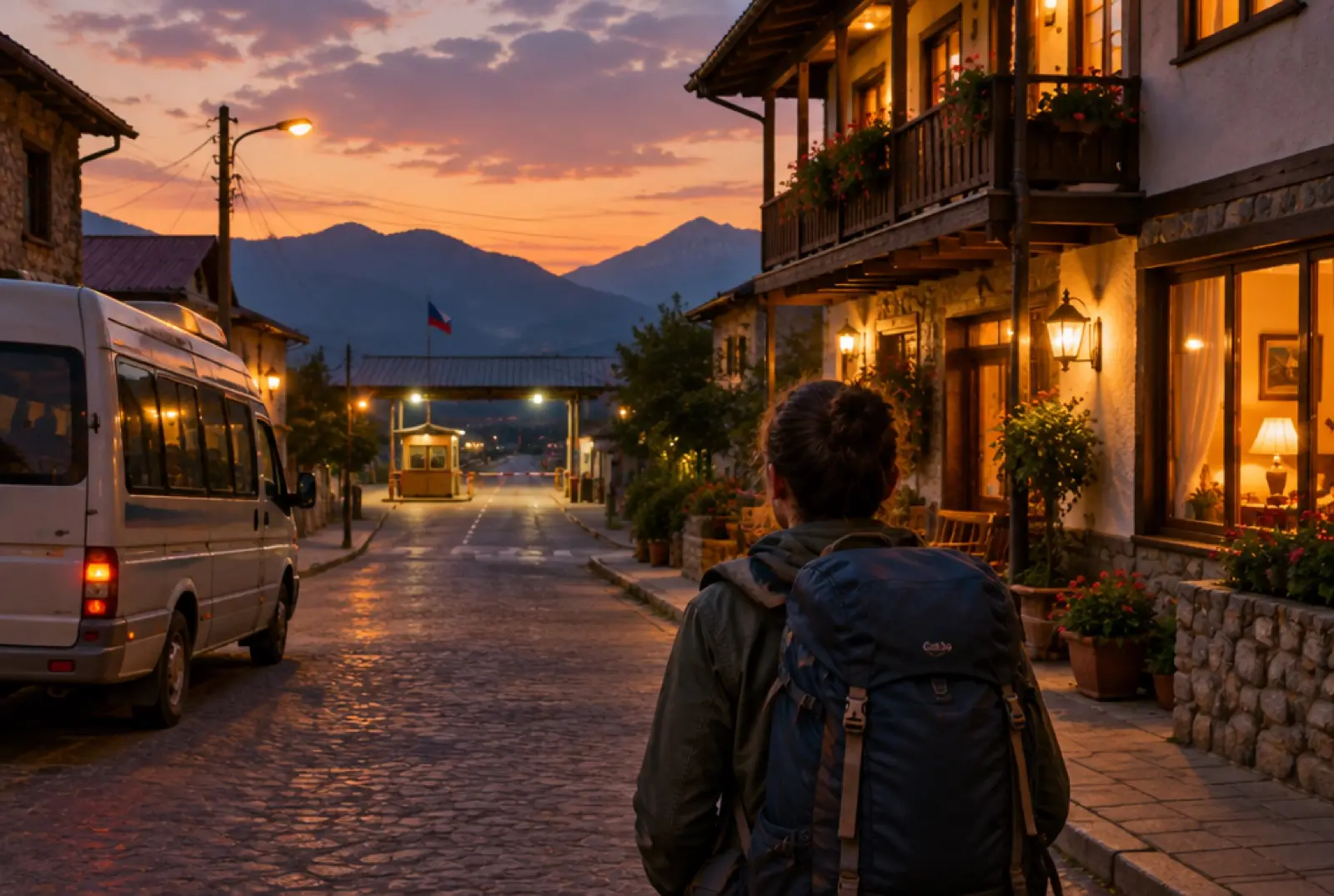
The simplest fallback is a bed in the last town before the border. Identify it before you travel. A second option is another crossing, or a flight between the two capitals, and you should know how far and how long each is. If you are refused entry, ask for the reason in writing where possible and contact your embassy. Remote routes need more margin, as the Mongolia overland guide explains for long distances and thin services.
Crossing day at a glance
| Item | What to do | Why |
|---|---|---|
| Arrival time | 1 to 2 hours after opening | Daylight left if you are refused or delayed |
| Documents | Paper plus offline copies | Phones fail; printers are rare |
| Cash | Small notes in both currencies | Fees and taxis often cash only |
| Onward travel | Know the last bus or taxi | Border towns can be far from services |
| Fallback | Bed on the near side | Closed crossing, held vehicle or refused entry |
Common mistakes
- Arriving in the afternoon, when closing time and failing light remove all your options.
- Relying on a visa on arrival that was changed or suspended.
- Carrying only one currency, or none of the neighbouring country’s.
- Putting every document in one bag with your cash.
- Skipping the exit stamp. An unstamped exit can cause trouble at the next entry.
Skip a crossing at night, in a storm or when the road to it is unsafe. A dawn start from the near side costs a night and nothing else. Border towns also work as bases for the region: the Almaty day trip guide shows how distances shape a plan in Central Asia.
What to verify before you go
- Visa, e-visa and entry rules for your passport, from the destination’s foreign ministry or immigration authority.
- Your own government’s travel advice for both countries, including any closure or warning for the specific crossing.
- Whether the crossing accepts foreigners, its opening days and its hours.
- Vehicle rules: permits, insurance and import limits, from the authority that issues them.
- Health entry requirements, such as vaccination proof, from an official health source or a travel clinic.
FAQ about overland border crossings
What documents do I need for an overland border crossing?
Typically a passport with sufficient validity, any visa or e-visa, proof of onward travel, proof of accommodation and insurance details. Vehicles need ownership papers and insurance. Requirements vary by nationality and crossing, so confirm with the official immigration authority before you travel.
What time of day is best to cross a border?
Mornings are usually best, allowing for opening hours, queues and a daylight fallback. Avoid arriving close to closing time, lunch breaks and public holidays on either side. Check the opening hours for the exact crossing, as small posts can be shorter than main ones.
Can I cross a border on foot?
At many crossings yes, and it can be faster than waiting in a vehicle lane. Some posts do not allow pedestrians, or require a vehicle for part of the route. Check the specific crossing with the border authority and ask on arrival before you walk.
What should I do if I am refused entry?
Stay calm, be polite and ask for the reason, preferably in writing. Contact your embassy or consulate if the matter is not resolved. Keep your documents and receipts. Have a fallback ready, such as the near-side town or another route, before you reach the border.