Travel tip Money

Hidden Travel Costs Checklist: Baggage, Seat Fees, Resort Fees and Tourist Taxes

Hidden travel costs add up fast. Use this checklist for baggage, seat fees, resort fees and tourist taxes, with typical ranges and what to check first.

A desk with a passport, luggage scale, calculator and notebook laid out for budgeting a trip.
Illustration: AI-generated

Hidden travel costs are the charges that sit outside the headline price: bags, seat selection, resort fees, tourist taxes, transfers and payment fees. On a short trip they often add roughly 10 to 30 percent to the advertised fare or room rate. Below is a checklist by trip stage, with typical ranges and the few extras that are worth paying for.

The short version

  1. Price every option on the same basis: fare or room, plus bags, seats, taxes, fees and transfers.
  2. Check the fine print on the final booking screen, not the search results page.
  3. Pay extra only where it removes a real risk, such as a missed connection or a lost night.
  4. Skip add-ons that you can buy later, or cheaper, or that you will not use.
  5. Keep a small cash-and-fees buffer of about 10 to 20 percent of the trip budget.
Step by step: six hidden travel costs to price in

1. Baggage fees

Low-fare airlines often charge separately for cabin and hold bags, and the gap between the “base” and “with bag” fare can be anything from a few dollars to well over $60 each way. Buying at booking is usually cheaper than at the airport. Pay more for: a checked bag on a trip longer than a week or in cold seasons. Save on: one carry-on for a long weekend. Booking window: add bags during the original booking or soon after, as prices tend to rise nearer departure.

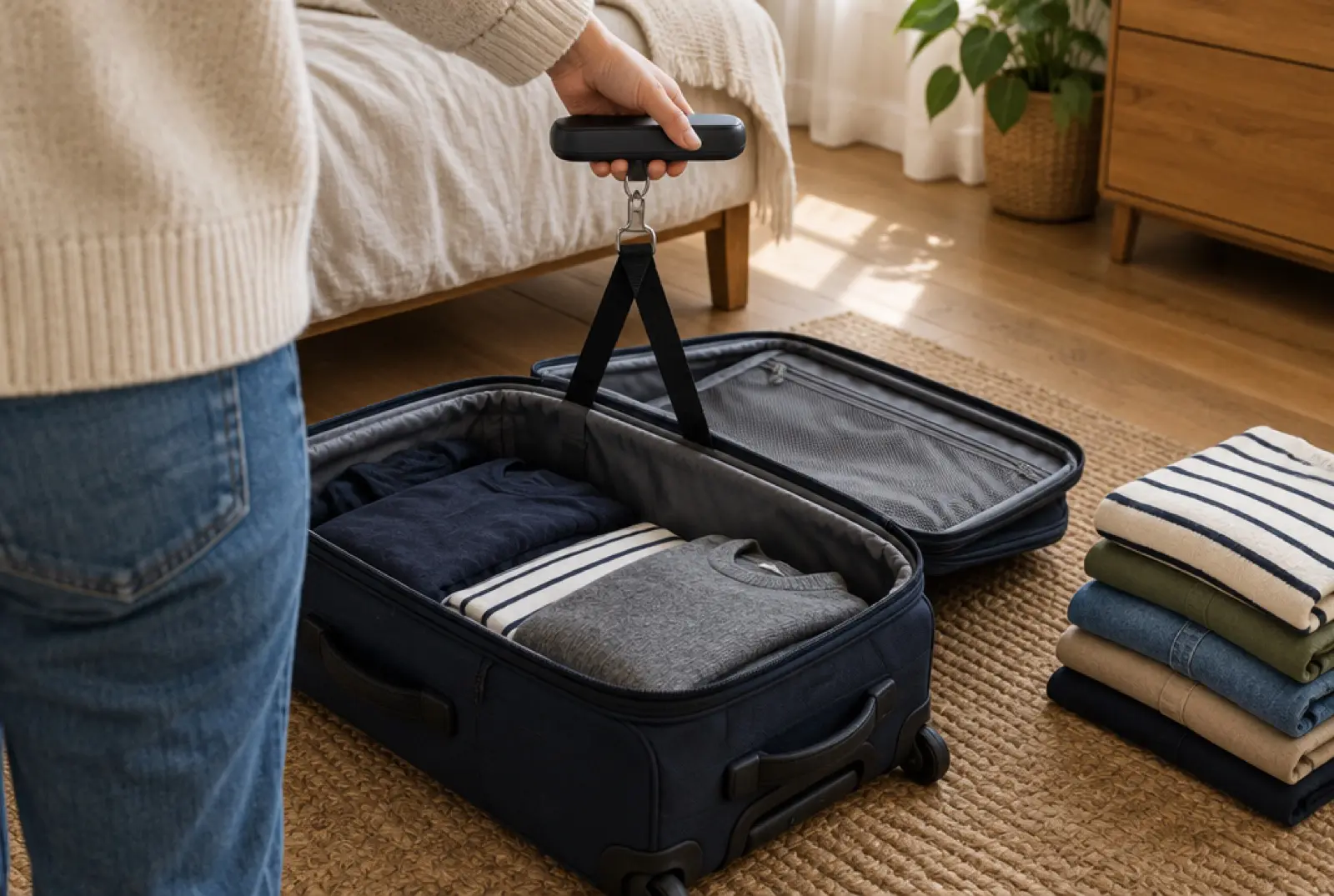
A suitcase being weighed with a handheld luggage scale before a flight.
Illustration: AI-generated

2. Seat selection

Choosing a seat can cost from nothing to roughly $30 or more per flight, depending on the airline and the seat. If you leave it to chance you may be seated apart from your group. Pay more for: adjacent seats for families or for anyone who needs the aisle. Save on: a solo traveller on a short hop, who can take free allocation at check-in. Check-in opens within roughly 24 to 48 hours of departure on many airlines, so check yours.

3. Resort and destination fees

Some hotels, especially in resort areas and big cities in certain countries, add a daily fee on top of the room rate to cover pools, Wi-Fi or “amenities”. It is often shown only at the last booking step or on arrival, and may run from about $15 to $50 or more per night. Pay more for: a rate that includes it, if the facilities are ones you will use. Save on: hotels that lump it in with a flat rate you can see up front.

4. Tourist and city taxes

Many cities and regions charge a per-person, per-night tax, often collected at the hotel and sometimes in cash. Typical amounts range from under $1 to a few dollars a night in some places and higher in others, and rules vary by hotel category, age and length of stay. It is rarely negotiable, so price it into every option and check with the hotel or the local authority before you go.

5. Transfers and local transport

The airport-to-hotel leg is a classic blind spot. A public train or bus may cost a few dollars, while a taxi or private transfer can run from about $25 to well over $100 depending on distance and the hour. Pay more for: a pre-booked transfer on late arrivals or with small children. Save on: public transport when you arrive in daylight with light luggage.

6. Payment and currency fees

Card fees on foreign spending, ATM charges and poor exchange rates at airports or in shops can add 1 to 5 percent or more to each purchase, and sometimes more at kiosks. Paying in the local currency usually beats accepting a conversion offered at the till. For a fuller breakdown, see our guide to how to compare total trip cost, which sets all of these out in one worksheet.

Checklist table: where costs appear and what to check
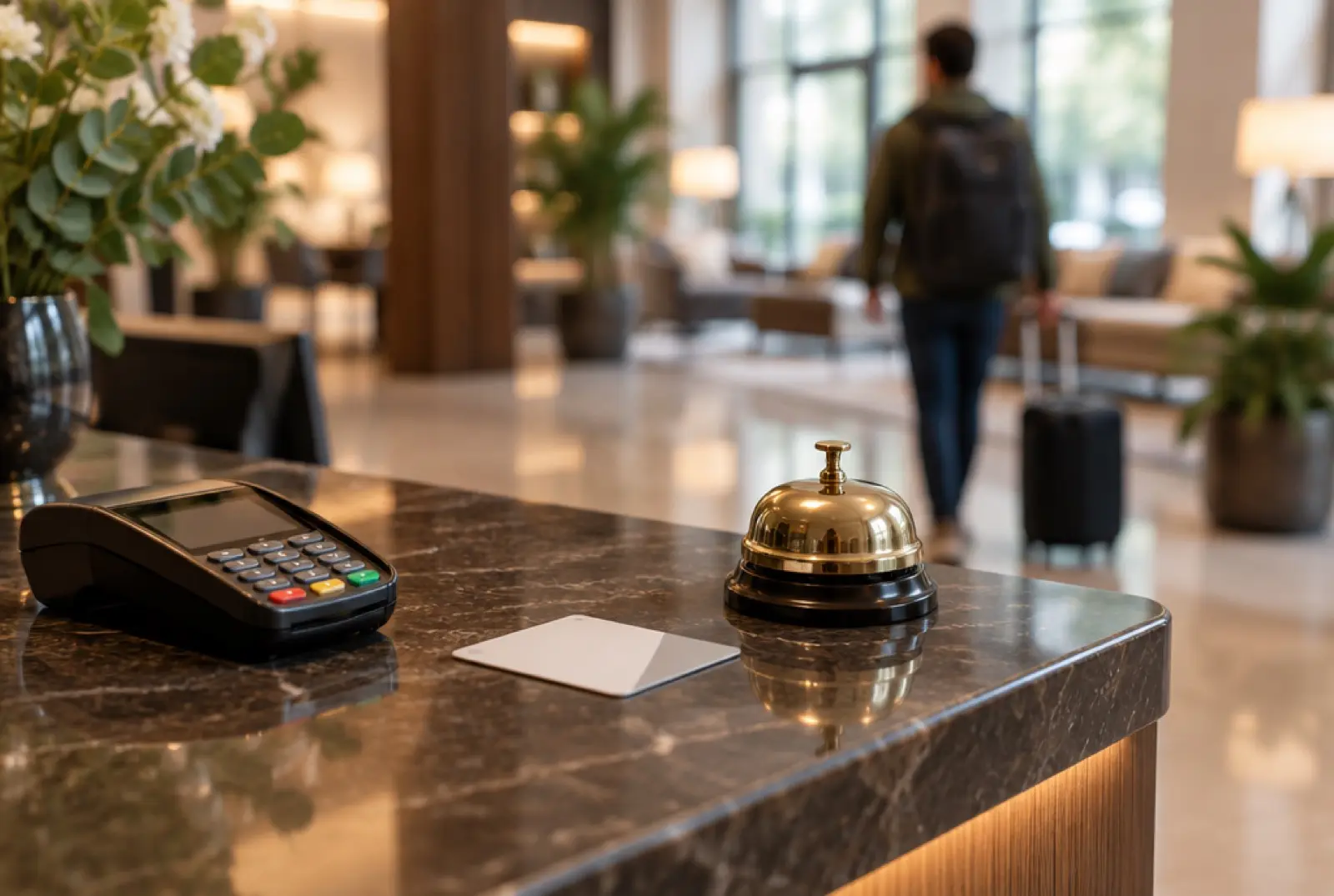
A hotel reception counter with a card terminal and key card as a guest checks in.
Illustration: AI-generated
Trip stage Typical extra Rough range Where to look
Booking flights Bags, seats, payment surcharge $0 to $120 per person return Final price screen, fare rules
Booking a room Resort fee, cleaning fee, taxes 10 to 30 percent over the headline rate Total price view, property policies
Before departure Visas, insurance, vaccinations Varies widely by destination Official government and health sites
On arrival Transfers, SIM or data $5 to $100 depending on mode Airport transport signs, operator sites
During the stay Tourist tax, tips, attraction fees $1 to $15 per day Hotel desk, local tourism site
Departure Late checkout, airport tax $0 to $50 Ticket details, hotel terms

Total cost box

For a four-night trip for one, a $200 advertised fare plus $150 of room could become something closer to $400 to $520 once bags, a seat, a nightly fee, local tax, a transfer and card charges are counted. Those are illustrative ranges, not quotes. Always rebuild the total with your own dates.

Common mistakes with hidden travel costs

  • Comparing the search-page price of one airline with the all-in price of another.
  • Assuming a free-looking hotel includes tax and the daily fee.
  • Buying every add-on in advance “just in case” instead of ranking them by risk.
  • Forgetting that all-inclusive rates change the maths on food and transfers; see jamaica all inclusive vs independent for a worked comparison.
  • Leaving no buffer, so a delayed bag or a missed train turns into a cash problem.

The trade-off is simple. Cutting every extra saves money on paper and can cost more if a connection fails. Pay more where a mistake would cost a night or a day.

What to verify before you go

  • Baggage allowance and fees on the airline’s own booking page, as of the week you buy.
  • Whether the room rate shows taxes and mandatory fees, and which are paid on arrival.
  • Any tourist tax and how it is collected, on the hotel’s page or the local tourism authority site.
  • Entry fees, visas and health requirements on the official government site for your destination.
  • Your bank’s foreign card terms, by asking the bank directly.
FAQ about hidden travel costs

What are the most common hidden travel costs?

Baggage fees, seat selection, resort or destination fees, tourist taxes, airport transfers and foreign card charges are the usual ones. Together they can add roughly 10 to 30 percent to a short trip, so price them in before you compare options.

Are resort fees avoidable?

Usually not once you book a property that charges them, since they are mandatory. You can avoid them by choosing properties that include everything in the displayed rate. Compare total price per night, and check the fee wording on the final booking screen.

Is it cheaper to pay for baggage when I book?

Typically yes. Adding bags online during or soon after booking tends to cost less than paying at the airport, where fees are often higher and weight rules are enforced strictly. Check the airline’s current rules before you travel.

How much extra should I budget on top of the booking price?

A buffer of about 10 to 20 percent of the headline price covers most short trips, and more if you are travelling with children or a lot of luggage. Treat it as a planning range, then refine it once you have read the fine print.