Foreign transaction fees travel costs are usually a percentage added to each purchase made abroad, often in the range of 0 to 3 percent, and some cards charge none. The fee is small next to flights and hotels, but it is also one of the easiest costs to remove. Run the three-line check below before you leave.
The three-line check
- Does this card add a foreign transaction fee, and how much?
- What does the same bank charge for cash withdrawals abroad, both a fixed fee and a percentage?
- Is there a spending or withdrawal limit, and does the card work where I am going?
Put the answers next to your expected spend. A 3 percent fee on $1,500 of foreign spending is roughly $45. A card with no such fee saves that, though it may cost more in annual fees, so compare the full year, not just the trip.
Decision table: which option fits which situation

| Situation | Best choice | Why |
|---|---|---|
| Everyday spending abroad | Card with no foreign fee | Removes the percentage fee on every purchase |
| Need local cash | One larger ATM withdrawal at a bank machine | Fixed fees hit small withdrawals hardest |
| Small shops and markets | Local cash | Card acceptance and minimums vary |
| Pay-in-currency prompt | Local currency | On-the-spot conversion is often marked up |
| Long stay in one country | Multi-currency or local account, if eligible | Cuts repeated conversion cost |
| Backup if your card fails | A second card from a different network | One lost or blocked card should not strand you |
When each option wins
When a no-fee card wins
If you spend more than a few hundred dollars abroad, a card with no foreign fee usually beats everything else for purchases. Compare it with your current card over a full year, since annual fees or lower rewards can offset the saving. Pay more for: a no-fee card if you travel several times a year. Save on: opening a new card for a single short trip with little spending.
When cash from an ATM wins
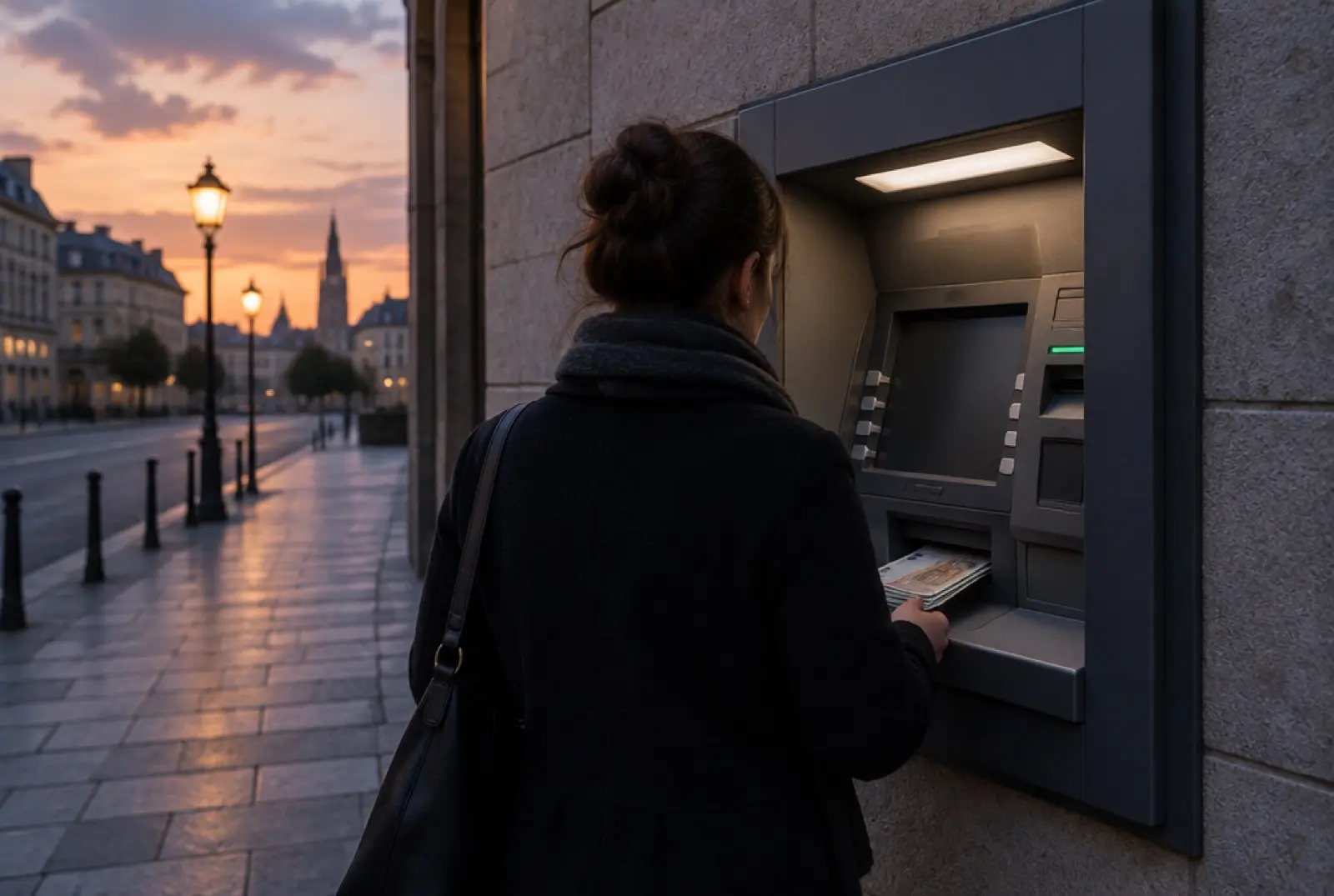
Cash is the better route for markets, small guesthouses, local buses and tips. Withdraw a larger sum less often, because many banks charge a fixed fee per withdrawal, plus a percentage, and the machine’s owner may add its own charge. Use machines attached to bank branches where you can, and decline any “guaranteed rate” conversion on screen.
When paying in local currency wins
If a terminal or machine offers to charge you in your home currency, say no. This “dynamic conversion” tends to carry a worse rate than your card network or bank, and the markup can be a few percent on top of any card fee. Choose the local currency every time, in shops, hotels and restaurants.
When a travel money account wins
For stays of a few weeks or more, or for repeated trips to the same currency, a multi-currency account lets you convert in advance at a rate you pick. Check the conversion margin, any monthly fee and the loading limits. The trade-off is setup effort. For a week away, it is rarely worth the paperwork.
When carrying a little cash from home wins
A small amount of local cash for arrival, a taxi or a transfer is worth having, but buying currency at airport counters or high-street kiosks is often the most expensive route. Order a modest sum from your bank ahead of time or withdraw on arrival from a bank machine. Booking window: allow a few days if your bank needs to order it.
When a second card wins
Cards get blocked, lost or swallowed by machines, and merchants sometimes reject one network. Carry a second card, stored separately, even if it carries a fee. In an emergency the fee is minor beside being unable to pay for a hotel or a ticket. Tell both banks your travel dates if they ask.
Costs and trade-offs
For most trips the card fee is a modest share of total spend, and exchange margins and ATM charges can matter as much. The lowest fee is not automatically the best choice: a card with a 2 percent fee and strong purchase protection may beat a fee-free option with weak protection. Use the worksheet in how to compare total trip cost to see where card fees sit next to flights, rooms and transfers.
- Typical card fee: about 0 to 3 percent of each foreign purchase, depending on the issuer.
- ATM fees: often a fixed charge plus up to a few percent, with a possible local operator fee on top.
- Currency conversion markup: frequently 3 to 7 percent or more when you accept the shop’s rate.
These ranges are indicative only and change with the issuer, so read your own terms.
Mistakes to avoid
- Accepting conversion at the till because it looks convenient.
- Making many small ATM withdrawals and paying the fixed fee each time.
- Relying on one card, with no backup and no cash.
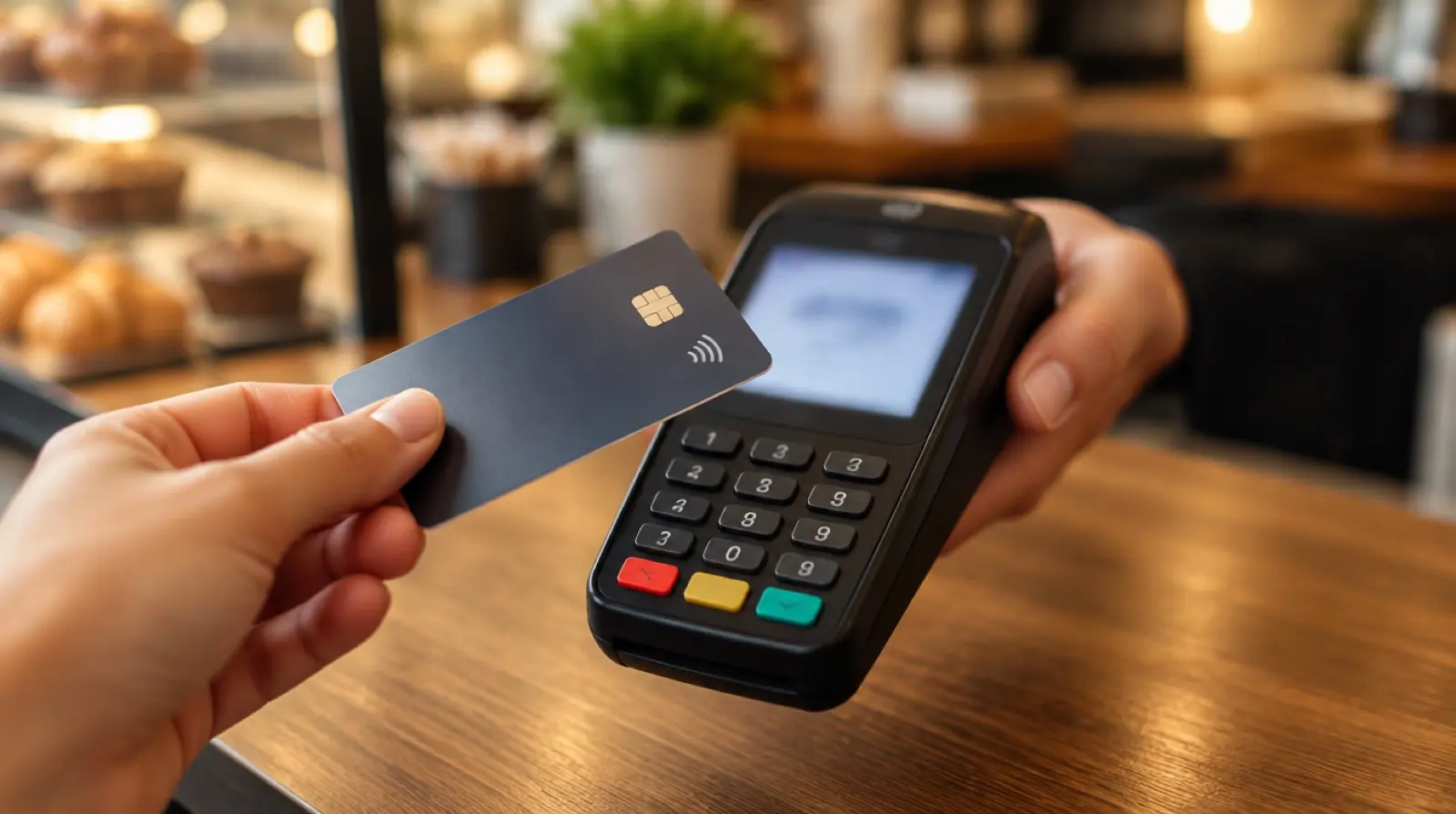
- Assuming a contactless or “travel” label means no foreign fee. Check the terms.
- Skipping notification when your bank requires it, which can lead to a blocked card.
What to verify before you go
- The foreign transaction fee and ATM charges in your bank’s current tariff, or by phoning the bank.
- Whether the card’s network is widely accepted at your destination.
- Daily withdrawal limits and whether you need to set travel notices.
- Your destination’s currency rules and cash limits on the government site.
FAQ about foreign transaction fees
How much are foreign transaction fees?
They commonly range from nothing to about 3 percent of each foreign purchase, depending on the card issuer. Some banks also add currency conversion charges. Check your card’s terms or ask the bank, because the figures change and vary by product.
Is it better to pay by card or withdraw cash abroad?
It depends on the fees, so compare the fees for your own trip. Card payments avoid ATM charges, while cash is needed for small vendors. A no-fee card for purchases plus one or two larger withdrawals usually costs less than many small ones.
Should I pay in local currency or my home currency?
Local currency is usually the better choice. When a terminal offers your home currency, it applies its own rate, which is often worse than your bank’s. Decline it, and let your card network or bank do the conversion.
Do I need to tell my bank I am travelling?
Some banks ask for travel notices, others rely on automatic fraud checks. Check the bank’s current guidance in its app or on its website, and keep a phone number handy so you can unblock a card if a payment is declined.