Why visit Sweden
This Sweden travel guide begins with the country’s range: it is the largest Nordic country by area and population, stretching from southern farmland at 55 degrees north to Arctic tundra beyond 69 degrees (see the Wikipedia overview). Stockholm spreads across islands, Gothenburg is a relaxed port city, and a right to roam known as allemansrätten opens forests, lakes and some of the country’s 270,000 islands to visitors.
Sweden suits travellers who value order, nature and design. Public transport is reliable, English is widely spoken, and the country is safe and easy for first-time Scandinavian visitors and solo travellers. The trade-off is cost: Sweden is one of the more expensive countries in Europe, so a little planning on accommodation and meals goes a long way.
Best places to visit in Sweden
The best places to visit in Sweden run from the capital and the southern cities to the far north, with the archipelago and Dalarna as popular short escapes.
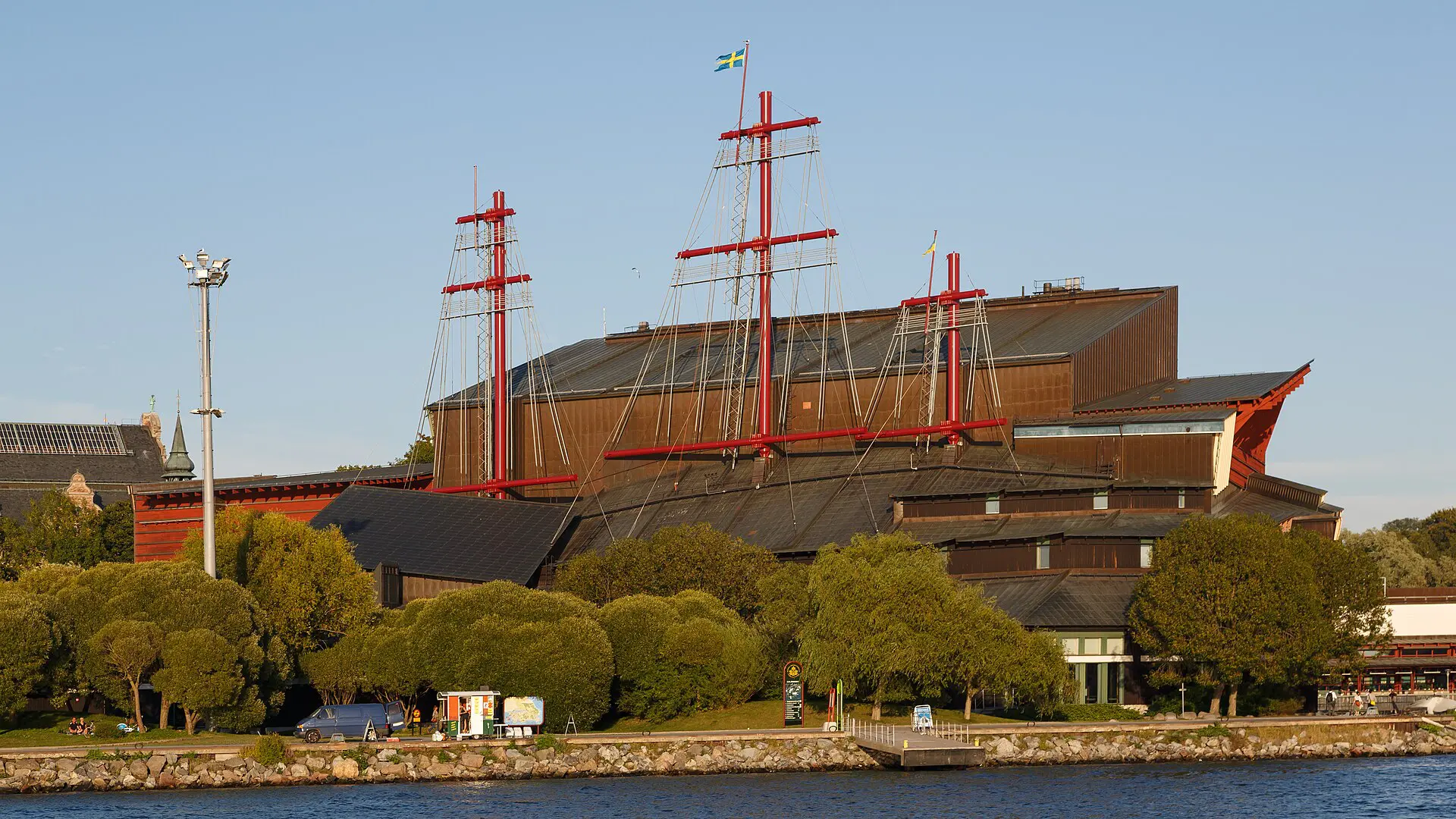
Stockholm
The capital is built across 14 islands. Gamla Stan, the medieval old town, has cobbled lanes and the Royal Palace, while Djurgården holds the Vasa Museum, which displays a preserved 17th-century warship, and the open-air Skansen museum. Allow three days.
Gothenburg
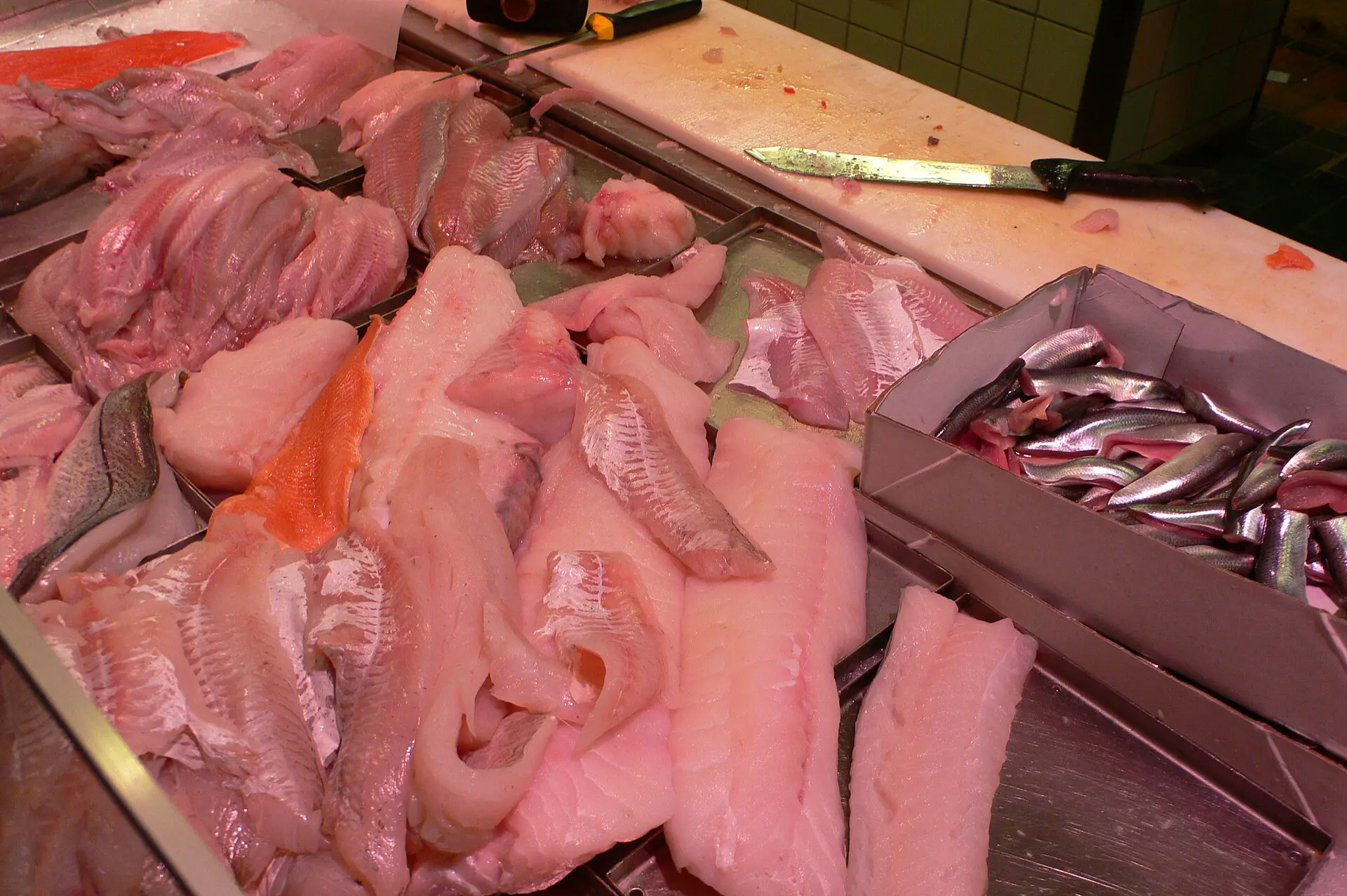
Sweden’s second city is a port with canals, the Haga district’s wooden houses, a famous fish market and a southern archipelago reached by tram and ferry.
Malmö and Lund
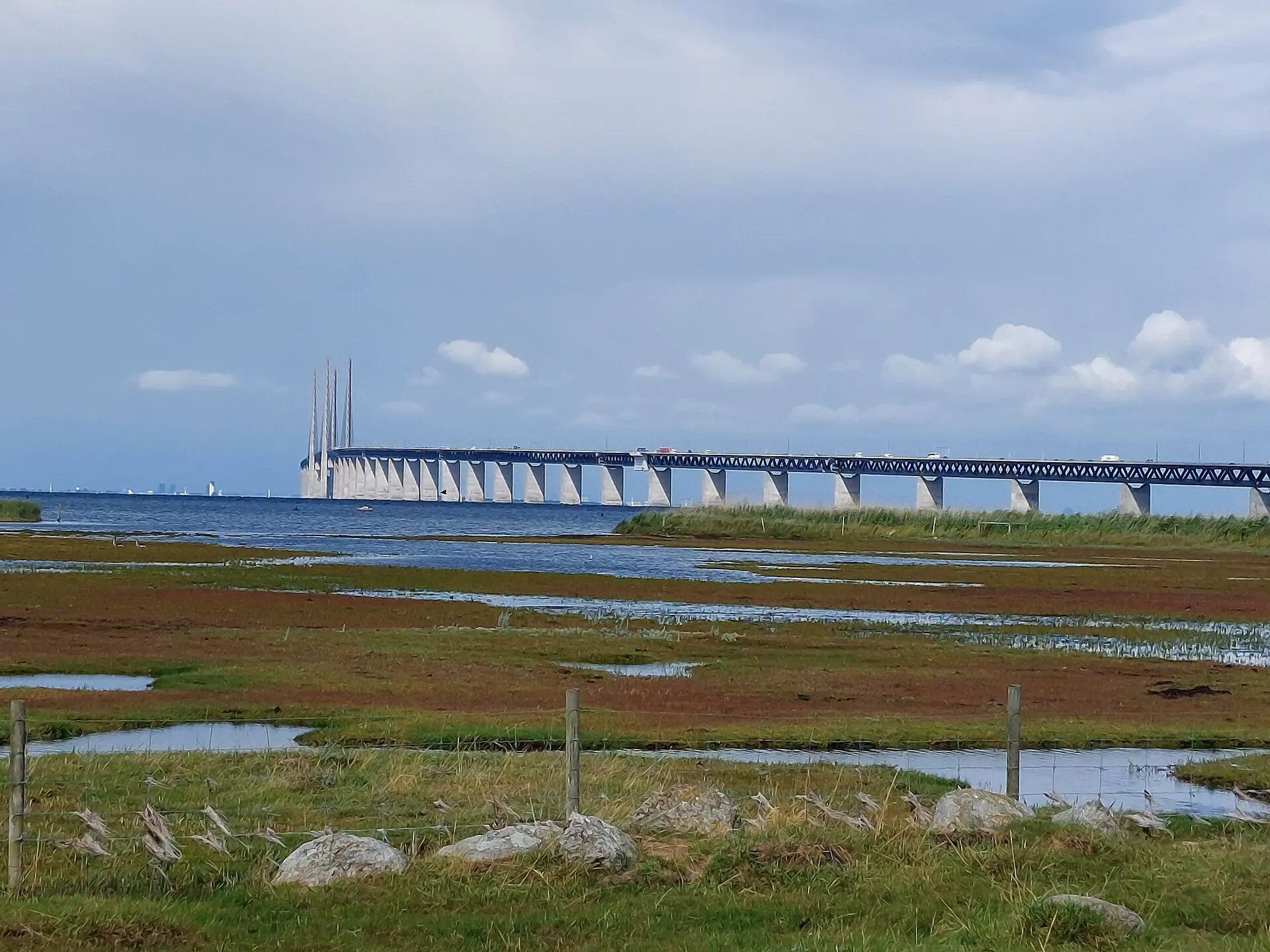
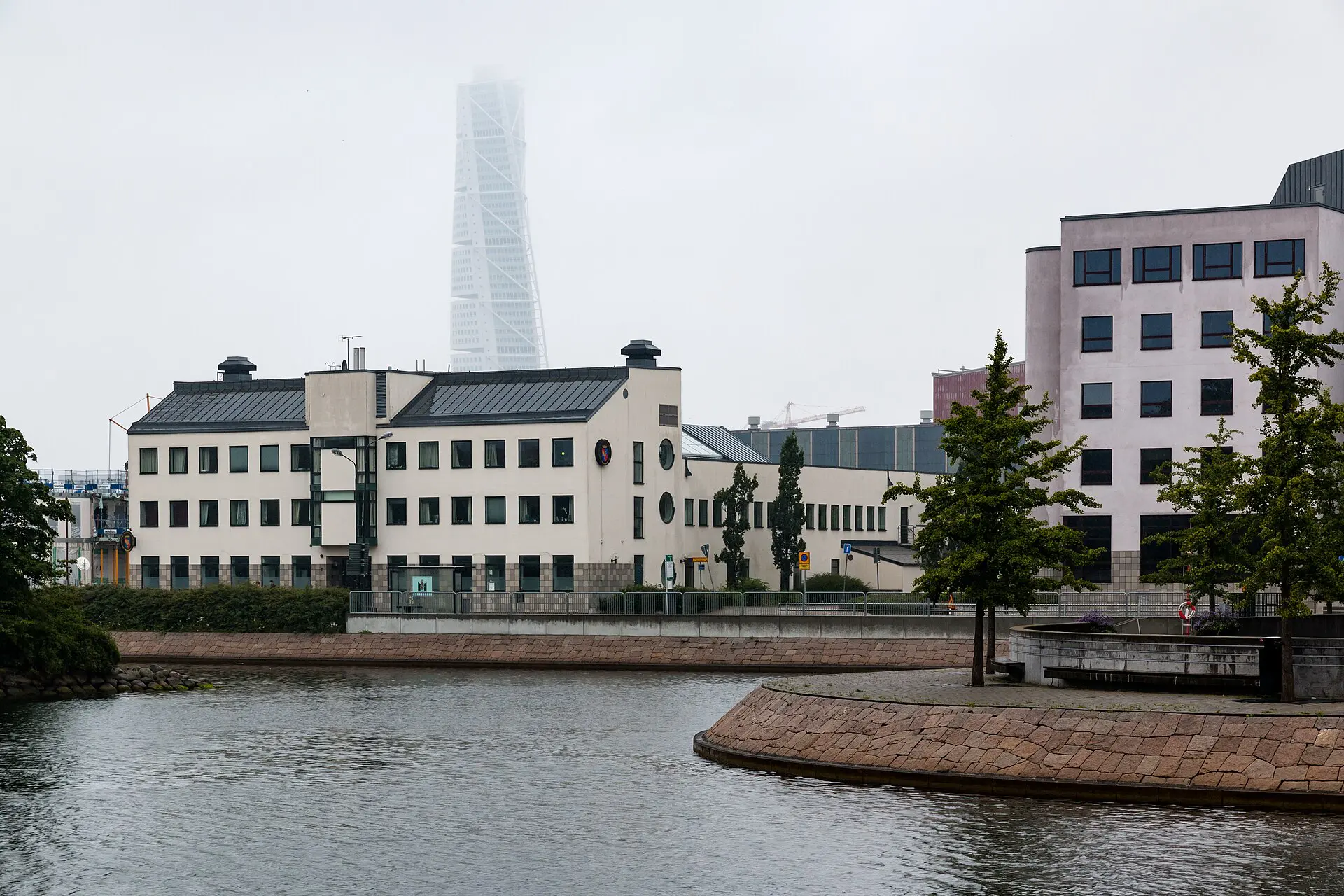
Malmö, linked to Copenhagen by the Öresund Bridge, has the Turning Torso tower and a food scene. Lund is a compact university town with a Romanesque cathedral.
Uppsala
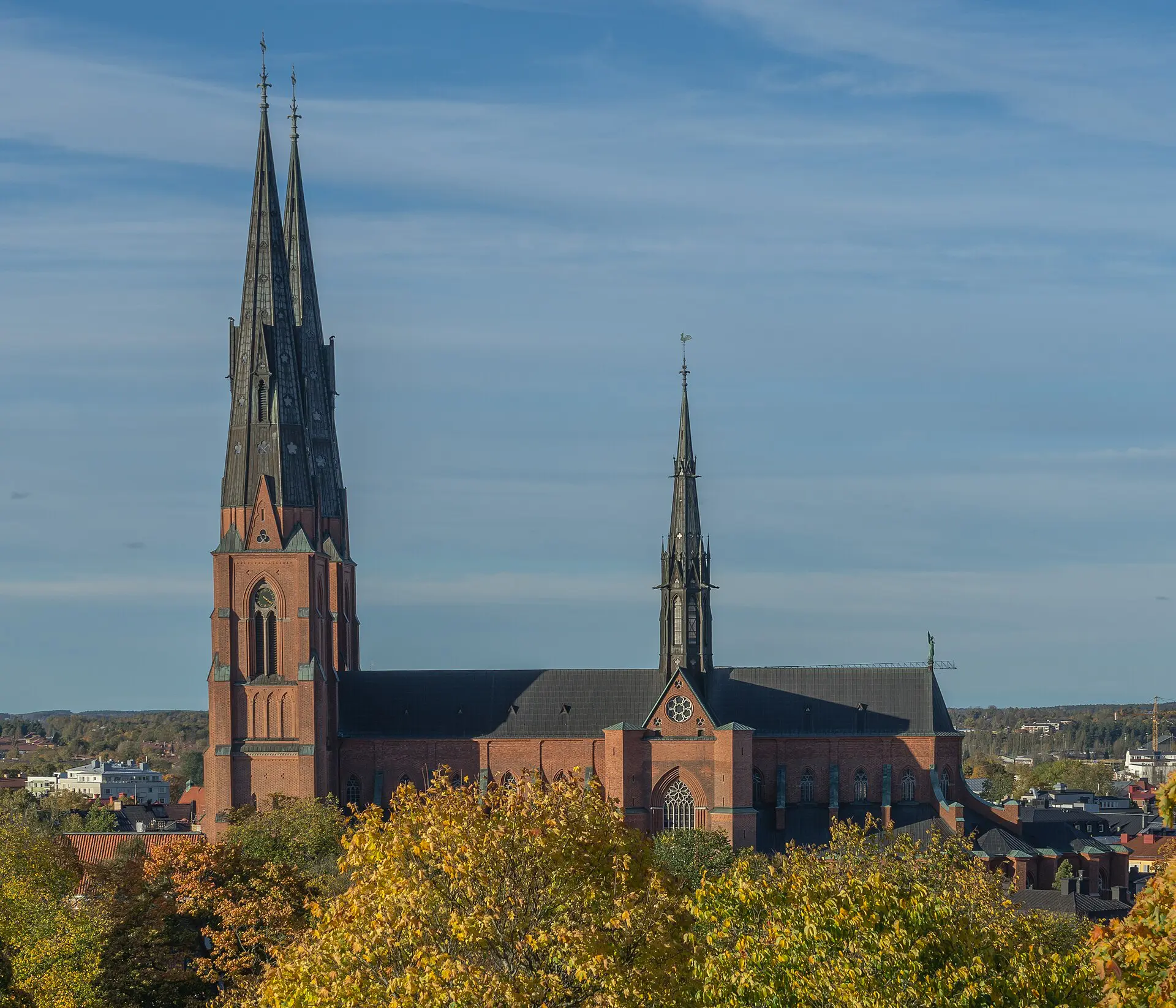
North of Stockholm, Uppsala has the largest cathedral in the Nordic countries and the oldest university, and it is an easy day trip by train.
Visby on Gotland
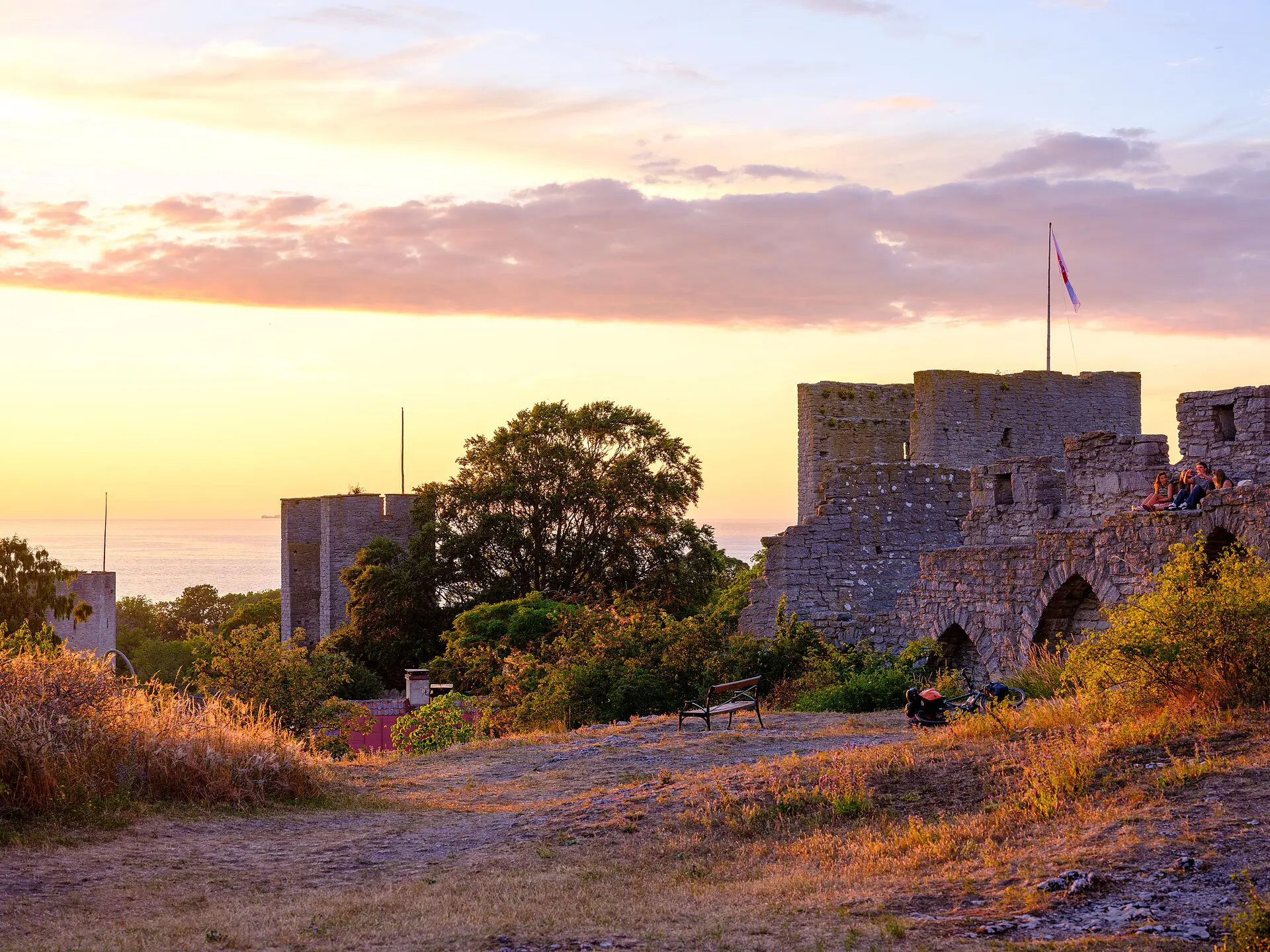
A UNESCO-listed walled medieval town on the Baltic island of Gotland, reached by ferry from the mainland. Summer is busy.
Swedish Lapland
Abisko, Kiruna and the Icehotel in Jukkasjärvi offer northern lights in winter and midnight sun and hiking in summer. The Kungsleden trail is the best-known long-distance route.
Top things to do in Sweden
The top things to do in Sweden range from city museums to outdoor days, and most are easy to reach by train.
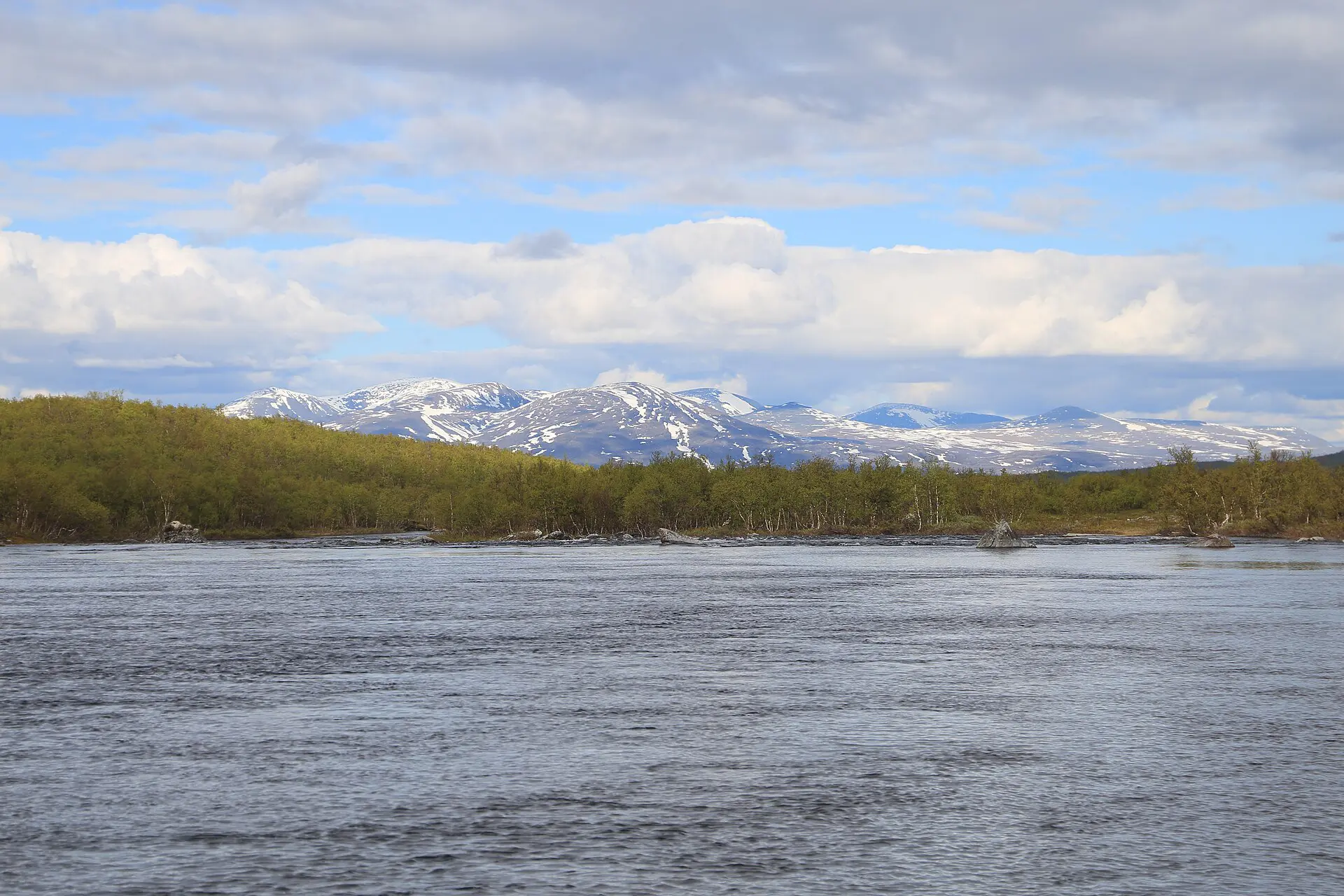
- See the Vasa: the museum in Stockholm houses a nearly intact 1628 warship.
- Wander Gamla Stan: the old town’s lanes, the Royal Palace and the Stortorget square.
- Take an archipelago ferry: boats leave Stockholm for islands such as Vaxholm and Sandhamn.
- Visit the ABBA Museum: a pop-culture museum on Djurgården.
- Have a fika: coffee with a cinnamon bun is a daily Swedish ritual.
- Walk part of the Kungsleden: the hut-to-hut trail in the north, usually hiked from late June to September.
- Look for the northern lights: in Abisko and Kiruna, roughly from September to March, on clear nights.
- Stay at the Icehotel: in Jukkasjärvi, with rooms rebuilt each winter.
- Explore Visby: walk the medieval wall on Gotland.
- Swim and kayak in a lake: allemansrätten allows access to most natural areas, with respect for private gardens.
Best time to visit Sweden
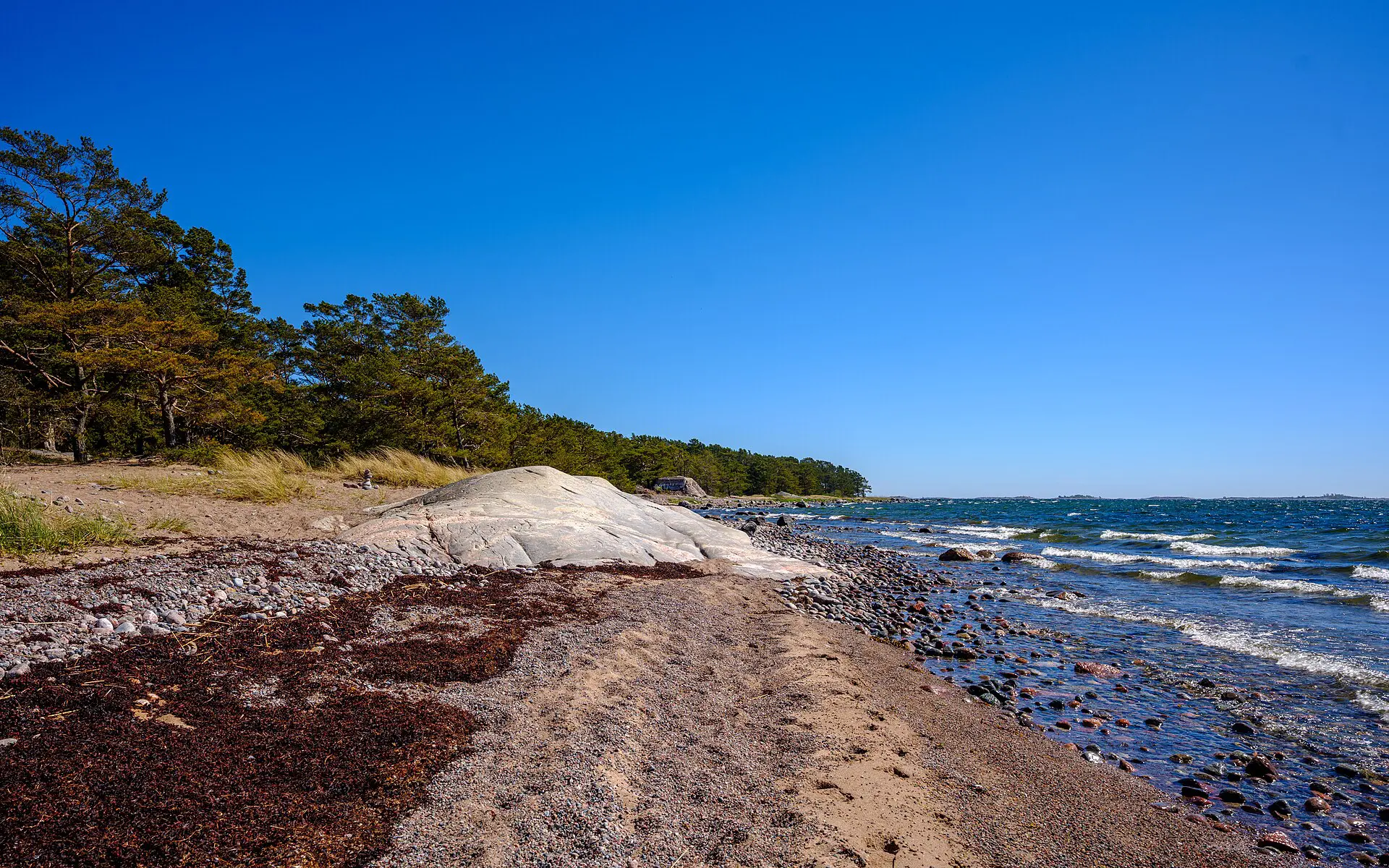
The best time to visit Sweden is June to August for long daylight, warm weather and festivals, with Midsummer in late June the biggest holiday. In the north above the Arctic Circle the sun does not set for several weeks around midsummer. September is good for autumn colours, and December to March suits snow, skiing and northern lights.
| Season | Weather | Crowds and prices | Good for |
|---|---|---|---|
| Spring (Apr-May) | Cool, increasing light | Low to moderate | City breaks, spring blossom |
| Summer (Jun-Aug) | Mild to warm, 15-25 C, very long days | Highest; many locals on holiday in July | Archipelago, hiking, festivals |
| Autumn (Sep-Oct) | Cool, colourful, shorter days | Falling | Hiking, aurora, city breaks |
| Winter (Nov-Mar) | Cold, snow, very short days in the north | Moderate, high around Christmas | Northern lights, skiing, Christmas markets |
Many seasonal attractions, island ferries and mountain huts shut outside summer, so check opening dates before booking.
Is Sweden safe to visit?
Sweden is safe to visit for the great majority of travellers, and most visitors never encounter a problem. Petty theft such as pickpocketing in Stockholm’s busy areas, on public transport and at stations is the most common issue, and the sensible precautions are the same as in any large European city.
Gang-related violence has been in the news in recent years, but it is largely confined to specific criminal circles and certain suburbs and rarely affects visitors. Government advice, such as the UK FCDO page, is the best source of up-to-date guidance, so check it before departure.
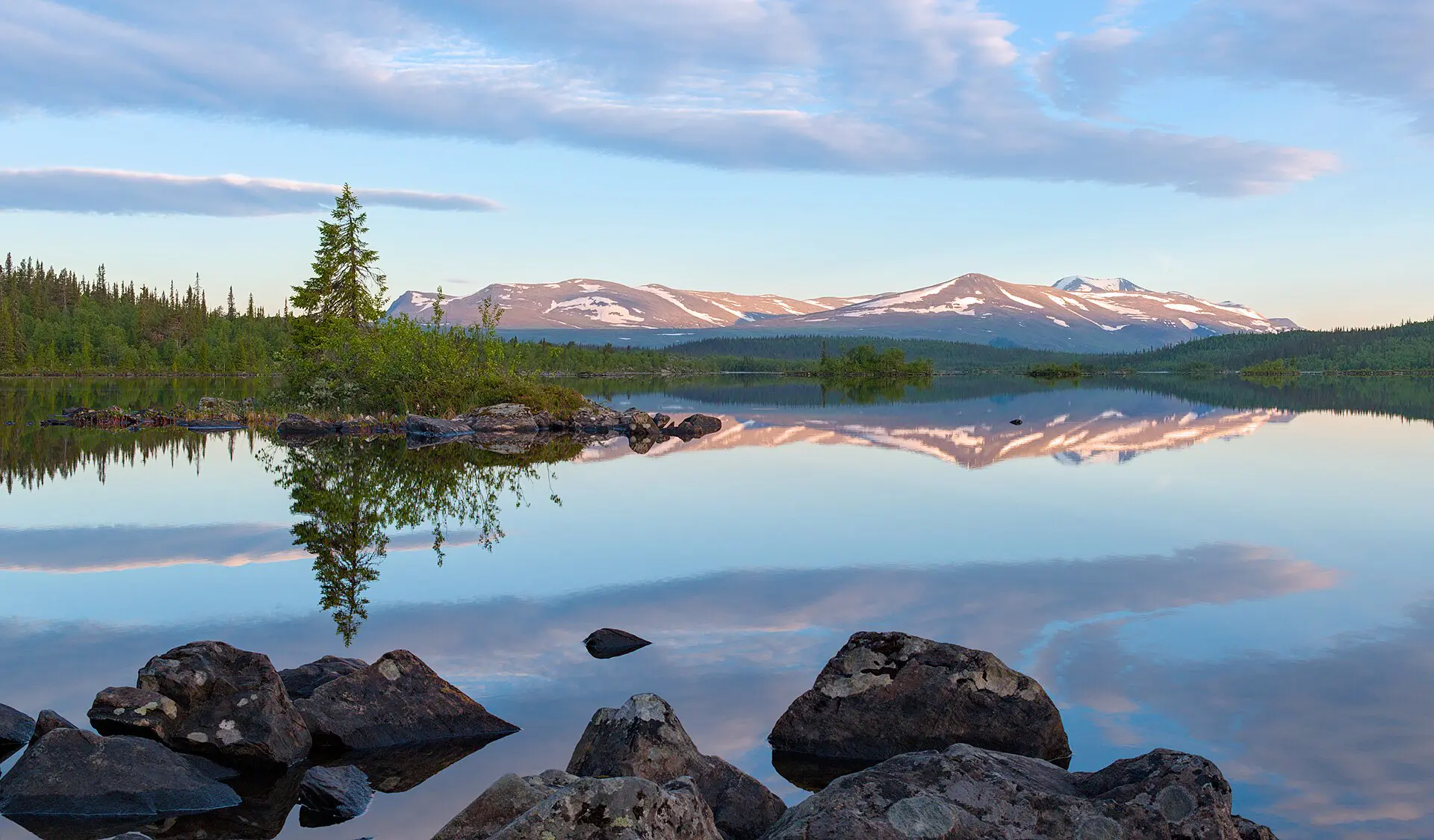
Nature carries the main risks. In winter, temperatures in the north can drop far below freezing, so dress in layers and tell someone your plans before hiking. Ice on lakes should never be trusted without local advice. In summer, ticks are common in forests and can carry disease, so use repellent and check your skin. Roads can be icy, and elk and reindeer appear on rural roads at dusk. Winter tyres are mandatory in winter conditions, which rental cars normally include.
The emergency number is 112.
Visa and entry requirements for Sweden
Sweden is part of the Schengen Area, so the general picture follows Schengen rules, which depend on your nationality. Citizens of the EU, EEA and Switzerland can enter with an ID card or passport. Many other nationalities, including those from the UK, US, Canada and Australia, can currently stay visa-free for up to 90 days in any 180-day period, while others need a Schengen visa in advance.
The EU is introducing an Entry/Exit System and a travel authorisation called ETIAS for visa-exempt visitors, so check the timing and requirements that apply to you. A passport valid for at least three months beyond your stay is generally required, and you may be asked for proof of funds, accommodation or a return ticket.
Because rules and fees change, confirm requirements with the official Swedish Migration Agency or your nearest Swedish embassy before booking. If you plan a wider Nordic trip, remember that Norway is also in Schengen, while some neighbours handle residence and work permits separately.
Getting to and around Sweden
Stockholm Arlanda is the main international airport, with an express train to the city centre in about 20 minutes. Gothenburg Landvetter and Malmö have connections too, and Copenhagen Airport, with a direct train over the Öresund Bridge to Malmö in about 35 minutes, is an alternative for the south. Ferries link Sweden with Finland, Denmark, Germany and Poland.
Trains are the easiest way to travel between big cities. The fast X 2000 and other services link Stockholm with Gothenburg in about three hours and with Malmö in about four and a half. Buying tickets in advance on the operator apps often brings cheaper fares, and long-distance buses are a cheaper but slower alternative. Night trains run from Stockholm to the far north, for example to Kiruna and Narvik.
Within cities, public transport uses tickets bought in an app, and Stockholm has metro, commuter trains and ferries. Many places are cashless, so a card works almost everywhere. Driving is on the right and rural roads are good, with winter tyres required in winter conditions. Distances are long, so domestic flights save time to the far north.
How much does a trip to Sweden cost?
A trip to Sweden is expensive by European standards, but the costs are predictable and tipping is minimal. These are rough bands for 2026, in euro equivalents of the Swedish krona (SEK), and they will vary with exchange rates.
- Budget (about EUR 80-130 per day): hostel dorm, self-catering or lunch specials, public transport and free outdoor activities.
- Mid-range (about EUR 150-250 per day): a comfortable hotel, restaurant meals and a museum or two a day.
- High (EUR 300 and up per day): boutique hotels, dinners with wine, private tours and northern lodges.
Accommodation is the largest cost, particularly in Stockholm in summer. Alcohol is heavily taxed and sold in state-run Systembolaget shops, so a bar drink costs a lot more than the same drink at home. Lunch is the cheapest way to eat well, as many restaurants offer a dagens rätt (dish of the day) at a fixed price on weekdays.
Savings come from travelling off-peak, booking trains early and using the free access to nature. A Stockholm pass can cover museums if you plan several visits. Sweden is largely cashless, so bring a card.
Food and drink in Sweden
Food and drink in Sweden mix traditional home cooking with a strong modern restaurant scene. Seafood, berries, game and dairy feature heavily.
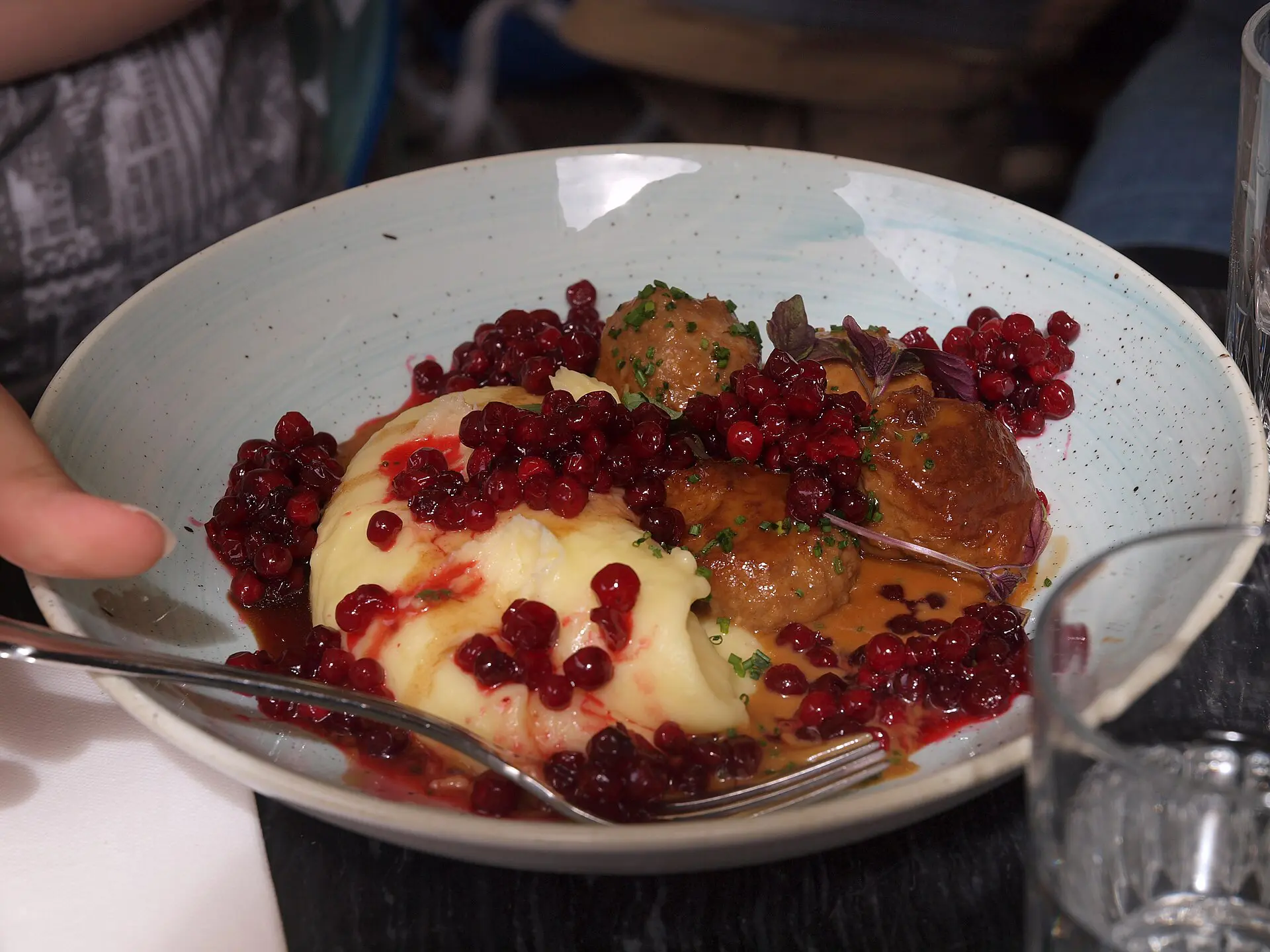
- Köttbullar: Swedish meatballs served with mashed potato, cream sauce and lingonberry jam.
- Gravlax: cured salmon with dill and mustard sauce.
- Smörgåsbord: a buffet of cold and hot dishes, especially at Christmas.
- Kanelbullar: cinnamon buns, the centrepiece of fika, the coffee break.
- Räksmörgås: an open sandwich piled with prawns, eggs and mayonnaise.
- Surströmming: fermented herring, an acquired taste mainly eaten in northern Sweden in late summer.
- Prinsesstårta: a green marzipan-covered layered cake.
Look for a dagens rätt at lunch, and for food halls such as Östermalms Saluhall in Stockholm. Vegetarian and vegan options are common in cities, and restaurants are used to allergy questions. Wine and spirits above a low alcohol level are sold only in Systembolaget, which has limited hours, so buy there before a weekend. Tap water is excellent.
Culture, language and etiquette in Sweden
Swedish is the main language, and most Swedes speak excellent English, so language is rarely a barrier. Five national minority languages, including Sámi and Finnish, are also recognised, and the Sámi people of the north have their own reindeer-herding culture.
Swedish social culture values equality, punctuality and personal space. People queue patiently, often by taking a numbered ticket, and loud behaviour in public is uncommon. Greetings are friendly but understated, and a handshake is normal on meeting. In homes, remove your shoes at the door.
Fika is a serious social habit, so accept an invitation. Lagom, the idea of having just enough, shapes attitudes to consumption and show. Sweden is secular, and religion plays little public role, although Midsummer, Lucia in December and Christmas are widely celebrated.
Respect the right to roam: you may walk, camp for a night and pick berries, but do not disturb people’s homes, damage crops or leave litter. Smoking is restricted in many public places, and tipping is optional. Drink-driving laws are strict.
Sweden itinerary: a 7-day route
This Sweden itinerary links Stockholm, Uppsala and Gothenburg by train and works from spring to early autumn. Book train tickets in advance to save money.
- Day 1, Stockholm: arrive, walk Gamla Stan and the old town waterfront.
- Day 2, Stockholm: Vasa Museum and Skansen on Djurgården, then a fika.
- Day 3, archipelago: take a ferry to Vaxholm or Sandhamn for a day on the water.
- Day 4, Uppsala: train (about 40 minutes) for the cathedral and old university buildings, then back in Stockholm.
- Day 5, to Gothenburg: morning train (about three hours), explore Haga and the canals.
- Day 6, Gothenburg: the fish market, Liseberg or a southern archipelago ferry.
- Day 7, Malmö or home: either fly home from Gothenburg or take a train to Malmö (about three hours) for the Turning Torso and Öresund Bridge.
In winter, swap Day 3 and Day 4 for a night train to Abisko for the northern lights, which needs at least three extra days.
Practical tips for Sweden
Practical tips for Sweden start with payment: Sweden is close to cashless, and a contactless card or phone works nearly everywhere, even for small purchases. The currency is the Swedish krona (SEK), and you rarely need to carry notes.
- SIM and data: EU roaming applies to EU SIMs; others can buy a prepaid SIM or eSIM. Coverage is excellent, even in much of the north.
- Power: type C and F sockets at 230 V.
- Tipping: not expected; rounding up or about 5-10% for good table service is polite.
- Health: EU visitors can use the European Health Insurance Card; others need travel insurance. Tap water is safe to drink.
- Packing: layers in every season, a waterproof jacket, insect repellent in summer and thermal gear and good boots in winter.
- Booking: reserve summer accommodation and northern lights tours well ahead.
- Time and dialling: the country code is +46, and Sweden uses Central European Time.
For deeper background, see the Wikivoyage Sweden guide and the UNESCO list of Swedish World Heritage Sites.
FAQ
Q1Is Sweden safe to visit?
Yes, Sweden is very safe for most visitors. Pickpocketing in Stockholm's busy areas and on public transport is the usual problem. Gang violence is mostly confined to criminal circles and certain suburbs. In nature, cold, ticks and wildlife on roads are the main risks. Check your government's current advice before you go.
Q2What is the best time to visit Sweden?
June to August has the warmest weather and the longest days, with Midsummer in late June. September suits autumn colours and lower prices. For northern lights and snow sports, go from December to March in the north. Many seasonal attractions close outside summer, so check opening dates.
Q3How much does a trip to Sweden cost?
Expect roughly EUR 150 to 250 per day mid-range, about EUR 80 to 130 on a budget. Accommodation and alcohol are the main costs. Weekday lunch specials, advance train tickets and free access to nature help. Prices vary with exchange rates, so check current rates before booking.
Q4What are the best things to do in Sweden?
See the Vasa warship and Gamla Stan in Stockholm, take an archipelago ferry, explore Gothenburg's Haga district, visit Visby on Gotland and hike the Kungsleden in the north. In winter, look for the northern lights in Abisko and stay at the Icehotel.
Q5Do I need a visa for Sweden?
It depends on your nationality. Sweden is in the Schengen Area, so EU citizens can enter freely and many others, such as UK, US and Canadian citizens, can stay visa-free for up to 90 days in 180. Others need a Schengen visa. Confirm with the Swedish Migration Agency.
Q6Is Sweden expensive?
Yes, Sweden is among the more expensive countries in Europe, particularly for hotels, restaurants and alcohol. Tipping is minimal and public transport is good value. You can keep costs down with weekday lunch specials, self-catering, off-peak travel and free outdoor activities under the right to roam.
Q7Can you see the northern lights in Sweden?
Yes, in northern Sweden, from around September to March, on clear dark nights. Abisko and Kiruna are the best-known bases. Sightings depend on solar activity and weather, so allow several nights. The southern cities such as Stockholm rarely see them.