Why visit Stockholm
Anyone planning things to do in Stockholm will notice the water first. The Swedish capital stretches across fourteen islands where Lake Malaren flows into the Baltic Sea, and over 30 percent of the city area is waterways and another 30 percent green space.
About a million people live in the municipality and around 2.4 million in the county. The area has been settled since the Stone Age, and the city was founded in 1252. It hosts the Nobel Prize ceremony and has around 70 museums, so culture is easy to fit into a short stay.
Beyond the centre lies the Stockholm archipelago, with some 24,000 islands, islets and skerries that can be reached by public ferries and tour boats. The city is also the hub for most Swedish rail and bus traffic and has two of the country’s busiest airports nearby, so it works as a base for exploring more of Sweden. It is generally clean and orderly, and expensive by international standards.
Top things to do in Stockholm
Gamla Stan
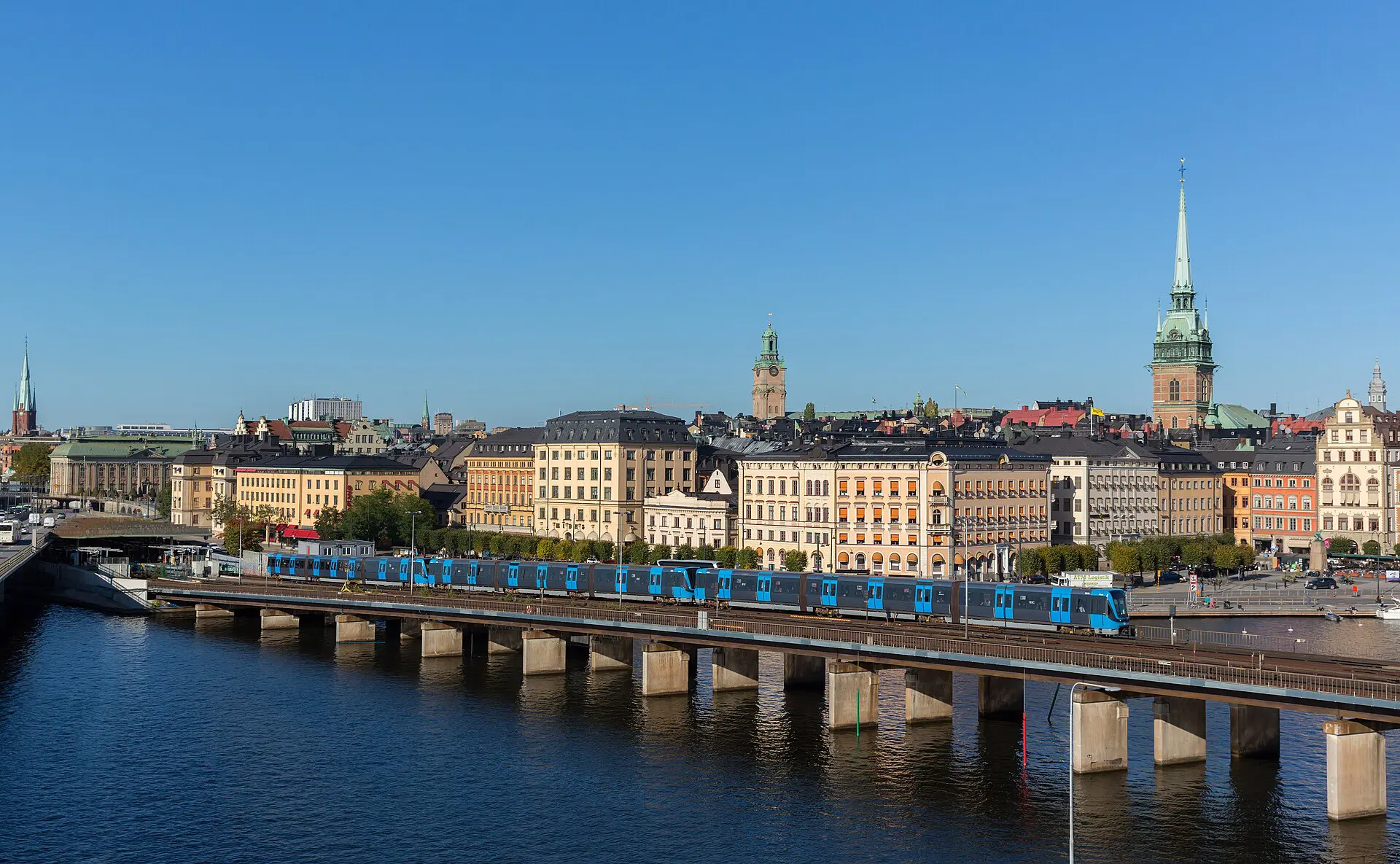
The old town occupies a small island and is known for its cobbled lanes, colourful buildings and the royal palace. Allow two to three hours. Go early to avoid the crowds, and wear comfortable shoes for the uneven paving.
Vasa Museum
The museum on the island of Djurgarden houses a well-preserved 17th-century warship. Allow two hours. Check opening times and consider buying tickets online, as the museum can be busy in summer, particularly at midday.
Skansen and Djurgarden
Djurgarden is a green island with museums, parks and an open-air museum showing historic Swedish buildings. It suits half a day or more. Combine it with a ferry ride from the city, and check seasonal opening hours.
Museums beyond Vasa
With around 70 museums, you can choose by interest, from art and design to history and music. Plan one or two hours for each, check opening days since many close one day a week, and look for combined tickets or city passes.
Archipelago boat trip
Ferries and tour boats run to islands in the archipelago, offering swimming, walking and small villages. Plan half a day to a full day. Services are more frequent in summer, so check timetables, and take food, since island options can be limited.
City Hall and the waterfront
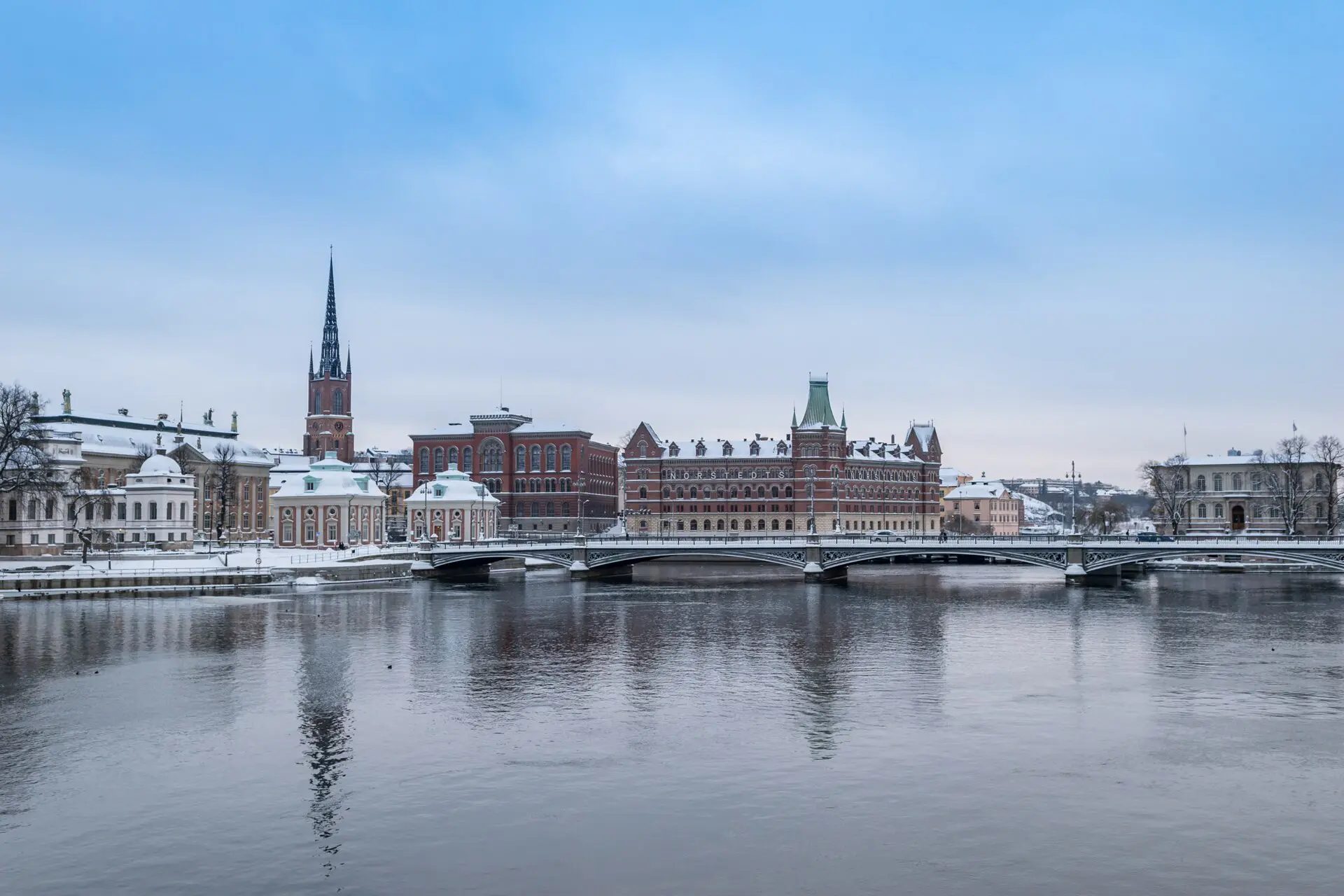
The brick City Hall, where the Nobel banquet is held, is a landmark on the water, and the waterfront walks around it are pleasant. Allow an hour, and check whether guided visits are available during your stay.
Parks and swimming
Green areas make up around 30 percent of the city, so parks are never far away, and in summer locals swim and picnic by the water. Plan an hour or two, and bring a towel and layers, since evenings can be cool.
Best time to visit Stockholm
Stockholm has a cool temperate climate with four clear seasons. Summer brings long daylight hours and the best conditions for the archipelago, while winter is dark, cold and often snowy but atmospheric around the holidays.
| Season | Weather | Crowds and prices |
|---|---|---|
| Spring (April to May) | Cool, brightening | Quieter; good value |
| Summer (June to August) | Mild to warm, very long days | Busiest; ferries at full schedule |
| Autumn (September to October) | Cool, colourful foliage | Quieter |
| Winter (November to March) | Cold, dark, some snow | Fewer visitors; Christmas markets |
Check boat schedules for the archipelago if you travel outside summer, as many services are reduced or paused.
How to get to Stockholm and around
Most international visitors arrive at Arlanda Airport, roughly 40 km north of the centre, and the fast airport train, buses and taxis connect it with the city in around 20 to 40 minutes. Smaller airports serve some low-cost flights, so check which one your ticket uses.

Stockholm Central is the main rail hub, with trains to Gothenburg, Malmo and other Swedish cities, plus connections onwards to Copenhagen and Oslo. Long-distance buses and overnight ferries from neighbouring countries also arrive here.
In the city, the metro, buses, trams and commuter ferries work as one network, and you can use a travel card or ticket app. The centre is compact and walkable, and cycling is common in summer. Taxis exist but are expensive, so public transport usually gives better value.
Where to stay in Stockholm
The area around the Central Station and Norrmalm is the most practical base, with rail, airport train and metro all close, and many hotels in different price ranges. It suits short stays and travellers who want to move on quickly, though it is more commercial than characterful.
Gamla Stan is the most atmospheric choice, with historic buildings and small hotels, but rooms are often small and prices high. Sodermalm to the south is popular with younger travellers for its cafes, bars and shops, and it offers a more local feel with good transport links.
Djurgarden has fewer places to stay but is quiet and close to the museums. Book early for summer and major events, and check whether breakfast is included, since eating out can add noticeably to the cost of a stay.
How many days do you need?
Three days is a comfortable length for the old town, two or three museums and a short boat trip. Two days works if you focus on the centre. A fourth day gives room for a longer archipelago visit or a day trip to Uppsala or Sigtuna.
- Day 1: Gamla Stan in the morning, the waterfront and City Hall, then dinner in Sodermalm.
- Day 2: Djurgarden: the Vasa Museum, Skansen or another museum, and a ferry back.
- Day 3: A boat trip into the archipelago, or a day trip out of the city.
Day trips and nearby
Uppsala
A university city north of Stockholm, easily reached by train in under an hour. It has a large cathedral and a river running through the centre. It works as a half-day or full-day trip, and combines well with a stop near Arlanda.
Sigtuna
A small town by Lake Malaren, known as one of Sweden’s oldest, with a short main street and lake views. It can be reached by public transport and suits a half-day, with time for a lakeside walk.
Archipelago islands
Scattered islands east of the city offer swimming, walking and small villages, reached by ferry from the centre. Pick one island rather than several, and check return times before you go.
Gothenburg and Malmo
Sweden’s other big cities are a few hours away by train. They are better treated as separate stops than as day trips, though fast trains make them practical for those with more time.
FAQ
Q1When is the best time to visit Stockholm?
May to September offers the mildest weather, long days and a full ferry schedule for the archipelago. Winter is dark and cold but has a festive atmosphere and lower prices, while spring and autumn are quieter and cooler.
Q2How many days do you need in Stockholm?
Three days is enough for Gamla Stan, the Vasa Museum, one or two other museums and a boat trip. Add another day for a longer archipelago visit or a day trip to Uppsala or Sigtuna.
Q3How do you get from Arlanda airport to Stockholm?
The airport is about 40 km north of the centre. A fast train, airport buses and taxis connect it with the city in roughly 20 to 40 minutes. Check current fares and schedules, as taxi prices vary.
Q4Is Stockholm expensive?
Stockholm is generally a high-cost destination, especially for hotels, restaurants and alcohol. Public transport, parks and walking are good value, and many museums offer combined tickets. Costs depend on exchange rates and season, so check recent prices.
Prices, schedules and entry rules change. Check current details with official sources before you travel. Read the Sweden travel guide.