Why visit Slovenia
This Slovenia travel guide begins with its variety: the country covers about 20,000 square kilometres, yet it holds the Julian Alps, forested hills, karst caves, wine regions and a 46.6-kilometre Adriatic coastline, as the Wikipedia overview notes. Ljubljana, the capital, is close to the centre, so you can base yourself in one place and reach Bled, the caves or the coast in under two hours.
Slovenia suits independent travellers who like the outdoors and good food without large crowds, and it is a strong choice for hikers, cyclists, families and couples. English is widely spoken, roads and trains are decent, and the country is among the safest in Europe. It costs more than neighbouring Croatia’s inland areas or Hungary, particularly at Lake Bled in summer, but it is manageable with planning. Slovenia is sometimes grouped with the Balkans, though most Slovenes describe it as Central European.
Best places to visit in Slovenia
The best places to visit in Slovenia are close together, which makes it easy to combine mountains, caves, a city and the sea.
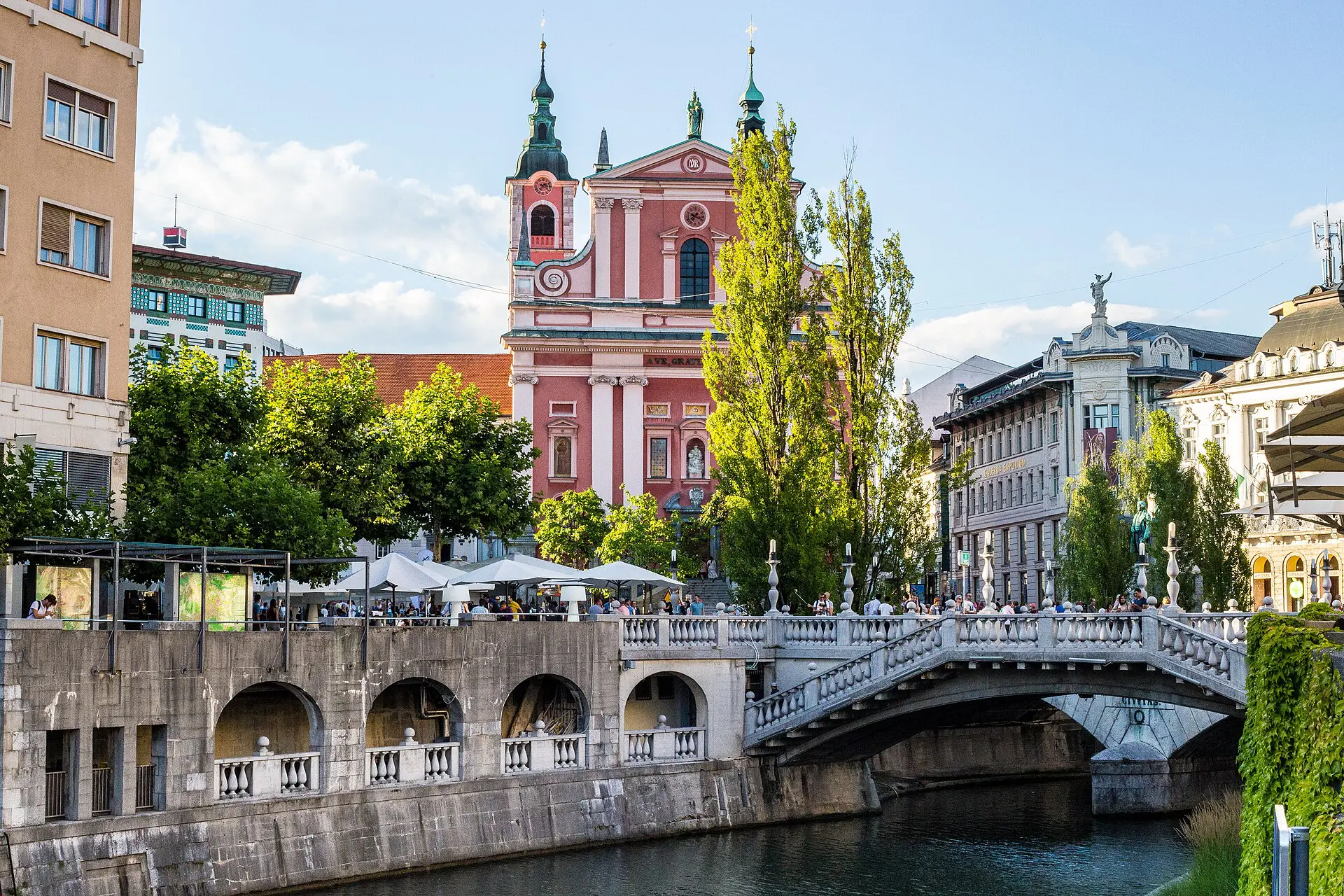
Ljubljana
The capital has a compact, car-free old centre by the Ljubljanica River, with Plečnik’s bridges and market, a hilltop castle and riverside cafés. It feels relaxed and green, and a good base for two nights.
Lake Bled
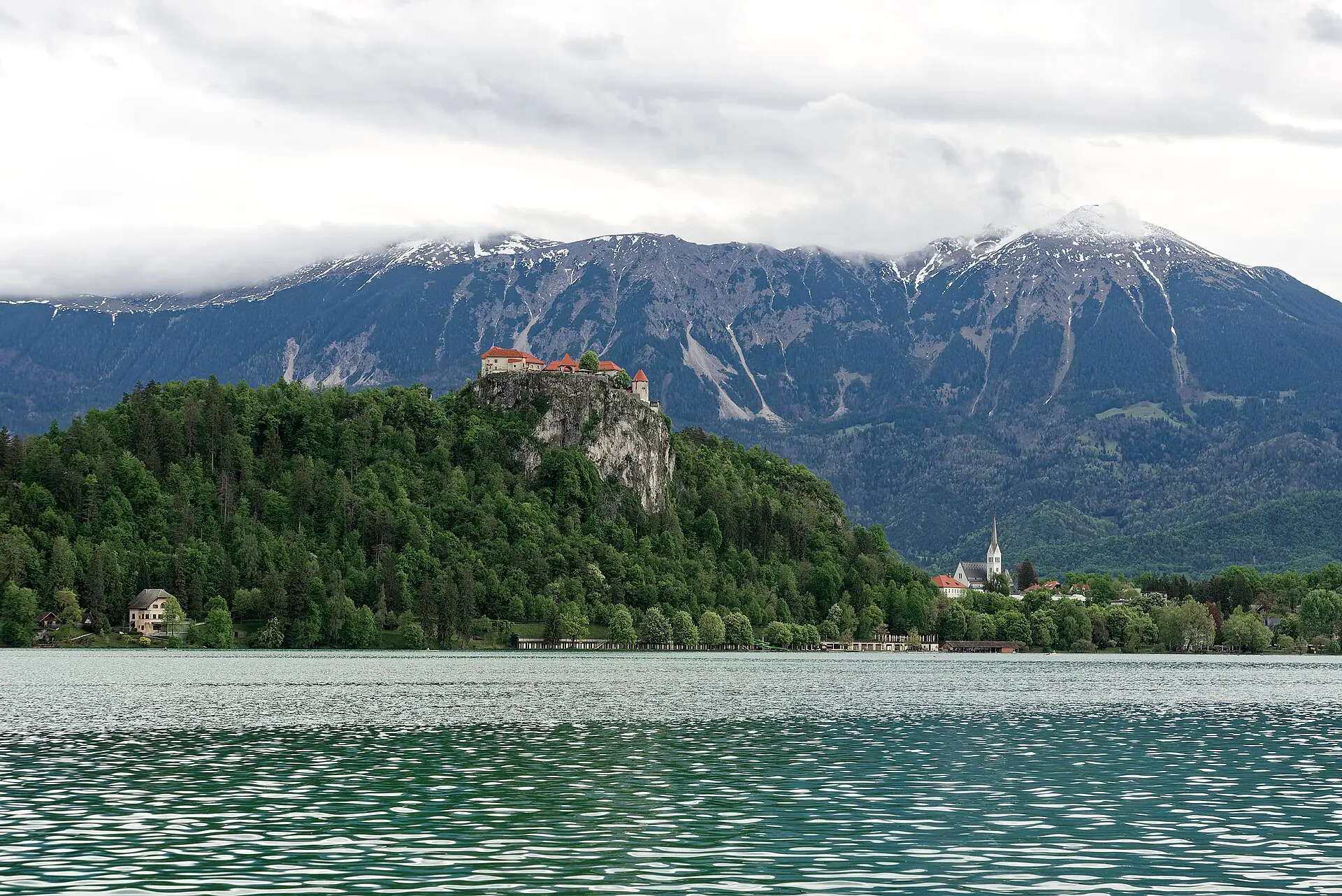
A glacial lake with a small island church, a cliff-top castle and views of the Julian Alps. Walk the shoreline, row to the island and try the local cream cake. Arrive early in summer.
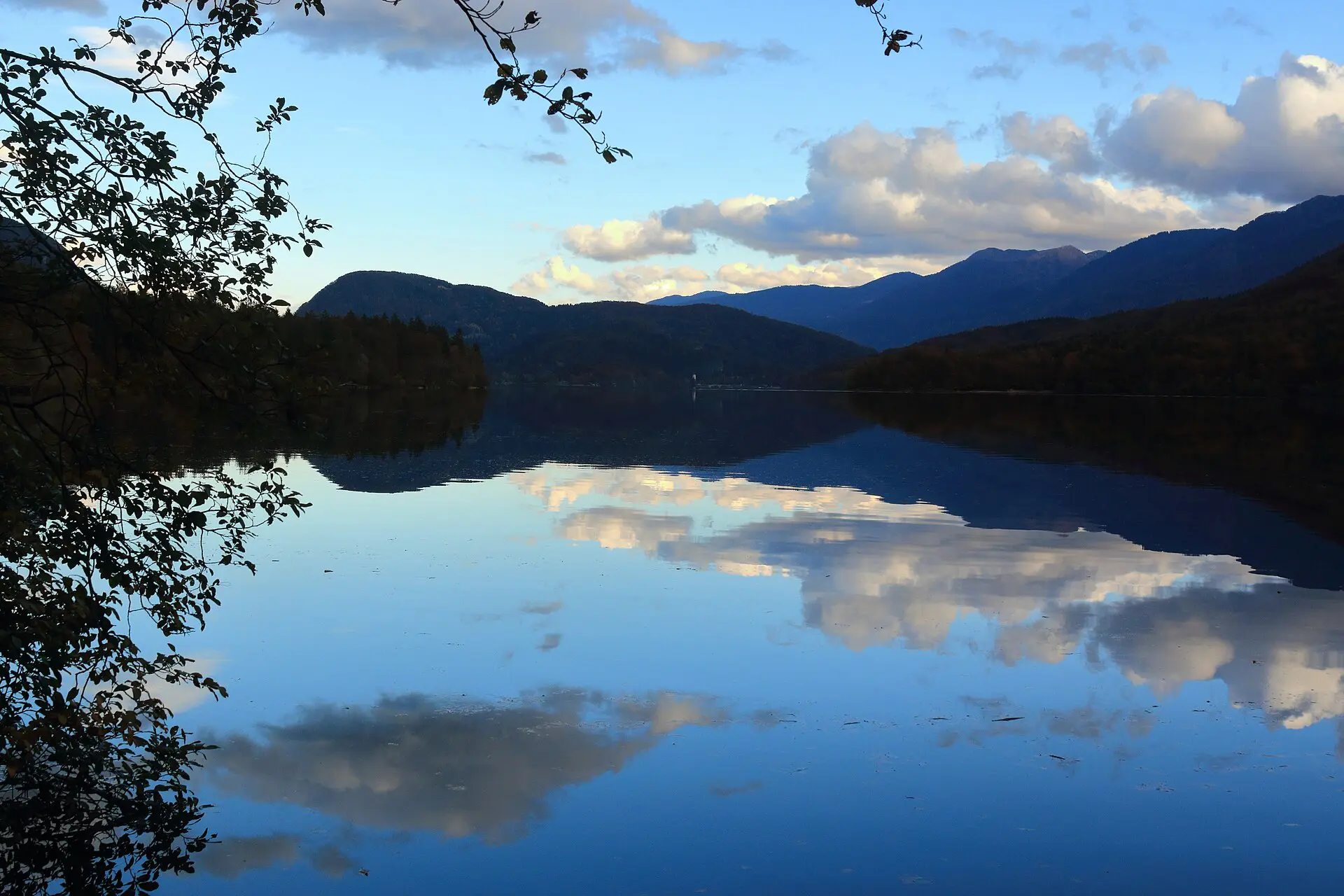
Lake Bohinj and Triglav National Park
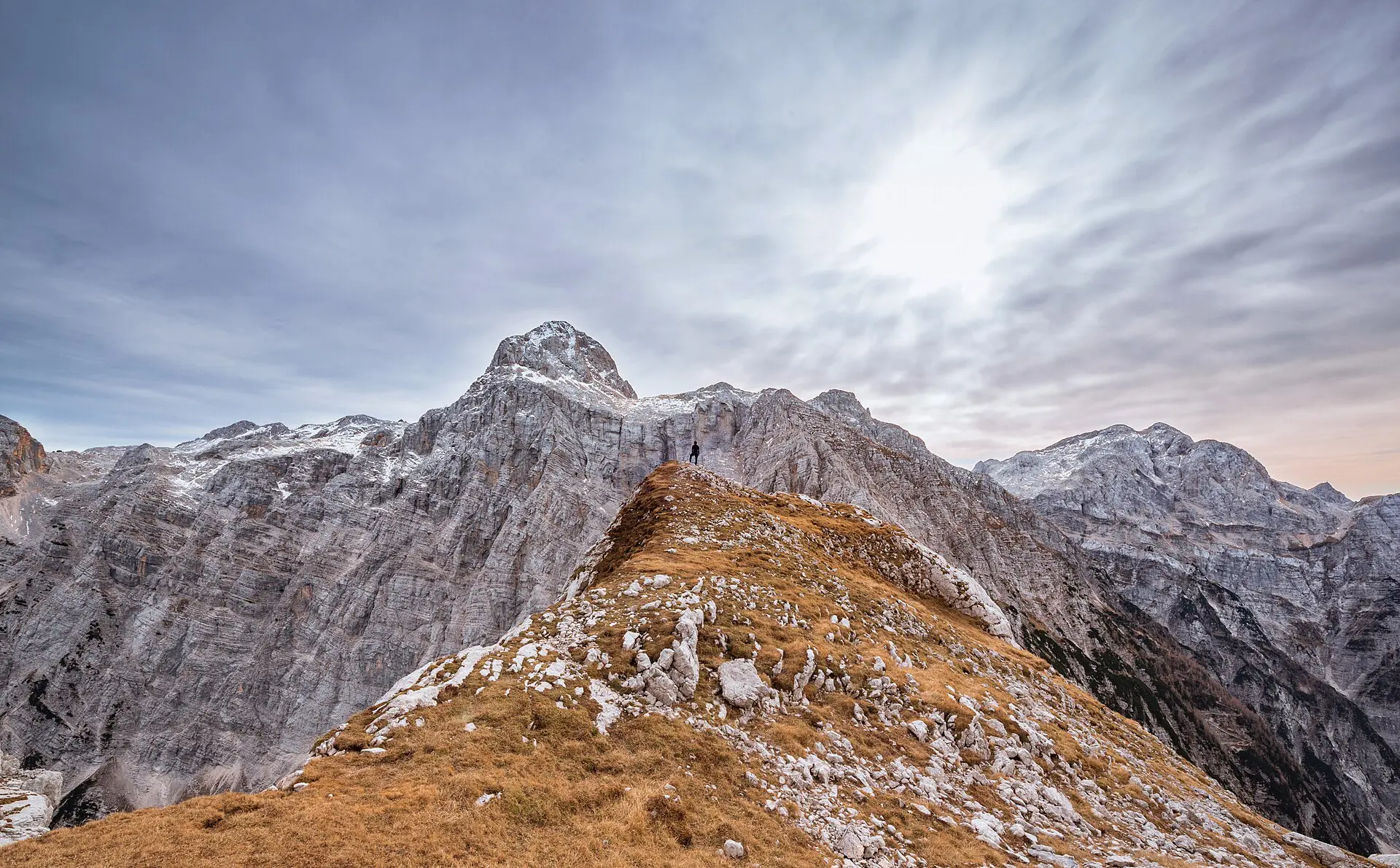
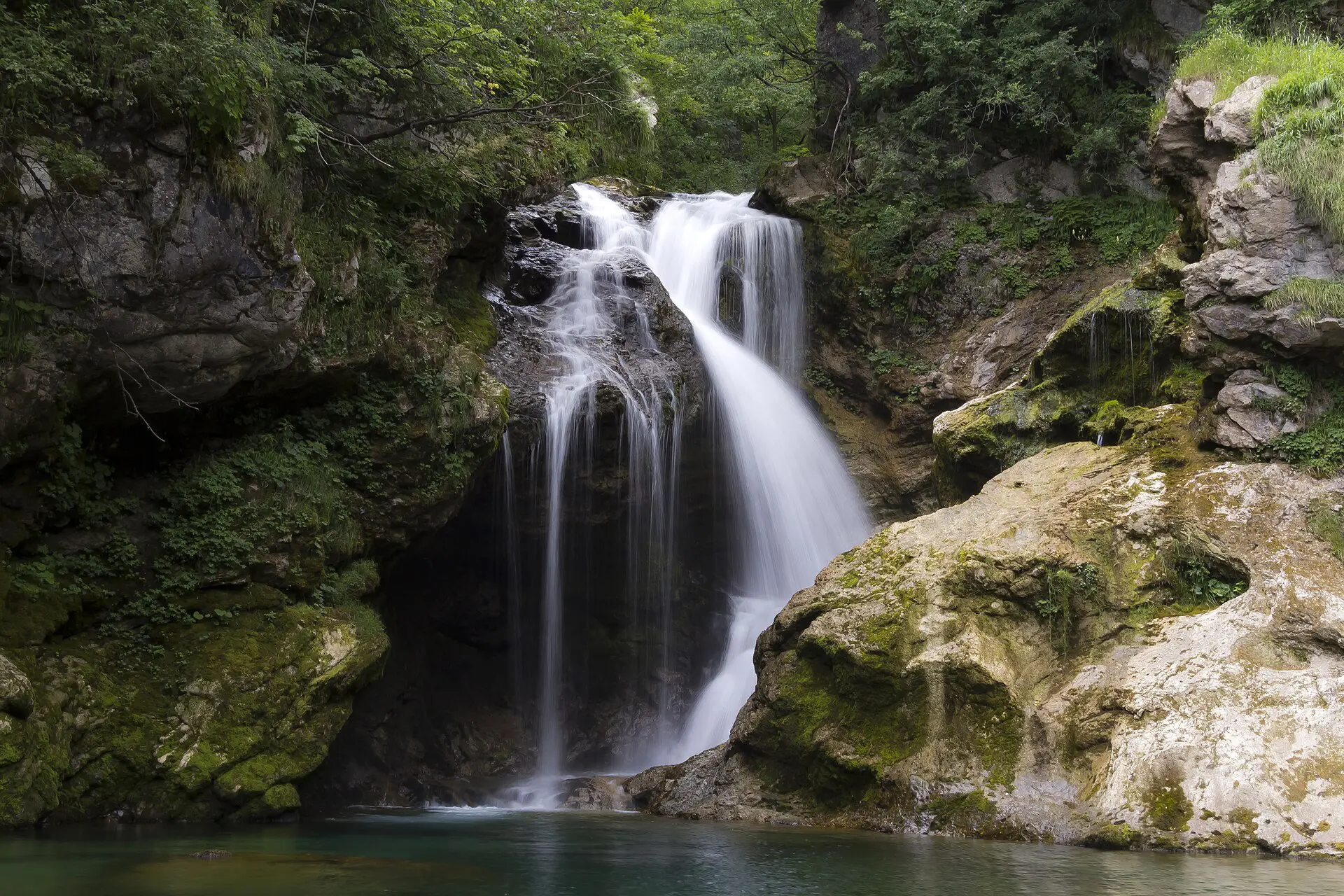
Bohinj is quieter and wilder than Bled, with hiking, swimming and the Savica waterfall. Triglav National Park protects the highest peak, Mount Triglav, and much of the Julian Alps.
Soča Valley
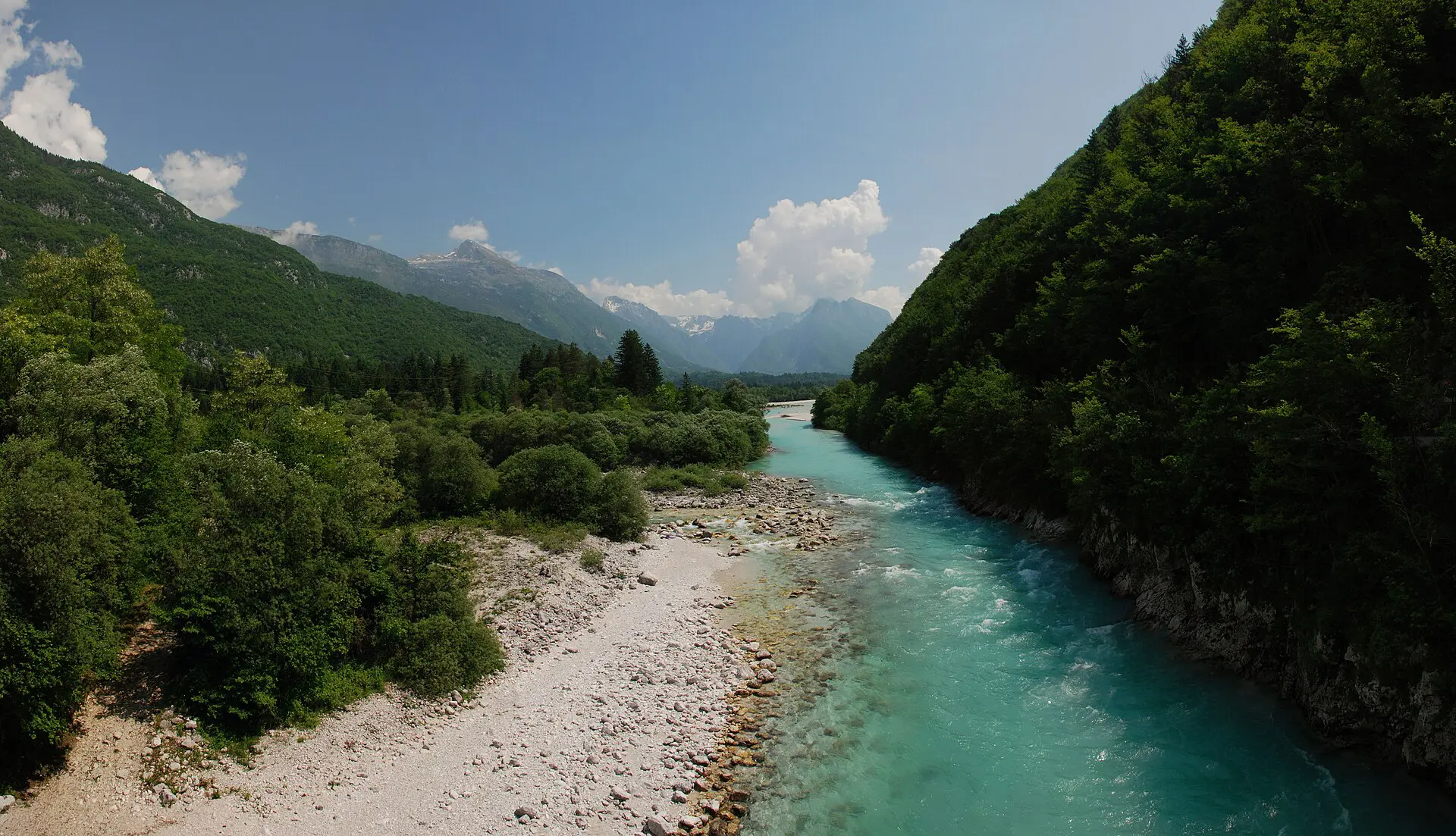
The emerald Soča River suits rafting, kayaking and fishing, and the valley has Kobarid’s museum of First World War history.
Piran and the coast
A Venetian-style town on a peninsula, with a square, narrow lanes and sea views. Koper and Portorož are close by.
Postojna and Škocjan Caves
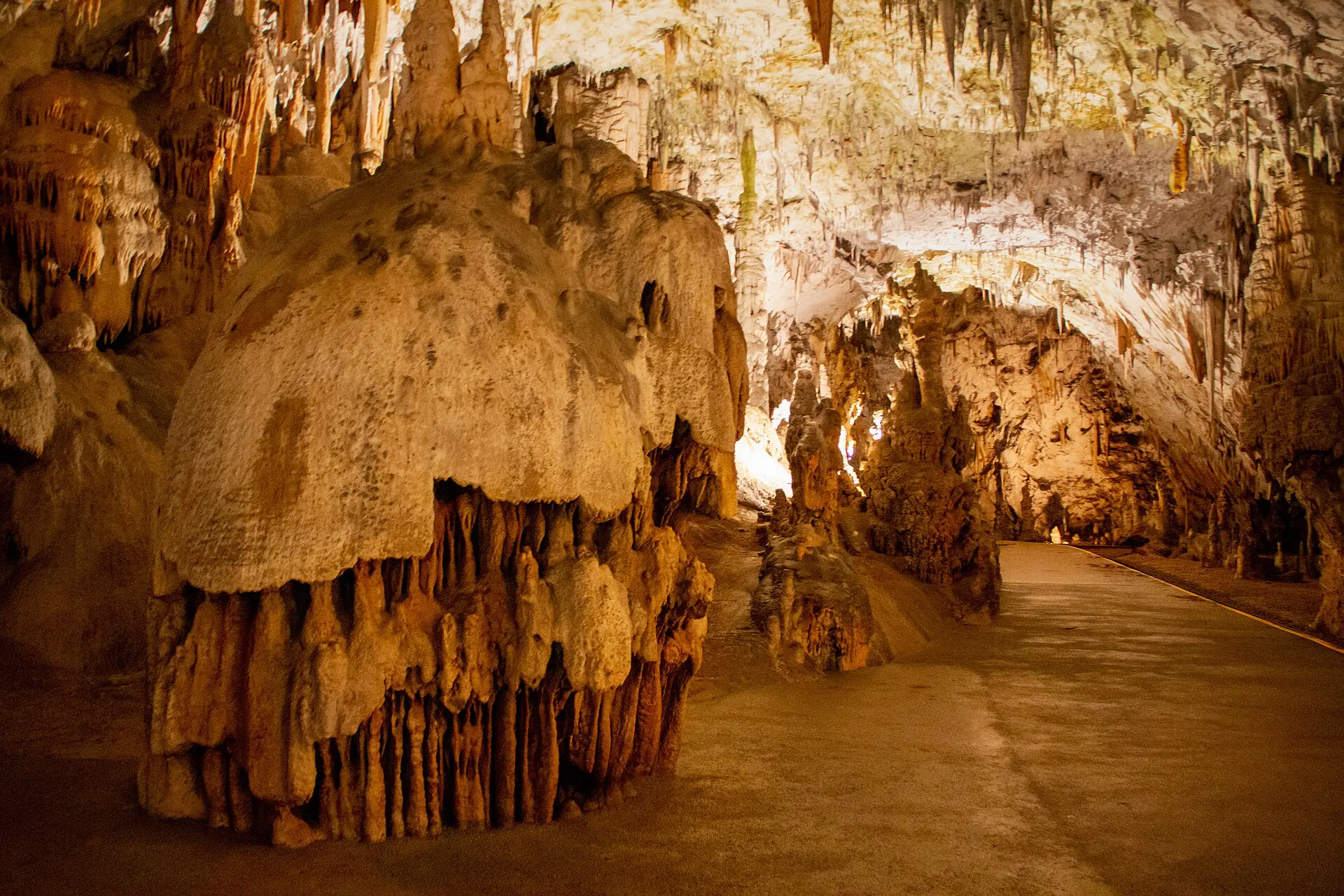
Two great karst cave systems, with a train ride in Postojna and an underground canyon at Škocjan.
Top things to do in Slovenia
The top things to do in Slovenia centre on nature, but the cities and food add plenty.
- Walk around Lake Bled: a flat 6-kilometre path circles the lake, and the Ojstrica viewpoint gives the classic photo.
- Tour Postojna Cave: an electric train and a guided walk take you through large chambers of stalactites.
- Visit Škocjan Caves: a UNESCO-listed underground canyon, less commercial than Postojna.
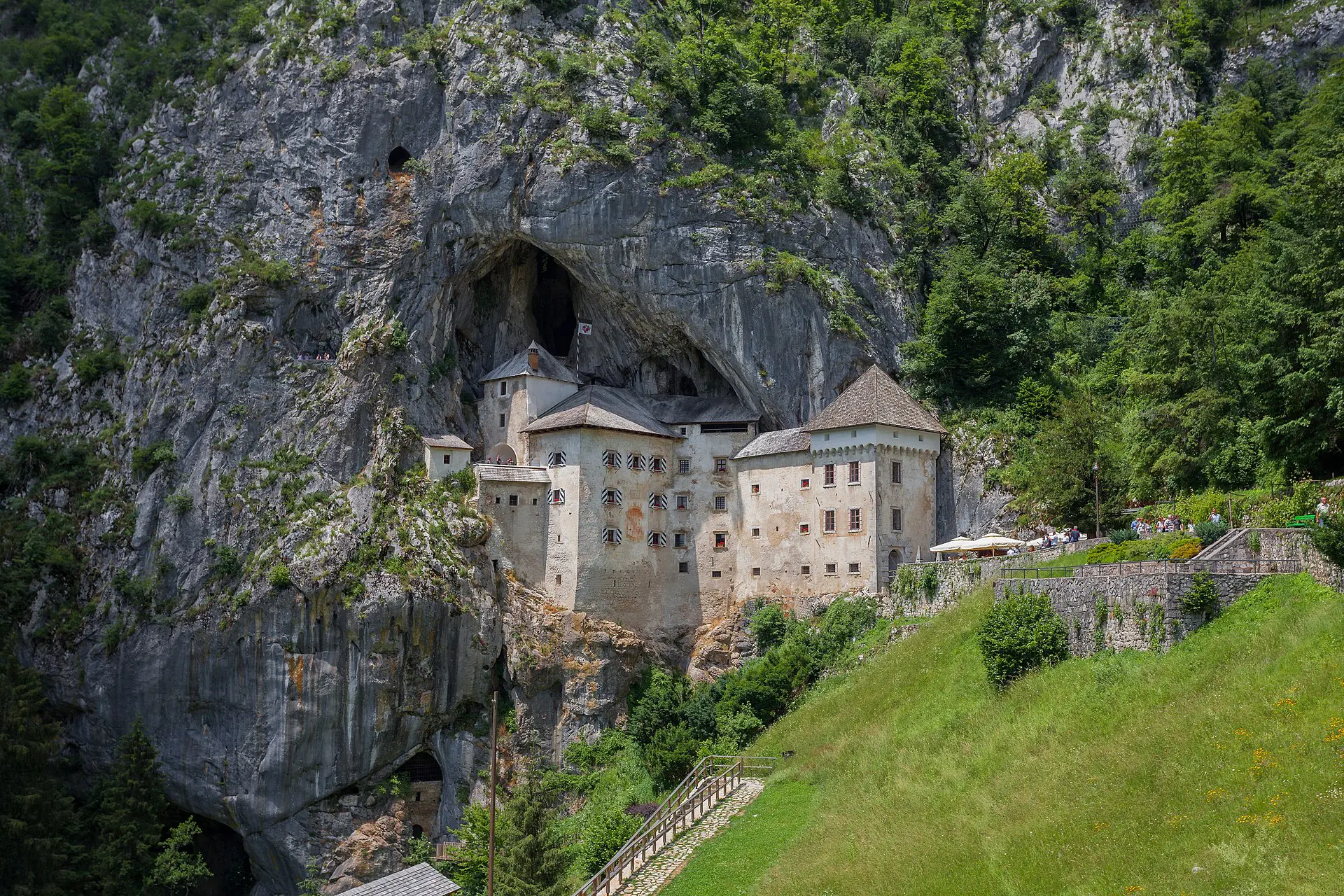
- See Predjama Castle: a Renaissance castle built into the mouth of a cave.
- Hike in the Julian Alps: day routes from Bohinj and the Vrata valley suit all levels, with Triglav for experienced climbers.
- Raft or kayak on the Soča: guided trips operate from Bovec in the warmer months.
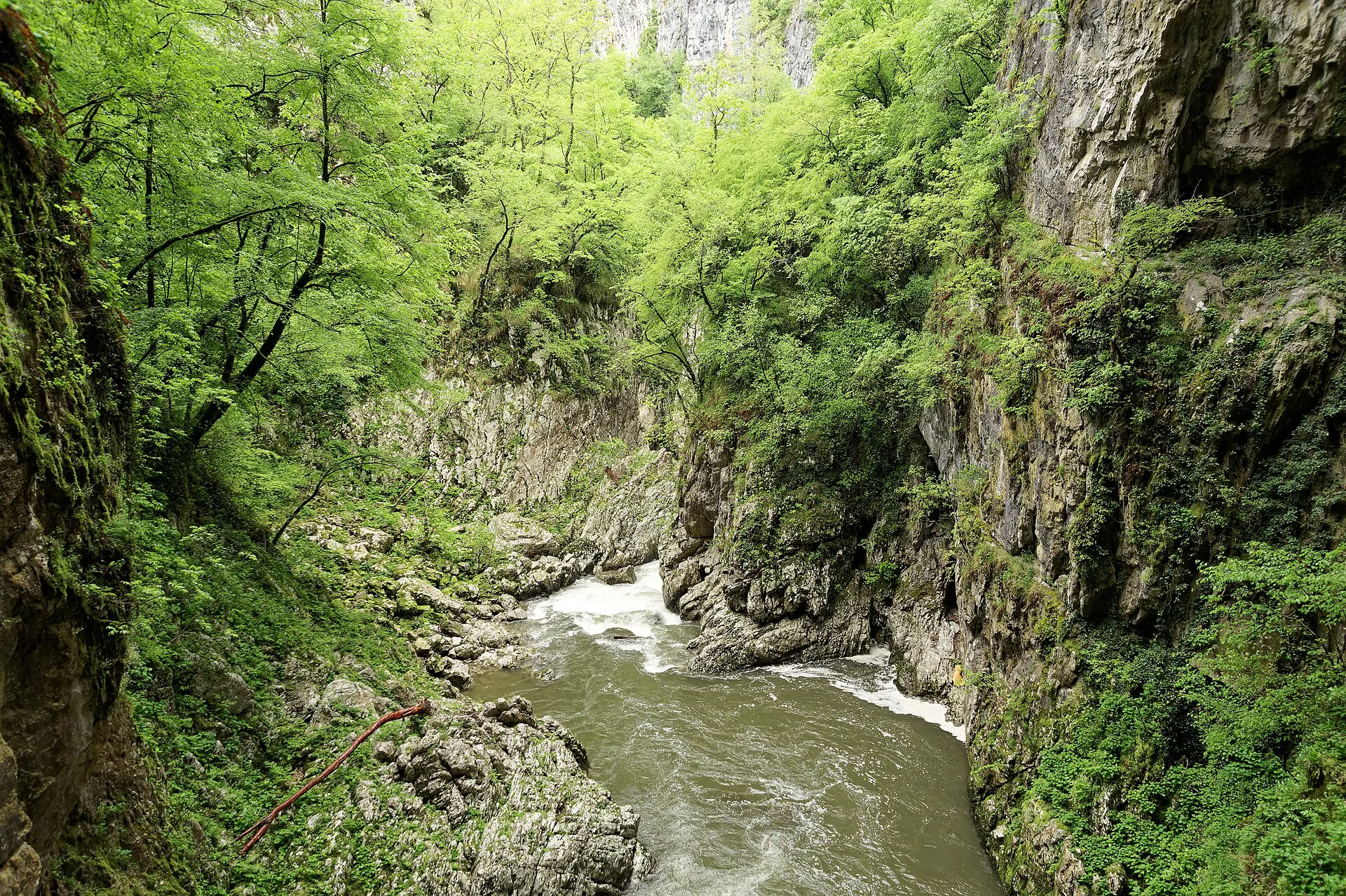
- Walk Vintgar Gorge: wooden walkways run beside a turquoise river near Bled.
- Explore Ljubljana’s old town: cross the Triple Bridge, ride the funicular to the castle and eat at the Open Kitchen market in season.
- Taste wine in Goriška Brda or Štajerska: small cellars welcome visitors with advance booking.
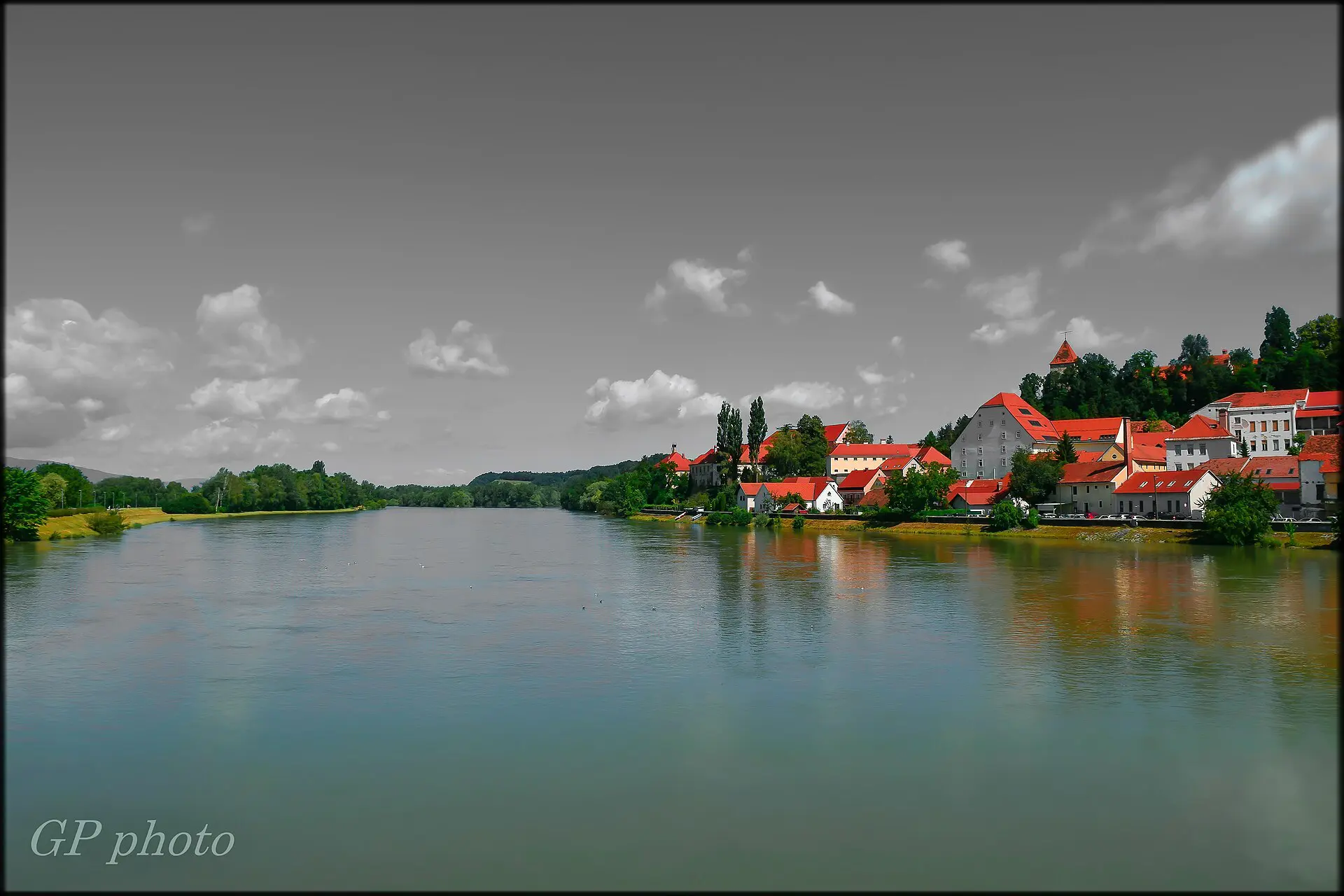
- Visit Ptuj: one of Slovenia’s oldest towns, with a castle and a long wine tradition.
Best time to visit Slovenia
The best time to visit Slovenia is May to June and September, when the weather is pleasant, trails are open and crowds are lighter. July and August are warm and busy, with the best swimming at lakes and the coast, though Bled is crowded and prices peak. Winter suits skiing and Christmas markets in Ljubljana.
| Season | Weather | Crowds and prices | Good for |
|---|---|---|---|
| Spring (Apr-Jun) | Mild, some rain; snow lingers on high trails until June | Moderate, rising in June | Cities, lakes, cycling |
| Summer (Jul-Aug) | Warm to hot; afternoon storms in the Alps | Highest, especially Bled and the coast | Swimming, high hiking, rafting |
| Autumn (Sep-Oct) | Mild, golden foliage, more rain in October | Falling quickly | Hiking, wine, food |
| Winter (Nov-Mar) | Cold, snowy in the mountains | Low in cities, high at ski resorts | Skiing, Christmas markets, spas |
The Soča is coldest and strongest in spring snowmelt, and summer is the main rafting season.
Is Slovenia safe to visit?
Yes, Slovenia is one of the safest countries in Europe, with very low violent crime and a calm, orderly atmosphere. Check your government’s current travel advice, such as the UK FCDO or US State Department pages, before you travel, but problems for visitors are usually minor.
Crime. Petty theft can happen in Ljubljana’s centre and at busy lakes and coastal car parks. Do not leave valuables visible in a parked car, especially at trailheads.
Mountains. The Julian Alps are the main risk. Weather changes quickly, snow can linger into early summer, and exposed routes such as parts of the Triglav climb need equipment, experience and sometimes a guide. Check conditions with the mountain huts or local tourist offices, carry layers and start early. The emergency number is 112.
Nature. Ticks are common in forests and long grass, with tick-borne encephalitis present in parts of the country, so consider vaccination and use repellent. Brown bears live in southern forests, so keep distance, make noise and never feed them.
Roads and water. Driving is generally safe, but mountain roads can be narrow, and rivers like the Soča can be cold and swift.
Visa and entry requirements for Slovenia
Slovenia is part of the Schengen Area and uses the euro. Citizens of the EU, UK and US, along with many other nationalities, can generally enter without a visa for short stays of up to 90 days in any 180-day period, though rules depend on your passport and change over time. Confirm the current requirement with the Slovenian Ministry of Foreign and European Affairs or your nearest embassy.
A pre-travel authorisation system, ETIAS, has been planned for visa-exempt visitors to Schengen countries, so check whether it applies when you travel. Your passport should be valid for the period required by Schengen rules, and you should carry proof of accommodation, funds and onward travel in case of checks.
Border controls with neighbouring Schengen states are normally absent, but temporary checks can be introduced, especially on the Croatian and Italian borders, and queues can form in summer at crossings with Croatia, which has been in Schengen since 2023. Carry your passport or ID at all times. The UNESCO page for Slovenia lists the country’s heritage sites, though it does not cover entry rules.
Getting to and around Slovenia
Ljubljana Jože Pučnik Airport has flights from several European cities, but many visitors also arrive via Venice, Trieste, Zagreb, Vienna or Munich and continue by train, bus or car. Direct trains and buses connect Ljubljana with Zagreb, Vienna, Trieste and Venice, with journeys of two to six hours depending on route.
Inside Slovenia, buses cover most towns and are reliable and inexpensive. Trains from Ljubljana serve Maribor, Ptuj and Bled Jezero area stations, though Bled’s main station is a few kilometres from the lake, so check connections. Ljubljana to Bled takes about an hour by bus, to Piran about two hours and to Postojna about 50 minutes.
A rental car gives the most freedom for the Soča Valley, mountain passes and Predjama. Driving is on the right, motorways require an electronic vignette, and headlights should be on. Parking at Bled, Bohinj and Vintgar fills early in summer, so arrive before 9 am or use shuttle buses. Ljubljana’s centre is largely closed to cars and easy to explore on foot or by bike.
How much does a trip to Slovenia cost?
Slovenia is more expensive than most of Eastern Europe but cheaper than Austria or Italy. The currency is the euro, and cards are accepted almost everywhere. Prices rise in July and August, particularly at Bled, Bohinj and the coast. Figures below are rough per-person guides for 2026.
- Budget: around EUR 50 to 80 per day, with hostels or campsites, bus travel, supermarket and daily-menu lunches.
- Mid-range: around EUR 90 to 150 per day, with a hotel or apartment, restaurant dinners, entrance fees and a rental car.
- High-end: from around EUR 200 per day, with lakeside hotels, tasting menus and guided adventure activities.
Accommodation is the main cost, and rooms near Lake Bled are the most expensive. Lunch menus (dnevna ponudba) in local restaurants are good value. Cave tickets, castle entries and adventure sports are the main sightseeing expenses, and the lakes and hiking trails are free. A tourist tax is added per night to accommodation costs.
Slovenia food and drink
Slovenia food varies by region, mixing Alpine, Central European and Mediterranean cooking, and the country takes local, seasonal produce seriously. Menus are short, and many restaurants buy from nearby farms.
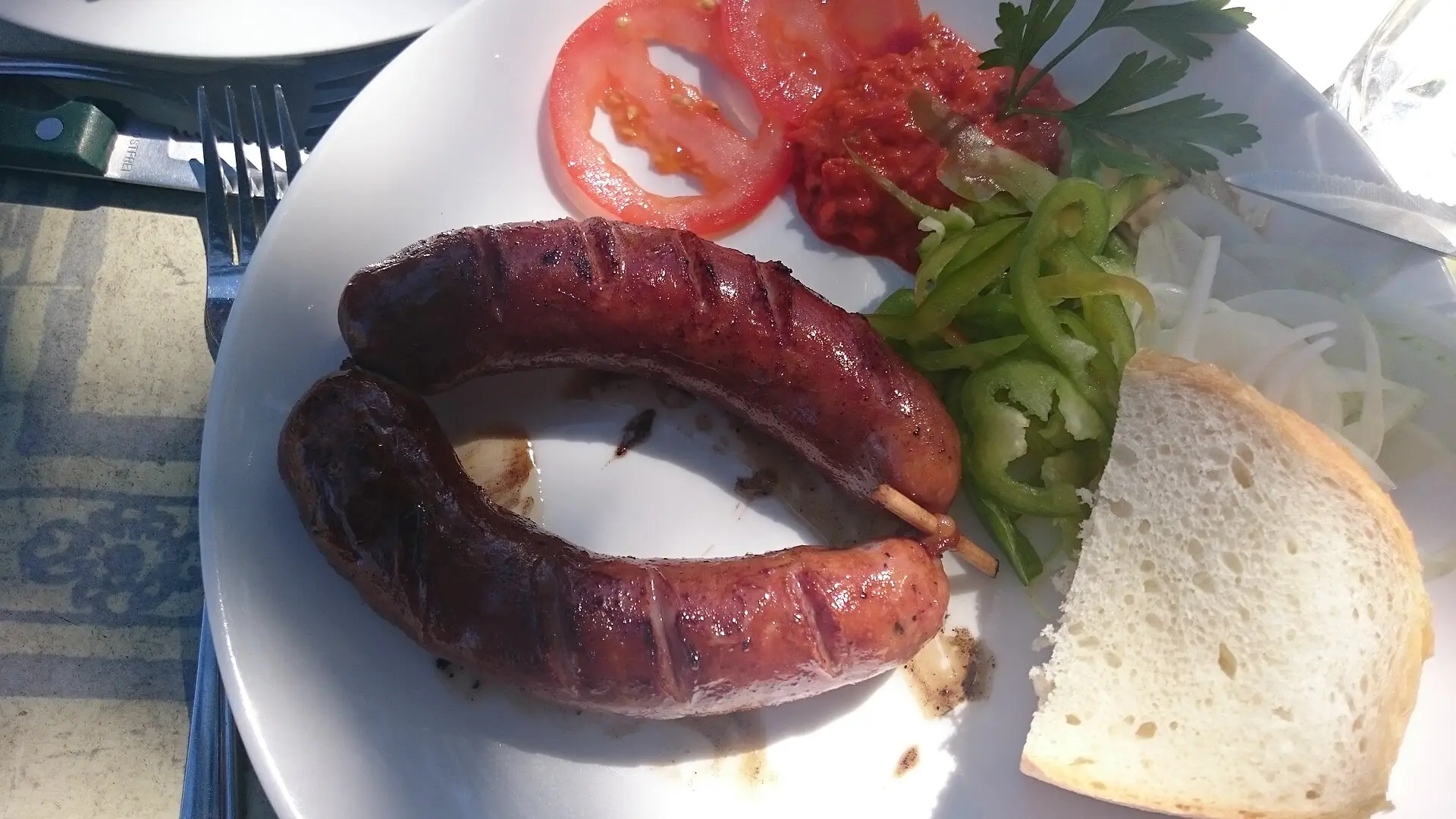
- Kranjska klobasa: a smoked pork sausage from Carniola, often served with mustard and sauerkraut.
- Štruklji: rolled dumplings with cottage cheese, walnuts or herbs, served sweet or savoury.
- Jota: a sauerkraut and bean stew common in Karst and coastal areas.
- Potica: a rolled walnut cake served at holidays and in bakeries.
- Kremšnita: the Bled cream cake, with vanilla custard and cream beneath crisp pastry.
- Fresh seafood: sea bass, squid and sardines on the coast, around Piran.
- Wine and spirits: look for Goriška Brda, Vipava and Štajerska whites, and for žganje fruit brandies. Slovenia also has a long beekeeping tradition and sells honey widely.
Vegetarians can eat well on dumplings, soups and salads, but meat is prominent in traditional dishes. Ljubljana’s open-air food markets are good for tastings, and many farm restaurants called turistične kmetije offer set menus by reservation.
Culture, language and etiquette in Slovenia
Slovene is the official language, a South Slavic language with a distinctive grammar and some words that change by region. Hungarian and Italian have official status in small areas, and English is widely spoken, particularly by younger people and in tourism, while German is also common. A few words, such as dober dan (good day) and hvala (thank you), are welcome.
Slovenes are reserved but warm once they know you, and they value punctuality, tidiness and the outdoors. Many people hike, cycle or ski, and weekend trips to the mountains are part of life. Environmental care is serious: recycle, do not litter and stay on marked trails. Ljubljana has been recognised for its green policies.
Shake hands when meeting, and use the formal vi with older people at first. If invited to a home, bring flowers or wine and take off your shoes. Toasts are made by looking the person in the eye and saying na zdravje. Tip about 10 percent for good service. Dress modestly in churches, which are mostly Catholic, and be respectful when discussing the Yugoslav era and the 1991 independence war.
Slovenia itinerary: a 7-day route
This route uses Ljubljana as a hub and works by bus or a rental car, with distances rarely over two hours.
- Day 1, Ljubljana: arrive, cross the Triple Bridge, ride the funicular to the castle and eat along the river.
- Day 2, Ljubljana and markets: explore the central market, museums and cafés, with an optional evening river cruise.
- Day 3, Postojna and Predjama: visit Postojna Cave and Predjama Castle, then continue to the coast.
- Day 4, Piran: walk the old town and sea walls, swim, and eat seafood.
- Day 5, Škocjan Caves and Soča Valley: tour the underground canyon in the morning, then drive to Bovec or Kobarid.
- Day 6, Soča and Julian Alps: raft or walk along the Soča, then drive over the Vršič Pass to Bled or Bohinj.
- Day 7, Bled: walk around the lake, see Vintgar Gorge, eat cream cake and return to Ljubljana for departure.
In winter, swap the coast for a ski day at Vogel or Kranjska Gora, and check whether the Vršič Pass is open, as it usually closes in snow.
Practical tips for Slovenia
- Money: the euro is used, and cards are accepted almost everywhere. ATMs are common, and cash is useful for mountain huts and small farms.
- SIM and eSIM: EU visitors use their roaming plan, while others can buy cheap prepaid SIMs or eSIMs. Coverage is good, though signal can drop in alpine valleys.
- Plugs: types C and F at 230 V, as in most of continental Europe.
- Tipping: not obligatory, but rounding up or leaving about 10 percent is appreciated.
- Health: tap water is excellent, pharmacies are widespread, and EU citizens should carry a European Health Insurance Card. Consider tick-borne encephalitis vaccination for hiking.
- Packing: waterproof jacket, hiking boots, warm layers for the mountains and swimwear for lakes and the coast.
- Driving: buy a motorway vignette online or at a petrol station before using motorways, and keep headlights on.
- Booking: reserve Bled, Bohinj and coastal rooms early for July and August, and book cave tickets in advance in summer.
For wider background, see the Wikivoyage Slovenia guide.
FAQ
Q1Is Slovenia safe to visit?
Yes, Slovenia is one of Europe's safest countries, with very low violent crime. The main risks are petty theft at busy car parks, mountain weather in the Julian Alps and ticks in forests. Take normal precautions, check forecasts before hiking and keep valuables out of parked cars.
Q2What is the best time to visit Slovenia?
May to June and September are best, with mild weather, open trails and fewer crowds. July and August are warm and busy, good for swimming and high hiking but expensive at Bled and the coast. December to March suits skiing and Christmas markets.
Q3What are the best things to do in Slovenia?
Walk around Lake Bled, tour Postojna and Škocjan caves, visit Predjama Castle, hike in Triglav National Park, raft the Soča, explore Ljubljana's old town, walk Vintgar Gorge and eat seafood in Piran. Wine tasting in Brda or Štajerska is a good extra.
Q4What are the best places to visit in Slovenia?
Ljubljana, Lake Bled, Lake Bohinj, the Soča Valley, Piran and the Postojna and Škocjan caves are the highlights. Ptuj and Maribor suit wine and history, while Triglav National Park is the place for serious Alpine hiking.
Q5How many days do you need in Slovenia?
Five to seven days cover Ljubljana, Bled, the caves, the Soča Valley and Piran without rushing. A long weekend is enough for Ljubljana and Bled, while hikers and cyclists may want ten days to explore the Alps and the countryside.
Q6Is Slovenia expensive to visit?
Slovenia is cheaper than Austria or Italy but pricier than most of Eastern Europe. A mid-range trip costs around EUR 90 to 150 per day, with accommodation the main expense, especially at Bled in summer. Lunch menus, buses and free hiking keep costs down.
Q7Do I need a visa for Slovenia?
It depends on nationality. Slovenia is in the Schengen Area, so citizens of the EU, UK, US and many other countries can enter visa-free for up to 90 days in 180. A pre-travel authorisation may apply, so check official sources before you book.