
Why visit Ljubljana
If you are looking for things to do in Ljubljana, the pleasant surprise is how much fits into such a small city. Slovenia’s capital and largest city sits on a trade route between the northern Adriatic and the Danube region, and it has been inhabited since prehistoric times. A Roman town called Emona once stood here, and later centuries under Habsburg rule left the old town its Baroque and Art Nouveau character.

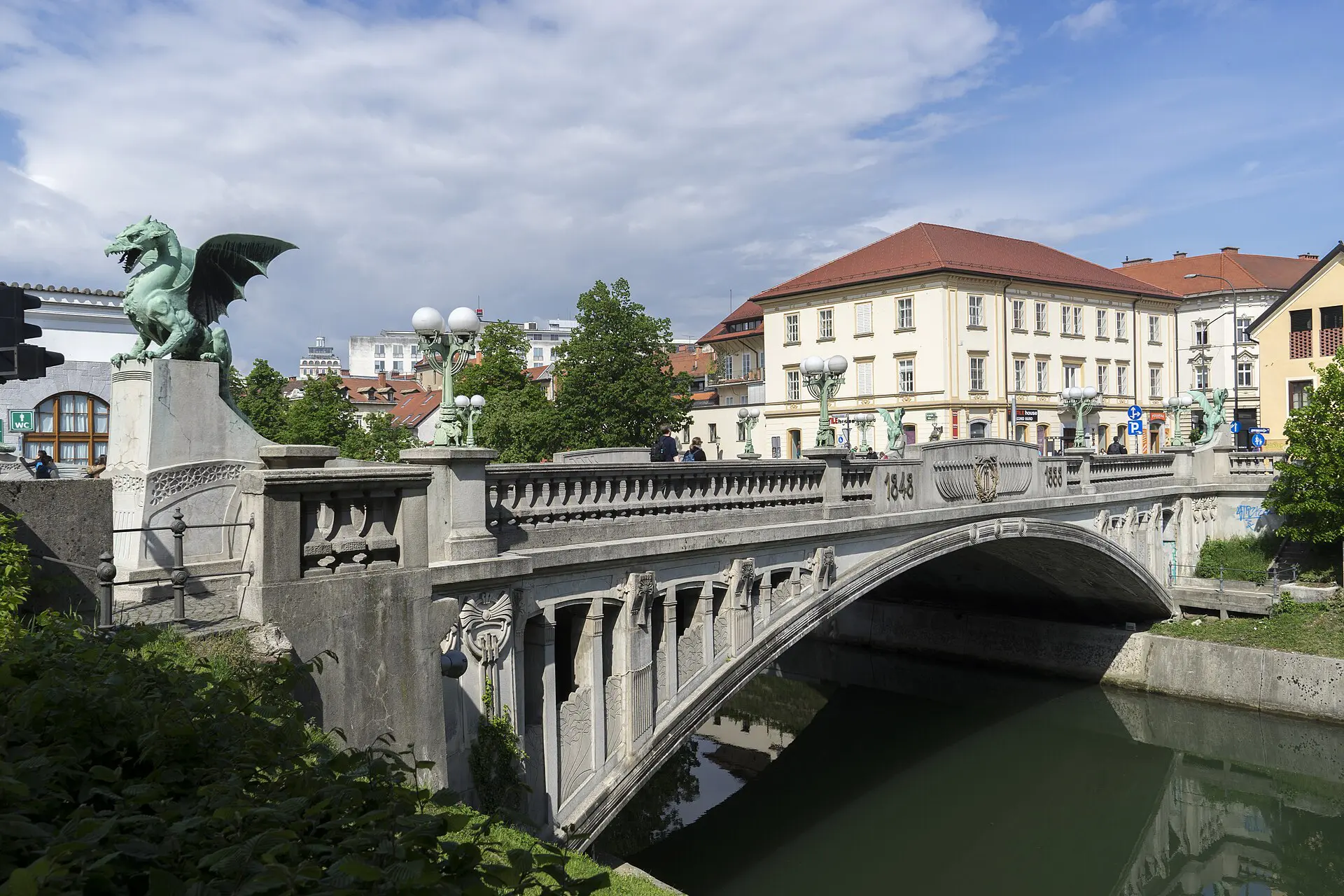
Today the historic core is largely pedestrian, built around the Ljubljanica river with cafes along both banks, bridges to cross and a castle on the hill above. It is a university city as well as the seat of government, so the mood is relaxed and the scale is human.
Ljubljana also works as a base. Alpine lakes, caves, wine country and the short Slovenian coastline are all within a day trip, which makes it good value for a first visit to the country.
Top things to do in Ljubljana

Ljubljana Castle
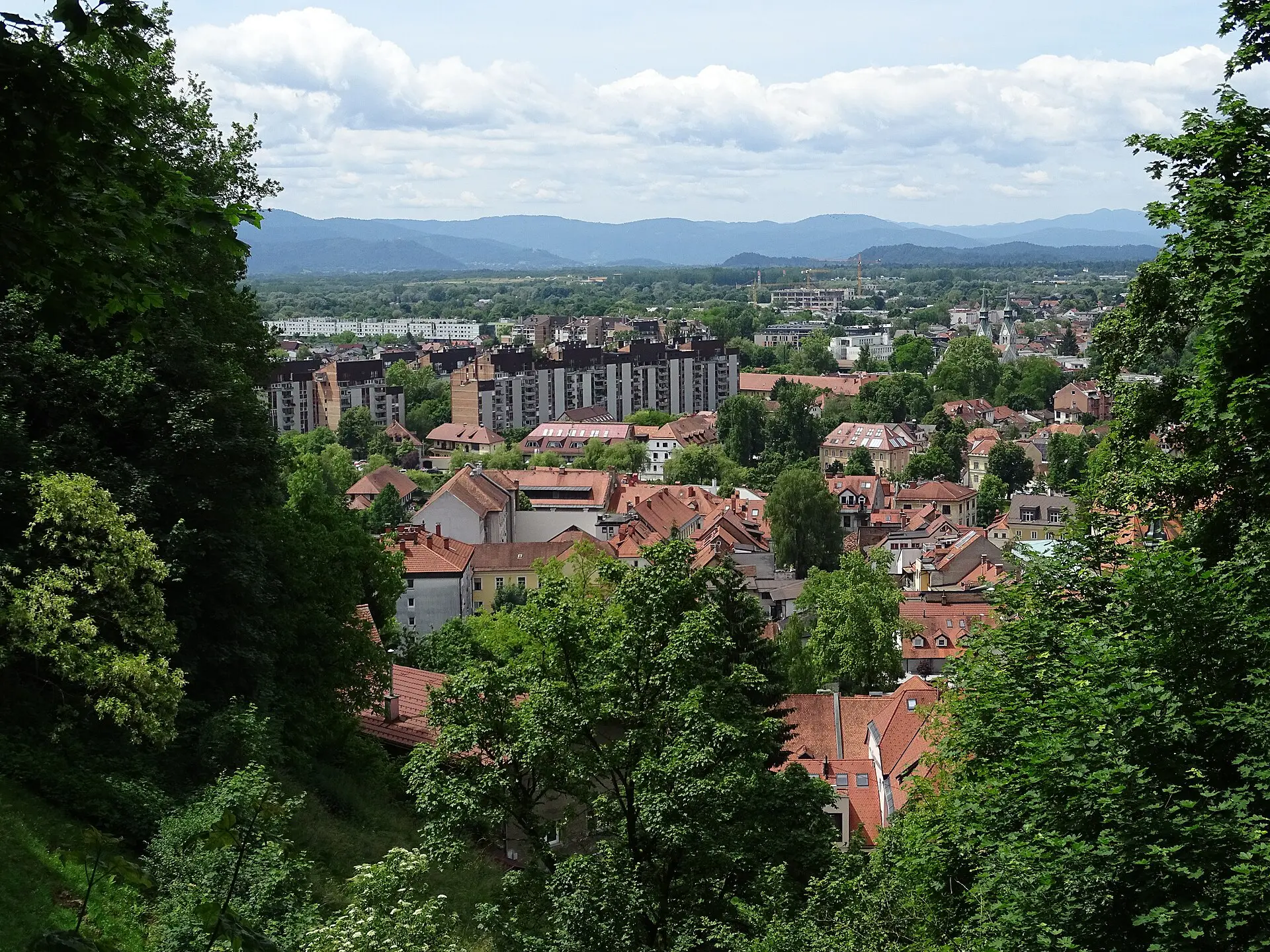
The castle stands on a hill above the old town and is the city’s best-known landmark. You can walk up through the park paths or take the funicular from the old town. Allow around two hours for the courtyards, towers and exhibitions, and check opening hours before you go. The view over the red roofs is best in clear weather.
The Ljubljanica riverbanks
The river is the social centre of the city. Walk the embankments between the bridges, stop at a cafe terrace and watch the town go by. Plan an hour or two, ideally in late afternoon. In summer the terraces fill quickly in the evening, so arrive early if you want a table by the water.
Triple Bridge and Preseren Square
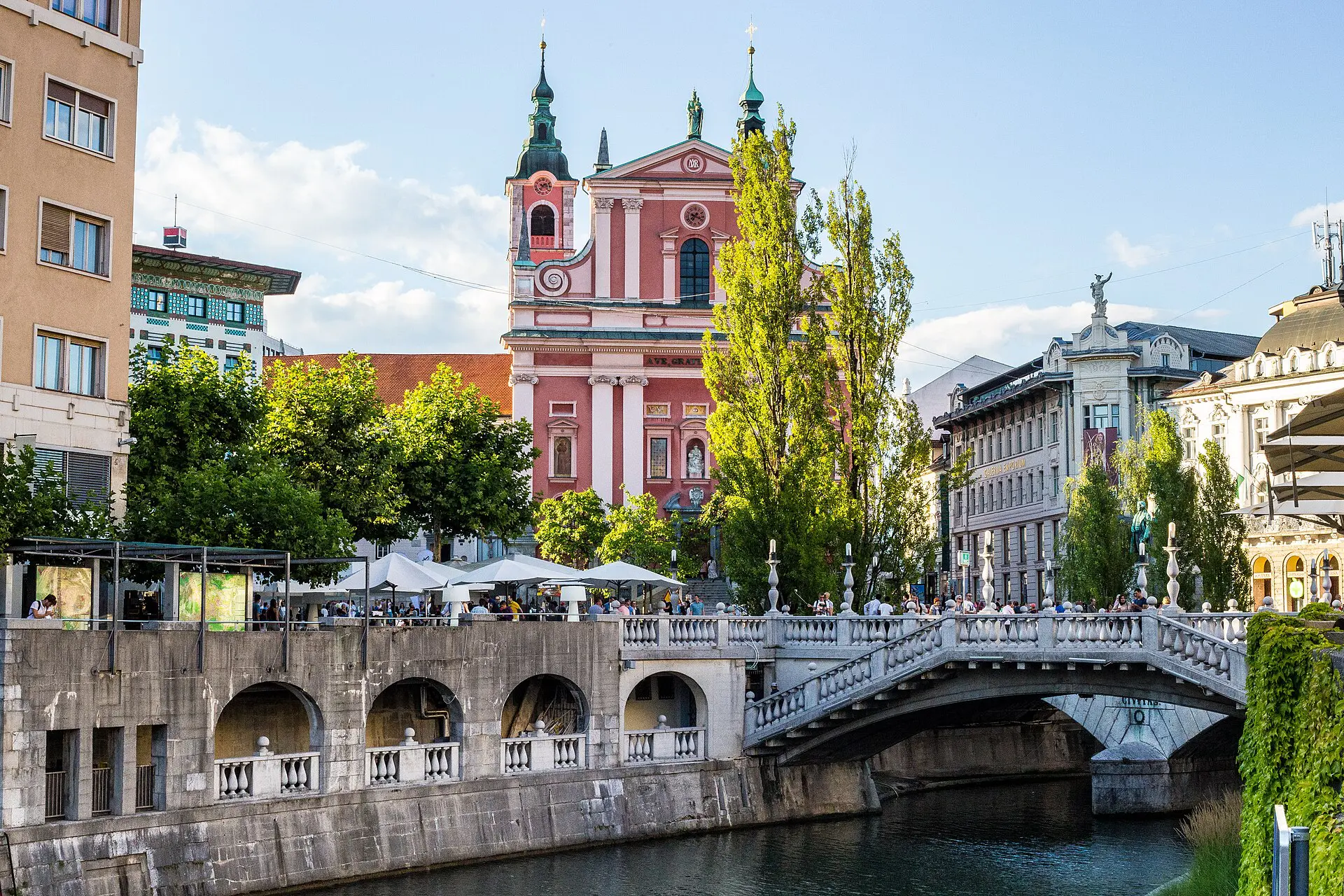
Three linked pedestrian bridges cross the river at Preseren Square, the main meeting point of the old town. It takes only a few minutes to see, but it is the natural starting point for a walk. The square is named after the poet France Preseren, and the pink church facing the bridges is a good landmark for orientation.
Central Market
Local produce, flowers and food stalls fill the market area along the river, with covered colonnades nearby. Go in the morning for the best choice and combine it with a coffee. Stalls change by season, and the market is a good place to try regional snacks without committing to a full restaurant meal.
Old Town walking loop
The narrow streets around the cathedral and town hall reward unhurried wandering. A simple loop from the market to the castle funicular and back takes around two hours with stops. Look up at the building details, and note that some shops close on Sundays, so check times if you are shopping.
Tivoli Park
This large green park lies just west of the centre and is a short walk from the old town. It is popular with locals for walking and running, and it is a free way to spend an hour when you want a break from sightseeing. Wear comfortable shoes if you plan to explore the wooded paths.
Museums and galleries
The city has several museums covering national history, art and modern design. Pick one or two rather than trying them all, and budget around one to two hours each. Opening days vary, and many close on Mondays, so check the current schedule before you plan a rainy-day visit.
Best time to visit Ljubljana
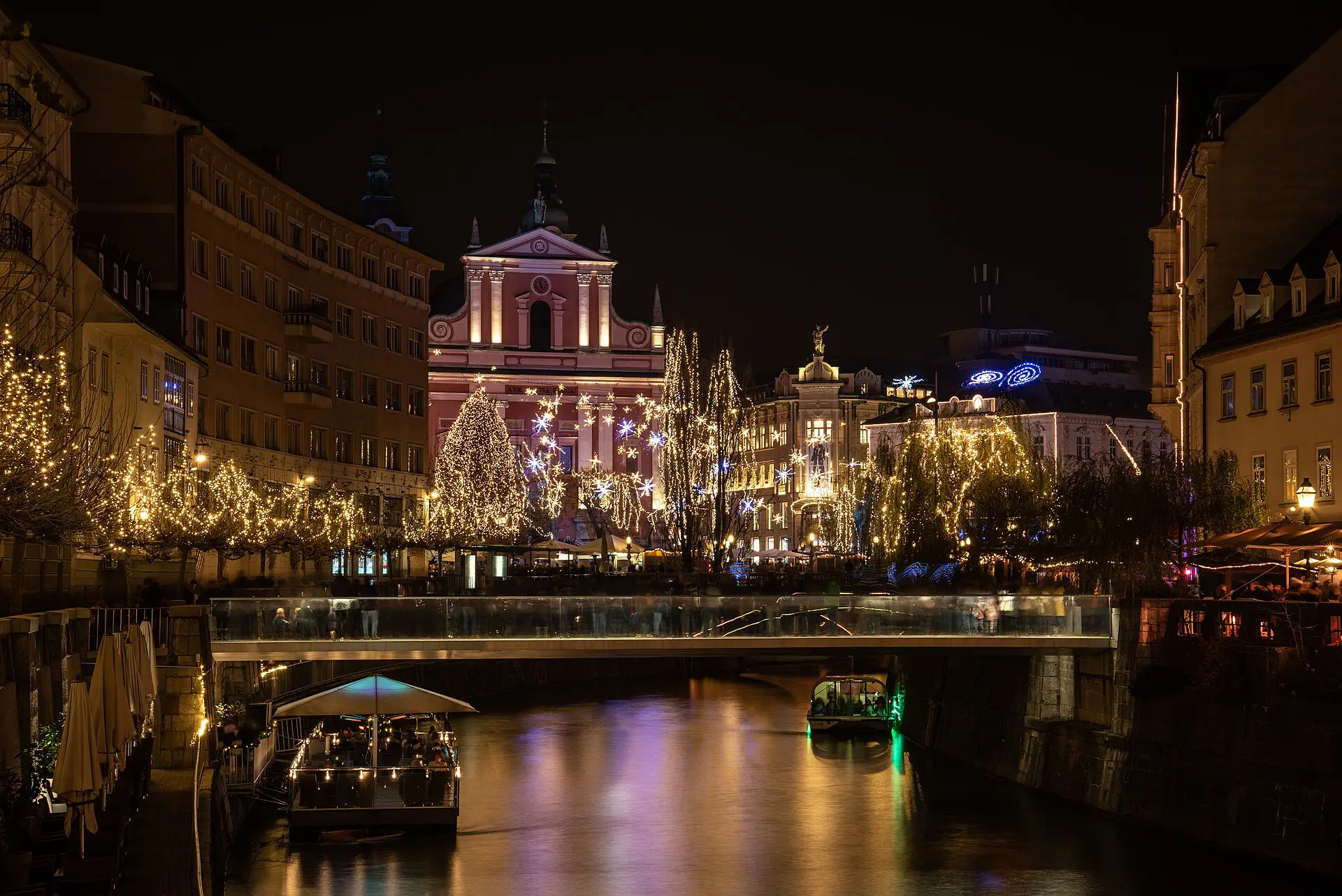
Ljubljana has four distinct seasons, so the best time depends on what you want from the trip. For outdoor cafes, river walks and day trips to the lakes, late spring and early autumn are the sweet spot: comfortable temperatures and fewer crowds than midsummer. Summer is lively with festivals and long evenings, but it can be hot and prices rise. Winter is cold and can be grey, yet the Christmas season brings markets and lights to the old town.

| Season | Weather | Crowds and prices |
|---|---|---|
| Spring (April-May) | Mild, changeable, some rain | Moderate crowds, fair prices |
| Summer (June-August) | Warm to hot | Busiest, highest prices |
| Autumn (September-October) | Mild, often sunny early on | Quieter, good value |
| Winter (November-March) | Cold, sometimes foggy or snowy | Low outside December |
How to get to Ljubljana and around
Ljubljana Jože Pučnik Airport lies north of the city, roughly 25 km from the centre, and is served by airport buses and taxis; confirm current schedules before you travel. Many visitors also fly into Zagreb, Venice or Vienna and continue overland, since Ljubljana has train and bus links with Zagreb and Vienna, and more limited, sometimes bus-only, links with Venice and Trieste. Journey times vary, so check the latest timetables.
The central railway and bus stations sit next to each other on the north edge of the centre, around a 10 to 15 minute walk from the old town. Once you are in the centre, you rarely need transport. The old town is largely car-free and compact, so walking is the default. Local city buses cover the wider area, and many visitors rent a bicycle for the riverside paths. For day trips beyond the city, trains, buses or a rental car all work, depending on the destination.
Where to stay in Ljubljana
Because the city is small, most good bases are within a short walk of the river, and the choice is mostly about atmosphere and budget.
- Old Town: the most atmospheric option, steps from the river, cafes and the castle funicular. Best for short stays and first-time visitors, though it can be busy and pricier in summer.
- Around the railway and bus stations: practical for early departures and day trips, with a wide range of hostels and mid-range hotels. A short walk gets you to the centre.
- Near Tivoli Park and Trnovo: quieter, greener and residential. Good if you want calm evenings and are happy to walk 10 to 20 minutes into the centre.
- Rental apartments: a flexible choice for longer stays or groups, available across the centre.
Book early for summer and for the Christmas market weeks, and check whether a city tourist tax is added at checkout.
How many days do you need?
Two full days is the comfortable minimum, and three lets you add a half-day or full-day trip. One day covers the highlights if you are passing through, but you will be moving quickly.
- Day 1: Start at the Central Market, walk the river between the bridges, then go up to the castle for the view. Finish with dinner in the old town.
- Day 2: Spend the morning in a museum or Tivoli Park, then wander the lesser-visited streets and enjoy a long lunch by the river.
- Day 3: Take a day trip to Lake Bled or the coast, returning for a relaxed evening on the riverbank.
If you only have a day, focus on the old town and castle, and skip the museums.
Day trips and nearby
Lake Bled
The best-known day trip, with a glacial lake, a small island church and a clifftop castle. It is roughly an hour from Ljubljana by road, and buses and trains run from the city; check current times. Allow a full day to walk around the lake and try the local cream cake.
Lake Bohinj and Triglav National Park
Bohinj is quieter than Bled and sits inside the national park, with hiking and swimming in summer. It works as a long day trip or an overnight stay if you want to hike. Public transport is possible but slower, so many travellers rent a car.
Piran and the coast
Slovenia’s short Adriatic coastline has the old Venetian-style town of Piran, around 1.5 hours away by road. It is best from late spring to early autumn. A day is enough for a walk, lunch and a swim, though overnighting is worthwhile.
Maribor and Ptuj
Further east, these towns are better for an overnight than a rushed day trip. They suit travellers interested in wine country and quieter, less visited places. Check train and bus schedules in advance.
FAQ
Q1How many days do you need in Ljubljana?
Two to three days is ideal. Two days cover the old town, castle, market and a museum at an easy pace, while a third day lets you add a trip to Lake Bled or the coast. One day is possible but rushed.
Q2When is the best time to visit Ljubljana?
Late spring and early autumn, roughly May to June and September, offer mild weather and fewer crowds. Summer is lively but busier and hotter. December suits Christmas markets, though it is cold, so pack warm clothes.
Q3How do you get to Ljubljana?
Most visitors fly into Ljubljana Jože Pučnik Airport and take a bus or taxi into town. Others arrive by train or bus from Zagreb or Vienna, with more limited links from Venice and Trieste. Check current timetables and journey times before you book.
Q4Is Ljubljana expensive?
It is generally more affordable than Western European capitals but not cheap. Expect mid-range daily costs of roughly EUR 90-160, with summer higher. Eating at local lunch spots and using free sights such as the river and park keeps costs down.
Prices, schedules and entry rules change. Check current details with official sources before you travel. Read the Slovenia travel guide.