Why visit Romania
This guide to the best things to do in Romania starts with the case for going. The country covers about 238,000 square kilometres and combines the Carpathian Mountains, fortified Saxon towns, Orthodox painted monasteries, a long stretch of the Danube and a Black Sea coast (see the Wikipedia overview for background). It is the twelfth-largest country in Europe, has been in the European Union since 2007 and joined the Schengen area in 2025.
Romania rewards travellers who like variety and are happy to cover distance. Some cities are thoroughly modern, while rural villages in Maramureș or Transylvania still run on hay carts and wooden gates. It suits independent travellers, hikers, history and architecture fans, and anyone who wants Central European scenery at lower prices. Romania has strong Latin roots, and its language is a Romance one, which surprises many first-time visitors.
Best places to visit in Romania
The best places to visit in Romania are spread across several historic regions, so most trips link Bucharest with a Transylvanian loop and one of the northern or eastern highlights.
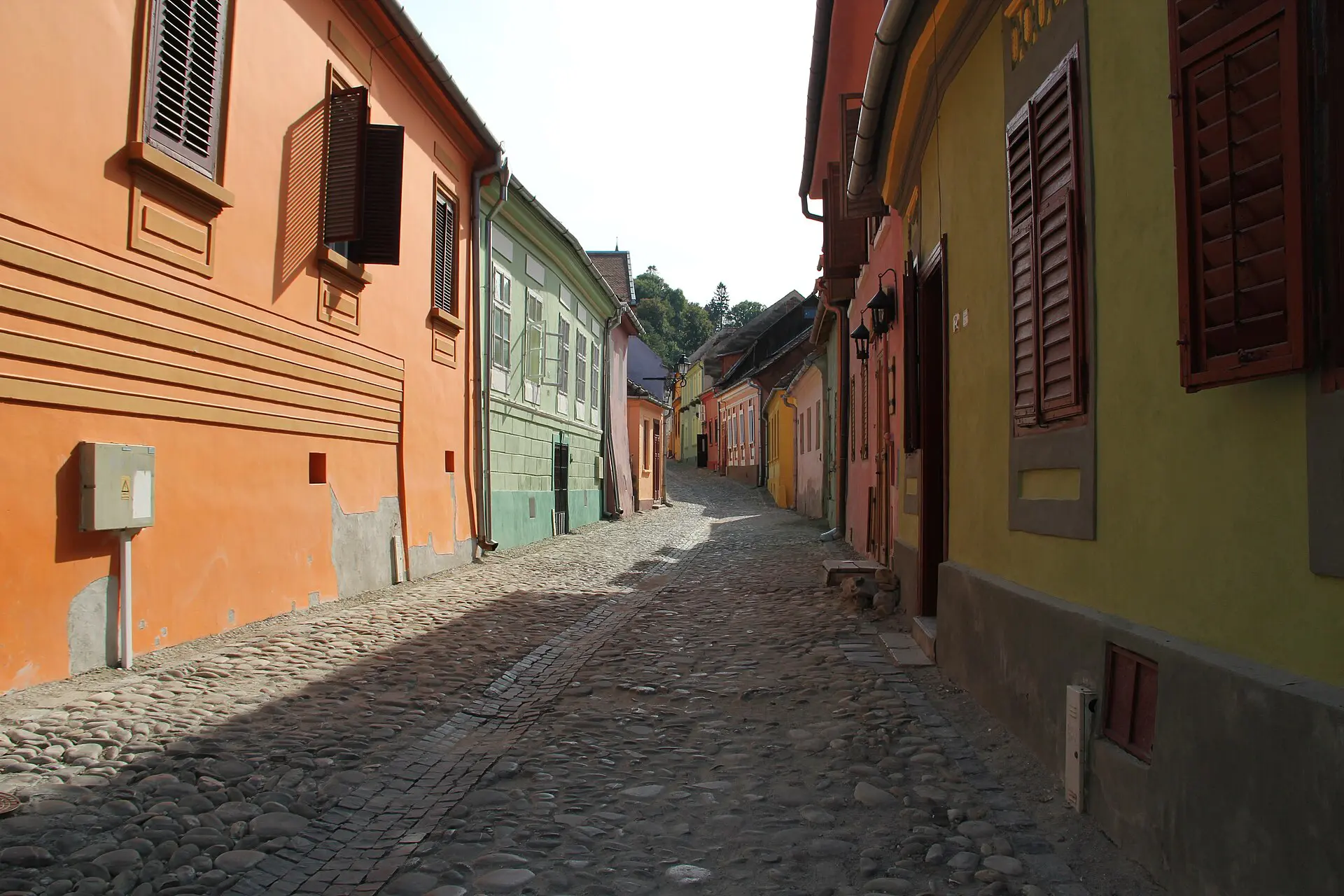
Bucharest
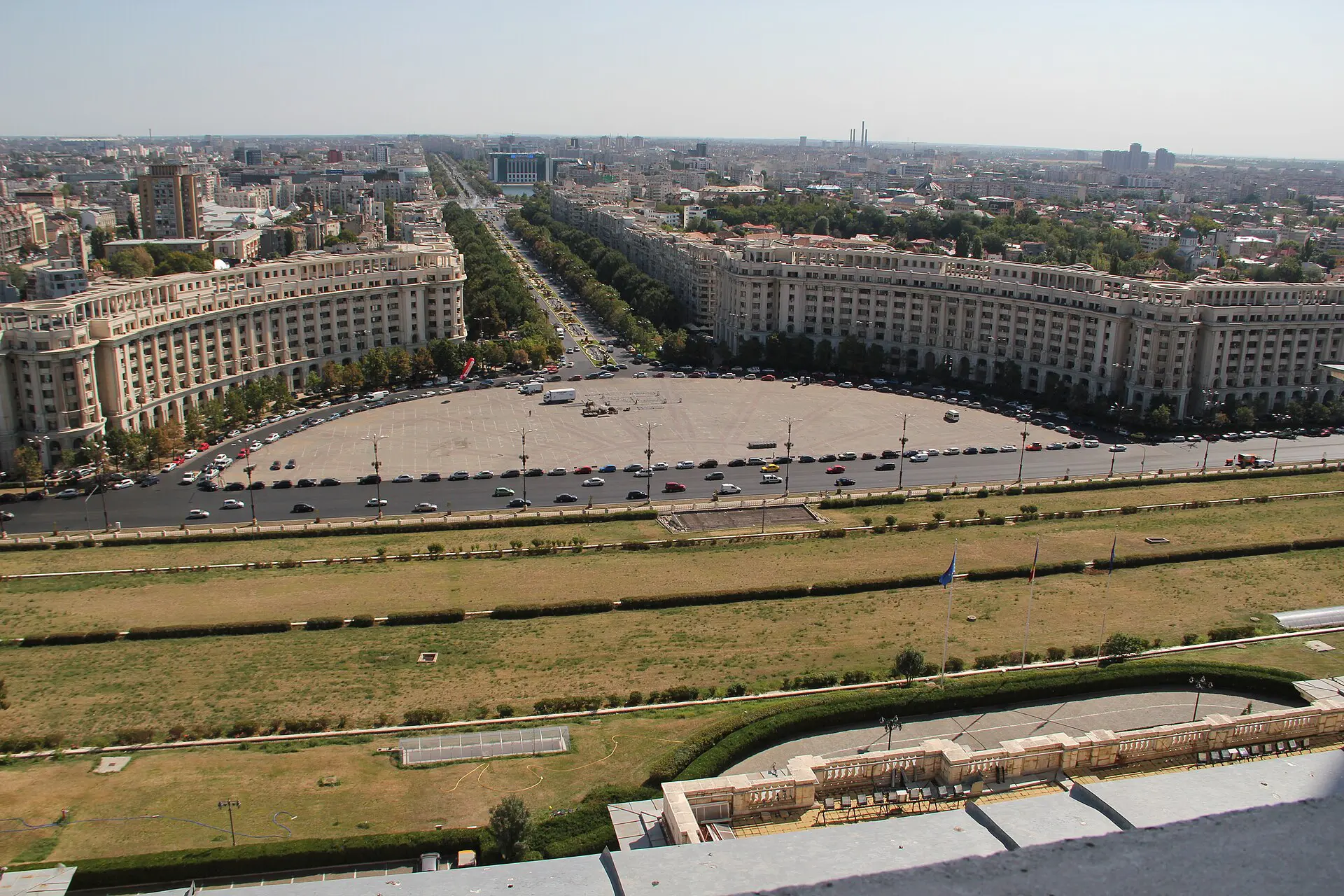
The capital mixes belle époque villas, communist-era boulevards and a lively café scene. The enormous Palace of the Parliament, built under Ceaușescu, dominates the centre, while the Old Town (Lipscani) is the focus of evening life. Allow two days.
Brașov and Bran
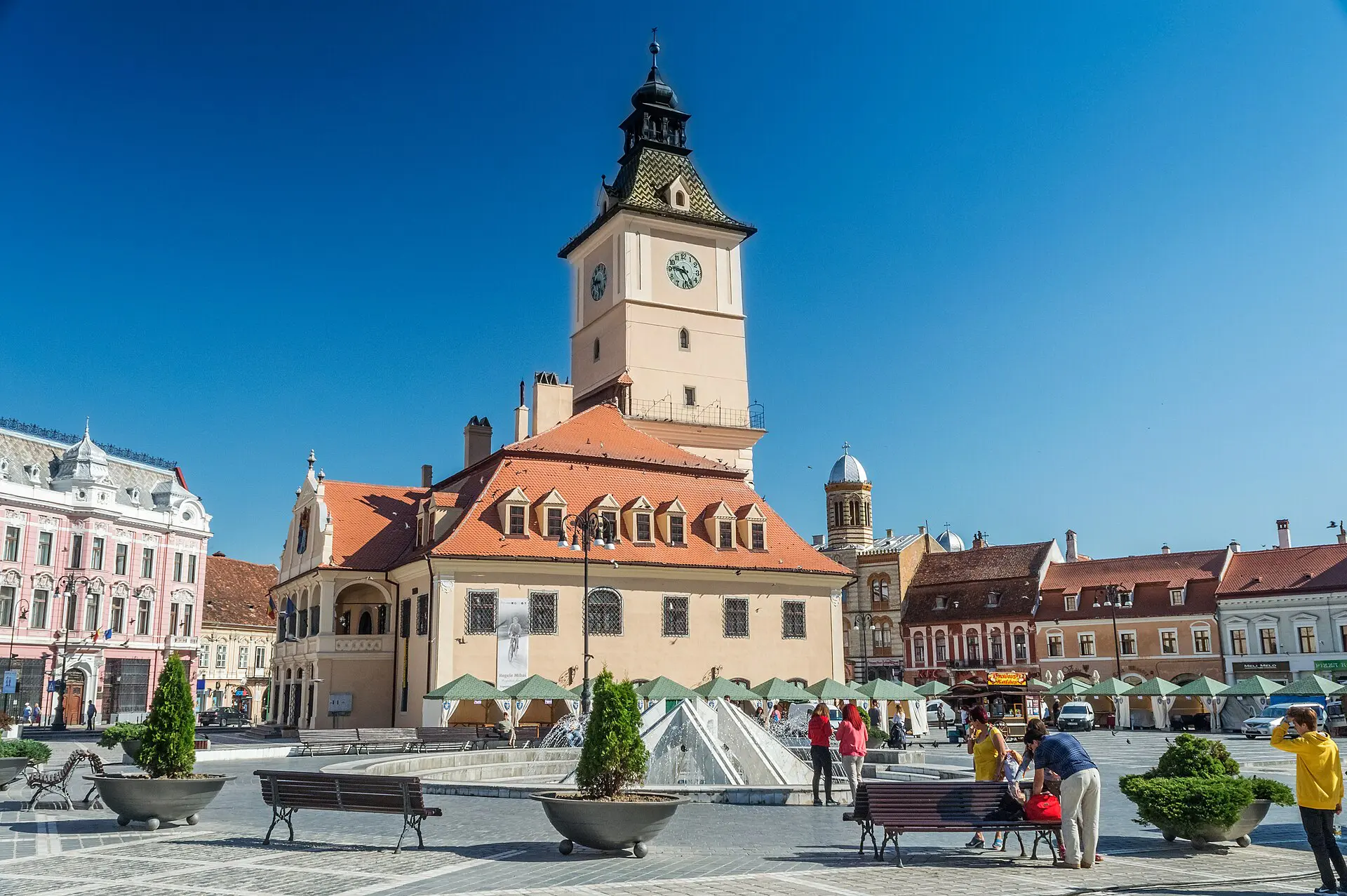
Brașov has a well-kept medieval centre ringed by the Carpathians. Bran Castle, usually linked with the Dracula legend, and the Râșnov fortress are easy day trips.
Sibiu and Sighișoara
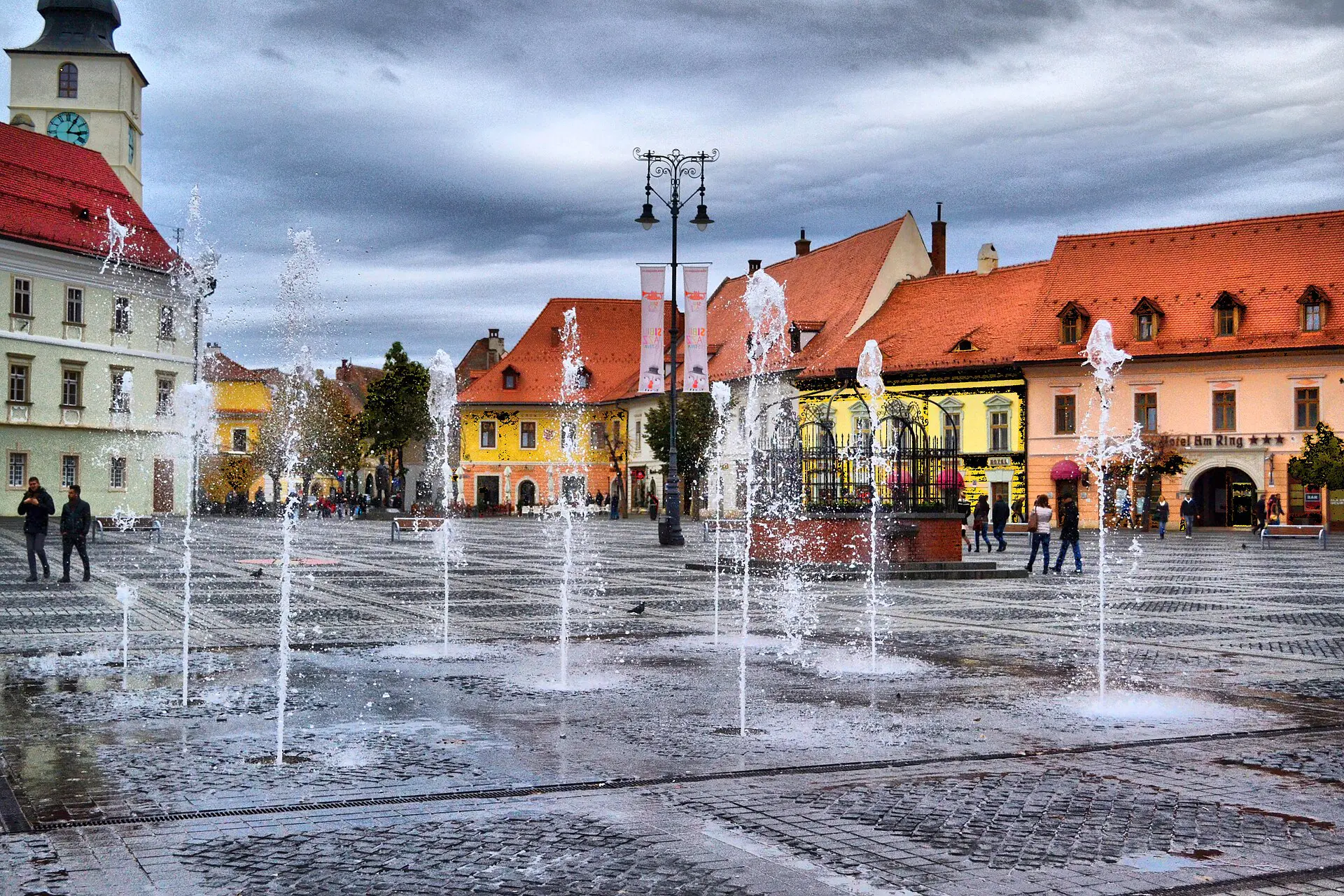
Sibiu, European Capital of Culture in 2007, has one of the best-preserved historic centres in the country. Sighișoara is one of Europe’s last inhabited medieval citadels, with a clock tower and steep cobbled lanes.
Cluj-Napoca
Transylvania’s largest city is young, with a big university, good coffee and a busy cultural calendar. It is a convenient base for salt mines and villages nearby.
Bukovina painted monasteries
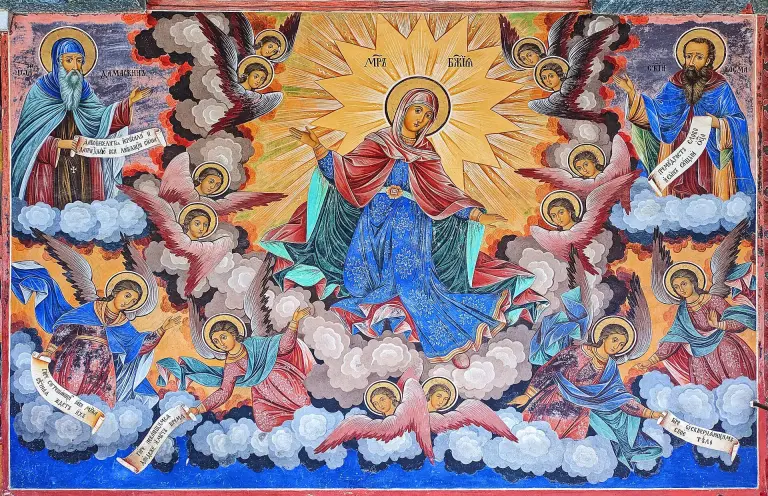
Around Suceava, monasteries such as Voroneț have exterior frescoes that have survived for centuries, many of them UNESCO-listed.
Danube Delta
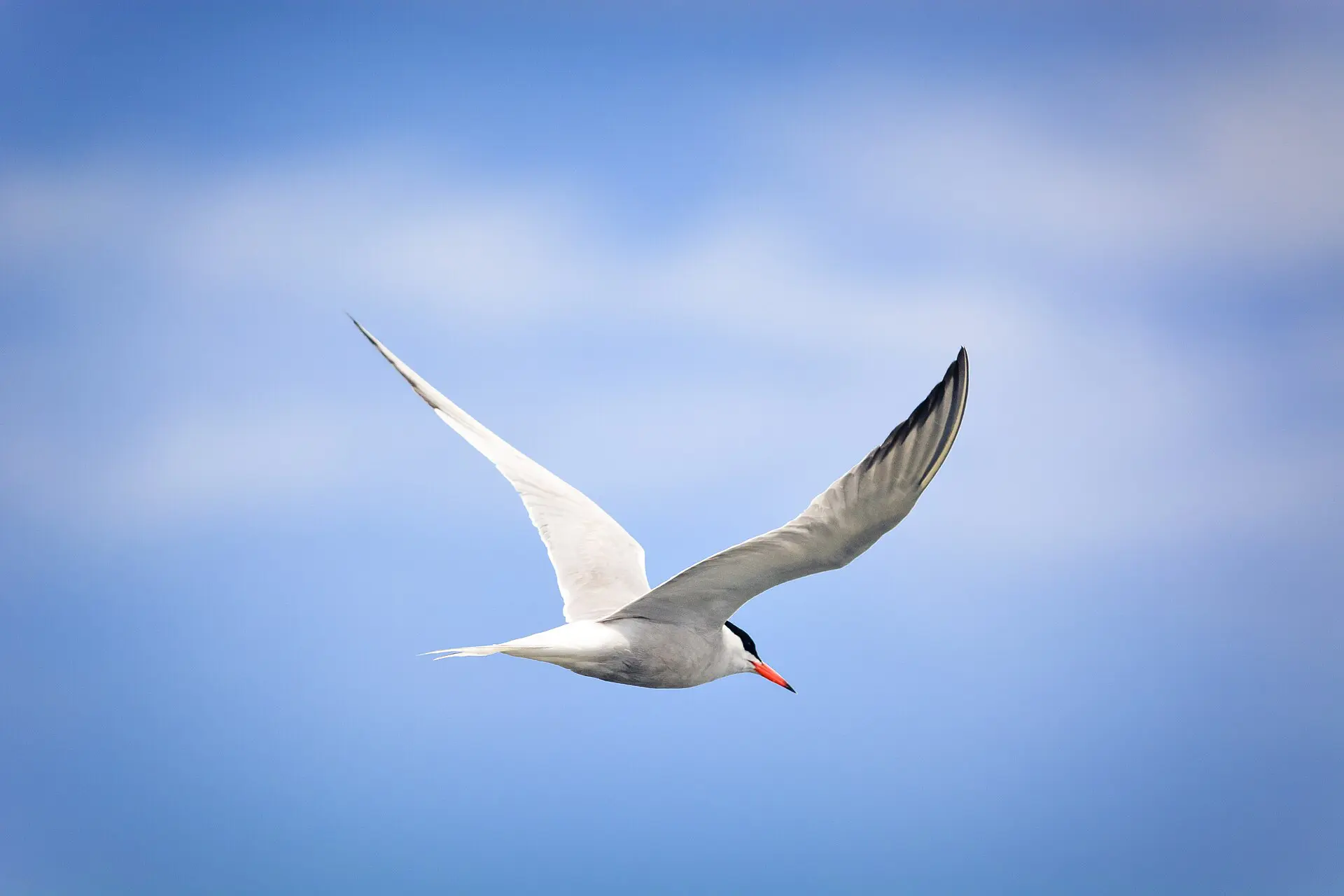
Europe’s best-preserved delta is a maze of channels and reed beds, home to pelicans and hundreds of bird species. Tulcea is the gateway.
Top things to do in Romania
The top things to do in Romania combine heritage, mountain scenery and food, and most fit into a ten-day trip.
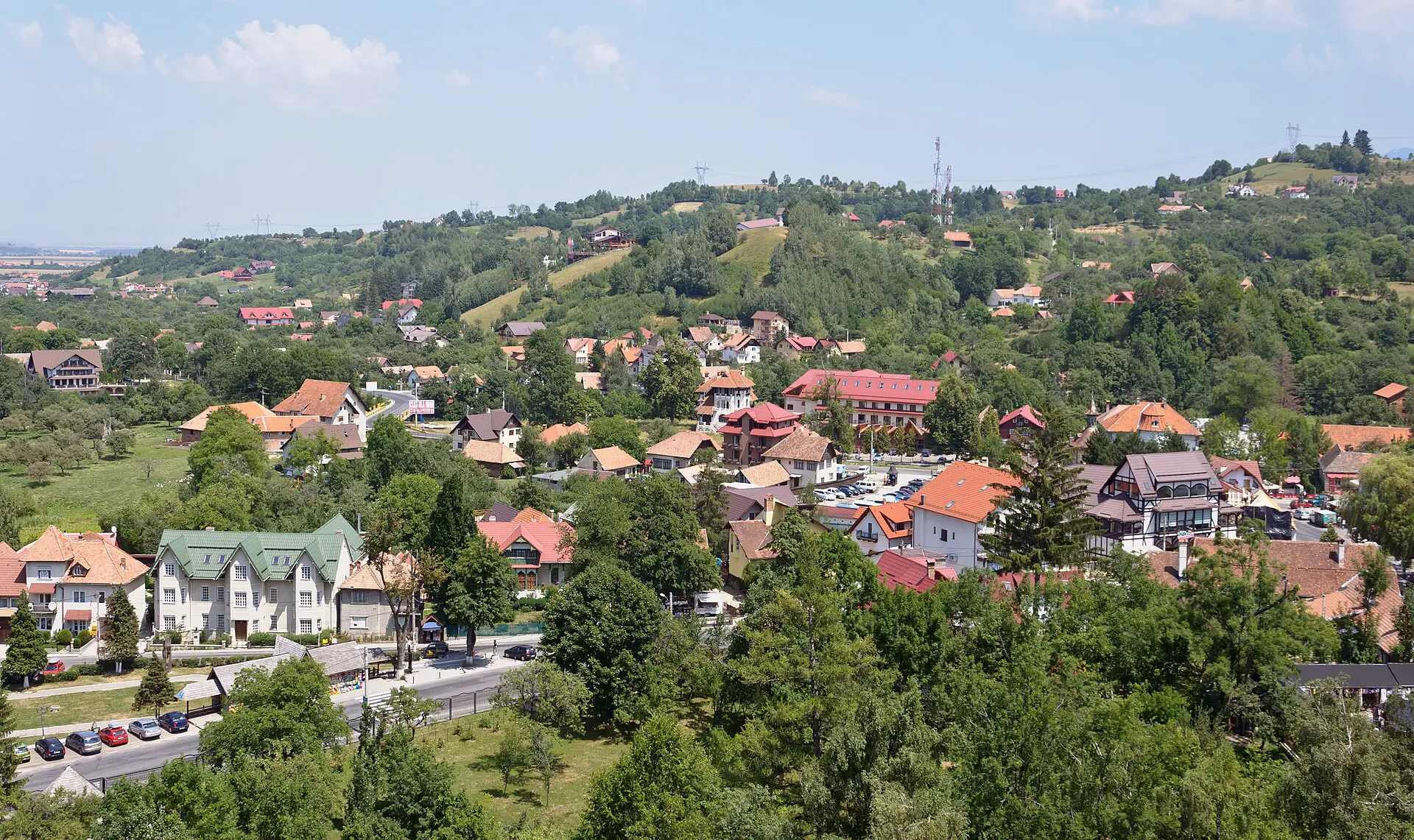
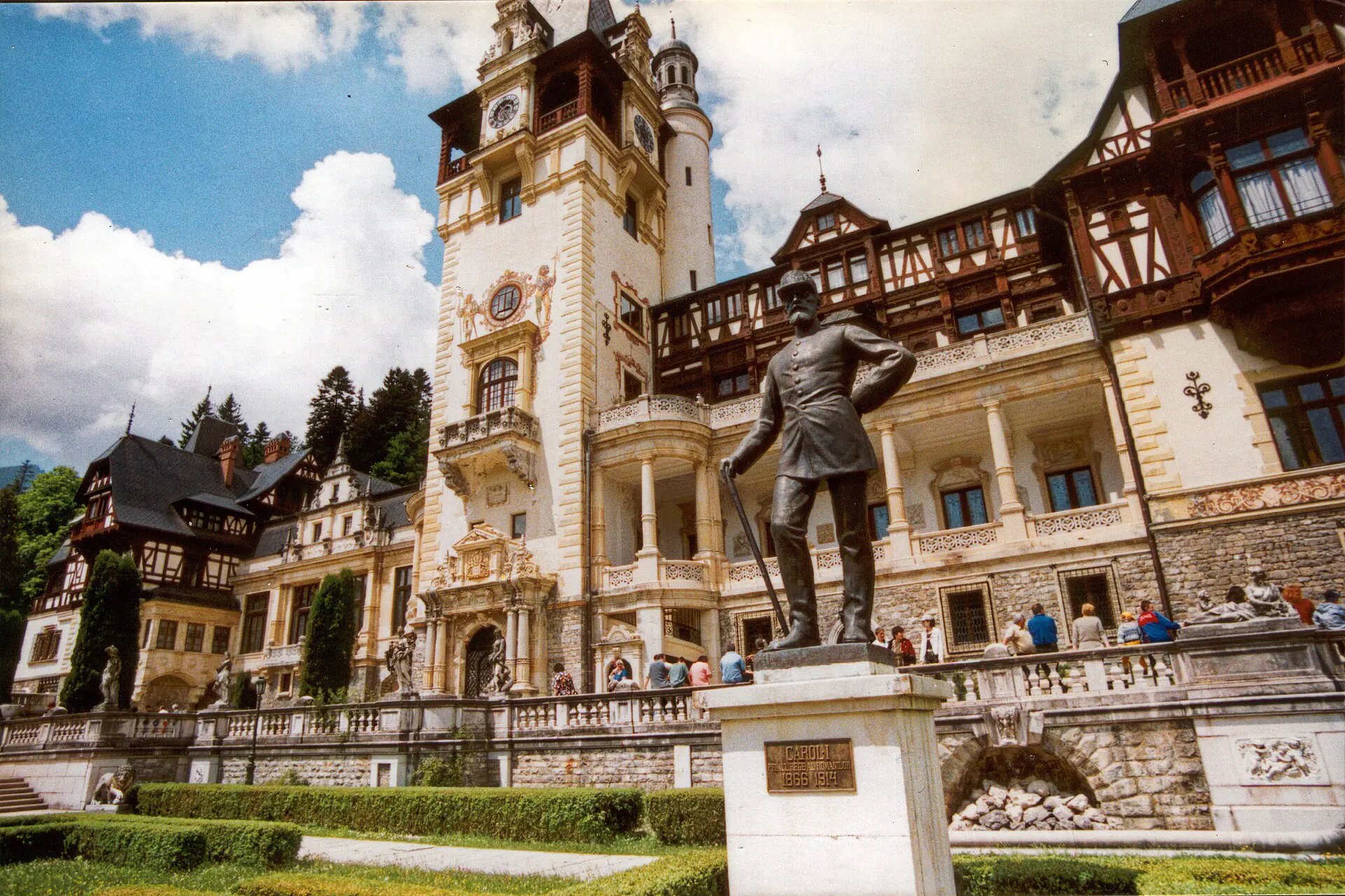
- Tour Peleș Castle in Sinaia: the neo-Renaissance royal summer residence sits in a forested valley and can be added to a Brașov trip.
- Visit Bran Castle: arrive early, as it gets busy, and read up on the real history behind the Dracula myth.
- Walk Sighișoara’s citadel: climb the covered stairs and the clock tower for views over the old town.
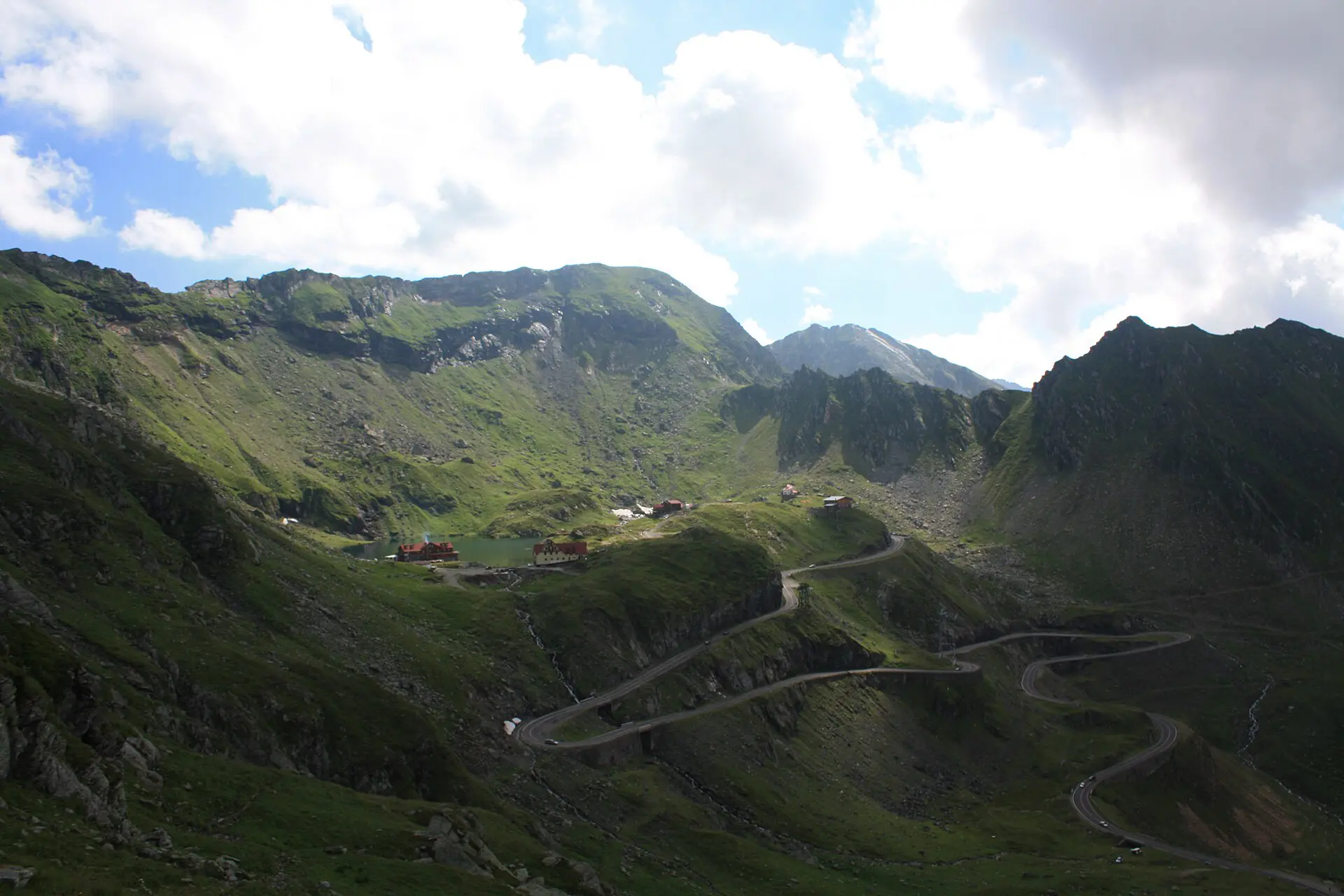
- Drive the Transfăgărășan: the high mountain road is usually open only from around late June to October, so check status first.
- Explore the painted monasteries: Voroneț and Sucevița are the best known in Bukovina.
- Visit Corvin Castle in Hunedoara: a large Gothic-Renaissance fortress with towers and bridges.
- Take a boat through the Danube Delta: guided trips go out from Tulcea or Murighiol.
- Descend into Salina Turda: this former salt mine near Cluj has a lake and an underground amusement area.
- Hike in the Retezat or Bucegi mountains: marked trails suit most levels in summer.
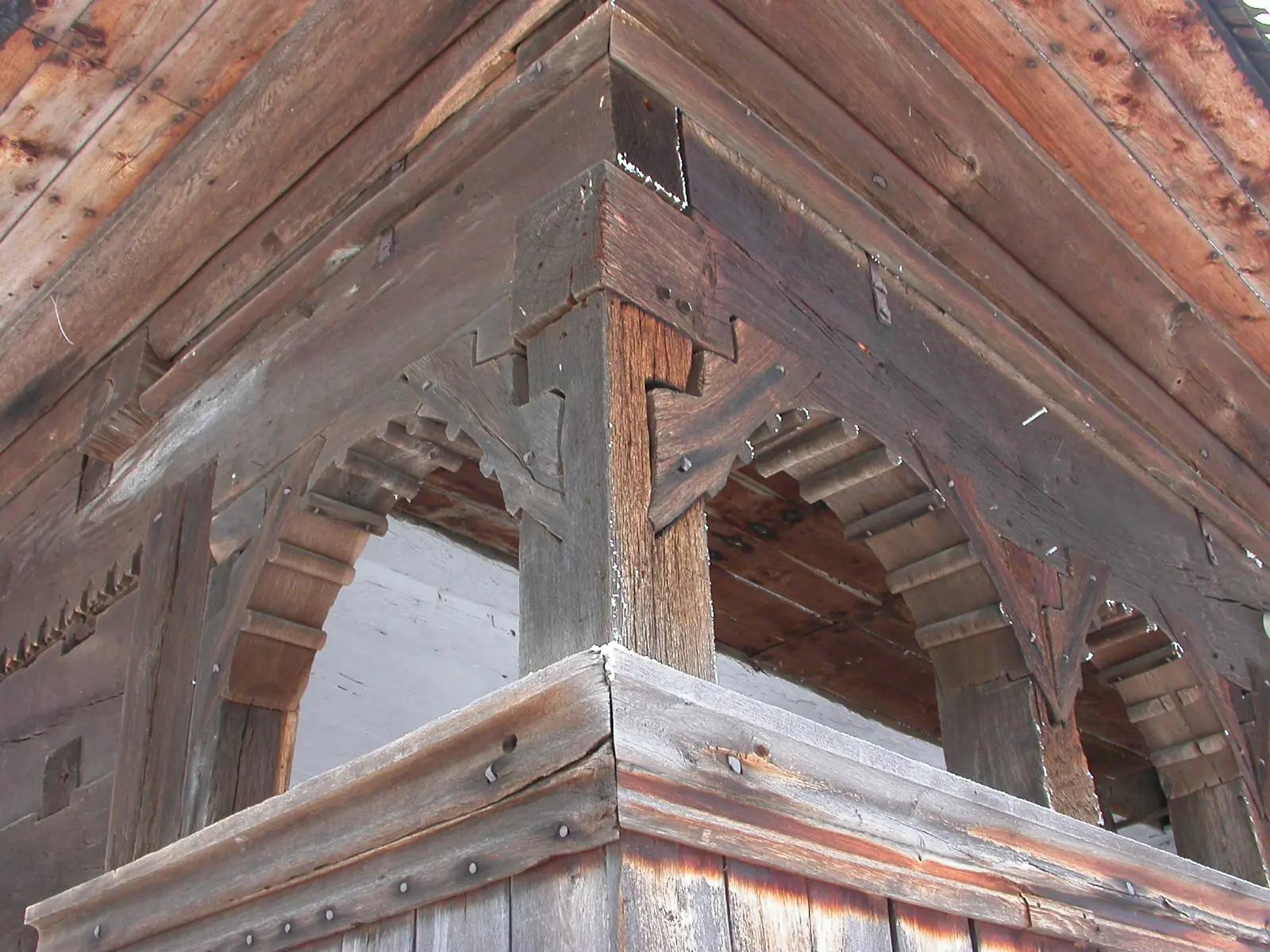
- Walk the wooden churches of Maramureș: tall wooden steeples stand in villages in the far north.
- Tour the Palace of the Parliament in Bucharest: book ahead and carry your passport.
Best time to visit Romania
The best time to visit Romania is May to June and September to October, when towns are comfortable, hiking trails are open and crowds are moderate. July and August are warm and busy, which suits the Black Sea coast and high mountain routes. Winters are cold and snowy, good for ski resorts and Christmas markets in Sibiu and Brașov.
| Season | Weather | Crowds and prices | Good for |
|---|---|---|---|
| Spring (Apr-Jun) | Mild, greening, some rain | Moderate, rising in June | Cities, monasteries, early hiking |
| Summer (Jul-Aug) | Hot in the lowlands, cooler in the mountains | Highest, especially on the coast | Mountains, Danube Delta, Black Sea |
| Autumn (Sep-Oct) | Warm to cool, golden forests | Falling quickly | Road trips, wine, hiking |
| Winter (Nov-Mar) | Cold, snow in the mountains | Low outside ski areas | Skiing, Christmas markets, city breaks |
High mountain roads such as the Transfăgărășan close in winter, so plan routes by season. Delta birdlife is richest in spring and early autumn.
Is Romania safe to visit?
Yes, Romania is safe to visit for most travellers, and violent crime against tourists is uncommon. The usual risks are petty theft in cities, taxi overcharging, dangerous driving and, in the mountains, wildlife. Check your government’s current advice, such as the Wikivoyage Romania guide for background and the UK FCDO or US State Department pages for official updates.
Cities. Pickpockets work crowded metros, stations and tourist streets in Bucharest. Use a ride-hailing app or a marked taxi, and agree the fare in advance.
Roads. Driving standards are variable, motorways are limited, and rural roads can have horse carts and no lighting. Avoid night driving where you can.
Wildlife. Romania has a large brown bear population. Follow local advice, never feed bears, store food securely, and make noise on forest trails. Stray dogs can be a nuisance in smaller towns.
Health and nature. Tap water is generally safe in cities, but ask locally in villages. Earthquakes occur occasionally in the Vrancea region. Carry travel insurance, and for mountain hikes check forecasts and rescue contacts.
Visa and entry requirements for Romania
Entry rules depend on your nationality. Romania joined the Schengen area in 2025, so Schengen visa-free rules and the 90 days in 180 days limit apply to many non-EU visitors, and EU citizens can travel with an ID card or passport. Citizens of the UK, US and several other countries have generally been able to visit without a visa for short stays, but rules change, so confirm with the Romanian Ministry of Foreign Affairs or your nearest embassy.
Check whether the EU’s new entry and authorisation systems, such as ETIAS, apply to your passport when you travel, because their start dates have shifted. Your passport should normally be valid for at least three months after departure.
If you drive a rental car in from Hungary, Bulgaria or Serbia, check the rental company’s cross-border policy. Motorway use requires an electronic road vignette (rovinieta), which rental firms usually arrange. The UNESCO page for Romania lists the heritage sites worth building a route around.
Getting to and around Romania
Most visitors fly into Bucharest Henri Coandă airport. Cluj-Napoca, Timișoara, Sibiu and Iași also have budget-airline links to European cities. Overland, Romania connects with Hungary, Bulgaria, Serbia, Moldova and Ukraine by road and rail.
Trains (CFR) are cheap and reach most large towns, but many services are slow. Bucharest to Brașov takes roughly two and a half to three hours, and Brașov to Sighișoara around two and a half. Intercity buses and minibuses fill gaps, and booking apps show timetables. Check for current schedules, as they change.
A rental car is the most flexible way to see Transylvania, Maramureș and Bukovina. Distances look short on the map but roads are slower than the distance suggests, so budget about an hour per 50 to 60 kilometres outside motorways. Driving is on the right. Ride-hailing apps work well in Bucharest, Cluj and other big cities, and domestic flights link Bucharest with Cluj, Iași and Timișoara.
How much does a trip to Romania cost?
Romania is cheaper than most of Western and Central Europe, with the main exception being coastal summer accommodation and Bucharest hotels at peak times. The currency is the Romanian leu (RON). Cards are widely accepted, but carry cash for villages. Figures below are rough per-person guides for 2026.
- Budget: around EUR 30 to 50 per day, with hostels or simple guesthouses, trains, buses and local eateries.
- Mid-range: around EUR 50 to 90 per day, with private hotel rooms, restaurant meals and a rental car for some days.
- High-end: from around EUR 120 per day, with boutique hotels, private drivers and guided mountain or delta tours.
Accommodation and car hire are the biggest swing factors. Meals are inexpensive: a two-course restaurant lunch often costs less than EUR 10 outside the main tourist squares. Entry fees for castles and monasteries are low, though some charge extra for photography.
Romania food and drink
Romania food is hearty, built around pork, cabbage, dairy and fresh vegetables, with Hungarian, Saxon, Ottoman and Balkan influences. Restaurants often serve soup before the main course, and bread is common.
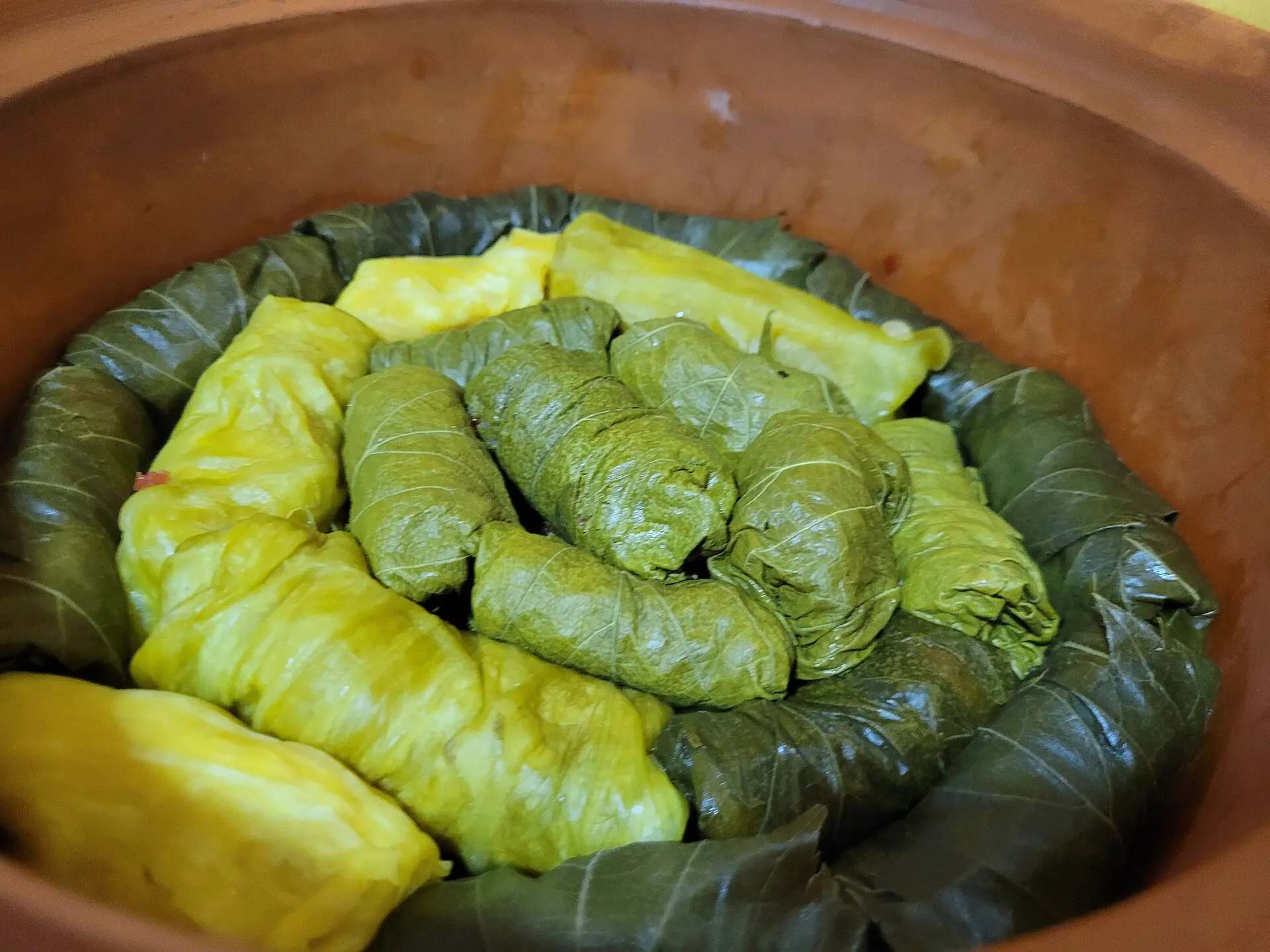
- Sarmale: cabbage or vine leaves rolled around spiced minced meat and rice, served with sour cream.
- Mămăligă: a polenta-like cornmeal porridge, often served with cheese and sour cream.
- Mici: grilled, garlicky skinless sausages served with mustard, popular at fairs and beer gardens.
- Ciorbă: a sour soup, such as ciorbă de burtă (tripe) or ciorbă de perișoare (meatballs).
- Papanași: fried or boiled doughnuts topped with sour cream and jam.
- Cozonac: sweet bread with nuts or cocoa, common at Easter and Christmas.
- Țuică and palincă: plum brandies drunk as aperitifs; Romania also produces notable wines.
Vegetarians can eat well in cities, with many vegetable soups, fasting dishes during Orthodox Lent and salads, although meat features in most traditional menus. Rural guesthouses often serve home-cooked set meals of local produce.
Culture, language and etiquette in Romania
Romanian is the official language and belongs to the Romance family, so Latin-based words are easier to recognise than in neighbouring Slavic languages. In Transylvania, Hungarian and German are also spoken in some communities. English is widely understood among younger people and in tourism. Learn a few words, such as mulțumesc (thank you) and bună ziua (good day).
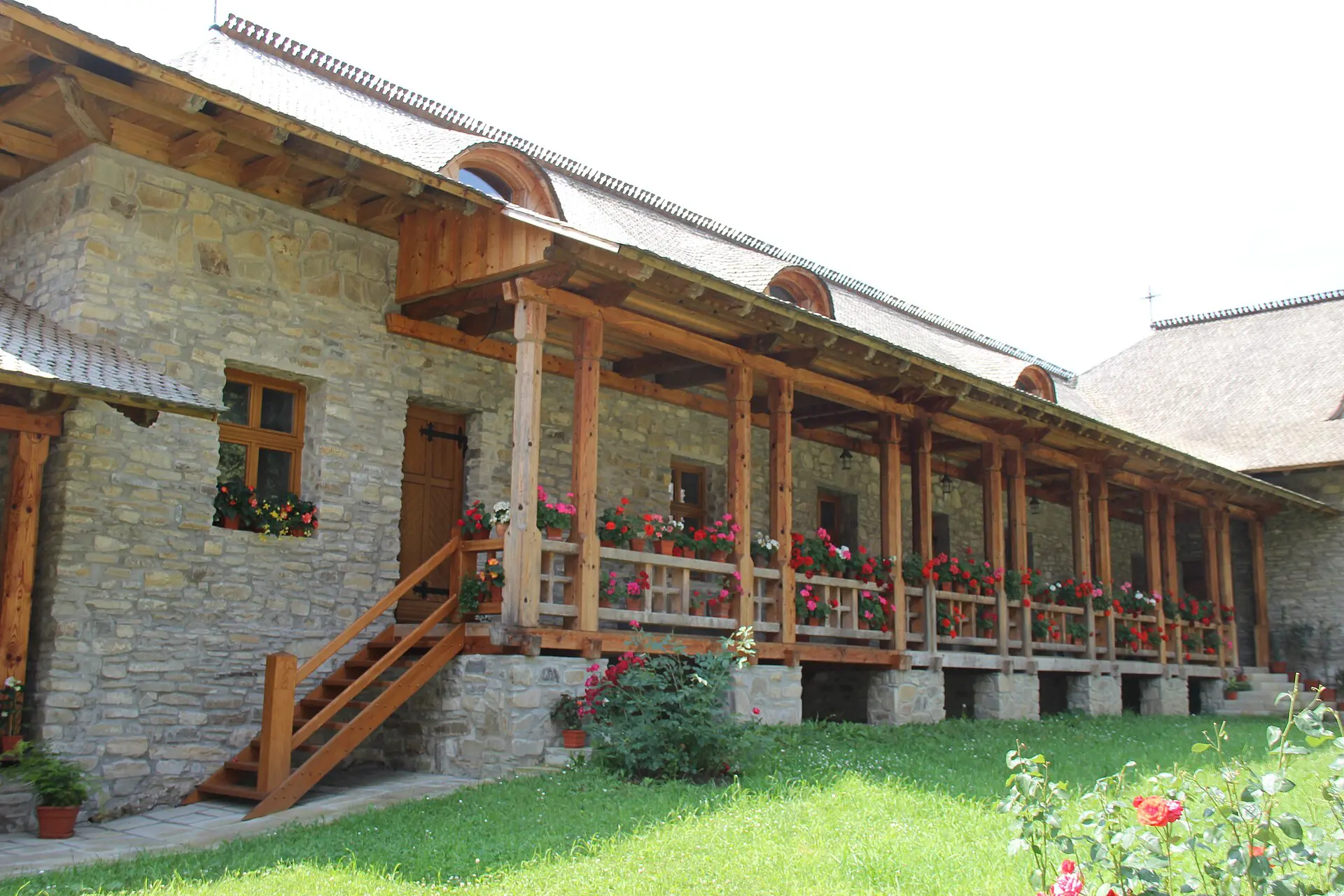
Most Romanians are Orthodox Christians, and churches and monasteries are central to community life. Dress modestly in religious buildings, with covered shoulders and knees, and women may need a head covering at some monasteries. Ask before taking photos inside.
Hospitality is warm, especially in villages, where guests may be offered homemade brandy or food. Accept at least a small portion. Tipping about 10 percent in restaurants is customary. Avoid casual jokes about Dracula in sensitive settings, and be aware that the communist period remains a sensitive topic for older people, so listen rather than debate.
Romania itinerary: a 7-day route
This Romania itinerary loops through Transylvania from Bucharest by car or a mix of train and bus.
- Day 1, Bucharest: arrive, walk Lipscani and see the exterior of the Palace of the Parliament.
- Day 2, Sinaia and Brașov: visit Peleș Castle in the morning, then continue to Brașov, about two hours further on, for the evening.
- Day 3, Bran and Râșnov: visit Bran Castle early, then the Râșnov fortress, and return to Brașov.
- Day 4, Sighișoara: travel around two and a half hours, climb the clock tower and stay inside the citadel.
- Day 5, Sibiu: drive about two hours, walk the Large Square and the Upper and Lower Towns.
- Day 6, Transfăgărășan or Corvin Castle: in season, take the mountain road south; otherwise visit Hunedoara and return toward Bucharest by train or road.
- Day 7, return: allow four to five hours from Sibiu to Bucharest by road or train.
With extra days, add Cluj-Napoca and Maramureș, or Bukovina’s monasteries, and consider a separate trip to the Danube Delta.
Practical tips for Romania
- Money: the leu (RON) is the local currency; ATMs are common, and cards work in most hotels and restaurants, but carry cash in villages. Euros are not widely accepted for everyday purchases.
- SIM and eSIM: mobile data is cheap and fast, with good coverage on main routes. EU roaming rules apply for EU residents.
- Plugs: types C and F at 230 V, as in much of continental Europe.
- Tipping: about 10 percent in restaurants is customary, and rounding up is usual for taxis.
- Health: bring travel insurance, insect repellent for the Delta and tick protection for mountain walks; pharmacies are common.
- Packing: layers for the mountains, sturdy shoes for cobbled towns, a rain jacket in spring and autumn, and modest clothing for monasteries.
- Booking: reserve castle tickets, Delta boat trips and rural guesthouses ahead in July and August.
For more background, see the Wikivoyage Romania guide.
FAQ
Q1What are the best things to do in Romania?
Top picks are visiting Peleș and Bran castles, walking Sighișoara and Sibiu, driving the Transfăgărășan in summer, seeing the painted monasteries of Bukovina, taking a boat through the Danube Delta and exploring Bucharest. Most can be combined in a seven to ten day loop.
Q2Is Romania safe?
Yes, for most visitors. Violent crime against tourists is uncommon. Expect pickpockets in busy parts of Bucharest, taxi overcharging, risky driving on rural roads and bears in some mountain areas. Use ride-hailing apps, keep valuables hidden and check your government's current travel advice.
Q3What is Romania food like?
Romania food is hearty and meat-focused, with sarmale (stuffed cabbage), mămăligă (cornmeal), mici (grilled sausages), sour ciorbă soups and papanași desserts. Țuică plum brandy and local wines accompany meals. Vegetarians can manage in cities, but menus in villages lean heavily on pork.
Q4What are the best places to visit in Romania?
Brașov, Sibiu and Sighișoara are the best Transylvanian towns, Bucharest has the big sights, and Cluj-Napoca is the liveliest university city. Bukovina's painted monasteries, Maramureș villages and the Danube Delta reward extra days. Use Bucharest or Cluj as an arrival base.
Q5What is the best time to visit Romania?
May to June and September to October are best, with mild weather, open trails and fewer crowds. July and August suit the mountains and Black Sea but are busier. Winter is cold, good for skiing and Christmas markets, and high mountain roads such as the Transfăgărășan close.
Q6Is Romania safe to visit for solo travellers and women?
Romania is generally considered safe for solo travellers, including women, particularly in cities and tourist towns. Use normal precautions: avoid empty streets late at night, use licensed taxis or apps, and tell someone your plans before solo mountain hikes, where bears and weather can be hazards.
Q7Do I need a visa for Romania?
It depends on your nationality. Romania is in the Schengen area, and many visitors, including those from the US and UK, have been able to enter visa-free for up to 90 days in 180 days. Confirm current rules, including any new EU authorisation systems, with official Romanian sources.
Q8How many days do you need in Romania?
Seven days covers Bucharest, Brașov, Sighișoara and Sibiu at a steady pace. Ten to fourteen days lets you add Cluj-Napoca, Maramureș or Bukovina, plus the Danube Delta. Romania is larger than it looks, and travel between regions takes several hours.