
Why visit Bucharest
If you are looking for things to do in Bucharest, expect contrast. Once called the Little Paris of the East for its boulevards and Belle Epoque buildings, the Romanian capital also carries the heavy imprint of the communist period, most obviously in the enormous Palace of the Parliament.
The city is not a conventional postcard. Some streets are crumbling, traffic is heavy and building styles clash. But the old town has bars and restaurants, the parks and lakes provide green space, and museums cover everything from village life to modern art. Prices are low by western European standards.
Bucharest also works well as a practical base. Trains reach Brasov and Sinaia in a couple of hours, which makes it simple to combine with the Carpathians and the castles of Transylvania.
Top things to do in Bucharest

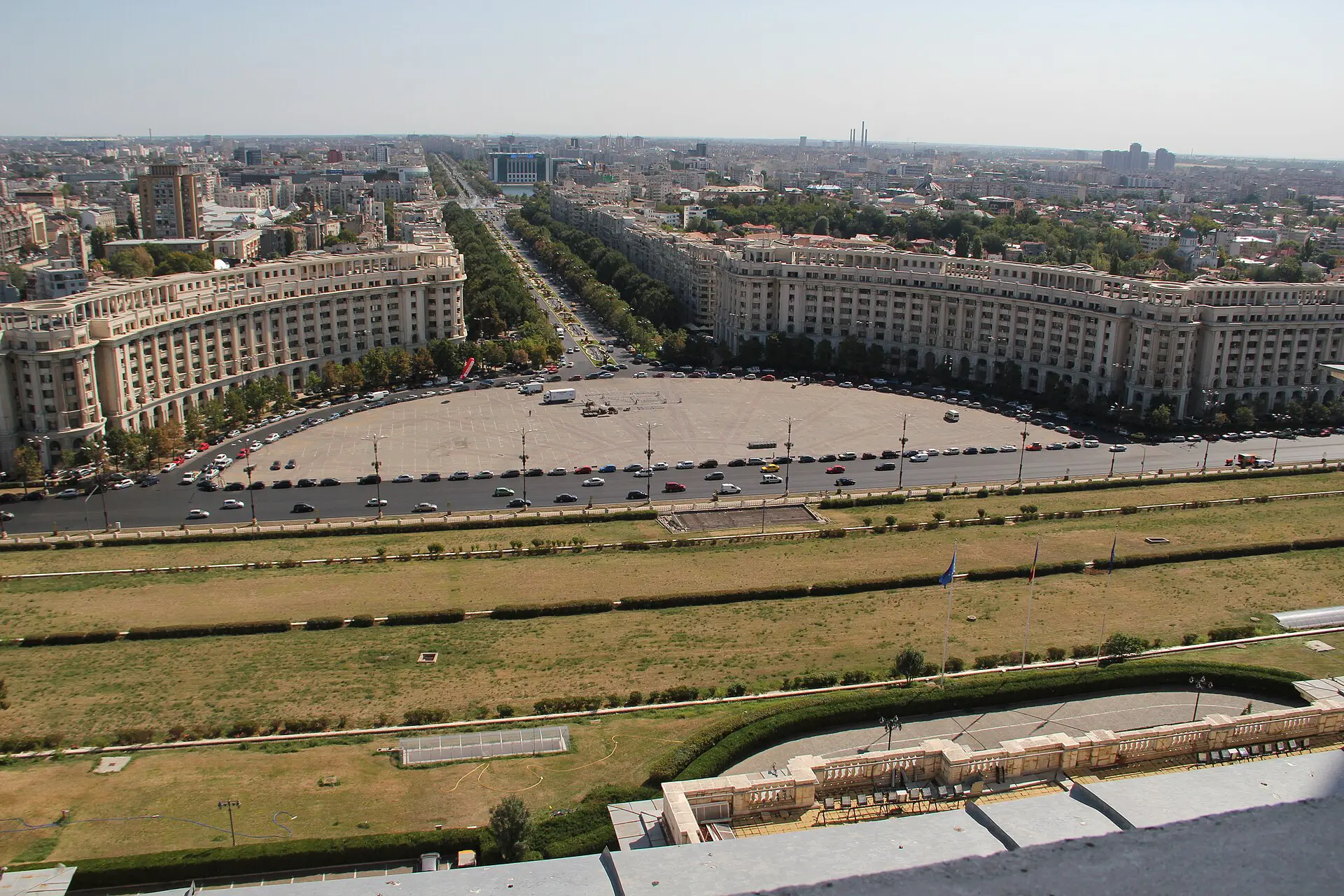
Palace of the Parliament
One of the largest administrative buildings in the world, built under Nicolae Ceausescu. Visits are by guided tour only, and you usually need to book in advance and bring your passport. Allow 90 minutes. The scale is hard to grasp until you are inside.
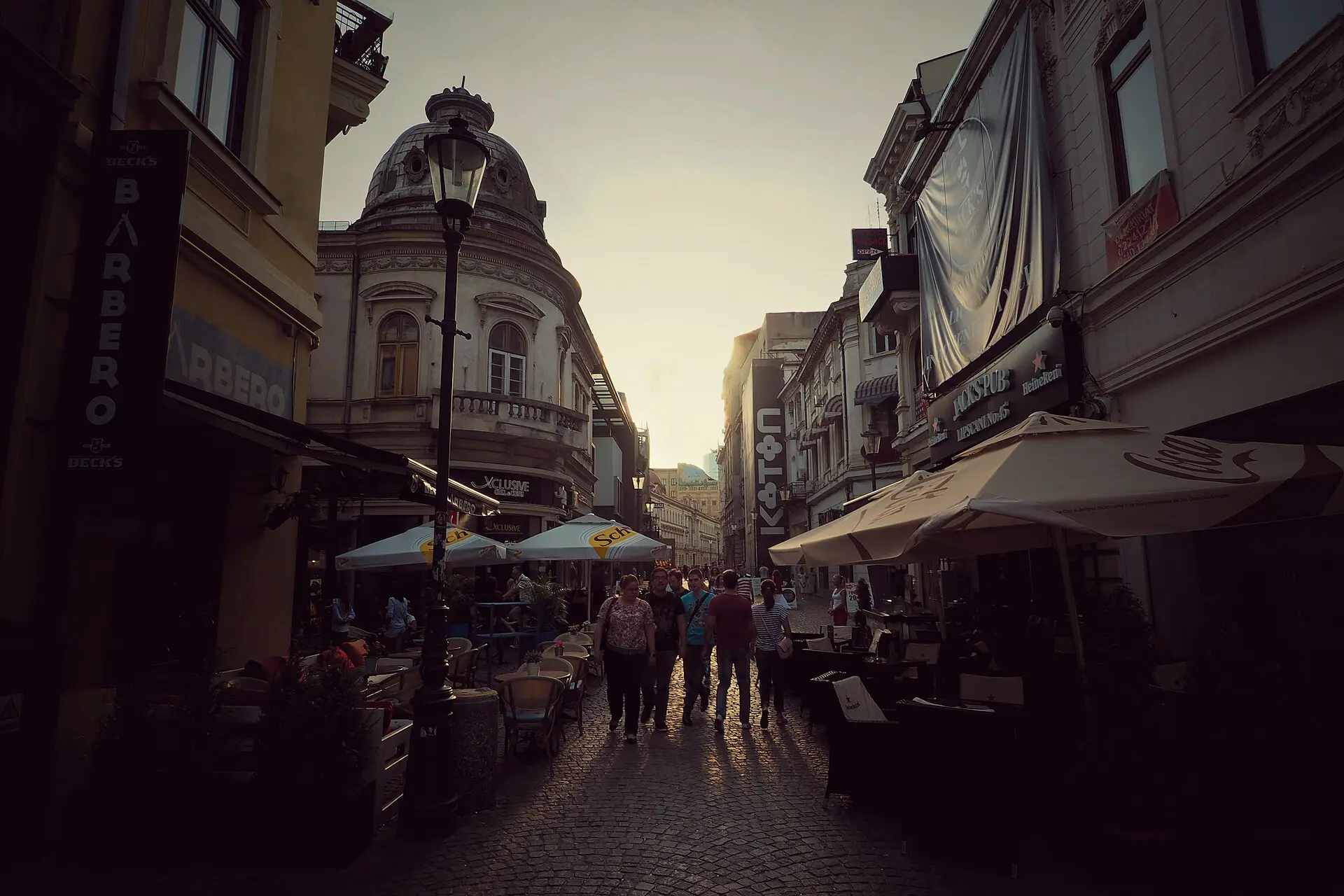
Old Town (Lipscani)
The historic centre has pedestrian streets, courtyards, old inns and many bars and restaurants. It is busy at night, and quieter and more pleasant in the morning for photos. Allow two hours, and go early in the evening for a table.
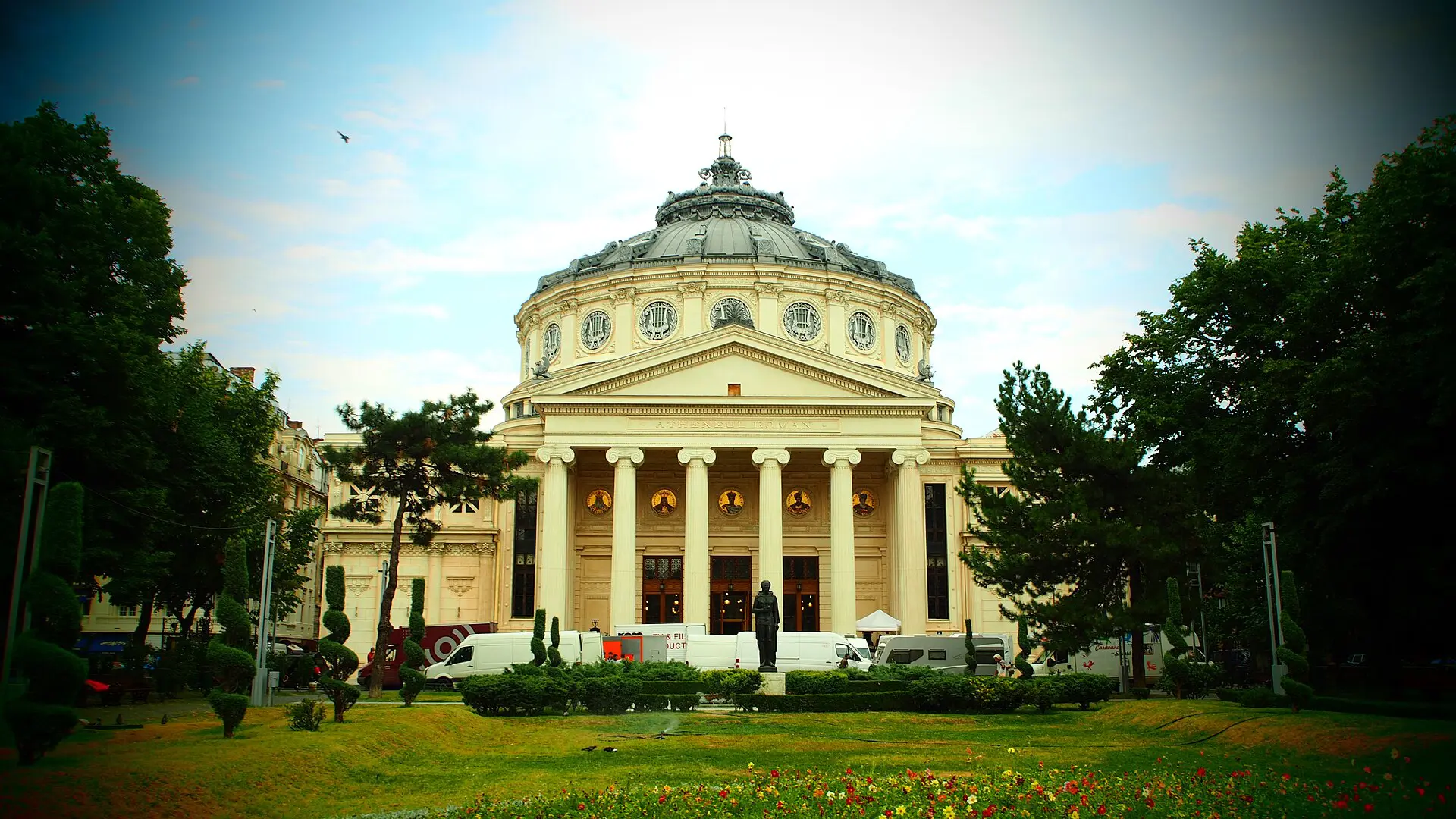
Romanian Athenaeum
A domed concert hall from the late nineteenth century, with a lavish interior. If you cannot attend a concert, check whether tours are offered. It is a short stop on Calea Victoriei.
Calea Victoriei
This historic avenue links many of the city’s grand buildings, museums and cafes. Walk it from north to south in an afternoon. Look for the Belle Epoque facades above the street-level shops.
Village Museum
An open-air museum in Herastrau Park, with houses, churches and farm buildings from across Romania. It is a good place to see traditional architecture in one visit, and takes about 90 minutes. Check opening hours and any seasonal changes.
Herastrau Park
A large park around a lake, with paths, cafes and boat rentals. It is popular on weekends. Combine it with the Village Museum, and bring a picnic if you want a quiet break.
National Museum of Art
Housed in the former royal palace, it has Romanian medieval and modern art as well as European works. Allow two hours, and check which galleries are open.
Best time to visit Bucharest
April to June and September to October offer the best balance, with mild weather, outdoor terraces and fewer extremes. Spring is green and relaxed, and autumn is warm with colourful leaves in the parks.
July and August can be very hot, with temperatures often above 30 degrees Celsius, and the city feels quieter as locals leave for the coast and the mountains. Evenings are lively, but daytime sightseeing is tiring, so plan indoor visits for midday.
Winter is cold, with snow and short days, though Christmas markets and cosy cafes help. Prices for hotels are lower, and museums are uncrowded. If you plan to visit the mountains, winter is also ski season, so check the weather and road conditions.
How to get to Bucharest and around
Henri Coanda International Airport, usually known as Otopeni, is about 15 to 20 kilometres north of the centre. A train links the airport with the main station, Gara de Nord, in around 20 to 30 minutes, and buses and ride-hailing apps are also available. Use licensed taxis or apps to avoid overcharging.

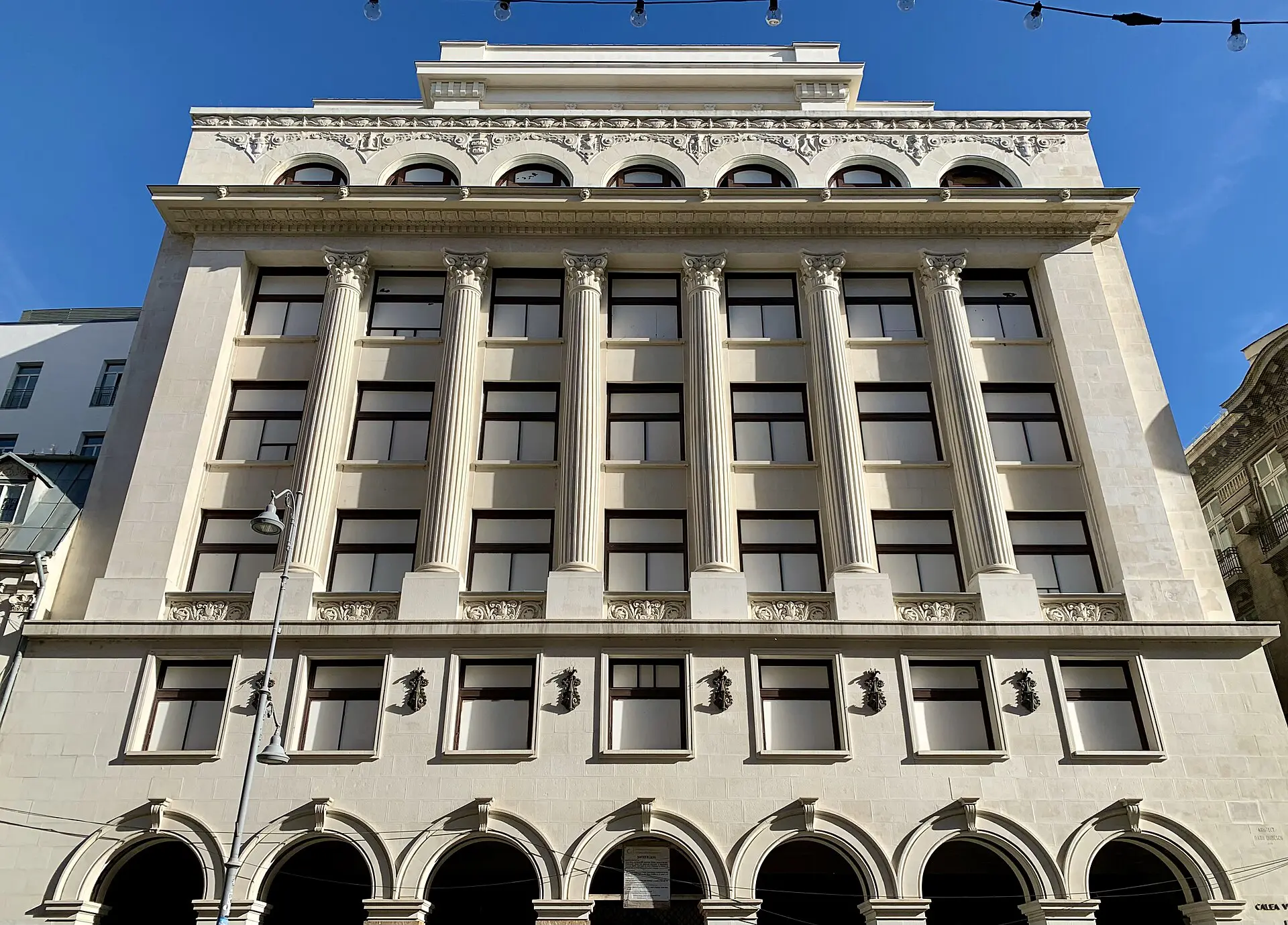
Gara de Nord is the main railway station, with trains to Brasov, Sinaia, Sibiu and other cities. Check schedules and book tickets in advance for popular routes. Buses also run to many destinations.
In the city, the metro is the fastest way to move between districts, and trams and buses cover the rest. The centre is walkable, but sidewalks can be uneven and traffic heavy. Ride-hailing apps are cheap and widely used.
Where to stay in Bucharest
The Old Town and Calea Victoriei area is the most convenient for first-time visitors, with hotels, hostels and restaurants within walking distance. It can be noisy at night, so ask for a quiet room.
Around Piata Romana and Piata Universitatii, you will find mid-range hotels and good transport links, a sensible compromise between nightlife and calm. These areas suit short stays and business travel.
Neighbourhoods near Cismigiu Gardens and Herastrau Park are greener and quieter, with apartments and boutique hotels. They suit longer stays and travellers who prefer a residential setting. Prices are generally moderate, but book ahead around major events.
How many days do you need?
Two days is enough for the main sights, and three days allows a slower pace or a day trip. If you are using Bucharest as a gateway to Transylvania, a night or two at the start or end of the trip is typically enough.
- Day 1: Palace of the Parliament, a walk along Calea Victoriei, the Athenaeum, and dinner in the Old Town.
- Day 2: Village Museum and Herastrau Park, then an art museum and an evening in a cafe or bar.
- Day 3: Day trip by train to Sinaia or Brasov.
Day trips and nearby

Sinaia
A mountain town about 1 hour 30 minutes to 2 hours by train, known for Peles Castle and walking trails. It suits a long day trip, and the castle often closes one day a week, so check.
Brasov
A medieval Transylvanian city with a large central square and the Black Church, about two to three hours away by train. It works better with a night there.
Sibiu
A well-preserved Transylvanian town with a historic centre, reachable by train or bus in several hours. It suits an overnight stay rather than a day trip.
Constanta
A Black Sea port and resort city, about two hours by train, with beaches that are busiest in summer.
FAQ
Q1How many days do you need in Bucharest?
Two days covers the Palace of the Parliament, the Old Town, Calea Victoriei and a museum or park. A third day lets you take a day trip to Sinaia or Brasov, or move at a slower pace.
Q2When is the best time to visit Bucharest?
April to June and September to October have mild weather and pleasant terraces. July and August can be very hot, and winter is cold with snow, though cheaper. Check forecasts if you plan to travel on to the mountains.
Q3How do you get from the airport to Bucharest city centre?
A train runs from Henri Coanda Airport to the main station in around 20 to 30 minutes, and buses and ride-hailing apps are also available. Use licensed taxis or apps, and check current schedules.
Q4Is Bucharest cheap and safe?
Bucharest is generally cheaper than most western European capitals, especially for food and transport. Petty theft can occur in crowded places and on public transport, so keep valuables secure, and use licensed taxis or ride-hailing apps.
Prices, schedules and entry rules change. Check current details with official sources before you travel. Read the Romania travel guide.