Why visit Lithuania
The things to do in Lithuania cover a lot of ground for a small country: a UNESCO-listed old town, a castle on a lake, a wild Baltic coast and forests full of lakes. The Wikipedia overview describes a country of 65,300 square kilometres and 2.9 million people, which in the 14th century was the largest state in Europe. That history shows in Vilnius, where Gothic, Renaissance and baroque churches stand shoulder to shoulder.
Lithuania suits culture-minded city-breakers, history readers, cyclists, families and travellers who want an affordable alternative to the Nordic capitals. It is a good first Baltic stop, with direct budget flights from many European cities. It is less suited to travellers who want mountains, hot weather or guaranteed sunshine, because the highest point is only about 294 metres and weather is changeable. Four to seven days is enough for Vilnius, Trakai, Kaunas and the coast.
Best places to visit in Lithuania
The best places to visit in Lithuania are close enough together that most can be reached by train or bus in under three hours from Vilnius.
Vilnius
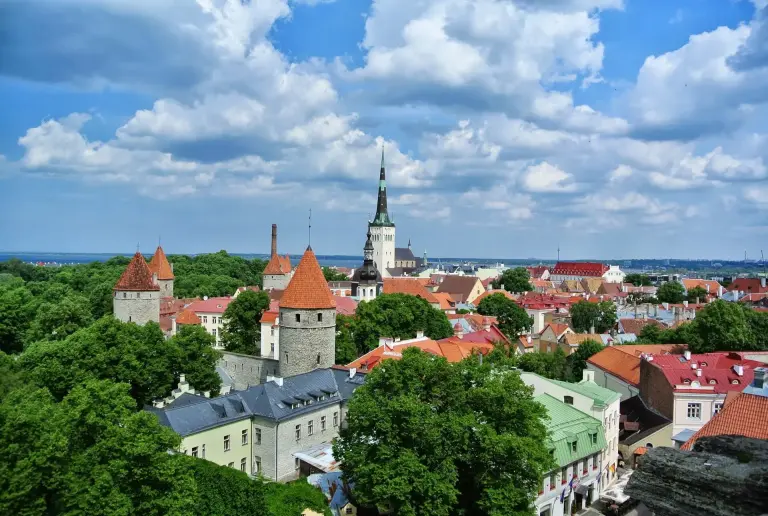
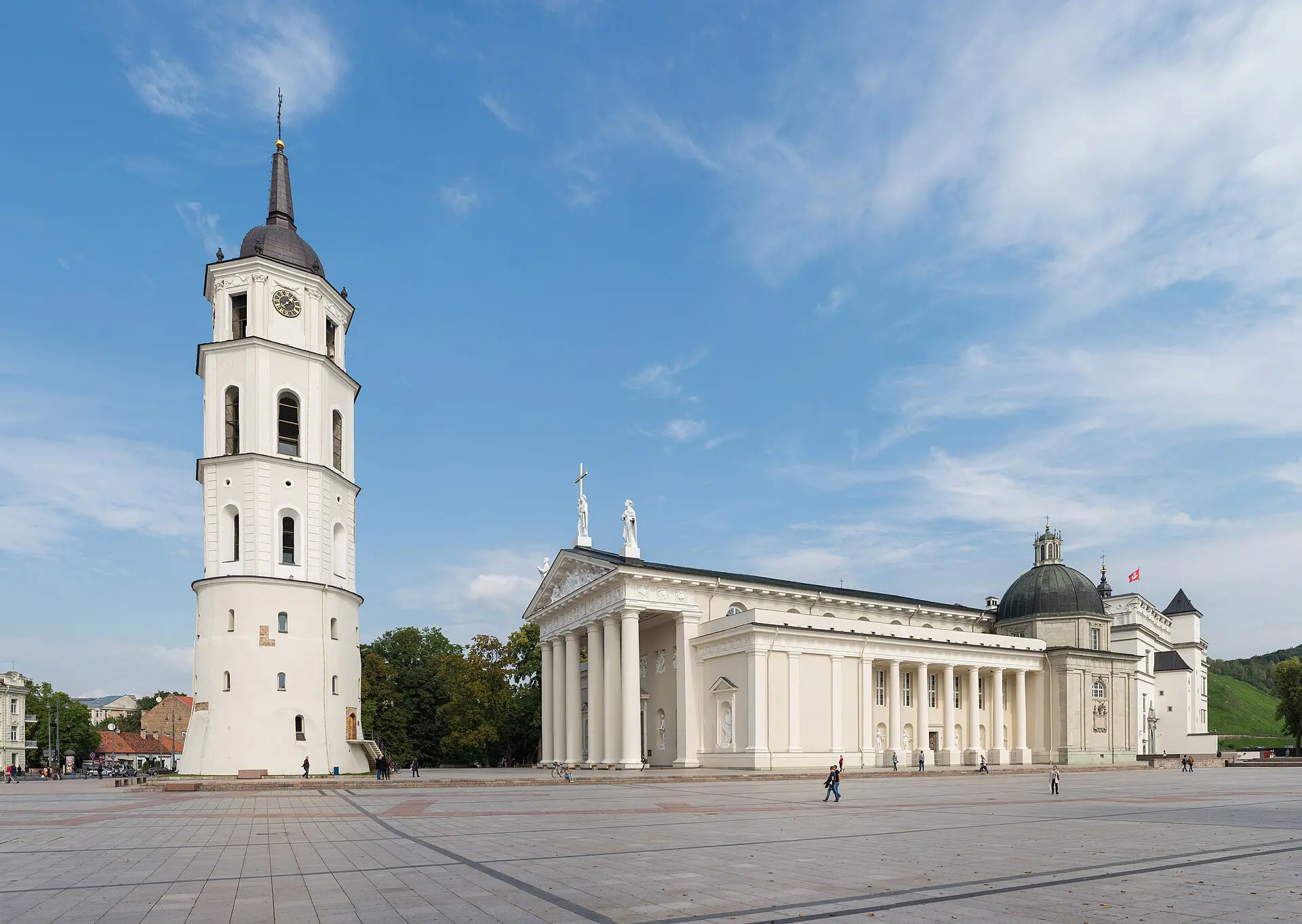
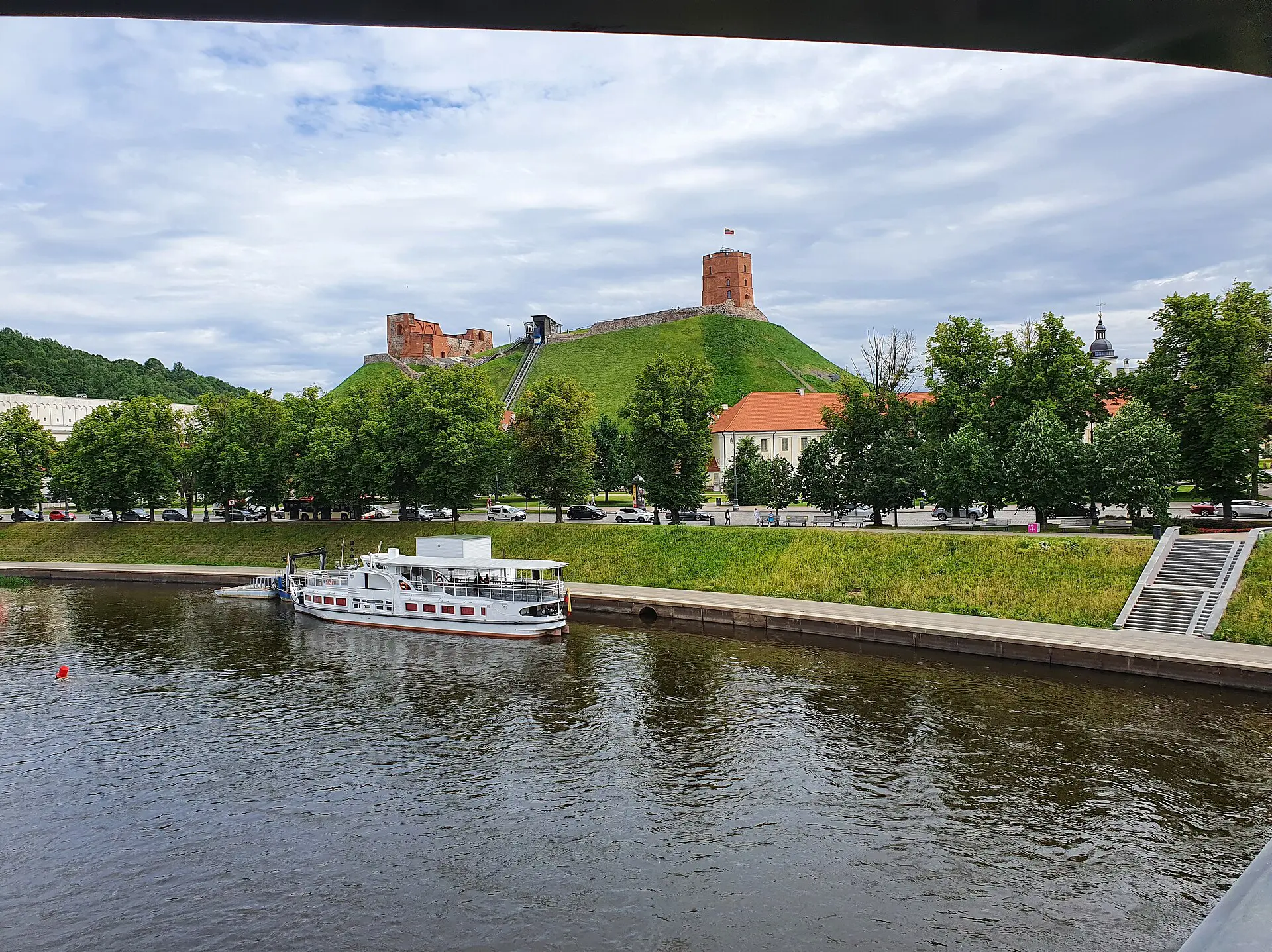
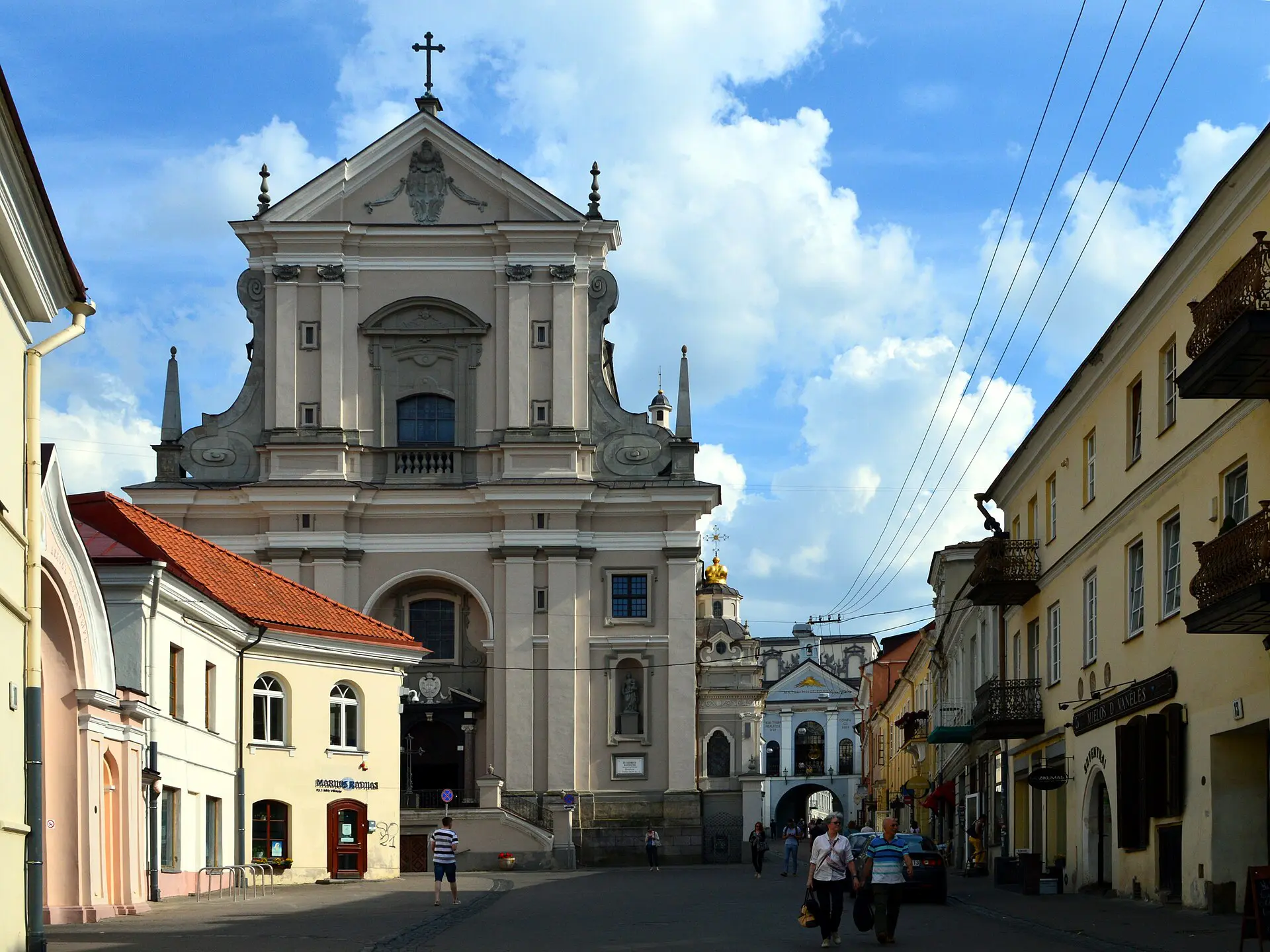
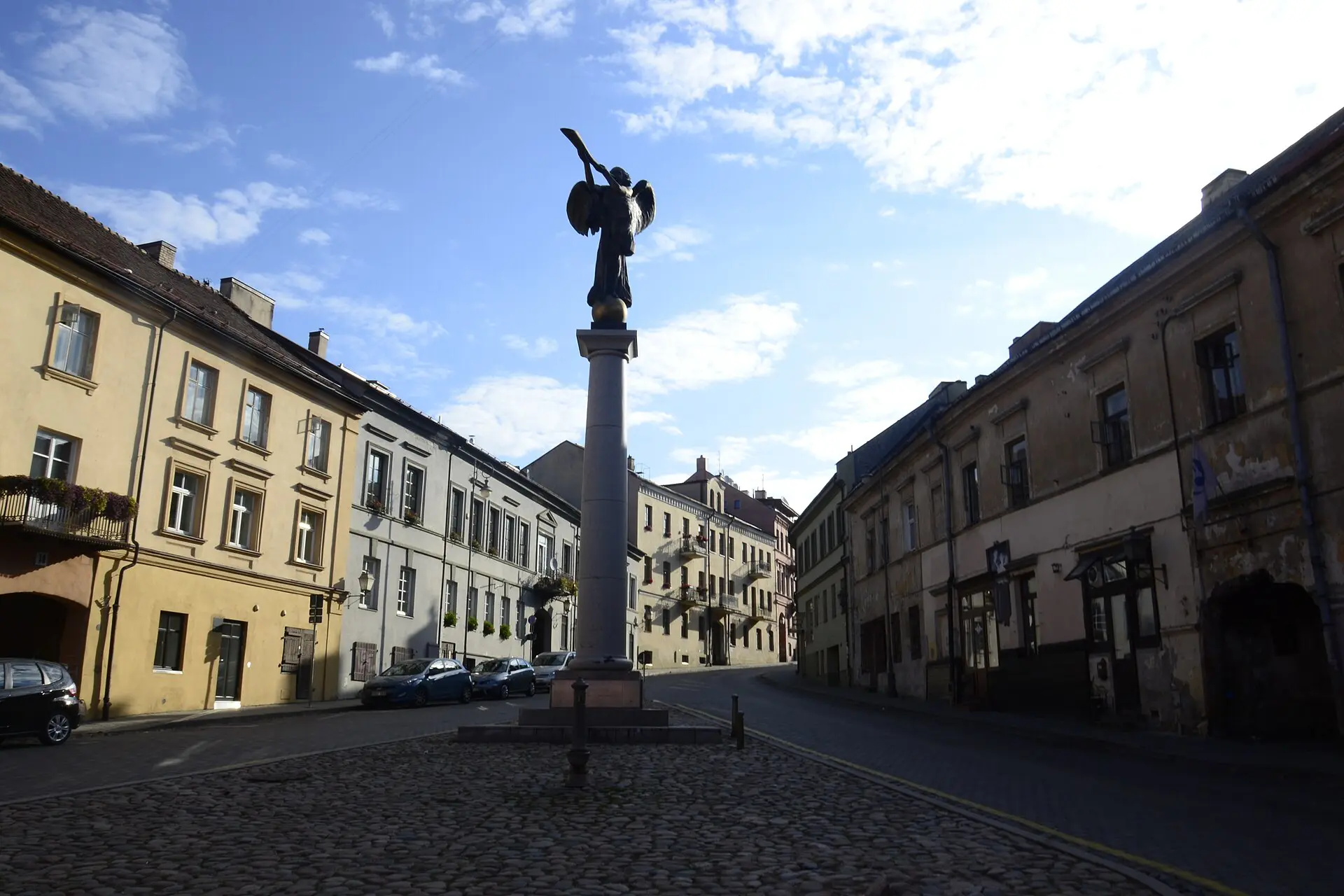
The capital has one of the largest surviving medieval old towns in Northern Europe, with Gediminas Tower, Cathedral Square and the university quarter. The Užupis district has a bohemian atmosphere and its own tongue-in-cheek constitution on a wall. Allow two to three days.
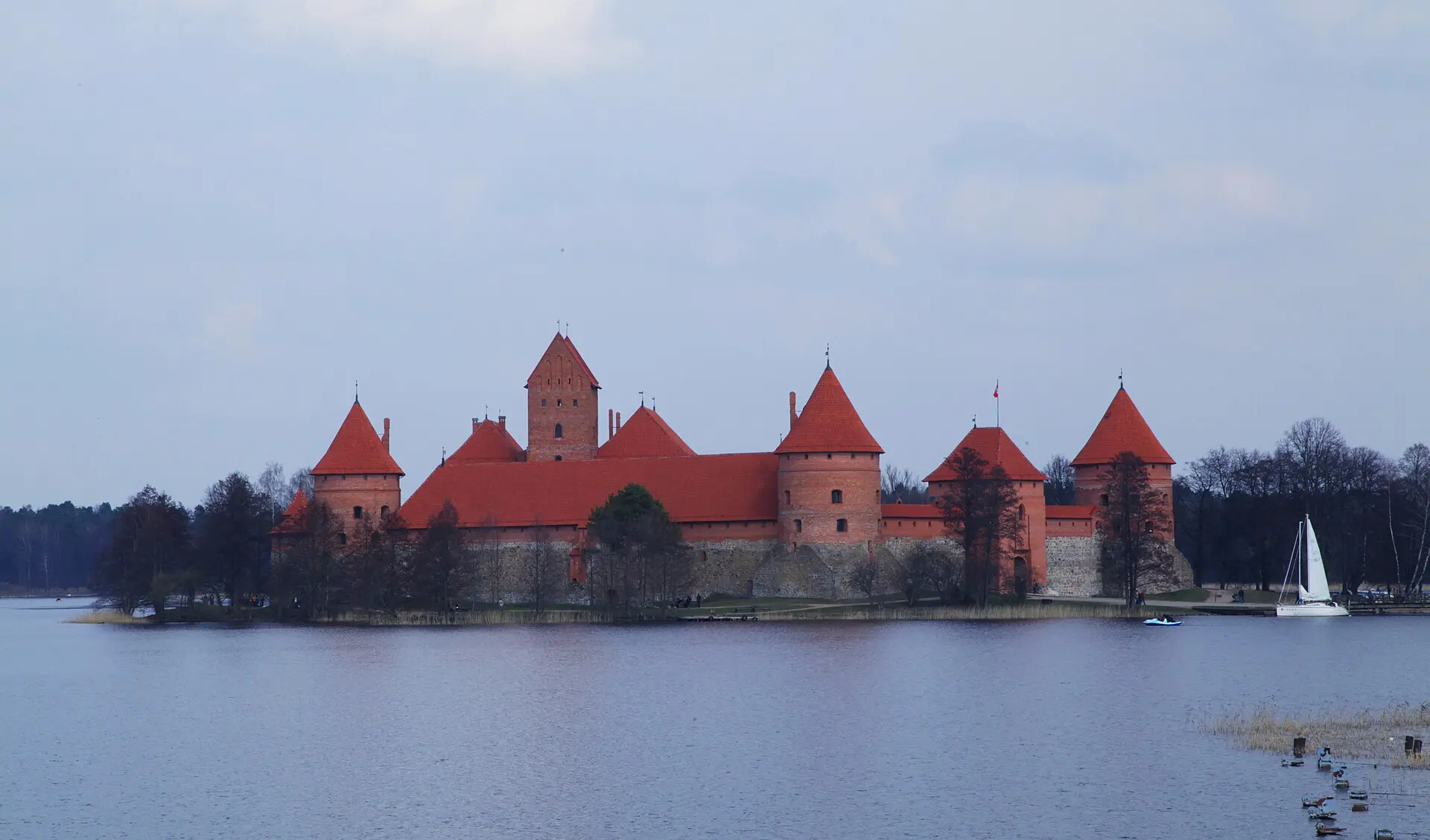
Trakai
Trakai, about 28 km west of Vilnius, is known for its red-brick island castle on Lake Galvė. It is easy as a half-day trip, and the town is also the home of the Karaim community and their pastries.
Kaunas
The second city has a compact old town, a confluence of two rivers and a notable stock of interwar modernist buildings, recognised by UNESCO. It was the temporary capital between the wars and has strong museums and cafés.
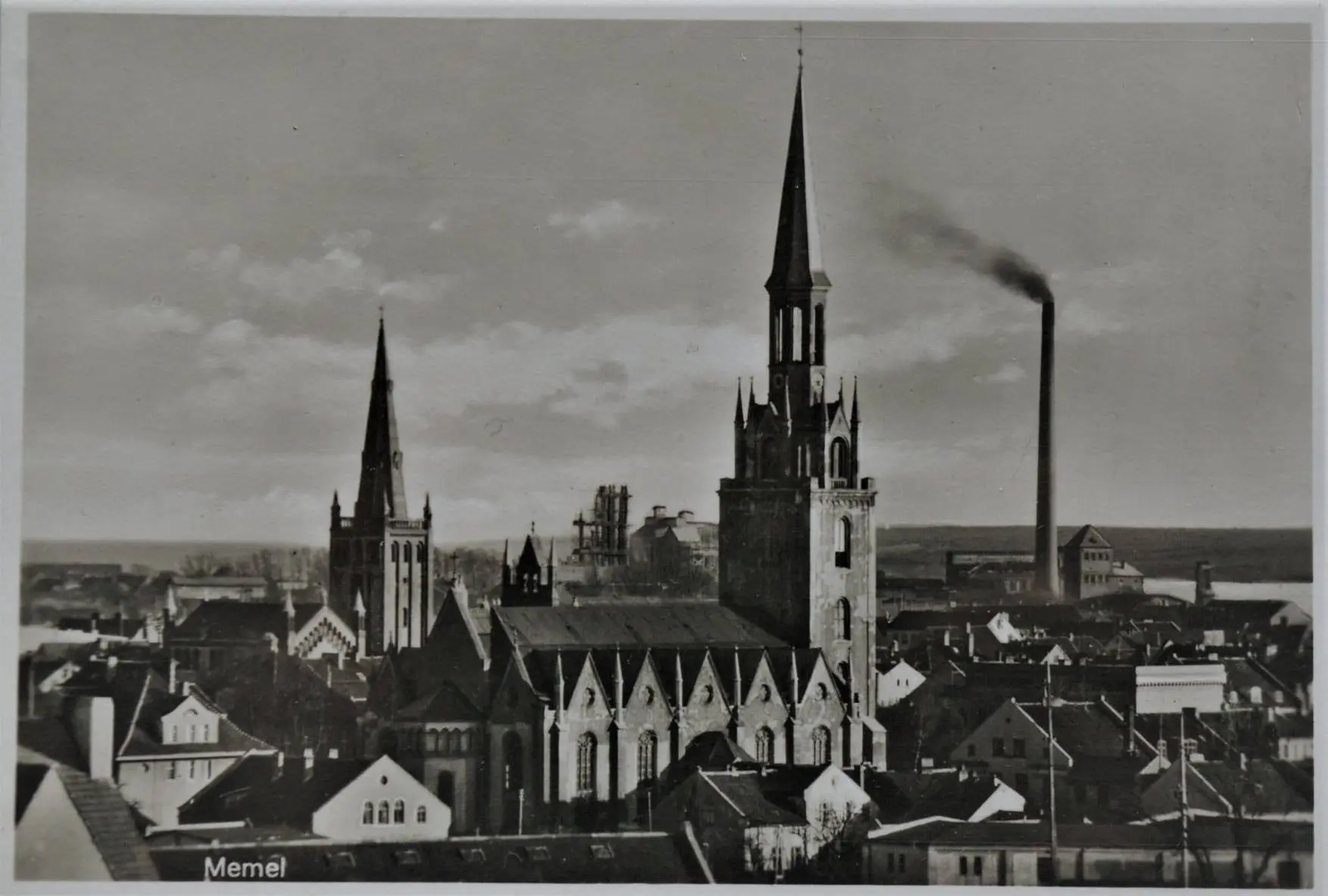
Curonian Spit and Klaipėda
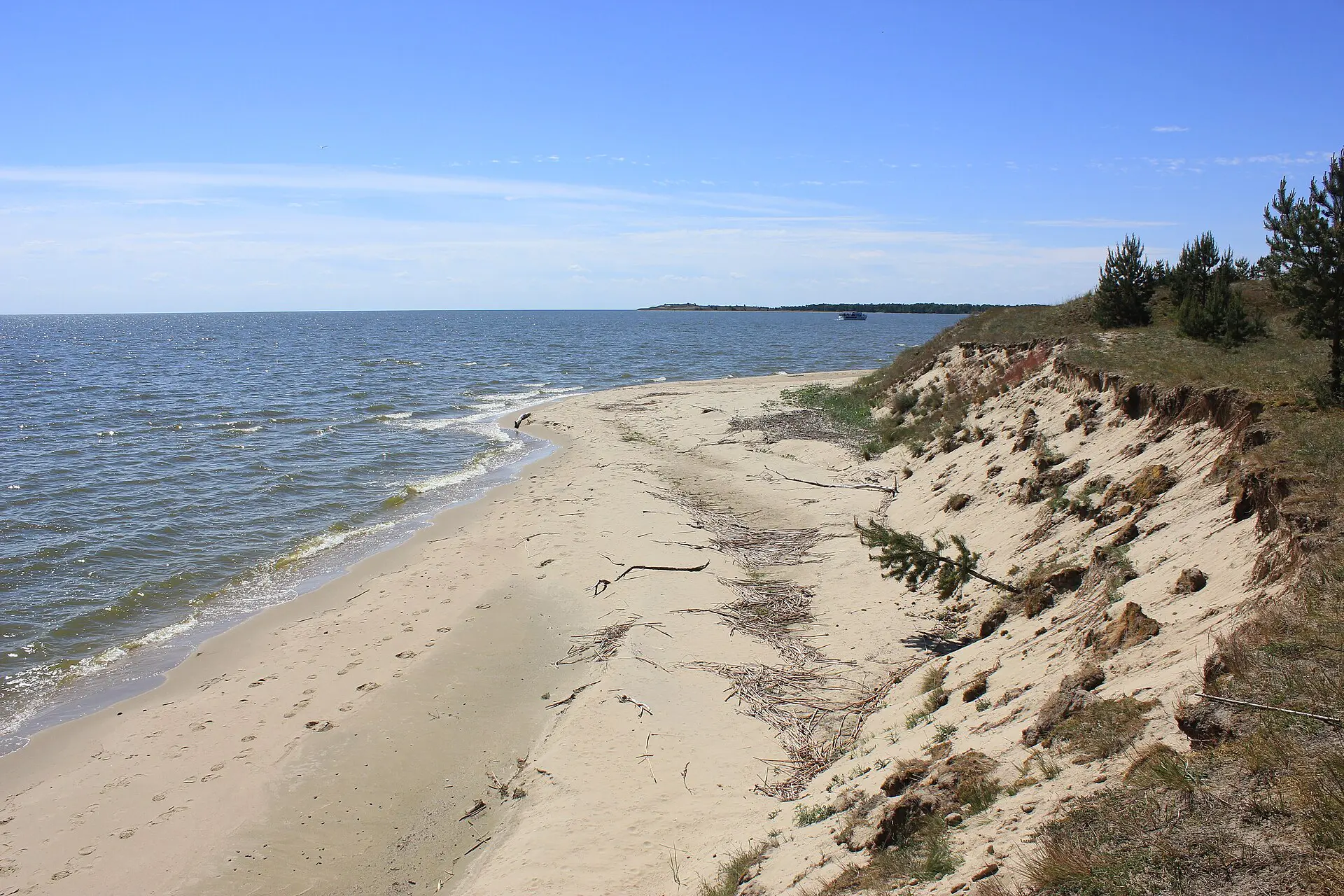
The sand spit, shared with Russia’s Kaliningrad region, has dunes, pine forest and fishing villages, with Nida as the main base. Klaipėda, the port city, has a half-timbered old town and the ferry across.
Šiauliai and Aukštaitija
Near Šiauliai stands the Hill of Crosses, a pilgrimage site. In the east, Aukštaitija National Park offers lakes, forests and wooden villages for hiking, paddling and cycling.
Top things to do in Lithuania
The top things to do in Lithuania mix old towns with nature, and many are easy day trips from Vilnius.
- Walk Vilnius Old Town: follow the lanes from the Gate of Dawn to Cathedral Square and climb Gediminas Hill for a view.
- Tour Trakai Island Castle: cross the wooden bridge and visit the museum inside the restored brick keep.
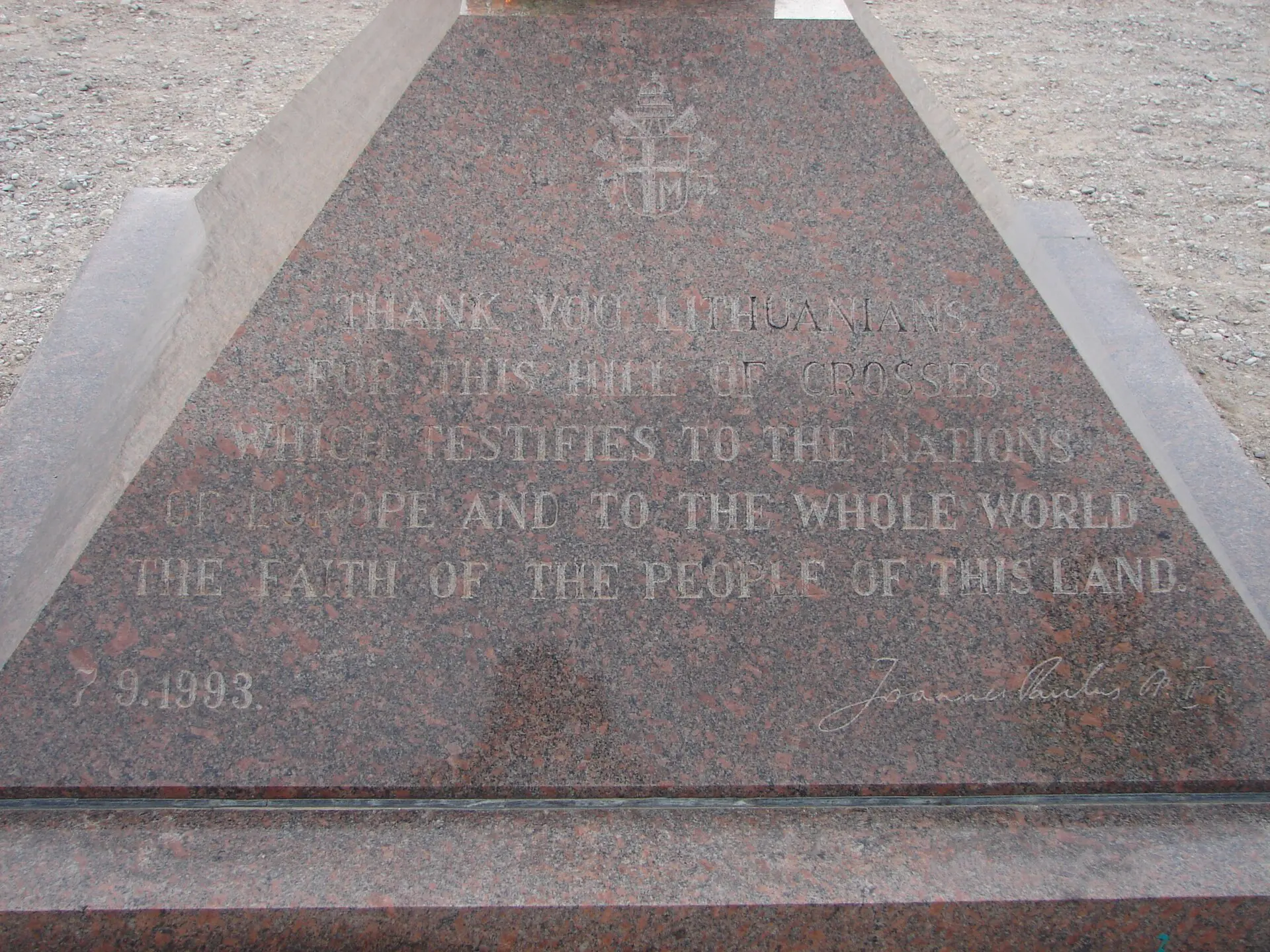
- Visit the Hill of Crosses: hundreds of thousands of crosses cover a hill near Šiauliai, a powerful pilgrimage and resistance symbol.
- Climb the dunes at Nida: the Parnidis Dune gives views over the Curonian Lagoon and the Baltic Sea.
- Explore Kaunas’s modernist quarter: follow the interwar architecture trail and ride the old funicular.
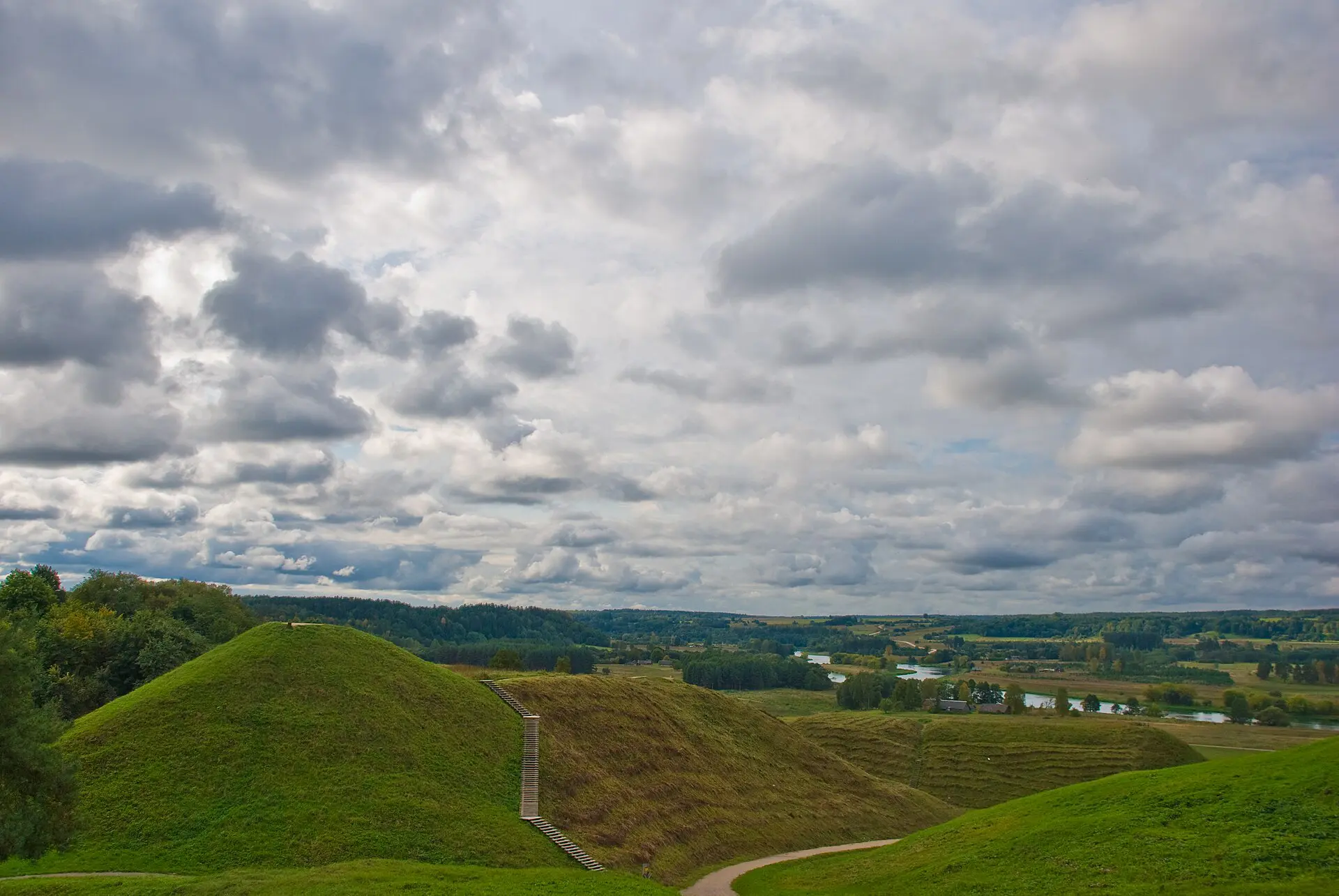
- Visit Kernavė: an archaeological site with hillforts and a medieval townsite, also UNESCO-listed.
- Paddle in Aukštaitija National Park: canoe trips link lakes and small rivers in summer.
- Walk through Užupis: look for galleries, cafés and the neighbourhood’s quirky constitution.
- Relax in Palanga: the seaside resort has a long pier, a botanical park and an amber museum.
- Visit the Museum of Occupations and Freedom Fights in Vilnius: it covers Soviet and Nazi rule in the former KGB building.
- Taste craft beer and local food in a pub: small breweries serve farmhouse styles.
Best time to visit Lithuania
The best time to visit Lithuania is late May to early September, when days are long, the coast is open and festivals are on. June and July are warm, with sunsets after 10 pm around the solstice. Winter is cold, dark and snowy but rewarding for Christmas markets and a quiet Vilnius.
| Season | Weather | Crowds and prices | Good for |
|---|---|---|---|
| Spring (Apr-May) | Cool, driest season, fresh green | Quiet, good value | City walks, cycling |
| Summer (Jun-Aug) | Mild to warm, around 16-25 C, some rain | Busiest, coast prices highest | Curonian Spit, lakes, festivals |
| Autumn (Sep-Oct) | Cooling, colourful forests | Quiet | Hiking, culture, mushrooms |
| Winter (Nov-Mar) | Cold, often below freezing, snow | Low outside Christmas | Markets, museums, spas |
The coast is milder and breezier, while the southeast around Vilnius has hotter summers and colder winters. Midsummer (St John’s Day, 24 June) is a major celebration.
Is Lithuania safe to visit?
Yes, Lithuania is generally safe for tourists, and most visits pass without incident. Violent crime against visitors is rare, and the usual risks are petty theft, scams and winter ice. Check your government’s current advice, such as the UK FCDO page, before you go, especially for regional security updates.
Regional security. Lithuania is a NATO and EU member that borders Belarus and Russia’s Kaliningrad region. Day-to-day life is normal, but there have been border tensions and airspace disruptions, including at times that affected Vilnius airport. Avoid the Belarus border zone, do not attempt to cross unofficially and check flight status before travel.
Crime. Pickpocketing occurs in Vilnius Old Town and on busy transport, so keep bags closed. Use licensed taxis or ride-hailing apps rather than street hails.
Weather and health. Winter roads are icy, and drivers must use winter tyres in season. Ticks are common in forests in summer, so use repellent and check your skin after walks. Tap water is generally safe in cities, and healthcare is good. EU citizens should carry their European Health Insurance Card, and others should take travel insurance.
Lithuania visa and entry requirements
The Lithuania visa position follows Schengen rules, because the country is part of the Schengen Area. EU, EEA and Swiss citizens need only a passport or national ID card. Many other nationalities, including the US, UK, Canada and Australia, have generally been able to visit visa-free for up to 90 days in any 180, while others need a Schengen visa from a Lithuanian or other Schengen embassy.
Entry rules can change, and a European travel authorisation system (ETIAS) is planned for visa-exempt visitors, so check the official Lithuanian foreign ministry and EU sources for your passport before booking. Your passport usually must be valid for at least three months after you leave the Schengen Area.
Land borders with Latvia and Poland normally have no routine checks, though temporary controls can be introduced. Borders with Belarus and Russia are restricted, and crossings may be closed or limited to specific nationalities, so do not plan overland trips there without checking current rules. See the Wikivoyage Lithuania guide for further entry notes.
Getting to and around Lithuania
Most visitors fly to Vilnius Airport, which has links to many European cities. Kaunas has budget-airline routes, and Palanga on the coast has seasonal flights. Long-distance buses and trains connect Vilnius with Riga, Warsaw and Tallinn, and the Rail Baltica line is still under construction.
Inside the country, buses and trains are cheap and reliable between the big towns. Vilnius to Kaunas takes about 1 hour 15 minutes by fast train and slightly longer by bus. Vilnius to Trakai is about 30 minutes by train or bus. Kaunas to Klaipėda takes around three hours by bus or train, and Vilnius to Klaipėda around four to five hours. Book intercity tickets online or at stations, since popular services fill in summer.
To reach the Curonian Spit, take the ferry from Klaipėda to Smiltynė and then a bus to Nida, which takes around an hour. A rental car is useful for Aukštaitija, the Hill of Crosses and the countryside. Drive on the right, use dipped headlights all year and expect strict alcohol limits. Taxi apps are cheap in the cities.
How much does a trip to Lithuania cost?
Lithuania uses the euro and remains cheaper than Western Europe and the Nordic countries, although prices in Vilnius have climbed. Figures below are rough per-person guides for the 2026 season.
- Budget: around EUR 35 to 55 per day, with hostel dorms, buses, self-catering and market meals.
- Mid-range: around EUR 60 to 110 per day, with a good hotel or apartment, restaurant dinners and some taxis or trains.
- High-end: from around EUR 150 per day, with boutique hotels, fine dining and a rental car.
Accommodation is the main driver, followed by eating out, and coastal resorts like Nida and Palanga cost more in July and August. A main course in a casual restaurant is often EUR 10 to 18, and a local beer EUR 3 to 5. Intercity trains and buses cost only a few euros per trip. Many sights charge modest entry fees, while old-town walking and the beaches are free.
Lithuania food and drink
Lithuania food is hearty and based on potatoes, rye bread, pork, dairy, beetroot and freshwater fish. Menus are generous, prices are fair, and most restaurants offer a mix of traditional and modern dishes.
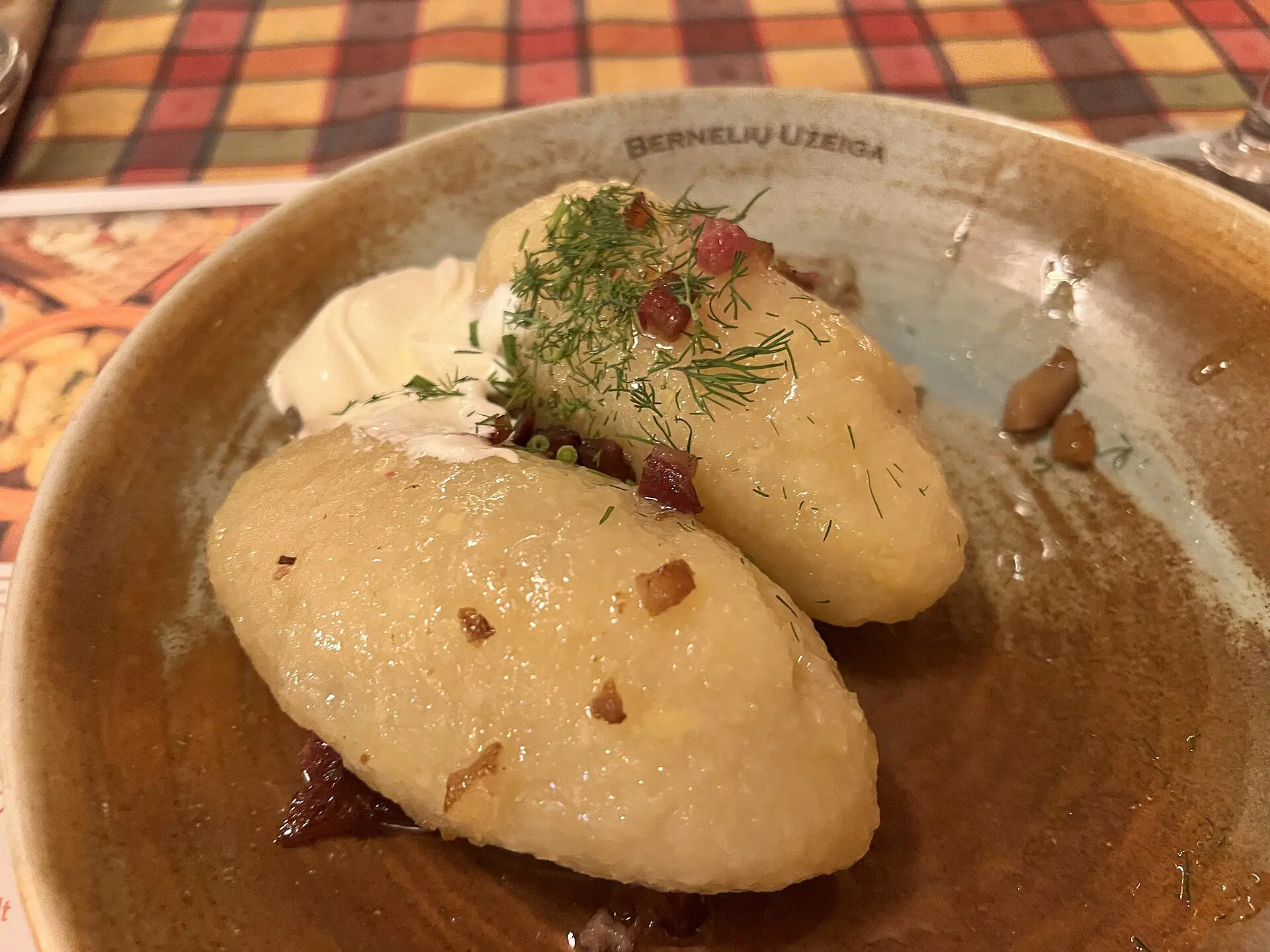
- Cepelinai: large potato dumplings filled with meat, curd or mushrooms, topped with sour cream and bacon. This is the national dish.
- Šaltibarščiai: a cold bright-pink beetroot and kefir soup, served in summer with boiled potatoes.
- Kibinai: baked pastries filled with mutton or vegetables, from the Karaim community in Trakai.
- Kugelis: a baked grated-potato pudding, usually with bacon and sour cream.
- Bulviniai blynai: crisp potato pancakes served with sour cream or meat sauce.
- Šakotis: a tall, spiked tree-cake baked on a spit, used for celebrations.
- Gira and midus: gira is a sour-sweet fermented rye drink similar to kvass, and midus is a honey mead.
- Craft beer: Lithuania has a strong farmhouse brewing tradition, with local pubs offering regional styles.
Vegetarians can find cold soups, potato dishes, cheese and salads, though many traditional dishes include meat or bacon. Vilnius and Kaunas have many vegetarian-friendly cafés. Lunch menus are often the best value, and tipping about 10 percent is welcome.
Culture, language and etiquette in Lithuania
Lithuanian is the official language and belongs to the Baltic branch of Indo-European, with Latvian as its closest living relative. English is widely spoken by younger people and in tourism, while older people may know Russian or Polish instead. Useful words are labas (hello) and ačiū (thank you).
Lithuanians can seem reserved at first but are warm and helpful once you start talking. Punctuality is expected, and shaking hands when you meet is normal. Midsummer on 23 and 24 June (Joninės) and the church holidays are important, and the country is mostly Roman Catholic, with pagan traditions surviving in folk customs and sacred sites.
History is sensitive. Soviet occupation, the Holocaust and the 1990 independence movement are central to national memory, so treat memorials and museums with respect and avoid jokes about Soviet times or Russia. Dress modestly in churches, take your shoes off when invited into a home, and bring a small gift such as flowers or chocolate if you are a guest. Drinking in public places is restricted, and the country has strict rules on drink-driving.
Lithuania itinerary: a 7-day route
This route starts in Vilnius and ends on the coast, using trains and buses so no car is needed.
- Day 1, Vilnius: arrive, walk the old town from the Gate of Dawn to Cathedral Square and climb Gediminas Hill.
- Day 2, Vilnius: visit Užupis, the Museum of Occupations and Freedom Fights and a university courtyard, then try cepelinai for dinner.
- Day 3, Trakai: take a morning train or bus, tour the castle and eat kibinai, then return to Vilnius or move on.
- Day 4, Kaunas: travel about 1 hour 15 minutes by train, explore the old town and the interwar modernist quarter.
- Day 5, Hill of Crosses or Klaipėda: with a car or tour, stop at the Hill of Crosses near Šiauliai, otherwise take the bus to Klaipėda (around three hours).
- Day 6, Curonian Spit: ferry to Smiltynė, bus to Nida, climb the Parnidis Dune and watch the sunset.
- Day 7, return: go back to Klaipėda, then travel to Vilnius or Kaunas for your flight, allowing four to five hours.
In winter, replace Day 6 with a spa stay or a day in Šiauliai, and check ferry times, which reduce out of season.
Practical tips for Lithuania
- Money: the currency is the euro. Cards and contactless payments are accepted almost everywhere, including small cafés and buses, and ATMs are widespread.
- SIM and eSIM: mobile data is cheap and fast. EU roaming applies to EU plans, and visitors can buy a local SIM or eSIM.
- Plugs: types C and F at 230 V.
- Tipping: not required, but rounding up or about 10 percent for good service is common.
- Transport apps: ride-hailing apps are cheap and common, and train and bus tickets can be bought online.
- Health: tap water is generally safe in cities. Bring insect repellent for forests and insurance for the trip.
- Packing: waterproofs and warm layers in any season, comfortable walking shoes for cobbles and a swimsuit for the coast.
- Booking: reserve coastal rooms early for July and August, and check winter opening hours at Nida.
For heritage planning, see the UNESCO page for Lithuania, which lists Vilnius, Kernavė, Kaunas and the Curonian Spit among other sites.
FAQ
Q1What are the best things to do in Lithuania?
Top picks are walking Vilnius Old Town, visiting Trakai Castle, seeing the Hill of Crosses, climbing the dunes at Nida on the Curonian Spit, exploring Kaunas's modernist architecture and paddling in Aukštaitija National Park. Most can be reached by train or bus.
Q2What is Lithuania food like?
Lithuania food is hearty and potato-based. Try cepelinai (meat-filled potato dumplings), cold pink beetroot soup, kugelis, potato pancakes, Trakai's kibinai pastries, rye bread and gira. Beer and mead are common drinks, and vegetarians can eat well in cities.
Q3Is Lithuania safe?
Yes, for most visitors. Violent crime against tourists is rare, and the main risks are pickpocketing in busy areas, winter ice and ticks in forests. Stay away from the Belarus border zone and check your government's current advice, especially on regional security.
Q4What is the best time to visit Lithuania?
Late May to early September is best, with long days, warm weather and open coastal facilities. June and July suit the Curonian Spit and lakes. December works for Christmas markets, but winter is cold and dark, with many coastal places closed.
Q5What are the best places to visit in Lithuania?
Vilnius is the main highlight, followed by Trakai for its island castle and Kaunas for interwar architecture. The Curonian Spit offers dunes and beaches, the Hill of Crosses near Šiauliai is a unique pilgrimage site, and Aukštaitija suits lakes and hiking.
Q6Is Lithuania safe to visit for solo travellers and women?
Lithuania is generally considered safe for solo travellers, including women, in cities and tourist areas. Use normal precautions: avoid poorly lit areas late at night, use licensed taxis or apps and keep valuables secure in crowded places.
Q7Do I need a visa for Lithuania?
It depends on your nationality. Lithuania is in Schengen, so EU, EEA and Swiss citizens need only ID, and many other nationalities can visit visa-free for up to 90 days in 180. Others need a Schengen visa. Confirm with official sources before booking.