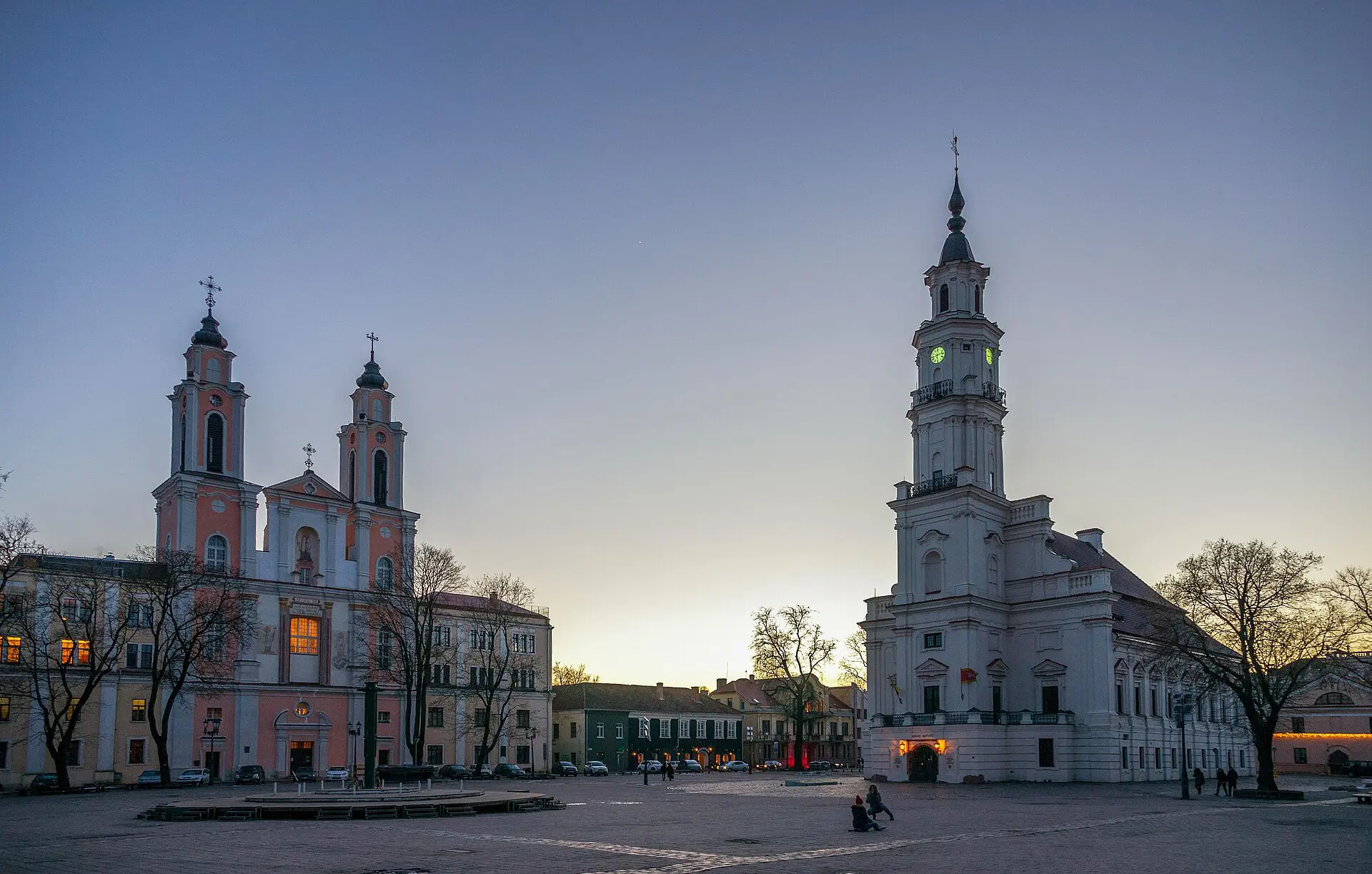

Why visit Kaunas
The best things to do in Kaunas mix medieval streets with some of Europe’s finest interwar architecture. It is the second-largest city in Lithuania, with a population of about 304,000 in 2024, and an important centre of the country’s economic, academic and cultural life.
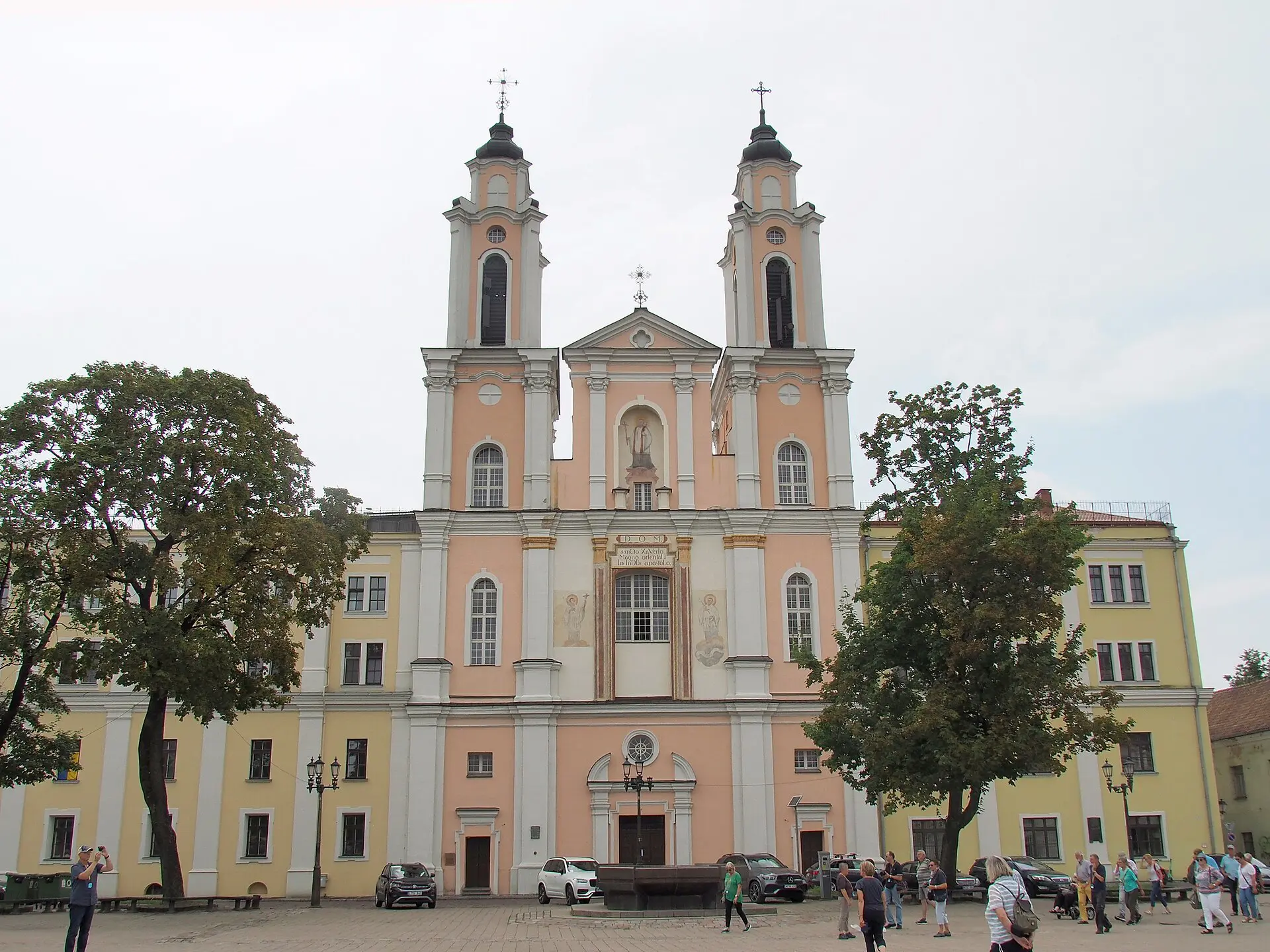

From 1920 to 1939, Kaunas served as the temporary capital of Lithuania, and the city was celebrated for its cultural life, fashion and café culture. It built countless Art Deco and Lithuanian National Revival buildings in that period. This architecture is regarded as among the finest examples of European Art Deco and became a World Heritage Site in 2023.
The city grew at the confluence of the country’s two main rivers, and its Old Town, dating from the 14th century, connects to the 19th-century New Town along Laisvės alėja.
Top things to do in Kaunas

Stroll Laisvės alėja
This long pedestrian boulevard links the Old Town and the New Town, lined with shops, cafes and interwar buildings. Allow an hour to walk its length, longer with a coffee stop. Look up at the facades, as the details are often above shop level.
Explore the Old Town
The Old Town centres on the Town Hall Square, with the Town Hall, churches and medieval lanes. Allow two to three hours. The Old Town dates from the 14th century, when the castle was built, so look for the castle at the river junction.
See the interwar modernist architecture
Kaunas’s Art Deco and National Revival buildings are the city’s signature. A walking route through the New Town takes two to three hours, and guided tours are available. Check which buildings are open to visitors, as some are working offices.
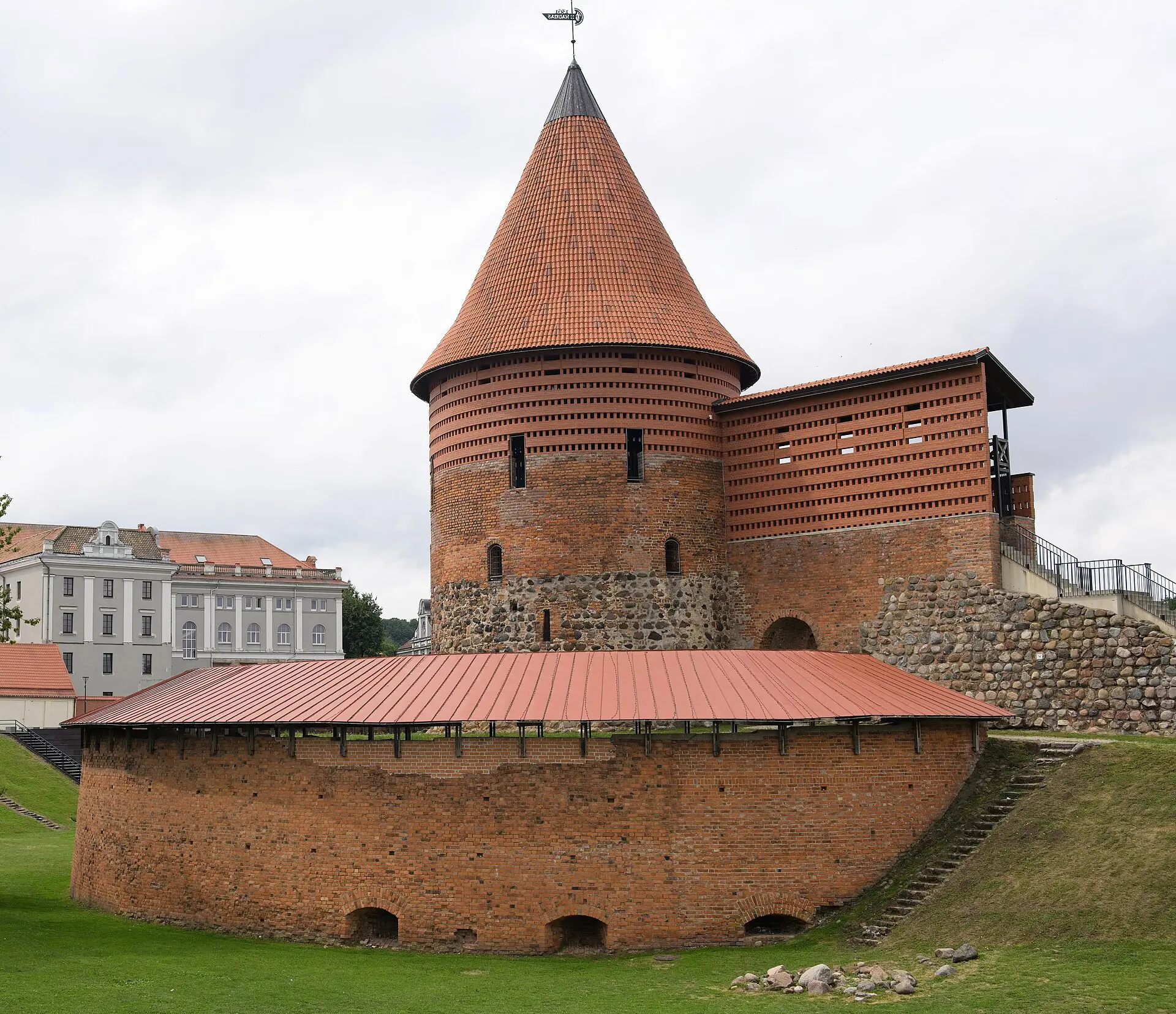
Visit Kaunas Castle
The castle near the river confluence shows the city’s strategic origins. It is a short stop of around 30 minutes, and the grounds are usually free to walk around. Check opening times if you want to enter any exhibition.
Walk the riverside and confluence
The city sits where the Nemunas and Neris rivers meet. Walking along the banks gives open views and a break from the streets. Allow an hour and wear good shoes, because paths can be uneven.
Try the cafe culture
Cafes are part of the city’s interwar reputation and are still a good way to spend an afternoon. Ask locally for recommendations, and expect friendly service. Prices are usually moderate by European standards, but vary.
Best time to visit Kaunas
Late spring to early autumn, roughly May to September, is the most comfortable time for walking the city. Days are long, outdoor cafes are open and parks are green. Summer can be busy at weekends and during festivals.
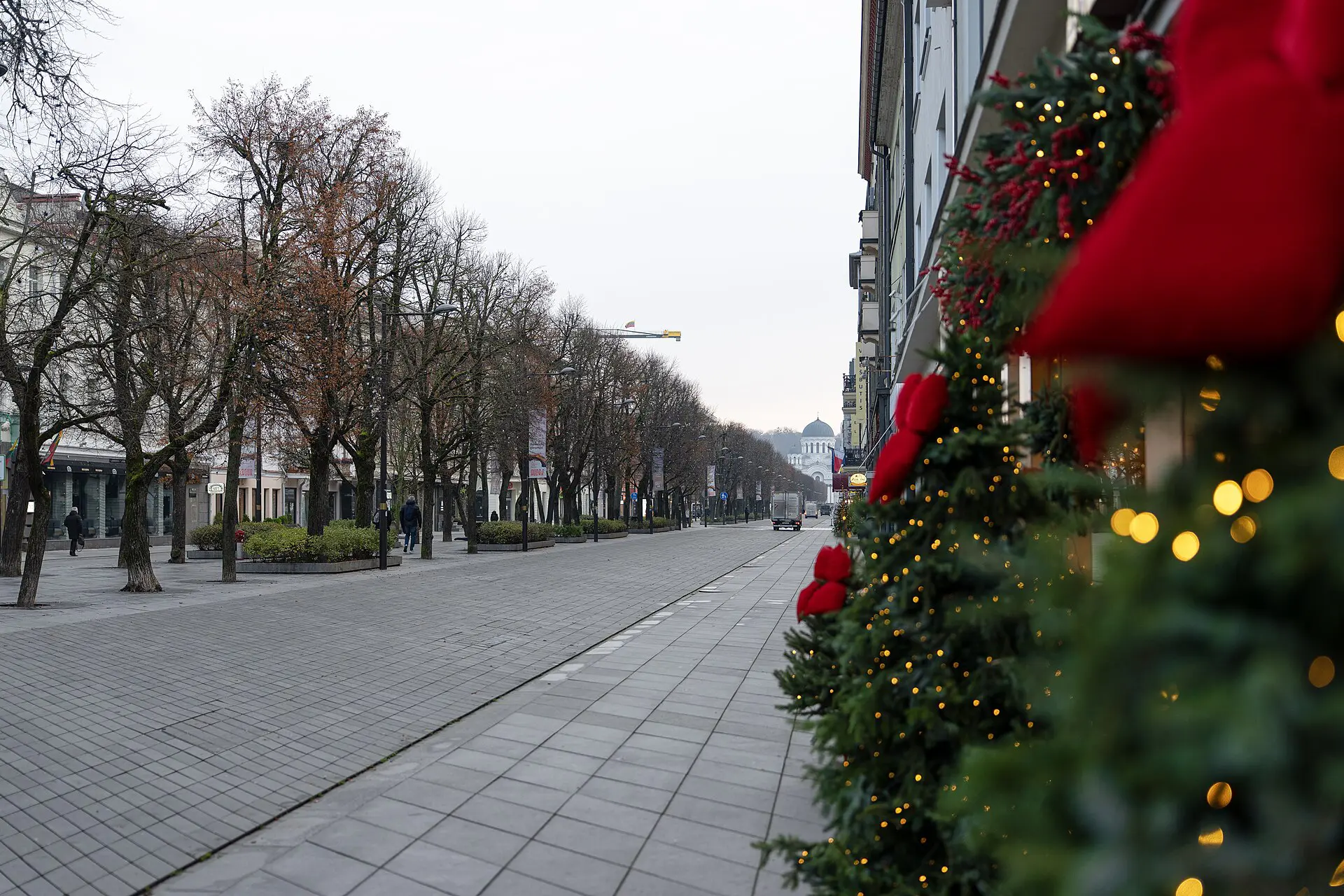

Autumn is quieter and the trees along the boulevard turn colour, though rain becomes more likely. Winter is cold and dark, with snow likely, but the city has fewer visitors and indoor museums and cafes are welcoming. If you plan to see the architecture on foot, aim for spring or early autumn, and check forecasts, because the weather can turn quickly.
How to get to Kaunas and around
Kaunas has its own airport, with some low-cost flights from European cities, and many visitors also fly into Vilnius, which is about 100 km away. Check current routes before booking.
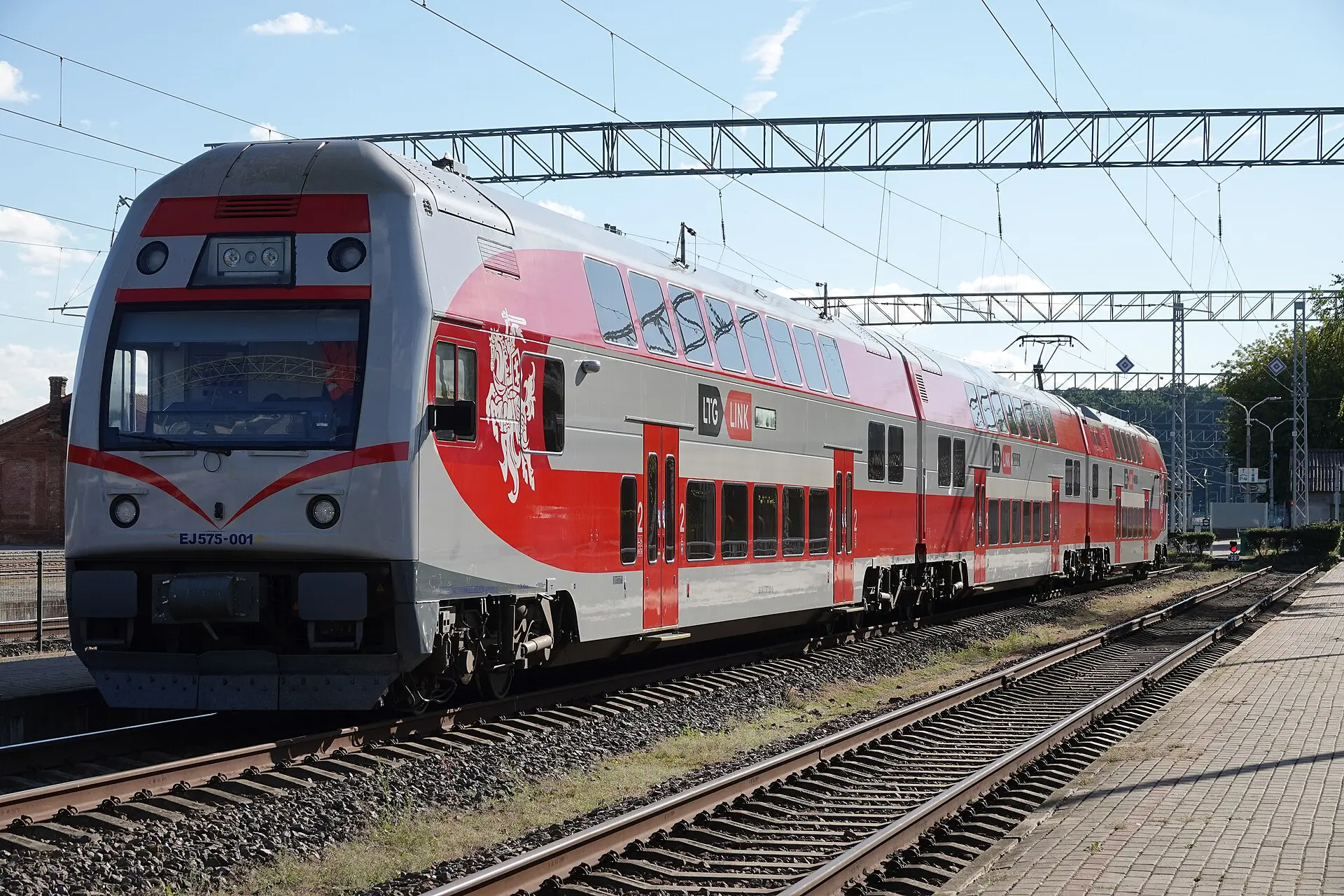

Trains and buses connect Kaunas with Vilnius and take roughly one to one and a half hours, depending on the service. Frequent services run during the day, but check timetables and buy tickets in advance for busy periods. Buses also serve Klaipėda and other Lithuanian towns.
The centre is compact and walkable, with the Old Town and Laisvės alėja within easy reach of each other. City buses and trolleybuses cover longer distances, and taxis and ride-hailing apps are widely used. Many sights are flat, so cycling is also an option.
Where to stay in Kaunas
Kaunas has a good range of places to stay for a city of its size.
Old Town: small hotels and guesthouses in historic buildings suit travellers who want to walk to the main sights and the river. It can be lively in the evening.
New Town near Laisvės alėja: larger hotels and apartments suit those who want shops, cafes and easy transport. It is also the best base for interwar architecture.
Quieter residential districts: guesthouses and apartments in leafy suburbs suit longer stays and those who prefer a calm base, with a short bus or taxi ride into the centre.
How many days do you need?
Two days is enough to see the Old Town, Laisvės alėja and the main interwar buildings at a comfortable pace. A third day lets you add museums or a day trip.
- Day 1: Old Town and Town Hall Square, Kaunas Castle, the river confluence, then dinner near Laisvės alėja.
- Day 2: a modernist architecture walk in the New Town, a museum visit and a cafe stop.
- Day 3: a day trip to Trakai or Vilnius, or time at a park or riverside.
Day trips and nearby

Vilnius
Lithuania’s capital is about 100 km away by train or bus, roughly one to one and a half hours each way. It suits a day trip or an extension of your stay, with a large Old Town and many museums.
Trakai
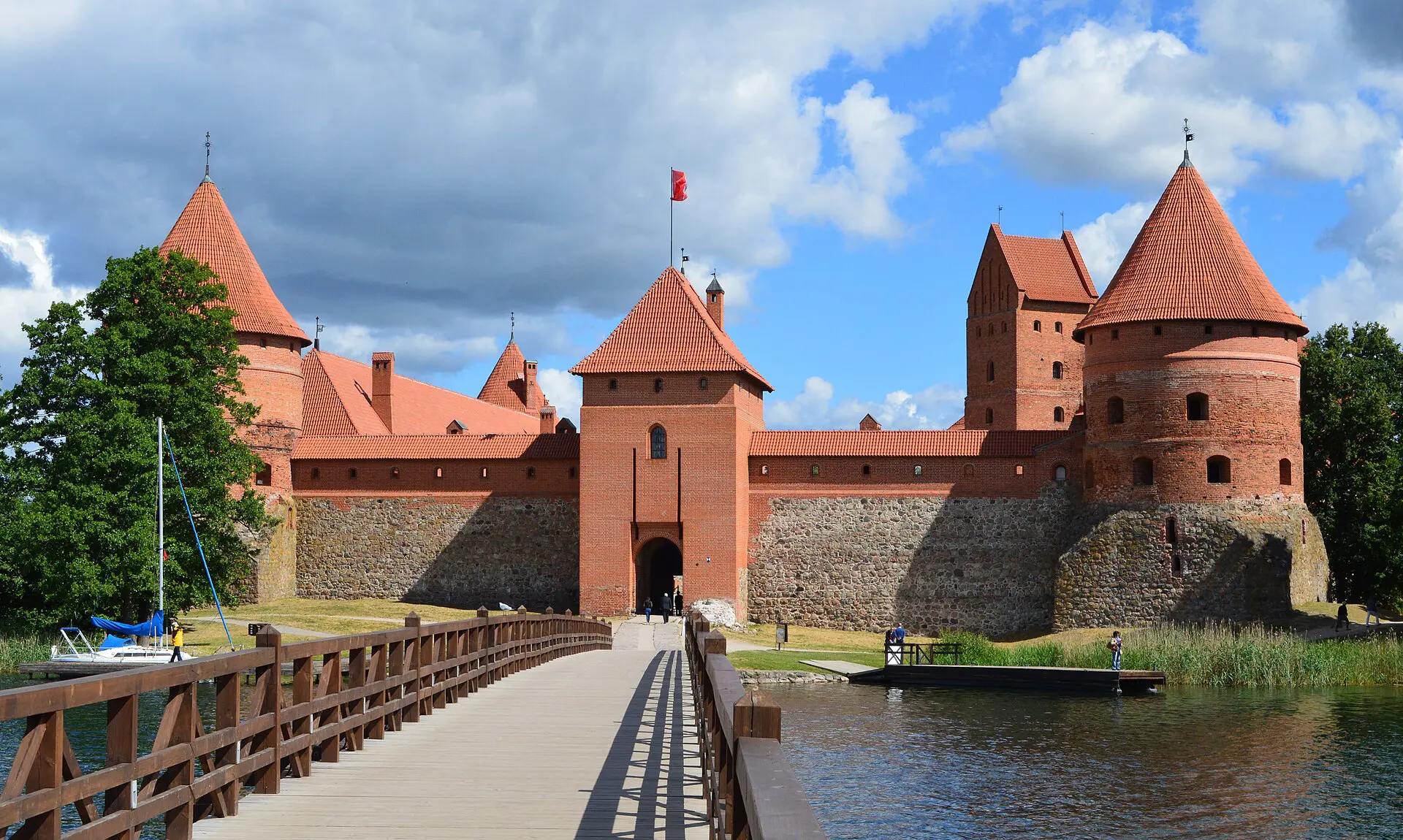
Trakai is known for its island castle on a lake, a short trip from Vilnius. It is easiest as part of a Vilnius visit, though it can also be reached from Kaunas with a longer journey. Check transport first.
Klaipėda
Klaipėda is Lithuania’s main port city on the Baltic coast. It is a longer trip, so it suits an overnight stay or a coastal extension rather than a day trip.
Curonian Spit and Nida
The Curonian Spit is a long strip of dunes and forest on the Baltic Sea, with Nida as its best-known village. It is a long way from Kaunas, so plan a stay of a night or more.
FAQ
Q1When is the best time to visit Kaunas?
May to September is the most comfortable, with long days and outdoor cafes. Autumn is quieter and colourful, while winter is cold and dark but has fewer visitors. Check the weather if you plan to walk the architecture routes.
Q2How many days do you need in Kaunas?
Two days covers the Old Town, Laisvės alėja and the main modernist buildings. Add a third day for museums and a day trip to Vilnius or Trakai. Architecture enthusiasts may want longer.
Q3How do you get to Kaunas from Vilnius?
Trains and buses run between the two cities, about 100 km apart, and the journey usually takes one to one and a half hours. Check current timetables and book ahead for busy times. Kaunas also has its own airport.
Q4Is Kaunas worth visiting?
Yes, especially for its interwar Art Deco and National Revival architecture, now a World Heritage Site, and a walkable Old Town. It is calmer than Vilnius and generally good value, so it suits a relaxed city break.
Prices, schedules and entry rules change. Check current details with official sources before you travel. Read the Lithuania travel guide.