Why visit Laos
The things to do in Laos suit travellers who want mainland Southeast Asia at a slower pace. The country, officially the Lao PDR, is the only landlocked state in the region, with the Mekong as its main artery and mountains covering much of the north (see the Wikipedia overview). Tourism has grown since the 1990s, but Laos remains far quieter than Thailand or Vietnam.
It suits independent travellers, backpackers, photographers, food lovers and anyone drawn to Buddhist temples, waterfalls, caves and river life. Treat it as a place for slow travel: roads are winding, buses take a long time and services thin out away from the main towns. The newer China-Laos railway has changed north-south travel, but the pace of life is still unhurried, and visitors are rewarded with markets, monasteries and quiet landscapes.
Best places to visit in Laos
The best places to visit in Laos run from the northern mountains down the Mekong to the southern plateau, and most trips pick three or four.
Luang Prabang
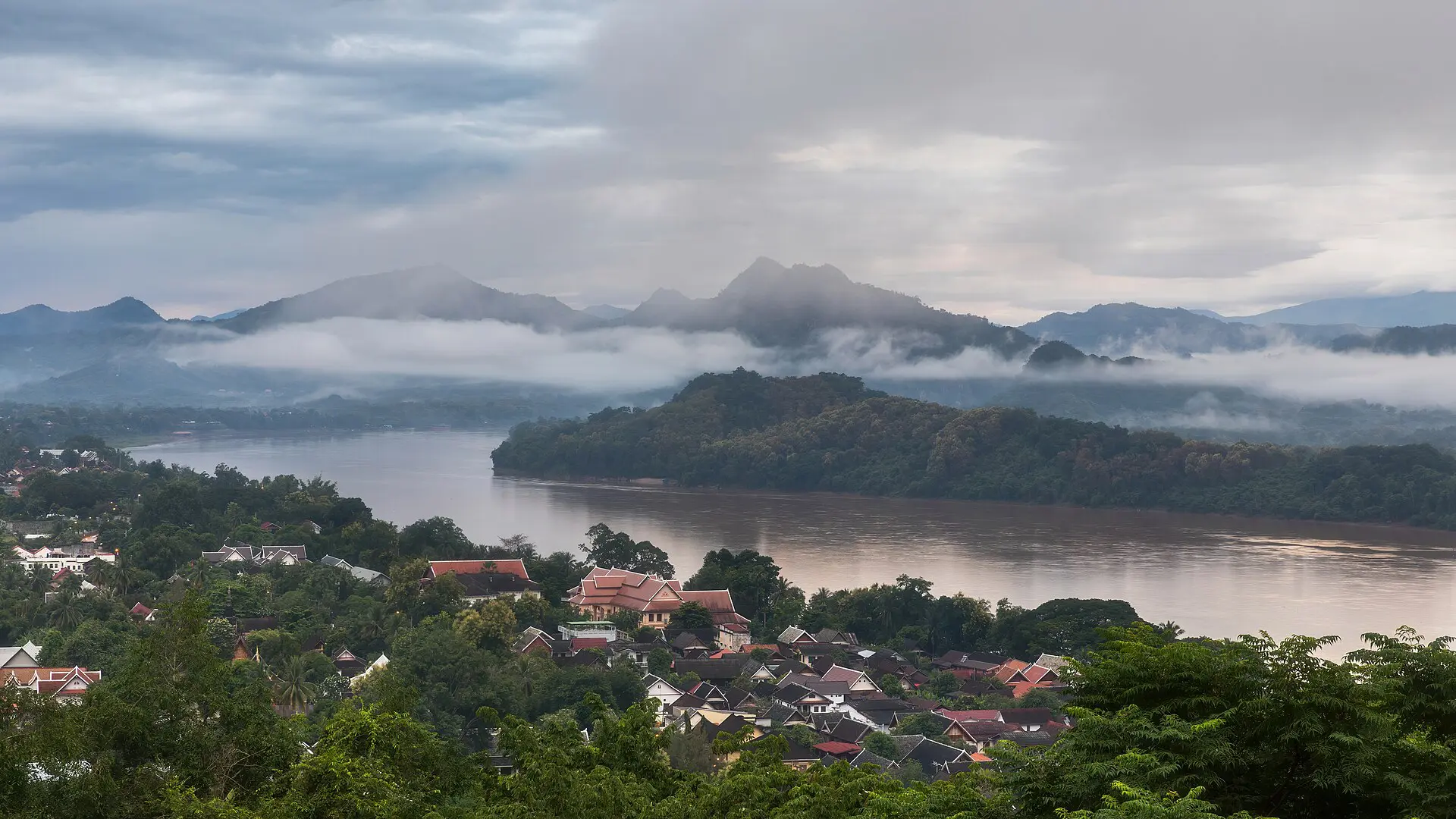
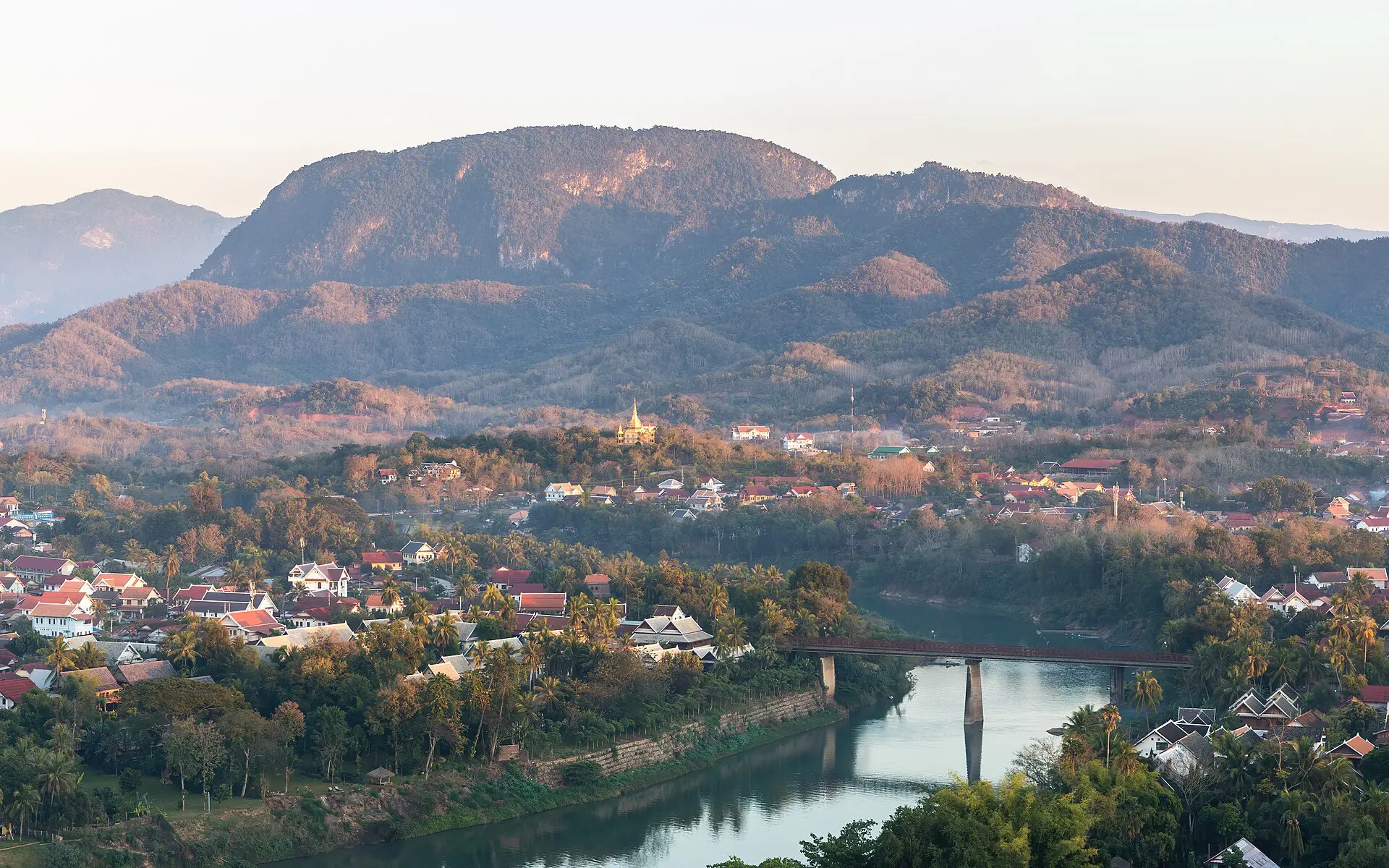
The UNESCO-listed former royal capital sits where the Nam Khan meets the Mekong, with gilded temples, French-colonial buildings, a night market and the Kuang Si waterfalls nearby. Monks collect alms at dawn. It is the main highlight of most trips.
Vientiane
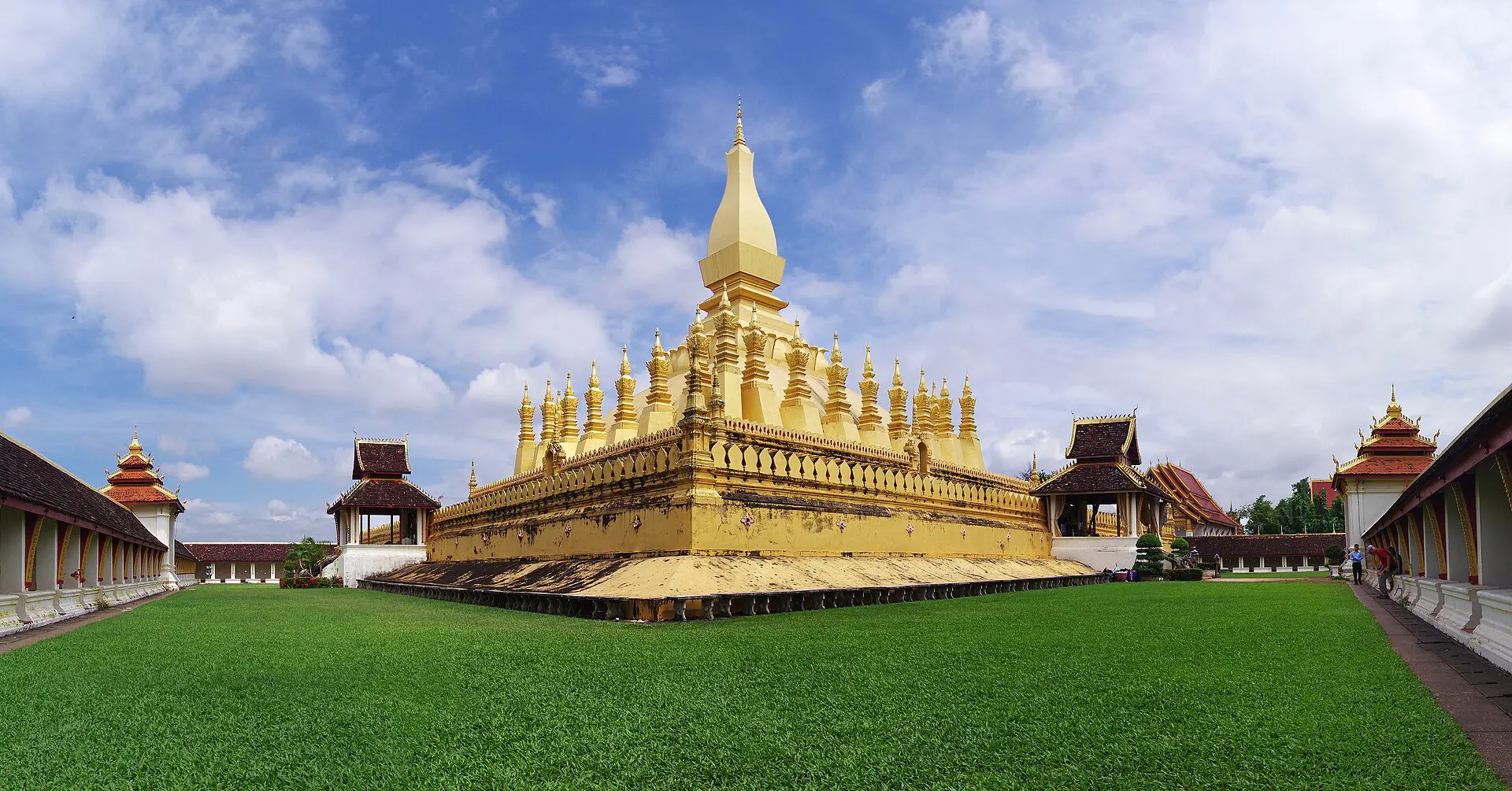
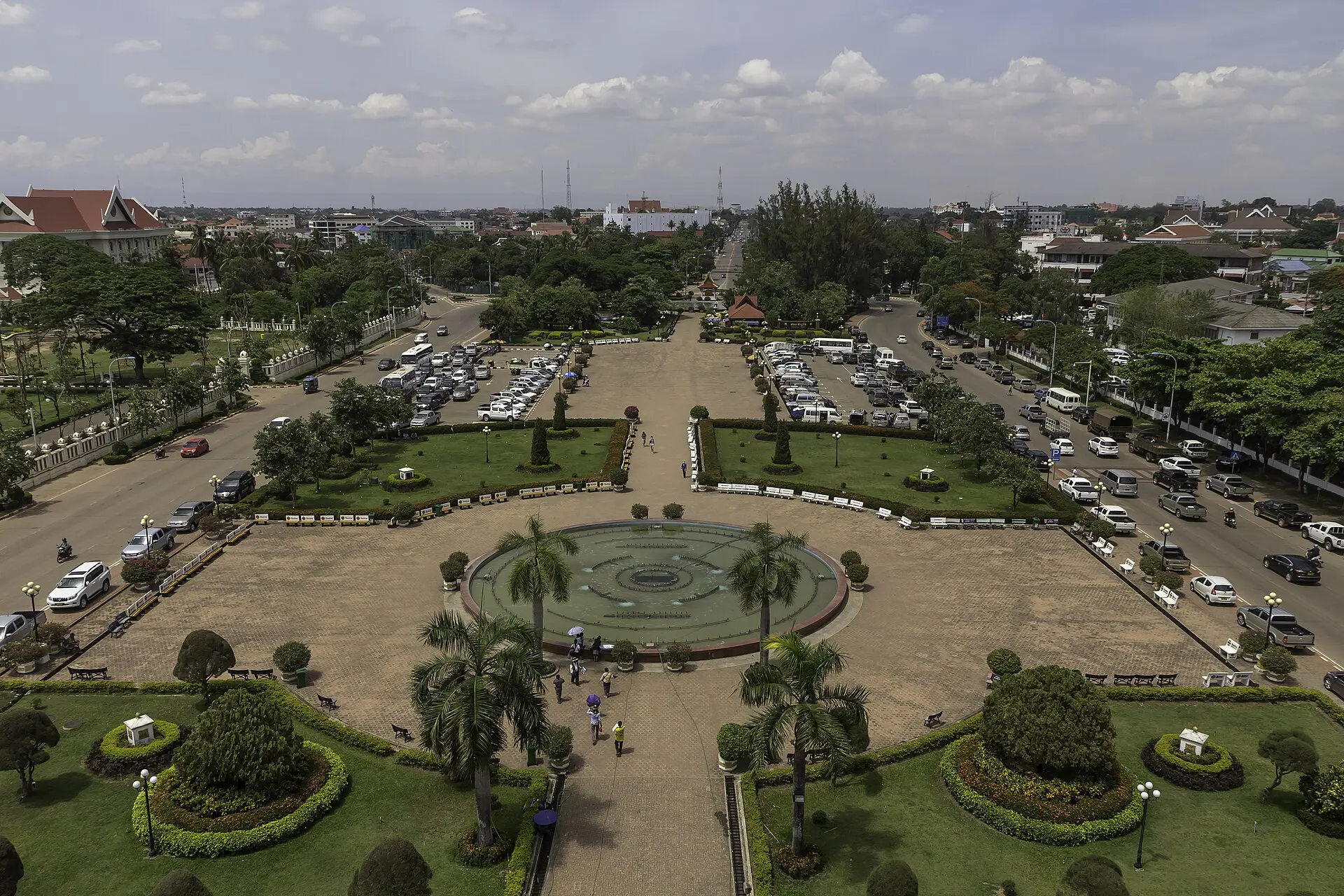
The relaxed capital has the golden Pha That Luang stupa, the Patuxai monument, riverside cafes and French bakeries. It works well as an arrival point and one- or two-night stop.
Vang Vieng
A river town beneath limestone karst, with caves, lagoons, kayaking and balloon rides. It is more active and more touristy than Luang Prabang.
Si Phan Don (4,000 Islands)
In the far south, the Mekong spreads into islands such as Don Det and Don Khon, with slow hammock days, river dolphins in the dry season and waterfalls.
Pakse, Wat Phou and the Bolaven Plateau
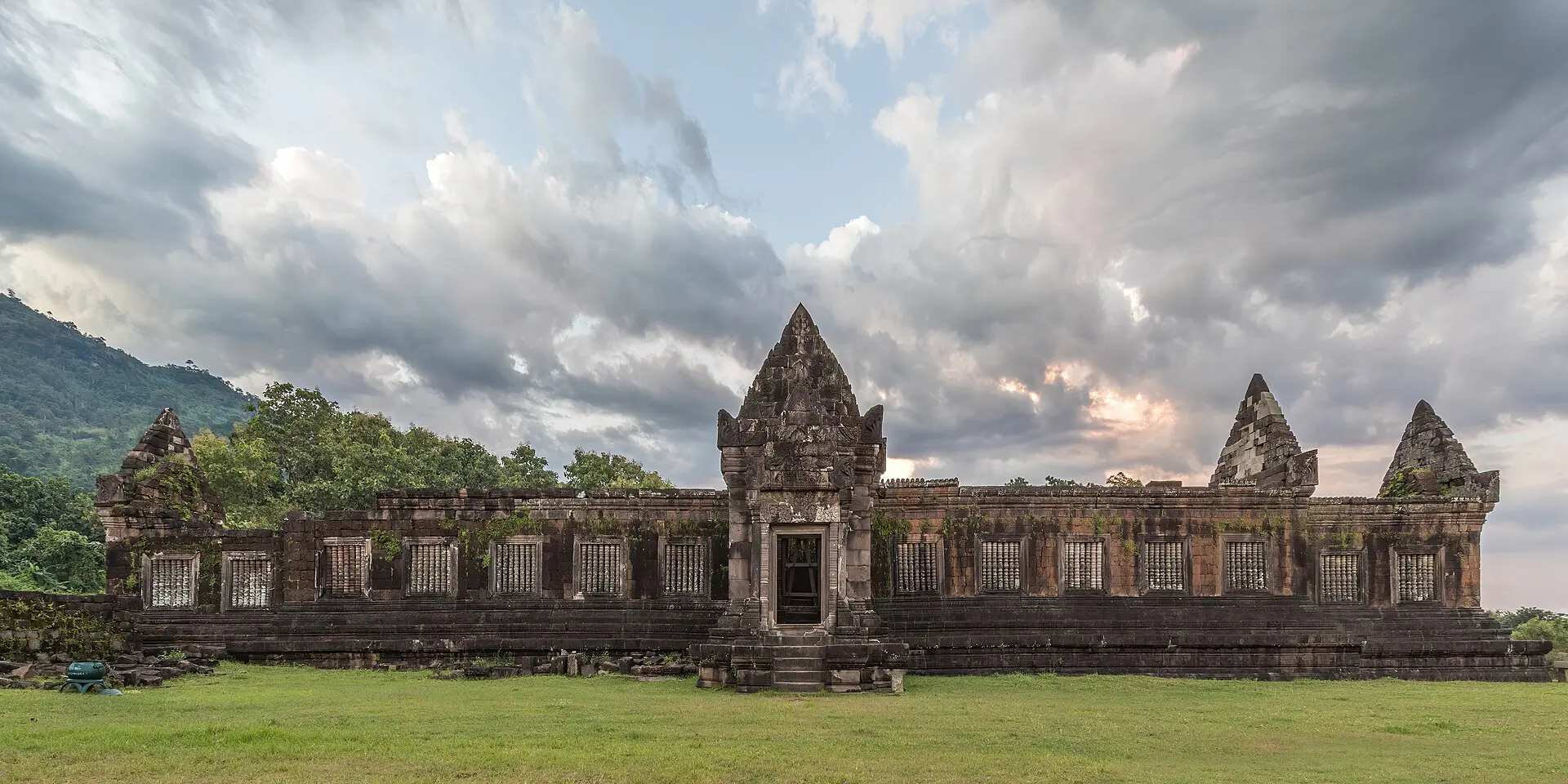
Pakse is the base for the Khmer temple of Wat Phou and for coffee-growing highlands with waterfalls and loop rides.
Top things to do in Laos
The top things to do in Laos mix temples, rivers and nature, and many can be arranged on the spot at your guesthouse.
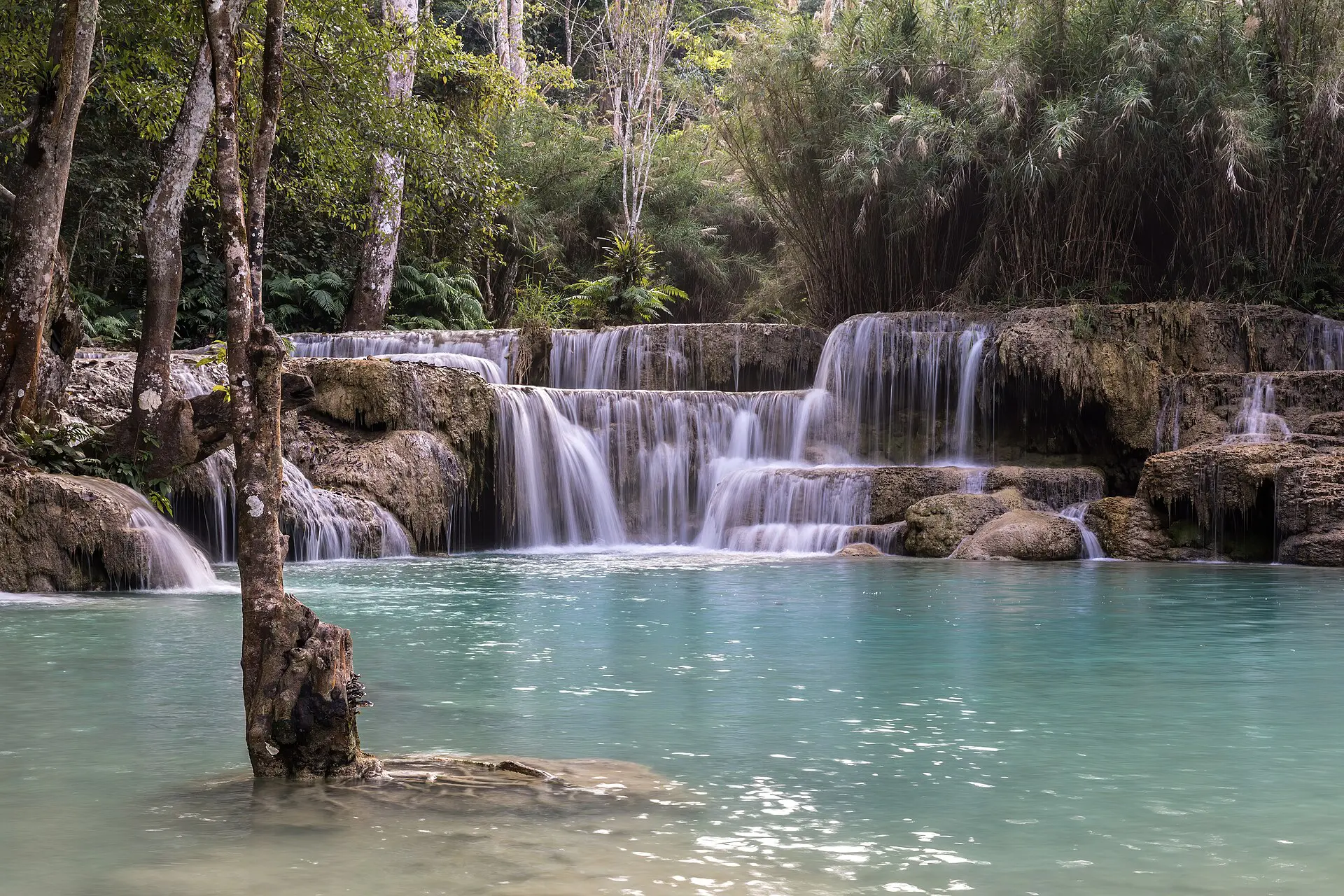
- Swim at Kuang Si Falls: turquoise pools and a tiered waterfall south of Luang Prabang, best in the morning.
- Watch the alms-giving in Luang Prabang: view it respectfully from a distance, without flash or crowding the monks.
- Climb Mount Phousi: a short climb for sunset views over the town and river.
- Visit the Plain of Jars: thousands of ancient stone jars in Xieng Khouang, now a UNESCO site, with cleared walking paths.
- Take the slow boat: the two-day Mekong trip from Huay Xai to Luang Prabang is a classic, with an overnight in Pakbeng.
- Explore Wat Phou: a ruined Khmer temple complex near Champasak, also on the UNESCO list.
- Kayak or tube at Vang Vieng: choose reputable operators and avoid drinking before water activities.
- Ride the Bolaven Plateau: waterfalls, coffee farms and ethnic villages by scooter or car.
- Cycle Don Det: flat roads, hammocks and sunsets on the 4,000 Islands.
- Take the train: the fast China-Laos line links Vientiane, Vang Vieng and Luang Prabang in a few hours.
Best time to visit Laos
The best time to visit Laos is November to February, when days are dry, skies are mostly clear and temperatures are comfortable, although northern nights can be cool. March and April are hot, and agricultural burning creates smoke and haze in the north. The rainy season runs from about May to October, with green landscapes but muddy roads and sometimes flooding.

| Season | Weather | Crowds and prices | Good for |
|---|---|---|---|
| Cool and dry (Nov-Feb) | Sunny days, cool northern nights | Highest crowds and prices | Temples, treks, slow boat, waterfalls |
| Hot (Mar-Apr) | Very hot, hazy in the north | Moderate; Lao New Year in mid-April | Southern islands, water festival |
| Rainy (May-Oct) | Warm, heavy afternoon rain | Low; cheaper rooms | Green scenery, Kuang Si at full flow |
Lao New Year (Pi Mai) in mid-April is a major water festival, with accommodation booked early in Luang Prabang.
Is Laos safe to visit?
Yes, Laos is generally safe for most visitors, and violent crime against tourists is uncommon. Is Laos safe to visit everywhere? Mostly, but the main hazards are road accidents, petty theft, scams and a few specific risks, so check your government’s travel advice, such as the UK FCDO or US State Department pages, before you go.
Roads. Mountain roads are steep and often in poor condition, and scooter accidents are a leading cause of injury to tourists. Do not ride without a licence, insurance and a helmet, and avoid night travel.
Unexploded ordnance. Laos is heavily contaminated by cluster munitions from the 1960s and 1970s. Stay on marked paths, particularly in Xieng Khouang and the east, and never touch metal objects.
Drink spiking and methanol. Cases of methanol poisoning from adulterated alcohol, including in Vang Vieng, have caused deaths. Drink at reputable venues, avoid free or very cheap cocktails and never leave drinks unattended.
Water and health. Currents at waterfalls and the Mekong are strong, and drowning is a real risk. Dengue is present, tap water should be avoided and medical care is basic outside Vientiane.
Scams. Check bus tickets, agree tuk-tuk prices and use official border crossings only.
Laos visa and entry requirements
Laos visa rules depend on your nationality and change from time to time. Many visitors can get a tourist visa on arrival at main airports and some land crossings, usually valid for about 30 days, while others can apply for an e-visa online in advance, and citizens of some countries, including several ASEAN members, are visa-exempt. Confirm the current requirement for your passport with the official Lao e-visa portal, the Ministry of Foreign Affairs or a Lao embassy before you book.
Bring a passport valid for at least six months, with blank pages, plus passport photos and cash for fees if you will pay on arrival. Fees vary by nationality and are often payable in US dollars, Thai baht or kip, so check the amount in advance. Overstays attract daily fines, and extensions are available at immigration offices in larger towns.
Land borders with Thailand, Vietnam, Cambodia and China are open at specific crossings, and some require a visa arranged in advance. The UNESCO page for Laos lists Luang Prabang, Wat Phou and the Plain of Jars, though it does not cover entry rules.
Getting to and around Laos
Most visitors arrive by air at Vientiane, Luang Prabang or Pakse, with flights from Bangkok, Hanoi, Kuala Lumpur, Singapore and other regional hubs. Overland arrivals are common from Thailand at Nong Khai and Huay Xai, from Vietnam and from China, including by train from Kunming to Vientiane on the China-Laos railway.
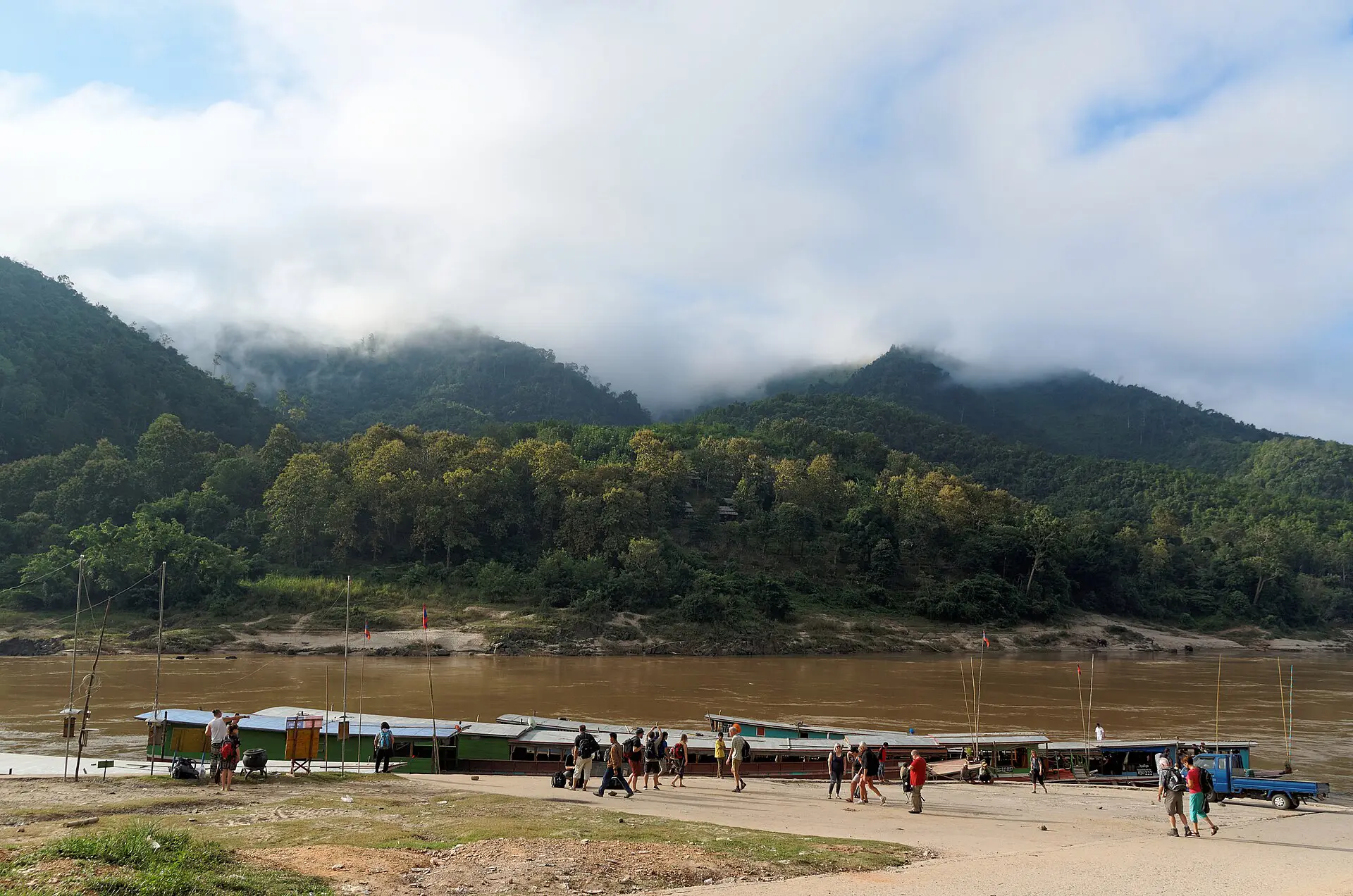
The railway runs from the Chinese border through Luang Prabang and Vang Vieng to Vientiane, and trains are fast, comfortable and much quicker than road travel. Vientiane to Luang Prabang takes roughly two hours by train, against around eight to ten hours by road. Book tickets in advance, and check current schedules and fares.
Elsewhere, travel is by bus, minivan, tuk-tuk and boat. The slow boat from Huay Xai to Luang Prabang takes two days, with an overnight in Pakbeng, and speedboats are dangerous and best avoided. Pakse to Don Det takes around three to four hours by bus and boat. Driving is on the right. Scooter hire is cheap but risky, so check your insurance and ride carefully.
How much does a trip to Laos cost?
Laos is cheap by regional standards, although imported goods and some tours cost more than visitors expect. The currency is the Lao kip (LAK), and US dollars and Thai baht are accepted in tourist areas. Figures below are rough per-person guides for 2026.
- Budget: around USD 20 to 35 per day, with dorms or simple guesthouses, local food and buses.
- Mid-range: around USD 35 to 65 per day, with private rooms, restaurant meals, tuk-tuks and some entrance fees or tours.
- High-end: from around USD 120 per day, with boutique hotels in Luang Prabang, private drivers and guided excursions.
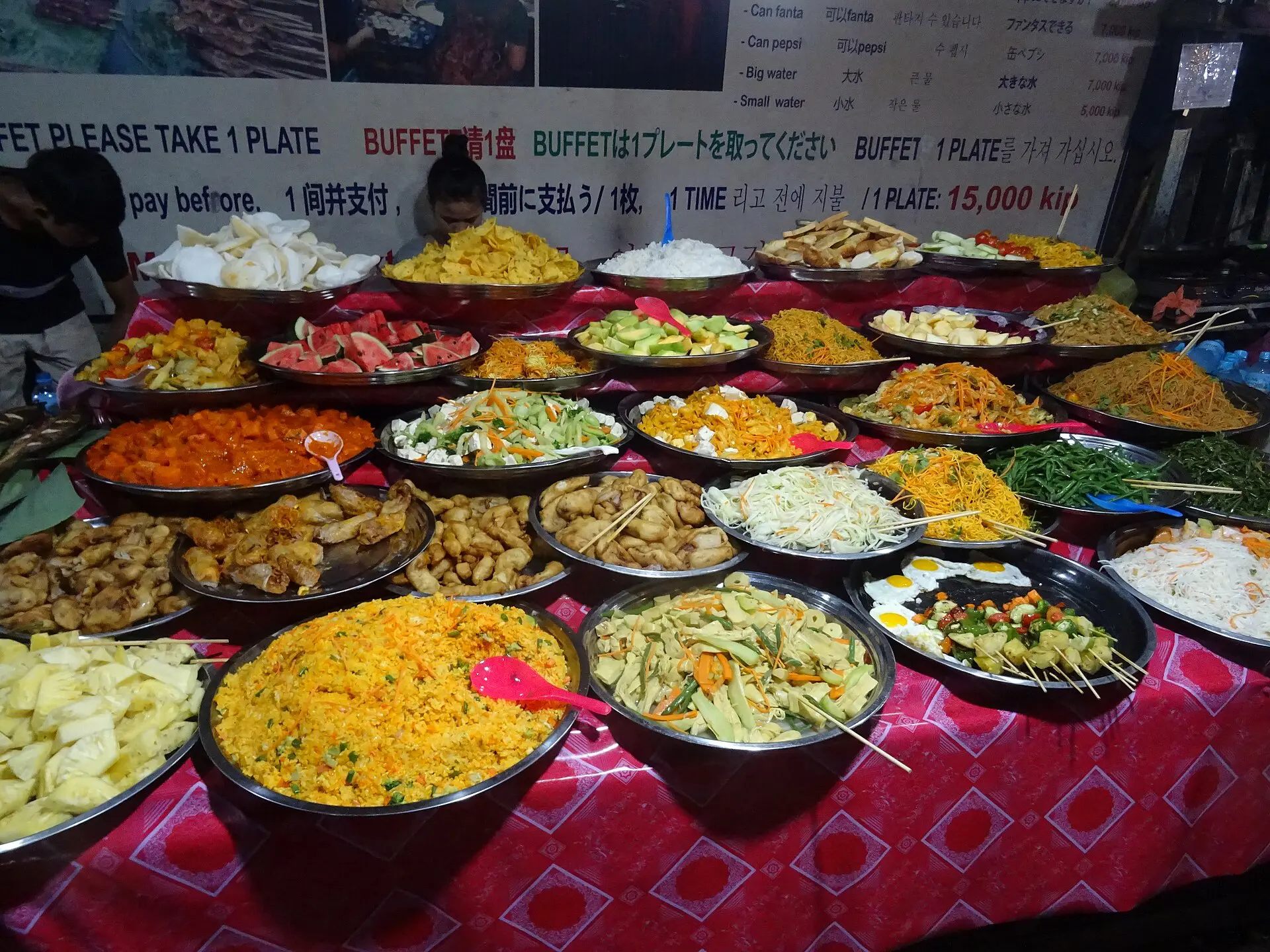
Accommodation is cheapest outside Luang Prabang and Vientiane. A noodle soup or street meal often costs a few dollars, Beerlao is inexpensive, and waterfalls and temples charge modest entry fees. Train and flight tickets are the largest transport costs. ATMs charge fees and have withdrawal limits, so plan cash needs, and expect small price rises in the cool-season peak.
Laos food and drink
Laos food is built around sticky rice, fresh herbs, grilled meat and fish, and strong, sour and bitter flavours. Meals are shared, and dishes are often eaten with the hands and sticky rice.
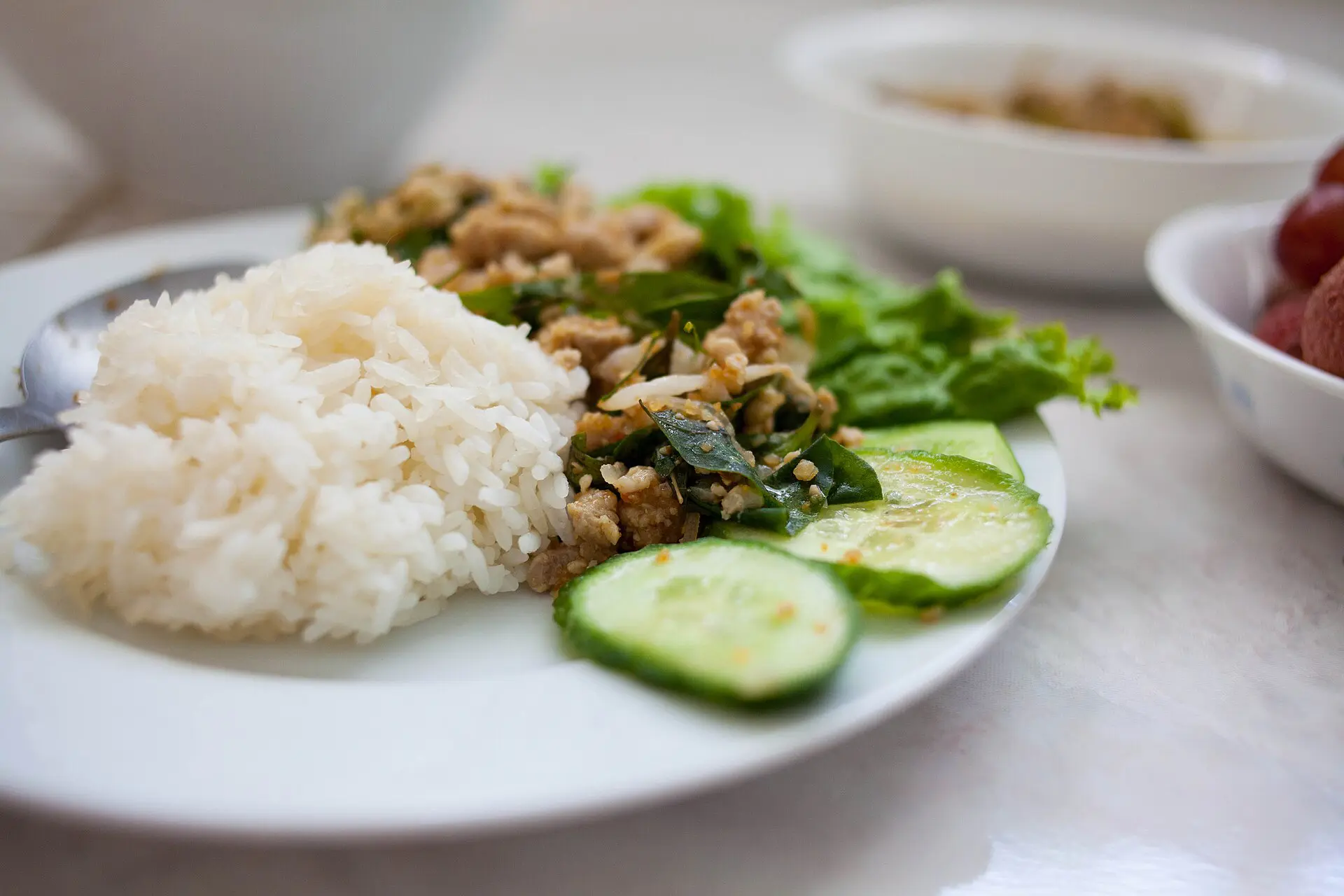
- Laap: minced meat or fish salad with lime, herbs, chilli and toasted rice, the national dish.
- Tam mak hoong: spicy green papaya salad, often made with fermented fish sauce and much hotter than Thai versions.
- Khao niao: sticky rice, eaten with every meal and carried in small baskets.
- Khao soi: northern noodle soup with pork and fermented soybean, different from the Thai curry of the same name.
- Or lam: a Luang Prabang stew with herbs, aubergine, dried wood and chilli.
- Sai oua: grilled herb sausages, sold at markets and street stalls.
- Mok pa: fish steamed in banana leaf with herbs.
- Beerlao and Lao coffee: the national beer and strong, sweet coffee from the Bolaven Plateau.
French influence appears in baguette sandwiches and bakeries in Luang Prabang and Vientiane. Vegetarians can eat well at night-market buffets, noodle stalls and dedicated restaurants, but fish sauce and meat broths are common. Ask for no fish sauce or no padaek if needed, and choose busy stalls.
Culture, language and etiquette in Laos
Lao is the national language, and it is closely related to Thai. English is spoken in tourist areas, Luang Prabang and Vientiane, while French is understood by some older people. Learning sabaidee (hello) and khop chai (thank you) is appreciated. Laos is home to dozens of ethnic groups, especially in the north, and many communities speak their own languages.
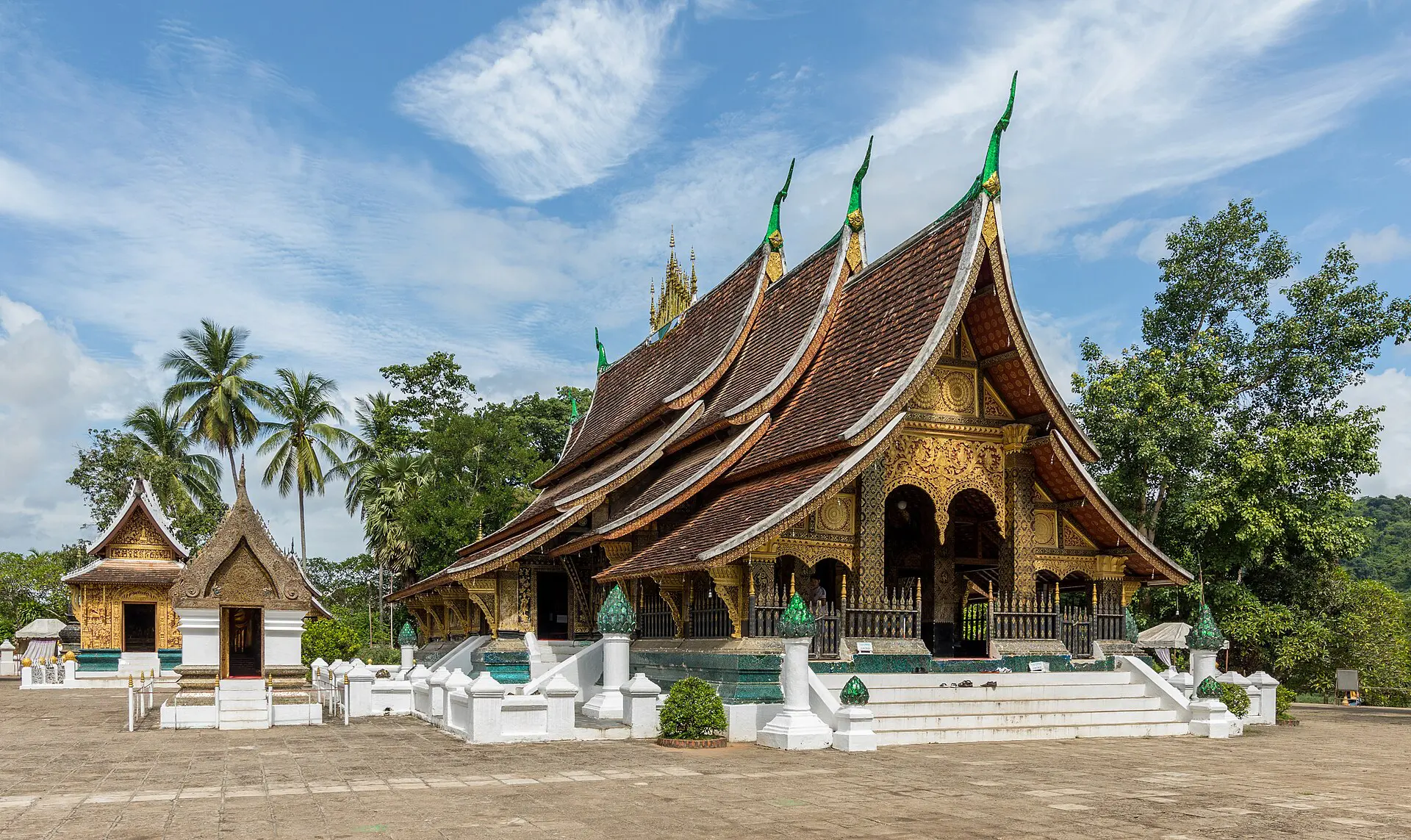
Theravada Buddhism shapes daily life. Dress modestly in temples, covering shoulders and knees, and take off your shoes before entering buildings and homes. Do not touch monks (women especially should avoid contact), do not point your feet at Buddha images and do not touch anyone’s head. Greet with the palms-together nop gesture, and keep your voice calm, since losing your temper is considered shameful.
Politics is a sensitive area. Laos is a one-party state, so avoid criticising the government, and do not photograph military or border sites. Ask before photographing people, especially in ethnic minority villages, and respect local customs about offerings and spirit houses. Public displays of affection are best kept discreet.
Laos itinerary: a 7-day route
This route runs north through the main tourist corridor using the China-Laos railway where possible, and works best from November to February.
- Day 1, Vientiane: arrive, visit Pha That Luang and Patuxai, and eat by the Mekong at sunset.
- Day 2, Vang Vieng: take the train, roughly one hour, then kayak or walk to caves and lagoons beneath the karst.
- Day 3, Vang Vieng: visit a viewpoint at sunrise, then relax by the river or float a gentle stretch with a licensed operator.
- Day 4, Luang Prabang: take the train about an hour, then walk the old town and climb Mount Phousi at sunset.
- Day 5, Kuang Si Falls: go early, swim in the pools and return for the night market.
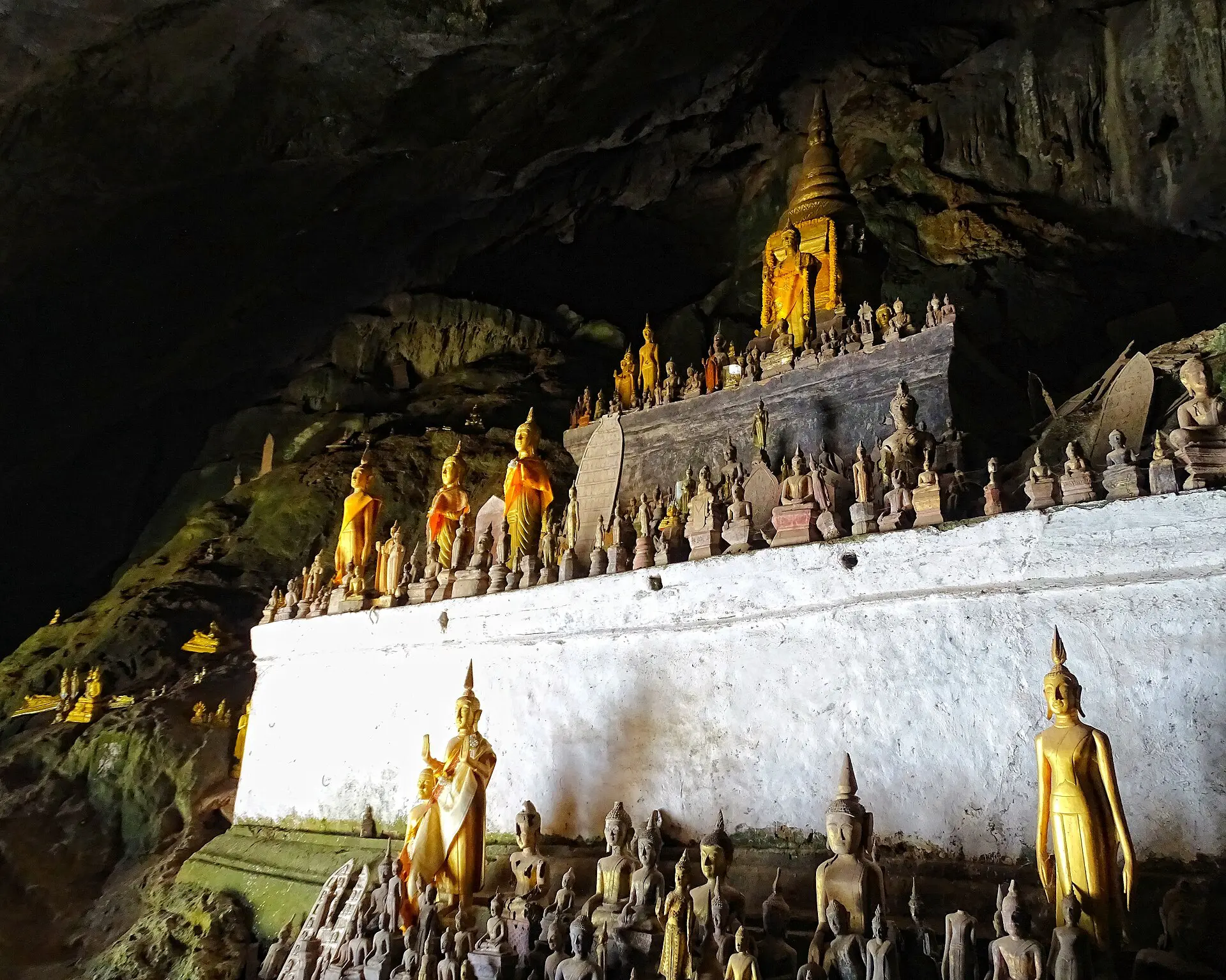
- Day 6, temples and the Mekong: watch alms-giving at dawn, visit Wat Xieng Thong and take a short river boat to the Pak Ou caves.
- Day 7, depart: fly from Luang Prabang or take the train back to Vientiane, allowing at least two hours for the trip to the airport.
With extra days, add the Plain of Jars from Phonsavan, or fly south to Pakse for Wat Phou and the 4,000 Islands.
Practical tips for Laos
- Money: the kip is the local currency and notes are very large. Carry some cash in kip, since cards are accepted only in larger hotels and restaurants, and ATMs charge fees and have limits.
- SIM and eSIM: local SIMs and eSIMs are cheap, and coverage is good in towns and along main routes, patchier in remote mountains.
- Plugs: types A, B, C, E and F at 230 V, so bring a universal adapter.
- Tipping: not expected; rounding up or small tips for guides and drivers are appreciated.
- Health: use insurance with medical evacuation, mosquito repellent, sunscreen and bottled water; ask your doctor about vaccinations and malaria in remote areas.
- Packing: light, modest clothing, a layer for cool northern nights, rain gear in the wet season and sturdy sandals.
- Booking: reserve trains and Luang Prabang rooms in advance during the cool season and in mid-April.
- Time: Laos is on UTC+7.
For wider background, see the Wikivoyage Laos guide.
FAQ
Q1What is Laos food like?
Laos food centres on sticky rice, fresh herbs, grilled meats and fish, with dishes such as laap, tam mak hoong, khao soi, or lam and sai oua. Flavours are sour, bitter and spicy, and French bread and coffee are common. Vegetarians can eat well, though fish sauce is widespread.
Q2What are the best things to do in Laos?
Top picks are swimming at Kuang Si Falls, watching alms-giving in Luang Prabang, visiting the Plain of Jars and Wat Phou, taking the Mekong slow boat, kayaking at Vang Vieng and cycling the 4,000 Islands.
Q3Is Laos safe?
Yes, for most visitors. Violent crime against tourists is uncommon, but road accidents, scams, unexploded ordnance, methanol-tainted alcohol and strong river currents are real risks. Stay on marked paths, drink at reputable venues and check your government's travel advice.
Q4What is the best time to visit Laos?
November to February is best, with dry, sunny days and cooler nights. March and April are hot and hazy, especially in the north, and May to October is rainy but green and cheaper. Mid-April brings the Lao New Year water festival.
Q5Do I need a visa for Laos?
It depends on your nationality. Many visitors can get a visa on arrival for about 30 days or apply for an e-visa online, and some nationalities are exempt. Check the official Lao source or an embassy before travelling, and carry a passport valid for six months.
Q6How many days do you need in Laos?
Seven days covers Vientiane, Vang Vieng and Luang Prabang using the train. Add four to seven days for the Plain of Jars, the Bolaven Plateau and the 4,000 Islands, and more if you take the slow boat.
Q7Is Laos safe to visit for solo travellers and women?
Generally yes. Solo travellers, including women, report friendly treatment and low crime. Use common precautions: avoid isolated places at night, never leave drinks unattended, use licensed transport and tell someone your plans before trekking.