
Why visit Luang Prabang
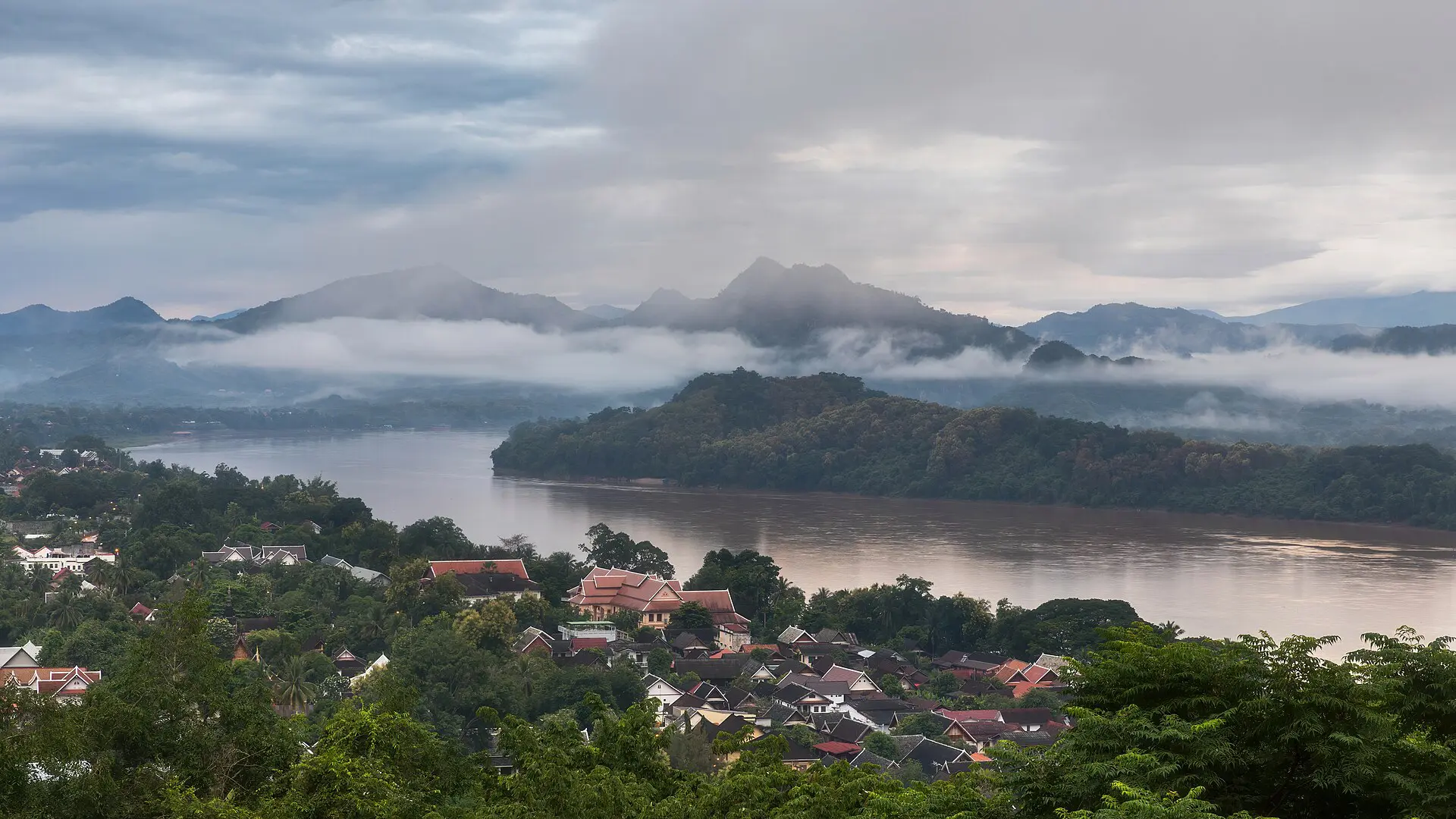
If you want things to do in Luang Prabang, begin with the place itself. The city sits at the confluence of two rivers that almost surround the old town, beneath a temple-topped hill. It was named a UNESCO World Heritage Site in 1995 and is known for blending Lao architecture, French colonial buildings and more than 30 Buddhist temples.
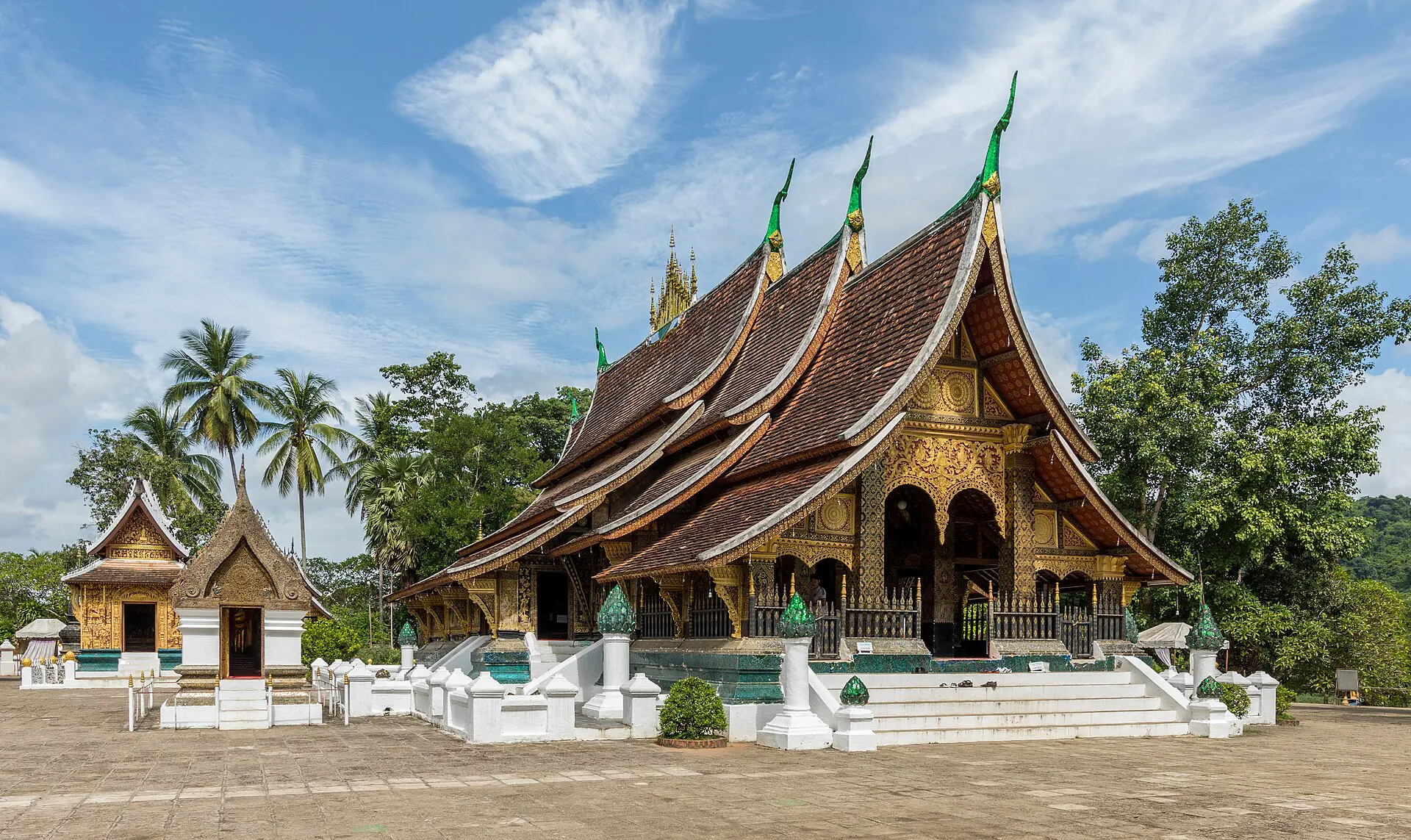

The name means “Royal Buddha Image”, after the Phra Bang statue that symbolises Lao sovereignty. Golden-roofed wats with murals of the life of Buddha sit beside wooden houses and shuttered 19th-century windows. Daily rituals, including the morning alms-giving, still continue.
The pace is slow, and the old town is small enough to cover on foot or by bicycle. Mass tourism has been held at bay so far, though pressure is growing, so travel respectfully.
Top things to do in Luang Prabang

Morning alms-giving
At dawn, monks walk the streets collecting offerings of food. Watch quietly from a respectful distance, dress modestly and do not use flash or block the route. Avoid tour-group performances, and consider simply observing. Plan to be out before sunrise for around an hour.
Wat Xieng Thong
This is the city’s most celebrated temple, with sweeping roofs and mosaic decoration. Allow an hour, buy a ticket at the entrance, and visit in the morning for softer light. Cover shoulders and knees.
Royal Palace Museum
The former royal residence now houses a museum with collections that include the Phra Bang. Allow one to two hours, and check opening times, which change. Bags and cameras may need to be left at the entrance.
Mount Phousi
A climb of several hundred steps leads to a hilltop temple and views over the town, the rivers and the mountains. It takes about an hour round trip, and is popular at sunset, so go early for a place. Wear sturdy shoes.
Kuang Si Falls
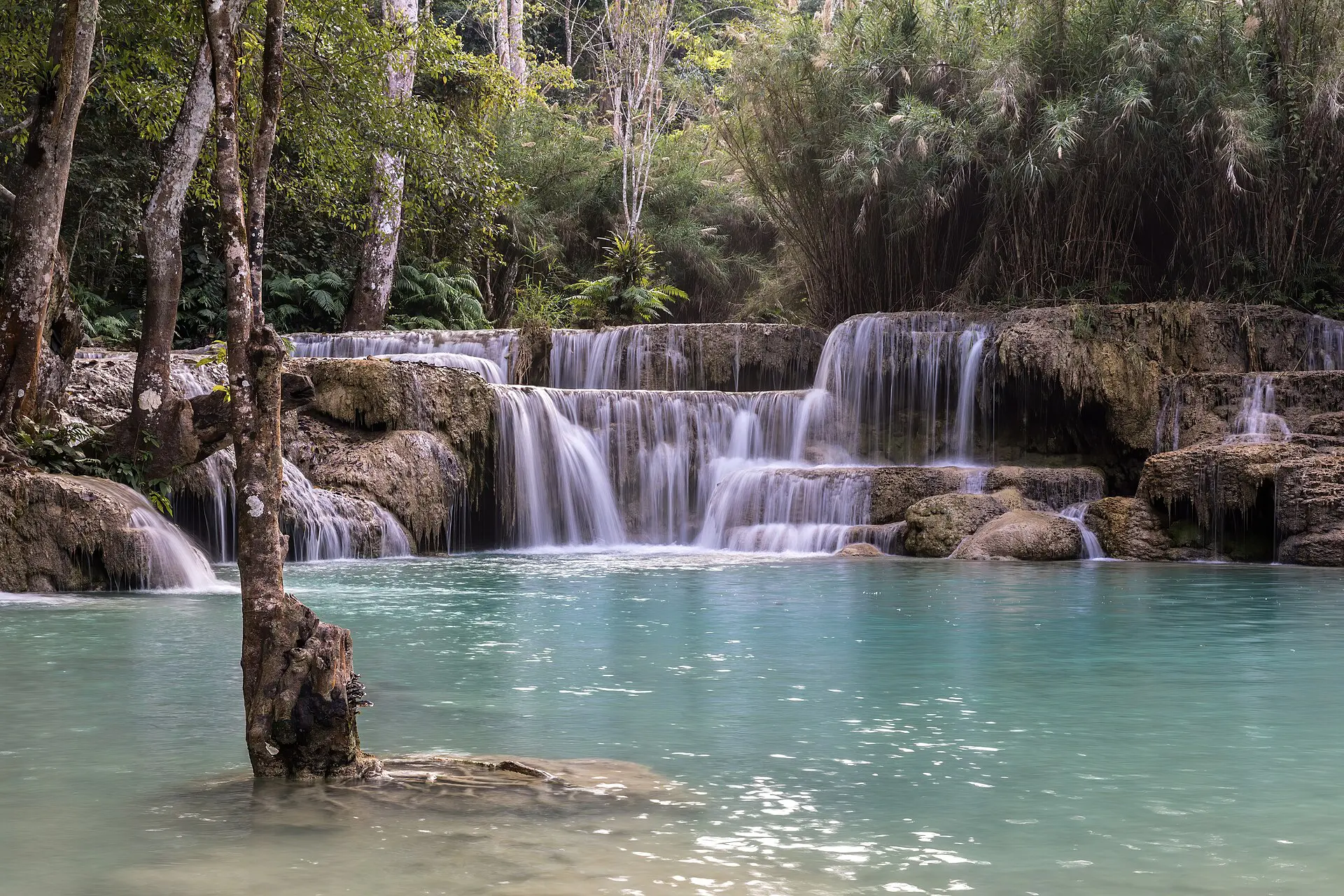
The waterfalls, with turquoise terraced pools, lie roughly 30 kilometres south of the town. Allow half a day by tuk-tuk, minibus or bicycle tour. Bring swimwear and sandals, and check which pools are open for swimming.
Night market and Mekong riverfront
The evening handicraft market sets up along the main street, selling textiles and crafts. Browse for an hour or two, bargain with good humour, then dine along the Mekong, where more typical Lao places are found.
Mekong boat trips
Slow boats on the river offer a different view of the town and countryside. Options run from a short sunset cruise to a longer day trip. Confirm timings and what is included before booking.
Best time to visit Luang Prabang
Luang Prabang has a tropical monsoon climate with three broad seasons, and air quality varies noticeably.

- November to February: cool, dry and clear, the most comfortable period; evenings can be chilly, and prices and crowds are highest, especially around holidays.
- March to April: hot, with smoke from slash-and-burn farming from late February to April that can irritate eyes and lungs.
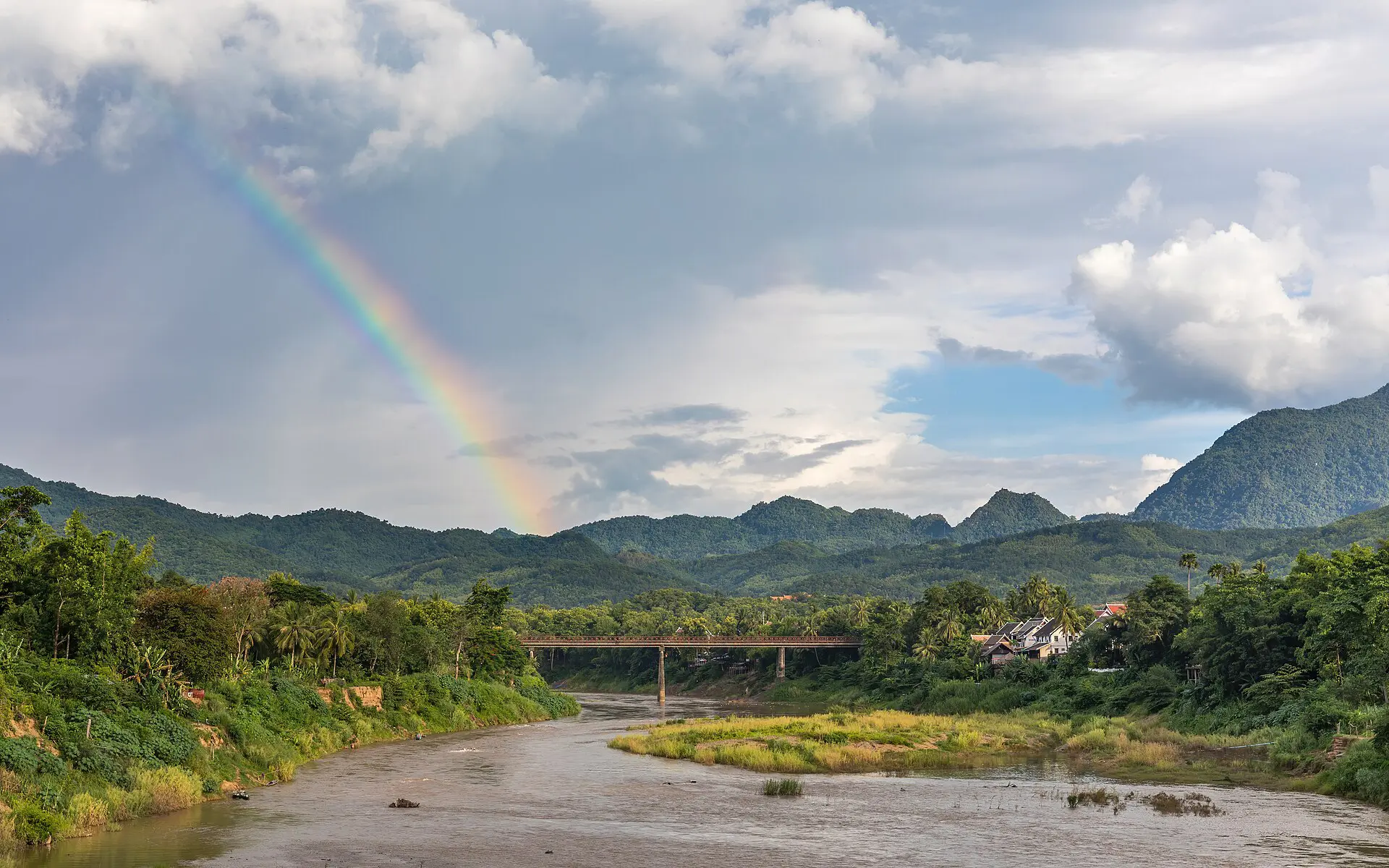
- May to October: the rainy season, with green landscapes, a fuller Mekong and fewer visitors; showers are frequent but often short.
Lao New Year in mid-April brings water festivities and busy streets. Check conditions if you have respiratory sensitivities.
How to get to Luang Prabang and around
Luang Prabang International Airport (LPQ) has flights from Vientiane and several regional cities in Southeast Asia. A taxi or tuk-tuk takes you to the old town in a short ride.
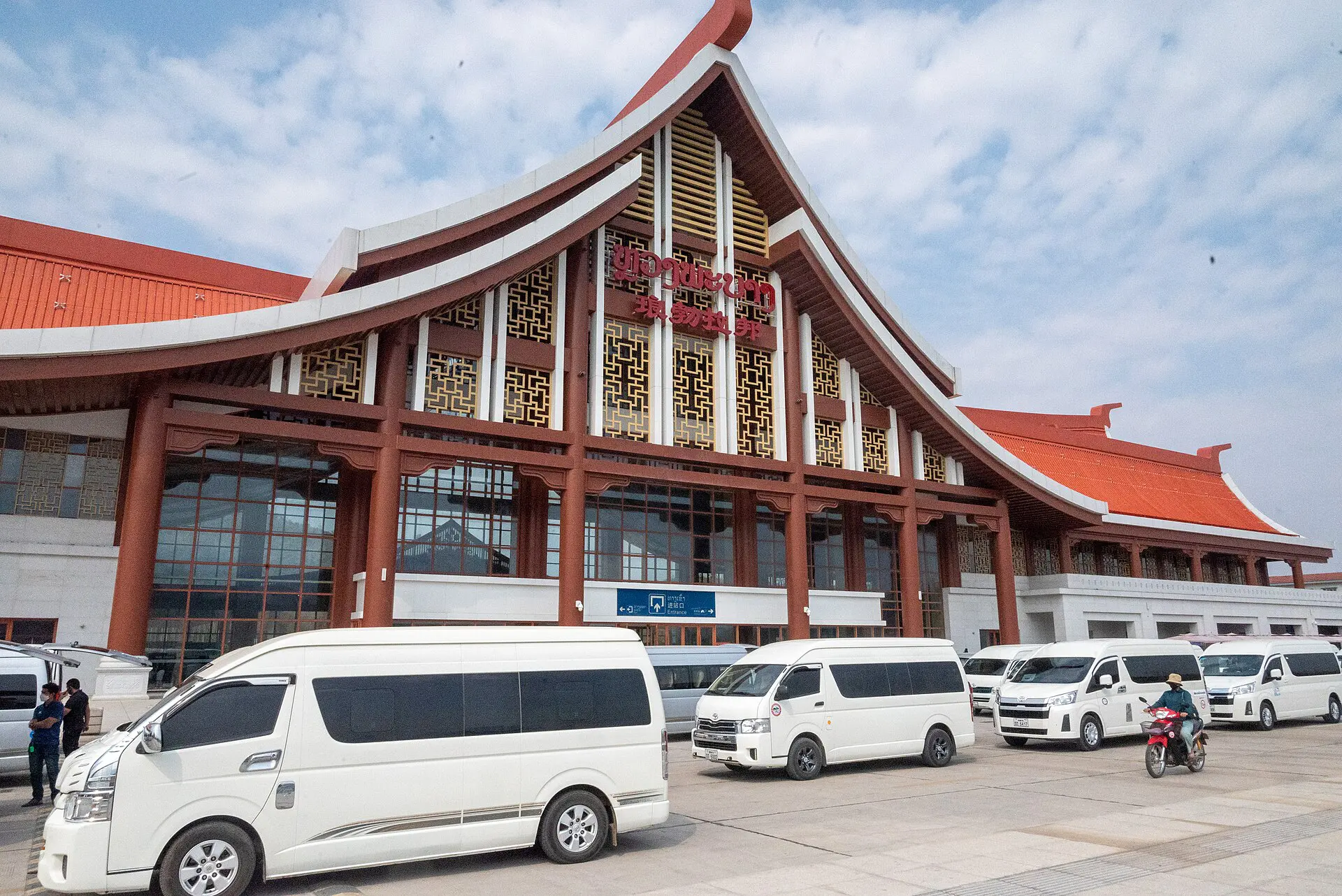

The China-Laos railway has connected Vientiane with the north, including Luang Prabang, and is often the fastest overland link. Stations are outside the old town, so allow time for a transfer. Buses and minibuses also run from Vientiane and Vang Vieng, with longer journey times on winding mountain roads. Check current schedules.
The old town is small and flat, so walking and cycling are ideal. Tuk-tuks cover longer distances, such as to Kuang Si Falls. Agree fares before you set off.
Where to stay in Luang Prabang
Choose between the heritage-protected core and quieter areas just outside it. Book ahead in the dry season.
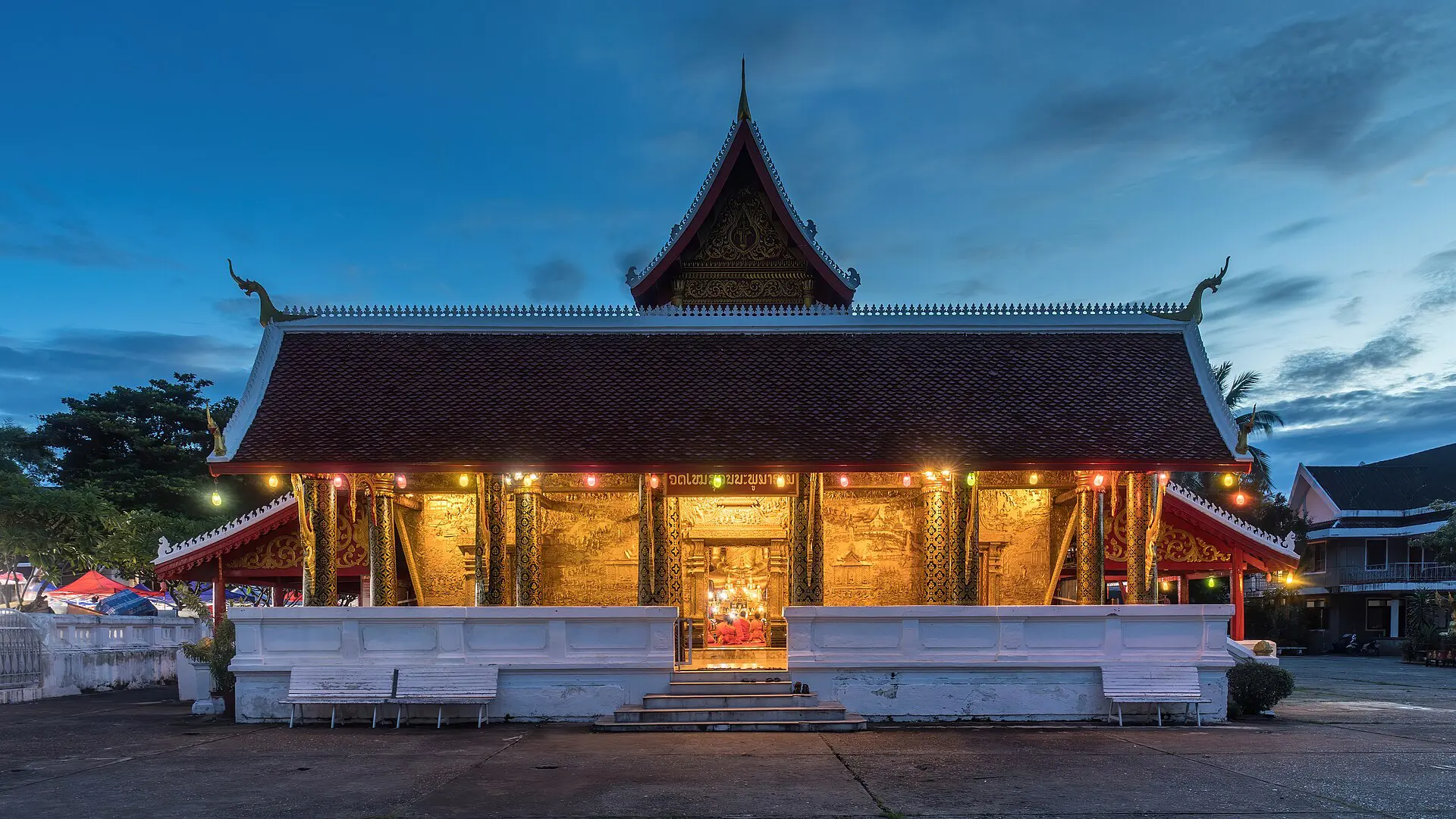

- Old town peninsula: the most atmospheric option, within walking distance of temples, the market and the river; a good fit for first-time visitors.
- Mekong riverside: good views and restaurants, with a calmer feel in the evenings.
- Nam Khan river side: slightly quieter and often cheaper, with a local feel.
- Guesthouses and boutique stays in restored houses: offer character and modest prices, while larger resorts suit those who want a pool and space.
Check whether breakfast and airport transfers are included.
How many days do you need?
Three days works well. It gives you time for the temples and alms-giving, a waterfall day and a slower evening on the river. Two days is possible, but feels rushed.
- Day 1: Alms-giving at dawn, Wat Xieng Thong, the Royal Palace Museum, then Mount Phousi at sunset and the night market.
- Day 2: Kuang Si Falls in the morning, then a relaxed afternoon in a café or with a bicycle ride.
- Day 3: A Mekong boat trip or a cooking or craft class, then a stroll along the river.
Day trips and nearby
Kuang Si Falls
The most popular excursion from town, with swimming pools and walking paths. Go early to beat the crowds, and combine it with a bear rescue centre stop if open. Budget half a day.
Vang Vieng
Vang Vieng is a river and limestone karst town south of Luang Prabang, known for caves, tubing and scenery. It is a long way for a day trip, so treat it as an overnight stop on the way to Vientiane.
Vientiane
The Lao capital lies to the south and can be reached by train, bus or plane. Plan a separate leg of your trip, not a quick excursion, and check schedules in advance.
Plain of Jars
The Plain of Jars, with its ancient stone jars, lies in Xiangkhouang Province to the east. It is a long journey, so it belongs on a longer northern Laos itinerary and not on a short Luang Prabang stay.
FAQ
Q1How many days do you need in Luang Prabang?
Three days is ideal, covering the alms-giving, key temples, Mount Phousi and Kuang Si Falls at an easy pace. Two days is workable if you are short on time. Add extra days for river trips or travel onward to Vang Vieng and Vientiane.
Q2When is the best time to visit Luang Prabang?
November to February is the most comfortable, with cool, dry and clear weather, though it is also the busiest season. Late February to April brings smoky haze from agricultural burning. The rainy season, May to October, is greener and quieter.
Q3How do you get to Luang Prabang?
You can fly into Luang Prabang International Airport (LPQ) from Vientiane and regional cities, or take the railway or a bus from Vientiane and Vang Vieng. Check current timetables, and allow transfer time from the station to the old town.
Q4Is Luang Prabang expensive?
By Southeast Asian standards it is moderate, a little more costly than other Lao towns because of its heritage appeal. Mid-range travel might cost around USD 70-140 per day, though prices vary by season, so check current rates before booking.
Prices, schedules and entry rules change. Check current details with official sources before you travel. Read the Laos travel guide.