Yogyakarta, usually called Jogja, suits a Yogyakarta digital nomad who wants a student-city rhythm, Javanese culture and low daily costs, with Borobudur and Prambanan within day-trip reach. It is often pitched as a cheaper alternative to Bali, though that depends on where you rent. It is hot, busy on the main tourist streets and has no beach. Below: a one-month budget, neighbourhoods by work style, work setups and a first-week test.
Yogyakarta digital nomad budget: one month
These are rough ranges in US dollars for one person, as of 2026. Indonesia uses the rupiah, so exchange rates matter, and prices vary by area and whether you rent from a local or a foreigner-focused listing. Check current listings before you plan.
| Item | Range (US$ per month) |
|---|---|
| Furnished room, studio or small apartment | 250 to 700 |
| Utilities and air conditioning | 20 to 70 |
| Home internet, if not included | 15 to 35 |
| Groceries and local meals | 150 to 300 |
| Cafes, coffee and the occasional restaurant | 80 to 250 |
| Local transport, ride-hailing, scooter rental | 30 to 100 |
| Coworking or desk (optional) | 0 to 120 |
| Total | about 600 to 1,500 |
The cheaper-than-Bali claim holds mostly for rent and food, and it is not guaranteed. A modern apartment with a pool in a foreigner-friendly area can close the gap, so compare like with like. Many long-stayers rent a kos, a room in a boarding house, which is cheaper but simpler, so ask about the desk, the router and any curfew before you pay.
Where to base yourself in Yogyakarta
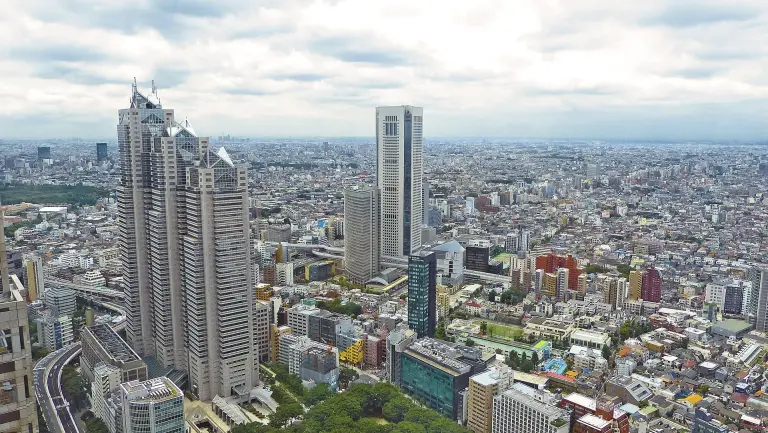
The city proper has about 375,000 people, according to Wikivoyage, and the larger metro area spreads into Sleman and Bantul. Your base choice shapes your commute, noise and rent. As of 2026, a short scooter or ride-hailing trip usually connects any of these areas to the centre, but traffic can be heavy at rush hour. Here are six options by work style.
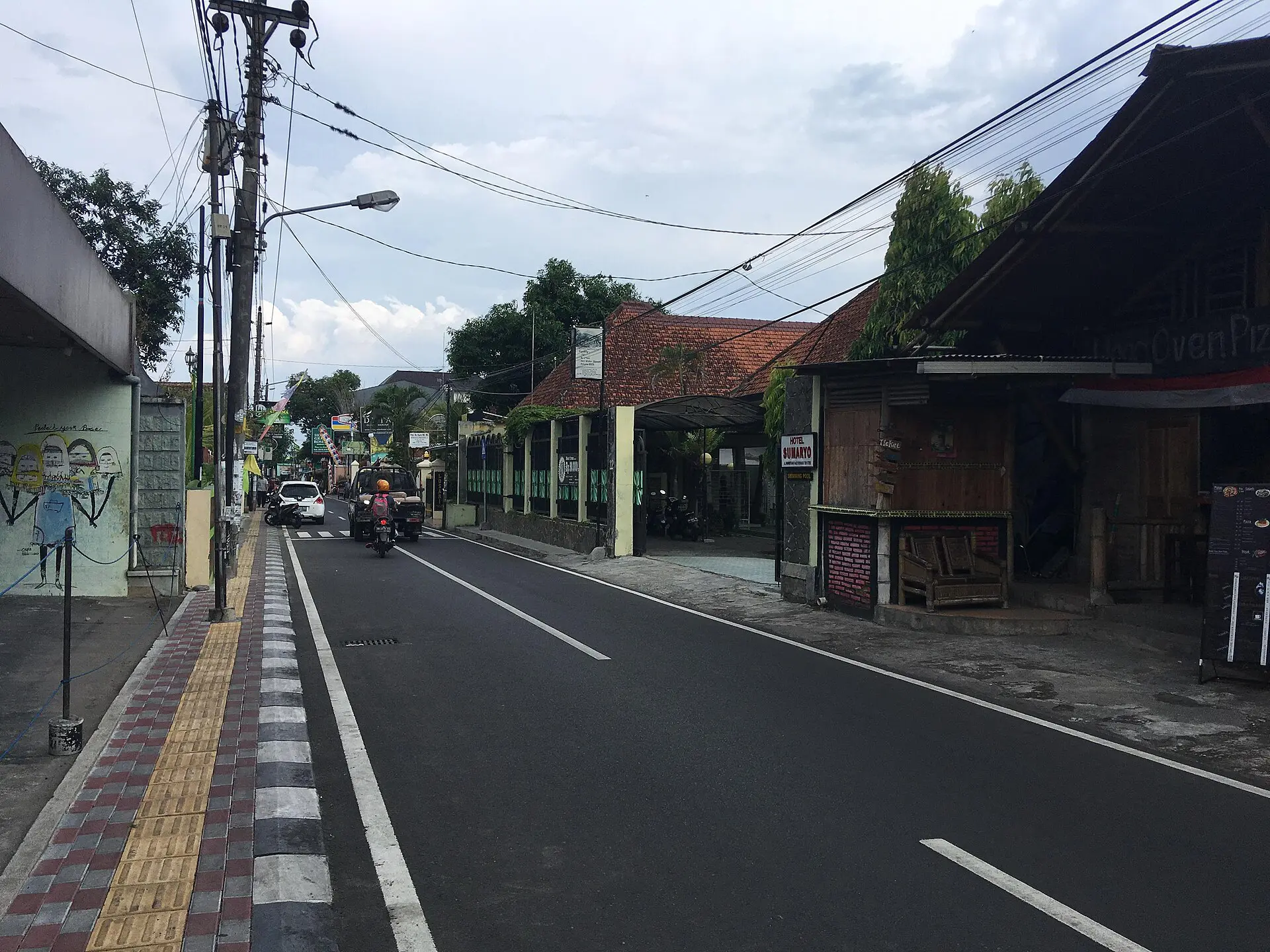
Prawirotaman
A long-standing tourist-friendly street in the south of the city, with guesthouses, cafes and laundry services. Good for a first month, with easy food and company, at somewhat higher prices.
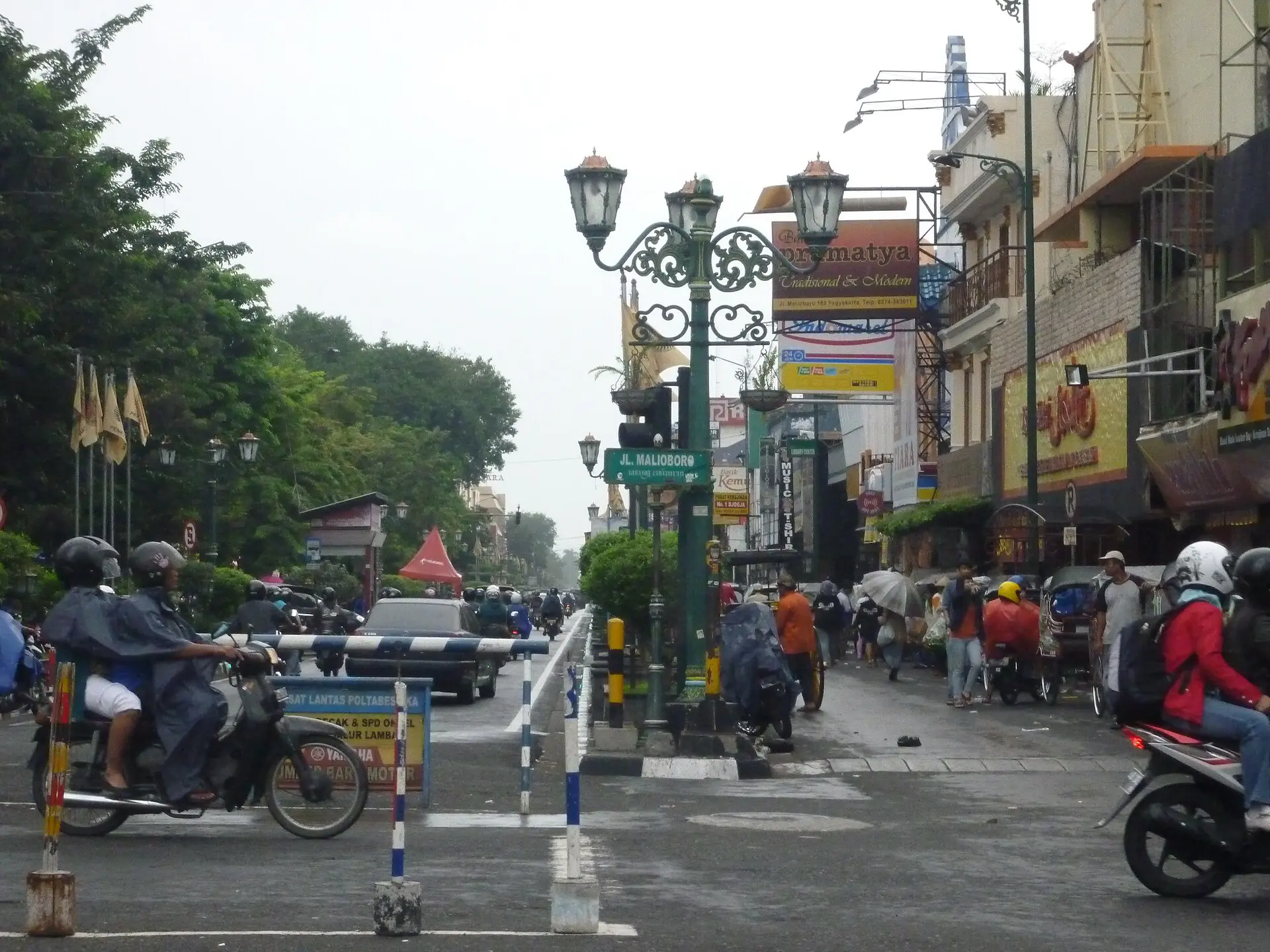
Around Malioboro and Sosrowijayan
The tourist core near the main shopping street and the railway station. Handy for trains and sightseeing, but it is busy and noisy, and school holidays bring traffic jams.
Kotabaru
A quieter, older residential district east of the centre, with leafy streets, cafes and a calm feel. Suits people who want a settled routine close to the centre.
North Sleman, toward Jalan Kaliurang
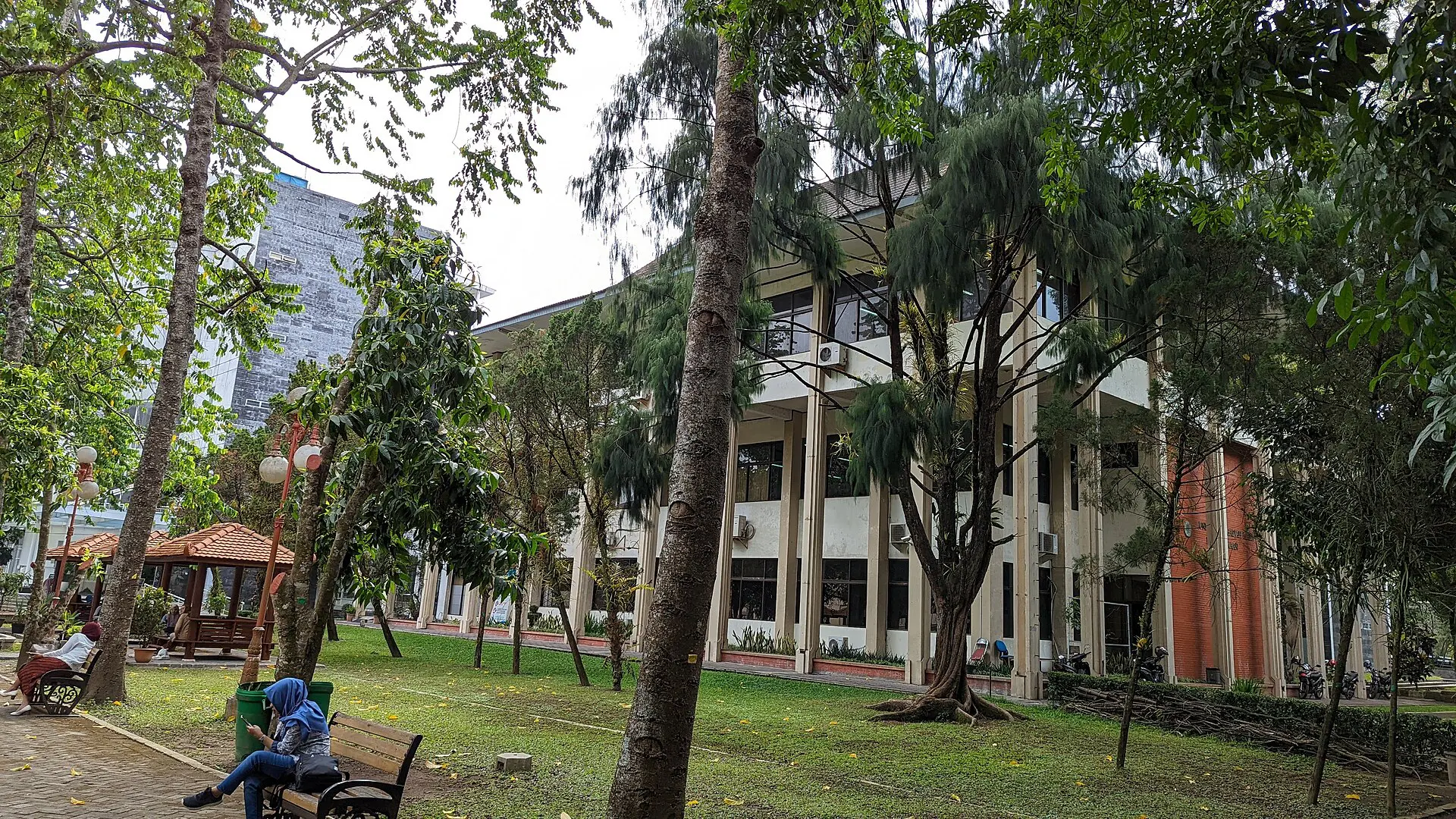
Home to student areas near Gadjah Mada University, with many cafes, cheap food and rooms. Good for anyone who likes a campus buzz and low rent.
Seturan and Condongcatur
A newer, student-and-young-professional belt with cafes, kos rooms and apartments. Best for budget-minded workers who want modern places and fast internet options.
Bantul and the southern edge
Quieter and more rural, with rice-field views and lower rent. You will need a scooter or ride-hailing, so it fits people who work mostly at home.
Work-friendly spots in Yogyakarta by type
We are not naming specific places, because we have not tested any and cafe scenes change quickly in a student city. Look for these types and judge them yourself.
- Coworking spaces: a number of shared offices serve freelancers and startups. Compare day passes, monthly desks and call rooms, and ask whether prices are quoted in rupiah or dollars.
- Cafes: plentiful in student districts. Look for sockets, air conditioning and a clear policy on long stays. Many are busy in the evening, so go in the morning for quiet calls.
- Guesthouse common areas: some allow laptop work if you order food.
- Apartment or kos desk: the quietest choice, if you confirm router quality and a cool room.
Internet and power in Yogyakarta: what to check yourself
Fibre exists in many parts of the city, but quality varies by street, building and provider. Ask the host for the provider and plan speed and run a speed test on your own device at the hours you work, including upload and a video call. Mobile data from local SIMs is often cheap, so a second connection is easy to arrange, though you should check that your phone is unlocked and registered under local rules.
Indonesia uses 230 V sockets of the European type. Power cuts can happen, especially in storms, so keep a power bank. Ask whether a room has a stable supply before you commit to a month.
Visa and stay length for Yogyakarta
Rules depend on your passport and change often, so verify them with the official Indonesian immigration website or a consulate. Many visitors enter on a visa on arrival or an e-visa, commonly valid for around 30 days and extendable once, but check the current terms. Indonesia has also introduced longer-stay routes for remote workers and other categories, with income and documentation requirements. Read the current official terms and ask whether your work fits your entry status. For a wider view, see the Indonesia travel guide.
Routine and recovery in Jogja
The city has a large student population, including Gadjah Mada University, so there are many cheap meals, late cafes and a youthful pace. Term time and exam periods change how busy places are.
Yogyakarta is hot, with a wetter season that usually runs from around November to March and a drier one in the middle of the year, though patterns vary. It lies in one of the most seismically active parts of Java, hit by earthquakes and eruptions, with the worst in 2006. Know the building’s exits, keep travel insurance that covers a stay of this length, and check official advice if Merapi activity is in the news.
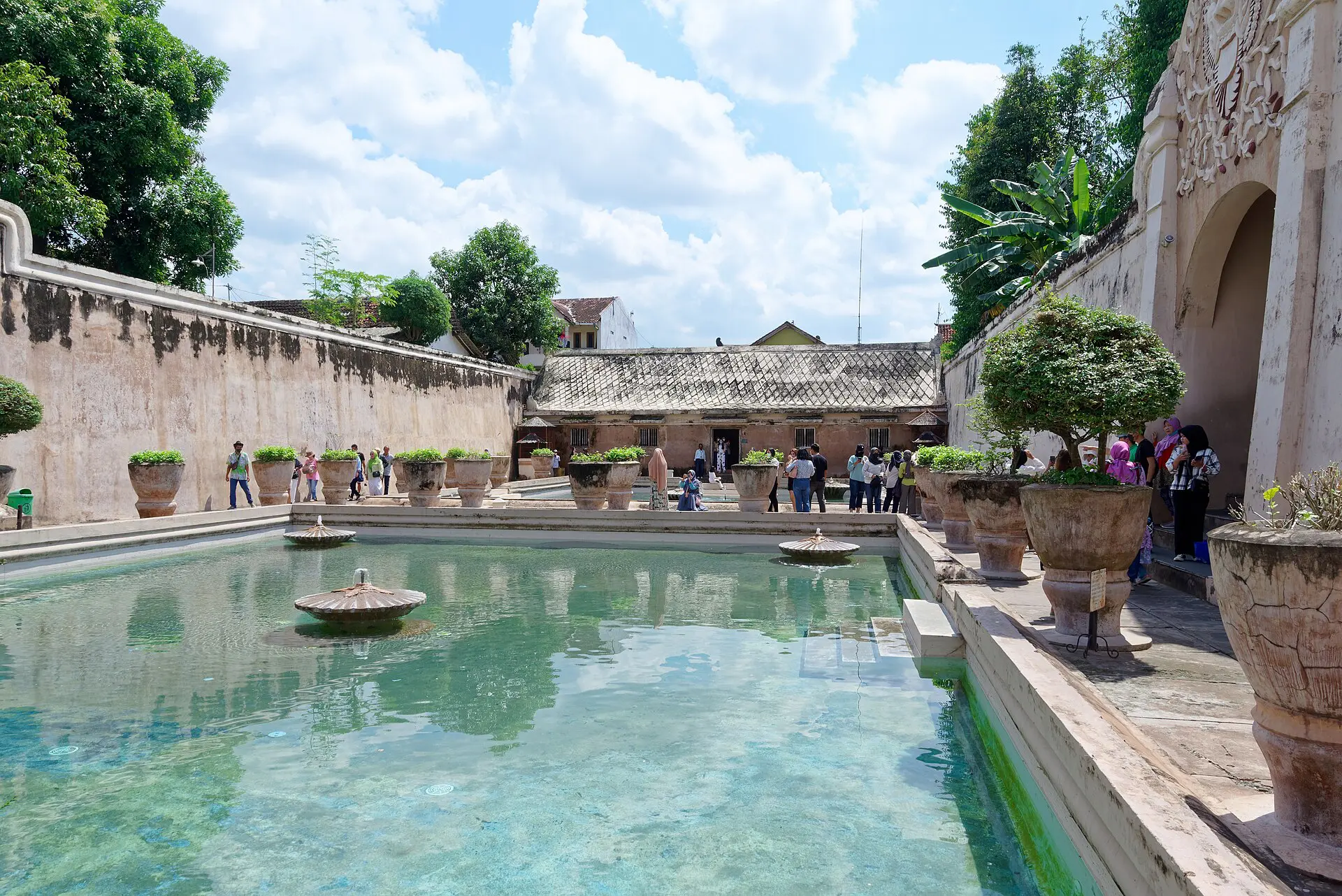
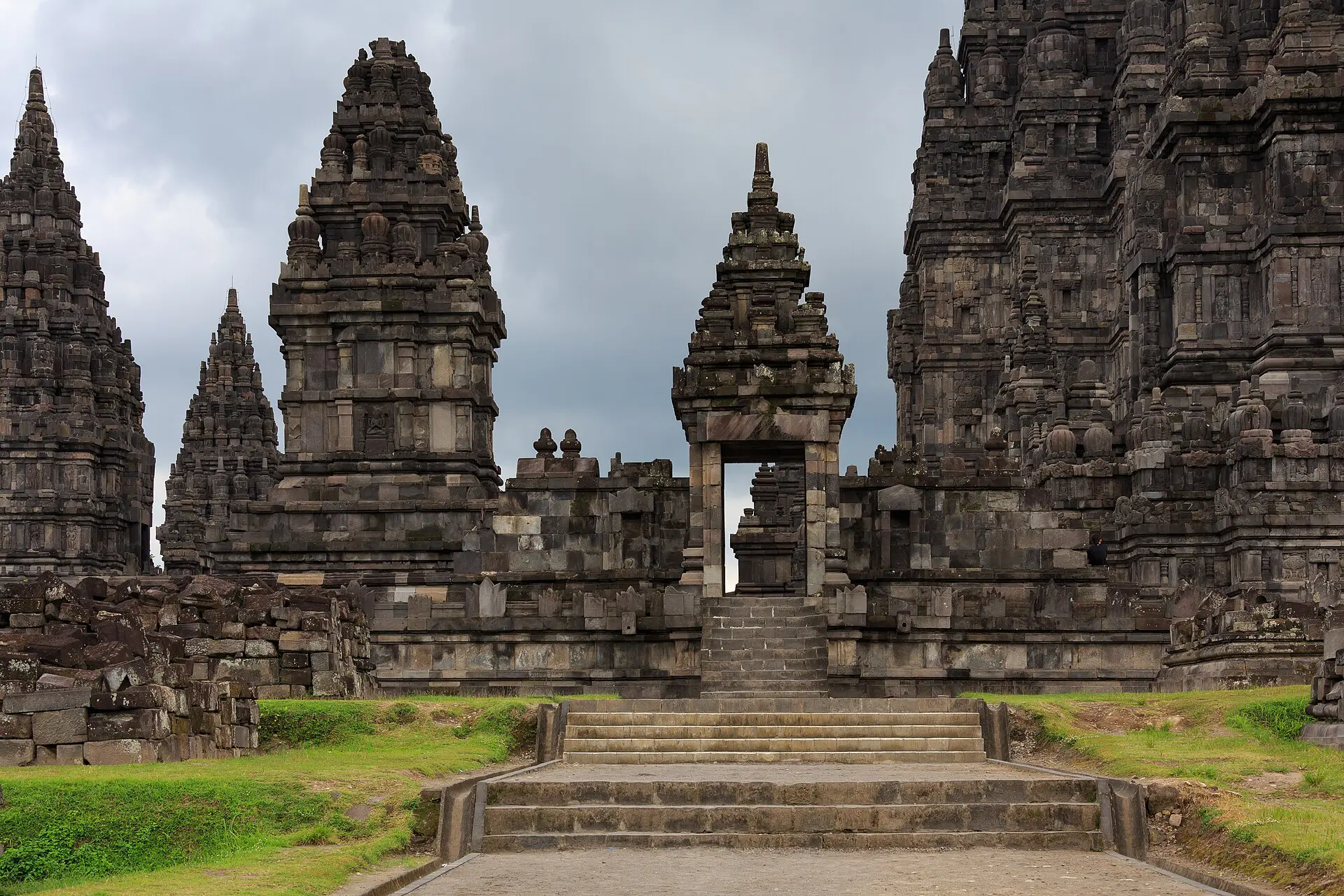
A workable day is an early start, a focus block before the heat, a cheap local lunch, then cafe or coworking hours later. Weekends can mean Borobudur at sunrise (check ticket and access rules, which have changed), Prambanan, the Kraton and the Taman Sari water palace, or the southern beaches. School holidays bring heavy crowds and traffic on Malioboro and around the palace square. I would avoid those weeks for a working stay.
The new Yogyakarta International Airport handles jet flights, with frequent connections to Jakarta and Bali. Ask how long the transfer takes, because the airport is outside the city and the road trip adds time. Trains also serve the city, which is useful for Java trips.
Test Yogyakarta in your first week
- Speed-test your room in the morning and evening, and run a video call.
- Work from at least two cafes and one coworking day pass.
- Check noise from the street, the mosque and neighbours at dawn.
- Test hot afternoons for air conditioning or fan comfort.
- Try a local SIM as backup.
- Time the ride from your area to your usual cafe in rush hour.
- Confirm your visa length and extension steps.
Keep notes on each result so that you can compare Jogja against other bases. A Yogyakarta digital nomad month works best when this list comes before a deposit.
FAQ about the Yogyakarta digital nomad life
Is Yogyakarta good for digital nomads?
It suits people who want a lower-cost, culture-rich city with many cafes and a student atmosphere. It has no beach, can be hot and has less established nomad infrastructure than Bali. Test internet and noise before booking a month, and confirm what your visa allows.
Is Yogyakarta cheaper than Bali?
Often yes for rent, food and local transport, but it depends on area and standard. A modern apartment in a foreigner-friendly district can narrow the gap. Compare listings and ranges for each place rather than relying on a general claim.
How much does a month in Yogyakarta cost?
A single remote worker could budget roughly US$600 to 1,500 including accommodation, food and transport. Rent and the type of area are the main swing factors. Prices change, so check current listings and rupiah rates.
Can I stay in Yogyakarta for three months?
That depends on your passport and visa type, because a standard arrival visa is short and extension rules change. Verify options with the official Indonesian immigration source. See also the Yogyakarta guide and Wikipedia.