Victoria Falls National Park is on the Zimbabwe side of the Zambezi River, beside Victoria Falls town, and it holds the rainforest and viewpoints facing the falls. Walk in from town: no vehicle is needed. Allow 2 to 3 hours. The right month matters more than any other decision, because water volume changes the view completely. Carry a waterproof layer, a dry bag for your phone and shoes with grip. The paths are wet, uneven and exposed to spray.
Getting to Victoria Falls
Victoria Falls Airport (VFA) has regular flights from Johannesburg, plus links to other Zimbabwe cities and some connections via Nairobi, Cape Town and Windhoek. Flights into Livingstone in Zambia are often cheaper; you can cross the border by taxi in about an hour, including queues. Check schedules for the current year.
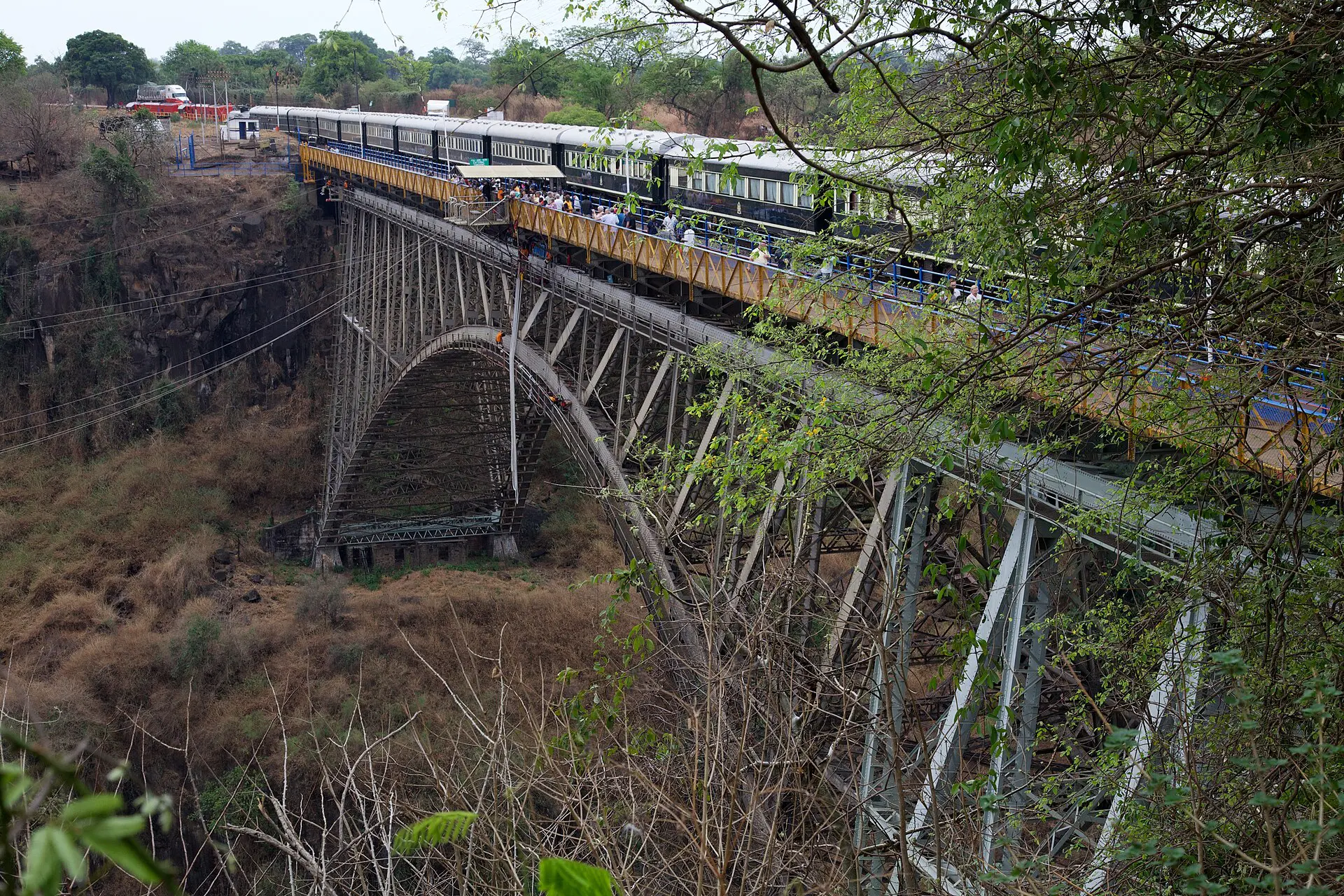
By road, the main route is from Bulawayo, about 440 km, with decent surfaces. A weekly overnight train from Bulawayo has been reported as of 2026, using old coaches with no running water; treat it as a slow, uncertain option and have a bus or flight as a fallback. Crossing from Zambia needs a visa and, with a vehicle, extra insurance and fees. Rules and prices change: confirm before you travel.
What it is like at Victoria Falls National Park
The park stretches along the south and east bank of the river, from about 6 km above the falls to 12 km below. The part most visitors use is a network of paths and viewpoints that lie close to the gorge, with the spray-fed rainforest around them. Expect ferns, palms and wet mud, a gate with an entrance fee in US dollars, toilets and a small facility near the entrance, and little shade at the exposed viewpoints.
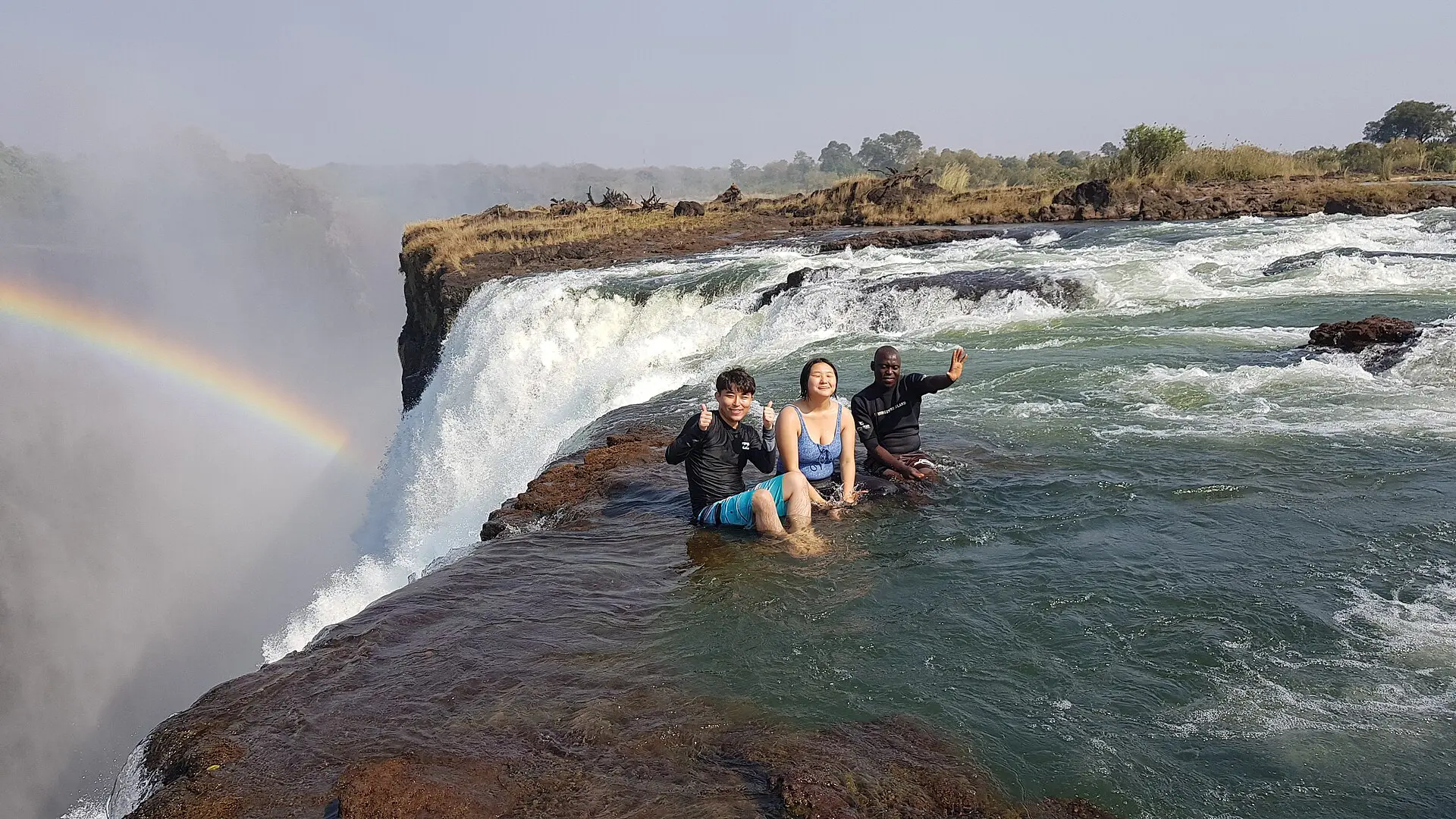
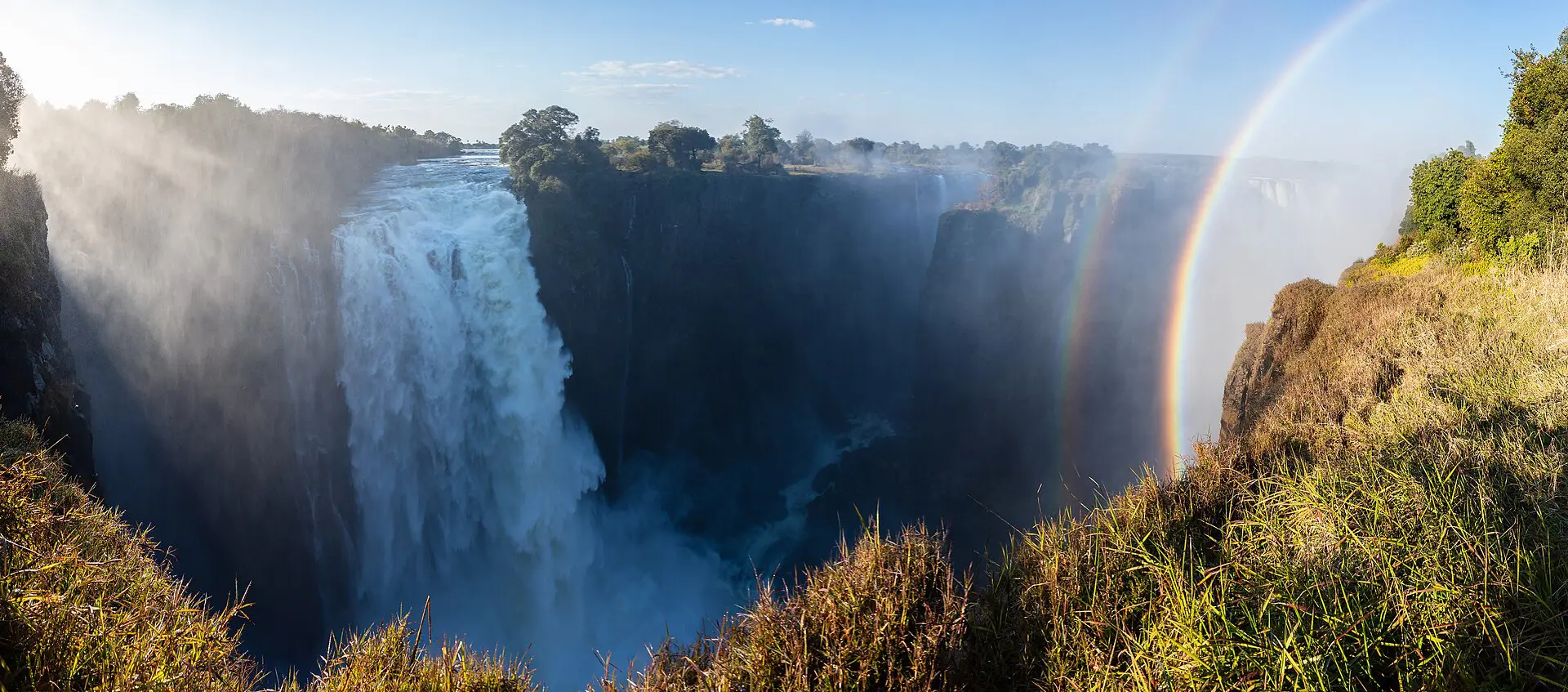
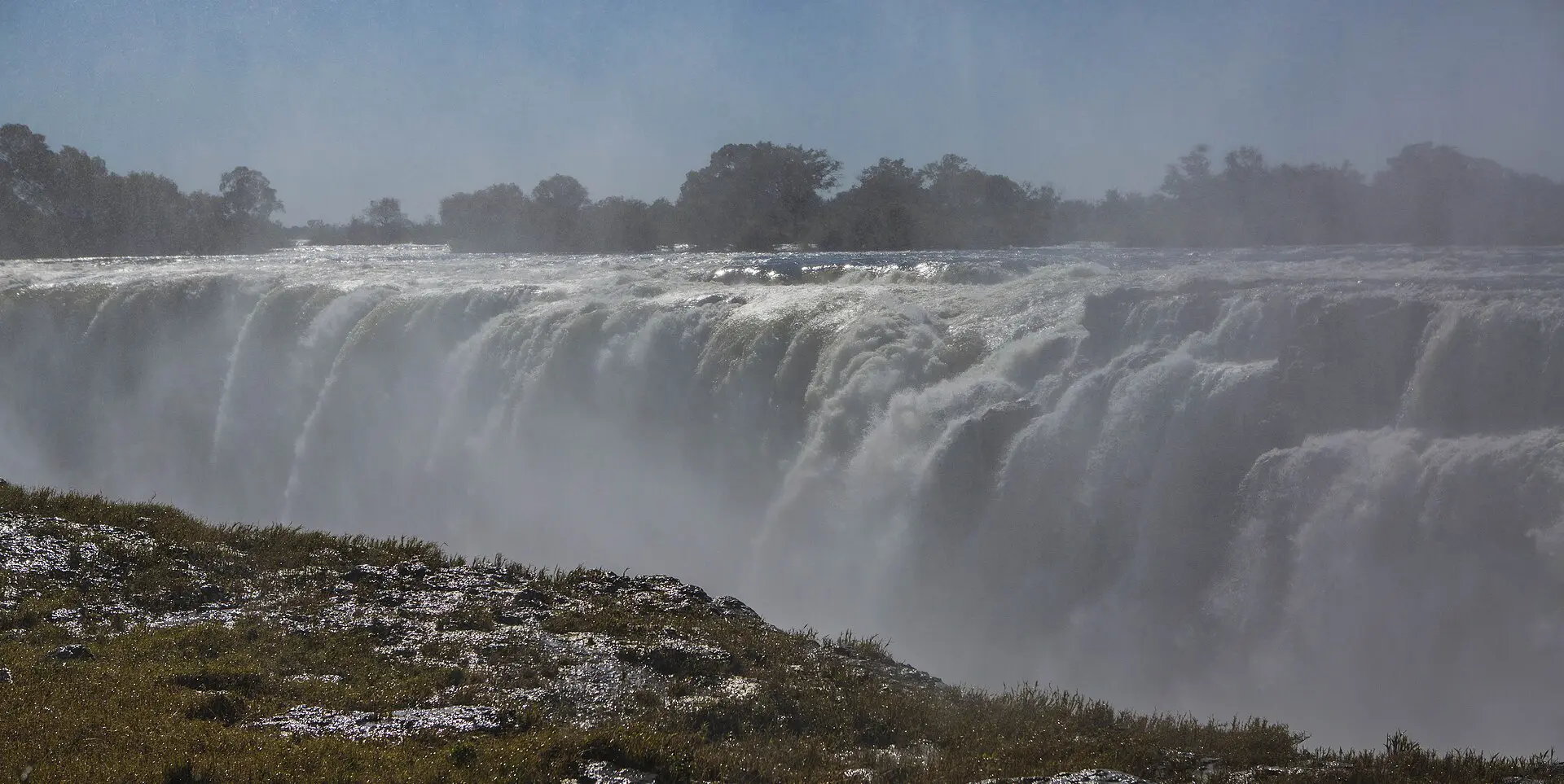
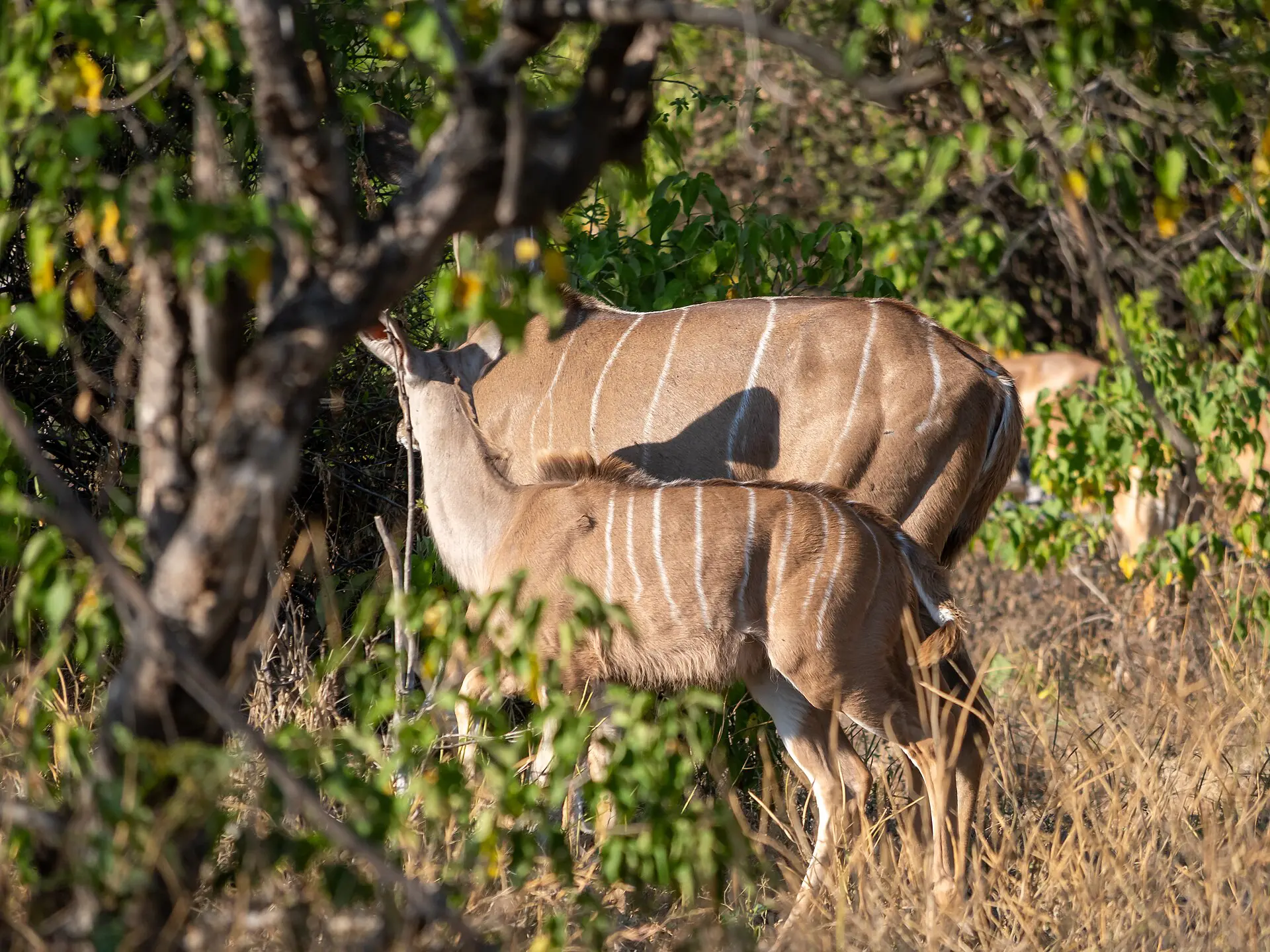
The falls are wide, a little over a kilometre, and you view them from across the gorge, head on. Crowds peak mid-morning. Go at opening time for lighter foot traffic and softer light. Wildlife, including elephant and buffalo, can appear on the town edge and in the connected Zambezi National Park. Malaria is present; take advice on prophylaxis.
Best time to go to Victoria Falls
Water level sets everything. Check both columns before choosing.
- High water (roughly March to May): the most volume and the most spray. You will be soaked and may see little of the falls themselves through the mist. Aerial views are better.
- Falling water (June to August): strong flow, clearer views and cooler air. For most people this is the best balance.
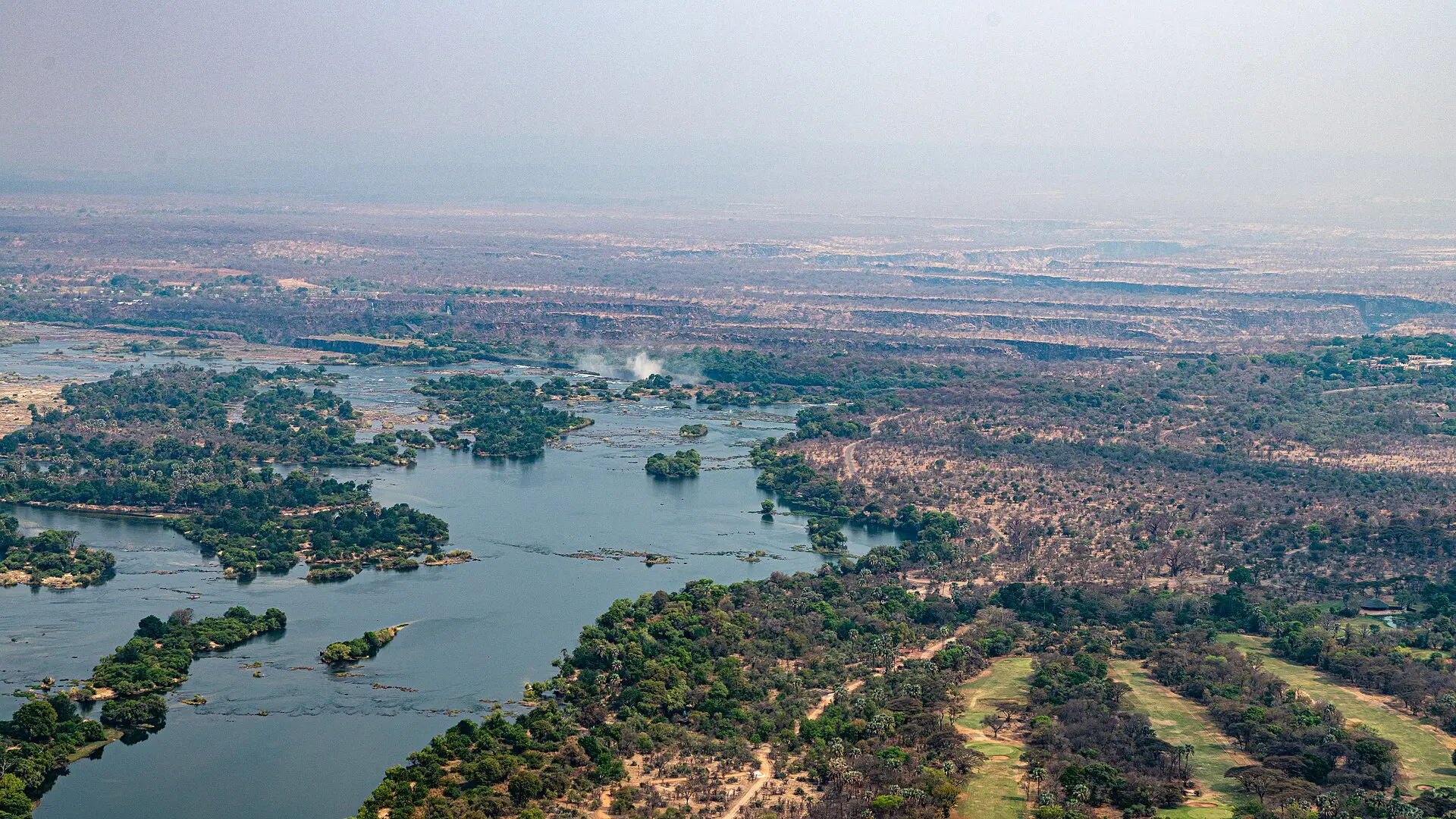
- Low water (September to December): the rock face is visible, and some parts of the falls can thin out or dry up by late in the season. Pools used for swimming are accessible at this time.
- Rainy season (November to March): hot, humid and storm-prone. Water returns toward the end.
What to do and see at Victoria Falls National Park
1. Main Falls viewpoint trail
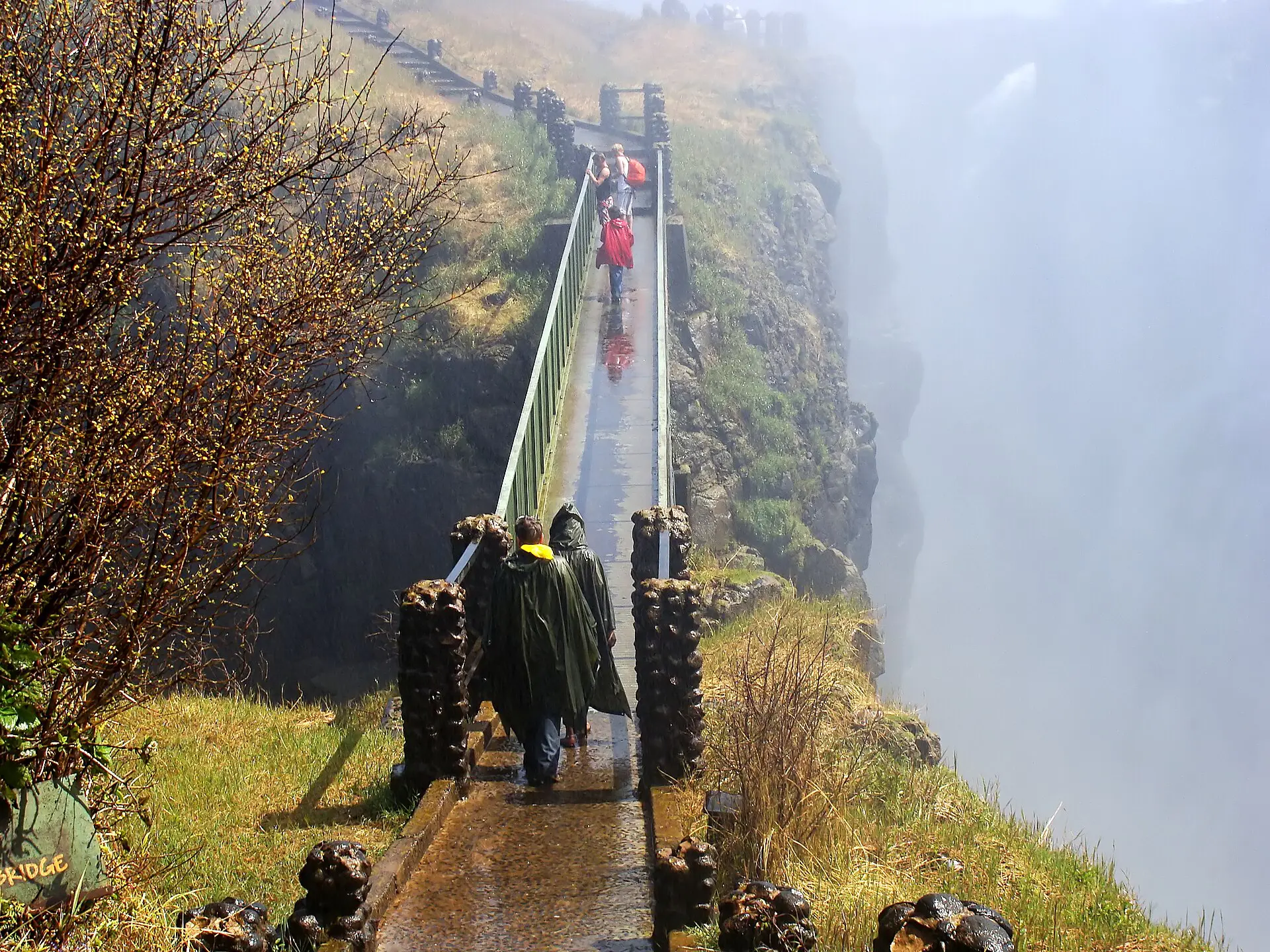
The trail follows the cliff edge opposite the main curtain of water, with a series of numbered viewpoints. It is flat but slick. In high water you cannot see the base through the spray. Stay behind barriers: drops are sheer and some edges are unfenced. Use a cover for cameras.
2. Devil’s Cataract
Devil’s Cataract is at the western end, where the water drops into a narrow gorge. It is the lowest point of the falls and the likely start of the next gorge as erosion continues. It is quieter than the central viewpoints, and a good stop for a longer look at the geology.
3. Danger Point
Danger Point is a ledge above the Boiling Pot, an unfenced cliff edge with no guard rail. The name is honest. Go only in dry footing, keep back from the lip and do not take children near the edge. Skip it in heavy spray or if you are unsteady.
4. Victoria Falls Bridge
The 1905 steel bridge spans the gorge between Zimbabwe and Zambia. You can walk to the centre from the Zimbabwe side with border formalities to cross, and see the gorge below. Bungee and swing operators run from here; these are optional, priced separately and subject to weather and safety checks.
5. Boiling Pot trail
This is a steep descent from the bridge approach to the river below the falls. The return climb is hard, and the path is steep and rough. Take water, start early and skip it in extreme heat or if you have knee problems. It gives a river-level view few visitors bother with.
6. Rainforest walk
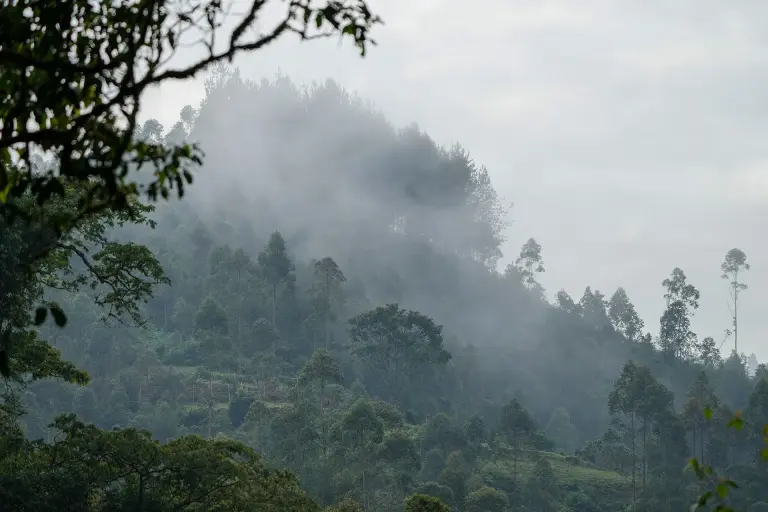
The spray supports a patch of evergreen forest with mahogany, palms and lianas that stands out from the surrounding mopane woodland. Paths are shaded and cooler. It is the best use of a hot afternoon, and useful for birdwatchers.
7. Zambezi National Park
This neighbouring park, upstream from the falls, covers the riverfront and sable and elephant country. Game drives and walking safaris run with registered guides. Use an operator, as walking alone in wildlife areas is not advised.
8. Sunset on the river
Cruises on the upper Zambezi run in the late afternoon. They give a calm break after a day on wet paths, and hippo and crocodile sightings are common. Check safety standards and departure points when booking.
Safety, rules and practical tips
- Wear shoes with grip. Slippery rock causes most injuries.
- Use the barriers. Falls from unfenced edges are fatal.
- Monkeys and baboons take food and bags. Keep items zipped and do not feed them.
- Carry US dollars in small notes; card machines fail.
- Drink bottled or treated water, apply sun protection and use repellent at dusk.
- Swimming near the lip at Devil’s Pool, on the Zambian side, has led to deaths when the river rose. Use only licensed operators, accept guide instructions and skip it if conditions are marginal.
Nearby alternatives
The Zambian side, reached through Livingstone, gives close views of the eastern falls and walks onto the edge. Chobe National Park in Botswana is about 70 km away and is a stronger wildlife option. Visa rules for crossing between the three countries change often: check current prices and any combined visa scheme before you go. For background reading, see the Victoria Falls National Park article on Wikipedia and the Victoria Falls guide on Wikivoyage.
Costs
All figures are rough and in US dollars; verify before you go. Park entry for foreign visitors has generally been in the range of 30 to 50 USD. A Zimbabwe visa is around 30 to 100 USD depending on nationality, and a day visa for Zambia is about 20 USD. Budget guesthouses start around 30 to 60 USD a night. Activities such as the bridge swing, river cruises and game drives usually cost 50 to 200 USD each. A shoestring day on foot is possible; a day with paid activities is not cheap.
FAQ about Victoria Falls National Park
Where is Victoria Falls?
Victoria Falls is on the Zambezi River, on the border between Zimbabwe and Zambia. The town of Victoria Falls is in western Zimbabwe, across the border from Livingstone in Zambia, and not far from Botswana.
How long do you need at Victoria Falls National Park?
Two to three hours covers the main viewpoints at a steady pace. Add another hour for the Boiling Pot trail. A full day suits you if you add the bridge, a river cruise or the Zambian side.
Is Victoria Falls better from Zimbabwe or Zambia?
Zimbabwe gives the wider, head-on view of the main curtain, strongest in high water. Zambia gets you closer to the edge in low water. If you have time and budget, see both. If not, choose Zimbabwe for the wide view.
Is it safe to swim in Devil’s Pool?
It is only open in low water, with licensed guides, on the Zambian side. The risk is real: the pool sits at the lip of the drop. Do not go in high water, do not go without a guide, and skip it if you are a weak swimmer.
Do you need malaria tablets for Victoria Falls?
Malaria is present in the area, so ask a travel clinic before you go. Risk is higher in the rainy season. Use repellent, cover up at dusk and sleep under a net or in screened rooms.