Why visit Zimbabwe
This Zimbabwe travel guide begins with what the country has: Victoria Falls on the Zambezi, several of southern Africa’s best wildlife parks, granite hills with rock art and Great Zimbabwe, the largest ancient stone city south of the Sahara. The Wikipedia overview explains the history behind the country’s name, which comes from the Shona words for stone houses.
Zimbabwe suits travellers who want classic safaris, walking and canoe trips, and a quieter alternative to better-known destinations. It is also known for friendly, well-educated hosts and good guides. It is best for independent travellers who are comfortable with some planning around cash, fuel and electricity supply, and who are drawn to wildlife, scenery and history. Tourism is concentrated around Victoria Falls, Hwange, Harare and Bulawayo.
Best places to visit in Zimbabwe
The best places to visit in Zimbabwe cluster in the west and east, with the capital in the north-east.
Victoria Falls
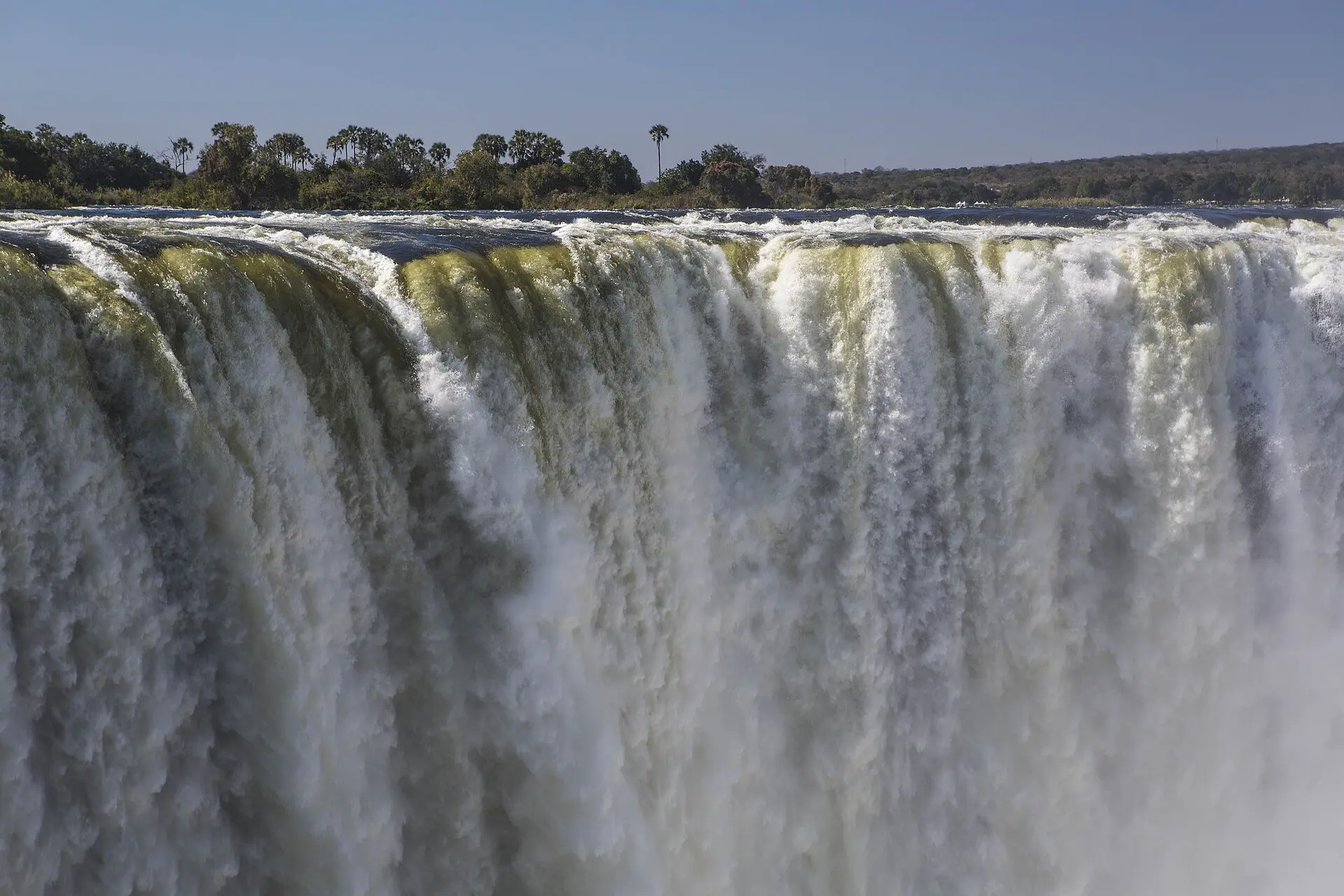
The town of Victoria Falls sits beside the Falls, a UNESCO World Heritage Site shared with Zambia. The Zimbabwean side gives panoramic views of the main curtain of water, and the town offers cruises, rafting and helicopter flights.
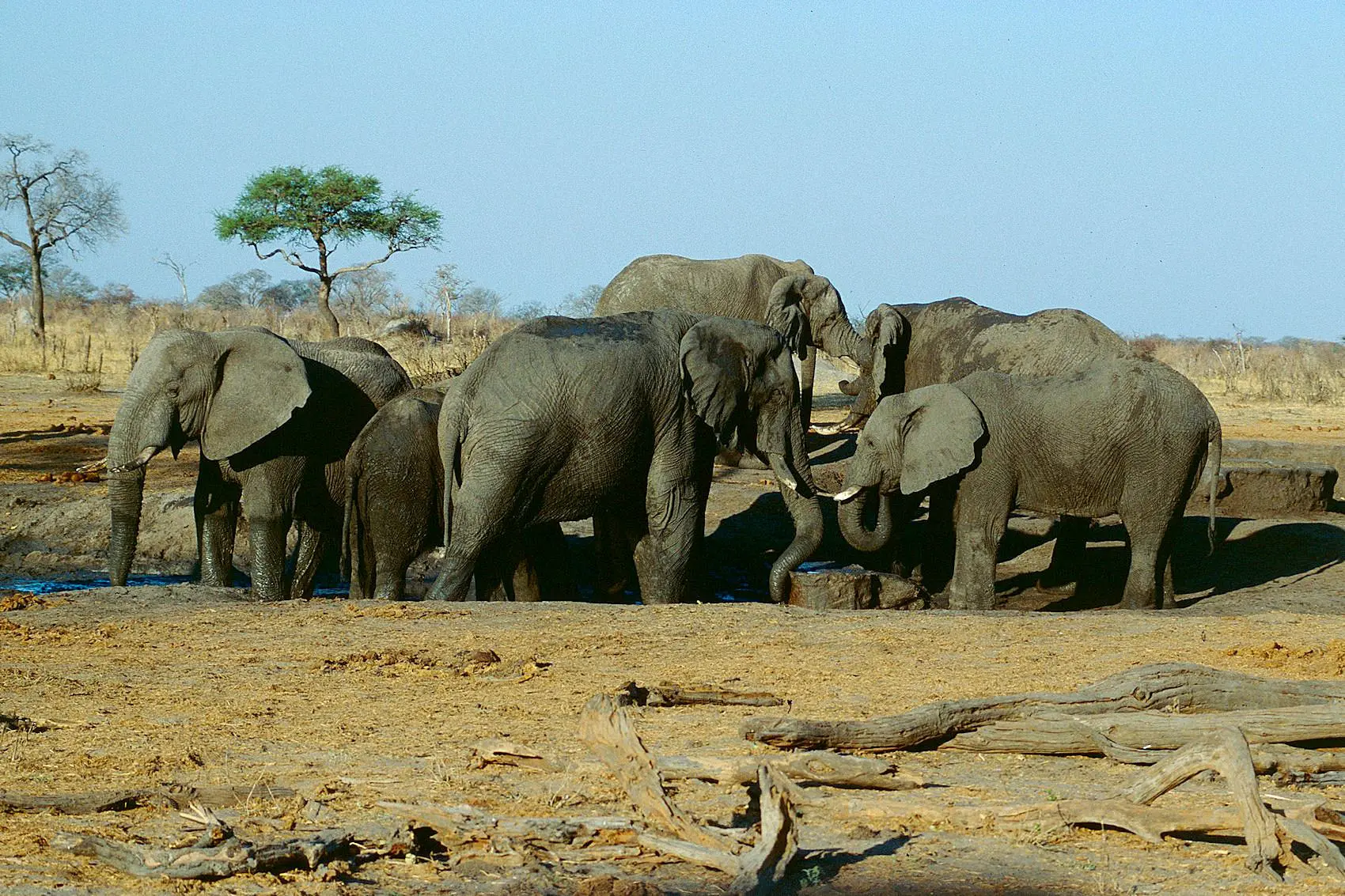
Hwange National Park
Zimbabwe’s largest park, in the west, is known for large elephant herds, especially at waterholes in the dry season. Lodges and self-drive camps are available.
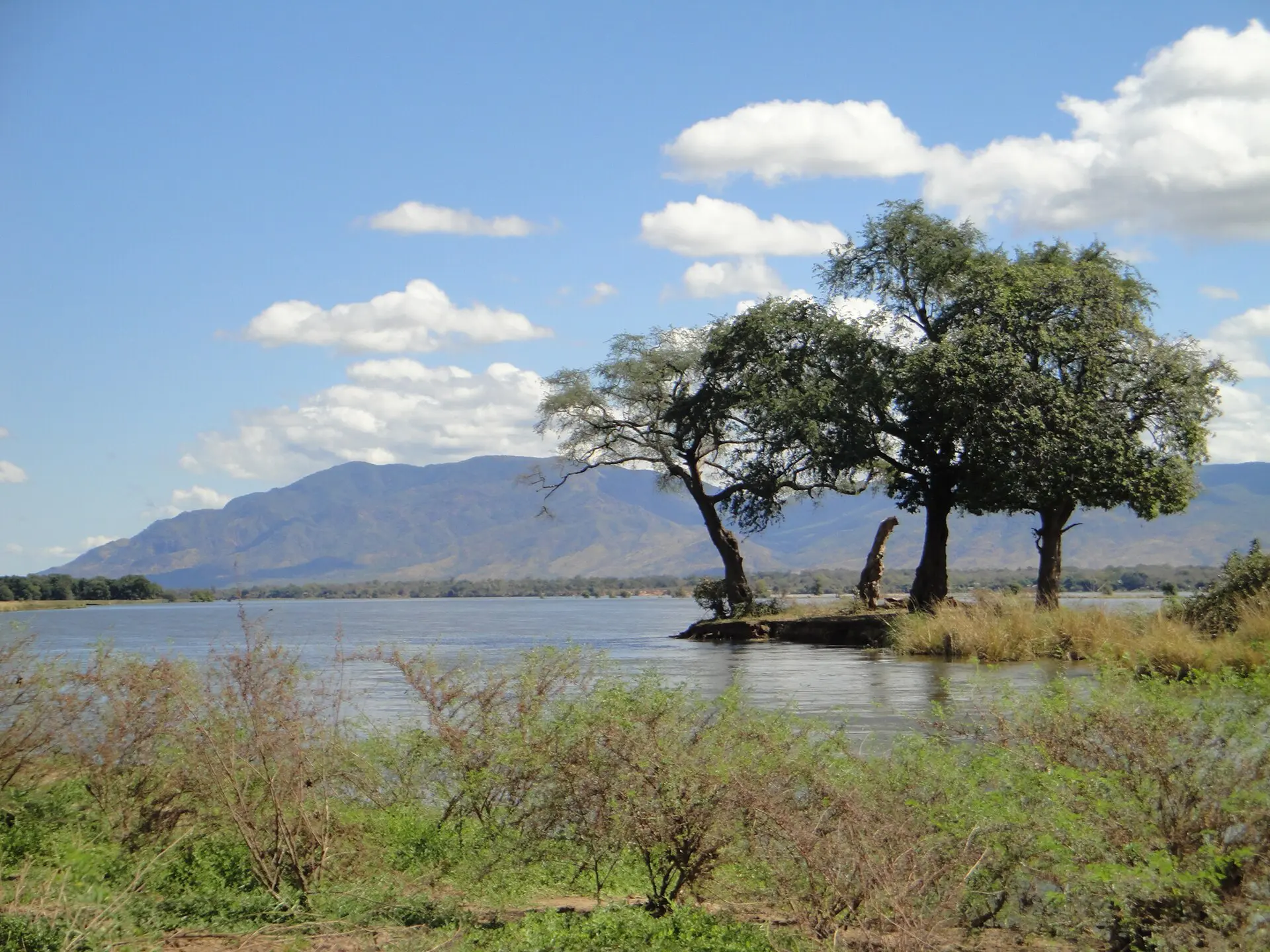
Mana Pools National Park
On the Zambezi in the north, Mana Pools is a UNESCO site known for walking safaris among elephants, lions and wild dogs, and canoe trips.
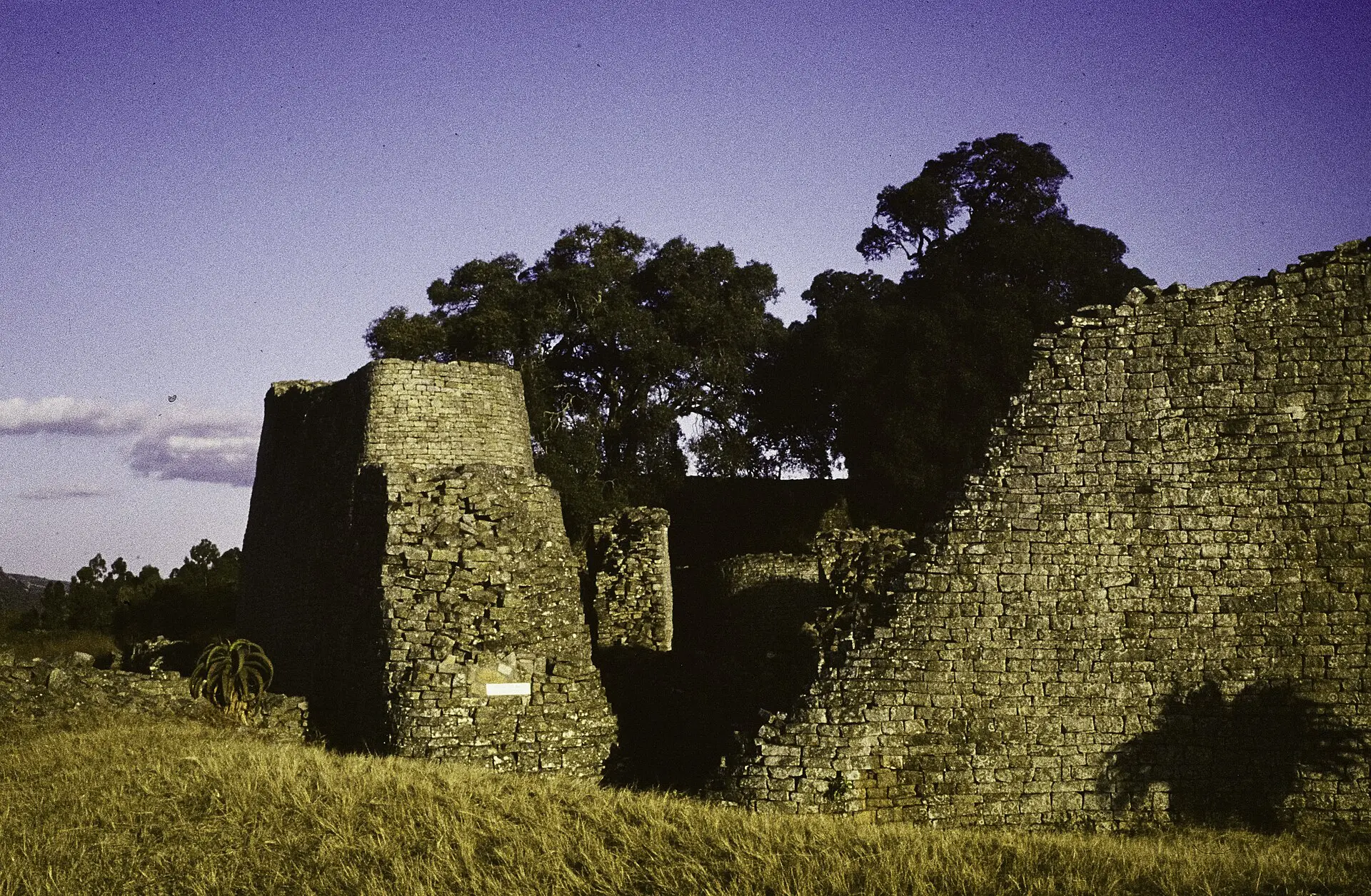
Great Zimbabwe
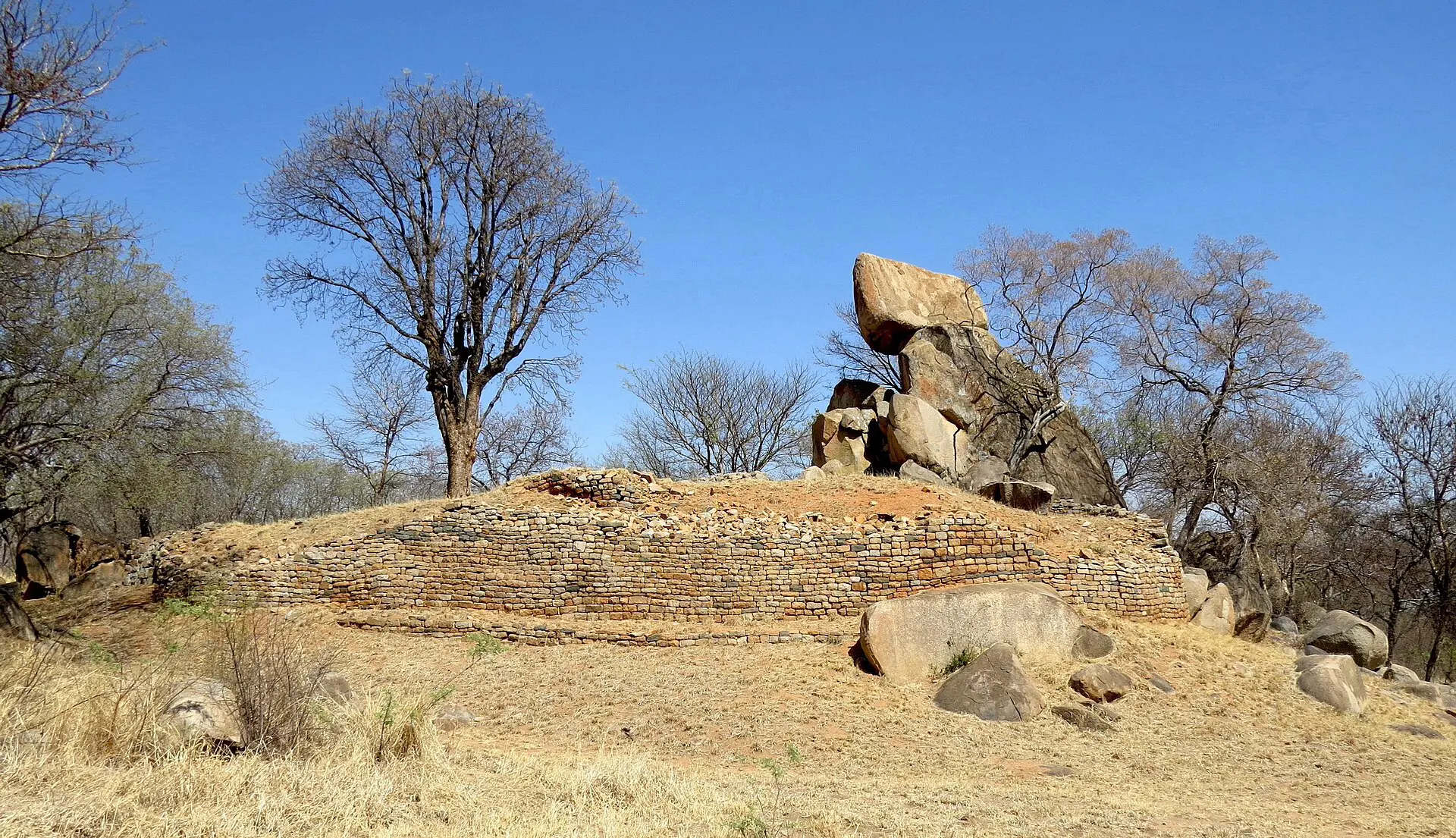
Near Masvingo, these 11th to 15th century stone ruins include the Great Enclosure and a hilltop complex. They are the national symbol.
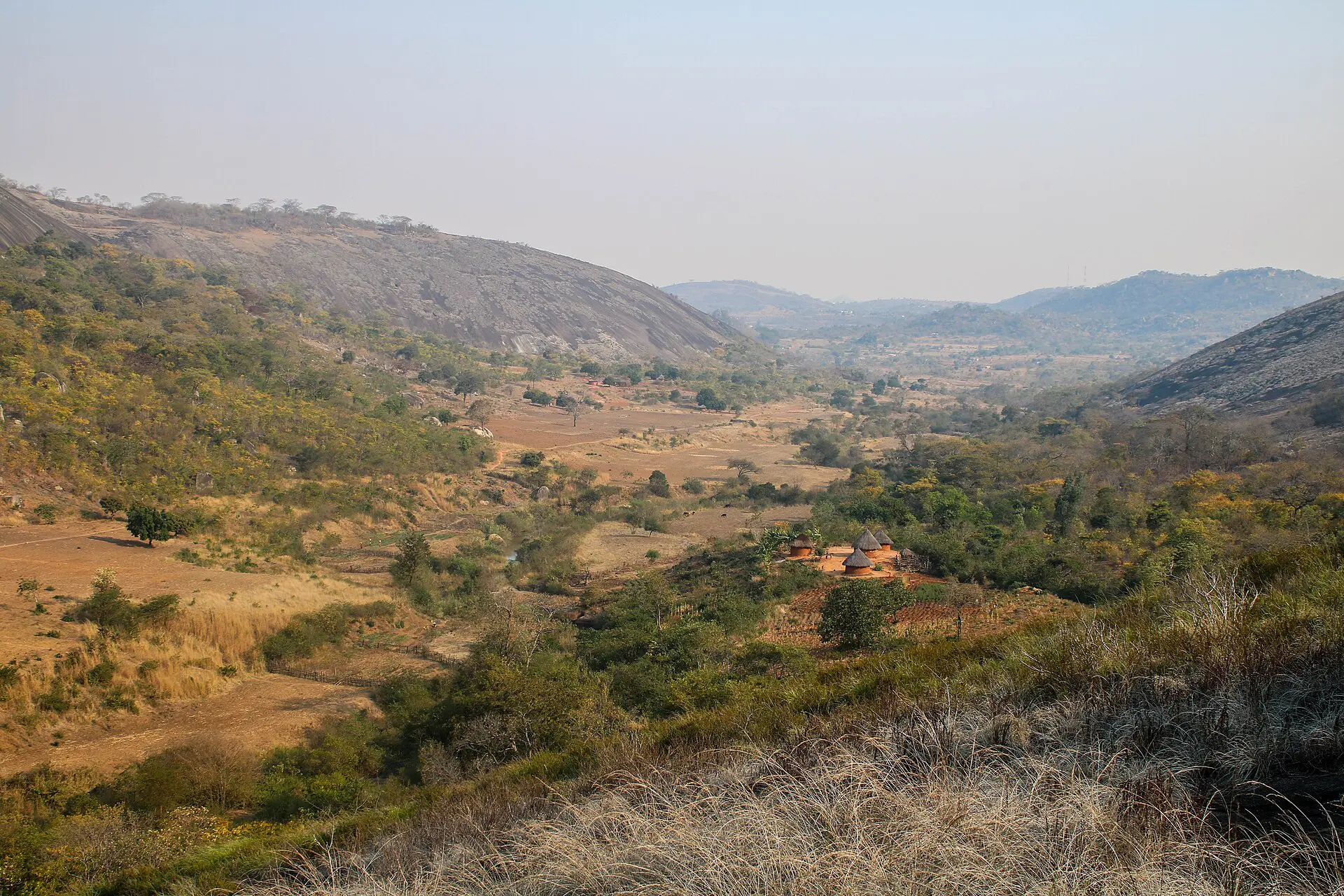
Matobo Hills
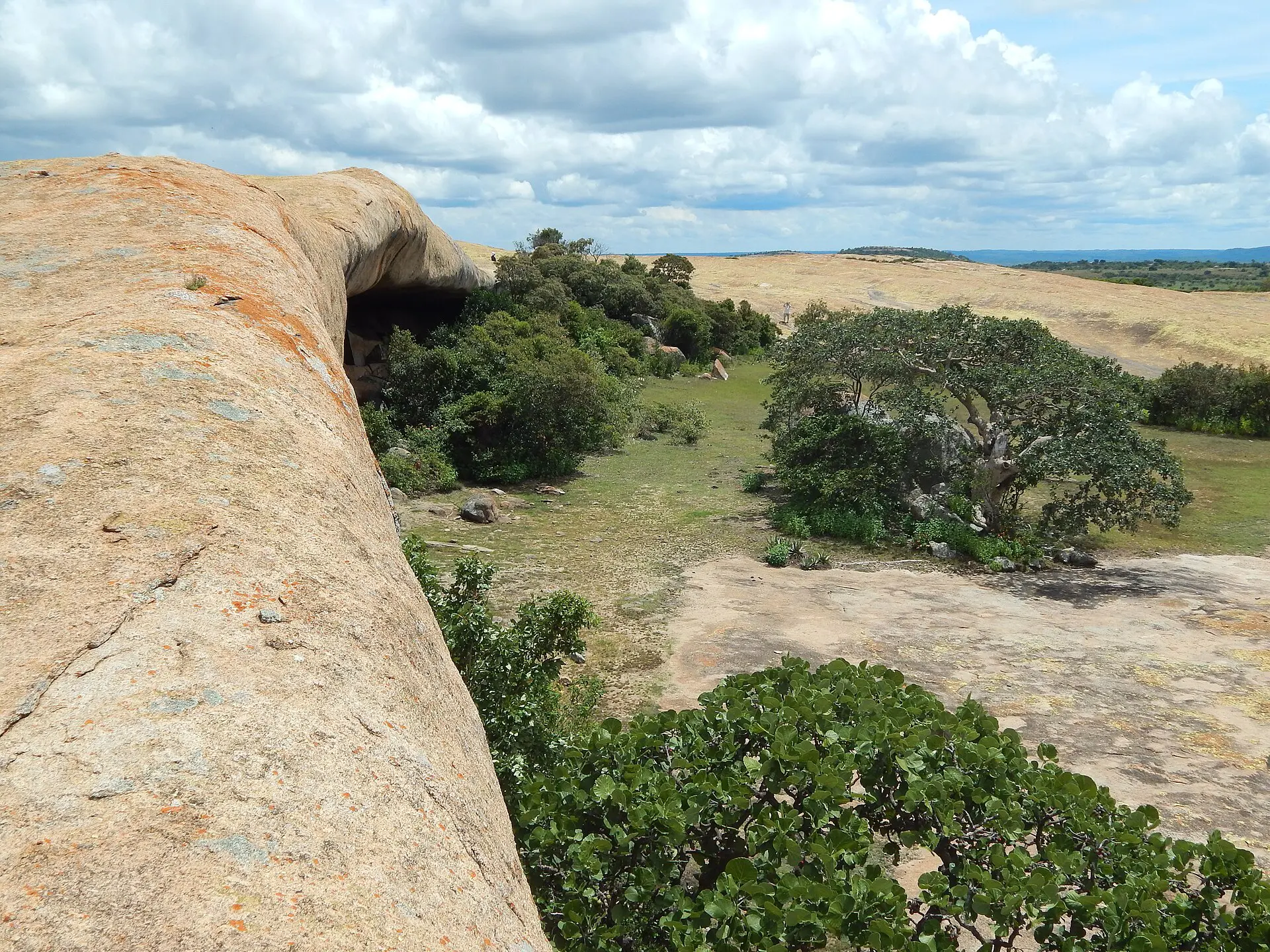
Near Bulawayo, granite domes, balancing rocks and San rock paintings surround the grave of Cecil Rhodes at World’s View, and the area has rhino tracking.
Eastern Highlands
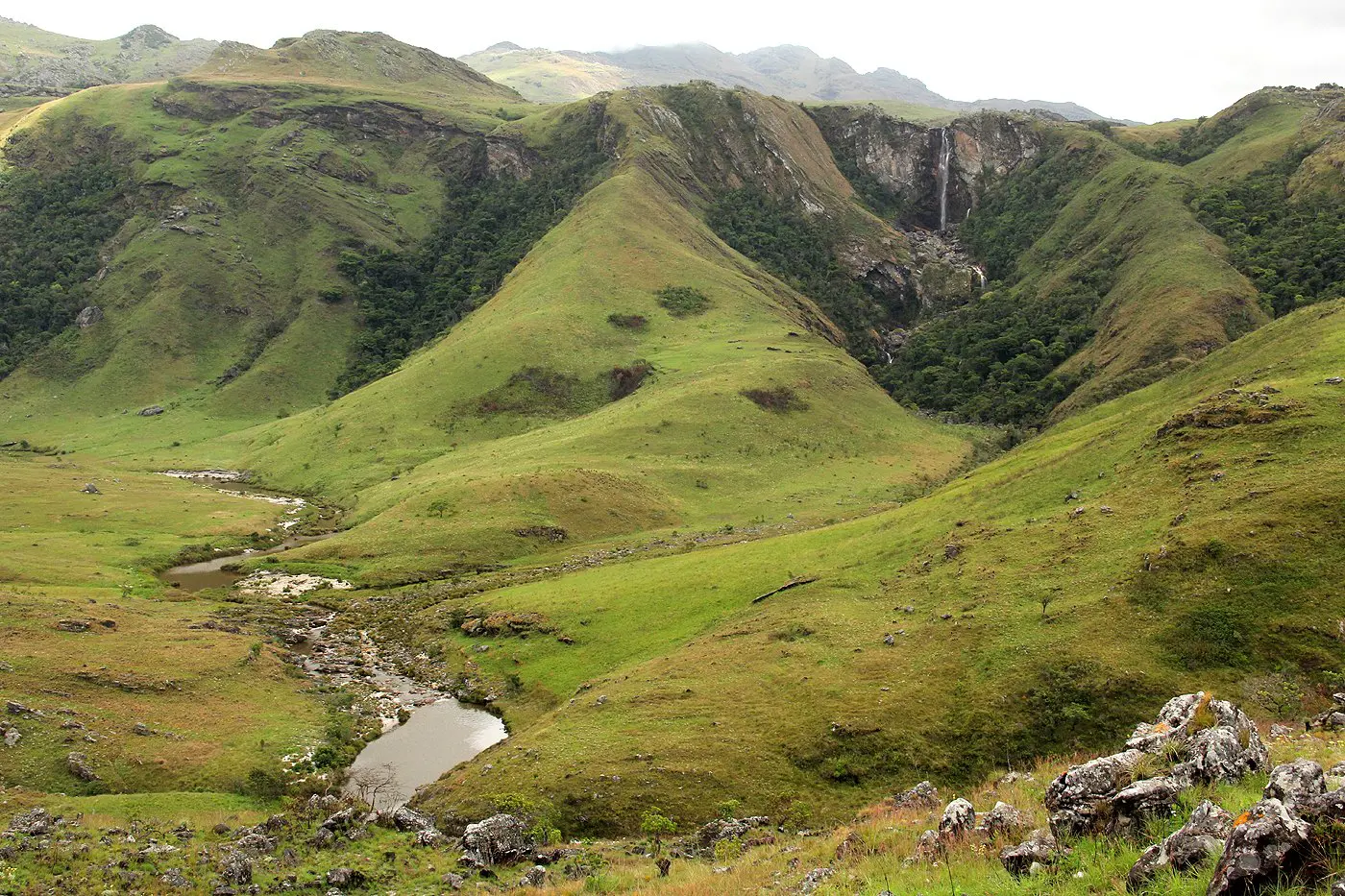
Nyanga, Chimanimani and Vumba have misty mountains, waterfalls and hiking, close to Mutare.
Lake Kariba
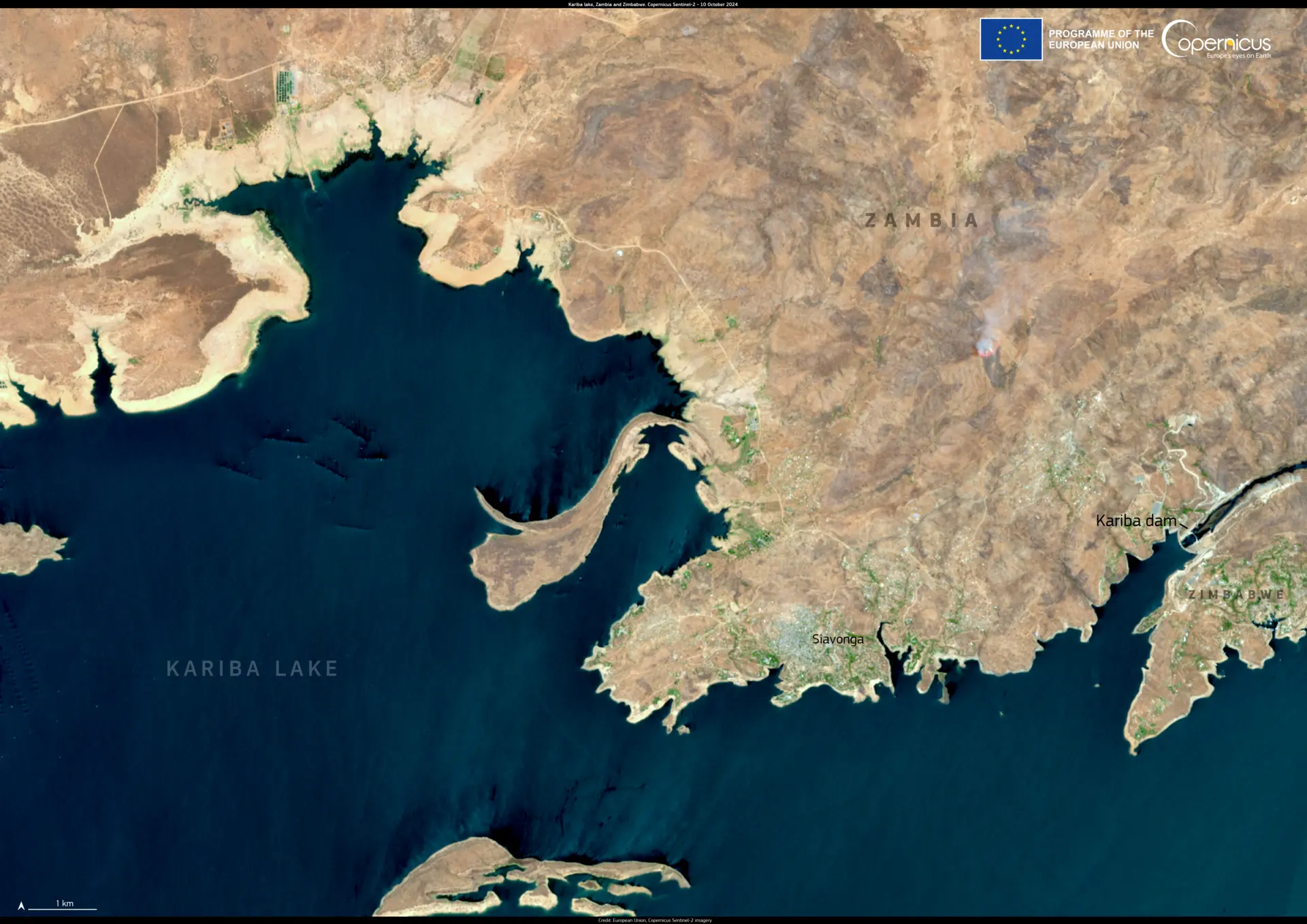
A huge reservoir with houseboats, fishing and sunsets, with the town of Kariba as base.
Top things to do in Zimbabwe
The top things to do in Zimbabwe combine wildlife, adventure and heritage.
- Walk the Victoria Falls rainforest trail: paths along the cliff give views of the Falls from across the gorge.
- Raft the Zambezi: white-water trips below the Falls run mostly in the low-water months.
- Take a game drive in Hwange: waterholes in the dry season attract elephants, buffalo and giraffe.
- Walk at Mana Pools: guided walks among large animals are among Africa’s most memorable safaris.
- Canoe the Zambezi: multi-day trips pass hippos and crocodiles with a guide.
- Climb at Great Zimbabwe: the Hill Complex and Great Enclosure take half a day.
- Track rhinos in Matobo: guided walks approach white rhinos on foot.
- See rock paintings in Matobo: sites like Nswatugi Cave hold ancient San art.
- Cruise the Zambezi at sunset: boats leave from Victoria Falls town.
- Stay on a Kariba houseboat: drift along the lake for fishing and bird watching.
Best time to visit Zimbabwe
The best time to visit Zimbabwe for wildlife is the dry season from May to October, when animals gather at waterholes in Hwange and along the Zambezi. For the fullest Victoria Falls, aim for roughly March to May.
The year has a hot, wet season from about November to March or April, a cooler dry season from May to August, and a hot, dry build-up in September and October. Days are warm and nights cool in the dry season, with frost possible on the highveld. Rafting below the Falls is best at lower water, usually from about August to December, and the Devil’s Pool on the Zambian side is only open at low water. The green season brings lush scenery, birds and lower prices, but some roads and camps are hard to use.
| Season | Weather | Crowds and prices | Good for |
|---|---|---|---|
| Cool dry (May-Aug) | Warm days, cool nights | High from June | Game viewing, Falls in May |
| Hot dry (Sep-Oct) | Hot, dusty | Peak game viewing | Hwange, Mana Pools, rafting |
| Green season (Nov-Apr) | Hot, humid, storms | Low; discounts | Birding, Falls in March, Eastern Highlands |
Check opening dates, since some remote camps close for the rains.
Is Zimbabwe safe to visit?
Yes, Zimbabwe is generally safe for tourists, and visitors in the main destinations rarely face serious problems. The usual risks are petty theft, road hazards, malaria, wildlife and economic disruption. Check your government’s current travel advice, such as the UK FCDO or the US State Department, before you go, because advice for some areas and for political events can change.
Political demonstrations and sensitive periods around elections can cause disruption, so avoid protests and follow local news. Photographing police, soldiers and government buildings is restricted and can lead to trouble. Criticising the government in public is risky.
In Harare and Bulawayo, avoid walking at night, keep valuables out of sight and use taxis arranged by your hotel. At Victoria Falls, travellers should watch for pickpockets and aggressive street sellers. Roads have potholes, and unlit vehicles and livestock make night driving dangerous.
Malaria is present, especially in the lowlands and the Zambezi valley, so take medical advice. Wildlife is dangerous: follow guides’ instructions, and do not swim in rivers because of crocodiles and hippos. The economy has been volatile, so carry enough cash in small US dollar notes and check how the local currency is used.
Visa and entry requirements for Zimbabwe
Visa rules for Zimbabwe vary by nationality. Citizens of some countries need no visa for short stays, many others can get a visa on arrival or an e-visa, and some must apply in advance at an embassy. Fees are often charged in US dollars, and the rules have changed over time, so confirm the current position before booking.
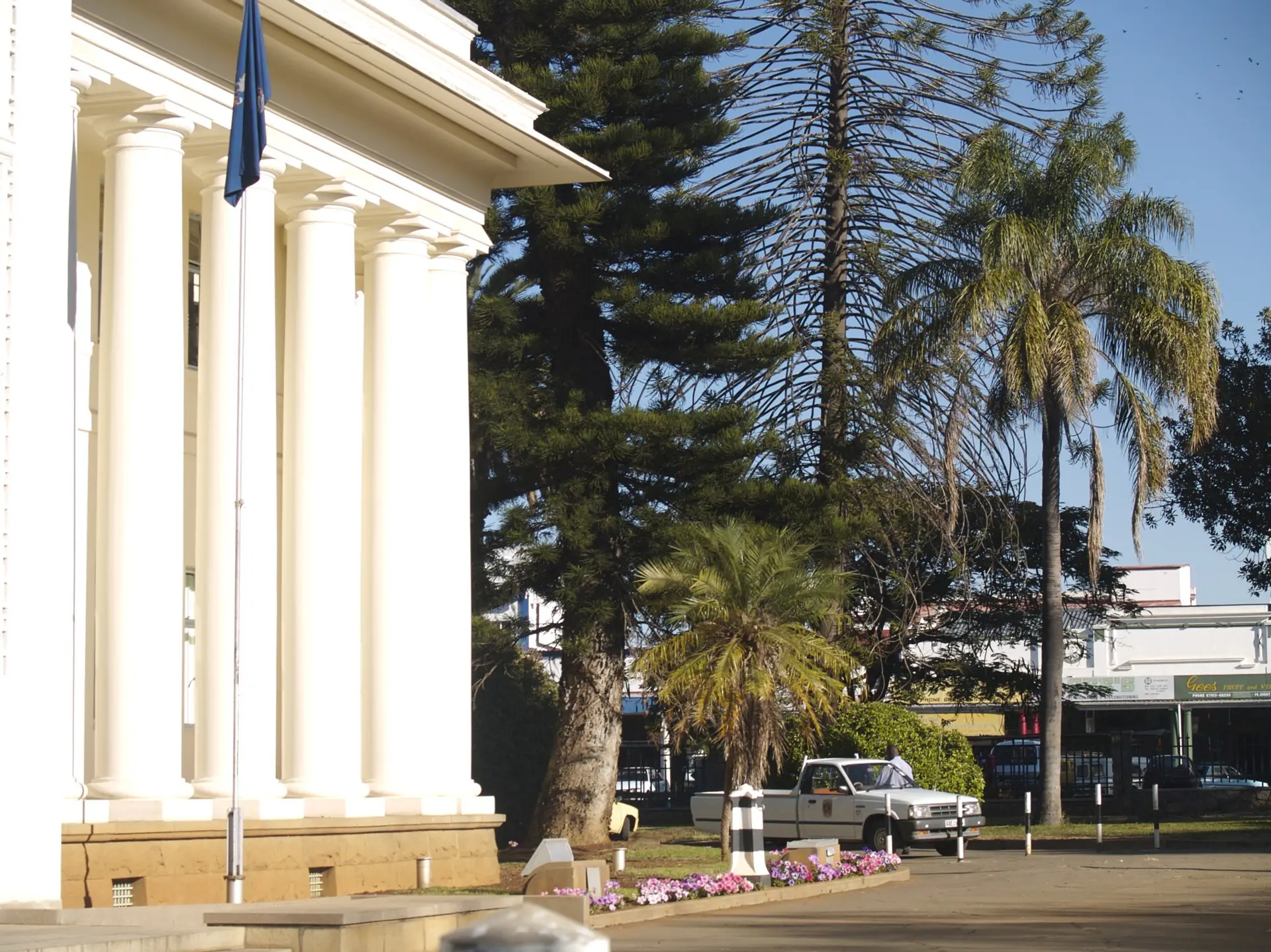
The KAZA UniVisa has allowed eligible travellers to visit Zimbabwe and Zambia on one visa, with day trips to Botswana’s Chobe. Its availability and conditions have changed, so check that it is currently offered and that your nationality qualifies.
Your passport should be valid for at least six months and have blank pages. Border officials may ask for proof of onward travel, accommodation and funds. Yellow fever certificates may be required if you arrive from a country with risk.
Confirm the latest requirements with the Zimbabwean immigration department or the nearest Zimbabwean embassy, and avoid unofficial agents.
Getting to and around Zimbabwe
Most visitors arrive by air at Harare (Robert Gabriel Mugabe International, HRE), Victoria Falls (VFA) or Bulawayo (BUQ), with regional flights from Johannesburg, Nairobi and Addis Ababa. Land borders link Zimbabwe with South Africa at Beitbridge, Zambia at Victoria Falls and Chirundu, Botswana at Kazungula and Plumtree, and Mozambique at Mutare.
Coaches run between Harare, Bulawayo, Victoria Falls and other towns. The trip from Harare to Bulawayo takes about six to seven hours by road, and Bulawayo to Victoria Falls about six to seven hours as well. A scenic overnight train links Bulawayo and Victoria Falls, but schedules and condition vary, so check locally. Domestic flights serve Harare, Victoria Falls and some parks.
Driving is on the left. Main roads are mostly paved but can be potholed, with police checkpoints, and park roads need a 4×4. Fuel supply and prices can vary, so plan fill-ups. Self-drive is common in Hwange, but hiring a driver-guide is easier. Taxis are widely used in towns, and prices should be agreed in advance.
How much does a trip to Zimbabwe cost?
A trip to Zimbabwe costs more than many travellers expect, because tourist services are largely priced in US dollars and safaris are the main expense. These approximate daily bands are for one traveller before international flights.
- Budget: about USD 60 to 100, with hostels, local food, buses and a few paid activities.
- Mid-range: about USD 100 to 220, with comfortable hotels, restaurant meals and guided activities at Victoria Falls.
- High-end: USD 400 to 1,000 or more per person per night, for all-inclusive safari lodges in Hwange or Mana Pools.
Park fees, activities such as rafting and helicopter flights, and transport drive costs. Prices rise from June to October and fall in the green season. Cash is important: carry US dollars in small, undamaged notes, because card machines and ATMs can be unreliable. The national currency, the Zimbabwe Gold (ZiG), has replaced earlier currencies, but rules and rates have changed often, so check before you travel. Tips for guides and staff are extra.
Food and drink in Zimbabwe
Food and drink in Zimbabwe revolve around maize, grilled meat and fresh vegetables.
- Sadza: a thick maize porridge eaten with the hand, served with a relish of meat or vegetables.
- Nyama: grilled beef or goat, central to social gatherings and braais.
- Muriwo: leafy greens cooked with onions and tomato, often with peanut butter.
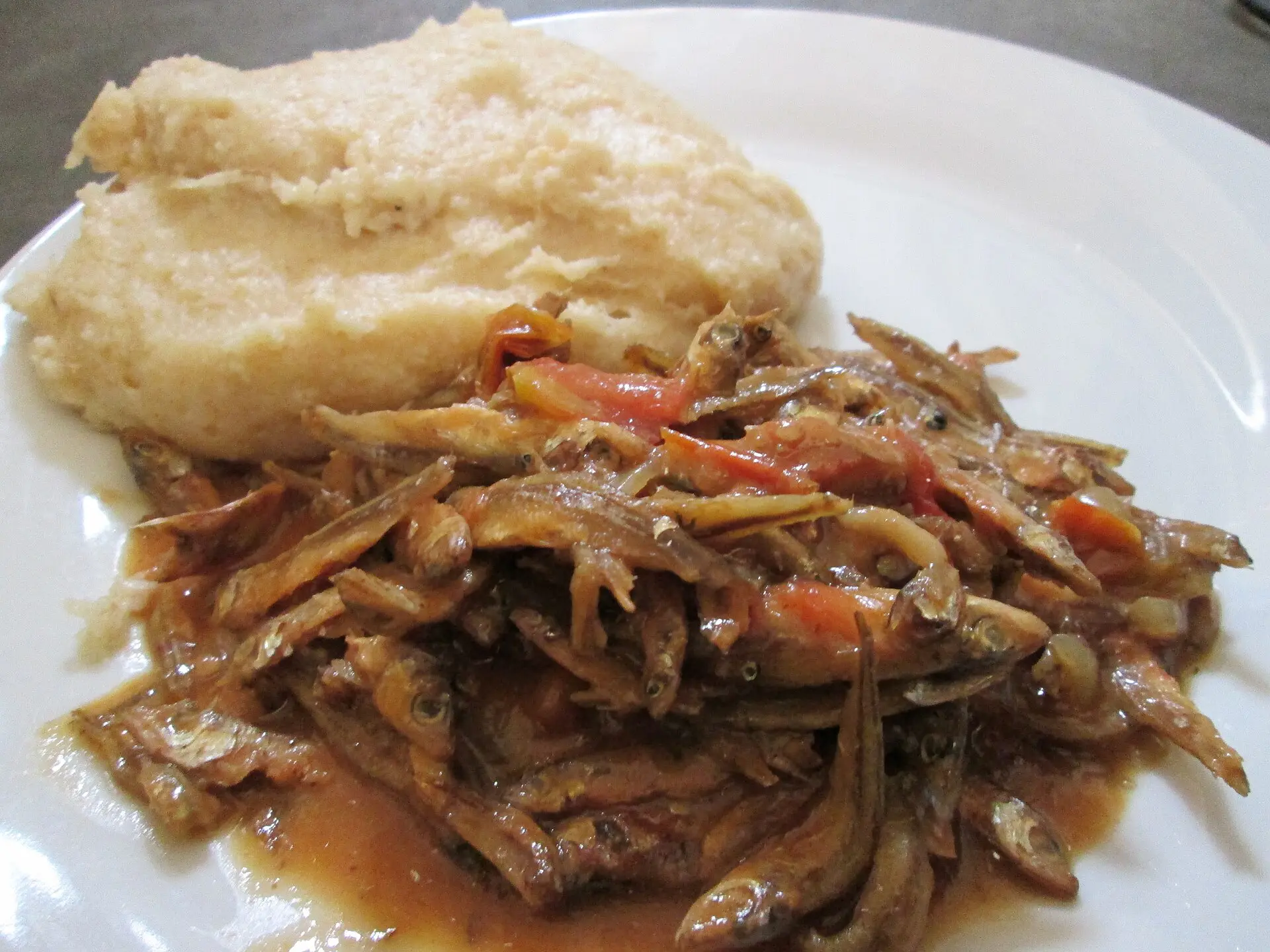
- Kapenta: small dried fish from Lake Kariba, served fried.
- Mopane worms (madora): dried caterpillars, a local protein snack.
- Biltong: dried, spiced meat, available widely.
- Zambezi and Castle lagers: common beers, with Chibuku shake-shake as a cheap traditional beer.
Harare and Victoria Falls have restaurants with international, Indian and African menus, and lodges serve high-quality meals. Vegetarians can eat sadza with vegetable relishes, but meat is central, so ask. Drink bottled or filtered water. Street food is generally safe when freshly cooked.
Culture, language and etiquette in Zimbabwe
Zimbabwe has 16 official languages, including English, Shona and Northern Ndebele. English is used in business and tourism, Shona is the most widely spoken in the north and east, and Ndebele around Bulawayo. Learning a greeting in the local language is appreciated.
Zimbabweans are courteous, and greetings are important. A handshake, often with a polite enquiry about health and family, is the norm before any conversation. Use the right hand, or both hands, to give and receive items. Dress modestly in towns and villages, particularly for women.
Many people are Christian, with traditional beliefs also important. Respect for elders is strong. Ask permission before photographing people, and do not photograph police, military or government buildings. Politics can be sensitive: listen rather than offering opinions, and avoid discussing elections or leaders in public.
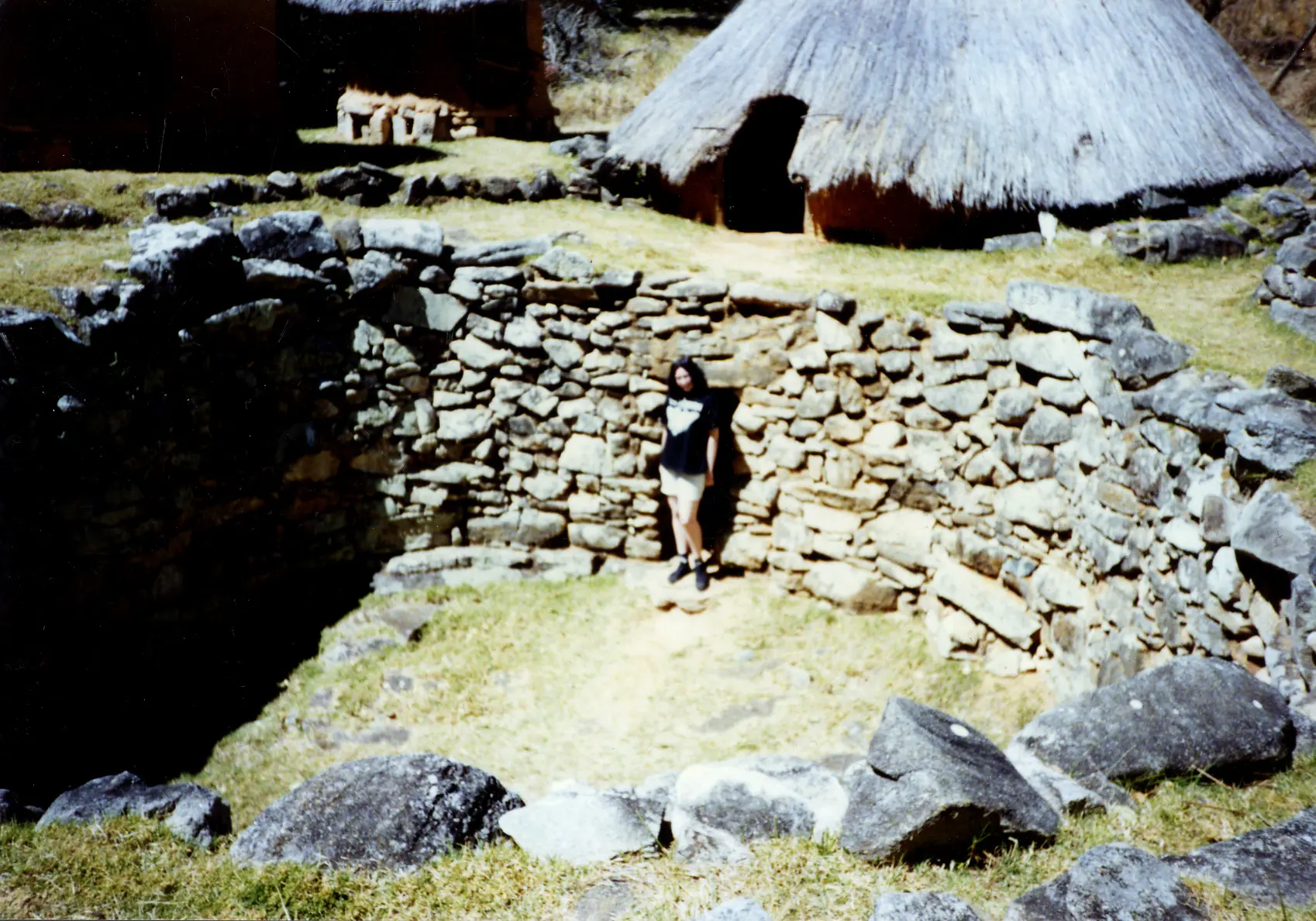
Great Zimbabwe and rock art sites are sacred to many communities, so follow guides’ instructions. The art tradition is strong, with stone sculpture from the Shona tradition sold at markets and galleries. Bargaining at craft stalls is normal but should be friendly.
Zimbabwe itinerary: a 7-day route
This seven-day Zimbabwe itinerary links Victoria Falls, Hwange and the Matobo Hills, flying into Victoria Falls and leaving from Bulawayo or Harare.
- Day 1, Victoria Falls: arrive, then take a sunset cruise on the Zambezi.
- Day 2, Victoria Falls: walk the Falls in the morning, then choose rafting or a helicopter flight.
- Day 3, to Hwange: drive about two to three hours to Hwange National Park and join an afternoon game drive.
- Day 4, Hwange: morning and evening game drives, and a visit to a waterhole hide.
- Day 5, to Bulawayo: drive about four hours to Bulawayo and see the City Hall and Railway Museum.
- Day 6, Matobo Hills: rhino tracking, rock paintings and World’s View.
- Day 7, departure: fly or drive onward from Bulawayo, or add a day to see Great Zimbabwe before Harare.
Distances and road conditions vary, so build in extra time and book transfers. If you prefer a different focus, replace Hwange with Mana Pools in the dry season and fly in.
Practical tips for Zimbabwe
A few practical points help with a Zimbabwe trip.
- Money: US dollars are widely used for tourist services, and the local currency is the Zimbabwe Gold (ZiG). Carry small, clean US notes, and check card acceptance, since ATMs and machines can fail.
- SIM and eSIM: local SIMs are available, with coverage in towns and along main roads. The calling code is +263. Parks often have no signal.
- Plugs: types D and G at 230 V.
- Power: outages are common, so carry a power bank and a torch.
- Tipping: around 10 percent in restaurants, and separate tips for guides and camp staff.
- Health: malaria prophylaxis, routine vaccines and possibly yellow fever and typhoid; get insurance that covers evacuation.
- Packing: neutral clothes, a hat, sun protection, binoculars and a warm layer for early game drives.
For more on regions and attractions, see the Wikivoyage guide to Zimbabwe and the UNESCO list of Zimbabwean World Heritage Sites.
FAQ
Q1Is Zimbabwe safe to visit?
Yes, for most tourists. Visitors in the main destinations rarely face serious problems, and the usual risks are petty theft, road hazards, malaria and wildlife. Avoid political protests, and do not photograph police or government buildings. Check your government's current travel advice before you go.
Q2What is the best time to visit Zimbabwe?
May to October is best for wildlife, because animals gather at waterholes and rivers. Victoria Falls are fullest from about March to May, while rafting suits lower water from August to December. November to April is the green season, with lower prices and some closed camps.
Q3Do I need a visa for Zimbabwe?
It depends on your nationality. Some travellers need no visa, many can buy one on arrival or apply for an e-visa, and some must apply in advance. The KAZA UniVisa has covered Zimbabwe and Zambia. Confirm current terms with Zimbabwean immigration before booking.
Q4How much does a trip to Zimbabwe cost?
Budget travel costs roughly USD 60 to 100 per day and mid-range USD 100 to 220, while safari lodges in Hwange or Mana Pools often cost USD 400 or more per person per night. Tourist services are mostly priced in US dollars, and activities and park fees add up.
Q5What are the best things to do in Zimbabwe?
Top picks are walking the Victoria Falls rainforest, rafting the Zambezi, taking game drives in Hwange, walking safaris at Mana Pools, visiting the ruins of Great Zimbabwe and tracking rhinos in the Matobo Hills.
Q6Can you use US dollars in Zimbabwe?
Yes. US dollars are widely accepted for hotels, tours and park fees, and many tourist businesses price in dollars. The Zimbabwe Gold (ZiG) is the local currency, but rules and rates change, so carry small, undamaged US notes and check card acceptance.