The best things to do in Rotorua are geothermal parks, Māori cultural sites, the Kaituna rafting run and the forest trails south of town. Plan on two full days, three if you want rain cover. The city sits on a volcanic caldera, so everything is close: most sites are within 20 minutes of the centre by road. Expect a sulphur smell, soft ground near vents and variable weather. This guide ranks the options, gives transport facts and names a fallback for each plan.
Best time to visit Rotorua
Rotorua is at about 300 m above sea level, so nights are cooler than the coast. Geothermal sites work in any weather; rafting, biking and lake trips do not. Seasons are southern hemisphere.
| Season | Weather | Crowds and prices | Good for |
|---|---|---|---|
| Summer (Dec-Feb) | Warm, often dry, some storms | Highest; book ahead | Rafting, lakes, biking |
| Autumn (Mar-May) | Mild, settled early on | Moderate | Walking, geothermal parks |
| Winter (Jun-Aug) | Cold nights, frequent rain | Lowest; cheaper beds | Hot pools, steam viewing |
| Spring (Sep-Nov) | Changeable, showers | Moderate | Higher-flow rafting, trails |
My pick is March to May. Roads are dry, the schedules are full and prices have dropped from the summer peak. Winter is good for steam: cold air makes every vent look bigger.
Top things to do in Rotorua
1. Whakarewarewa geothermal village and the Pōhutu Geyser
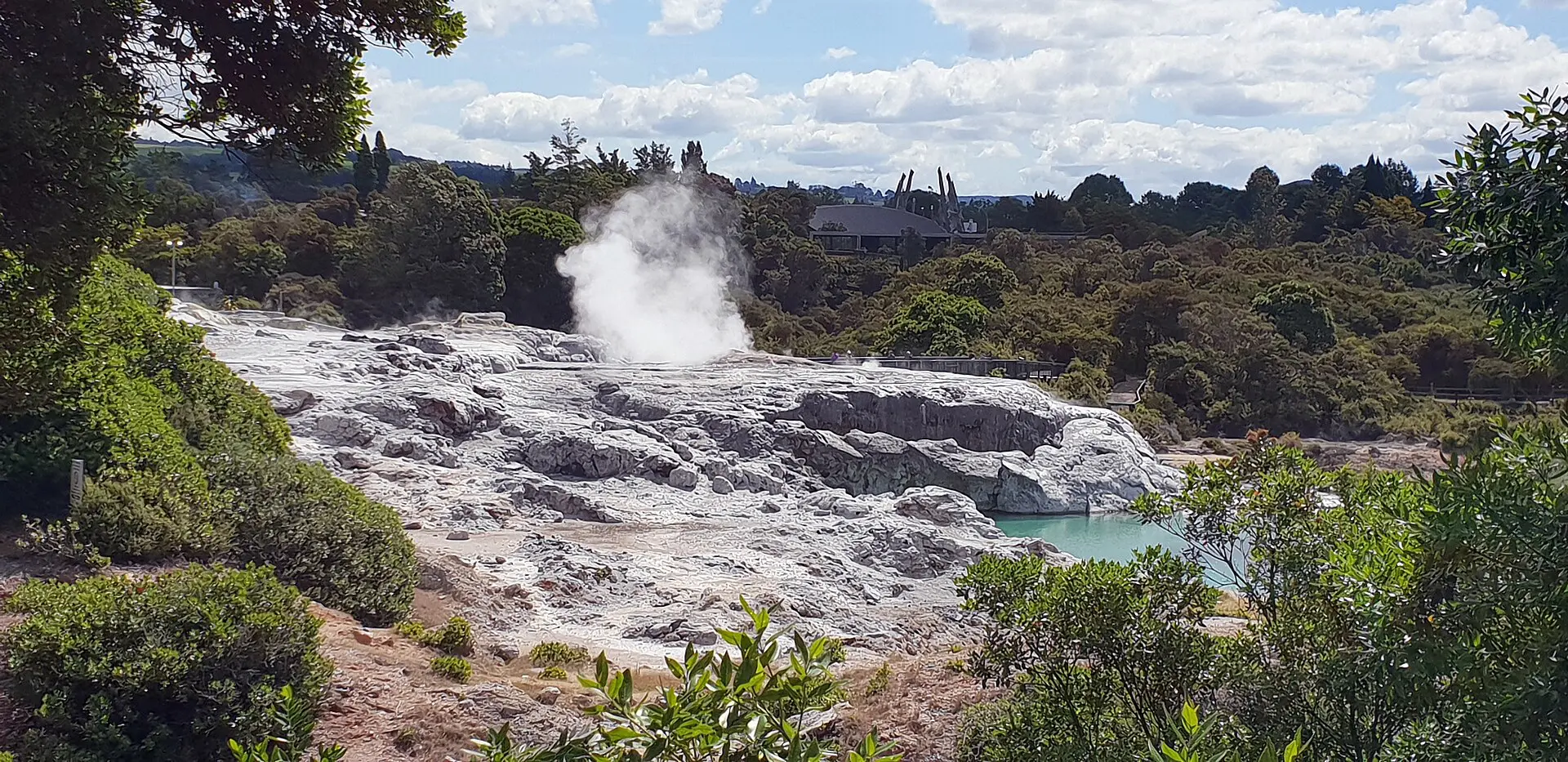
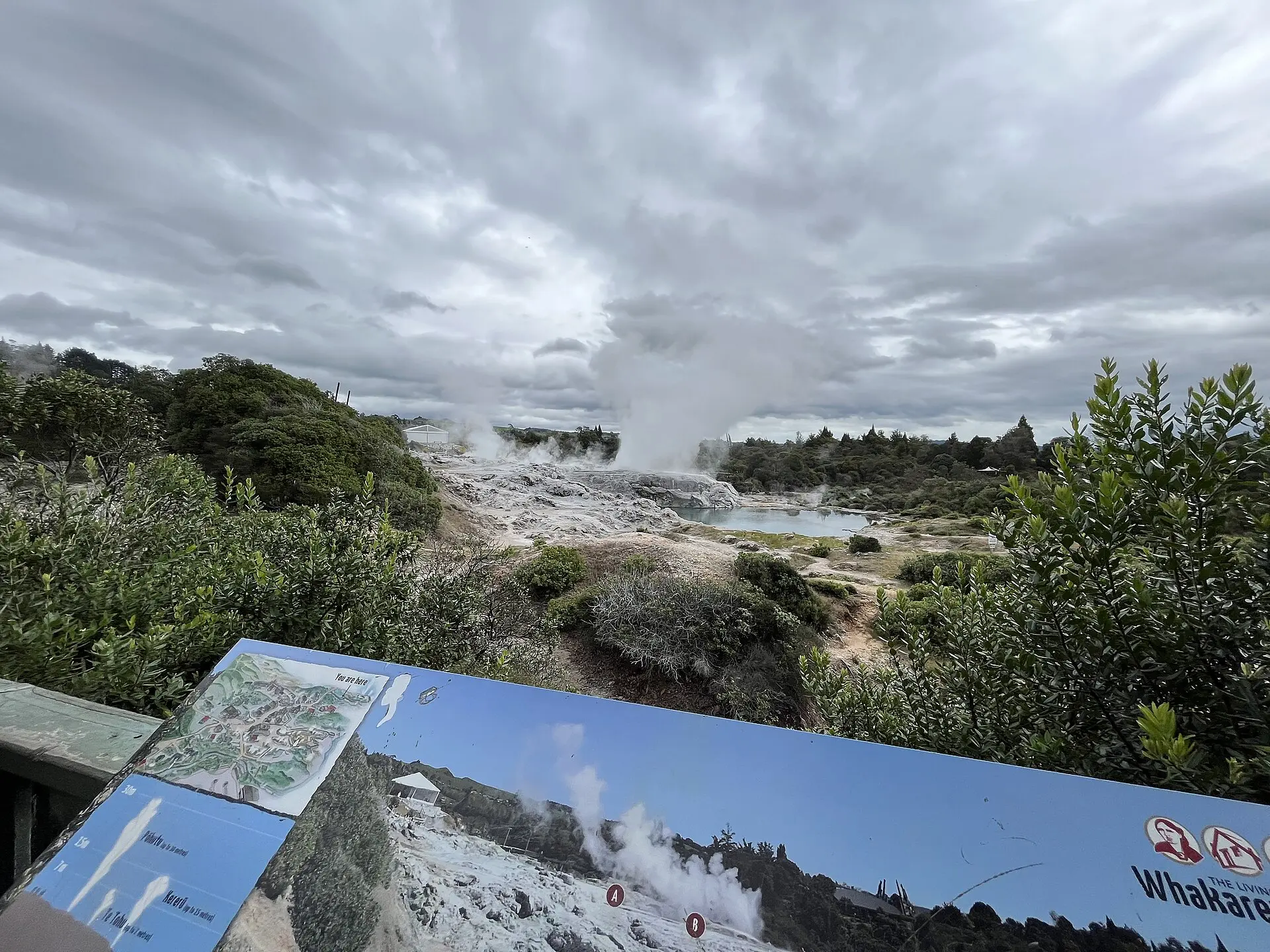
Whakarewarewa is where the Pōhutu Geyser sits, the best-known feature in the city’s thermal zone. It is a working Māori village as well as an attraction, with residents who cook in natural steam boxes. Boardwalks keep you on firm ground. The geyser erupts often, but not on a timetable you can rely on, so allow 2 to 3 hours and do not leave after ten minutes. Stay behind rails: the water is near boiling. Fallback if the eruption is quiet: the mud pools still run.
2. Te Puia
Te Puia shares the same geothermal valley as Whakarewarewa and adds a carving and weaving school, a kiwi house and a cultural performance. It is the more structured option, with set tour times and a paid entry, so check the current timetable before you go. Choose it if you want geology and Māori craft in one booking. Skip it if you have only one half day and prefer to walk a village at your own pace; the village is the better use of that time. Pick one of the two.
3. Wai-O-Tapu thermal wonderland
Wai-O-Tapu is about 30 km south of the city on the road to Taupō. Its coloured pools, crater lakes and a geyser that is triggered on a schedule make it the most photogenic of the thermal parks. Walks run from 30 minutes to about 75 minutes on flat, signed tracks. It is a good stop if you are driving on to Taupō anyway. Without a car it adds a tour cost.
4. Waimangu Volcanic Valley
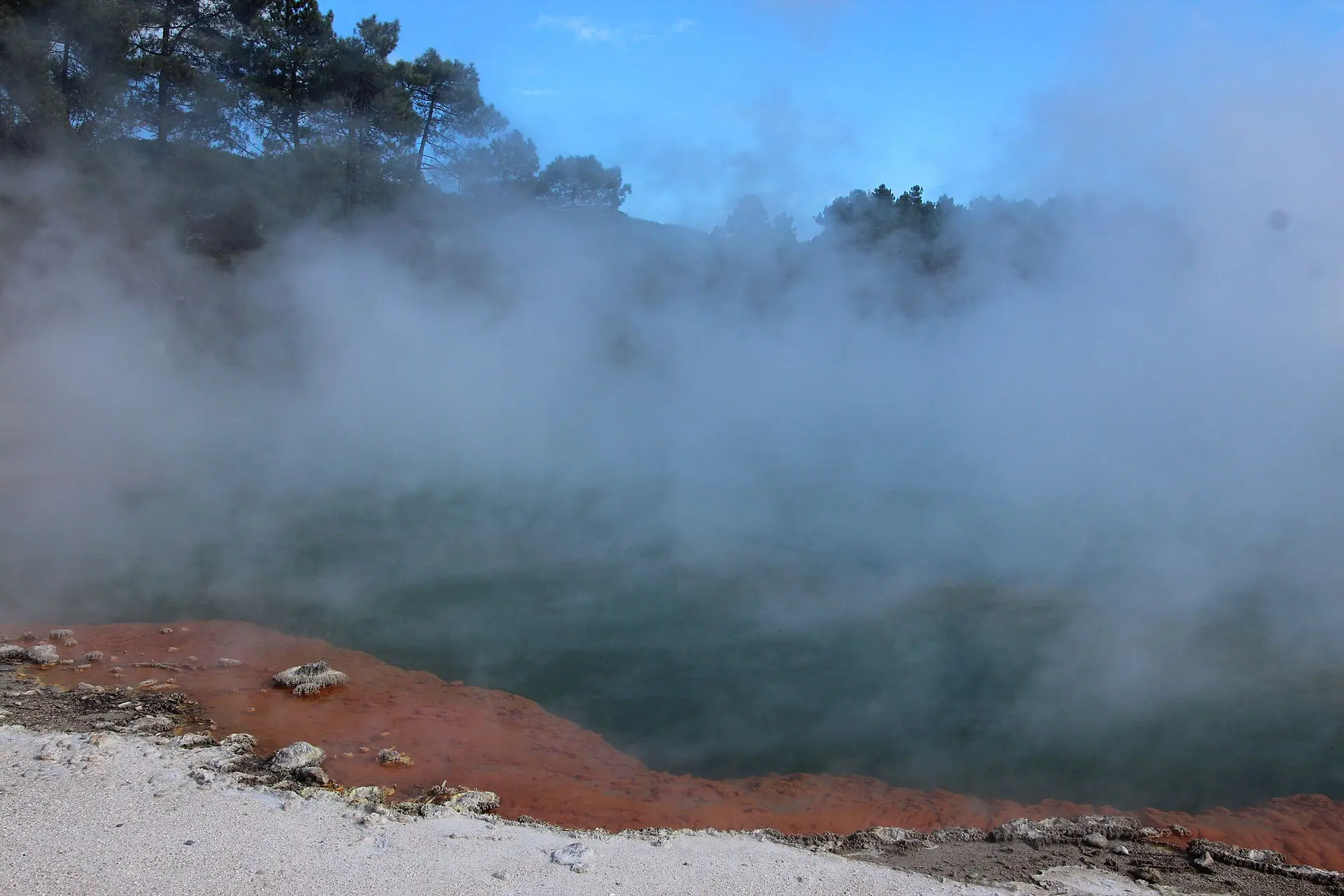
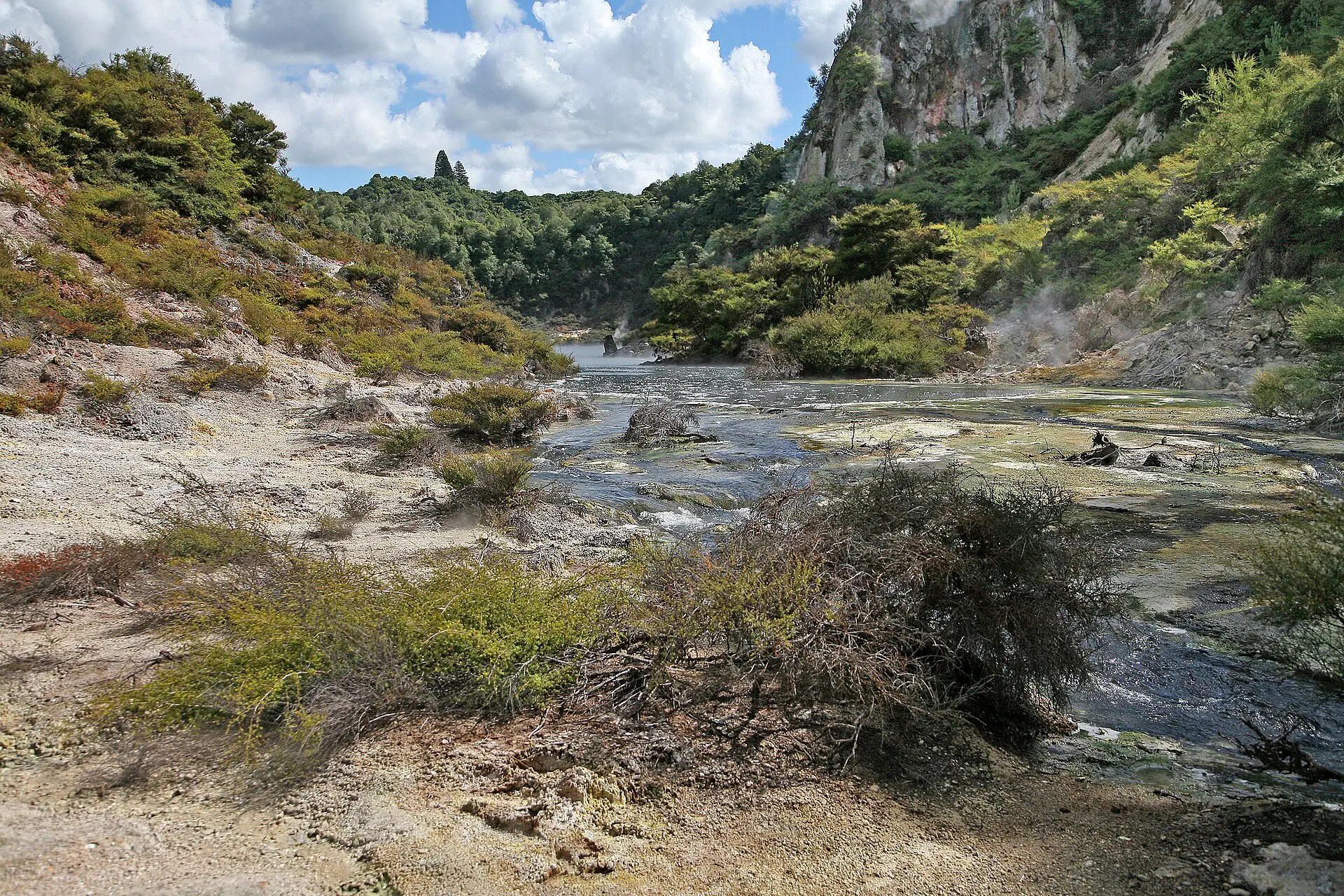
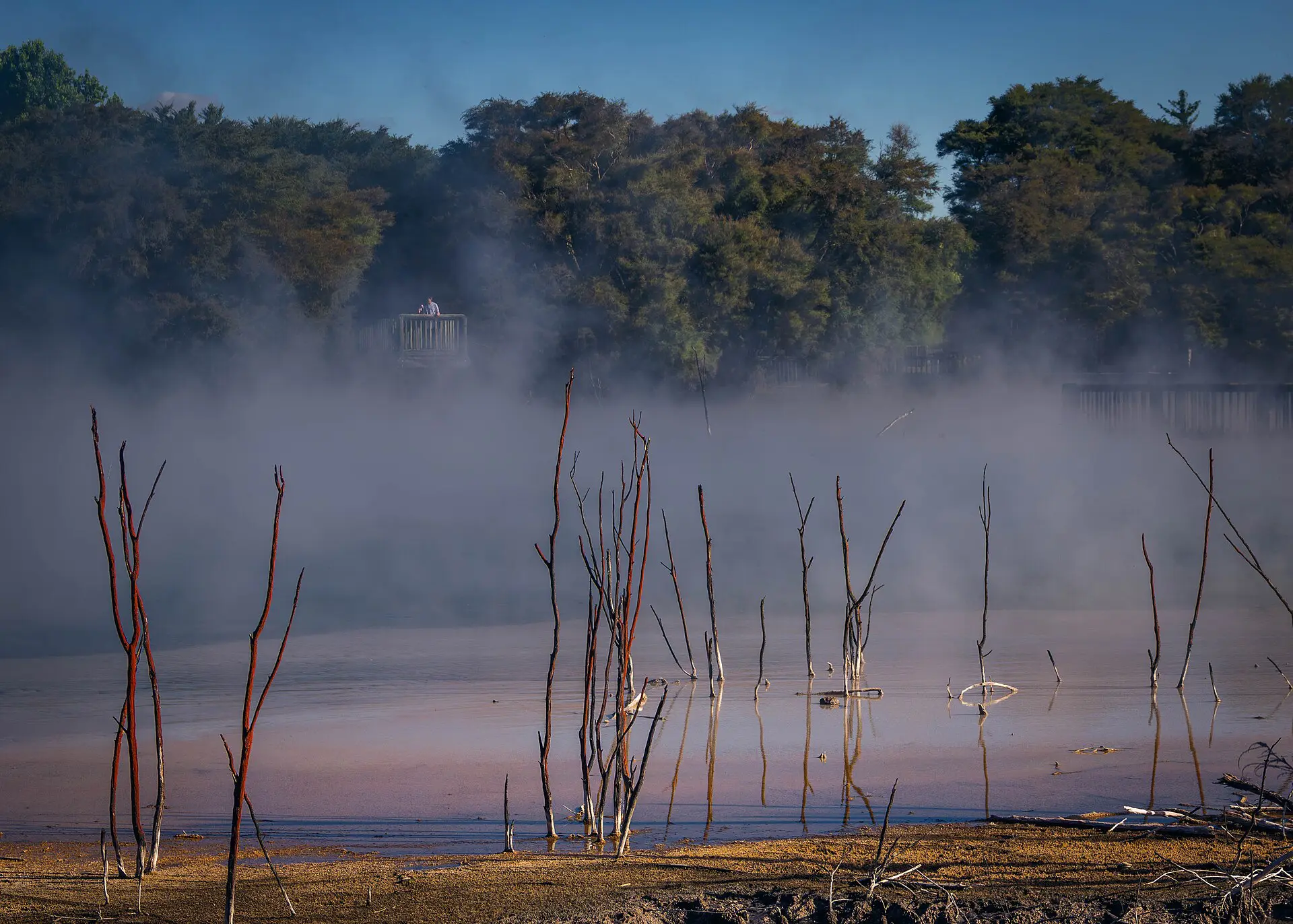
Waimangu is a valley created by the 1886 Mount Tarawera eruption, and it is the youngest geothermal system in the world, per its own billing. The main path descends gently toward Lake Rotomahana, passing steaming cliffs and Frying Pan Lake. The walk down is easy; the way back up is either on foot or by shuttle bus, so check the shuttle before you commit. Take water; shade is scarce. This is the best option for people who want terrain, not theatre.
5. Kuirau Park
Kuirau Park is a free city park with boiling pools and mud, all behind low fences. It is open around the clock, but go in daylight: there are reports of crime after dark, and the water in the footbaths turns from hot to cool later in the evening. Keep your head out of the untreated water. It is free, and 30 minutes is a sensible first look.
6. Kaituna River rafting at Okere Falls
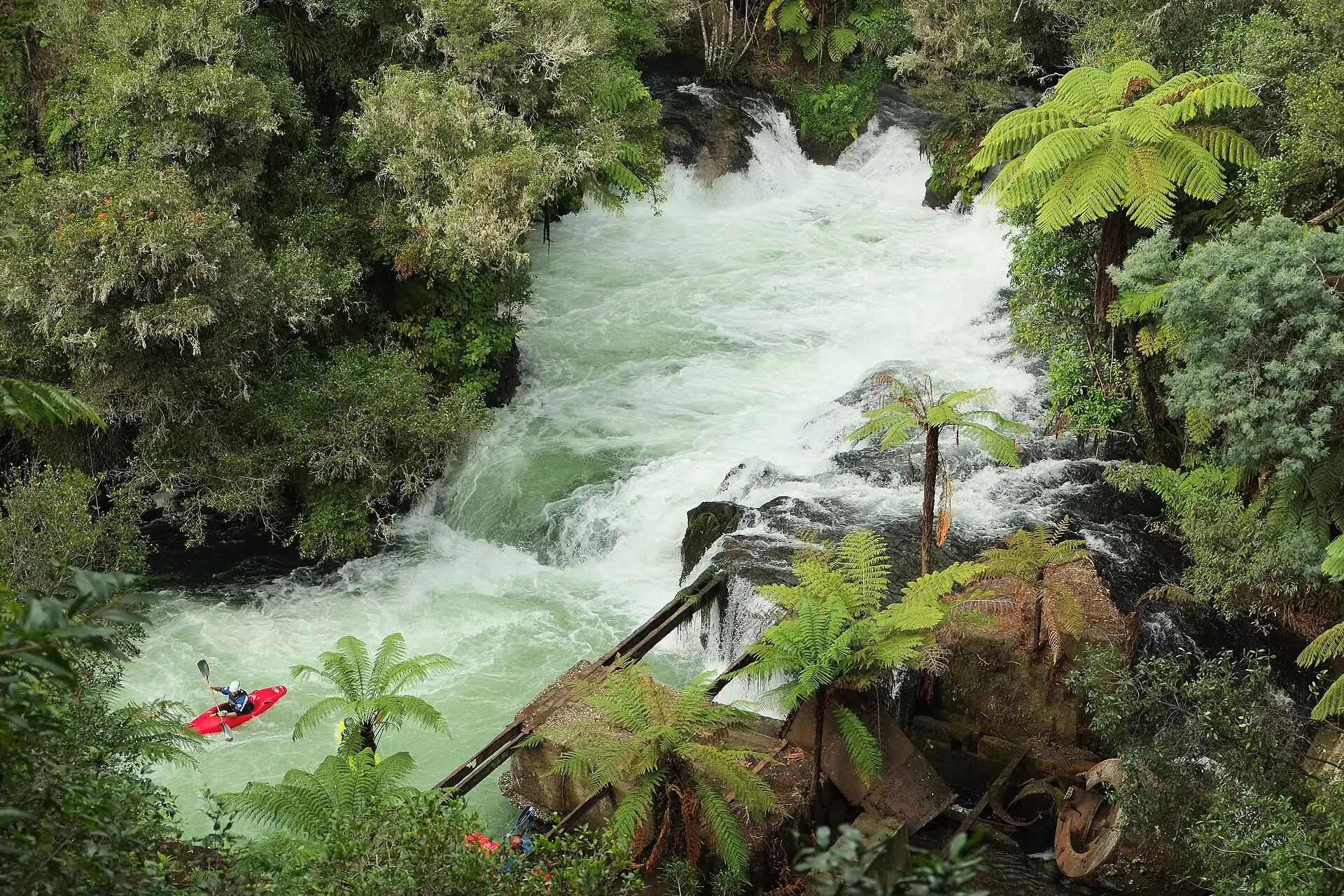
Rafting on the Kaituna is the main adrenaline activity. The run is short, around 40 minutes on the water, but it includes the Tutea Falls, a drop of about 7 m, which is among the highest commercially rafted waterfalls. Operators supply wetsuits, helmets and a guide. Water is cold in winter. Skip it if you have a back injury or cannot swim. Check the operator’s rebooking terms before paying.
7. Redwoods Whakarewarewa Forest
The redwood forest is on the southern edge of the city, and the trailhead is a short drive or a long walk from the centre. Walking paths are wide and flat; mountain bike trails are graded, and the area has a strong reputation for riding. A treetop walkway gives a canopy view for a fee. Bring layers and waterproofs; the canopy keeps the worst of the rain off the paths.
8. Skyline gondola and luge
The Skyline gondola climbs Mount Ngongotahā for views over Lake Rotorua. The luge is a wheeled cart on a concrete track downhill from the top, with a chairlift back up. I would only do it with children or when weather has closed every other option. Wind and heavy rain can pause operations. Reaching it by Cityride bus is straightforward, since the number 1 route serves the Ngongotahā side.
9. Polynesian Spa and public hot pools
The Polynesian Spa sits on the lakefront and offers mineral pools in a range of temperatures. It is the sensible way to end a day on the trails. Go late afternoon in winter, when the contrast with cold air is greatest. Book ahead in school holidays. Limit time in the hottest pools to 15-20 minutes and drink water. Fallback: free hot footbaths at Kuirau Park.
10. Ohinemutu and Government Gardens
Ohinemutu is the lakeside Māori village where Te Arawa settled in the 14th century. Its carved meeting house and the church of St Faith face the water; steam rises from drains on the street. It is free to walk, but this is a living community, so ask before photographing people and keep to public paths. Government Gardens next door has the old bathhouse and lawns.
Day trips from Rotorua
Hobbiton Movie Set, Matamata
Hobbiton is about 1 hour by road north-west. Entry is by guided tour only, with fixed departure times, so book ahead and plan transport. It is a film set on a working farm: worthwhile if you know the films, easy to skip if you do not. Plan around 2 to 3 hours on site.
Taupō and Huka Falls
Taupō is about 1 hour south on State Highway 5. Huka Falls is a short drive from town, a narrow gorge where the Waikato River is forced into a blue, fast channel. Lake Taupō itself is the largest lake in the country.
Lake Tarawera and Mount Tarawera
Lake Tarawera is about 20 minutes from the city and sits below the mountain whose 1886 eruption destroyed the Pink and White Terraces. Access to the crater is by guided tour only. Confirm what is open before driving out.
Where to stay in Rotorua
- Central Rotorua (Fenton Street and the lakefront): best for car-free visitors, as buses, the isite and restaurants are here. Expect traffic noise on the main road.
- Lakefront and Government Gardens side: quieter, walkable to Ohinemutu and the Polynesian Spa. Suits couples and anyone wanting evening walks.
- Whakarewarewa and the forest edge: suits riders, walkers and early starters for the geyser. You need a car or a bike for dinner.
- Ngongotahā and the western shore: suits families and Skyline visitors, and has lower prices, but the centre is a bus ride away.
Book winter weekends and school holidays early.
Getting around Rotorua
A car is the most reliable option. The main attractions are spread over 30 km, and sites such as Wai-O-Tapu, Waimangu and Tarawera are not on regular bus lines.
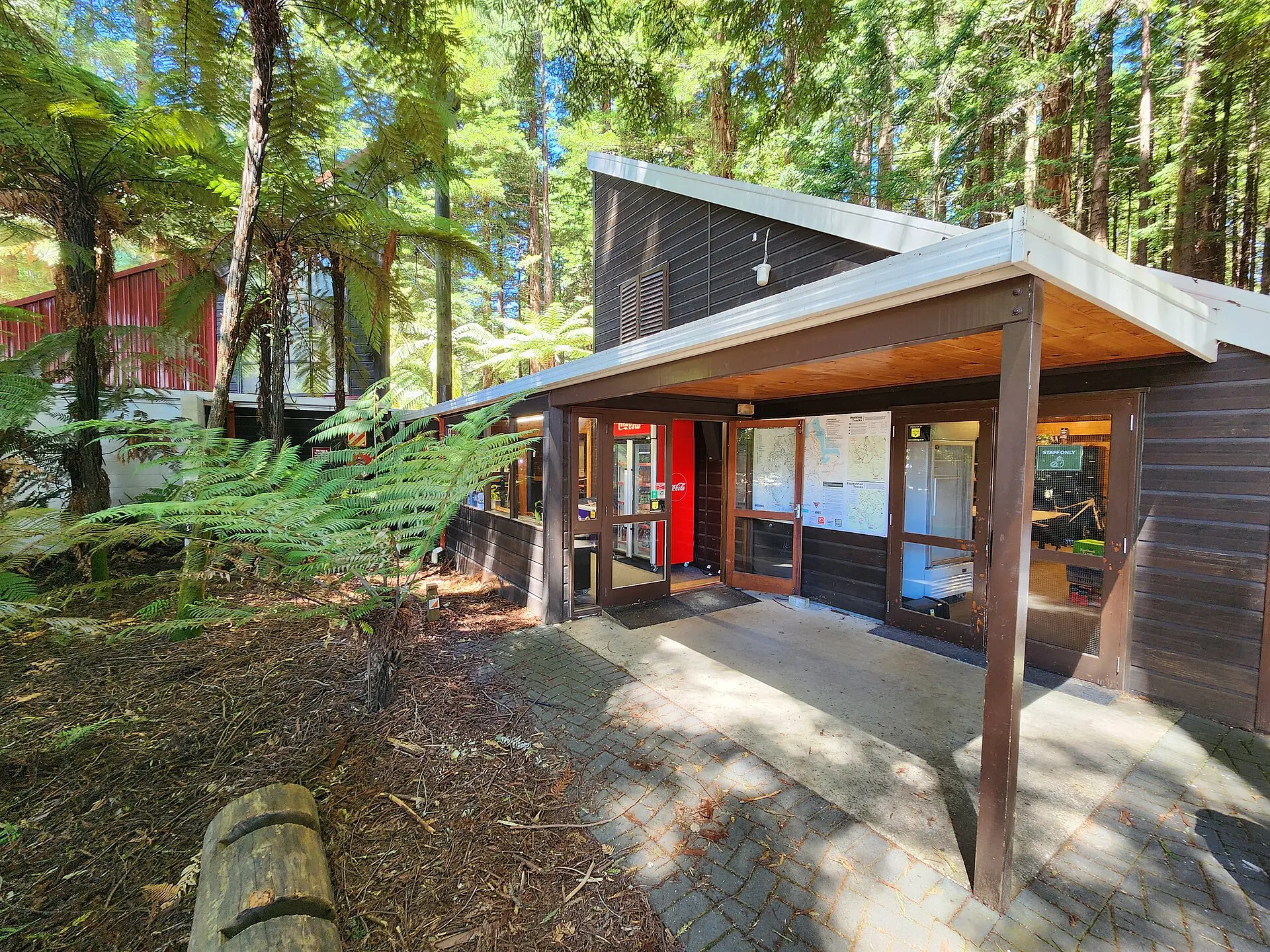
The Cityride bus, run by Baybus, is limited in routes and frequency. The main stop is at Fenton and Arawa streets, near the isite. Route 1 covers Skyline and Agrodome. Intercity coaches arrive at the isite on Fenton Street. Many operators offer pick-ups for rafting and tours. Cycling is easy, with wide verges.
To reach Rotorua from Auckland, allow about 3 hours by car, or take the coach. Air New Zealand also flies into Rotorua Airport from Auckland and Wellington. Fallback: if a flight is cancelled, Hamilton Airport is about 1.5 hours away by road.
How much does a trip to Rotorua cost?
Prices below are rough, in US dollars per person per day, and will move with exchange rates and season. Check before you go.
- Budget, around 70-110: dorm bed or basic motel share, supermarket food, free sites such as Kuirau Park, Redwoods trails and Ohinemutu, bus travel.
- Mid-range, around 150-250: private motel room, one paid thermal park or activity per day, rental car shared between two.
- High, around 300-500: hotel, guided tours, rafting, spa session, restaurant dinners.
Paid geothermal parks and the larger activities usually cost between roughly 35 and 80 USD each.
Is Rotorua worth visiting?
Yes, if you want active geothermal ground, a clearer view of Māori culture than most of the country offers and a base for outdoor sport. It is easy to reach from Auckland and most of the sites are well run.
Skip it if you are short on time and expect untouched wilderness; the centre is a tourist strip and the sulphur smell is constant. Skip the paid parks on a tight budget: Kuirau Park and the forest cost nothing. For general background, see the Rotorua overview on Wikipedia or the Wikivoyage Rotorua guide.
FAQ about Rotorua
How many days do you need in Rotorua?
Two full days cover one or two geothermal sites, the forest and an adventure activity such as the Kaituna rafting run. Add a third day for a day trip to Hobbiton or Taupō, or to keep a buffer for rain.
Why does Rotorua smell?
The city sits inside an active volcanic caldera, and hydrogen sulphide gas escapes from vents and hot springs. It smells like rotten eggs. It is strongest near thermal areas and on still days. Leave any area that makes you dizzy.
Is Rotorua safe to visit?
Mostly yes. Risks are mainly physical: boiling water and unstable ground near vents, so stay on marked paths. Petty theft from parked cars happens, so do not leave valuables inside, and avoid Kuirau Park after dark, where crime has been reported.
Can you swim in the lakes around Rotorua?
Some lakes are used for swimming and water sports, but conditions vary. Water quality can change with algae blooms and heat. Never swim in thermal pools that are not signed as safe, and keep your head out of untreated hot water because of infection risk.
Is it better to drive or take the bus from Auckland to Rotorua?
Drive if you plan to see more than the town: the driving time is around 3 hours, and you will need the car for remote sites. Take the bus if you are staying central, since Intercity drops you at the isite.