The best things to do in Quito sit within a few square kilometres of the Old Town, with the cable car, the equator monument and a big market within a half-day of it. If you only have one day, spend the morning in the historic centre (Plaza Grande, La Compañía, San Francisco) and the late afternoon on the cable car, when the clouds usually lift. At 2,850 metres, pace is part of the plan: shorter blocks, slow stairs, more water.
Best time to visit Quito
Quito sits near the equator, so temperature barely moves across the year. What changes is rain. The drier months run roughly June to September, and wetter weather arrives in the rest of the year, usually as afternoon showers. Mornings are typically clearer, so put your outdoor stops there.
| Season | Weather | Crowds and prices | Good for |
|---|---|---|---|
| Dry (Jun-Sep) | Sunny days, cool nights | Busiest, higher prices | Cable car views, volcano day trips |
| Wetter (Oct-May) | Mild days, afternoon showers | Quieter, better deals | Churches, museums, markets |
| Holidays (Dec, Easter) | Variable | Local crowds, processions | Cultural events |
Top things to do in Quito
1. Plaza Grande (Independence Plaza)
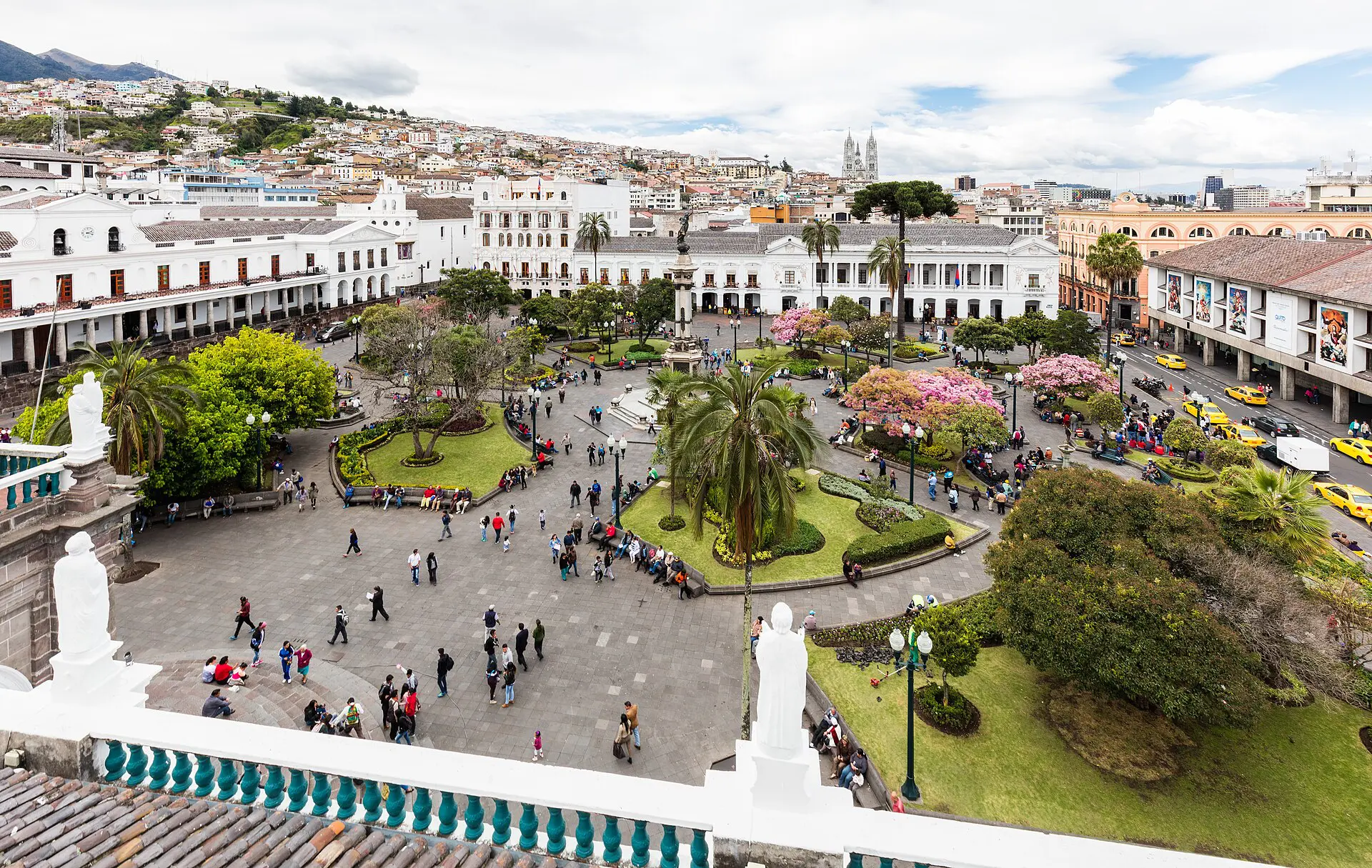
Begin here. The plaza is flanked by the Presidential Palace, the Archbishop’s Palace and the city hall, and the ordinary scene of the square is half the point: office workers, shoeshiners, musicians in the evening. Give it 30 minutes. Police are present throughout, and it is generally considered one of the safer spots in the centre, though keep bags closed in crowds. Arrive first, because it sets the geography: every other Old Town stop is a short walk from here.
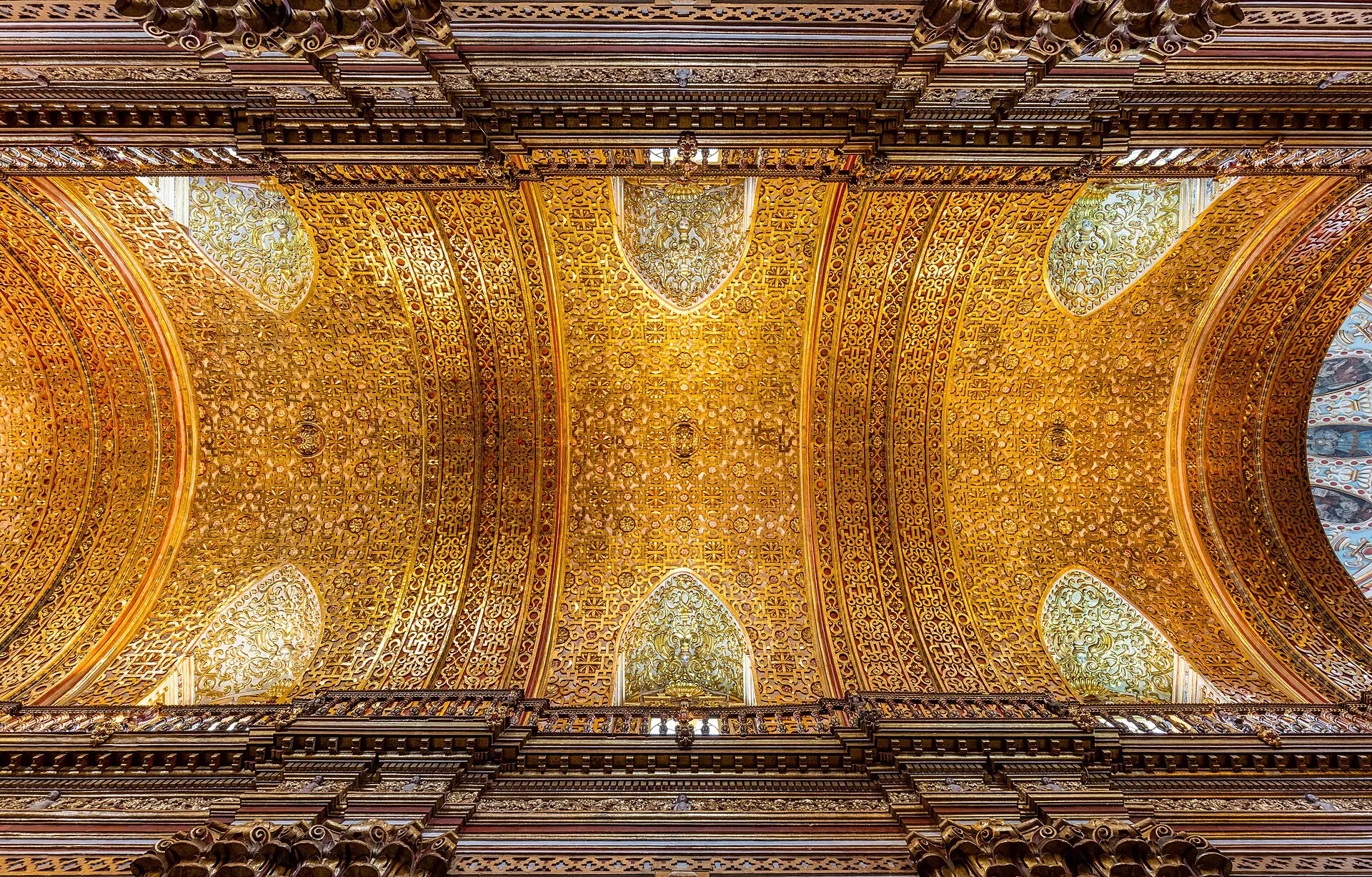
2. La Compañía de Jesús
The Jesuit church is the finest interior in the city, with carved and gilded surfaces from floor to ceiling. Allow 30 minutes. Photography rules vary, so check at the door. Visit in the morning for fewer tour groups, and note the church usually charges a modest entry fee, which you should confirm before queueing. Bags may need to be left outside, so travel light.
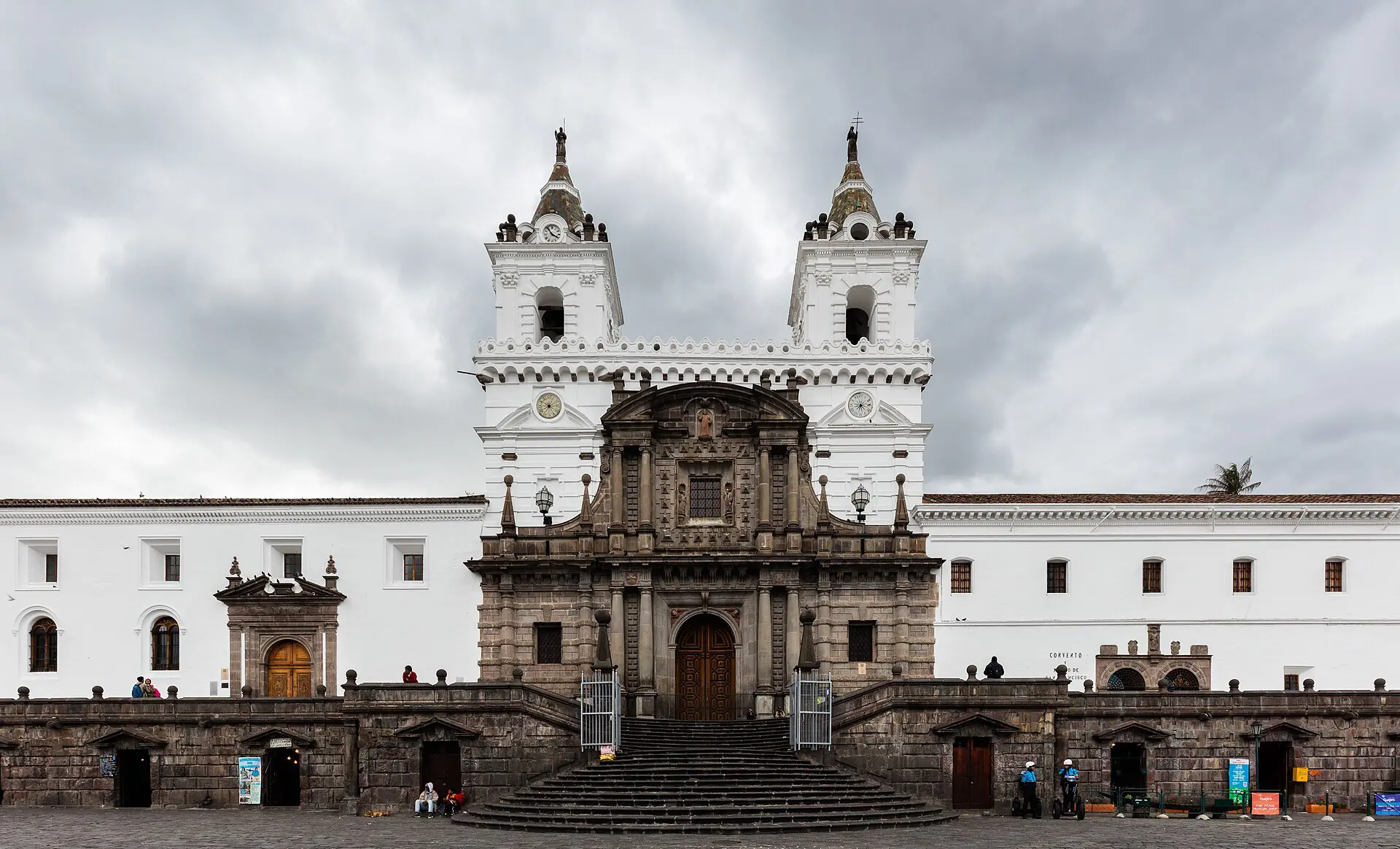
3. San Francisco Church and Convent
One of the oldest and largest colonial complexes in the Americas, standing on a broad plaza that is a good place to watch local life. The church and museum take about 60 minutes. Look for the Quito School paintings and sculpture, a blend of European and Andean styles that sets the city’s colonial art apart. The plaza outside is also a pleasant place to sit for ten minutes and let your breathing settle before the next climb.
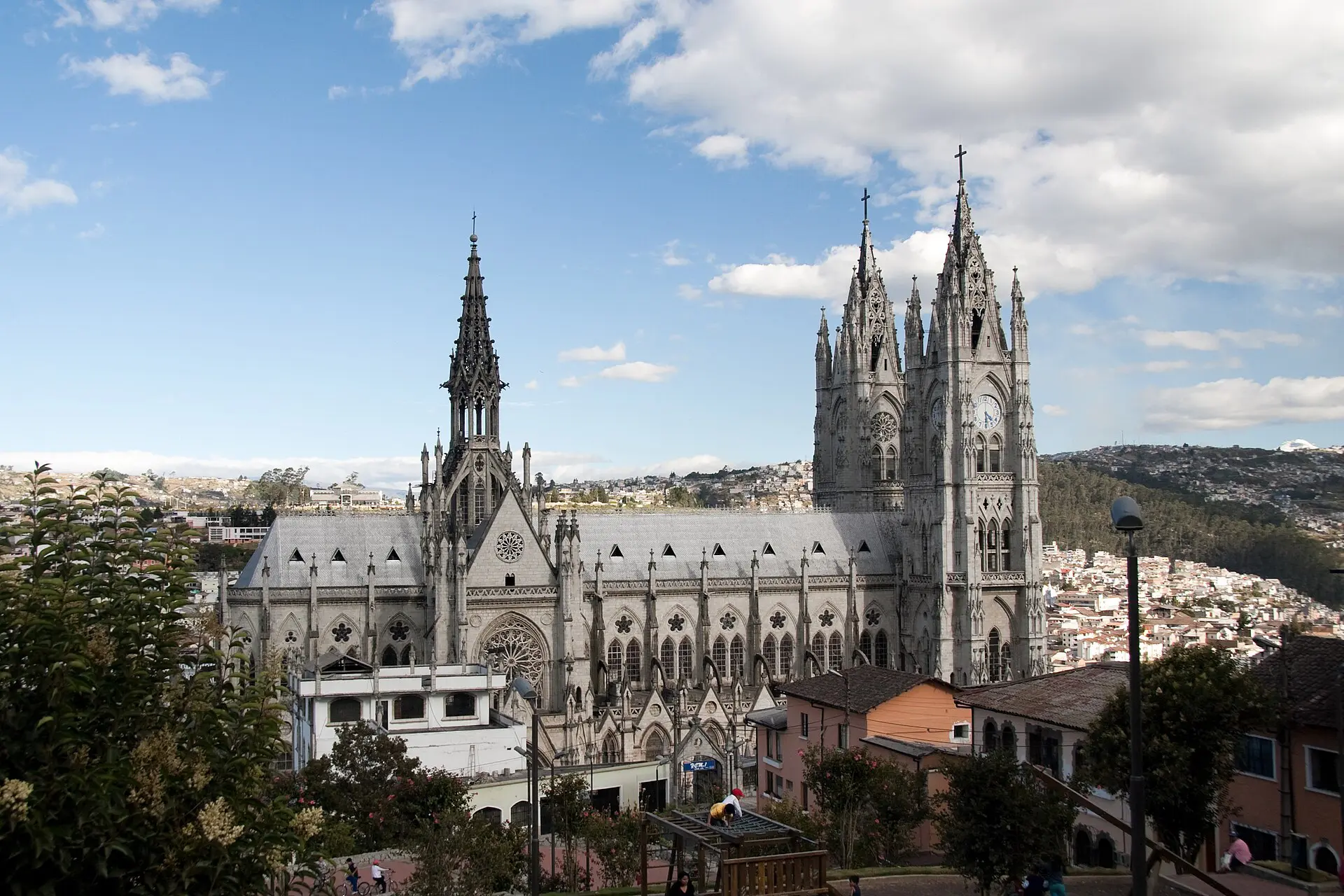
4. Basílica del Voto Nacional
A neo-Gothic basilica whose gargoyles are Ecuadorian animals, such as tortoises and iguanas. Climb the towers for a roof-level view of the old centre, using narrow stairs and ladders, so allow 45 minutes and avoid if you are unsteady or unwell at altitude. Opening hours and tower access change, so check before you go.
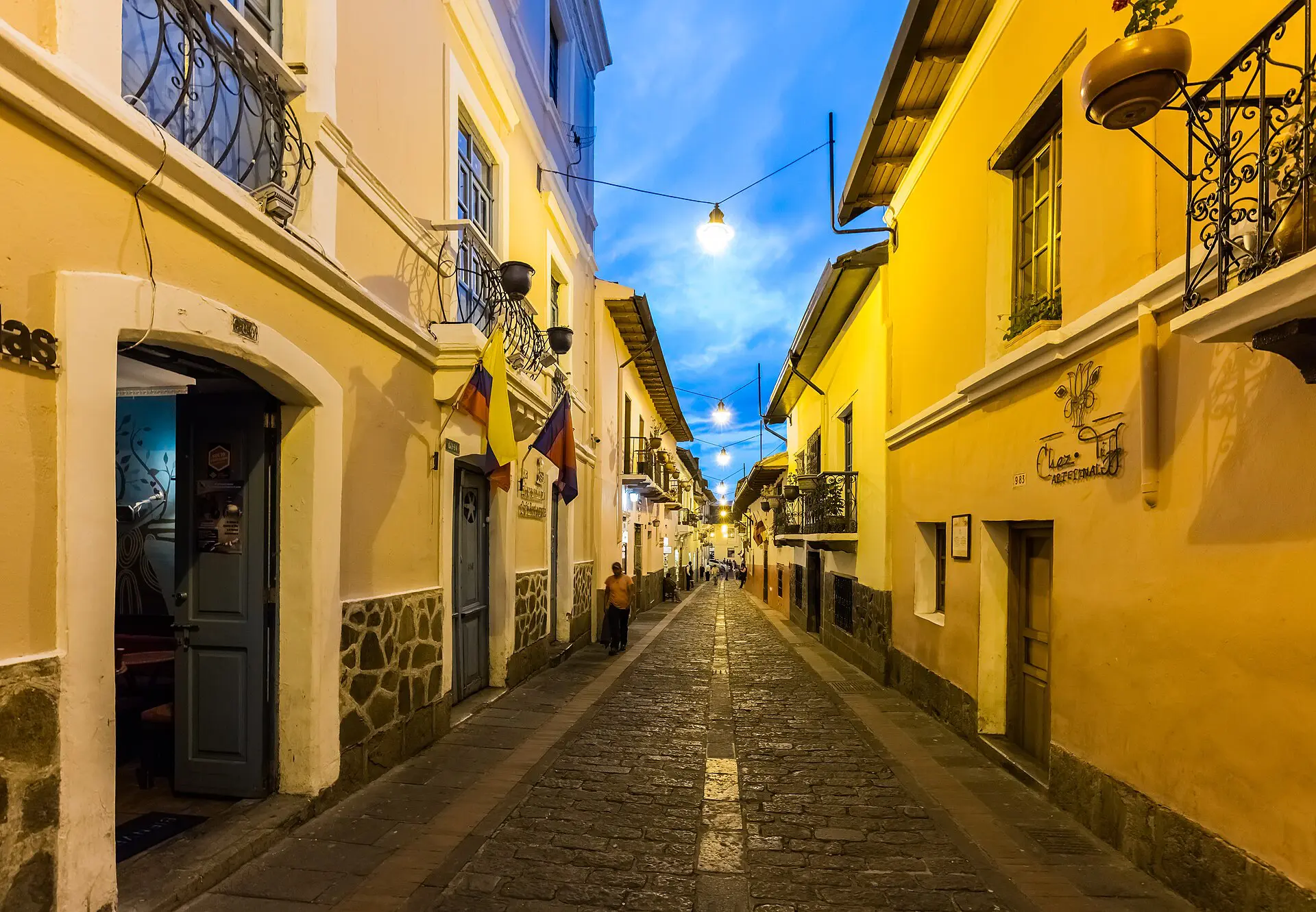
5. La Ronda street
A narrow, restored colonial street with balconies, small workshops and cafes. It is best late afternoon into early evening, when it is lively but not packed, and music often spills out of the doorways. Allow 45 minutes. Pick a side-street cafe rather than the first one you see for a calmer coffee, and keep valuables out of sight after dark. If you want dinner here, book ahead on weekends, because the street is a favourite with locals.
6. El Panecillo and the Virgin of Quito
A hill with a large winged statue of the Virgin, overlooking the old centre. The views are the draw, though the hill has a reputation for petty crime when approached on foot. Use a taxi or tour for both directions rather than walking up. Allow 45 minutes, and go in the morning for the clearest air. The statue itself is the point of the visit; the view across the red-roofed centre and the surrounding volcano ridges is what justifies the detour.
7. TelefériQo cable car
The cable car climbs the Pichincha volcano slopes to around 4,000 metres. It is the single biggest altitude jump of your trip, so go after at least two days of acclimatising, and wear layers. Plan two to three hours including the ride. Morning clouds often build by midday, so go early, ideally on a weekday to avoid queues. Bring a hat, sunscreen and a warm layer, since conditions change fast, and turn back if you feel dizzy or short of breath.
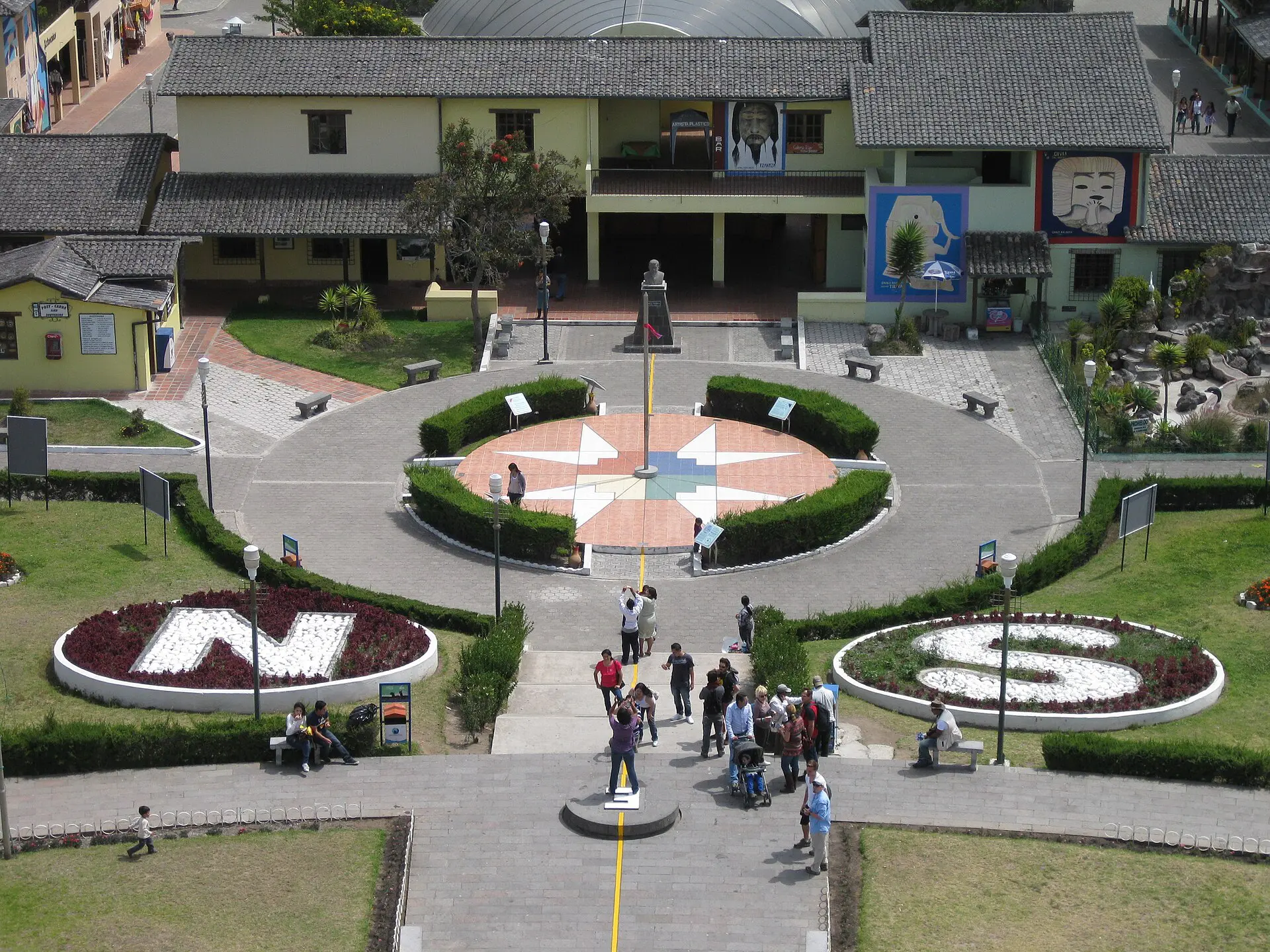
8. Mitad del Mundo and the equator museums
The equator monument sits outside the city, about an hour away by bus, taxi or tour. Allow half a day. The quirky site-museums nearby are more enjoyable than the monument itself. Note the line marked at the main monument is not the exact equator, so treat the visit as a good story, not as science. If you only have one half-day free, a different stop in the centre usually gives you more culture per hour.
9. Museo de la Ciudad
A concise introduction to the city’s history, in a former hospital close to La Ronda. It runs about 60 to 90 minutes and gives context to the colonial centre. If you have time for only one museum in the Old Town, this is the clear choice, particularly in rain. Confirm opening days, as museums often close on Mondays. Pair it with a walk along La Ronda, which is a few minutes away.
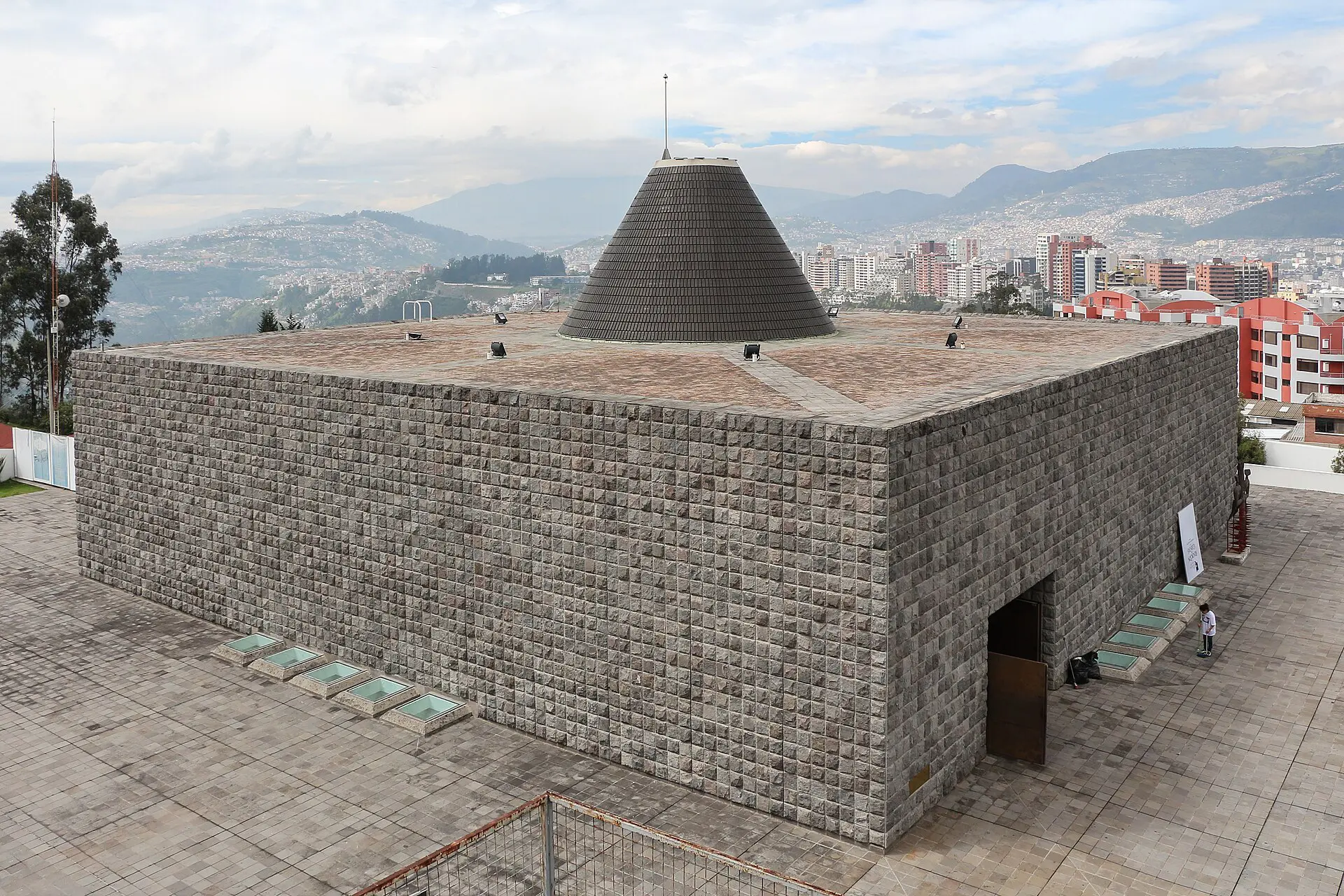
10. Capilla del Hombre and Guayasamín’s house
The chapel and museum honour Oswaldo Guayasamín, Ecuador’s best-known modern painter, whose work deals with suffering and humanity. They sit in the hills above the centre, so go by taxi. Allow about two hours. This is the strongest modern-art stop in the city for anyone willing to leave the Old Town. The paintings are large and emotionally direct, so it works best when you are not rushed. Check opening days before you set out.
11. Mercado Central and street food
A covered market in the Old Town, good for a casual lunch, juices and local soups. Go at midday for the full range, and eat where the turnover is high. Take small bills. It is a worthwhile 45 minutes if you prefer food to museums, and it puts you back near the plaza for the afternoon. Wash or sanitise hands, and stay with cooked dishes if your stomach is still adjusting.
12. Parque La Carolina and the Botanical Garden
The city’s main park in the modern north is where Quiteños walk, jog and rent bikes, with a botanical garden inside. It makes a gentle half-day after the intense Old Town, particularly at weekends. It also lets you breathe at altitude without climbing anything, and the surrounding district has plenty of cafes. It is also a sensible stop on a rainy-season day, because you can leave quickly when a shower starts.
Day trips from Quito
Otavalo market
The famed indigenous textile and craft market, about two hours north. The largest day is Saturday. Go with a tour or take a bus, set out early, and bargain politely. A full day.
Cotopaxi National Park
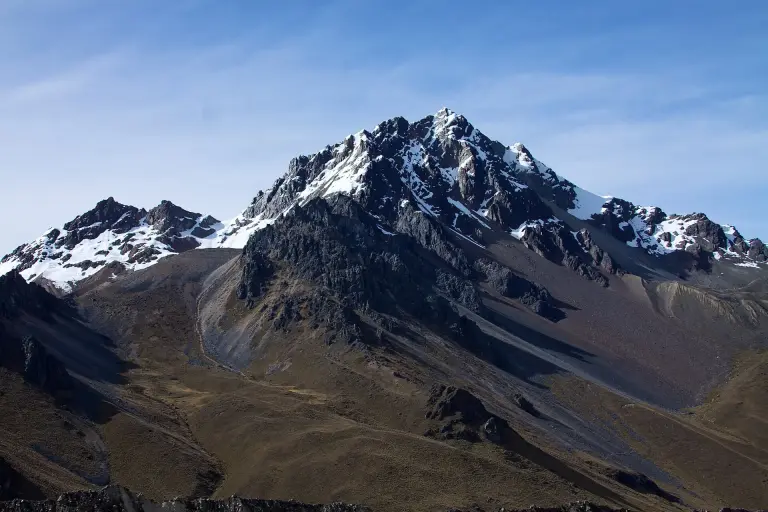
A snow-capped volcano south of the city with high-altitude walking and viewpoints. Weather decides what you see, and the altitude is demanding, so book a guide and consider it only after you have acclimatised. A full day.
Mindo cloud forest
A lower, warmer cloud forest northwest of the city, known for birds, butterflies and waterfalls. It is the standard answer when you want a break from altitude. A full day, or an overnight stay.
Where to stay in Quito
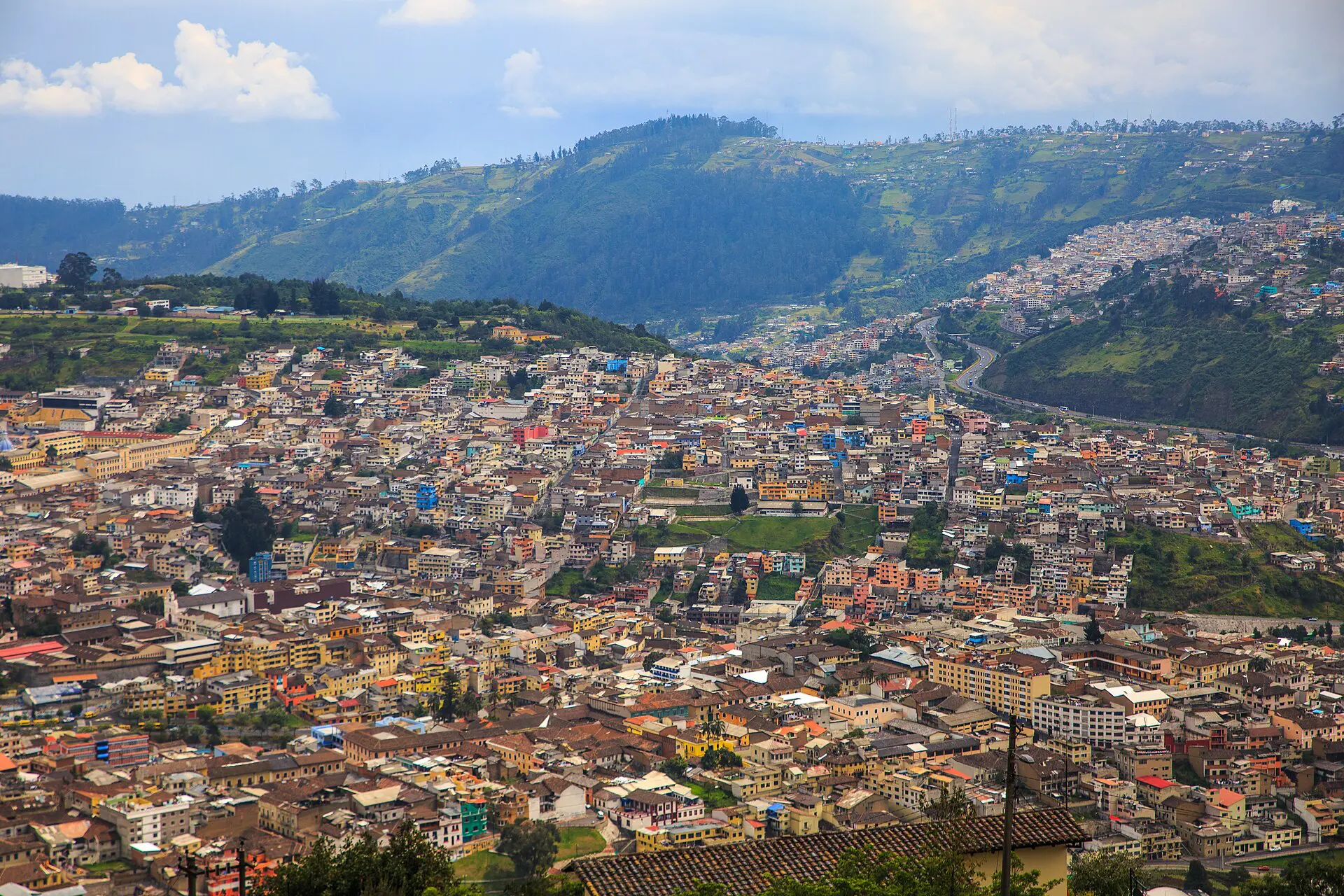
- Old Town (Centro Histórico): best for culture. You walk to the plazas and churches, but it is quiet at night and you should take taxis after dark.
- La Mariscal: the traveller district, with restaurants, bars and many hostels. Busy and convenient, but watch belongings at night.
- La Floresta: a calmer, creative neighbourhood with cafes and small galleries. Good for a quieter base.
- La Carolina: modern hotels and business towers beside the park. Comfortable, though less atmospheric.
Getting around Quito
Quito is long and thin, so distances add up. A metro line now serves the centre and the north, and buses and trolley lines run the main corridors. Taxis and ride-hailing are cheap by international standards and the safest choice at night. The Old Town is walkable, though slopes tire you quickly at 2,850 metres. The airport is east of the city, roughly 45 to 60 minutes by road. The Wikivoyage Quito page has transport details.
How much does a trip to Quito cost?
Ecuador uses the US dollar. Rough daily budgets per person, excluding flights, as of 2026. Check before you go.
- Budget: around $35-55. Hostel bed, set lunches, buses, a couple of paid entries.
- Mid-range: around $80-140. Comfortable hotel, taxis, a restaurant dinner, a guided day trip.
- High: $200 and up. Boutique hotel, private guides, private transfers.
Is Quito worth visiting?
Yes, for anyone who wants colonial architecture, easy-to-reach volcano scenery and a manageable city break at a low price. Two full days is enough for the centre plus one excursion. Skip it if altitude is a concern for your health, or if you want beaches and relaxed night walks; Quito rewards early starts and caution after dark. See the Quito overview for historical context.
FAQ about Quito
How high is Quito?
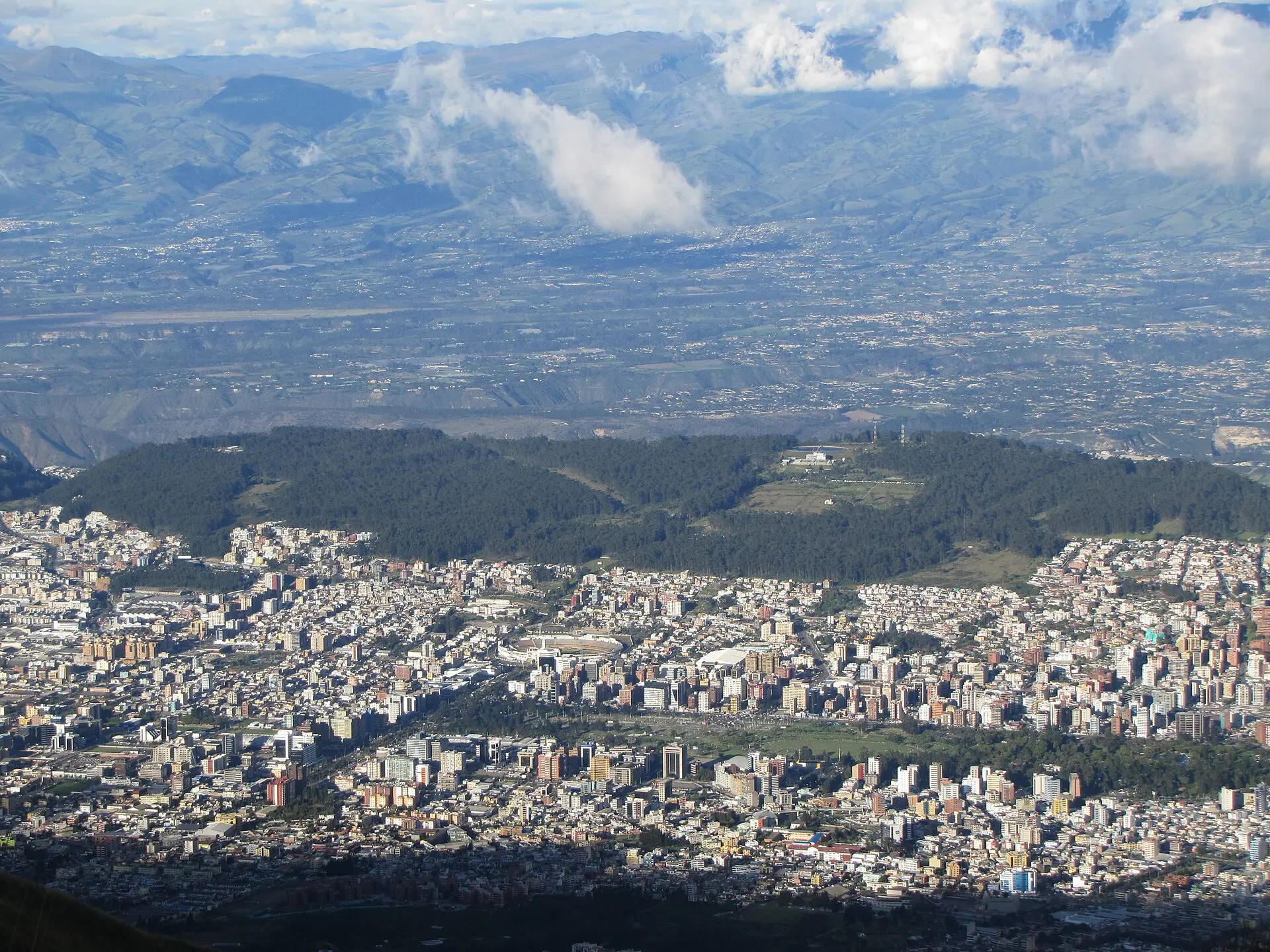
Quito’s elevation is about 2,850 metres (9,350 feet), making it one of the highest capital cities in the world. Many visitors feel mild altitude symptoms for a couple of days. Drink water, go slowly and avoid heavy meals and alcohol at first.
How many days do you need in Quito?
Two days covers the Old Town and one major excursion. Three days adds the cable car, a museum or two and a half-day trip. Add more only if you plan volcano walks or a market day at Otavalo.
Is Quito safe for tourists?
Quito is manageable with ordinary precautions. Petty theft is the main concern, especially on hills and in crowds. Use taxis after dark, keep phones out of sight, and check your government’s travel advice before departure.
What is the weather like in Quito?
Spring-like all year, with cool nights and mild days. Mornings are often clear and afternoons wetter. Pack layers and a rain jacket, and expect it to feel colder at higher viewpoints.
Do you need Spanish in Quito?
Basic Spanish helps, especially in markets, taxis and small restaurants. English is more common in tourist areas, hotels and tours. A translation app and a few polite phrases go a long way.