The best things to do in Fukuoka are edible, and most of them are cheap. This port city on Hakata Bay is the gateway to Kyushu, and it is known for tonkotsu ramen, open-air yatai stalls, spicy cod roe and offal hotpot. If you are asking what to do in Fukuoka Japan beyond eating, there are shrines, a castle park and easy day trips too. But plan each day around meals, because that is how the city works.
Best time to visit Fukuoka
Spring and autumn are comfortable for walking and sitting at outdoor stalls. Summer is hot and humid, and winter is mild by Japanese standards, with ramen at its best. Check current weather before you book, as conditions vary year to year.
| Season | Weather | Crowds and prices | Good for |
|---|---|---|---|
| Spring (Mar-May) | Mild, some rain | Busy around Golden Week | Parks, yatai, day trips |
| Summer (Jun-Aug) | Hot, humid, rainy early | Festival crowds in July | Cold noodles, seaside, festivals |
| Autumn (Sep-Nov) | Warm to cool, typhoons possible early | Moderate | Walking, seafood, shrines |
| Winter (Dec-Feb) | Cool, often grey | Quiet; lower hotel rates | Ramen, motsunabe, hotpots |
The Hakata Gion Yamakasa festival is held in July and brings crowds to the old merchant quarter. Book rooms well ahead if you plan to attend.
Top things to do in Fukuoka
1. Eat at a yatai food stall
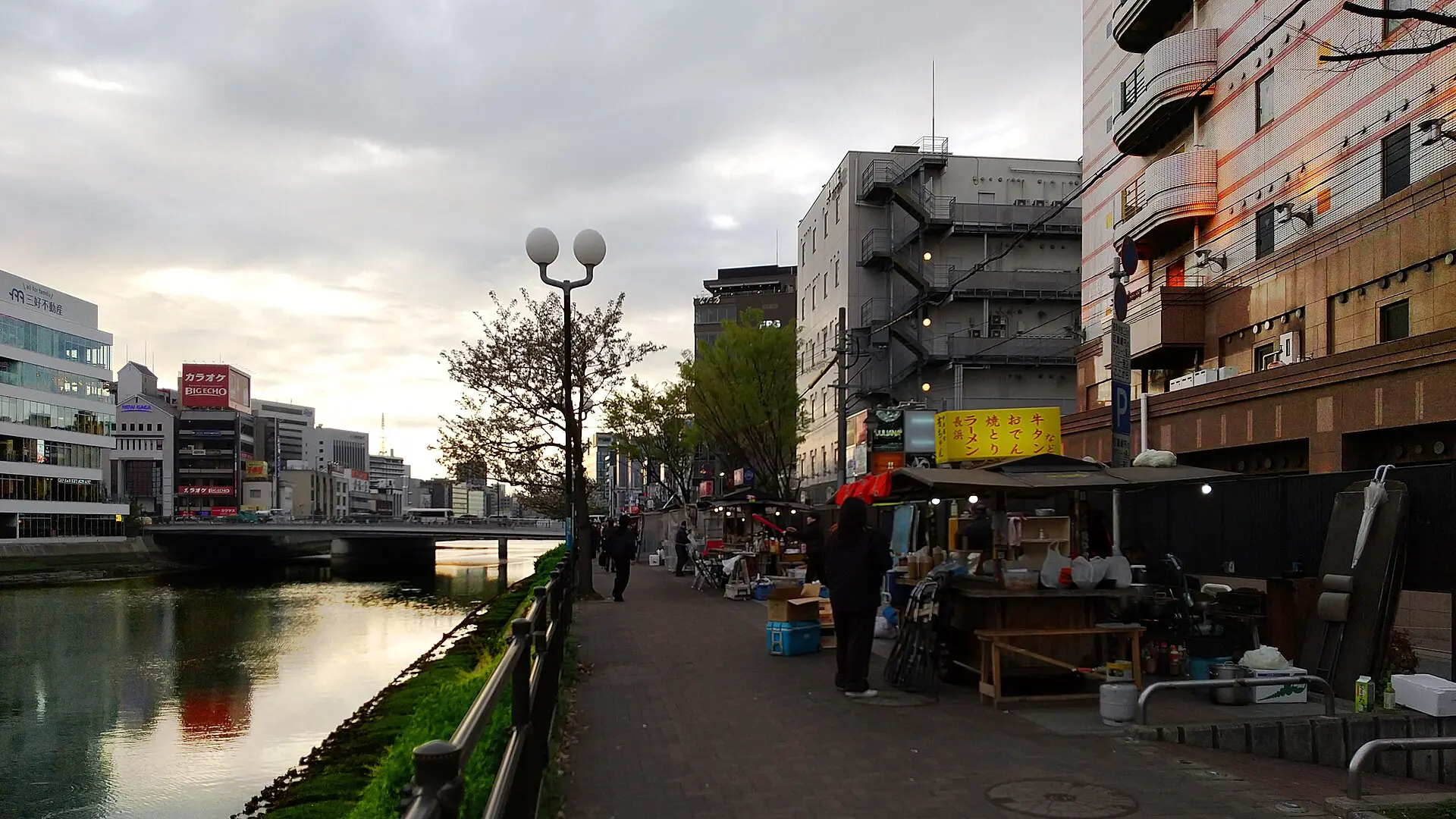
Yatai are open-air stalls with a counter of six to eight seats, set up each evening along the river in Nakasu, in Tenjin and by the Nagahama area. They serve ramen, yakitori, oden, tempura and grilled seafood. Arrive around 18:30 to 19:00, before the queues build, and order a drink with your first dish. Pay at the end, keep your stay to about an hour, and say hello to your neighbours. A few dishes plus a drink typically costs 20-35 USD.
2. Order a bowl of Hakata tonkotsu ramen
Hakata ramen is made with a milky pork-bone broth, thin straight noodles and a topping of scallions and sliced pork. Most shops use a ticket machine: buy your ticket, hand it over and choose the noodle firmness. If you finish the noodles but still have broth, order kaedama, an extra serving of noodles, and drop them into the bowl. Slurping is normal. A bowl typically costs 7-10 USD. Eat it late in the evening, as locals do after drinks.
3. Walk through a morning fish market
Fukuoka’s fish markets supply restaurants with seafood from Hakata Bay and the seas around Kyushu. Retail areas and market-side eateries are the easier option for visitors. Go early, before 10:00, when counters are fullest. Look for sea bream, mackerel, squid and sea urchin, and ask whether a stall has a small eating counter. Respect working lanes, and do not handle fish unless invited. A set meal of sashimi with rice usually costs 10-20 USD.
4. Taste mentaiko, the spicy cod roe
Mentaiko is pollock roe marinated in chilli and is one of Fukuoka’s signature foods. You will see it in tubes, on rice, folded into omelettes, tucked into onigiri and tossed with pasta. Shops sell it as a gift, and department store food halls often offer samples. Buy a small chilled pack and eat it within a day or two, or ask the shop about its travel packaging. A rice ball with mentaiko costs about 2-4 USD.
5. Try motsunabe, the offal hotpot
Motsunabe is a hotpot of beef or pork small intestine, cabbage, chives and garlic in a soy or miso broth. It is richer and more unusual than ramen, and surprisingly mild. Order it for two or more people in the evening, add a bowl of noodles or rice porridge at the end to use the broth, and pair it with beer. Expect around 15-30 USD per person. If offal is a hard no, look to the chicken hotpot instead.
6. Compare mizutaki and yakitori
Chicken is a Fukuoka staple. Mizutaki is a simple chicken hotpot in a clear broth, eaten with ponzu sauce and finished with rice or noodles. Yakitori here includes unusual cuts, like grilled crispy chicken skin and pork belly skewers. Order a few skewers at a time, say “tare” or “shio” for sauce or salt, and keep the skewers tidy on the plate. A casual dinner runs about 20-40 USD with drinks.
7. Eat soft udon in Hakata
Hakata udon is a soft, springy noodle in a light, sweet broth, quite unlike the chewy style found in other parts of Japan. It is an easy, cheap lunch that works well between heavier meals. Try it with fried tofu or burdock tempura, which are standard toppings. A bowl typically costs 4-7 USD. Go before noon on weekdays, when office workers fill the counters, and eat quickly as locals do.
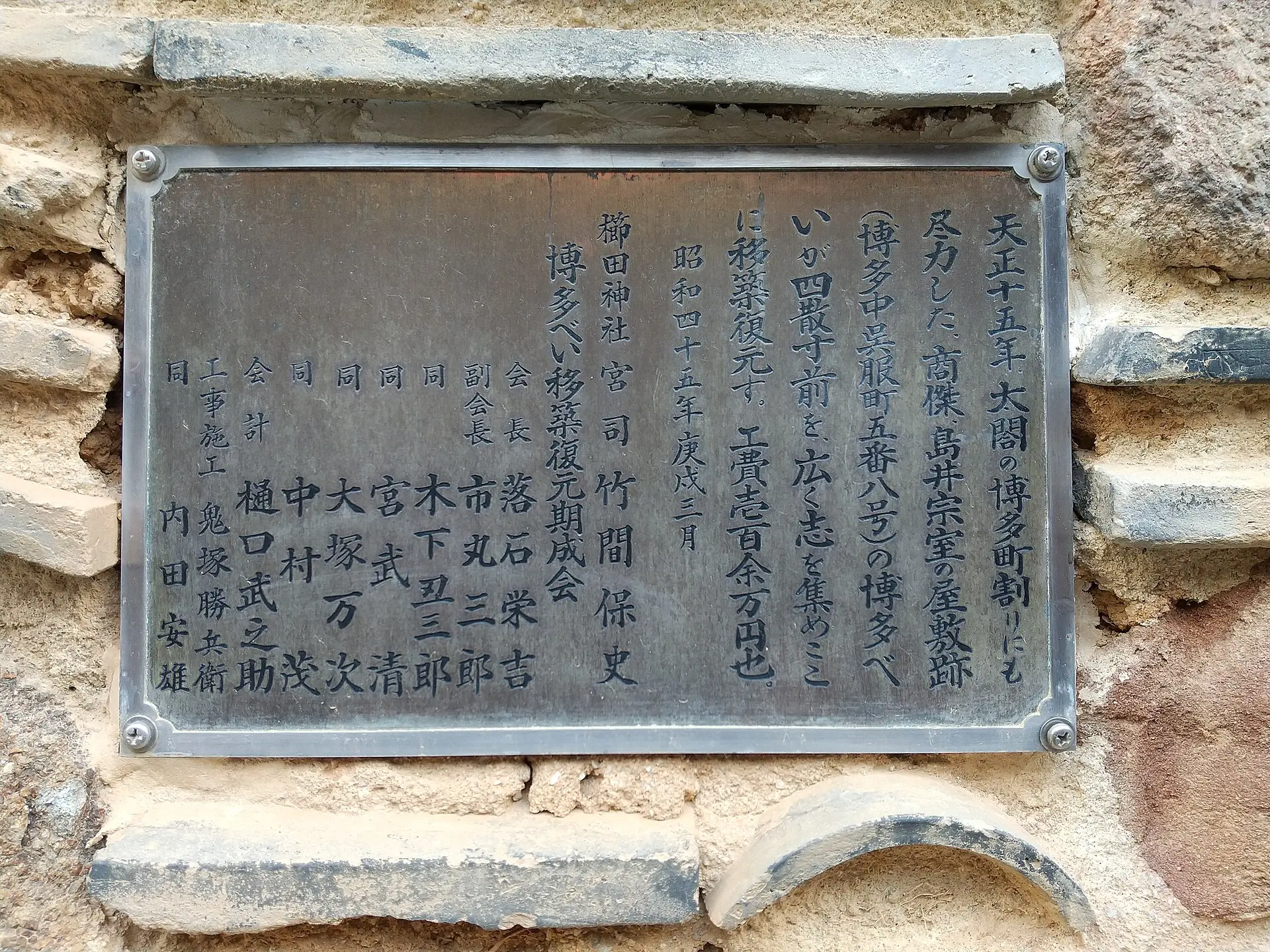
8. Visit Kushida Shrine
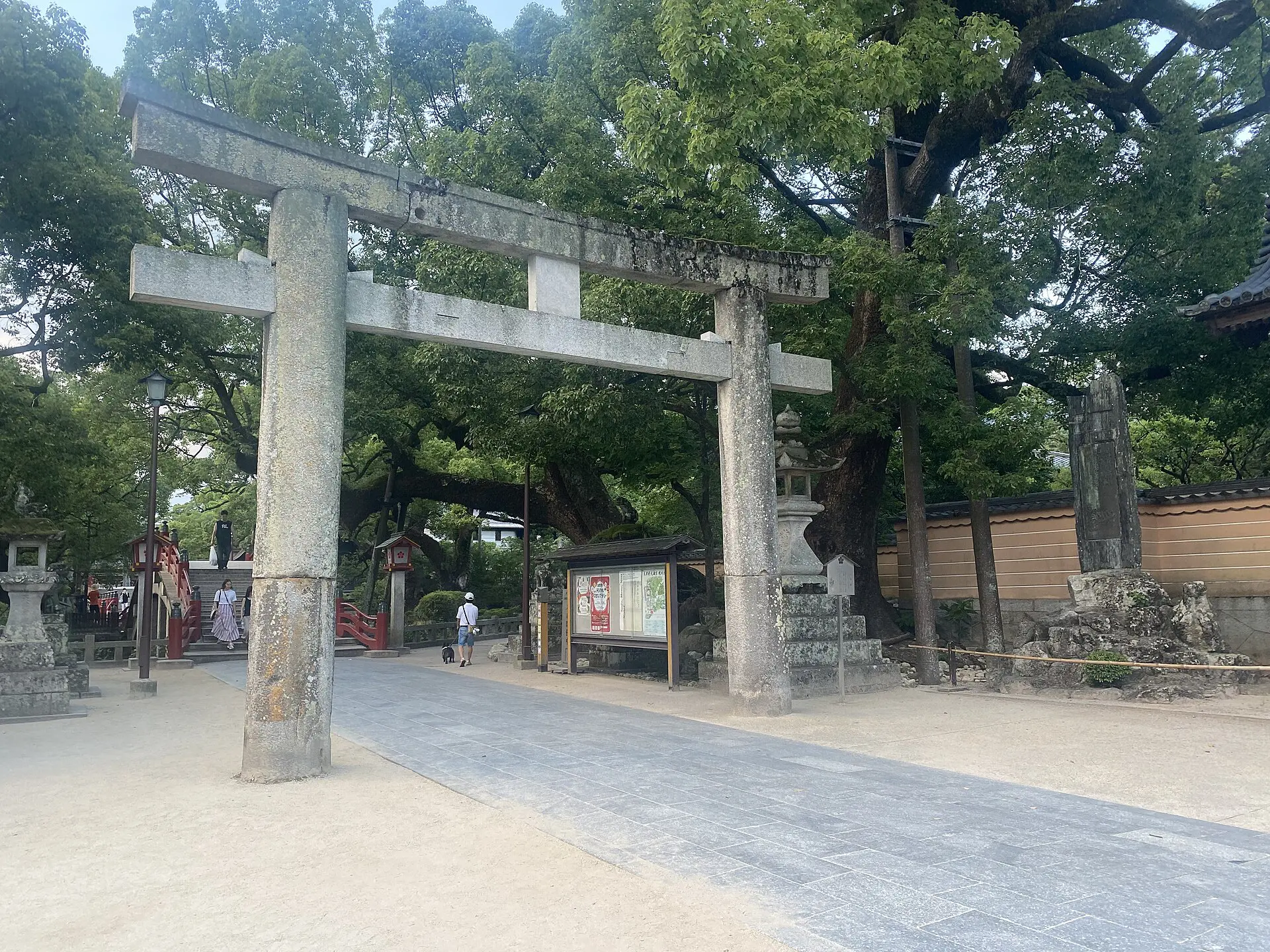
Kushida Shrine is the old Hakata merchants’ shrine, and it houses the floats used in the July Yamakasa festival. It sits in the old Hakata quarter, an easy walk from the station and the riverside food streets. Visit in the morning, drop a small coin in the offering box, bow twice, clap twice and bow again. Entry to the grounds is free, and the shrine is a gentle pause between meals.
9. Look around Tochoji Temple
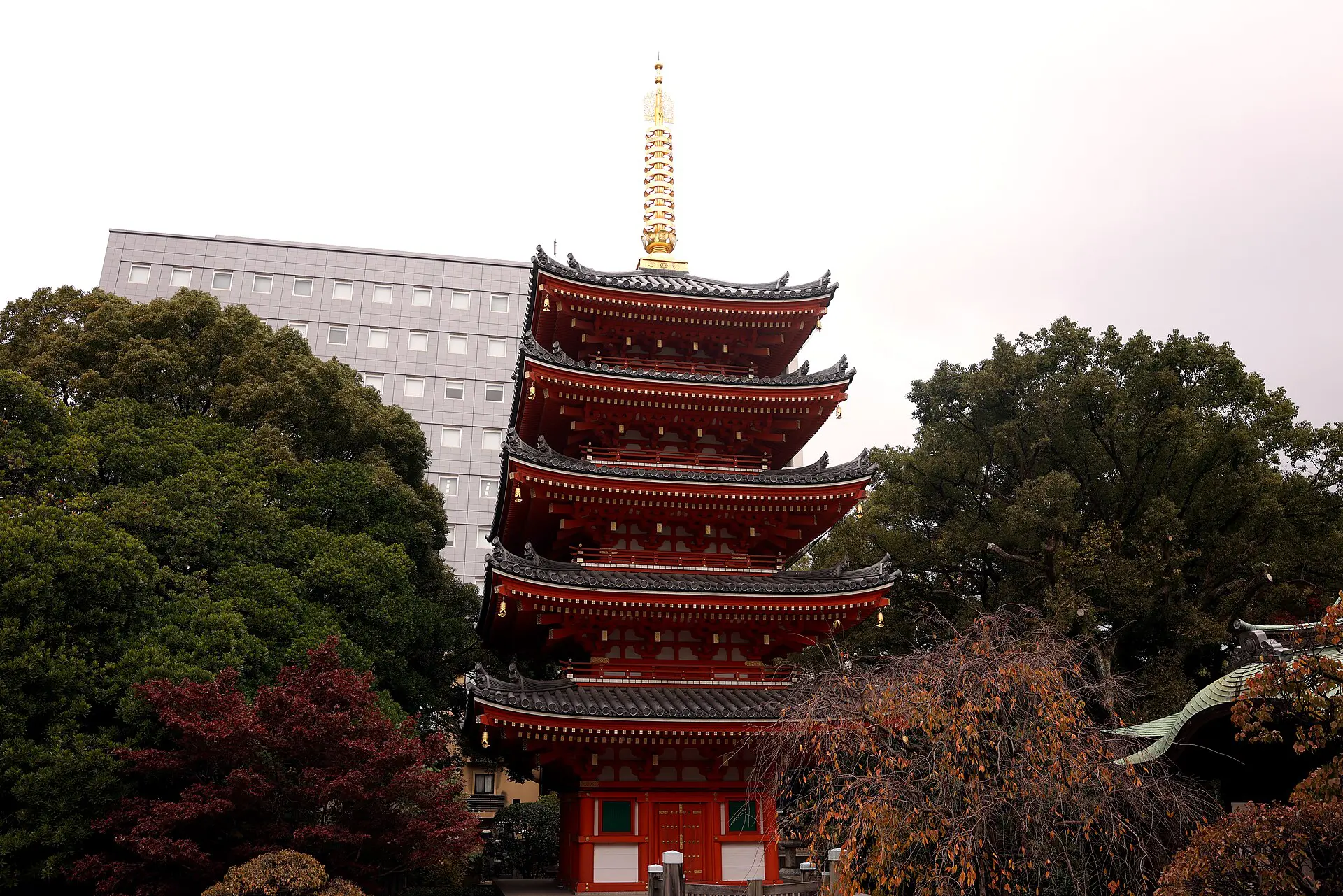
Tochoji is a Buddhist temple in Hakata, known for its large wooden Buddha. It is quiet and compact, and worth about 30-45 minutes. The area around it has old lanes, small shops and local cafes. Remove shoes where signs ask, keep voices down, and check the opening hours and entry fee before you go. Pair it with Kushida Shrine and a stroll for a morning of old Hakata.
10. Sit in Ohori Park
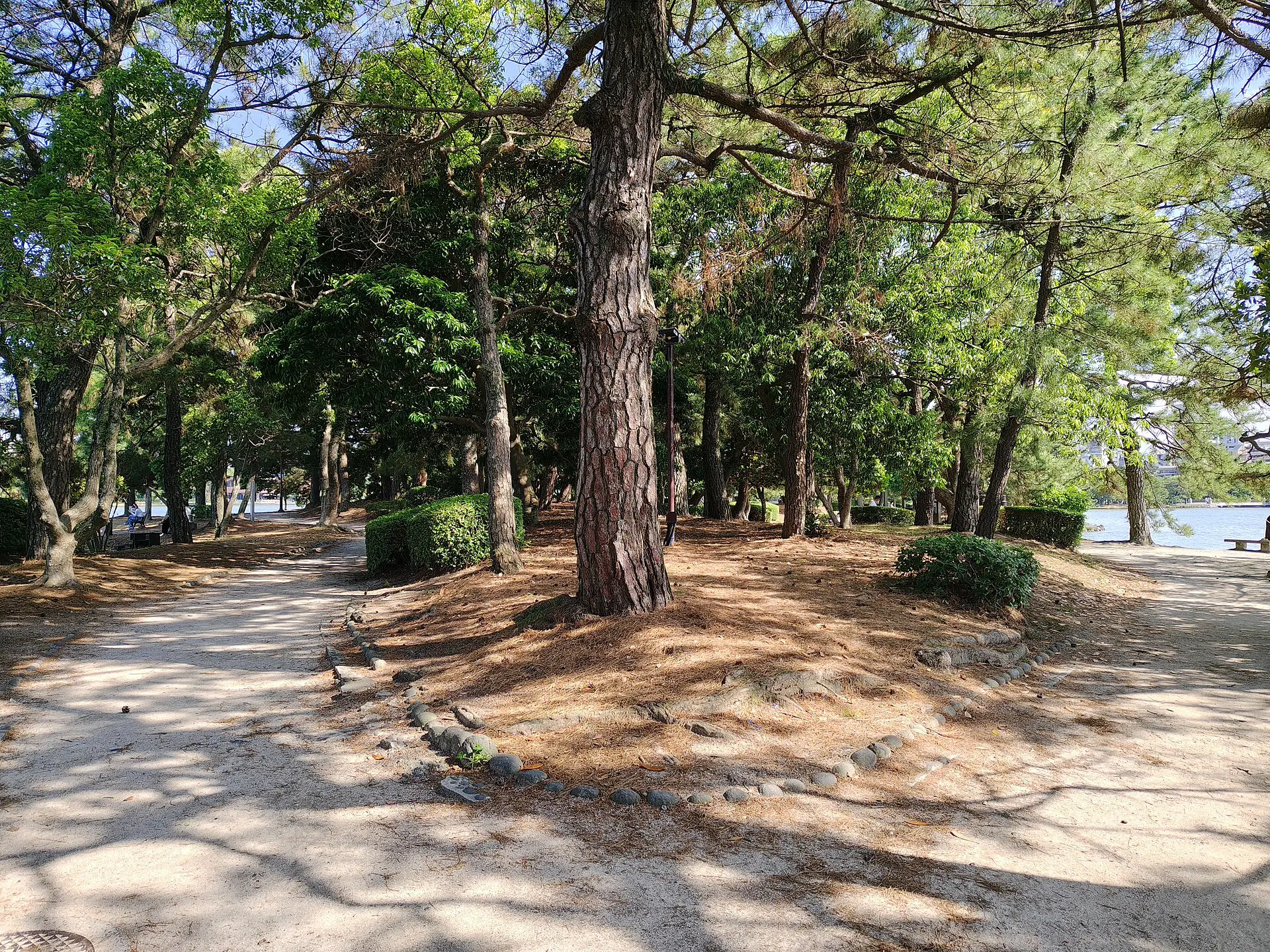
Ohori Park is a large lake park in the middle of the city, with a loop path of about two kilometres, islands and bridges. It is a good place to digest after a heavy meal. Buy a canned coffee or a bento from a nearby convenience store, find a bench and watch the runners and rowing boats. Mornings are quiet, and evenings are cooler in summer. Entry to the park is free.
11. Explore the Fukuoka Castle ruins
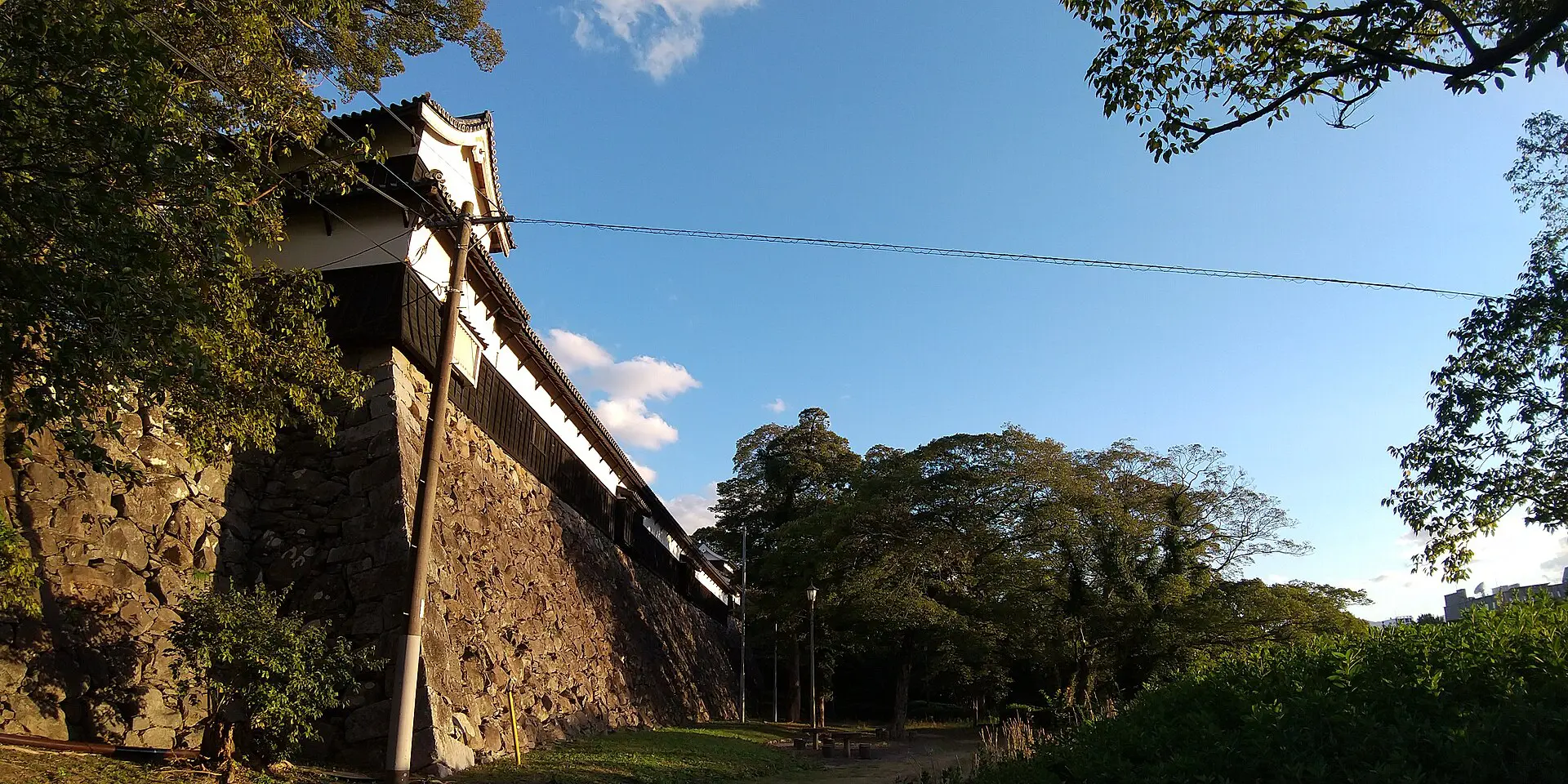
Next to Ohori Park, the grounds of the old Fukuoka Castle keep stone walls, gates and turrets, and from the high ground you get views of the city. The castle was founded after the Kuroda clan built the new town in 1600. Fukuoka takes its name from that moment. Go in spring if you can, when cherry blossoms often line the paths. Expect a walk of one to two hours, and wear comfortable shoes for the stone steps.
12. Go up Fukuoka Tower and see a baseball game
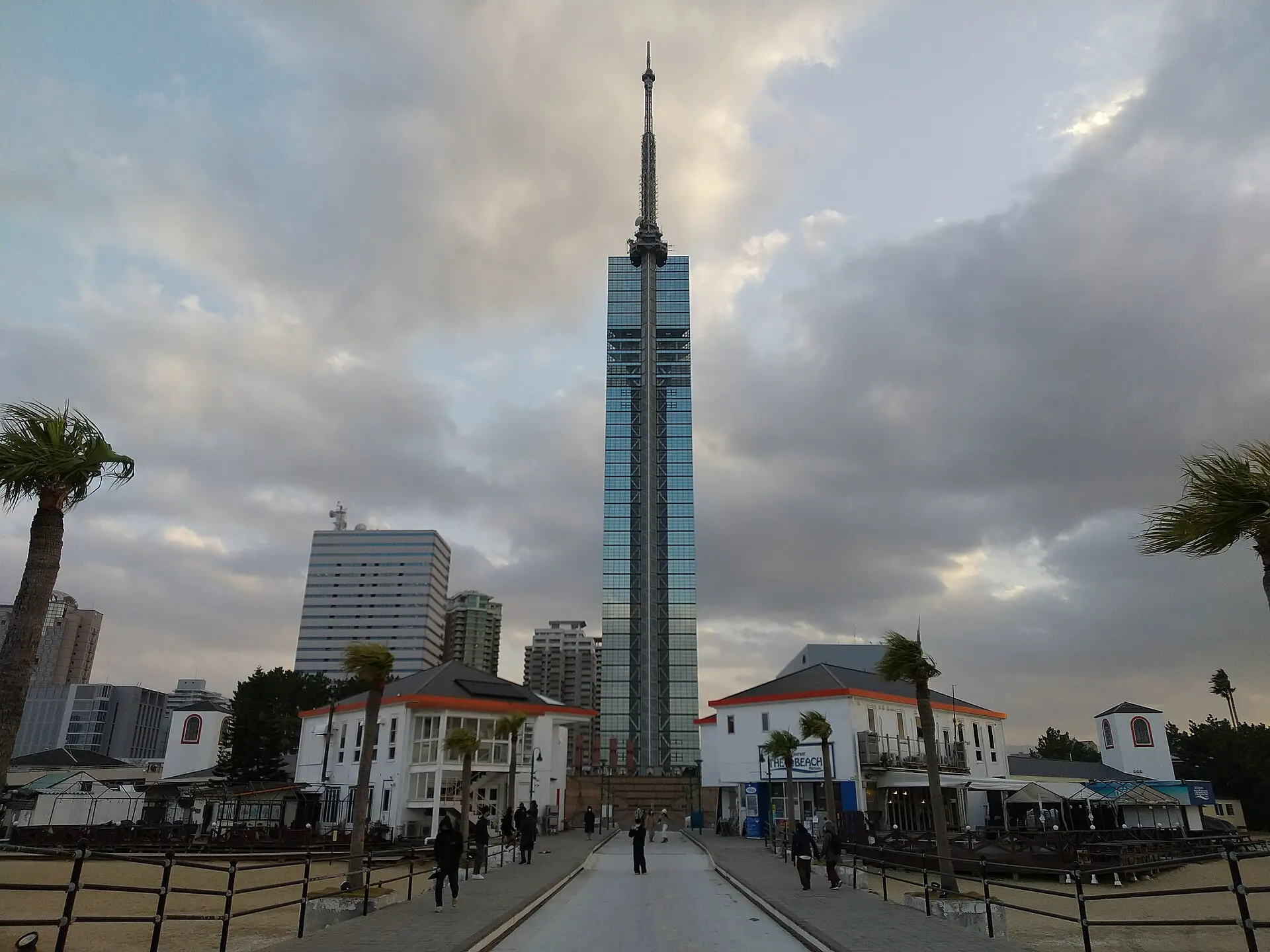
Fukuoka Tower stands at Momochi seaside, in the Nishijin area, close to the baseball ground used by the Softbank Hawks. Go up at dusk for a view over Hakata Bay, then walk the beach promenade. If the Hawks are playing at home, a game is a social, food-filled evening, with stands selling beer, fried chicken and bento. Check the schedule and buy tickets ahead. I would skip the tower at midday on a hazy day.
Day trips from Fukuoka
Dazaifu
Dazaifu is a short train ride away, and its Tenmangu shrine honours Sugawara no Michizane, the god of learning, and draws students. Along the approach, try umegae mochi, a grilled rice cake filled with sweet bean paste. Allow half a day, and arrive early to beat tour buses.
Yanagawa
Yanagawa is a canal town south of Fukuoka, known for punt boat rides and steamed eel on rice, called unagi seiro. Eel meals are often the main event, so book lunch or arrive before noon. Check boat times and prices before you go.
Itoshima
Itoshima Peninsula, west of the city, has coastal roads, beaches and seafood stands. Oyster huts operate in winter in the region, so ask locally about opening. A car or a rented bike makes it easier, and trains and buses can be sparse, so check the return times.
Kokura and Moji
Kokura is about 20 minutes by Shinkansen. From there, local trains reach the old port of Moji, famous for yaki-curry, baked curry with cheese on top. It makes a good half-day of food and harbour walking.
Where to stay in Fukuoka
- Hakata Station area: the transport hub, with the Shinkansen, airport subway and many hotels. Best for short stays and day trips.
- Tenjin: the main shopping and dining district, with yatai and plenty of late-night food. Best for eaters and first visits.
- Nakasu: the island between the two districts, lively at night, with yatai on the river. Fine for a night out but loud for light sleepers.
- Ohori Park and Akasaka: quieter and greener, with good local restaurants and walking. Best for longer, slower stays.
Getting around Fukuoka
Fukuoka is compact, and the subway connects most of the main sites, including Hakata, Tenjin and the airport. The airport is unusually close to the centre. The domestic terminal is only two subway stops from Hakata Station. The main railway station is called Hakata, not Fukuoka, so use that name when searching for trains.
Buses fill the gaps, and you can pair a transport IC card with convenience stores for small payments. Much of the old centre can be walked. From Tokyo, flying takes about two hours, against roughly five hours by Nozomi Shinkansen.
How much does a trip to Fukuoka cost?
Food is excellent value, while hotels set the budget. These are hedged ranges per person per day in USD, as of 2026, and vary with the exchange rate.
- Budget: about 60-90 USD. Hostel or capsule bed, ramen, udon, convenience store breakfast.
- Mid-range: about 120-200 USD. Business hotel, yatai and hotpot dinners, transport, entry fees.
- High: about 300 USD and up. Upscale hotel, sushi or kaiseki dinners, day trip by taxi.
Pay more for a hotel near Hakata or Tenjin, since it saves time and late-night transport. Save on lunch: set meals are cheap and filling.
Is Fukuoka worth visiting?
Yes, and especially for eaters. It is a good starting point for first-time visitors to Japan, and the combination of food, compact size and easy transport supports that. The city is also more relaxed than Tokyo or Osaka. See the Wikivoyage guide to Fukuoka and the Fukuoka article on Wikipedia for more background.
Skip it if you want major temples, dramatic old streets or a packed sightseeing list. The sights are modest, and the draw is the table. If you do not eat pork, shellfish or offal, much of the local food will be limited. Rain in early summer can also dampen outdoor plans.
FAQ about Fukuoka
How many days do you need in Fukuoka?
Two full days cover yatai, ramen, the main markets and shrines. Add a third for Dazaifu or Yanagawa, and a fourth if you want Itoshima or Moji. Keep each day built around three or four meals.
Is it rude to slurp noodles in Fukuoka?
No. Slurping is normal, and it cools the noodles and brings out aroma. Eat quickly while the noodles are firm, and do not linger at a busy counter or yatai stool after finishing, since other diners are usually waiting.
Do yatai stalls take cards or speak English?
Many stalls are cash-only, so carry yen. English is limited, but many have picture menus or a translated sheet. Point, smile and ask for the house recommendation. Check opening times, as stalls may close in bad weather.
Should I tip in Fukuoka?
No. Tipping is not customary in Japan and can cause confusion. A clear “gochisosama deshita” as you leave a restaurant or stall is the polite way to say thanks, and paying the listed price in cash is all that is expected.
How do I get from Fukuoka Airport to the city?
Take the subway. The domestic terminal is only about two stops from Hakata Station, and the international terminal links by a free shuttle bus. Buses also run from Hakata Station to the international terminal.
Is Fukuoka good for solo diners?
Yes. Ramen shops, yatai counters and udon stands are set up for one person, and no one will think twice about it. Hotpots such as motsunabe are better for two or more, so share or ask whether single servings exist.