The best things to do in Dunedin fit into two dense days: a walkable Victorian centre with a station, two major museums and an art gallery, plus an afternoon on the Otago Peninsula for wildlife and a castle. If you only have one day, spend the morning on the Octagon, the railway station and Toitū Otago Settlers Museum, then take the peninsula in the afternoon. Everything below is ordered so you waste little time between stops.
Best time to visit Dunedin
Dunedin is a university town, so the calendar matters. Summer is the easiest season, but the city empties a little when students leave, roughly November to February. Winter is cold, with icy streets, and is best for indoor culture.
| Season | Weather | Crowds and prices | Good for |
|---|---|---|---|
| Summer (Dec-Feb) | Mild, highs around 18 C, changeable | Busiest for visitors, higher prices | Peninsula wildlife, beaches |
| Autumn (Mar-May) | Cool, often settled | Quieter, students back | Museums, gardens, walking |
| Winter (Jun-Aug) | Cold, frosts, rare snow | Lowest prices | Galleries, heritage buildings |
| Spring (Sep-Nov) | Cool and breezy | Moderate; watch graduation weeks | All-round city breaks |
Top things to do in Dunedin
1. Dunedin Railway Station and the Saturday market
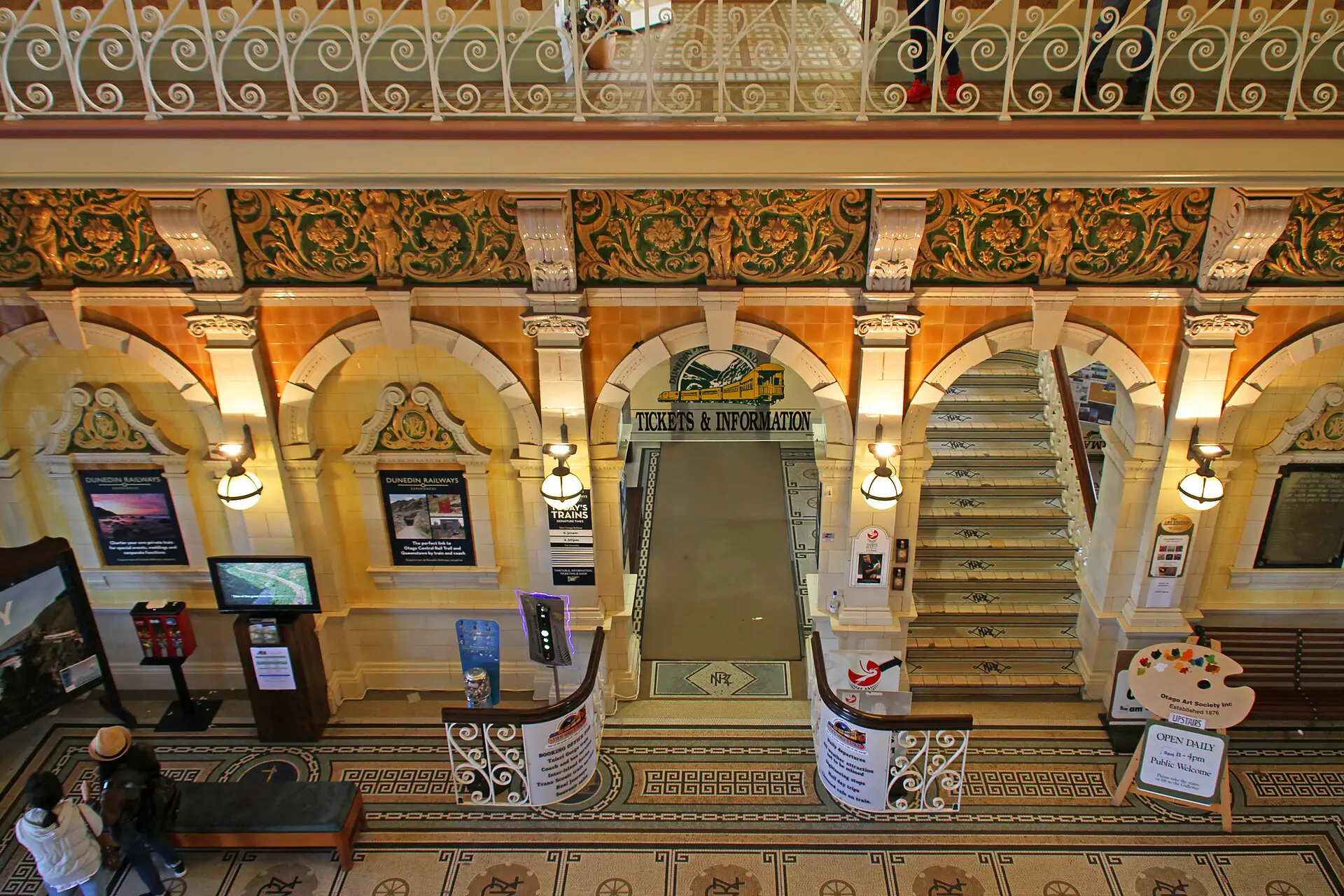
Start here. The station, finished in the early 20th century, is one of the most photographed buildings in New Zealand, with a mosaic floor and stained glass inside. It takes 15 minutes to see properly. If you arrive on a Saturday morning, the farmers market beside it gives you a street scene for free and a cheap breakfast. Go early, before the car park fills.
2. The Octagon and First Church
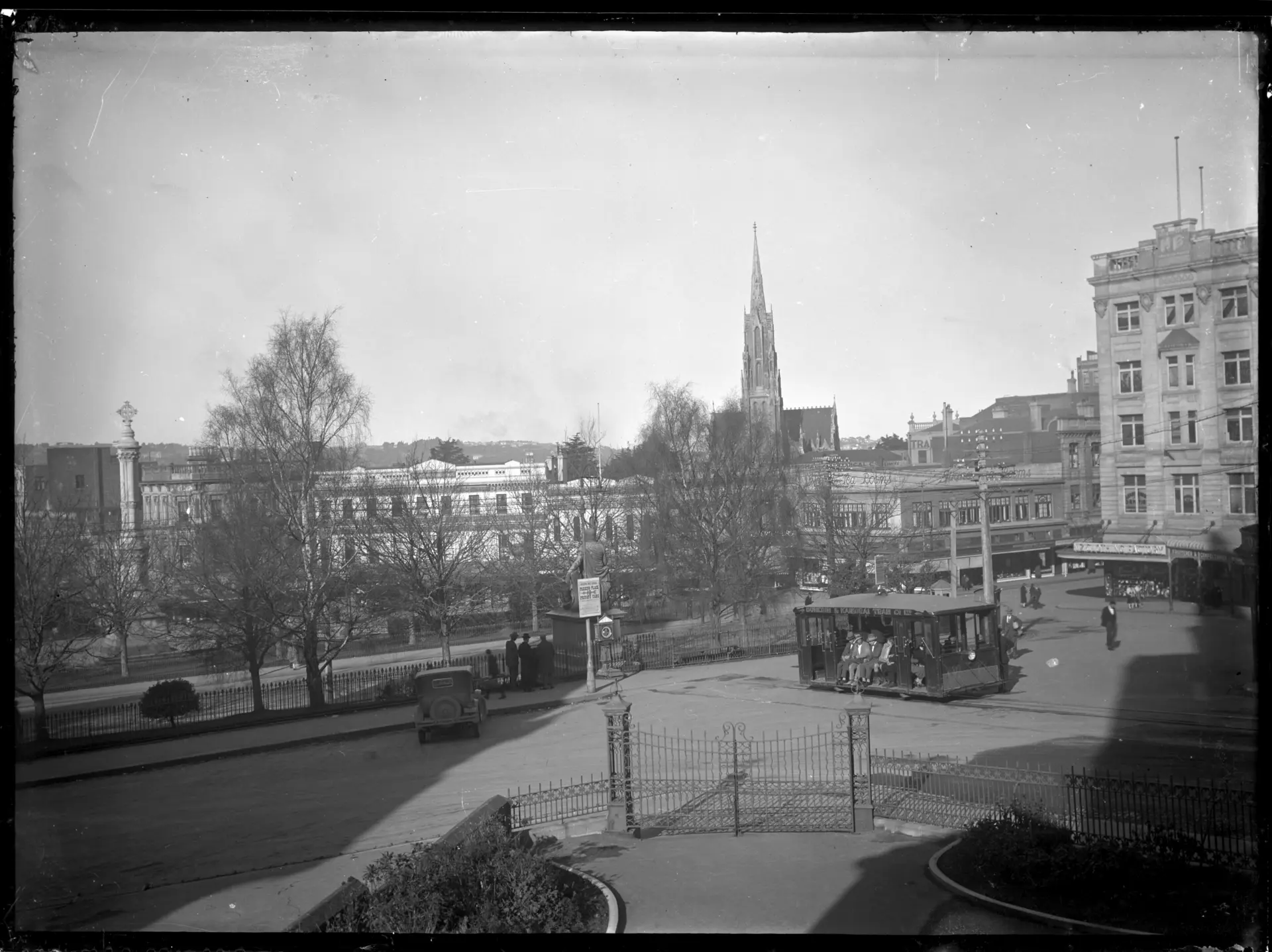
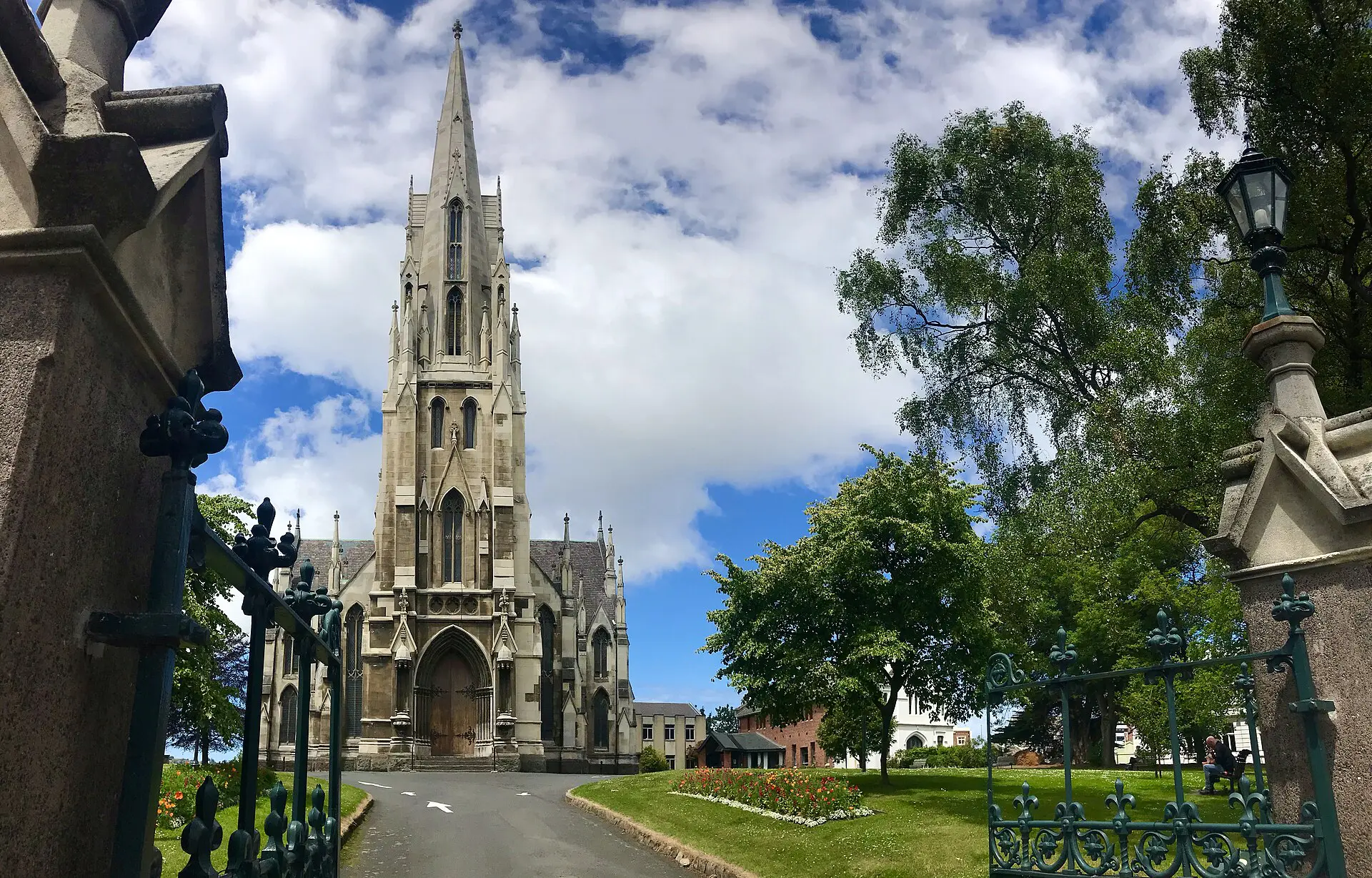
The Octagon is the civic centre, with a statue of the poet Robert Burns at its heart. The city was settled by Scots, and its name is the Gaelic form of Edinburgh. Allow 30 minutes to walk the ring of buildings, including St Paul’s Cathedral and the town hall. First Church, a short walk away, has a spire visible across the centre and is worth a look from outside if time is tight.
3. Toitū Otago Settlers Museum
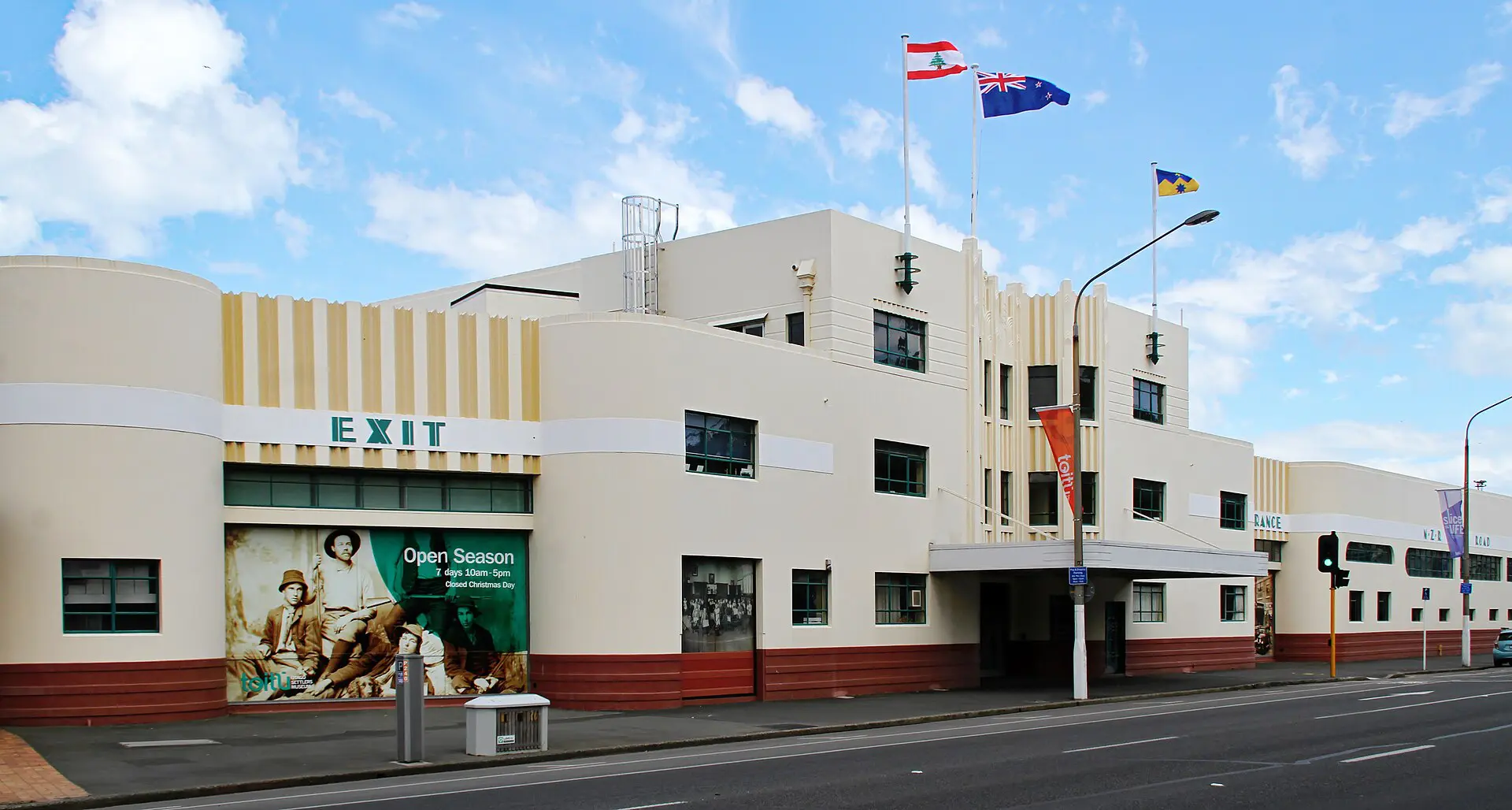
This is the anchor for a history-minded day. It covers Māori settlement, the Scottish arrivals and the gold-rush boom that made Dunedin the country’s biggest city between roughly 1865 and 1900. Plan 90 minutes. Visit in the morning, when school groups are fewer. It sits beside the station, so the two pair naturally.
4. Otago Museum
The university’s natural history and cultures museum sits beside the campus and suits a rainy slot. Allow 90 minutes to two hours. The Pacific and Māori collections are the strongest for a short visit, and a tropical butterfly house is the usual extra. Check opening hours and any charges before you go, as both can change. If the weather turns while you are on the peninsula plan, this is the swap: move it forward and push the headland to the next day.
5. Dunedin Public Art Gallery
Facing the Octagon, this is the easiest culture stop to add when you have 45 minutes between bookings. It holds New Zealand and European work, and the compact layout means you will not get lost. Confirm current exhibitions online. Pair it with a coffee stop in the lanes around the Octagon, where independent cafes and bookshops cluster.
6. Olveston Historic Home
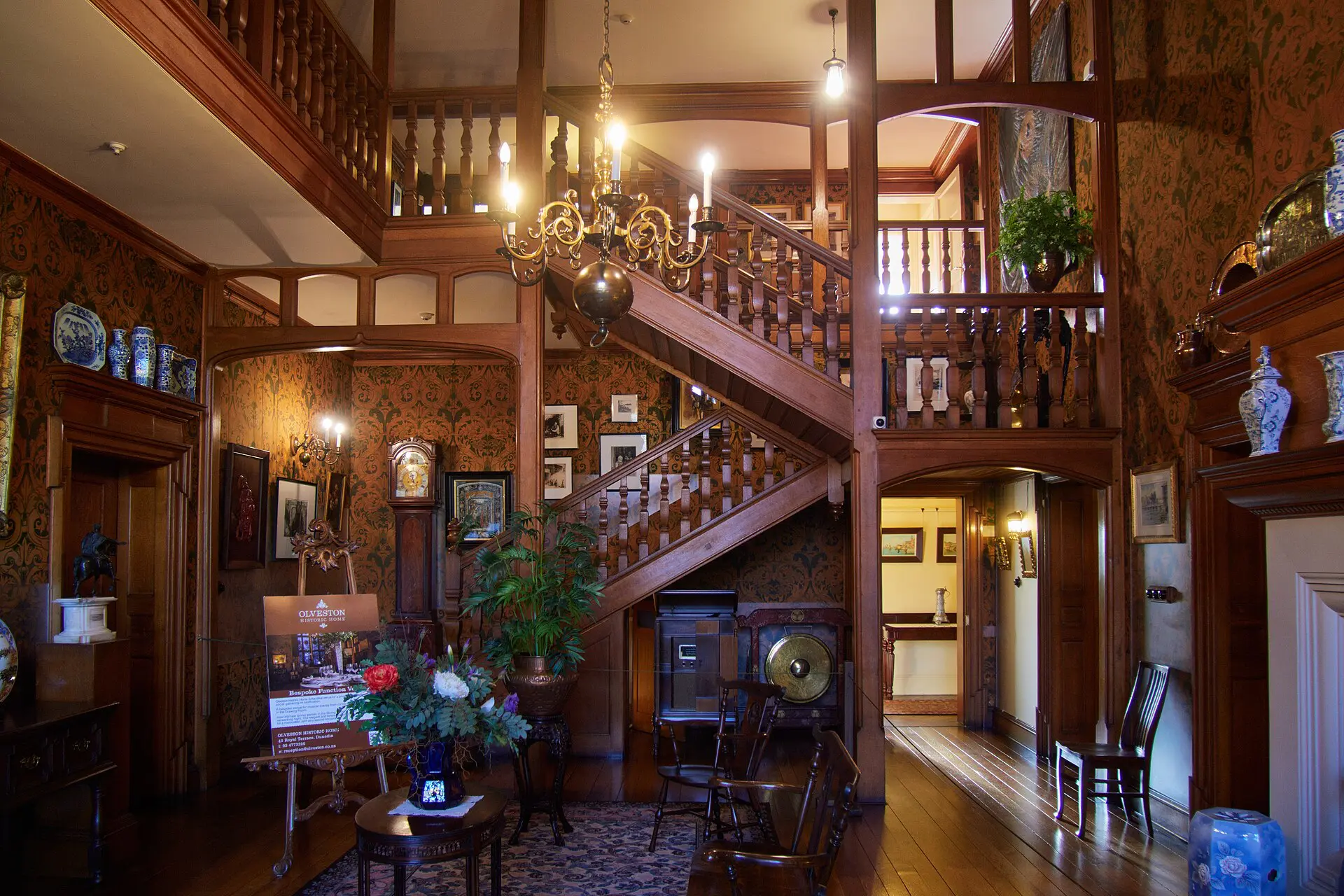
A preserved Edwardian family house, shown by guided tour only, which means fixed start times and limited places. Book ahead in high season, and check the current tour days, because a house museum does not open on a whim. The tour runs about an hour and gives a precise picture of how Dunedin’s wealthy lived at the height of the gold-driven boom. It is a short taxi or bus ride from the centre, so group it with the Botanic Garden nearby.
7. Larnach Castle and the Otago Peninsula
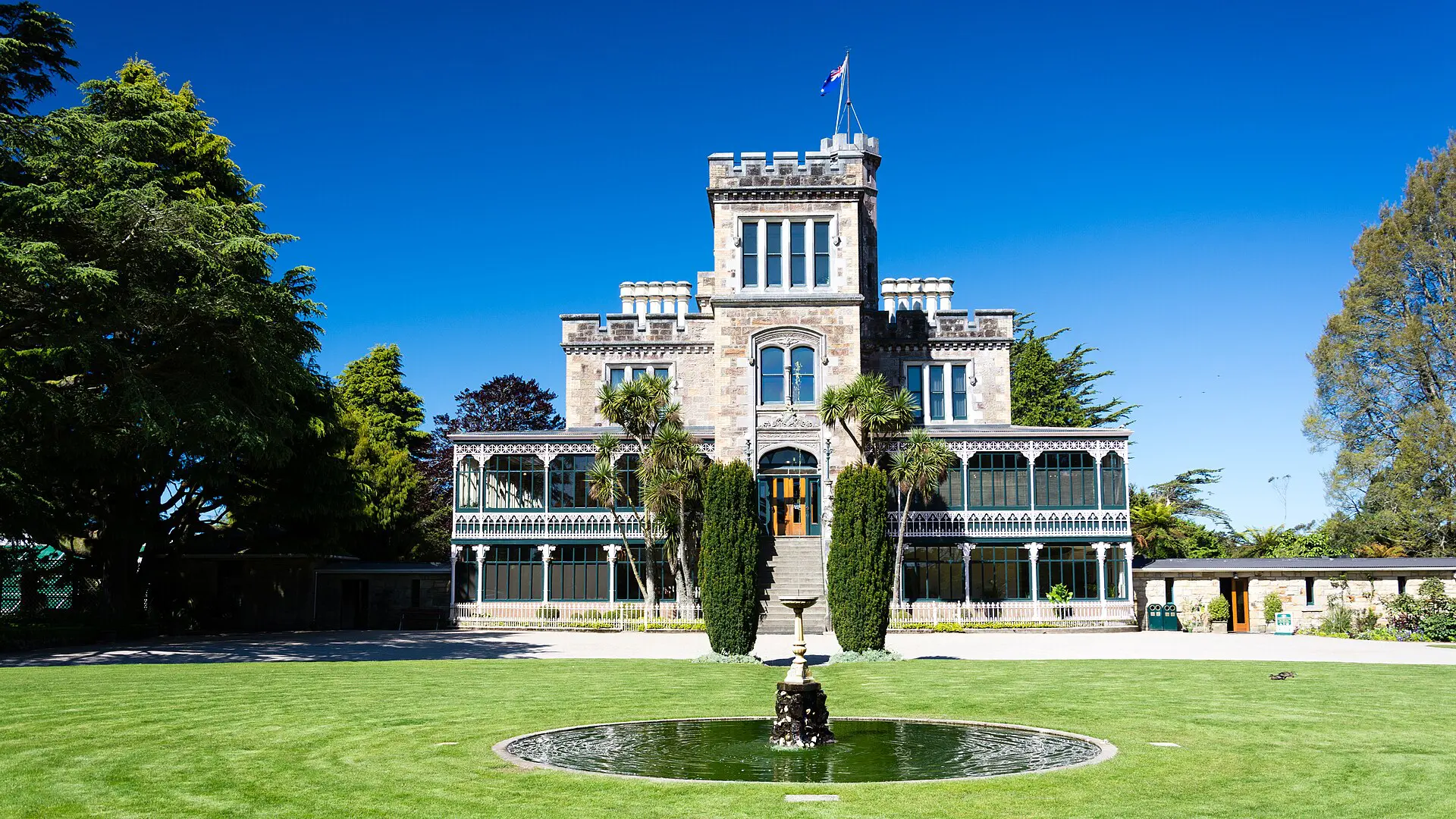
The peninsula is the afternoon block. Larnach Castle is a 19th-century mansion with gardens on a ridge above the harbour, and views over the water are the main draw. Budget two hours there. The peninsula is also known for albatross, penguin and seal viewing at the far end, usually on a guided tour. Book in advance for the wildlife; the timings follow the birds, not you.
8. Baldwin Street
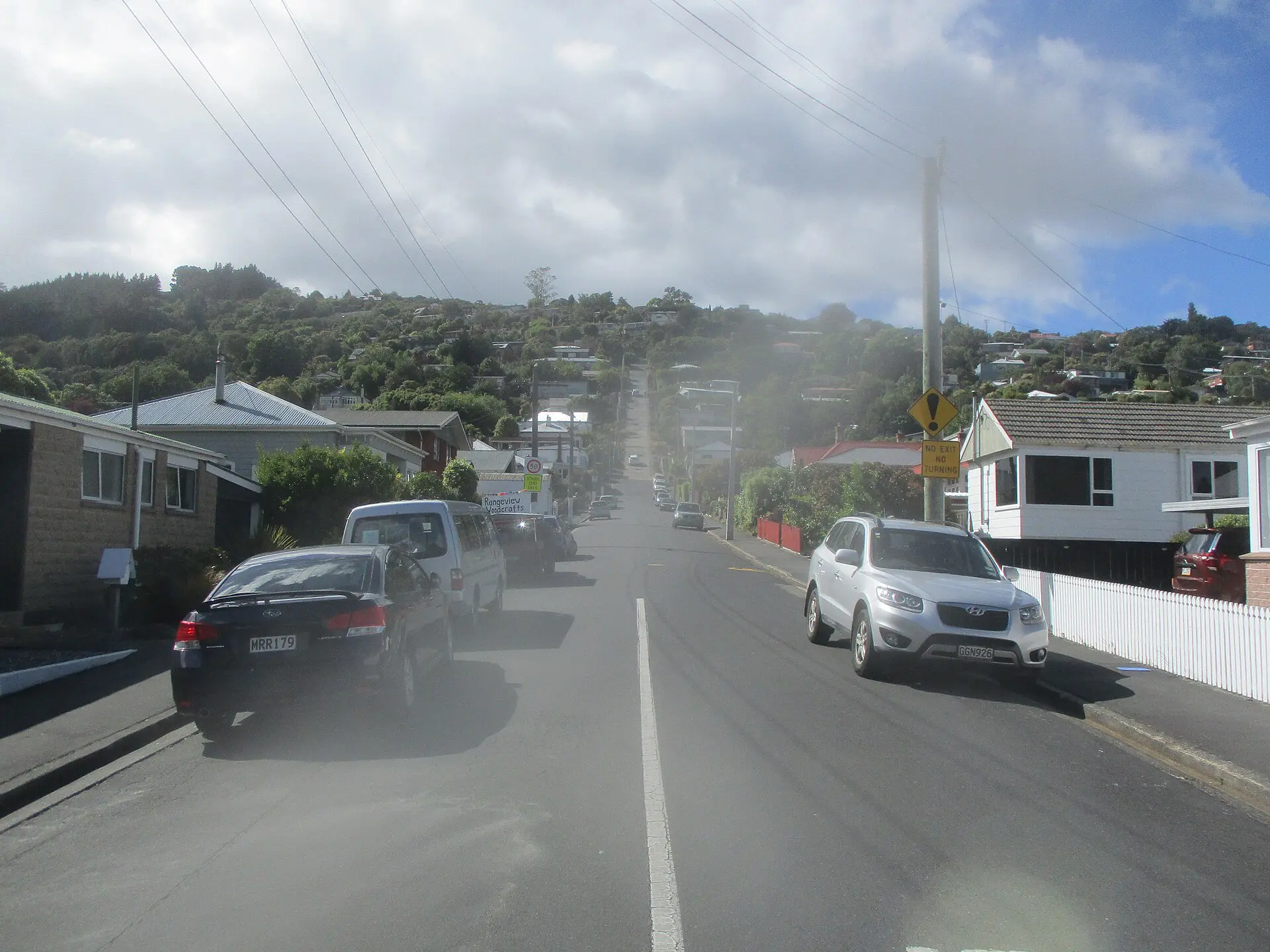
Claimed to be the steepest street in the world, and a 15-minute stop rather than an excursion. It is in a residential suburb north of the centre, so go on the way to or from somewhere else. Walk up, take the photograph at the top, and leave. It is free, but people live here, so keep voices down and park properly. Late afternoon light is kinder to the photograph, and the street is calmer once commuters have gone home.
Where to stay in Dunedin
- Central Dunedin and the Octagon: best for a short break, since the station, museums and gallery are all within a 15-minute walk.
- Around the university: student cafes and cheaper rooms, and handy for Otago Museum. Noisier in term time.
- St Clair: a beach suburb with sea views and a few restaurants. Good if you have a car or do not mind a short bus ride.
- Otago Peninsula: quiet, rural and close to the wildlife, but poor for evenings out and you need a vehicle.
A two-day plan for Dunedin
Day one: station and market (8:30), Settlers Museum (9:30), Octagon and art gallery (midday), Otago Museum (afternoon), dinner near the Octagon. Day two: Olveston tour (morning), Botanic Garden, then the peninsula from early afternoon, finishing with wildlife at dusk if you have booked it. Swap blocks if rain arrives.
Getting around Dunedin
The centre is compact and flat enough to walk in a day, though suburbs sit on steep hills. A local bus network covers the main areas, with a rechargeable card, and taxis fill the gaps. For the peninsula, book a tour or hire a car; public buses reach only part of it and run infrequently. There is no scheduled public transport to the airport, about 30 km away, so plan a shuttle or taxi. The Dunedin guide has current transport details.
How much does a trip to Dunedin cost?
Prices below are rough daily figures in USD, per person, excluding flights, and change with the exchange rate. Check before you go.
- Budget: around $70-110. Hostel bed, bakery lunches, free sights and bus rides.
- Mid-range: around $150-250. Private hotel room, a paid museum or tour, one restaurant dinner.
- High: $300 and up. Boutique stay, guided peninsula wildlife tour, car hire.
Is Dunedin worth visiting?
Yes, if you like compact cities with real architecture and a good museum density. It rewards two days of focused sightseeing, and three if you add the peninsula properly. The weather is unreliable, which suits museum-led plans. Student life gives the centre a younger pulse in term time, though it feels sleepy in the summer break. Skip it if you want big-city nightlife, a beach holiday or dramatic mountains in one stop; those belong elsewhere on the South Island. The history of the city explains why it looks the way it does.
FAQ about Dunedin
How many days do you need in Dunedin?
Two days covers the centre and the peninsula without rushing. One day works if you drop Olveston and the art gallery. Three days lets you add a harbour trip, a longer wildlife tour or a coastal walk.
Is Dunedin walkable?
The centre is, and most of the heritage sights sit within a 15-minute walk of the Octagon. Suburbs, Baldwin Street and the peninsula are hilly or far, so use a bus, taxi or car for those.
What is Dunedin known for?
Its Scottish heritage, Victorian and Edwardian buildings, the University of Otago, and wildlife on the Otago Peninsula. It was New Zealand’s largest city in the late 19th century gold-rush years, and the Octagon at the centre is the natural place to start.
Is Dunedin cold?
It can be. Summer highs average around 18 C, and winters bring frosts and icy streets. Pack layers and a waterproof at any time of year, because the weather can change within a day. A warm jacket and a hat are worth carrying on the peninsula, where the wind off the sea is stronger than in town.
Is Dunedin in New Zealand or the United States?
This guide covers Dunedin, New Zealand, on the South Island, also called Ōtepoti in Māori. There is a separate Dunedin in Florida, with a different climate, beaches and attractions, so check you are reading about the right place when you book flights or accommodation.