The best things to do in Dakar follow the fish. The city sits at the tip of the Cap-Vert peninsula, the westernmost point of mainland Africa, and its day runs from the landing beaches at dawn to shared bowls of rice at lunch to grilled meat after dark. Spend a morning at a fish landing, eat thieboudienne from a communal bowl, take the ferry to Gorée, and you have the core of Dakar in two days. The rest is detail, set out below.
Best time to visit Dakar
Dakar is warm and humid all year, cooled by sea breezes. The rainy season runs July to October, with the coolest weather from January to March. Streets can flood in heavy rain, so avoid long walks then.
| Season | Weather | Crowds and prices | Good for |
|---|---|---|---|
| Nov-Feb | Dry, warm days, cooler nights | Busiest; hotel rates higher | Walking, markets, Gorée |
| Mar-Jun | Dry, getting hotter | Moderate | Beach days, fish at the coast |
| Jul-Oct | Hot, humid, heavy rain | Quiet; lower prices | Indoor meals, fewer tourists |
Top things to do in Dakar
1. Eat thieboudienne from the shared bowl
Thieboudienne (ceebu jën in Wolof) is Senegal’s national dish: fish stuffed with parsley and garlic, cooked with rice, tomato, cassava, carrot and cabbage. Lunch is the main meal, and the bowl arrives in the middle of the table. Wash your hands, eat from the section in front of you, and let the host push fish and vegetables toward you. Use a spoon or your right hand. A plate in a casual restaurant typically costs a few dollars. Ask which fish is fresh that day.
2. Watch the boats come in at a fish landing
Soumbédioune, on the western corniche, is one of the city’s best-known landing beaches, where painted pirogues unload catches in the late afternoon. You can see how the food chain starts: crates of sardinella, sea bream and octopus carried up the sand, bargaining, and cleaning on the spot. Arrive around 16:00-18:00, stand back from the working lines, and ask before photographing people. Fish bought here can be grilled at nearby stalls for a small fee.
3. Take the ferry to Gorée Island
Gorée lies a short ferry ride from the port. The Portuguese began using it as a base for the Atlantic slave trade in the 16th century, and the House of Slaves, built in the late 18th century, is the best-known site. The island is small and car-free, so walking is easy. Go in the morning, and eat a plate of grilled fish or a plate of rice at one of the small island kitchens. Check the ferry timetable and fares before you go, and note the last return boat.
4. Shop the Kermel market for fruit and spice
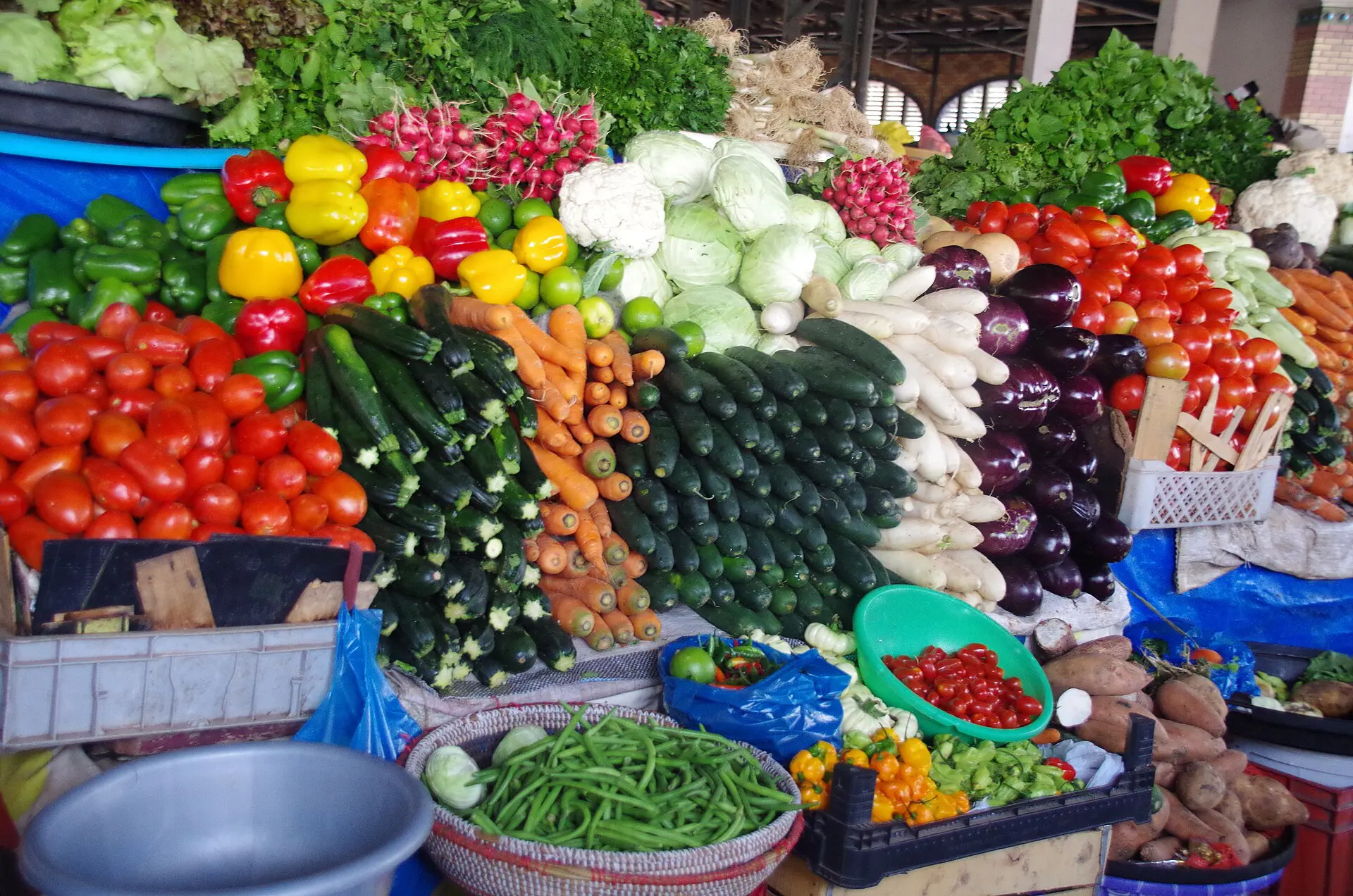
Kermel is a covered market in the old centre, with stalls for fruit, vegetables, fish and spices. Look for dried hibiscus (the base of the red bissap drink), tamarind, baobab fruit, peppers and fermented fish seasoning. Come before 11:00, when produce is freshest, and carry small notes. Prices are negotiable, so smile and offer a little less, and buy small packets of spice to take home.
5. Climb up to the African Renaissance Monument
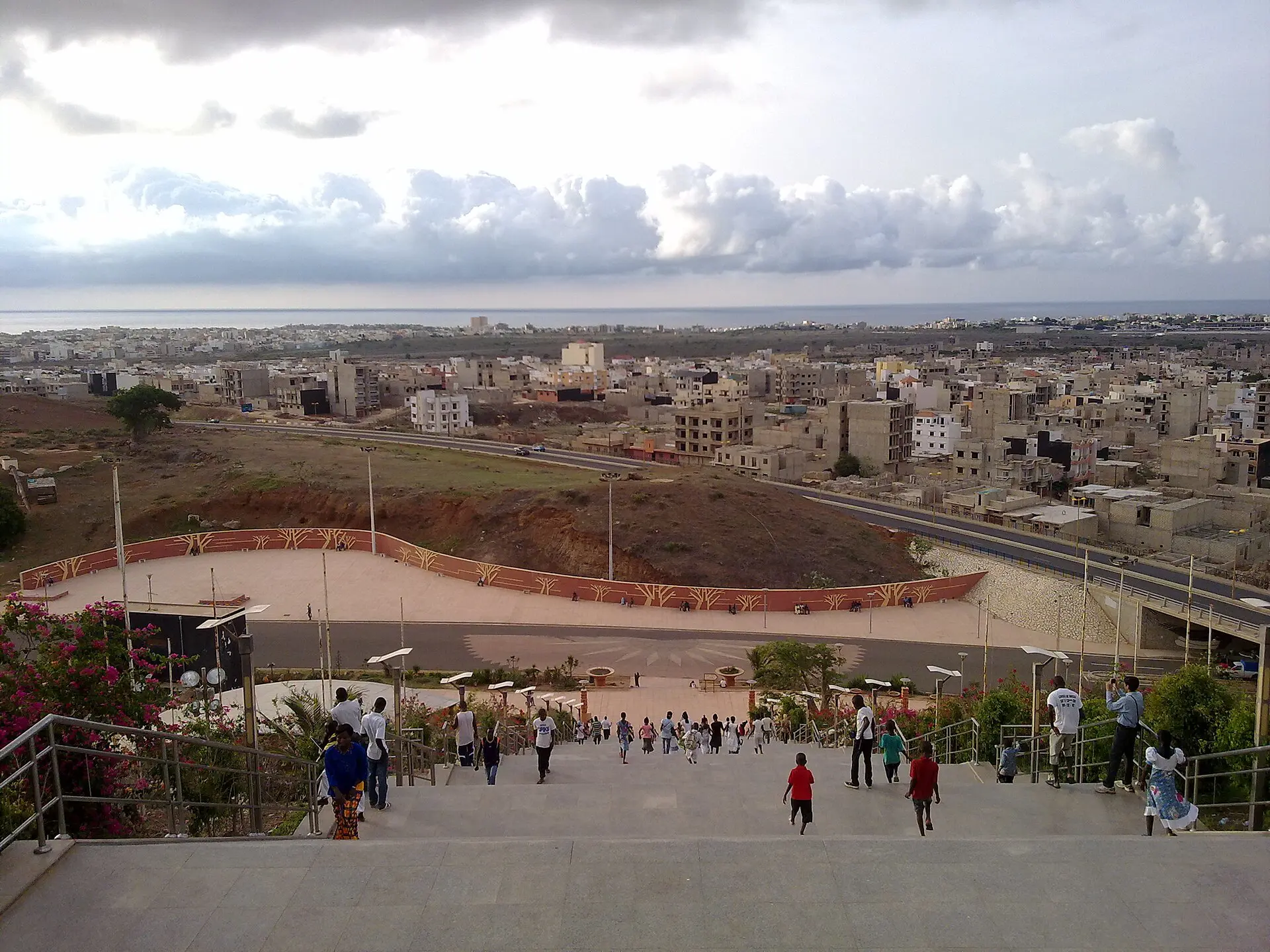
The huge bronze statue stands on a hill west of the centre and is visible across much of the city. You can climb inside for a view of the peninsula, and the surrounding hillside is a pleasant place for a late-afternoon walk. It is not a food stop, though street sellers nearby usually offer fruit and cold drinks. Check the opening hours and ticket price before heading out, as both are subject to change. I would treat it as a one-hour detour.
6. Grill fish and meat at Ngor or Yoff
Ngor and Yoff are among the original Lebou villages of the peninsula, and both still feel like fishing communities. Sit near the beach and order grilled whole fish with onions, mustard and lime, or dibi, which is grilled lamb served in paper with onions. Drink bissap or ginger juice, and finish with strong, sweet Touba coffee spiced with grains of selim. Go in the early evening, agree the price before ordering, and expect a meal for roughly 5-12 USD.
Where to stay in Dakar
- Plateau: the old commercial centre, close to Kermel market and the Gorée ferry. Best for first visits and short stays.
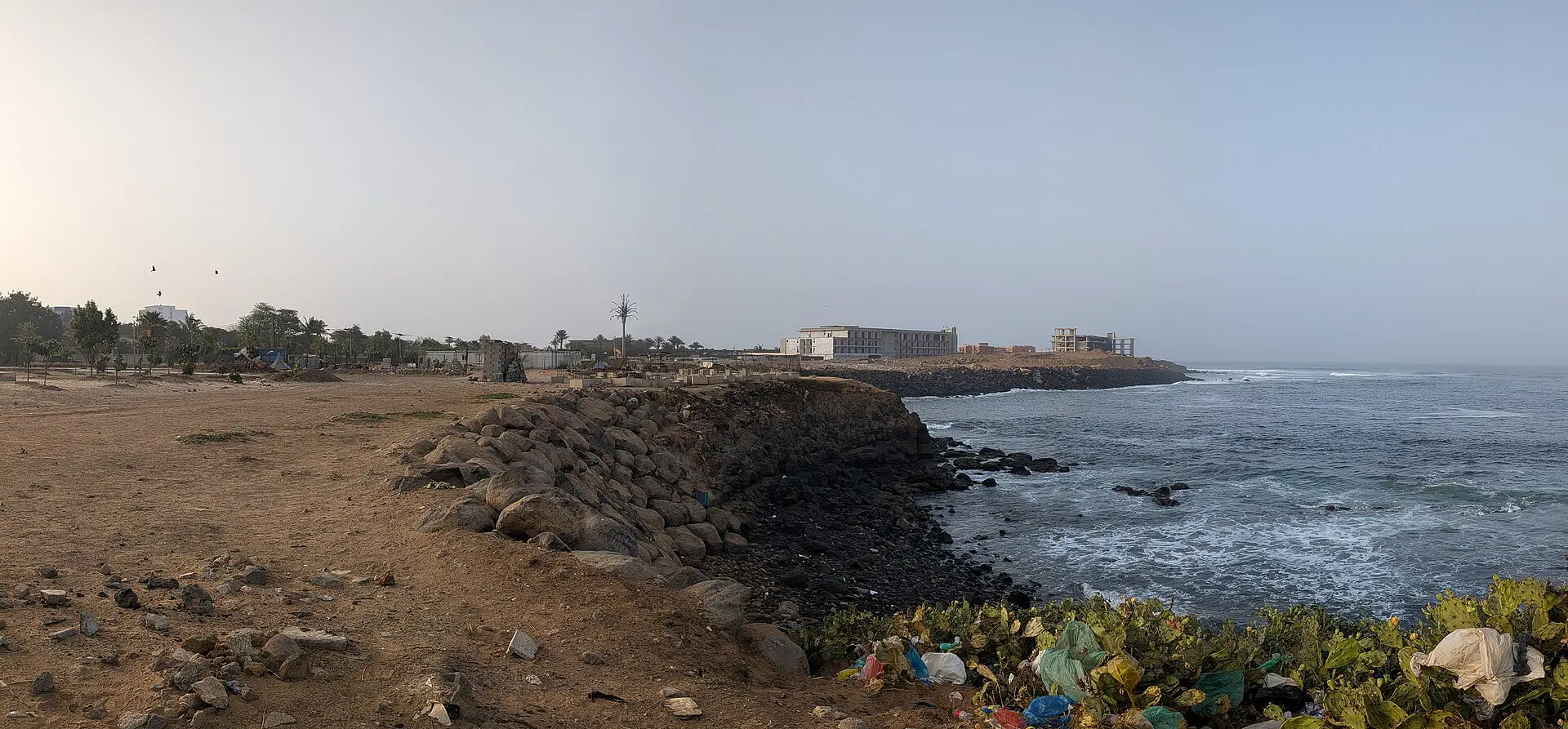
- Almadies and Ngor: the westernmost area, with beaches, surf and many restaurants. Best for a relaxed stay by the sea.
- Mermoz and Sacré-Coeur: residential neighbourhoods with local restaurants and a calmer pace. Good for longer stays.
- Medina: a dense, lively district with cheaper food and heavy traffic. Better for a daytime visit than for a base.
Getting around Dakar
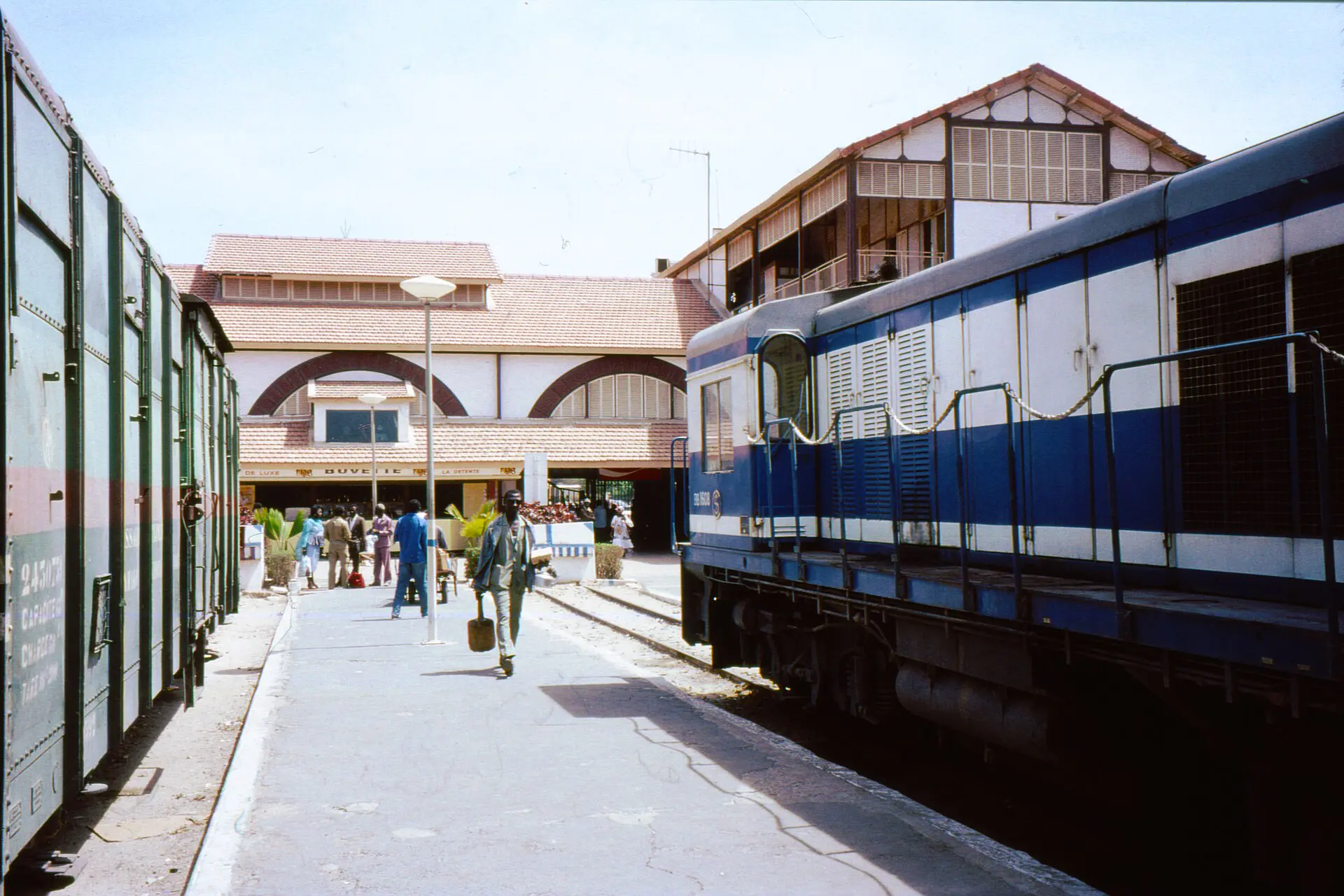
Taxis are the easiest option: agree the fare before getting in, since most have no meters. Blaise Diagne airport is about 50 km from the city, and a taxi to the centre is around CFA 20,000 when negotiated, with the toll motorway preferred. Public buses and minibuses exist but are crowded and hard to read for visitors. Traffic is heavy at rush hour, so allow extra time. Keep phones and wallets out of sight, as petty crime is a risk.
How much does a trip to Dakar cost?
Local food is good value, while hotels and taxis are where costs rise. These are hedged per-person daily ranges in USD, as of 2026.
- Budget: about 30-50 USD. Basic room, local lunches, shared taxis.
- Mid-range: about 70-130 USD. Comfortable hotel, restaurant meals, ferry and taxis.
- High: about 180 USD and up. Upscale hotel, private driver, seafood dinners.
Is Dakar worth visiting?
Yes, for eaters and for anyone starting in French-speaking West Africa. Flights from Europe are good, the food is distinctive and the hospitality, known as teranga, is real. For more background see Wikivoyage’s Dakar guide and the Wikipedia entry for Dakar.
Skip it if you want quiet beaches, if you dislike noisy traffic, or if you cannot tolerate being approached by sellers. French helps a great deal. Rainy-season flooding can also disrupt plans.
FAQ about Dakar
Is the tap water safe to drink in Dakar?
Most visitors stick to sealed bottled water and avoid ice from unknown sources. Eat food that is cooked hot and fresh, and wash your hands before shared meals. Ask your doctor about vaccines before travel.
What should I order first in Dakar?
Start with thieboudienne at lunch. Then try yassa chicken or fish, with onions and lemon, and mafé, a peanut stew. For a snack, look for fataya, small fried pastries with fish or meat.
Do I need French in Dakar?
French is the official language and is very useful, and Wolof is widely spoken. You can manage with a few greetings and a translation app. A smile and a polite “salaam aleikum” open many doors.
Is Dakar safe for visitors?
Generally manageable with normal precautions. Petty theft is relatively high, so avoid flashing phones, use taxis after dark and check your government’s current travel advice before you go.