Why visit Senegal
This Senegal travel guide starts with what makes the country distinct: it is the westernmost country on mainland Africa, with a long Atlantic coast, a French colonial legacy and a strong musical and artistic culture (see the Wikipedia overview). Dakar is a busy peninsula capital, Saint-Louis is a former colonial capital on an island in a river, and the south has green creeks, forests and beaches.
Senegal suits travellers who want a first step into West Africa with relatively stable politics, a long tourism tradition and good transport links. It is known as the land of teranga, a word for hospitality. It rewards birdwatchers, music lovers and people interested in history, including the story of the Atlantic slave trade. Expect crowded cities, hawkers on beaches and heat, so a flexible mindset helps.
Best places to visit in Senegal
The best places to visit in Senegal run from the capital peninsula up the coast to the north and down to the creeks and forests of the south.
Dakar
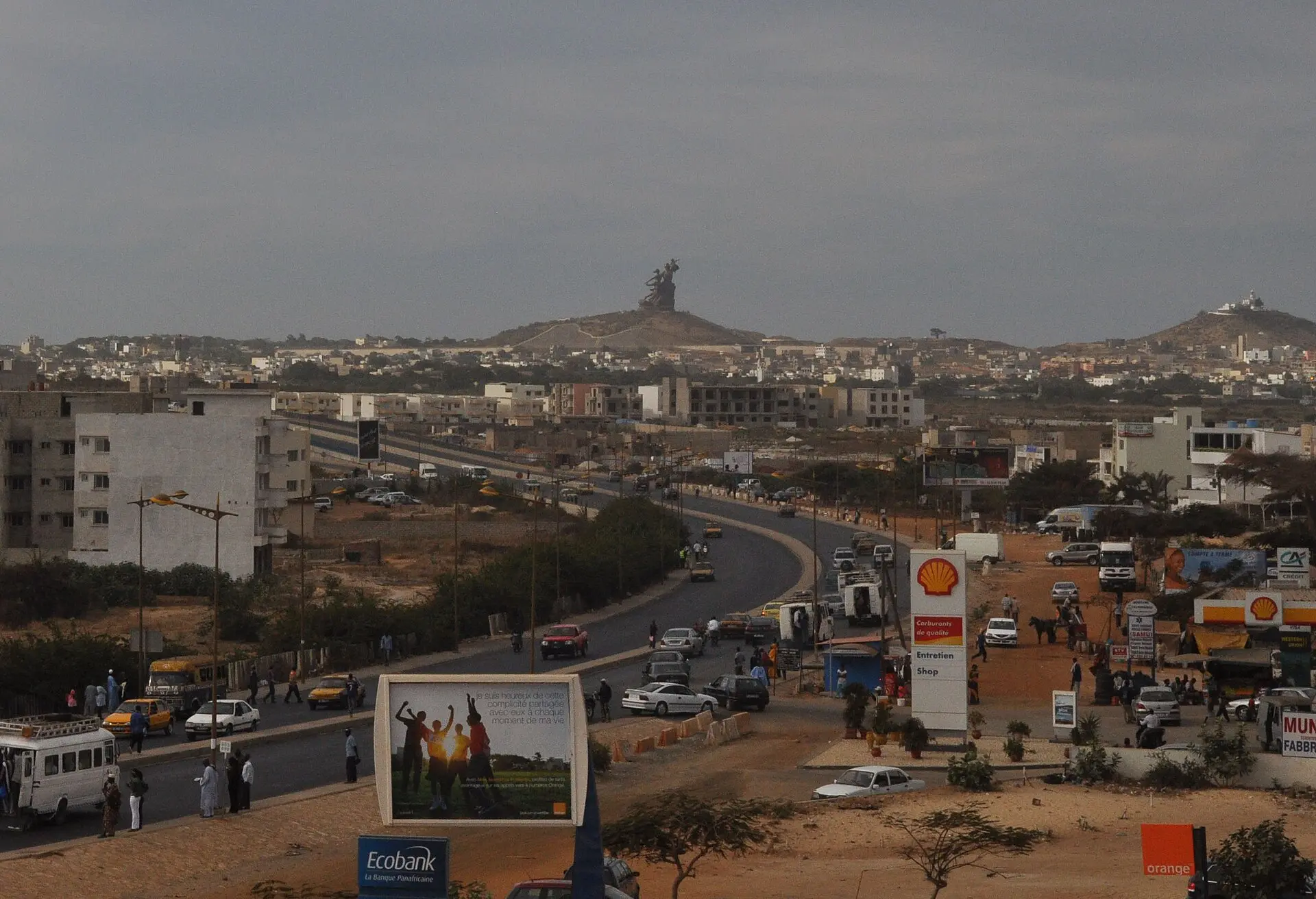
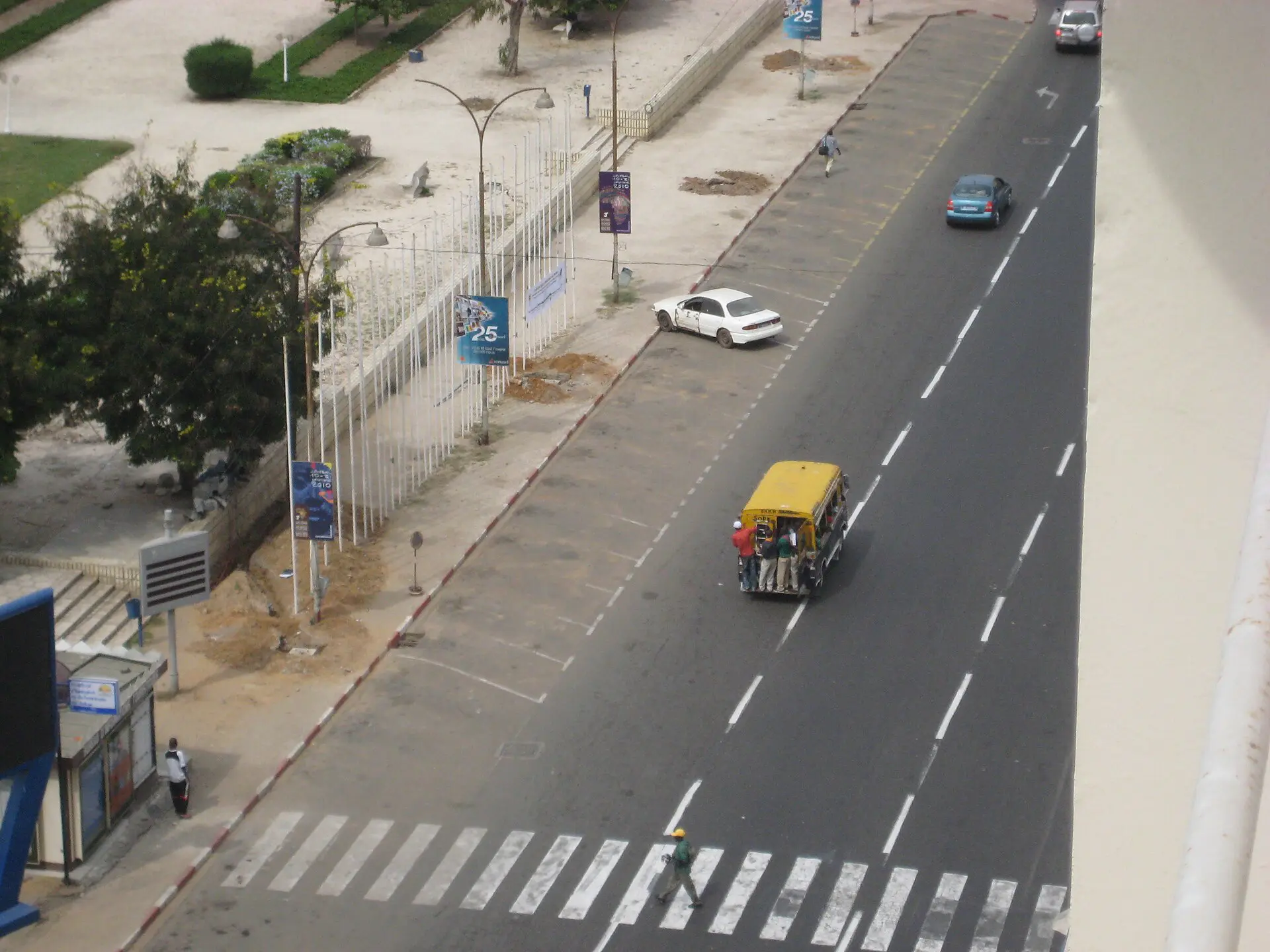
The capital mixes markets, nightlife, galleries and the Monument de la Renaissance africaine on a hilltop. Plateau is the old colonial core, while Ouakam and Almadies on the western tip have beaches and surf spots. The Museum of Black Civilisations is a strong stop.
Gorée Island
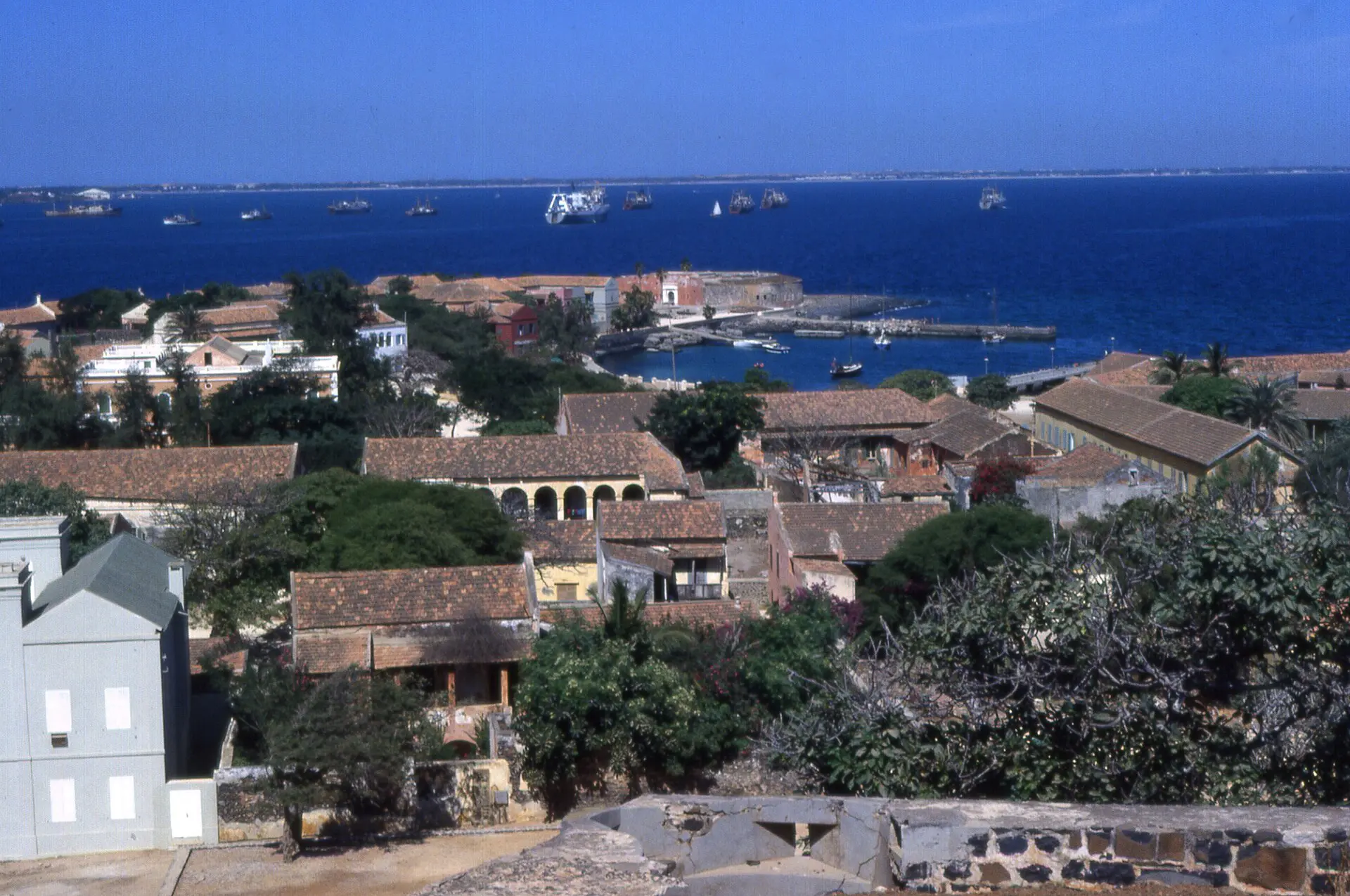
A short ferry ride from Dakar, this small car-free island is UNESCO-listed for its pastel colonial houses and the House of Slaves, which stands as a memorial to the Atlantic slave trade. Historians debate its exact role, but it remains a powerful place to visit.
Saint-Louis
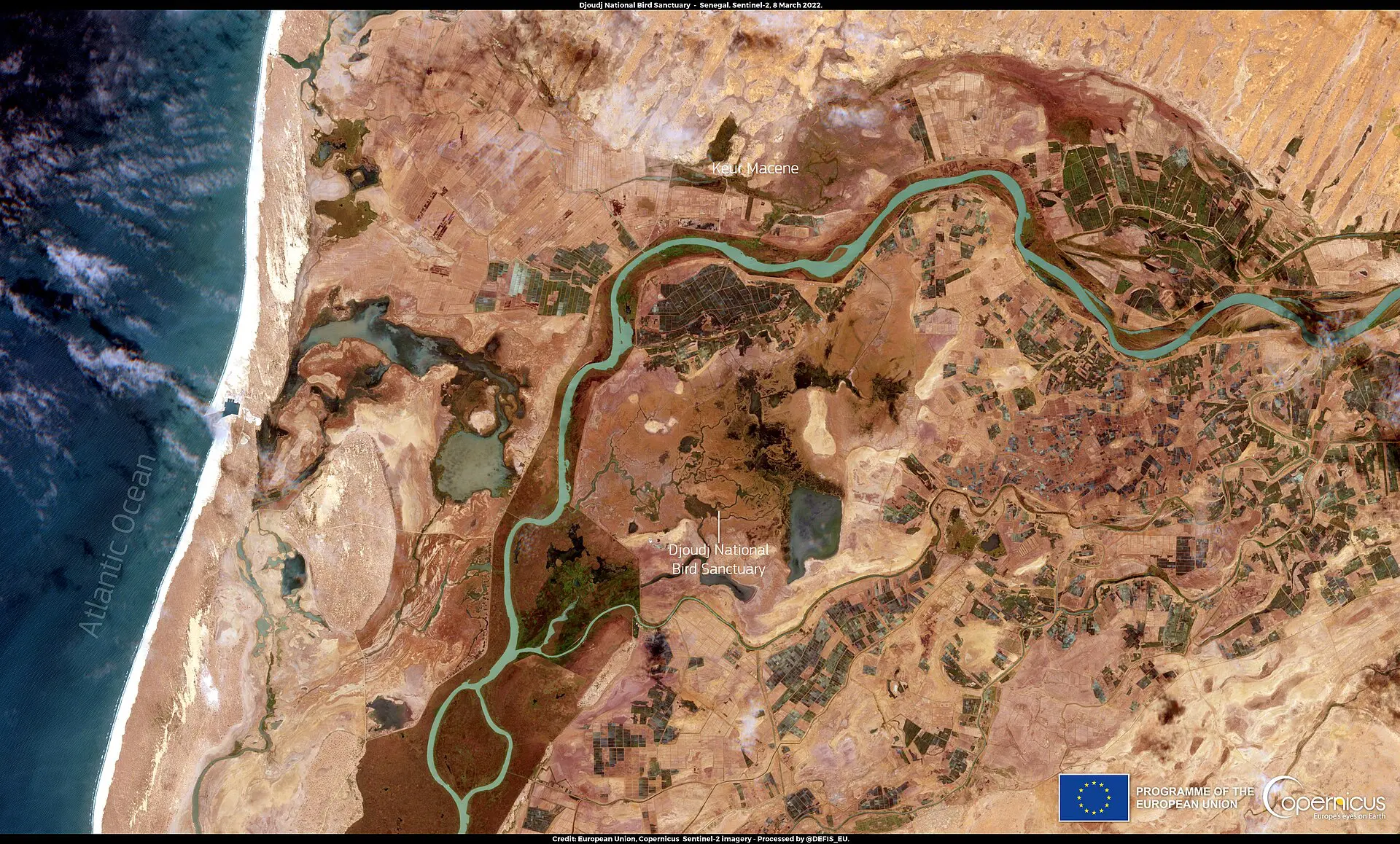
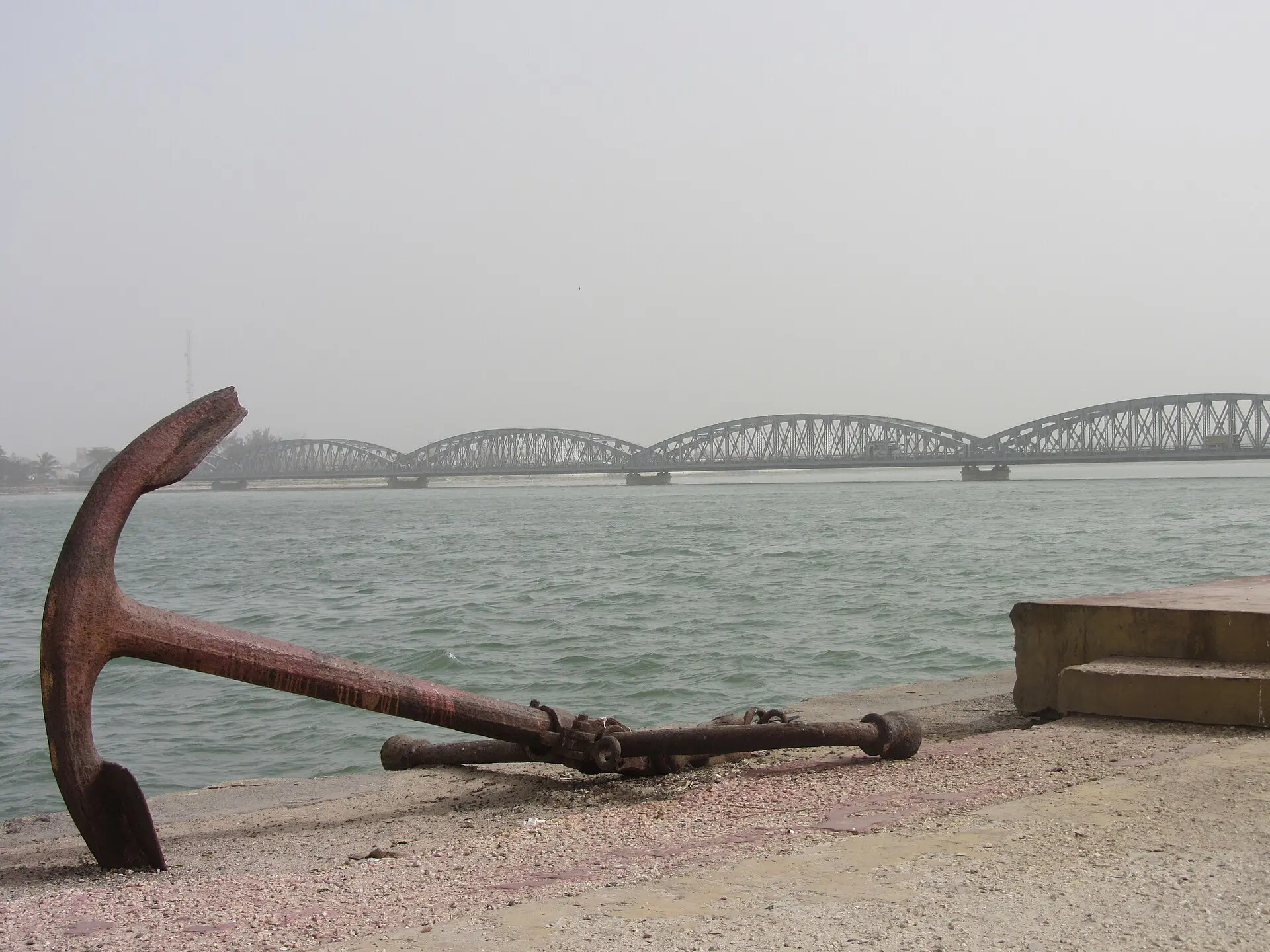
The old capital of French West Africa sits on an island in the Senegal River, with wrought-iron balconies and a jazz festival. The nearby Langue de Barbarie is a thin sand spit with fishing villages and the Djoudj bird park upriver.
Lac Rose and Saly
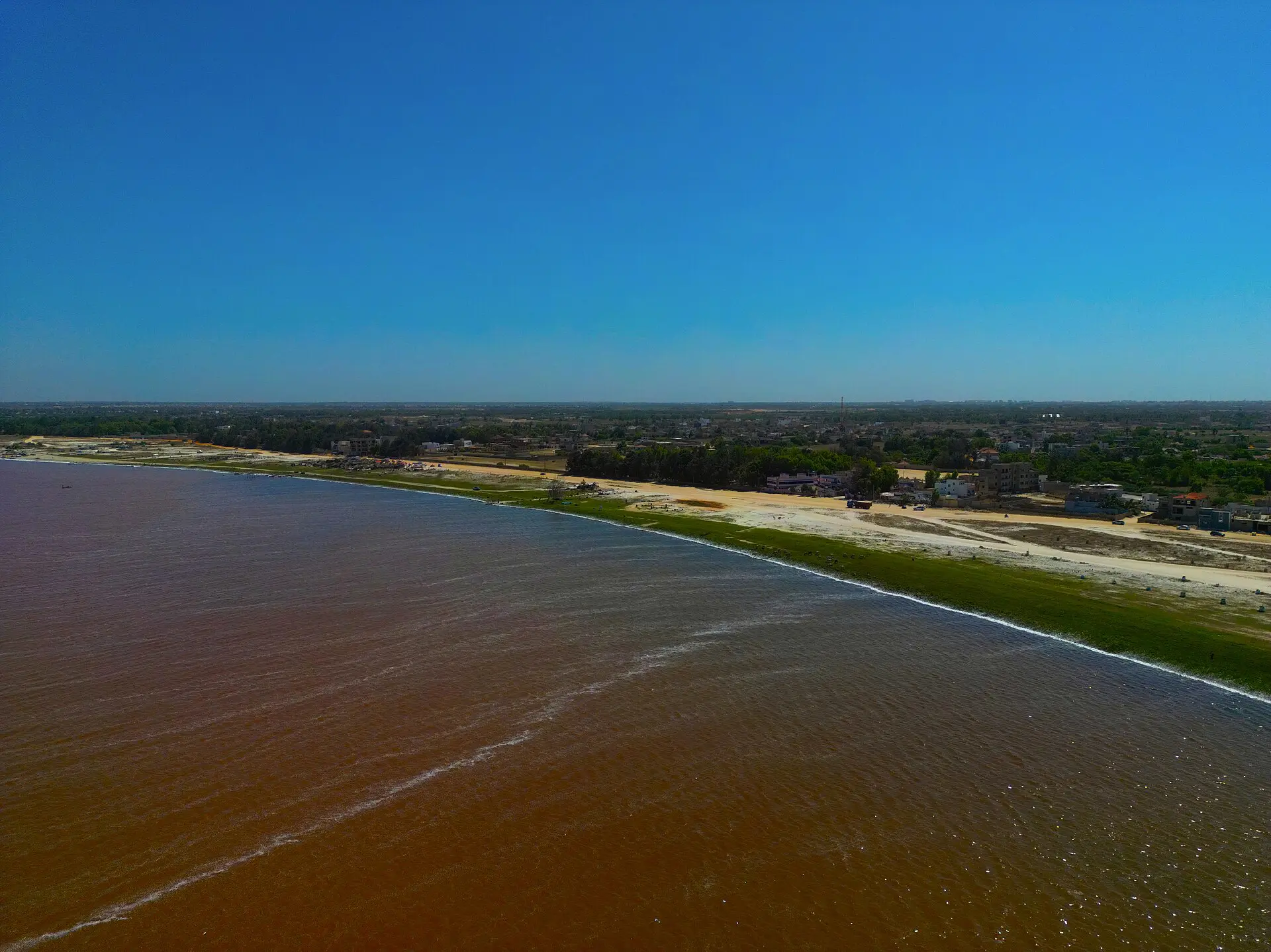
Lac Rose (Lake Retba) has pink-tinged water from algae and salt harvesting, east of Dakar. Saly, to the south, is the main resort area.
Sine-Saloum Delta
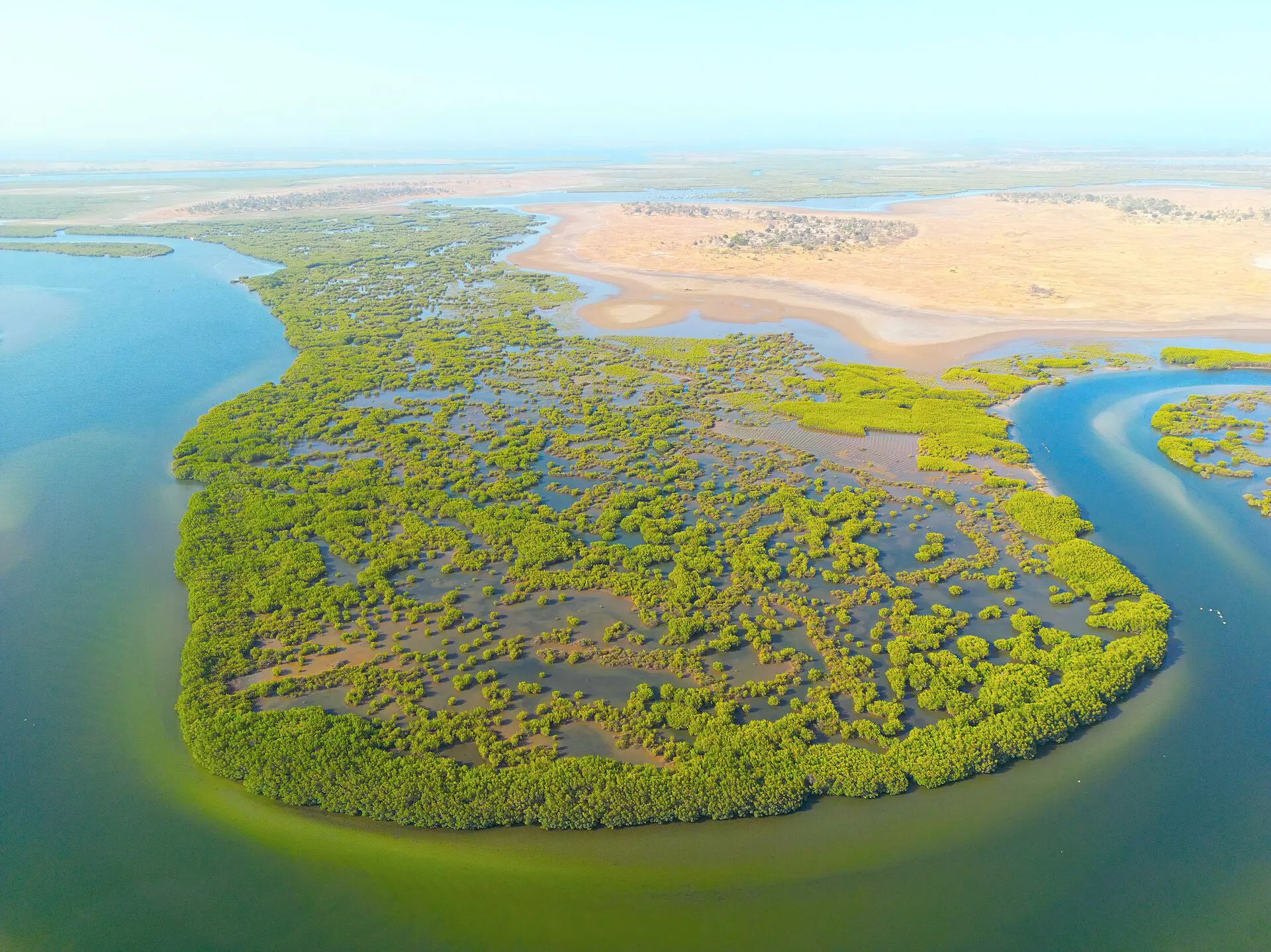
This UNESCO-listed maze of mangrove channels and islands is best seen by pirogue, with birds, shell-mound villages and quiet lodges.
Casamance
Green, forested and humid, this southern region offers Cap Skirring’s beaches and Ziguinchor’s river port. Check security conditions before travelling.
Top things to do in Senegal
The top things to do in Senegal combine city culture, history, wildlife and the coast.
- Take the ferry to Gorée: walk the car-free lanes and visit the House of Slaves.
- Visit the Museum of Black Civilisations: an art and history museum in Dakar.
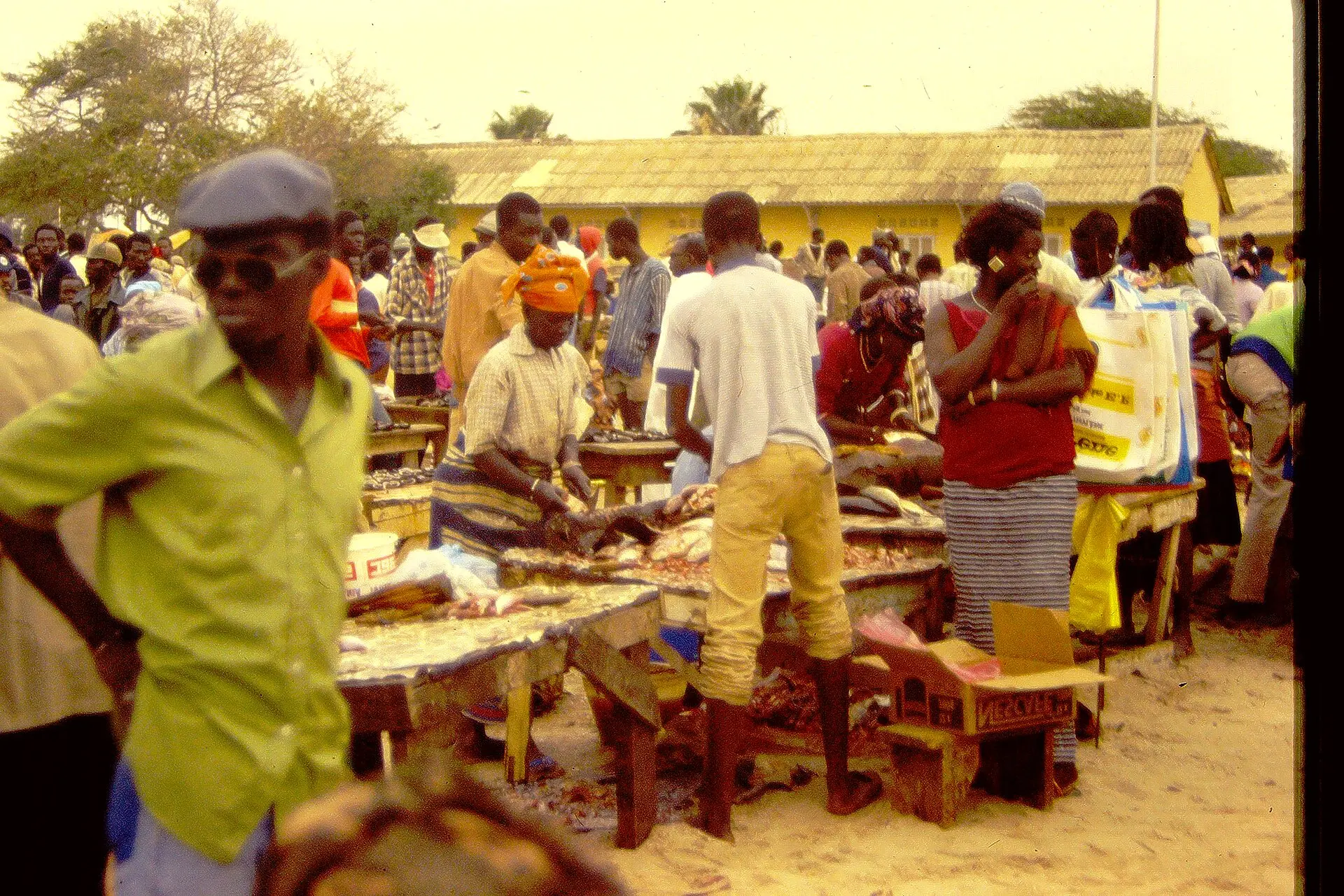
- Browse Dakar’s markets: Sandaga and Soumbédioune offer fabrics, crafts and fresh fish.
- Float on Lac Rose: see salt harvesters working in the pink lake.
- Walk Saint-Louis: follow the island’s colonial streets, and cross the Faidherbe Bridge.
- Go birdwatching at Djoudj: the national bird sanctuary hosts migratory pelicans and flamingos in winter.
- Paddle the Sine-Saloum: take a pirogue trip through mangroves and stay in a riverside lodge.
- Hear live mbalax: Dakar clubs showcase the country’s signature music, with Youssou N’Dour its best-known name.
- Surf or relax at Ngor and Yoff: beaches on Dakar’s north-west rim have reliable waves.
- Visit Touba: the Mouride holy city has a vast mosque, but visitors should dress modestly and ask permission to enter.
Best time to visit Senegal
The best time to visit Senegal is from November to March, when the weather is dry, sunny and relatively cool, and birdlife in the north is at its peak. From April to June, heat increases sharply inland. The rainy season runs roughly from July to October, with heavy showers, humidity and flooding in some areas, especially in the south.
| Season | Weather | Crowds and prices | Good for |
|---|---|---|---|
| Nov-Feb | Dry, warm days, cooler nights | Peak season, higher prices | Birdwatching, beaches, Saint-Louis |
| Mar-May | Hot, dry, dusty inland | Moderate | Dakar, coast, whale and surf spots |
| Jun-Sep | Hot and humid, heavy rain from July | Low | Green scenery, budget stays |
| Oct | Late rains, then drying | Rising | Casamance, Sine-Saloum |
Dakar’s Atlantic breezes keep the capital cooler than the interior. Roads in the south can flood in August and September, so check conditions before booking remote lodges.
Is Senegal safe to visit?
Yes, Senegal is generally considered one of the more stable and welcoming countries in West Africa, and most visits pass without trouble. The main risks are petty crime, road accidents, health issues and security in a few regions. Check the UK FCDO or your own government’s current advice before travelling.
Crime and scams. Pickpocketing and bag snatching occur in Dakar’s markets, on the corniche and at beaches. Leave valuables at your hotel, avoid walking alone at night, and be firm but polite with persistent hawkers and unofficial guides. Agree taxi fares before you get in.
Security. Some governments advise against travel to areas near the Mali and Mauritania borders and to parts of the Casamance region because of banditry or past conflict. Political demonstrations have taken place in Dakar, so avoid protests.
Health and sea. Malaria is present, and yellow fever vaccination is recommended. Strong currents make some Atlantic beaches dangerous, so swim where locals do. Use bottled water and insurance with medical cover.
Visa and entry requirements for Senegal
Entry rules depend on your nationality. Citizens of many African and some other countries can enter without a visa for short stays, while many others need to obtain permission in advance. In recent years, Senegal has also used an online pre-travel authorisation system for some arrivals, so confirm the current requirement with the official immigration source or the nearest embassy before you book.
Bring a passport valid for at least six months, proof of accommodation and an onward ticket. A yellow fever vaccination certificate is often requested, especially if you arrive from a country at risk, so check health rules early.
Land crossings with Mauritania, Mali, the Gambia, Guinea and Guinea-Bissau may have different documentation and security conditions, so confirm that your chosen border is open and safe. The UNESCO page for Senegal lists World Heritage sites that are useful for planning, though it does not cover entry rules.
Getting to and around Senegal
Most visitors fly into Blaise Diagne International Airport, about 45 kilometres east of Dakar, which has links to Europe, North America and many African hubs. Land borders with the Gambia, Mauritania, Mali, Guinea and Guinea-Bissau are open at crossings, though conditions vary.
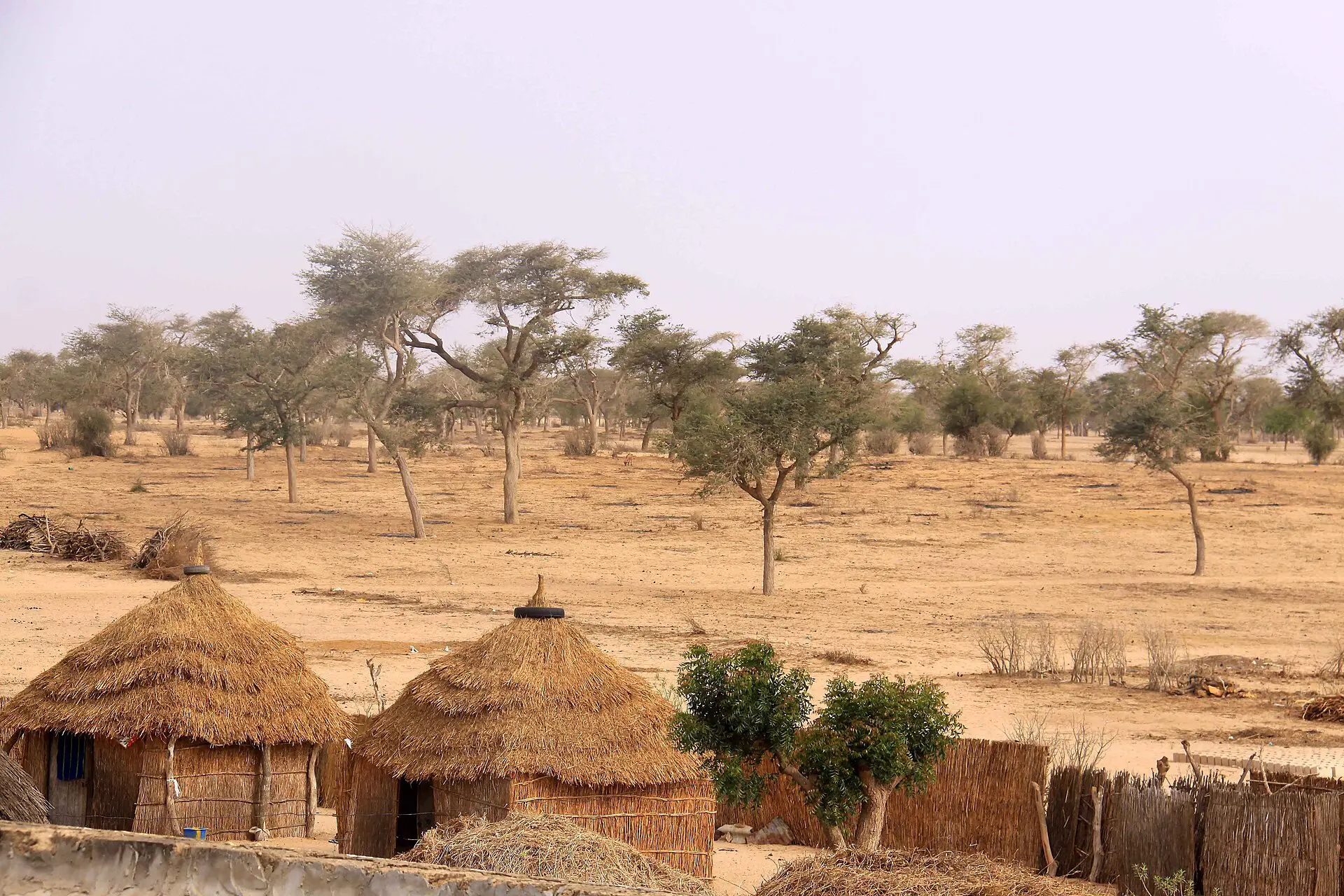
Getting around is by shared taxi (taxi-brousse), minibus (car rapide and Ndiaga Ndiaye), private taxi or hired car with driver. Dakar to Saint-Louis takes around four to five hours by road, and Dakar to the Sine-Saloum about three to four. Traffic in and around Dakar is heavy, so allow extra time for airport transfers. A toll motorway runs east from Dakar toward Thiès and Touba and is the fastest road corridor.
Ferries connect Dakar with Gorée in around 20 minutes and, for Casamance, a ferry sails between Dakar and Ziguinchor, though schedules have changed, so check. Domestic flights serve Ziguinchor and Cap Skirring seasonally. Roads in rural areas can be rough, and driving at night is risky.
How much does a trip to Senegal cost?
Senegal is cheaper than Europe but more expensive than some West African neighbours, with Dakar and resort areas the priciest. The currency is the West African CFA franc (XOF), pegged to the euro at around 656 francs to the euro. Figures below are rough per-person guides for 2026.
- Budget: around EUR 25 to 45 per day, with guesthouses, local meals and shared transport.
- Mid-range: around EUR 50 to 100 per day, with air-conditioned hotels, restaurant meals and some taxis or tours.
- High-end: from around EUR 150 per day, with beach resorts, boutique hotels and private drivers.
Accommodation, car hire with driver and excursions drive costs. A street meal of rice and fish can cost only a couple of euros, while a Dakar restaurant dinner costs more. Bargain in markets and agree taxi fares in advance. Entry fees for sites and parks are modest, but pirogue trips and lodge packages in the Sine-Saloum are a larger spend.
Senegal food and drink
Senegal food is one of the best-known cuisines in West Africa, built on rice, fish, vegetables, peanuts and tangy sauces, with French influences in bread and pastries.
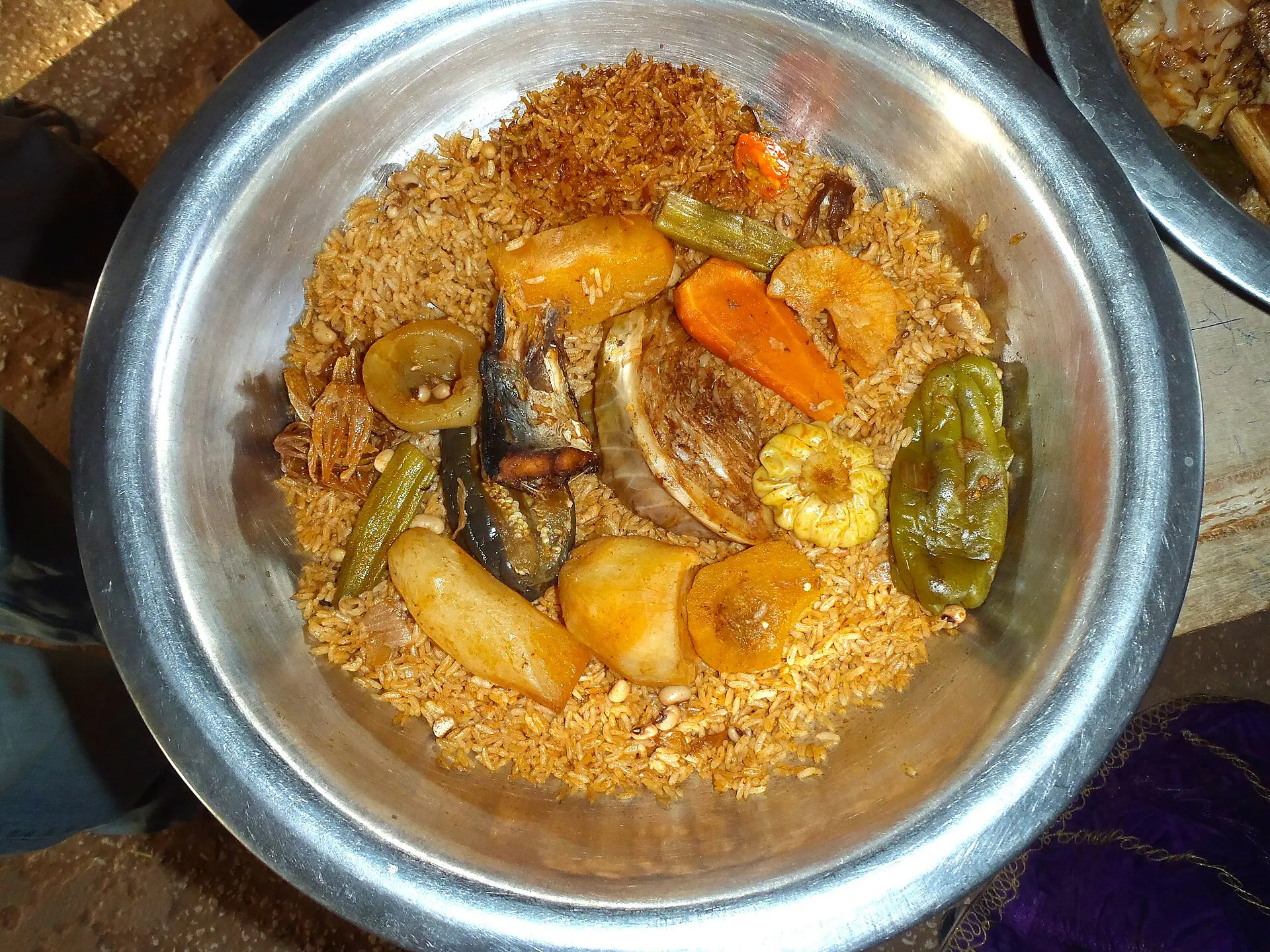
- Thieboudienne: the national dish, fish cooked with rice, tomato and vegetables such as cassava and carrot.
- Yassa: chicken or fish marinated in lemon and onions and served over rice, originating in Casamance.
- Mafé: a rich peanut stew with beef or chicken.
- Thiou and soupe kandia: stews flavoured with okra and palm oil.
- Pastels and fataya: fried pastries with fish or meat, sold as snacks.
- Bissap and bouye: hibiscus and baobab-fruit drinks, usually sweetened and served cold.
- Attaya and Café Touba: sweet mint tea ritual and spiced coffee.
Eat at busy places with fresh turnover, and choose bottled water. Meals are often shared from one dish. Senegal is mainly Muslim, so alcohol is available in tourist restaurants and bars, but not everywhere. Vegetarians may find the options limited, as fish and meat are common, but vegetable and rice dishes can be requested.
Culture, language and etiquette in Senegal
French is the official language, while Wolof is the most widely spoken local language and the one used in everyday city life. Others include Pulaar, Serer and Diola. Learning a few Wolof greetings, such as salaam aleekum and jërejëf (thank you), is very welcome, and English is limited outside tourism.
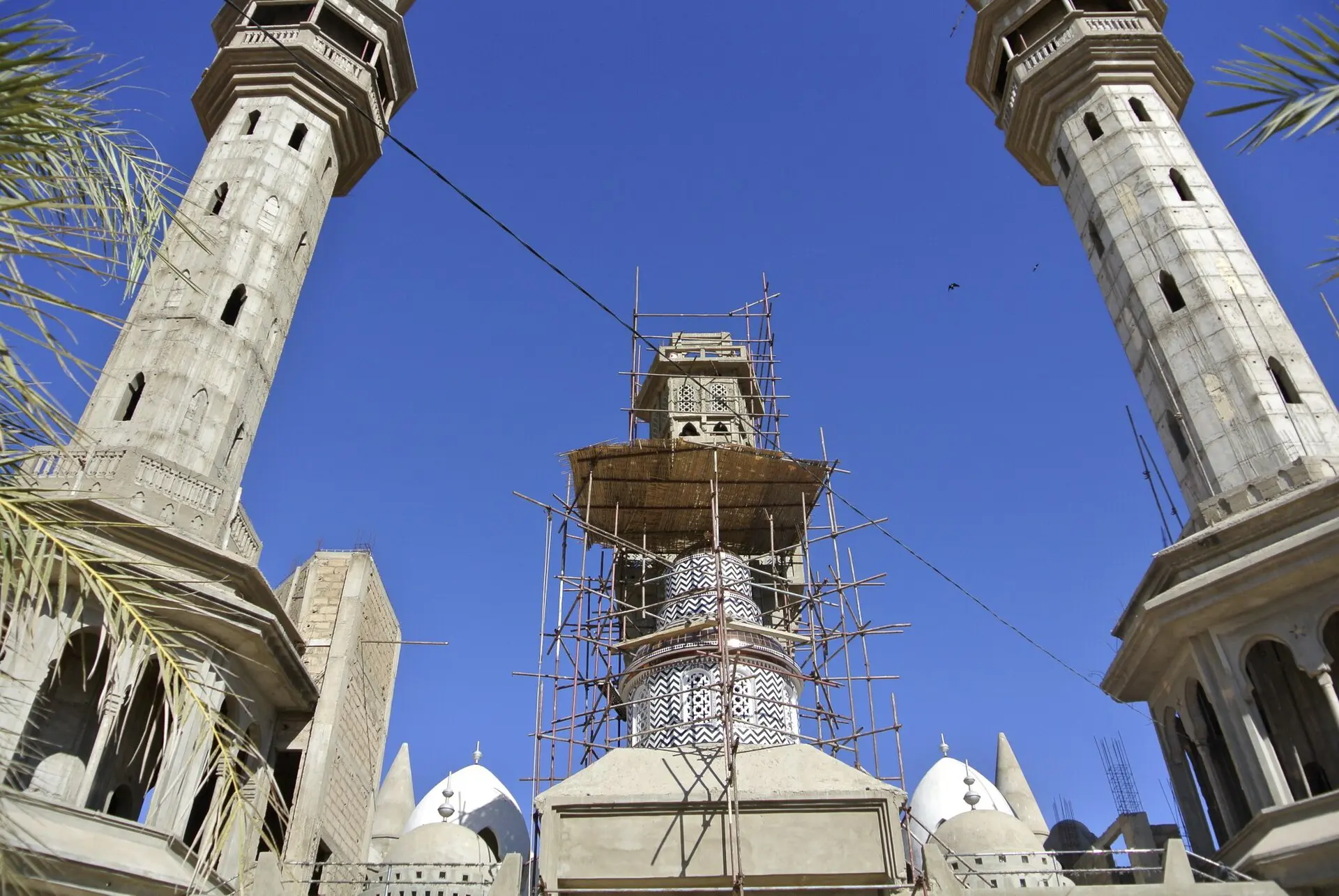
Most Senegalese are Muslim, with Sufi brotherhoods such as the Mourides and Tijaniyya especially influential; there are also Christian communities. The culture values teranga, or hospitality, and greetings are long and important. Always greet people and ask after their family before getting to the point.
Use your right hand for eating, passing items and greeting. Dress modestly away from beaches, covering shoulders and knees, especially in mosques and holy cities. Ask permission before taking photos of people. Prayer times, Ramadan and religious events affect schedules, so avoid eating in public during daytime in Ramadan where practical. Bargaining is expected in markets and should be good humoured.
Senegal itinerary: a 7-day route
This route covers Dakar, the north and the Sine-Saloum while avoiding border areas and the least stable parts of Casamance.
- Day 1, Dakar: arrive, then visit the Museum of Black Civilisations and the Monument de la Renaissance africaine.
- Day 2, Gorée and Dakar: take the ferry in the morning, then browse Soumbédioune market and eat fresh fish.
- Day 3, Lac Rose and Saint-Louis: stop at the pink lake, then continue north, about four to five hours in total.
- Day 4, Saint-Louis: walk the island and take a boat on the river or a trip to the Langue de Barbarie.
- Day 5, Djoudj or return south: visit the bird sanctuary in winter, or drive back towards Dakar and Thiès.
- Day 6, Sine-Saloum: travel to a riverside lodge, about three to four hours from Dakar, and take a pirogue trip.
- Day 7, return: allow three to four hours back to Dakar and extra time for airport traffic.
In the rainy season, skip Djoudj and spend more time in Dakar and on the coast.
Practical tips for Senegal
- Money: the West African CFA franc is the currency. ATMs are common in Dakar and large towns, cards are accepted in better hotels, and cash is needed elsewhere.
- SIM and eSIM: local prepaid SIMs from Orange, Free or Expresso are cheap, and coverage is good in towns and along main roads.
- Plugs: types C, D, E and K at 230 V; bring a universal adaptor.
- Tipping: not obligatory, but about 10 percent in restaurants and small tips for guides and drivers are appreciated.
- Health: arrange malaria prophylaxis and vaccinations (including yellow fever) with a travel clinic, and bring repellent and sunscreen.
- Packing: lightweight, modest clothes, a hat, sandals, and a rain jacket in the wet season.
- Transport: use apps such as Yango where available, and agree fares first for street taxis.
For more background, see the Wikivoyage Senegal guide.
FAQ
Q1Is Senegal safe?
Generally yes, and Senegal is among the more stable countries in West Africa. Expect petty theft in busy areas, risky roads and strong Atlantic currents. Some governments advise against travel near the Mali and Mauritania borders and parts of Casamance, so check current advice.
Q2What is the best time to visit Senegal?
November to March is best, with dry, sunny weather and the peak season for birdwatching in the north. April to June is hotter, and the rainy season from July to October brings humidity, heavy showers and some flooding, though it is cheaper and greener.
Q3Do you need a visa for Senegal?
It depends on your nationality. Many travellers can enter visa-free for short stays, while others need advance authorisation, and an online pre-travel system has been used for some arrivals. A yellow fever certificate is often requested. Confirm rules with official sources before booking.
Q4What are the best things to do in Senegal?
Visit Gorée Island and the Museum of Black Civilisations, explore Saint-Louis, see pelicans at Djoudj, float on Lac Rose, take a pirogue through the Sine-Saloum Delta, enjoy live mbalax music in Dakar and eat thieboudienne.
Q5What language do they speak in Senegal?
French is the official language, while Wolof is the most widely spoken everyday language. Pulaar, Serer and Diola are also spoken. English is limited outside tourism, so a few French or Wolof greetings help a great deal.
Q6What is the currency in Senegal?
The West African CFA franc (XOF), which is pegged to the euro at roughly 656 francs per euro. ATMs are common in Dakar and large towns, but carry cash for villages, markets and taxis, since cards are accepted mostly in better hotels.
Q7How many days do you need in Senegal?
Seven days covers Dakar, Gorée, Saint-Louis and the Sine-Saloum at a steady pace. Four or five days suits Dakar plus one region, and ten days or more allows Casamance, subject to safety advice, or a longer birdwatching trip.