The best things to do in Da Nang are mostly outdoors and mostly cheap: a long beach, a river lit up at night, a marble hill full of caves, and a mountain road that ends in Hue. We like it for another reason too. It is a big, easy, flat coastal city where a month passes comfortably, and the sightseeing slots around the workday instead of eating it. This guide covers what to see, where to base yourself and what a month costs.
Best time to visit Da Nang
Da Nang has a hot, humid summer and a wet autumn. June to August can reach 40 degrees Celsius, and tropical storms usually arrive in October and November. Everything else is a rough guide, so check a forecast before you book anything non-refundable.
| Season | Weather | Crowds and prices | Good for |
|---|---|---|---|
| February to April | Warm, mostly dry, comfortable | Moderate; Tet in late January or February is a spike | Long stays, beach and work balance |
| May to August | Hot, humid, strong sun | Busiest and priciest, especially Vietnamese school holidays | Swimming, early mornings, indoor work hours |
| September to November | Rain, storms, rougher sea | Quieter, better rates | Cheaper months, indoor focus, flexible plans |
| December to January | Cooler, changeable, some drizzle | Moderate | Walking, Hai Van Pass, day trips |
For a working month we would aim for spring. You get swimmable water, bearable afternoons and rates that have not yet jumped for summer.
Top things to do in Da Nang
1. Swim and walk at My Khe Beach
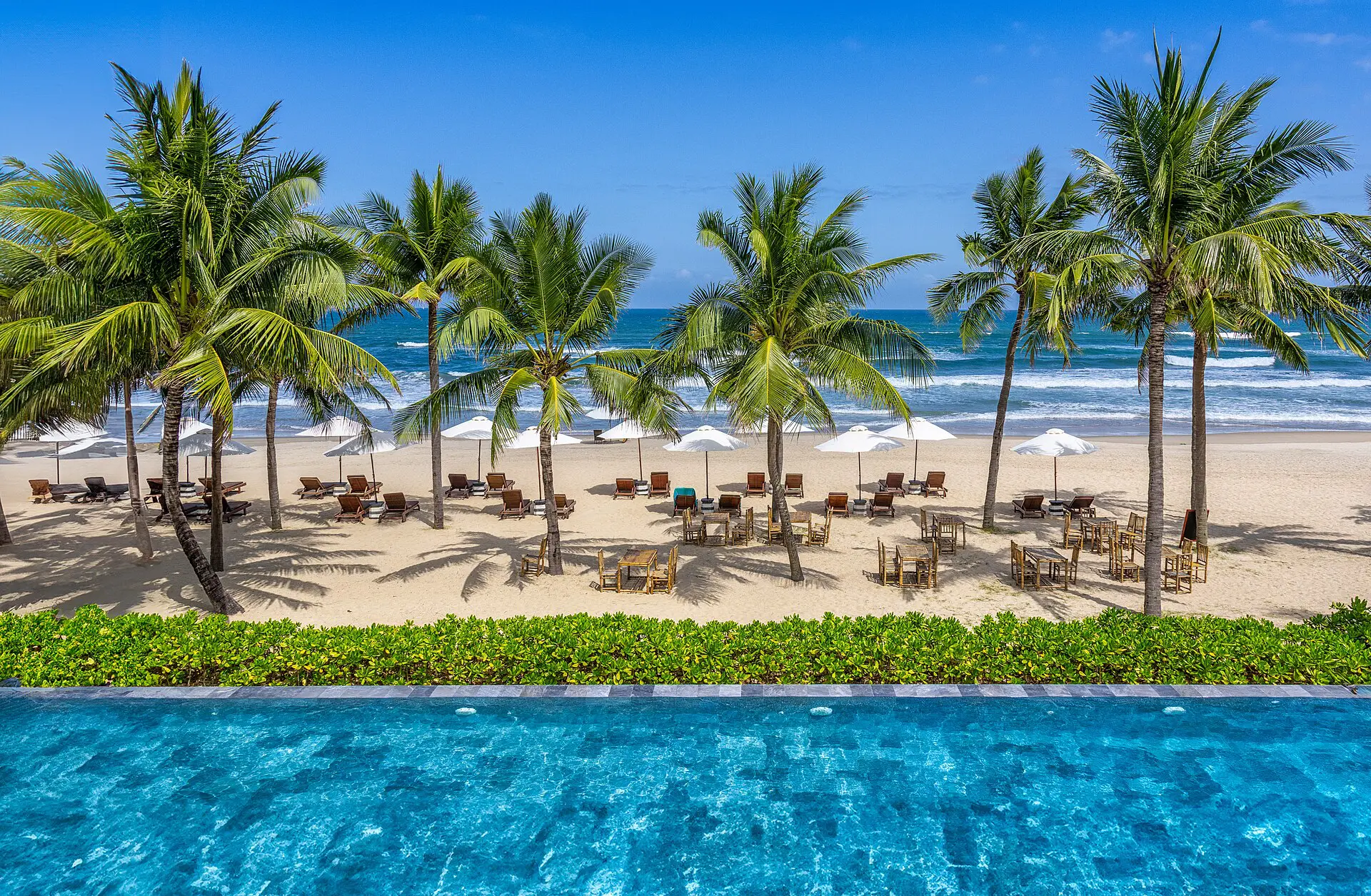
My Khe is the city’s main beach, the old “China Beach” of Vietnam War fame, and it runs for kilometres along the eastern edge of town. The sand is wide and the promenade behind it is easy to walk. Go at sunrise, when locals swim and exercise: a morning swim, then laptop open by nine. Water can be rough in storm season, so read the flags.
2. See the Dragon Bridge at night
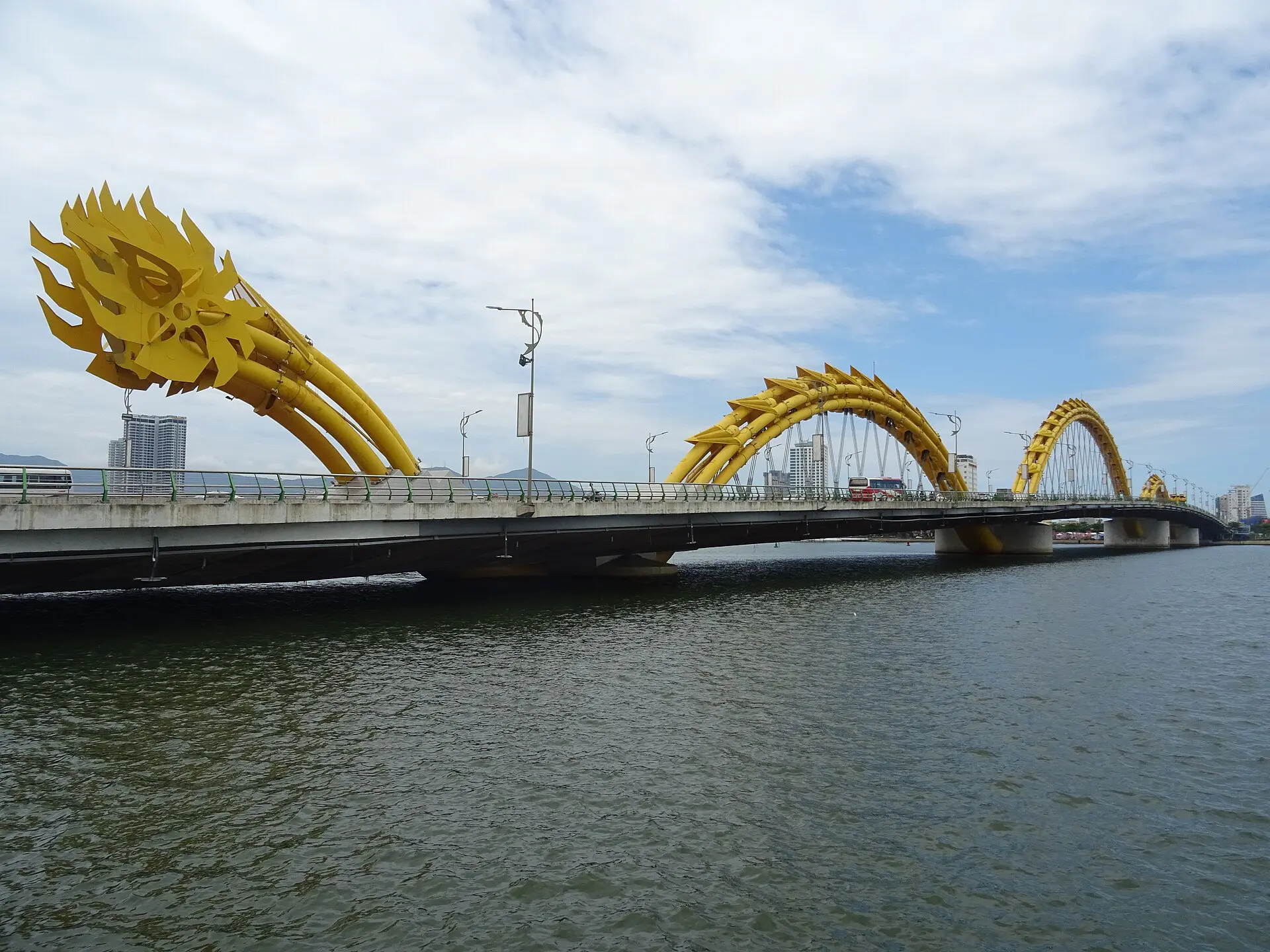
The Dragon Bridge crosses the Han River with a steel dragon along its length, lit in changing colours after dark. On weekend evenings the dragon is usually advertised to breathe fire and water at a set time, but schedules change, so check locally on the day. Come early and expect crowds. On other nights the lights alone are worth a ten-minute detour.
3. Walk the Han River bridges and riverfront
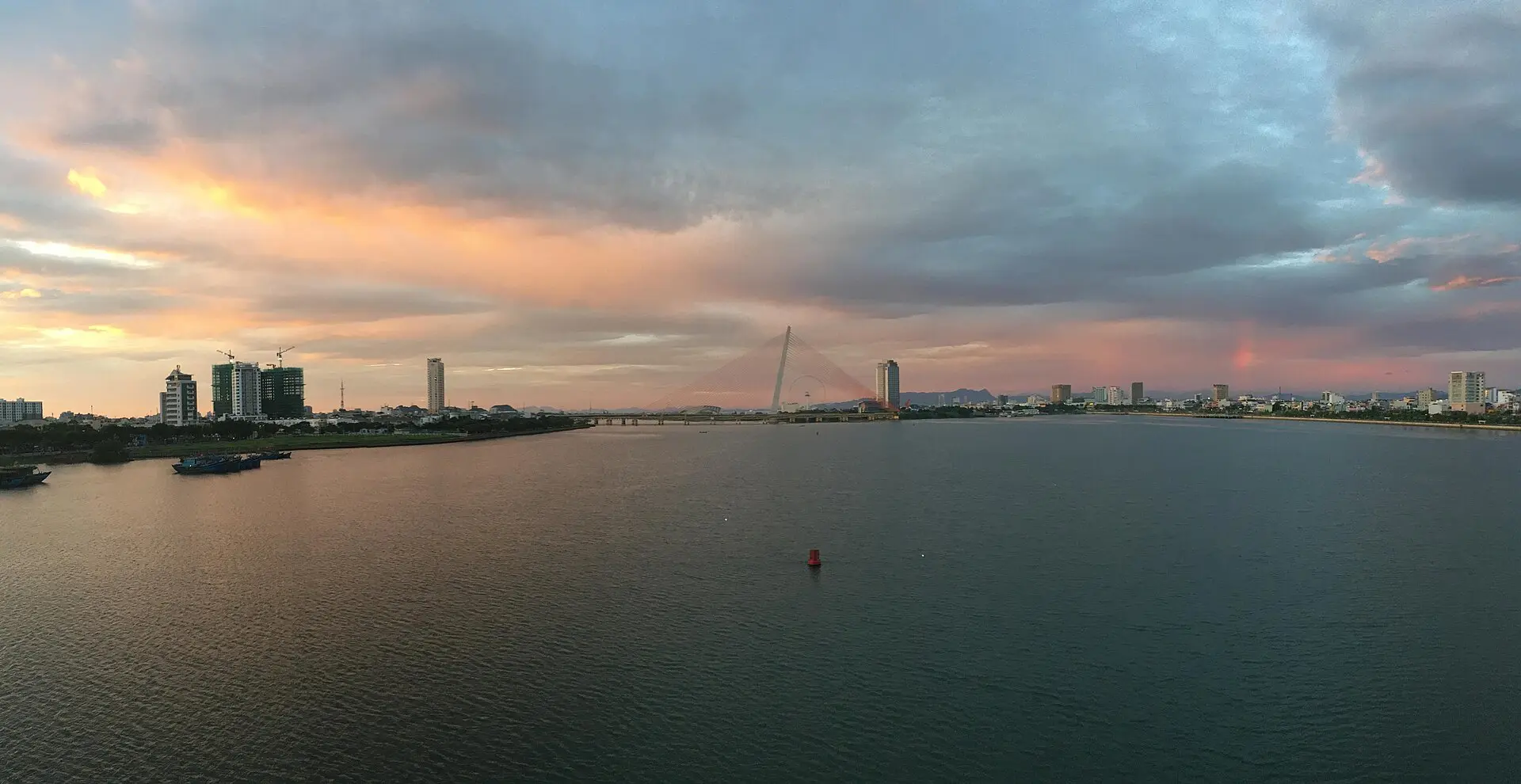
The Han River runs through the middle of the city and the promenade along it is the easiest evening walk we know of in Da Nang. Several bridges cross it, including the Dragon Bridge and a bridge covered in love padlocks. If you work late, this is where you stretch your legs afterwards, and it costs nothing.
4. Climb the Marble Mountains
The Marble Mountains are five limestone and marble hills south of the city, each named for an element. They hold caves, pagodas and shrines with stairs between them. Allow two to three hours. Go early because stone steps and midday sun do not mix, and wear shoes with grip. Expect a small entry fee, with extra charges for the lift and some caves, so carry small notes.
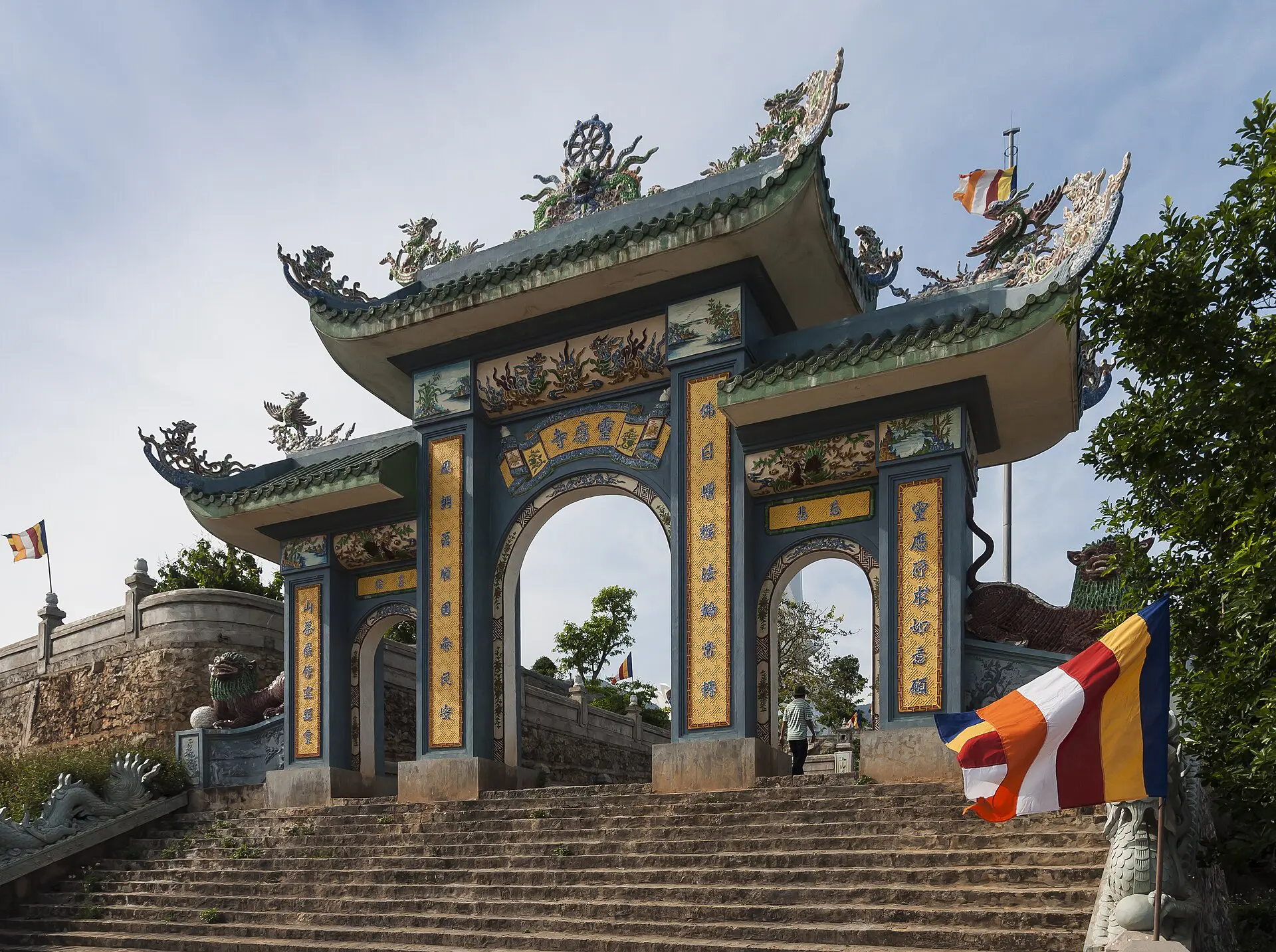
5. Visit Linh Ung Pagoda and the Lady Buddha
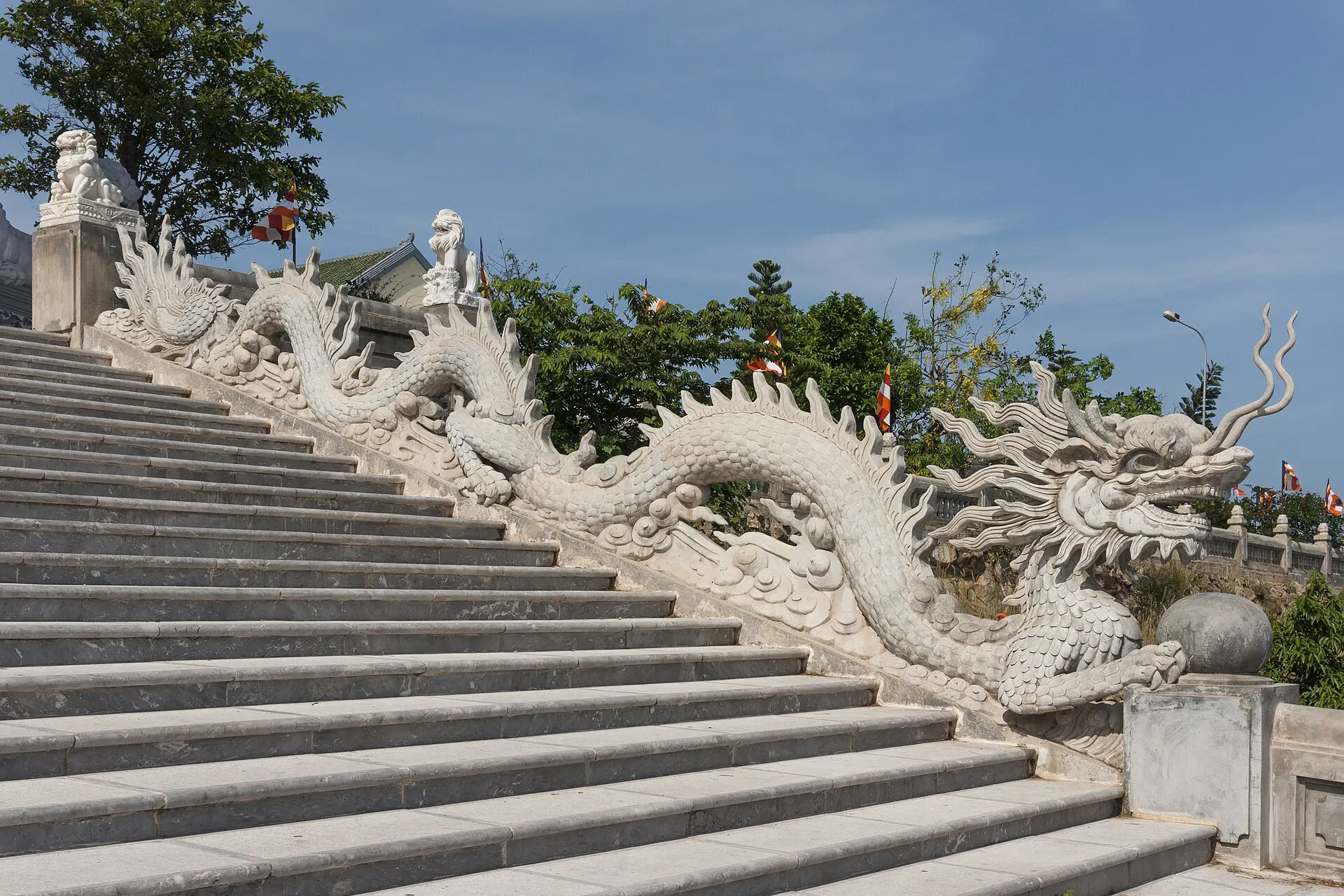
On the Son Tra Peninsula stands a tall white statue of Guanyin, the Lady Buddha, looking out over the sea. The pagoda grounds are free to enter, as far as we know, but dress modestly and be quiet inside the halls. The view back toward the city and the long beach is clear on dry days.
6. Look for wildlife on Son Tra Peninsula
Son Tra, also called Monkey Mountain, is a green, largely protected peninsula that holds around 60 percent of Vietnam’s red-shanked douc monkeys, a critically endangered species. Do not feed them, do not chase them and keep food out of sight. Early morning is the better time to see them, and the cooler air makes it a decent half day when the beach is too hot.
7. Ride up to Ba Na Hills
Ba Na Hills is a hill resort in the mountains west of the city, reached by a long cable car. The most photographed feature is the Golden Bridge, held up by two giant stone hands. It is a theme-park-style day, more spectacle than authenticity. Tickets are not cheap, as of 2026 expect a noticeable chunk of a daily budget, and weekends and holidays are packed. Go on a weekday, early, and take a layer because the top is cooler.
8. Browse the Museum of Cham Sculpture
The Cham civilisation flourished in this region from about the 2nd century to the 15th century, and this museum is where you see it up close. The collection of sandstone sculpture comes largely from Cham sites in central Vietnam. It is small enough for an hour, air-conditioned, and a good rainy-day fallback. Visit before a trip to My Son, because the context makes the ruins far more interesting. Check hours ahead.
9. Drive or ride the Hai Van Pass
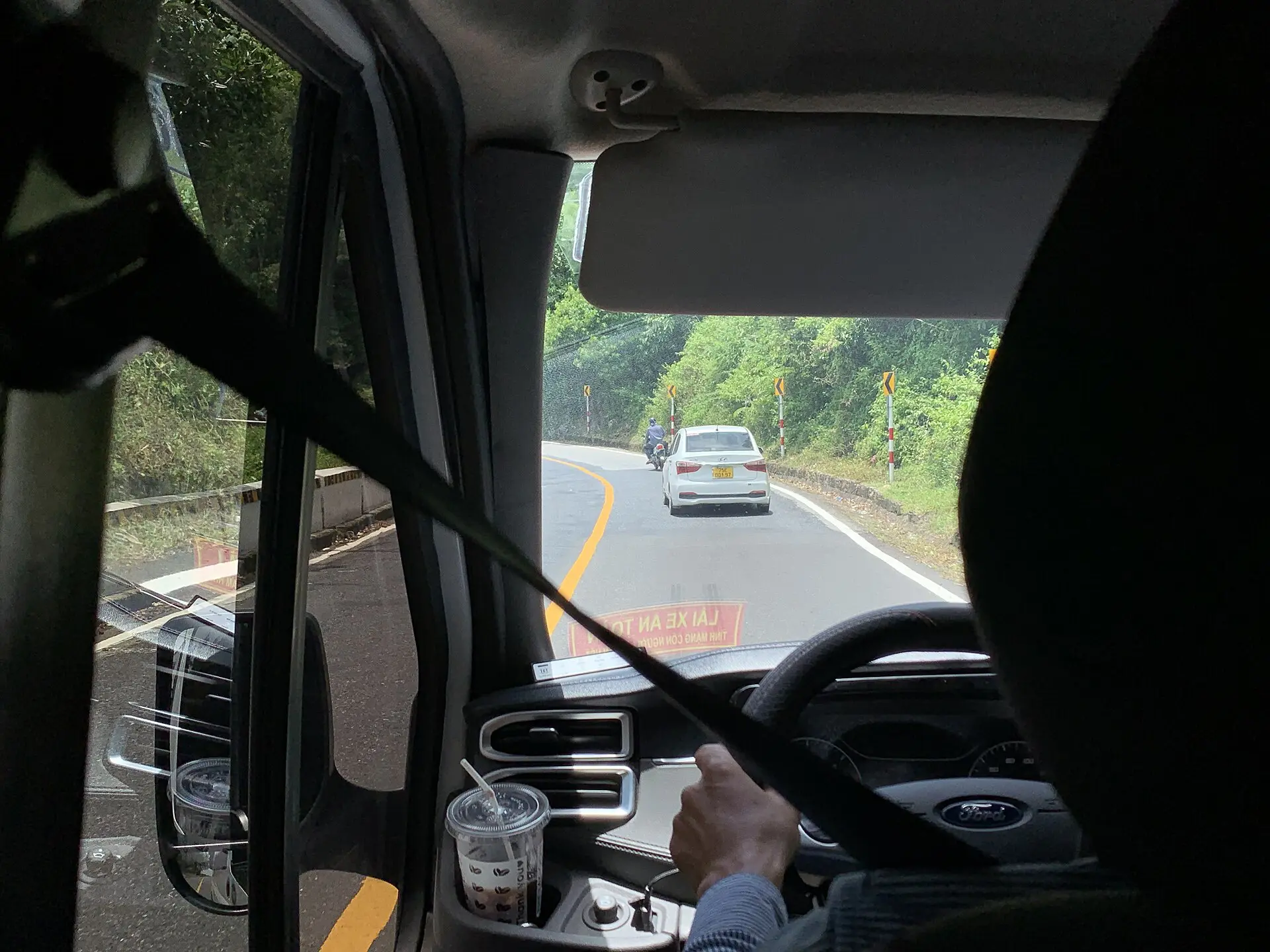
The Hai Van Pass climbs over the headland between Da Nang and Hue, and it is one of the better coastal rides in Vietnam. Fog and rain can wipe out the views, so pick a clear morning. A tunnel now carries most traffic underneath, which leaves the old road quieter. Take a car with a driver unless you already ride confidently and hold the right licence.
10. Eat mi quang and other central Vietnamese food
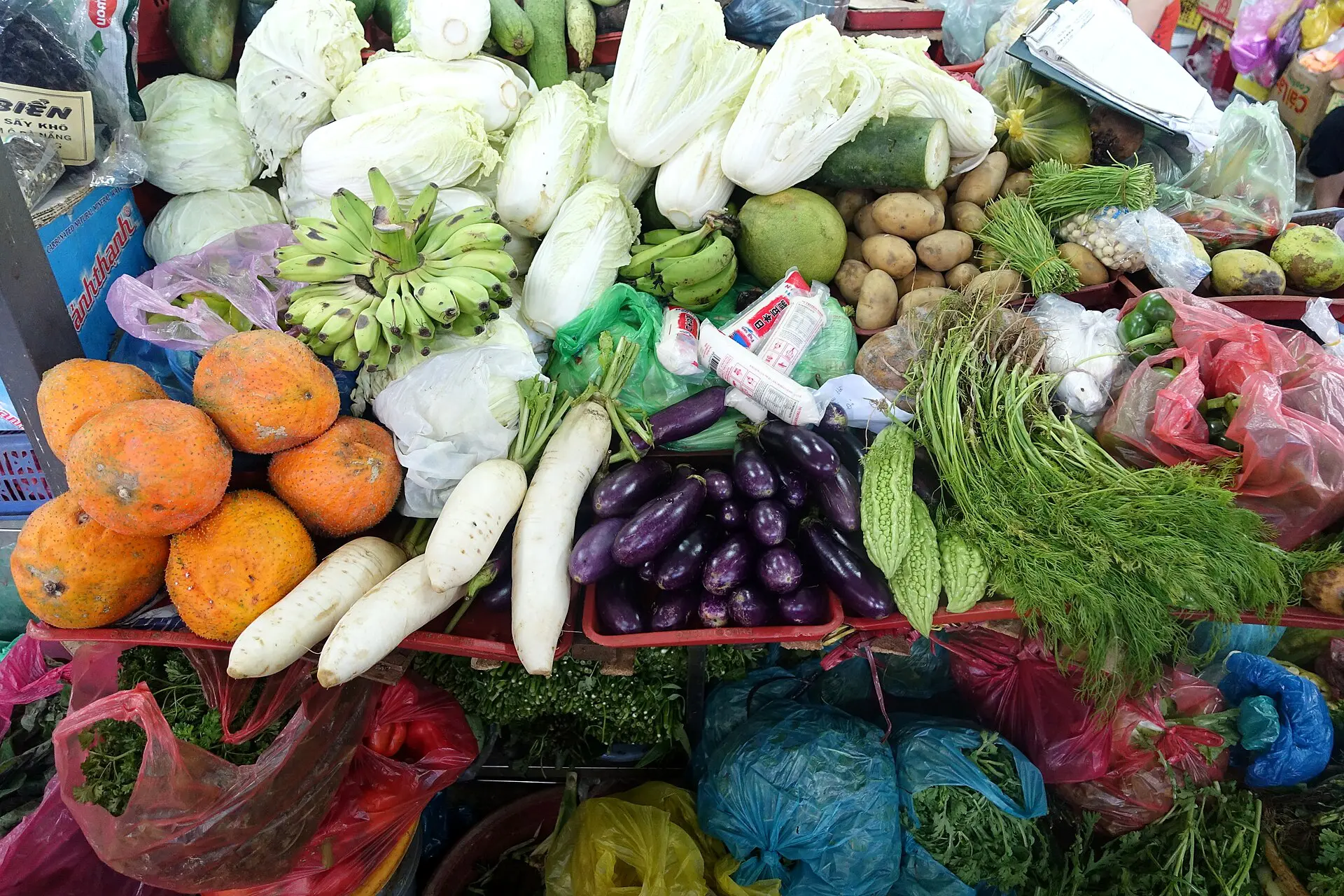
Central Vietnam has its own noodle dishes, and mi quang, a turmeric-tinted bowl with a little broth, herbs and peanuts, is the one most people associate with Da Nang. Seafood is the other draw, especially grilled fish and shellfish near the coast. For a working month this matters: cheap local meals are the single biggest saving. Ask the price before ordering seafood by weight.
11. Try Non Nuoc Beach when My Khe is busy
Non Nuoc sits south of My Khe near the Marble Mountains and is generally quieter, with the same long sand and a more relaxed feel. It makes a good switch if you tire of the hotel towers along My Khe. Surf conditions vary by season, so choose a patrolled spot where you can.
12. Take the evening wheel and fairground at Asia Park
Asia Park is an amusement park on the river with a tall observation wheel. It is a mostly domestic family spot, so it is a reasonable way to see how Vietnamese visitors spend an evening in the city. I would skip it solo, but the wheel gives a wide night view and suits families.
13. Soak at a hot springs park
Nui Than Tai, in the hills west of the city, is a thermal springs and mud bath complex, and there are other similar parks nearby. It is a leisurely half day and works well on a drizzly afternoon. Prices vary by package, so check current options.
14. Spend one afternoon working from a good cafe
Not a sight, but we count it. Da Nang has plenty of cafes, from air-conditioned places aimed at laptops to open-air spots with sea breeze. Judge them yourself: look for sockets, shade and steady wifi, and run a speed check before a call. Order something every hour or so. It is the easiest way to feel settled.
Day trips from Da Nang
Hoi An
Hoi An is the obvious one, about 30 km south, and the beach road links the two cities. The old town is a lantern-lit riverside of traders’ houses, tailors and cafes. Go early or on a weekday to avoid crowds. Many nomads actually base themselves in Hoi An or its nearby beaches instead; compare both before choosing.
Hue
Hue was the imperial capital, and its citadel and royal tombs are the main draw. It is a long day, so pair it with the Hai Van Pass by car in the morning and a train or car back.
My Son sanctuary
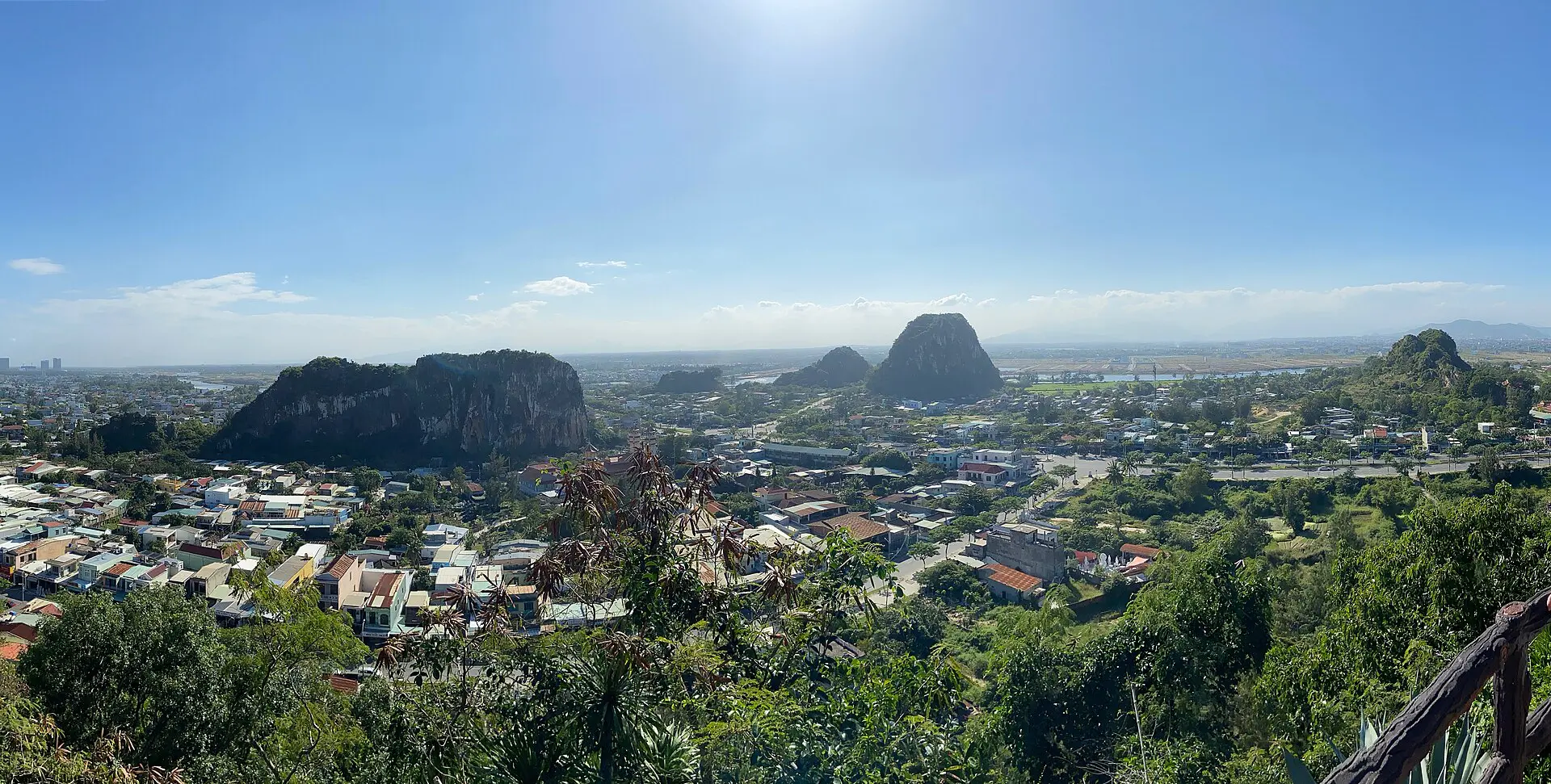
My Son holds Cham Hindu temple ruins in a forested valley south-west of Hoi An, and the Cham capital was in this region. Go early to beat tour buses and the heat.
Cham Islands
The Cham Islands lie off the coast near Hoi An and are reached by boat from the Hoi An side. Sea conditions decide whether boats run, so keep dates flexible.
Where to stay in Da Nang
Base yourself first and sightsee second. For a month, we would split the choice into four areas.
- My Khe and An Thuong: the beach strip and the streets just behind it. Best for first-timers and anyone who wants a morning swim, cafes and apartments close together. Many foreign long-stayers live here.
- Han River and city centre: the west side of the river. Best if you want a local feel, markets and cheaper eating. The beach is a short ride away.
- Son Tra side: the northern coast. Quieter, greener, good for people who want sea air and calm, but you will rely on a scooter or taxi.
- Ngu Hanh Son and Non Nuoc: south toward the Marble Mountains. Best if you want space and a quieter beach and plan to travel to Hoi An often.
For a month, apartments and serviced studios are usually better value than hotels. Ask for a monthly rate and check the wifi with a speed test on arrival, ideally before you pay a deposit. Fibre is common in Vietnam, but quality varies by building.
Getting around Da Nang
Da Nang is easy. Wikivoyage describes the city as having some of the best roads in the country and relatively light traffic compared with Hanoi or Ho Chi Minh City. The airport is only about 3 km from the centre, so arrival is simple. Ride-hailing apps work for cars and motorbike taxis. Taxis are plentiful. Walking is realistic only within a neighbourhood because heat and distance add up. Scooter hire is common but needs the correct licence and insurance.
For the city to Hoi An, a taxi or ride-hailing car is the simplest. Trains and buses link Da Nang with Hanoi and Hue, and flights to Hanoi and Ho Chi Minh City are frequent.
How much does a trip to Da Nang cost?
Costs below are rough daily figures in US dollars, hedged and as of 2026. Rent is the big variable for a month.
- Budget, around US$30 to 45 a day: a basic apartment or guesthouse room, street food, a few rides, free sights.
- Mid-range, around US$60 to 100 a day: a good studio near the beach, cafe workdays, restaurant dinners, a day trip every week.
- High, around US$150 and up: a beachfront hotel or resort, guided tours, Ba Na Hills tickets, drinks.
As a one-month band, we would plan on roughly US$900 to 1,500 for a comfortable single nomad, including housing, food, transport and coworking or cafe spend. It could run lower or higher depending on neighbourhood and season. Prices rise at Tet and in summer.
Is Da Nang worth visiting?
Yes, especially if you plan to stay a while. For history and the 2025 merger with Quang Nam, see Wikipedia. The beach, the bridges and the day trips make it a strong base, and daily life is easy and affordable.
Who should skip it? If you need a dense old-city atmosphere or a big nightlife scene, Hanoi or Hoi An may suit you better. If you dislike heat or storms, avoid the middle of the year and autumn. Two days covers the highlights, but not what makes it work for nomads: time. Also expect a wall of resort towers along the beach rather than a charming old centre.
FAQ about Da Nang
How many days do you need in Da Nang?
Two or three days covers the beach, Dragon Bridge, Marble Mountains and Son Tra. Add one more for Hoi An and another for Hue or My Son. Remote workers often stay four weeks or more, since the city rewards routine and is easy to live in.
Is Da Nang good for digital nomads?
Many nomads like it for the beach, cheap daily life and modern apartments. Internet speeds in newer buildings are generally good, but quality differs, so test before you commit. Cafes are plentiful. Check visa rules for your nationality, because stay lengths and e-visa terms change.
What is the best beach in Da Nang?
My Khe is the main and most convenient beach, with the widest facilities. Non Nuoc to the south is quieter. Swimming conditions change with the season, and storms in autumn can make the sea unsafe, so follow local flags and advice.
How far is Da Nang from Hoi An?
About 30 km, roughly 40 minutes by car along the coast, longer in traffic. Taxis and ride-hailing cars are the simplest option, and a bus is cheaper. Many people stay in one and visit the other, so decide based on your preferred pace.
Is Da Nang safe?
It is generally regarded as a relaxed city for visitors. The main risks are ordinary ones: bag snatching from motorbikes, traffic, rough sea and overcharging. Keep phones away from the road, agree prices before rides and respect swimming flags. Check current travel advice before you go.
Do I need a visa for Da Nang?
Most visitors need an e-visa or an exemption, and the allowed stay differs by passport. Rules have changed several times, so check the official Vietnamese immigration site or your embassy before booking. For a month or more, confirm the maximum stay first.