The Spain digital nomad visa is a residence route, created by a 2022 law, for non-EU remote workers who are employed by, or freelance for, companies outside Spain. You usually need proof of remote work, a minimum income tied to Spain’s minimum wage, private health cover and a clean record. Rules, thresholds and processing times change, so verify each point with the official Spanish source or your nearest consulate before you apply.
Spain digital nomad visa: routes and stay length
As of 2026, Spain’s remote-worker route sits inside the same law that created its start-up visa. Applicants from outside the EU can apply at a Spanish consulate abroad, and in some cases from inside Spain if they are already legally there. The details below are hedged, because Spanish guidance and the application portal have both been updated since launch.

- Who it covers. Employees of non-Spanish companies and freelancers with mostly foreign clients. Freelancers are often limited in the share of income that can come from Spanish clients, so read the current cap.
- Experience and background. Applicants typically show a degree or professional experience, plus evidence that the remote relationship has existed for some time.
- Income. The test is usually a multiple of Spain’s national minimum wage, which is revised each year. Earlier reports put it at roughly twice the monthly minimum wage, with higher figures for dependants. Confirm the number.
- Length. A visa of about a year, with residence authorisations that can be renewed for a few years in total. Check whether time counts toward long-term residence.
- Health cover and records. Private insurance valid in Spain and a criminal record certificate are normal asks, often with apostille and translation.
A tourist stay is not the same thing. Short stays are allowed for many passports, but work-related rules are narrower, and the Schengen 90-in-180-day limit applies to many travellers. Do not assume a spell as a visitor leads to the visa.
Timing deserves a note. Consulate queues, document legalisation and translation can take weeks, and approvals are not guaranteed. Many applicants start gathering paperwork three to four months ahead, and avoid booking non-refundable flights or a long lease until the decision arrives. If your plans are flexible, a short stay on a tourist entry lets you compare cities first, without any work-related claim on that entry.
One-month budget band for a remote worker in Spain
These are rough monthly figures in euros for one person in a mid-sized or large city, as of 2026. Rents rose in several cities in recent years, so replace them with real listings. For a deeper dive, see our guide to the cost of living in Spain.
| Line | Lean (EUR) | Comfortable (EUR) | Notes |
|---|---|---|---|
| Rent, one-bedroom or studio | 700 to 1,000 | 1,100 to 1,800 | Madrid, Barcelona and Málaga sit at the top; smaller cities lower |
| Utilities and internet | 90 to 140 | 120 to 200 | Fibre is widespread; summer air-conditioning raises bills |
| Groceries and eating out | 300 to 450 | 500 to 800 | A daily menu lunch is the local saver |
| Transport | 20 to 60 | 60 to 150 | City passes and regional trains |
| Coworking or desk | 0 to 80 | 100 to 250 | Hot desks and day passes vary by city |
| Health cover and extras | 60 to 130 | 120 to 200 | Private policy as the visa requires |
| Rough total | 1,200 to 1,900 | 2,000 to 3,300 | One person |
Where to base yourself in Spain by work style
Spain is varied, so choose by routine. The mainland bases are on Central European time, and the Canary Islands are one hour behind, which helps if you work with European clients and stretches your day if your team is on the US East Coast.
1. Madrid: for client-facing work and good transport
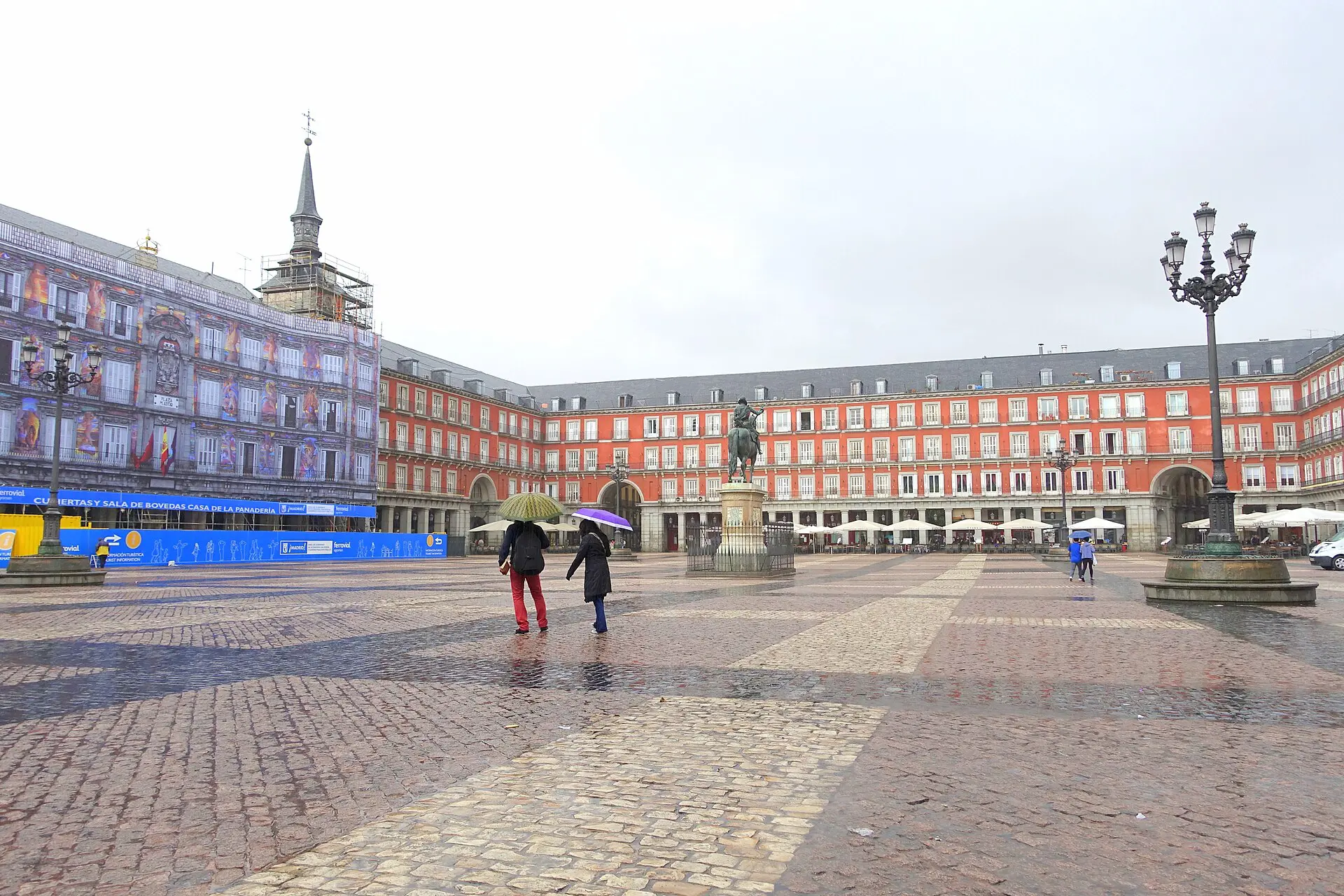
The capital has the strongest business infrastructure, a wide choice of coworking spaces and fast rail links. Rents are among the highest in the country, and summer is hot.
2. Barcelona: for a built-out nomad scene
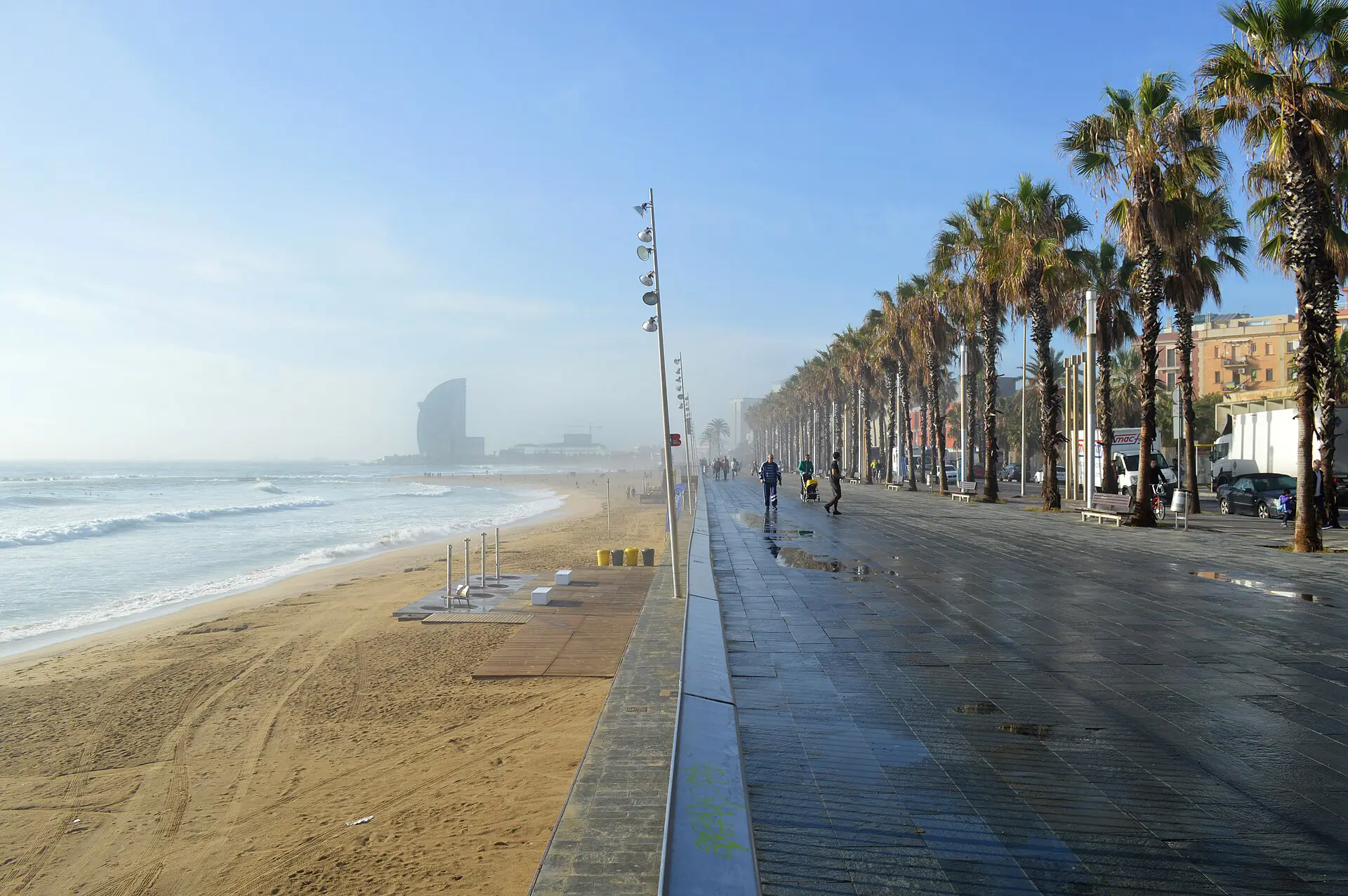
Barcelona has a large international crowd and plenty of events, at a price. The beach and the city are both close. Expect competitive rental markets and many short-stay rules, so check lease terms carefully. Neighbourhoods near the beach cost more; areas a metro ride from the centre are the usual compromise.
3. Valencia: for a balance of cost and comfort
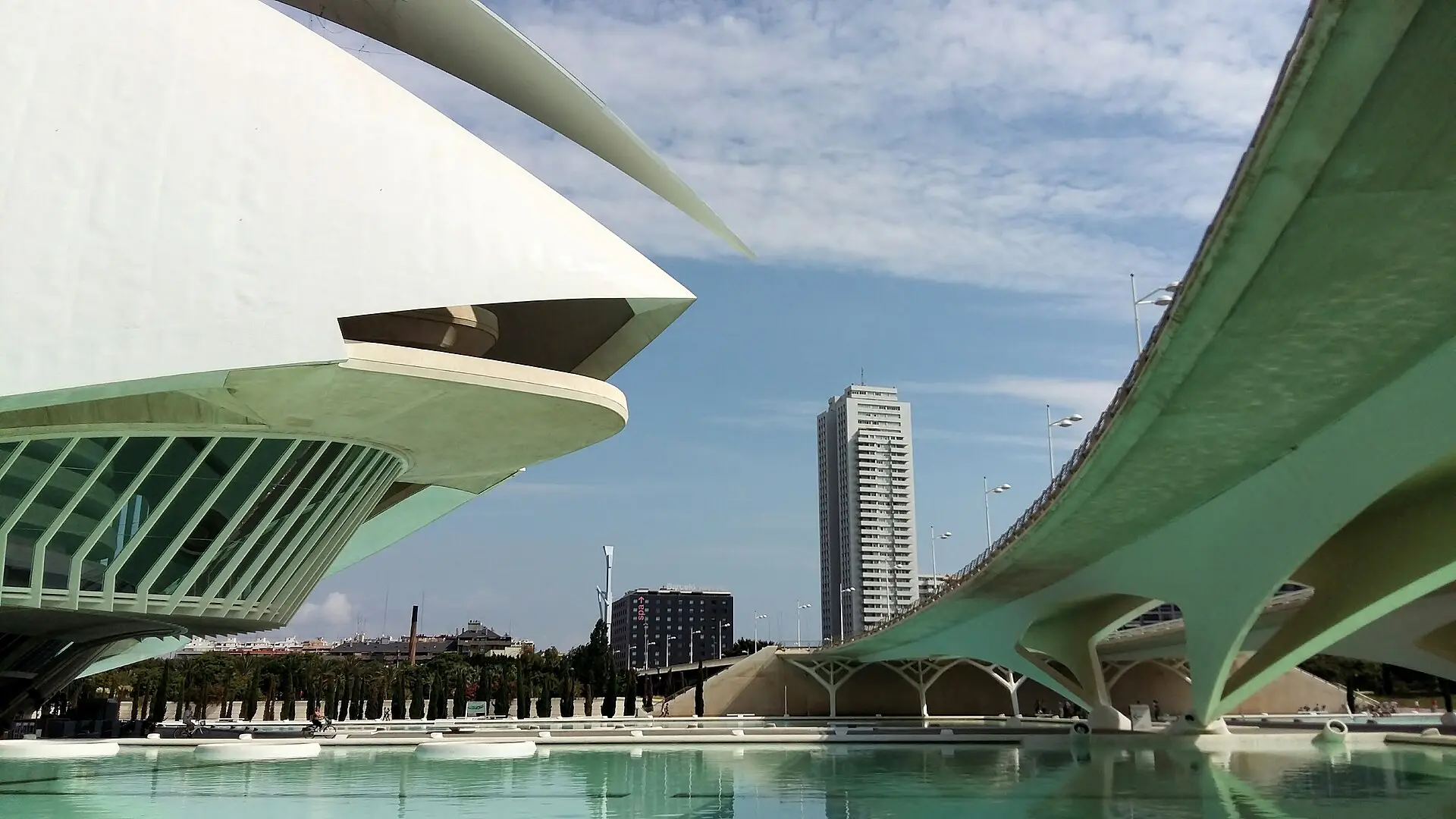
A big city with a beach, bike lanes and a manageable size. It often feels more relaxed than Barcelona. Rents have climbed, but it still tends to cost less.
4. Málaga: for sun and a southern base
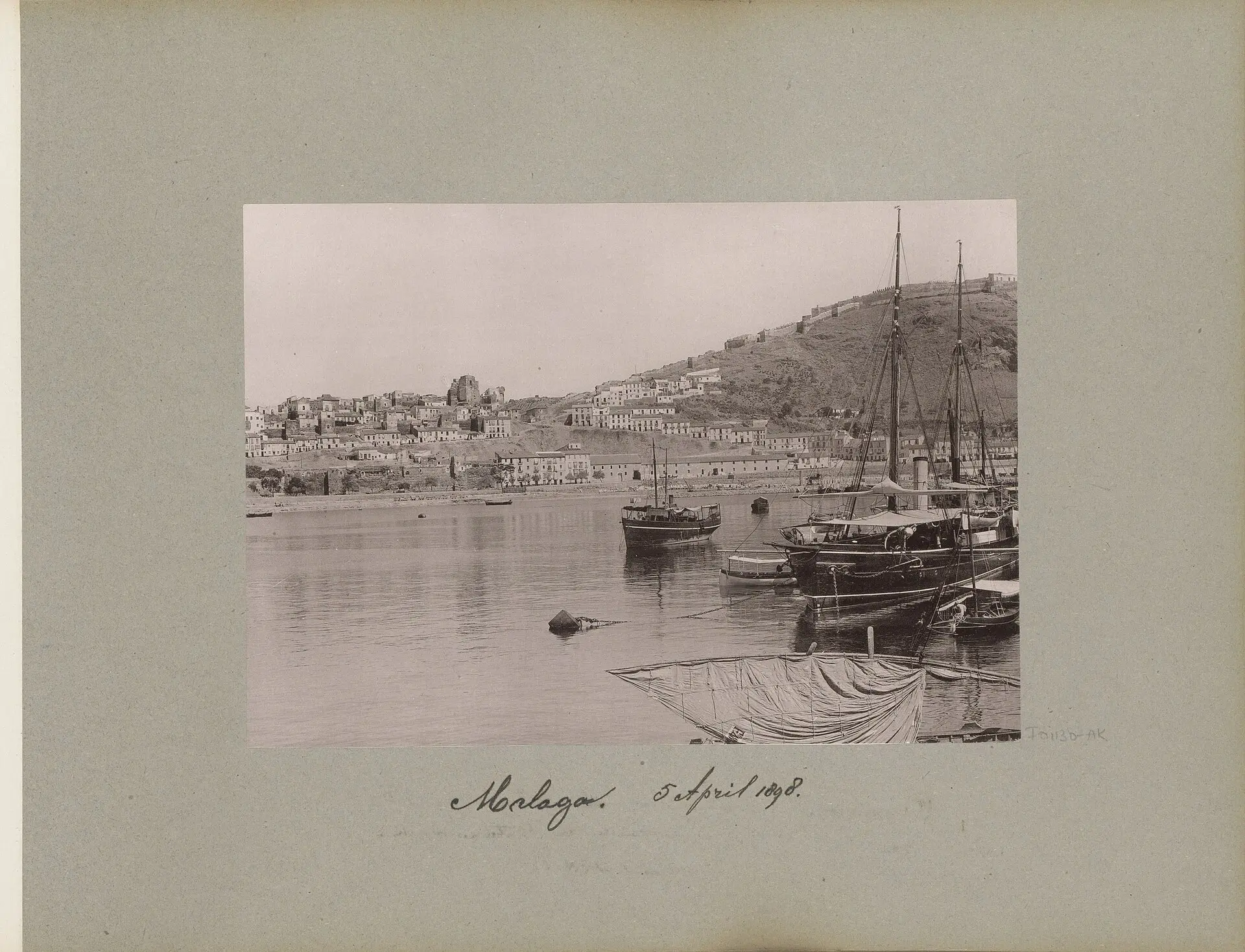
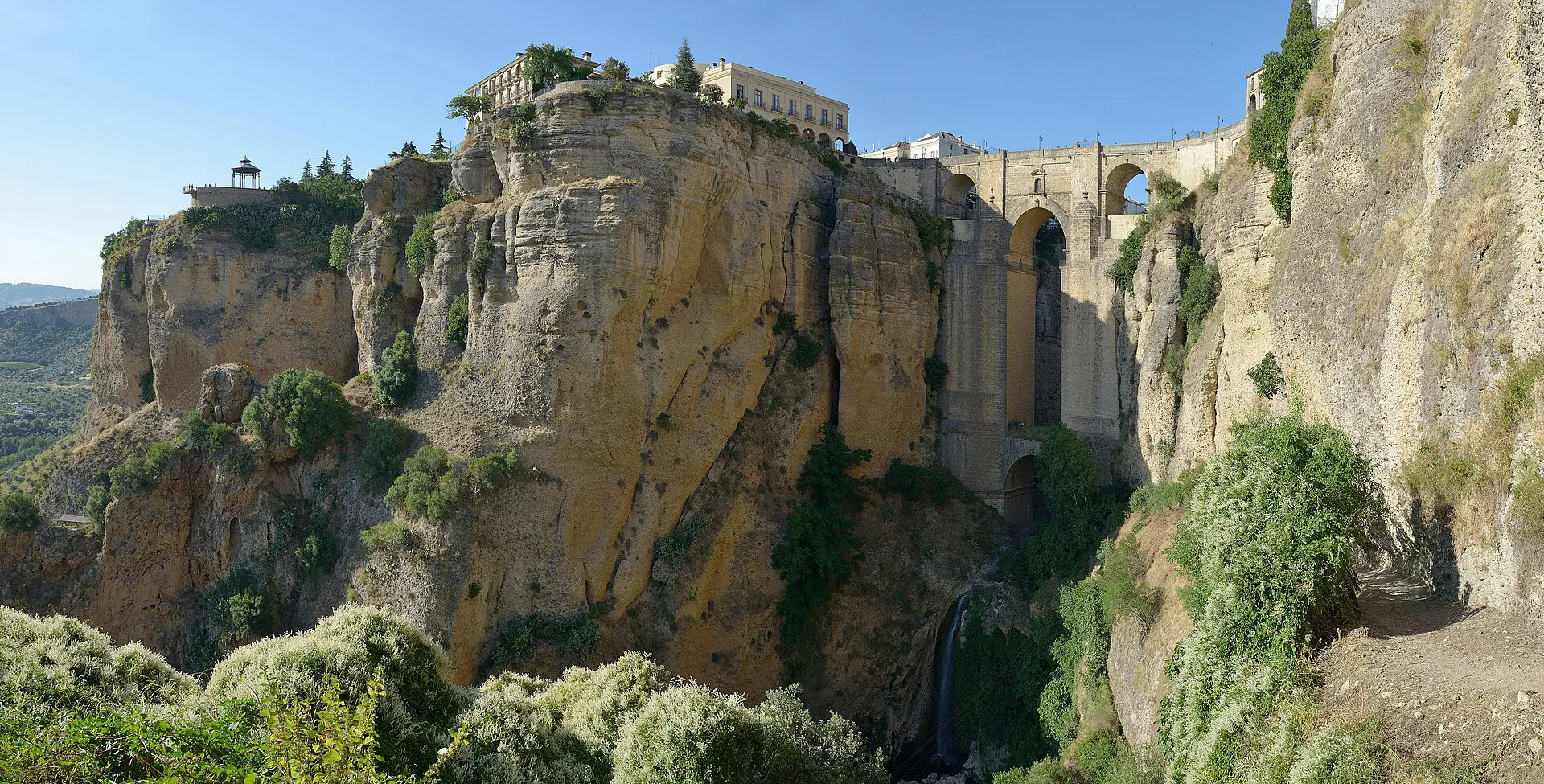
The Costa del Sol’s main city has an airport, a growing tech scene and mild winters. It makes a handy base for the interior as well. Ronda, with its Puente Nuevo bridge over a deep gorge, is a popular overnight or day trip from the coast rather than a place to work from full time, so keep it for weekends. Wi-Fi in smaller towns varies, so verify it in the specific listing.
5. Seville: for culture and a slower rhythm
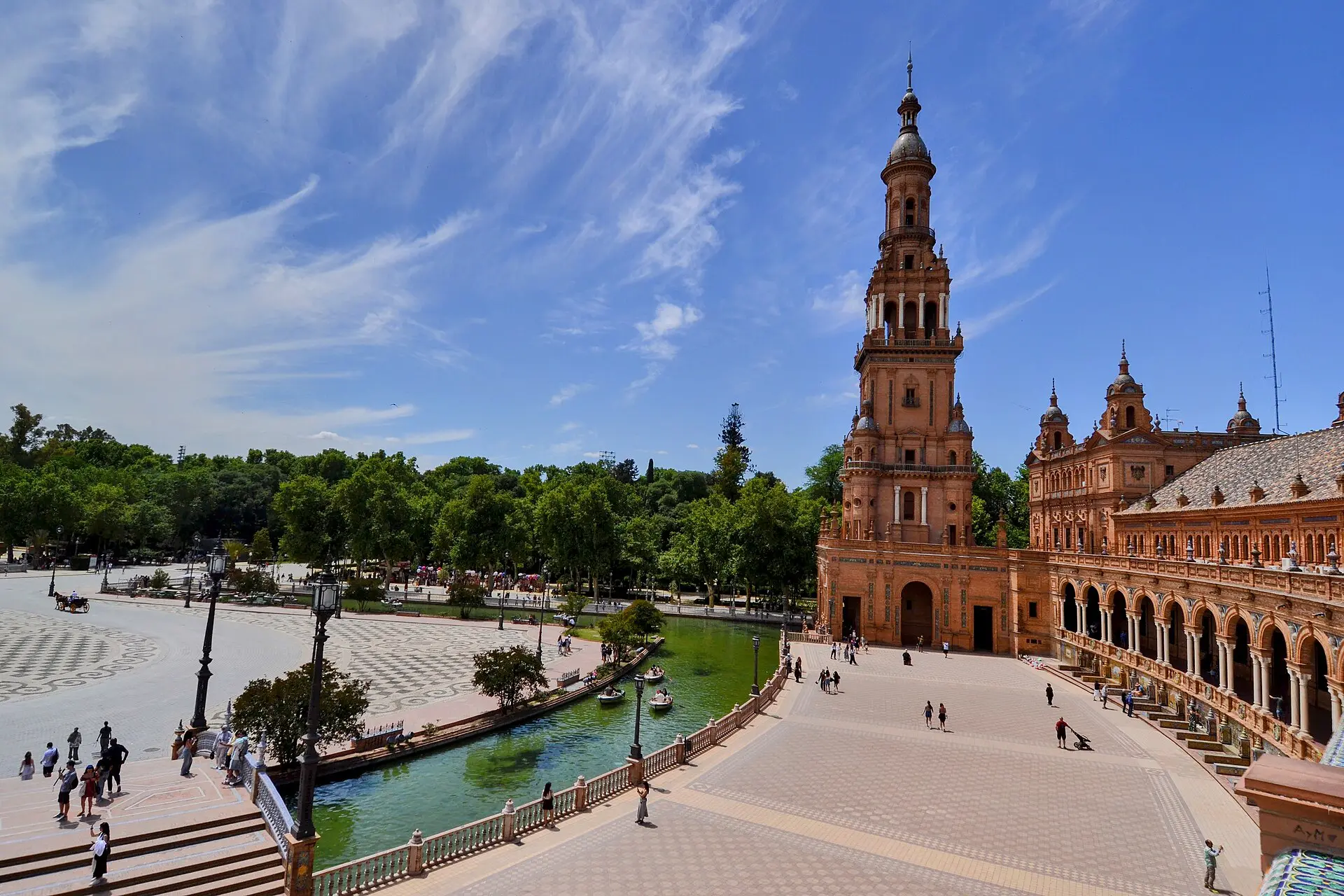
Seville is beautiful and hot. Many nomads time long stays for autumn through spring, and work indoors in the peak summer afternoons.
6. Las Palmas, Gran Canaria: for year-round mild weather
The Canary Islands sit in the Atlantic, off the coast of Africa, and have a mild climate in winter. Flights to the mainland are frequent. Check ferry and flight options if you travel often, and test internet in the specific building.
7. Bilbao: for a cooler, tidy city
The main Basque city is known for the Guggenheim Museum and a good food culture. It is greener and cooler than the south, and may suit you if you dislike summer heat.
Work-friendly setups by type in Spain
Coworking is the most reliable choice for client calls, and most of the cities above have it; ask about a trial day. Cafes work for short sessions, but many Spanish cafes expect you to leave when the lunch crowd arrives. Libraries are quiet and cheap, and some universities and municipal spaces offer low-cost desks. An apartment desk, tested for chair comfort and noise, is the cheapest long-term setup. We cannot recommend a specific space, so run a speed test and a mock call on a day pass before paying for a month.
Month-to-month cost volatility in Spain
Rent is the swing factor. Coastal cities push prices up in summer, and landlords in popular areas often prefer long leases. Seasonal lets can be pricier per month but avoid commitment. Heating in older buildings can be expensive in winter, and air-conditioning in summer, so ask about energy costs. A month in the south in winter is usually cheaper and warmer than a month in the north in January. Moving between cities every few weeks costs more than it looks, because deposits, agency fees and travel add up, so a three-month stay in one place is the more economical rhythm.
Admin friction: banking, SIM and taxes in Spain
- Identity number. Foreigners generally need an NIE, a tax and identity number, for contracts, utilities and banking. Ask how to obtain one for your situation.
- Banking. A Spanish account may need proof of address and your NIE. Some online banks have easier onboarding.
- SIM. Prepaid and contract options exist. Contracts often need a Spanish address or account.
- Tax residency. Spending more than about 183 days in a calendar year can make you a Spanish tax resident, and the visa may come with a special regime for some residents. Do not guess. Book an hour with a Spanish tax adviser who knows your home country’s rules.
Routine and recovery
Spanish days start later than in northern Europe. Lunch is the main meal, often in the afternoon, and shops may close midday in smaller towns. That helps if you like a long focus block in the morning, and a late evening social life. For a sense of meal times and dishes, our guide to traditional Spanish food covers what to expect.
Before you commit to a lease, use this test-it-yourself checklist: speed-test the Wi-Fi at your desk in the morning and the evening, hold a video call at your usual hours, check street noise at night, and walk to groceries and a coworking space. Compare it with Spain against Portugal if you are still undecided, and read about the country on Wikivoyage or in our Spain travel guide.
FAQ about the Spain digital nomad visa
How much do you need to earn for the Spain digital nomad visa?
The requirement is usually set as a multiple of Spain’s minimum wage, which is updated yearly, and rises with dependants. Reports have put it at roughly twice the monthly minimum wage. Confirm the current figure with the Spanish consulate or official portal before you plan.
Can freelancers apply for the Spain digital nomad visa?
Generally yes, as long as most of your income comes from clients outside Spain. A limit on the share from Spanish clients usually applies. Employees of foreign companies can also apply. Read the current wording on the official site, because details change and officers interpret evidence differently.
How long does the Spain digital nomad visa last?
The initial permit is typically around one year, with the possibility of renewal for a further period that can bring the total to a few years. The structure has changed over time, so check the official source for the current duration, renewal rules and whether time counts toward permanent residence.
Do you pay tax in Spain on the visa?
If you spend more than roughly 183 days in Spain in a year, you may become a Spanish tax resident, which can make your worldwide income taxable there. Some residents can opt into a special regime. This is a personal matter, so speak to a tax adviser before you move.
Can you bring your family?
Spouses, partners and children can usually be included in the application, though each adds paperwork and may raise the income requirement. Work rights for family members vary, so ask the consulate. Allow extra time for documents and translations, especially birth and marriage certificates.