Traditional Spanish food is a set of regional dishes eaten on a late clock. Order a tortilla slice and coffee in the morning, the weekday menú del día at 14:00, tapas and a small glass of wine around 20:00, and dinner after 21:00. A fixed-price lunch typically costs 12-18 EUR as of 2026. Below: eight dishes to order first, how meals are timed, what things cost, how to behave at the bar and what to skip in Spain.
How traditional Spanish food meals are timed in Spain
Spain eats later than most of Europe, and the schedule shapes what restaurants serve. Breakfast is light, usually coffee with toast, a pastry or a tortilla slice. Around 11:00 many people have a second small meal, called almuerzo, often a filled roll. Lunch, la comida, is the main meal and runs from about 14:00 to 16:00. Dinner, la cena, starts at 21:00 or later and is lighter.
The gap between the two is the tapas hour. From roughly 19:30 to 21:30, bars fill with people eating small plates standing at the counter. A tapa is a small portion, a ración is a full shared plate and a media ración is half of it. In some cities, notably Granada and parts of León, a small free tapa arrives with each drink. That is a local custom, not a rule everywhere, so ask.
The system behind it is the regional pantry. Wikivoyage describes Spain as 17 autonomous communities with different languages and traditions, and the food follows the map: olive oil and vegetables in the south, seafood in Galicia, rice on the Mediterranean coast, and cured meats and stews inland. Treat each region as a separate cuisine.
8 traditional Spanish food dishes to order first in Spain
1. Tortilla española
Thick potato omelette, with onion in many versions, cooked slowly in olive oil until set but still soft in the middle. It is eaten warm or at room temperature, as a tapa, in a bocadillo or as a snack. Bars argue over whether onion belongs, so the best advice is to ask. A slice is generally 2-4 EUR, and a whole portion at a table costs more.
2. Jamón ibérico and cured meats
Ham from black Iberian pigs is salted and air-dried for years, sliced by hand and served on a plate with bread. The acorn-fed grade is the finest, and the most expensive, so prices on the menu vary a lot. Eat it at room temperature with a little bread and a glass of dry sherry or wine. A tapa of cured ham is roughly 6-15 EUR, depending on the grade.
3. Paella valenciana
Rice, saffron, green beans, rabbit, chicken and snails cooked in a wide pan over fire, with a crisp layer called socarrat on the bottom. Seafood paella is common on the coast, but the original Valencia version uses meat and beans. It is a lunch dish, usually for two or more, and takes about 30-40 minutes. Expect around 15-25 EUR per person.
4. Gazpacho and salmorejo (Andalusia)
Cold tomato soups from the hot south. Gazpacho is thin and drinkable, made with tomato, pepper, cucumber, garlic, olive oil and vinegar. Salmorejo from Córdoba is thicker, made with bread and tomato, and topped with chopped ham and egg. Both are best in the summer heat. A bowl is generally 4-8 EUR, and often appears on the menú del día.
5. Pulpo a la gallega (Galicia)
Boiled octopus cut into rounds, dressed with olive oil, coarse salt and smoked paprika, and served on a wooden plate with boiled potatoes. The cooking is simple, and quality depends on tenderness. It is eaten in Galicia at fairs and in specialist octopus houses. A portion is typically 12-20 EUR, and it is usually shared.
6. Pintxos (Basque Country)
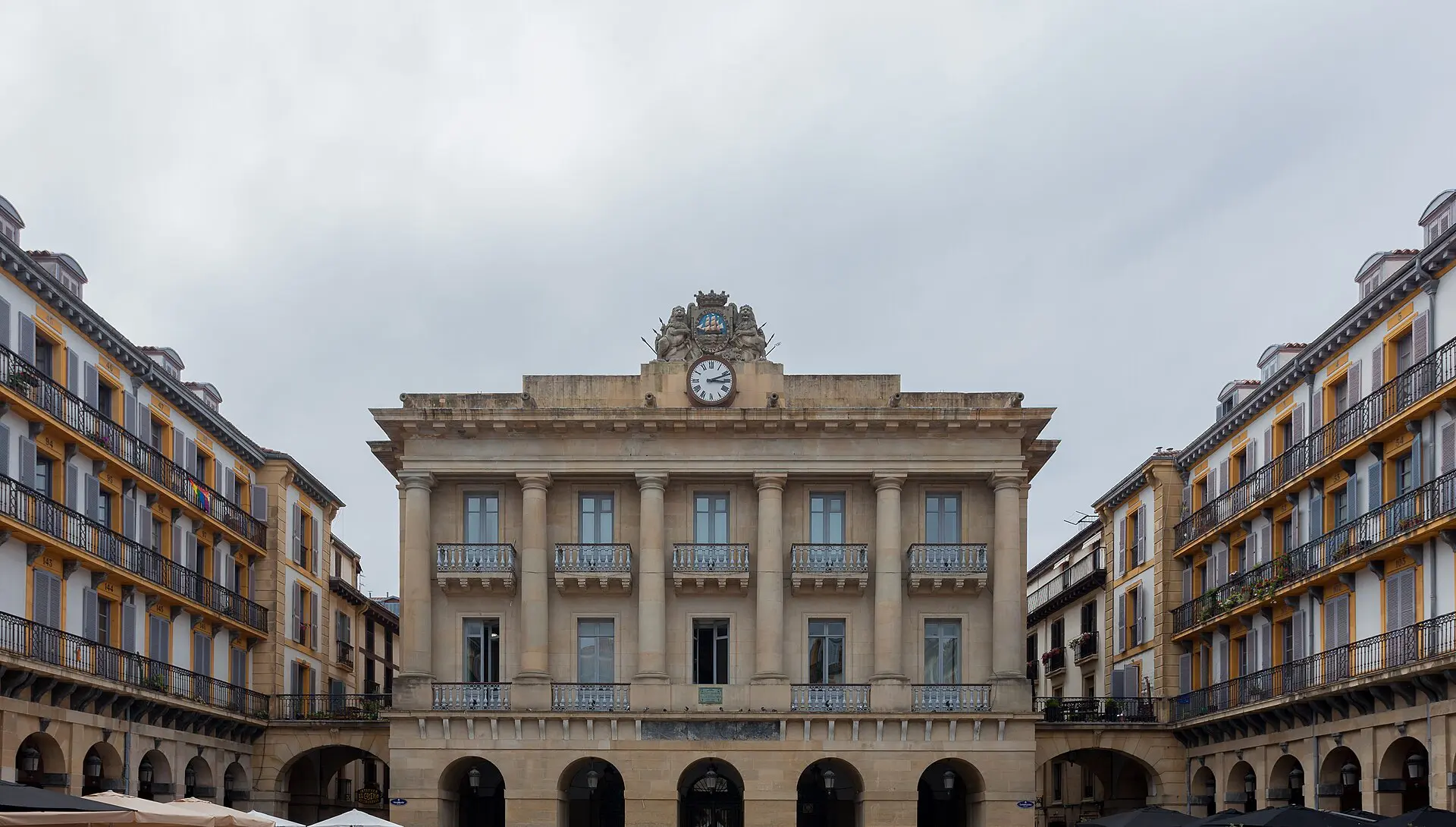
Small bites on bread, often held together with a toothpick, laid out on the bar in San Sebastián and Bilbao. Some are cold, some are cooked to order. You take what you want and the count of toothpicks sets the bill in many bars. Order a small glass of cider or local white wine. A pintxo is usually 2-5 EUR, with hot specials more.
7. Cocido madrileño
A slow stew of chickpeas, cabbage, potatoes, beef, pork and sausage, served in stages: first the broth with noodles, then the vegetables and legumes, then the meats. It is a winter lunch from Madrid and takes a long time to eat. It is hearty enough to be the only meal of the day. Expect roughly 15-25 EUR.
8. Churros con chocolate
Fried dough sticks dipped into thick drinking chocolate. They are a breakfast or late-night snack and an afternoon treat, and they are cooked fresh from a piped batter. The chocolate is thick enough to coat a spoon, and is not a mug of hot chocolate to sip. A serving usually costs about 4-8 EUR.
Traditional Spanish food market timing in Spain
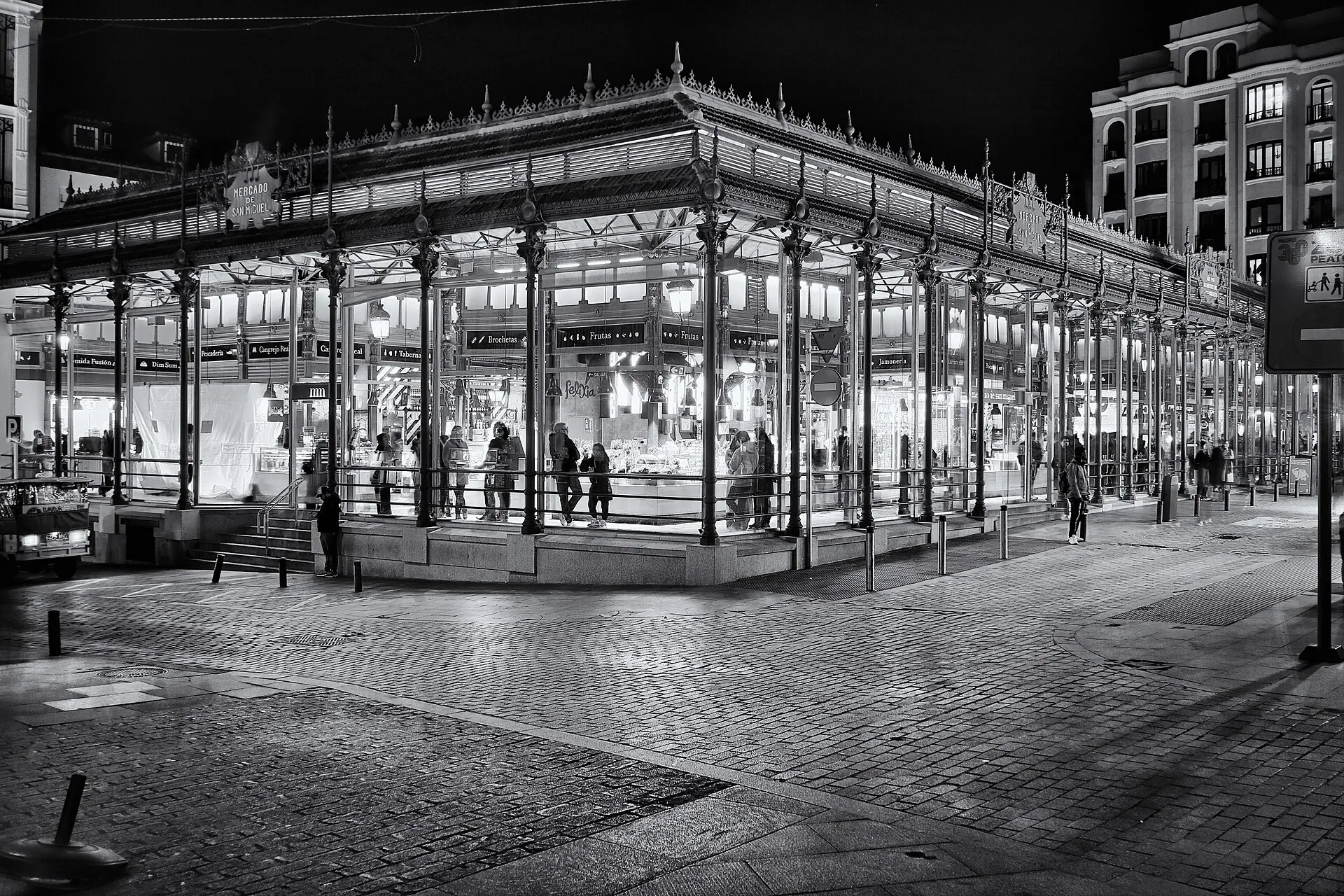
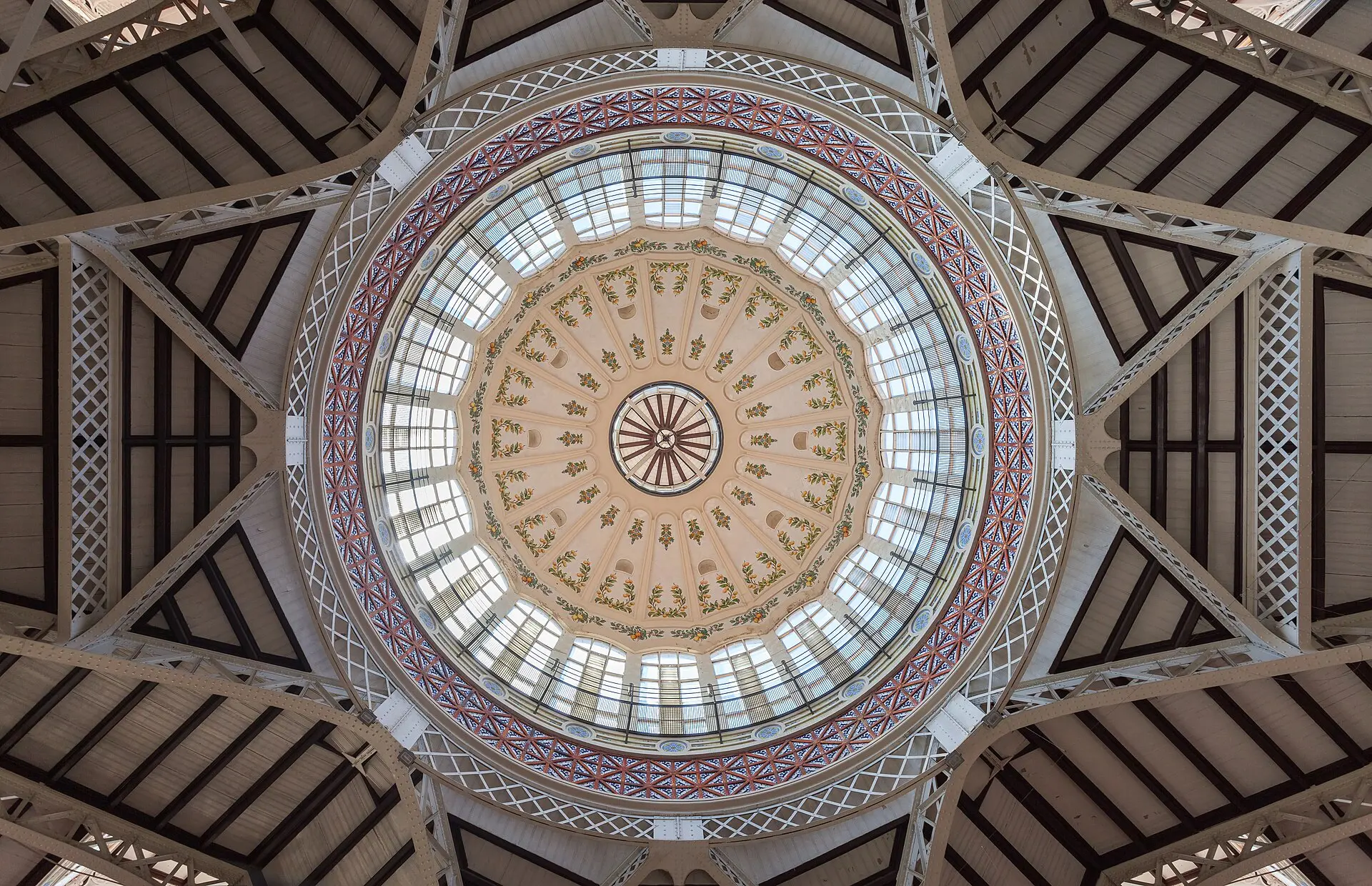
City markets, or mercados, are the place to see the ingredients and to eat standing at the market counters. Most open early, trade hardest before noon and close around 14:00 to 15:00. Many are closed on Sundays, and smaller shops in towns shut for a long lunch between about 14:00 and 17:00.
| Time | Where | What to order |
|---|---|---|
| 07:30-10:00 | Cafes and market counters | Coffee, toast with tomato and oil, tortilla |
| 11:00-12:30 | Market bars | Almuerzo: a filled roll or a small plate |
| 13:30-16:00 | Restaurants | Menú del día, paella, stews |
| 19:30-21:30 | Tapas bars | Tapas, pintxos, cured ham, croquettes |
| 21:00-23:00 | Dinner restaurants | Grilled fish, vegetable dishes, light mains |
Hours differ by region and season, and summer evenings run later in the south. Check before you go.
Traditional Spanish food price bands in Spain
Prices are hedged ranges as of 2026. Big cities and tourist squares cost more, and small towns and bar counters cost less.
| Meal type | Typical price (EUR) | What you get |
|---|---|---|
| Coffee and breakfast | 3-6 | Coffee with toast or pastry |
| Tapa or pintxo | 2-5 | One small bite, often with a drink |
| Menú del día (weekday lunch) | 12-18 | Starter, main, dessert, bread and drink |
| Ración to share | 8-18 | A full plate of a classic dish |
| Dinner with wine | 25-45 | Two courses and a glass |
A day of eating with a menú del día and tapas usually lands around 30-50 EUR. For a monthly view, see the cost of living in Spain guide.
Table etiquette for Spanish food in Spain
- Getting the bill: the server will not bring it unprompted. Ask “la cuenta, por favor”.
- Tipping: service is included, and tipping is small. Rounding up or leaving a euro or two is typical, and 5-10% is generous.
- At the bar: standing at the counter is usually cheaper than sitting at a table or on a terrace, which often carries a surcharge.
- Sharing: raciones are put in the middle and everyone eats from them. Ask for extra plates if needed.
- Bread: some places add a small charge for bread. It will show on the bill.
- Time: meals are long. Nobody expects you to leave when you finish eating.
How to read a Spanish menu without Spanish
Menus split into “entrantes” (starters), “primeros” (first courses, often lighter), “segundos” (mains) and “postres” (desserts). The “menú del día” is the fixed lunch deal and the best value. “Carta” is the full menu. “Plato combinado” is a plate with several items, such as egg, chips and meat, for a low price. A “bocadillo” is a filled roll.
Cooking words help. “A la plancha” is griddled, “al horno” is baked, “frito” is fried, “estofado” is stewed and “a la brasa” is cooked over embers. “Cerdo” is pork, “ternera” is beef, “pollo” is chicken, “pescado” is fish and “marisco” is shellfish. For vegetarian dishes, ask “¿Tiene algo sin carne?”. Tap water is “agua del grifo”, and it is generally safe to drink in most of Spain.
What to skip in Spain
- Paella with photo menus on main tourist squares, or paella served in the evening that was cooked earlier.
- Restaurants that open for dinner at 19:00 with a tourist menu. Real kitchens fill after 21:00.
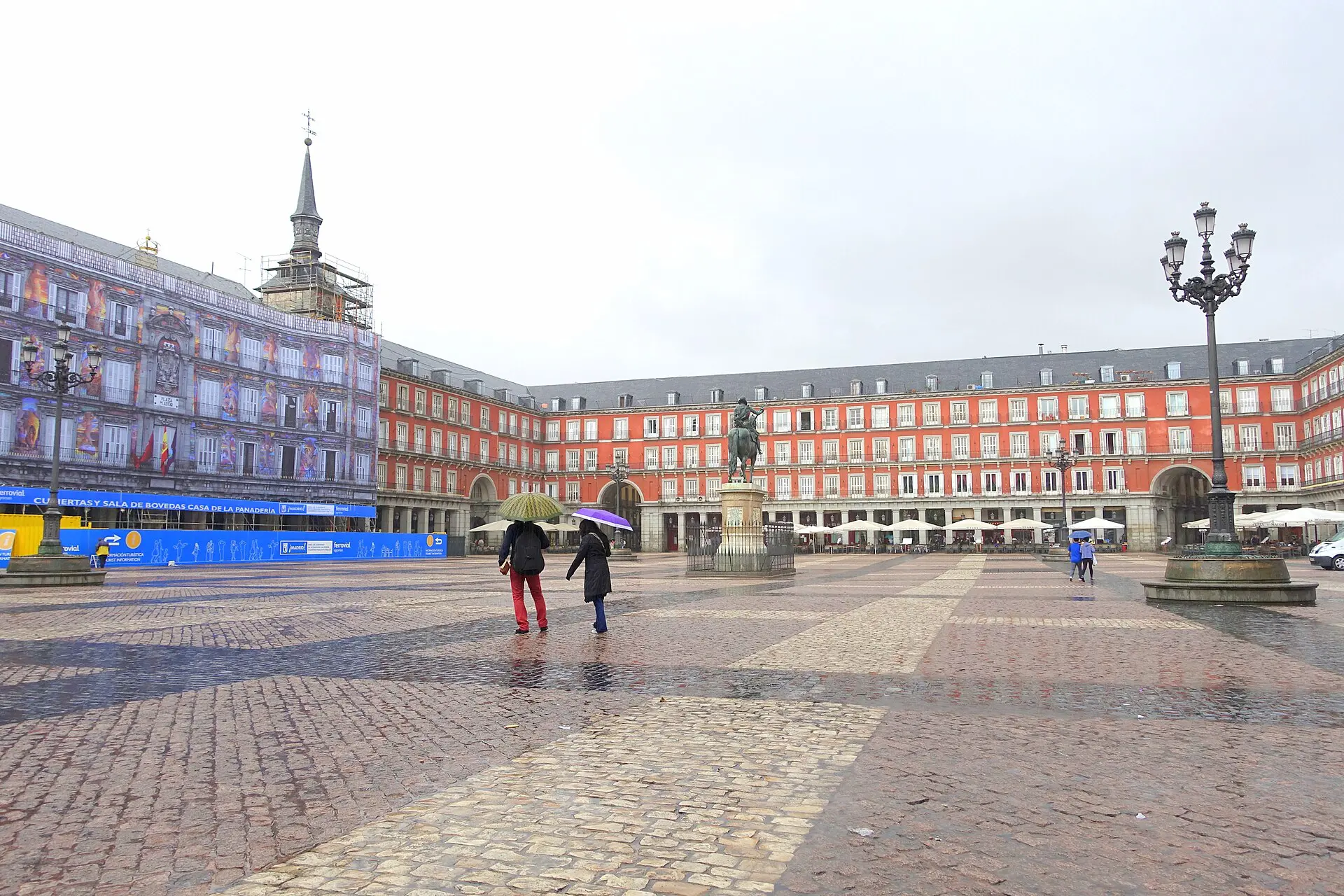
- Terrace seating at famous squares if you only want a quick tapa. Stand at the bar one street away.
- Sangria by the jug as a default drink. Many locals choose vermouth, beer or a small glass of wine.
- Assuming every region eats the same food. Order the local dish.
The Spain travel guide has regional routes, and the Wikivoyage Spain guide covers regional diversity.
FAQ about traditional Spanish food in Spain
What is the national dish of Spain?
There is no official one. Paella, tortilla española and jamón ibérico are the most common answers, and each belongs to a different tradition. Regional pride is strong, so the best choice is the local classic: paella in Valencia, pintxos in the Basque Country, and gazpacho in Andalusia.
What time do people eat dinner in Spain?
Typically between 21:00 and 22:30, later in summer and in the south. Lunch is at about 14:00 to 15:30. Many kitchens close between lunch and dinner. If you are hungry earlier, have tapas at the bar around 19:30 to 21:00, when many places serve small plates.
Is a menú del día worth it?
Usually yes, for weekday lunches. It gives a starter, main, dessert, bread and a drink for about 12-18 EUR as of 2026, and is cheaper than ordering the same dishes from the main menu. It is often not offered on weekends or evenings, so check the sign outside.
Do I tip in Spain?
Tipping is modest. Service is included in prices, so a tip is a thank-you and not an obligation. Rounding up the bill, or leaving a euro or two for good service at a sit-down meal, is common. At a bar, small change is fine. Staff do not expect 15% to 20%.
Is traditional Spanish food spicy?
Mostly not. Spanish cooking relies on garlic, olive oil, paprika, saffron and herbs, and heat is mild. Pimentón picante and some regional chorizo add a little spice, and padrón peppers are mostly mild with an occasional hot one. If you like heat, ask for “algo picante” and see what the bar offers.