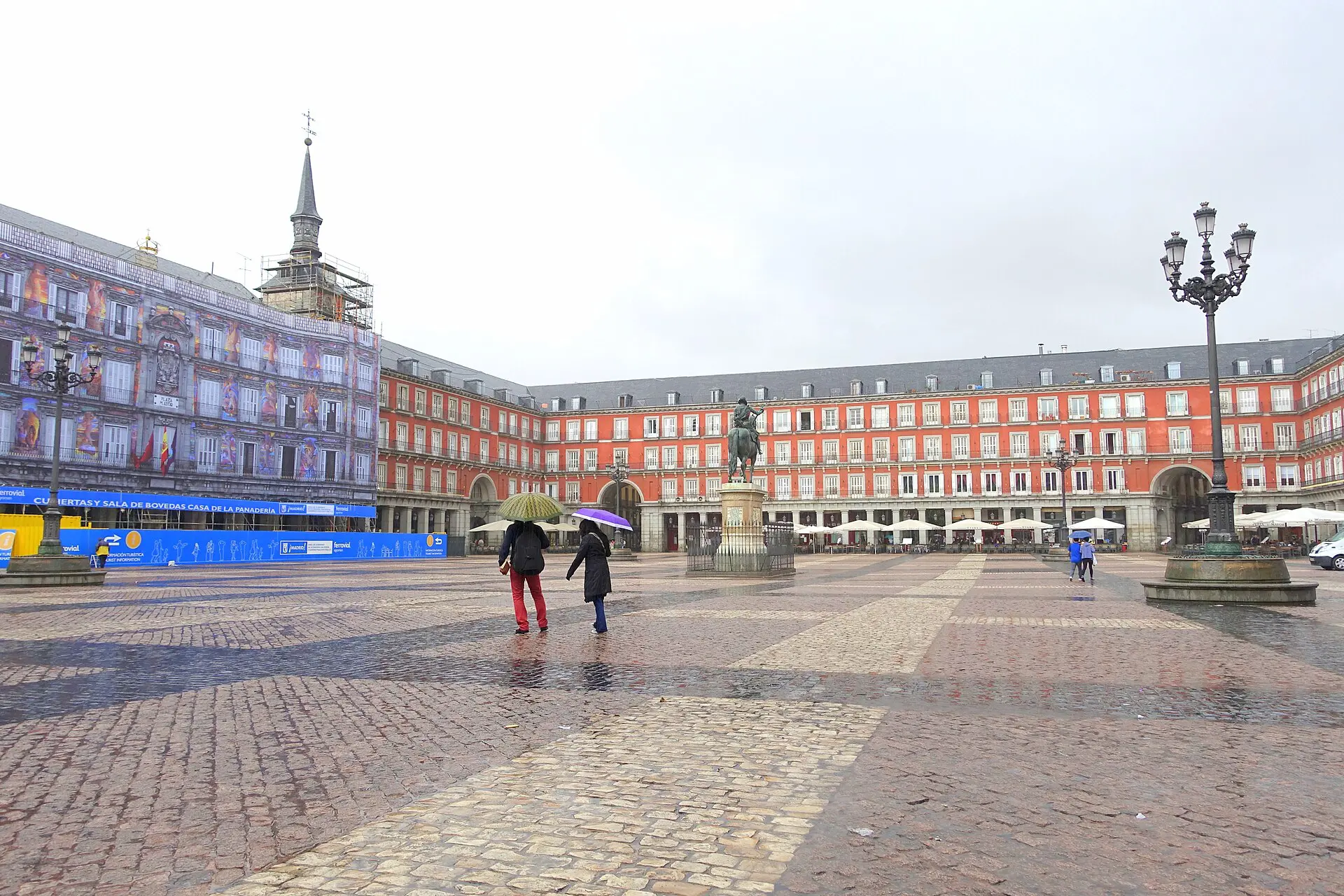
The cost of living in Spain for one remote worker is roughly US$1,500 to US$2,800 a month in a mid-sized city and US$2,200 to US$3,800 in Madrid, Barcelona or central Málaga, once rent, food, transport, a phone and a desk are counted. These are hedged ranges as of 2026, and rent moves them more than anything else, so check live listings before you commit to a base.
Cost of living in Spain: the one-month budget band
Most of us arrive with a number from a cost-of-living website and then meet the real market. Spanish daily life is cheap by western European standards: coffee, a set lunch and local transport cost little. Housing is the exception, especially in the big three cities and on the south coast in high season. The table gives broad daily ranges, a 10-day total for a short trial, and what each level usually covers.

| Budget level | Daily range (US$) | 10-day total (US$) | What it covers |
|---|---|---|---|
| Lean | 50 to 80 | 500 to 800 | Room in a shared flat or basic studio in a smaller city, set lunches, groceries, local transport |
| Comfortable | 90 to 150 | 900 to 1,500 | Own one-bed flat, mixed cooking and eating out, a coworking hot desk some weeks |
| Generous | 170 and up | 1,700 and up | Central flat in Madrid or Barcelona, restaurant dinners, fast trains, weekend trips |
For a working month, we would plan on the following bands for one person, hedged and as of 2026. Smaller cities such as Valencia, Seville, Granada or Alicante often land around US$1,500 to US$2,500. Madrid and Barcelona sit higher, with a one-bedroom flat often running from about 1,000 to 1,800 euros or more. Convert at the day’s rate and treat every figure as a starting point.
A rough split for a comfortable month: rent and utilities take around half, food a quarter to a third, and the remainder covers transport, a mobile plan, a workspace and trips. Short-term furnished lets cost more per month than a standard 12-month lease, so the monthly rate you see on a booking site is not the rate residents pay.
Where to base yourself in Spain by work style
Cost depends on which city you choose, so choose by how you work. Verify rents and internet in the actual building, not the city average.
- Deep-focus days, lowest rent: smaller cities such as Granada, Alicante or Valladolid. Quieter, cheaper, and you can reach a coast or a big city by train.
- Call-heavy days, reliable fibre: Madrid and Barcelona. Dense coworking, but the highest rents. Many of us rent just outside the centre and pay for a desk only on meeting days.
- Beach and routine: Valencia and Málaga. Good balance of rent, sea and a large international crowd, though summer short-let prices jump.
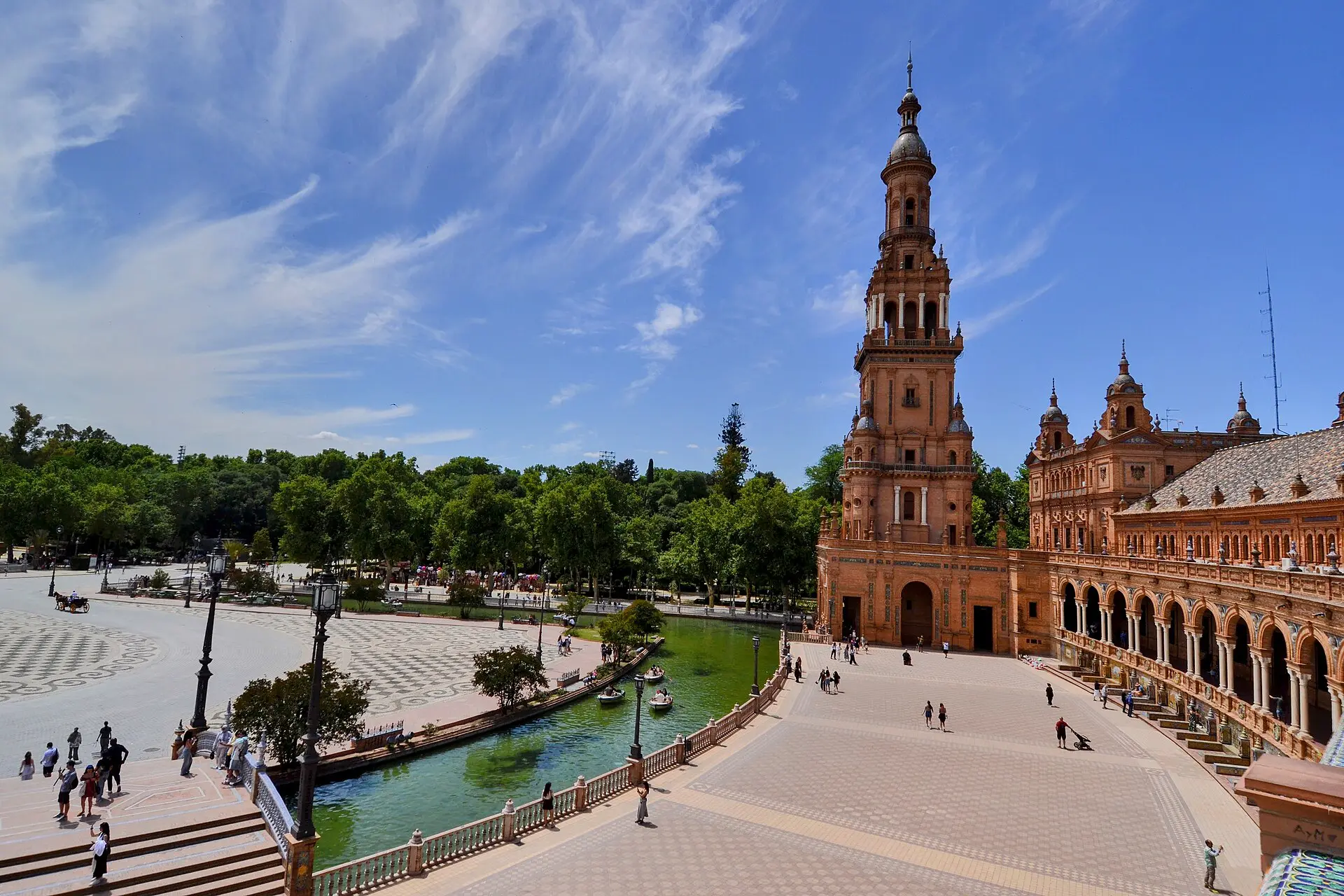
- Culture and evenings: Seville and Bilbao. Seville is cheap to eat in but brutally hot in summer; Bilbao is milder and pricier.
Spain’s own lunch rhythm affects the workday. Many kitchens serve the main meal around 2 pm and dinner after 8:30 pm, and some small shops close in the afternoon, so plan errands for mornings.
Where paying more pays off
Three upgrades are worth money for a month-long stay. Everything else in the next section can be trimmed.

1. A flat with a verified connection
The single best extra is paying for a place where fibre is confirmed. Ask the landlord for the provider and plan, run a speed test during the viewing and check the router is in your unit. We cannot vouch for any particular building, so make this your first test. A slightly dearer flat with working fibre beats a cheap one with a weak signal.
2. A quiet neighbourhood over a lively one
Central old-town streets in Spain are loud late. A residential barrio one or two metro stops out usually costs less and sleeps better. Spend your money on a window facing an inner courtyard rather than a bar street.
3. A flexible rental term
Month-by-month lets cost more than a lease, but they let you leave after week three if the base fails the test. For a first stay, we would pay the premium and sign a longer lease only on the second visit.
Where to save in Spain
4. Eat the weekday set lunch
The menú del día, a fixed-price lunch with a starter, main, drink and bread, is the biggest everyday saving. As of 2026 expect roughly 12 to 18 euros in most cities, more in the centre of Madrid or Barcelona. Eat the large meal at midday and keep dinner light. See our guide to Spanish food, meal times and tapas etiquette for how the day’s meals are timed.
5. Cook with market produce
Supermarkets are cheap for staples, and fresh fruit, vegetables, fish and cured meats from municipal markets are good value. A flat with a real kitchen pays for itself within a few weeks.

6. Use a coworking day pass before a monthly plan
Test your routine with day passes first. Hot-desk plans often run from about 100 to 250 euros a month depending on the city, but a library, a hotel lobby or a quiet cafe covers many of us two or three days a week for the price of a coffee. Always order something and keep calls short in cafes.
7. Pick a prepaid or low-cost mobile plan
Spanish mobile plans with generous data are among the cheaper in western Europe, often 10 to 25 euros a month. An EU roaming plan from home may be dearer than a local one if you stay more than a few weeks, though you may need a local address or passport to register.
Transport and booking windows
City transport is cheap. Monthly passes in the large cities are usually a modest share of a budget, and some regions offer discounted passes, so check the local operator. For long distances, high-speed rail covers Madrid, Barcelona, Valencia, Seville and Málaga. Book a few weeks ahead for lower fares, and note that more than one operator competes on the busiest routes, so compare before paying.

Flights are the other lever. Low-cost airlines connect Spanish cities with the rest of Europe, though bag fees can erase a cheap fare. If your base is Valencia or Málaga, book Easter, summer and the Christmas weeks well ahead, because rents and tickets rise together.

Best months for value in Spain
For value, we would aim for late spring (April to early June) and autumn (late September to November). Weather is comfortable, flats are easier to find and prices have not reached summer or holiday levels. Winter is cheap on the Mediterranean coast and can be wet in the north. July and August are hot and crowded, and August is when many locals leave cities, so some small businesses close.
Whatever month you pick, run a one-week test before you pay for a longer stay:
- Speed test the flat on arrival, at your usual working hours, and run a video call.
- Walk the route to a cafe and to a market and see if your day works on foot.
- Check noise at 11 pm and 7 am.
- Work from a coworking day pass and a cafe, and compare focus, not just price.
- Track your spending for seven days and multiply by four.
For the wider picture on Spain, see our Spain travel guide. If you are weighing Spain against its neighbour, our Spain versus Portugal comparison sets out the trade-offs. For regions and cities, Wikivoyage’s Spain page is a handy overview.
FAQ about the cost of living in Spain
How much money do you need to live in Spain per month?
For a single remote worker, roughly US$1,500 to US$2,800 in a mid-sized city and more in Madrid, Barcelona or central Málaga, as of 2026. Rent decides most of it. Visa routes also set minimum income levels, so check the current figure with the official source.
Is Spain cheaper than the US?
For many daily costs, yes: eating out, public transport and healthcare cost less. Rent in Madrid and Barcelona can come close to a US mid-sized city, and salaries are lower locally, which matters only if you earn locally. Remote workers paid in dollars usually find daily life cheaper.
What is the cheapest city to live in in Spain?
Smaller inland and northern-coast cities usually cost less than the big three or the Costa del Sol. Granada, Valladolid and Alicante are often mentioned for lower rents. Check live listings, because prices shift quickly and student seasons affect rents in university towns.
Can I work remotely from Spain on a tourist stay?
Short visa-free stays are meant for tourism, and rules on remote work differ by passport and over time. A digital nomad route exists for longer stays. Do not rely on a forum answer: verify with the Spanish consulate or the official immigration site before you plan a month or more.
Is the cost of living in Spain rising?
Rents in popular cities have risen in recent years, and short-term rentals face tighter regulation in some places, which can limit furnished month-long options. Food and transport have been steadier. Treat any figure here as dated and re-check before you sign.