Solo female travel Vietnam is popular for good reasons: the country is cheap, the backpacker route is well worn and hostels make friends easy. It is also a long, thin country, so the real question is how you move. This guide runs north to south and covers arrival times, where to sleep, how to choose a sleeper berth, which ride-hail habits help and what to do on evenings alone.
Arrival card: your first night in Vietnam
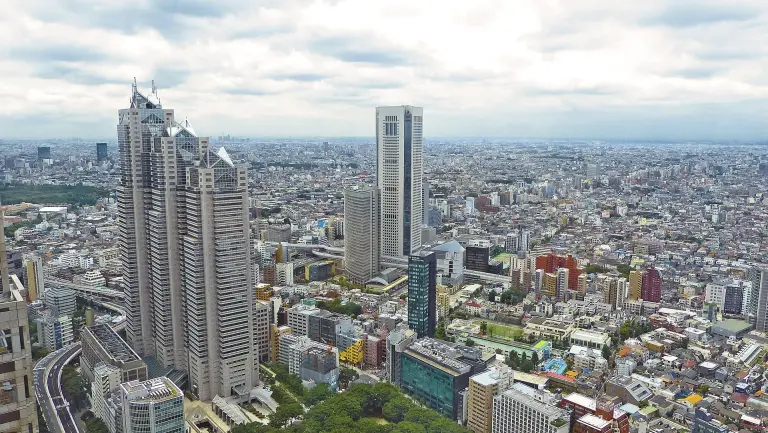
Hanoi’s airport is around 45 to 60 minutes from the Old Quarter by road, depending on traffic. Ho Chi Minh City’s airport is much closer to the centre, often 20 to 40 minutes. Da Nang’s is a short ride from the city. Check current visa and entry rules with the official source before you book, as these have changed in recent years.

- Lands before 6 pm: take a ride-hail car or an airport bus, check in and walk one block for water and dinner while it is light.
- Lands 6 pm to 10 pm: a ride-hail car booked at the airport Wi-Fi, or a transfer arranged by your hostel. Match the plate before you get in.
- Lands after 10 pm: pre-book a transfer and confirm late check-in in writing. Streets near the Old Quarter are busy late, but the airport road is not.
Get a local SIM or eSIM at the airport or before you fly, install a ride-hail app such as Grab, and screenshot your accommodation address in Vietnamese. Keep a small amount of cash for the first ride, in case your card fails.
A good first evening in Hanoi: check in by 4 pm, walk a loop of about 20 minutes around your block while the shops are open, eat an early bowl of noodles at a busy stall around 6 pm, and book a food or walking tour for the next day so that by dinner you already know two people. Early nights help, because jet lag and the noise of the Old Quarter combine badly.
Solo female travel Vietnam: a north-to-south route in eight stops
Allow about three weeks. Shorter trips can skip a stop or take a flight for one leg.
1. Hanoi (3 nights)
Stay in the Old Quarter for hostels, street food and walkability, or near Hoan Kiem Lake for a calmer feel. Old Quarter streets are loud and chaotic, but busy until late. Cross roads at a slow, steady pace, and let the motorbikes flow around you.
2. Ha Long and Lan Ha Bay (1 to 2 nights)
Overnight boat cruises are the standard way to see the limestone bay. Choose a small-group boat with reviews from solo travelers, ask about solo supplements and book a cabin with a lock. Day trips are cheaper, but less social.

3. Ninh Binh (2 nights)
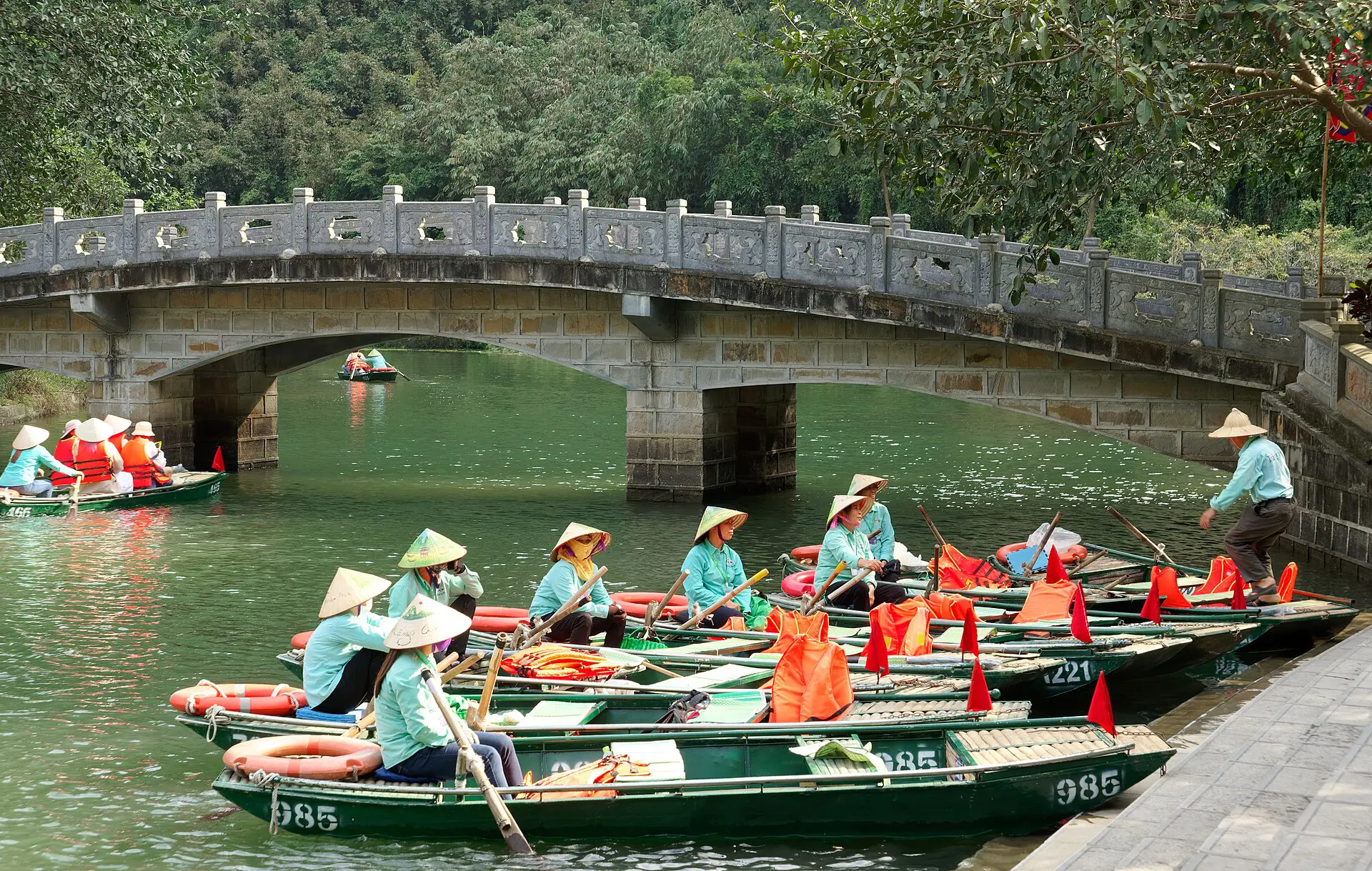
Karst scenery and rice fields about two hours south of Hanoi. Stay at a homestay or hostel near Tam Coc, rent a bike for a day, and take a boat ride. Evenings are quiet, so bring a book.
4. Hue (2 nights)
The old imperial city. Stay near the walled Citadel or along the riverside streets with backpacker restaurants. The overnight train from Hanoi takes roughly 12 hours or more, so many people fly or take a daytime train instead.
5. Da Nang (2 nights)
A beach city with wide streets and modern cafes. Stay near My Khe beach for the sea or near the river for the city. It is the practical base for Hoi An and the Marble Mountains. The central coast has a rainy and typhoon season in autumn, so check forecasts.
6. Hoi An (3 nights)
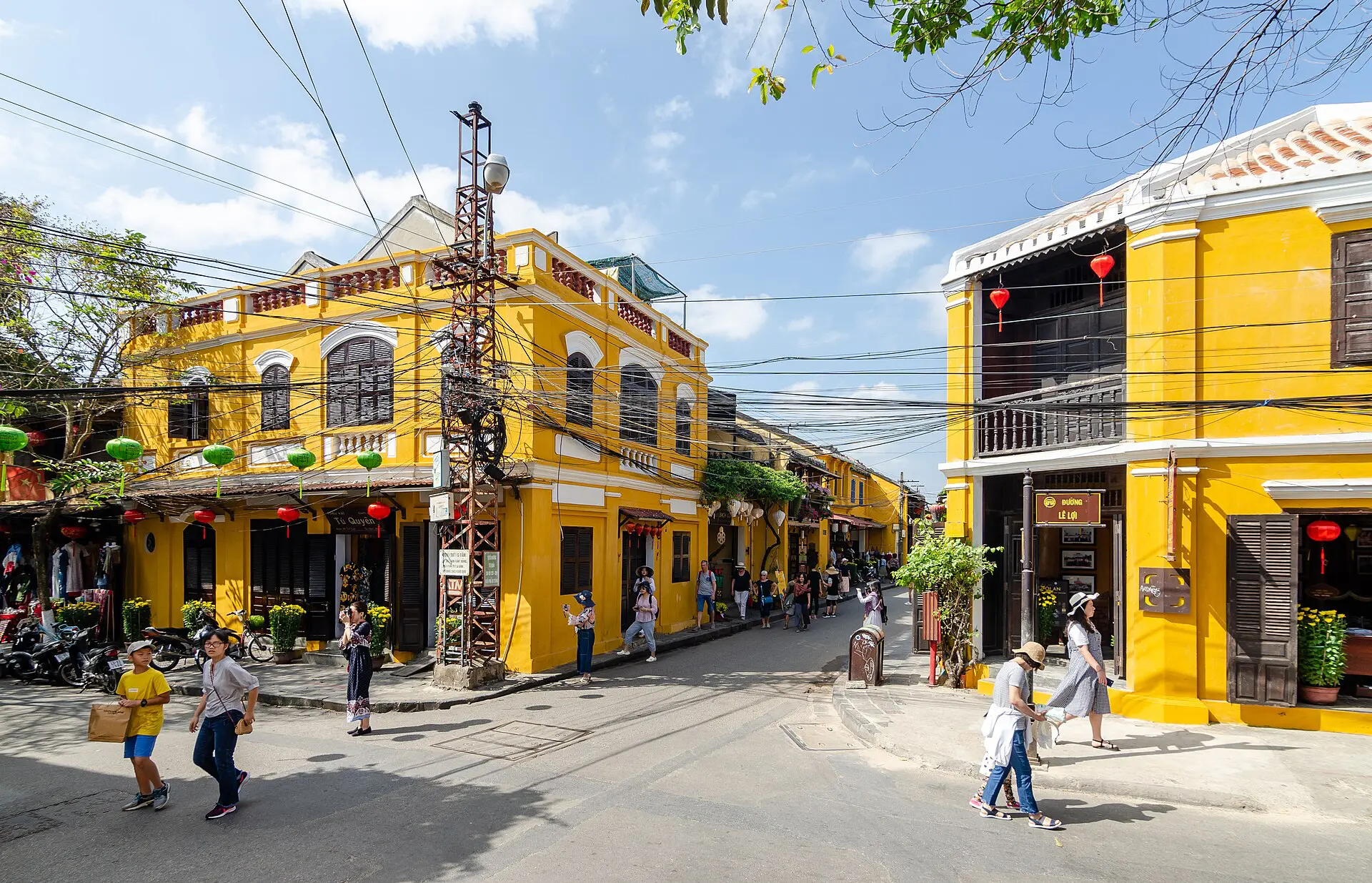
A lantern-lit old town about 45 minutes from Da Nang by road. Stay in a guesthouse a short walk from the old town, because the centre closes to motorbikes at certain hours. It is an easy place to take a cooking class or a bike ride to the rice fields.
7. Da Lat (2 nights)
A hill town with cool air, flowers and cafes. Fly or take a bus from the coast, and arrive in daylight, because mountain roads are winding. Hostels here are social, and canyoning and waterfalls make easy group days.
8. Ho Chi Minh City (3 nights)
Stay in District 1 near the Pham Ngu Lao area for hostels and nightlife, or District 3 for quieter, more residential streets. Bag snatching from passing motorbikes is the main street risk, so carry bags cross-body on the side away from the road. Read the guide to Vietnamese food by region before you arrive for what to eat.
Sleeper bus or sleeper train: choosing a berth
Vietnam’s long-distance sleepers are popular with solo travelers, and a few choices change the experience.

- Sleeper train: usually the more comfortable and orderly option. Cabins have four or six berths, and the lower berth is easier to reach and keeps your bag close. Book early and ask the booking site or station if you can choose the cabin. Mixed-gender cabins are common.
- Sleeper bus: cheaper and flexible, with reclined bunks in rows. Lower berths are easier to climb into, and seats near the back bounce more. Some operators offer cabin-style limousine buses with fewer, wider seats.
- Safety habits: keep your valuables in the bunk with you, use a small lock on your bag, and ask staff if they can place you near another woman. Arrive at the station early, in daylight.
For overnight legs, aim for arrivals after sunrise. If a bus is due at 3 am, switch to a daytime service or a flight.
For a rough sense of timing, the Hanoi to Hue train ride is overnight, Hue to Da Nang is a scenic half-day over the coast, and Da Nang to Hoi An is a 45-minute road transfer. Flights from Da Nang or Hue to Ho Chi Minh City take about an hour and a half, and Da Lat is usually reached by a short flight or a long daytime bus. Book the long legs one to two weeks ahead in busy seasons.
Ride-hail habits that work in Vietnam
Grab and similar apps are the default in cities, with a fixed price shown before you ride. Use a car, not a motorbike, at night. Match the plate and driver photo before you get in, share your trip with someone and wait inside a lobby rather than on the kerb. If the driver cancels and asks you to book outside the app, decline. Keep your phone away from the road edge in traffic, and wear a helmet if you take a bike taxi by day.

For the airport and the big stations, ask your accommodation for a fixed price or use a metered taxi from the official rank. Always check the meter is running.
How to meet people when you travel solo in Vietnam
Vietnam has some of the easiest hostel scenes in Asia. Start low and move up.
- Lowest effort: hostel common rooms and family-style dinners in Hanoi, Hoi An and Da Lat.
- Low effort: a food tour, a walking tour or a cooking class in Hanoi or Hoi An.
- Medium effort: a day tour to Ninh Binh, the Marble Mountains or a bike ride through rice fields.
- Higher effort: a cruise in Ha Long or Lan Ha Bay, a canyoning day in Da Lat or a hostel pub crawl.
Hostels that make friends easy tend to have a bar or roof terrace, run evening events and have staff who organise tours. Read recent reviews for solo female travelers, ask about female dorms and check that the beds have curtains and lockers.
What to do after dark in Vietnam
Evenings are social and cheap, especially in cities, and most places stay open late.
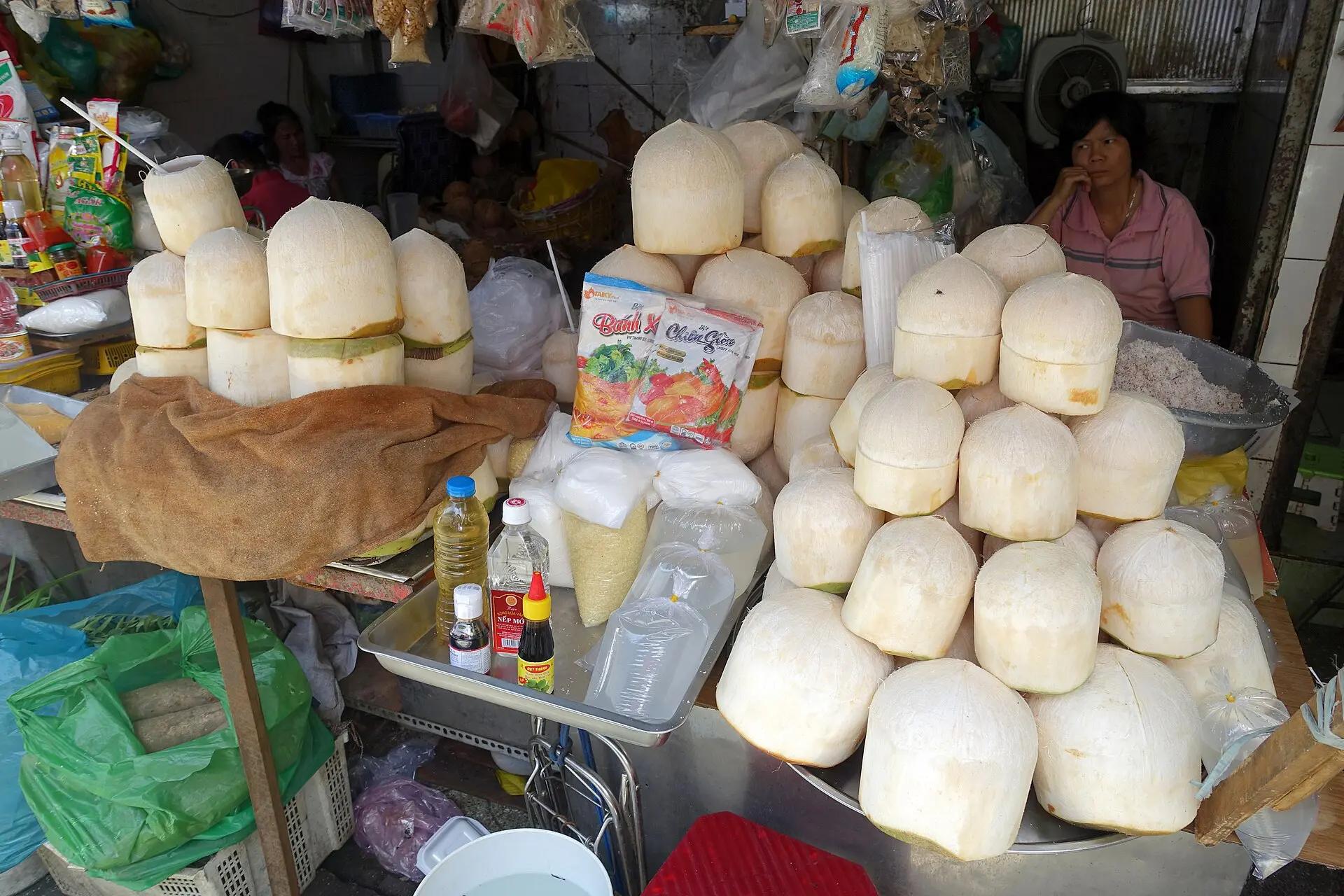
- Night markets: Hanoi’s weekend market near the Old Quarter and Hoi An’s lantern streets are busy and well lit.
- Street food: eat at a stall with plenty of customers and a high turnover. Point at what others are eating.
- Cafes and rooftops: coffee in Hanoi and Saigon is a social activity, and many cafes open late.
- Hostel nights: quizzes and group dinners.
I would skip walking alone along unlit riverbanks or empty beaches at night. In party districts such as Bui Vien in Saigon, keep your phone in a front pocket and your hand on your drink. Take a ride home rather than walk.
Solo female travel Vietnam budget bands
As of 2026, and hedged because prices drift, a hostel-dorm trip with street food and buses can run roughly 25 to 40 US dollars a day. A comfortable mix of private rooms, restaurants and a few flights is often 60 to 100 dollars. Sleeper trains and domestic flights are the biggest single costs, so budget them per leg. Tours and cruises vary widely, so read what is included before you pay.
Staying safe in Vietnam: specifics and boundary scripts
Vietnam is generally welcoming to women travelling alone. The common problems are traffic, bag snatching, overcharging and persistent attention from sellers and drivers. Here is what helps.

- Cross streets slowly and steadily, and use crossings where they exist.
- With a seller or driver who will not stop: “Khong, cam on” (no, thank you) and keep walking.
- With unwanted attention: “Please stop” in a clear voice, then step into a shop or hostel lobby.
- With a taxi that will not use the meter: get out and book through the app.
- Emergency numbers: 113 for police and 115 for an ambulance. Check current numbers before you go.
For regions and seasons, see the Vietnam travel guide, and check the Wikivoyage Vietnam page for route detail.
Solo female travel Vietnam FAQ
Is Vietnam safe for solo female travelers?
Many women travel Vietnam alone and report a friendly welcome. The main risks are road traffic and bag snatching from motorbikes. Use ride-hail cars at night, carry bags cross-body away from the road and choose hostels with good reviews. Check your government’s current advice before booking.
Are sleeper buses safe for solo women in Vietnam?
Many travelers use them, but choose carefully. Pick a reputable operator and a lower berth, keep valuables with you, and ask whether you can sit near another woman. For night legs, a sleeper train is usually more comfortable, and a daytime service or flight avoids the problem entirely.
What is the best way to travel from Hanoi to Ho Chi Minh City?
Flying takes about two hours. The overland route goes by train or bus with stops at Hue, Da Nang, Hoi An and Da Lat. A full train ride runs about 30 hours or more, so break it into legs. Most solo travelers mix flights and sleeper trains.
Where should I stay in Hanoi as a solo woman?
The Old Quarter is the usual choice, with many hostels, food stalls and busy streets. It is noisy, so pick a room off the main road. The area around Hoan Kiem Lake is calmer. Choose a place with 24-hour reception and recent solo reviews.
Is it safe to use motorbike taxis in Vietnam?
By day, with a helmet and a booked fare, many travelers do. I would use a car at night, in rain and on long rides. Ride-hail apps show a fixed price and the driver’s details. Check the plate, share your trip and decline any driver who asks you to cancel and pay cash.