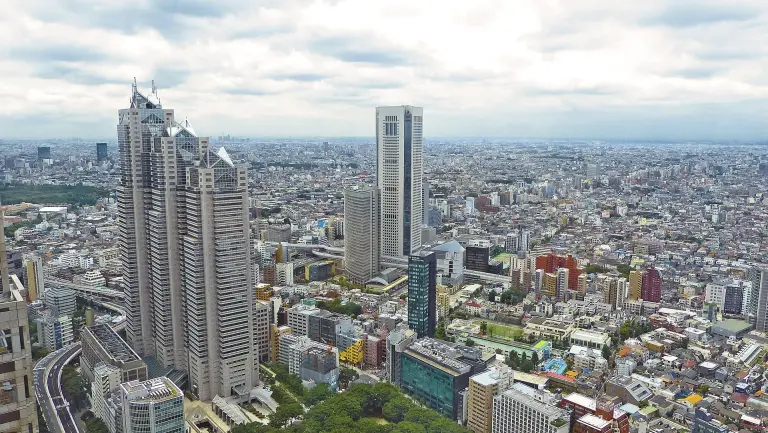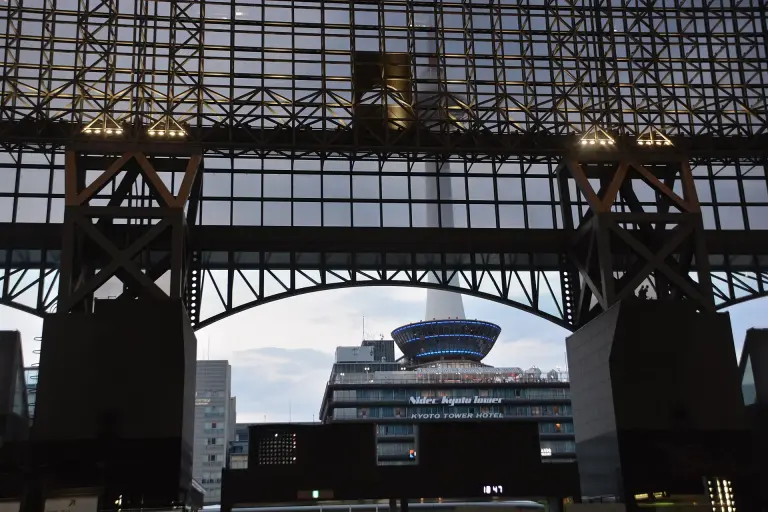
George Town is an established base for a Penang digital nomad who wants good food, a walkable heritage centre, English-friendly daily life and a modern airport and condo belt within reach. It is humid year-round and not cheap in the best old-town buildings. It suits people who like routine and eating well. It is a weaker fit if you need cool weather, quiet nights in the old core or a beach town. Below: a one-month budget, areas by work style and a first-week test.
Penang digital nomad budget: one month in George Town
Figures are rough ranges in US dollars for one person, as of 2026. Malaysia uses the ringgit, so exchange rates matter, and rents differ sharply between a restored shophouse and a condo tower. Check current listings.
| Item | Range (US$ per month) |
|---|---|
| Furnished condo studio or one-bedroom | 450 to 1,000 |
| Utilities and air conditioning | 40 to 120 |
| Home internet, if not included | 20 to 40 |
| Groceries and hawker meals | 200 to 400 |
| Cafes, coffee and the occasional restaurant | 100 to 300 |
| Local transport and ride-hailing | 30 to 100 |
| Coworking or desk (optional) | 0 to 150 |
| Total | about 900 to 2,000 |
The heritage-versus-condo gap explains most of the range. A renovated shophouse room in the core can cost as much as a condo with a pool and gym, while an older condo further out is usually cheaper. Ask for a monthly rate, which is often lower than the nightly one, and ask what is included. Hawker food is the budget lever. Wikivoyage calls George Town the culinary capital of Malaysia, and eating local for most meals keeps the total near the lower end.
Where to base yourself in George Town
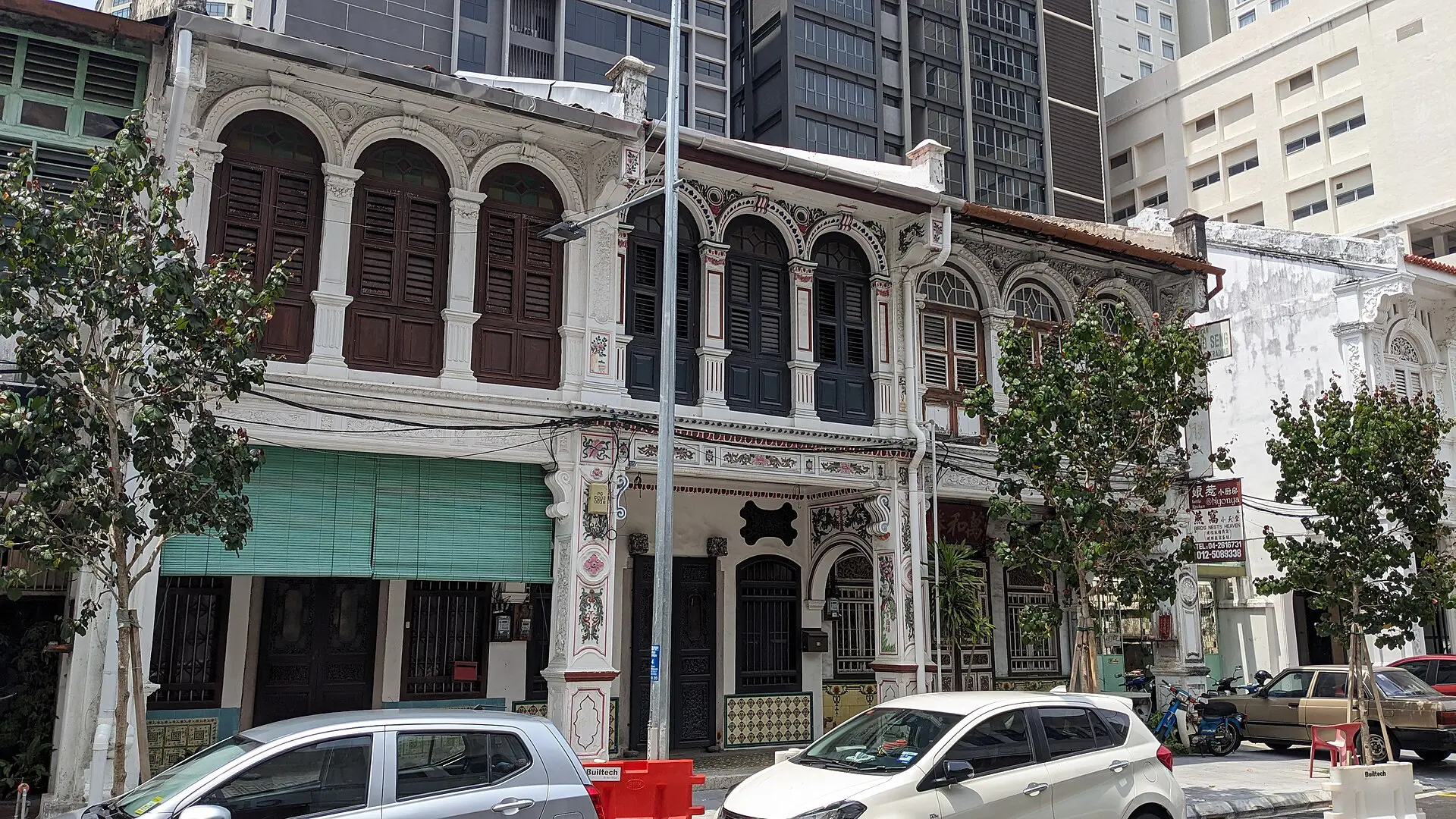
The old core is a UNESCO World Heritage Site of about 260 hectares, listed in 2008, and it sits inside a modern city that now covers the whole of Penang Island. The choice is between heritage charm and condo comfort. The city proper has about 794,000 people (2020 census), and the wider conurbation is Malaysia’s second largest, so there is real choice. Here are six options by work style.
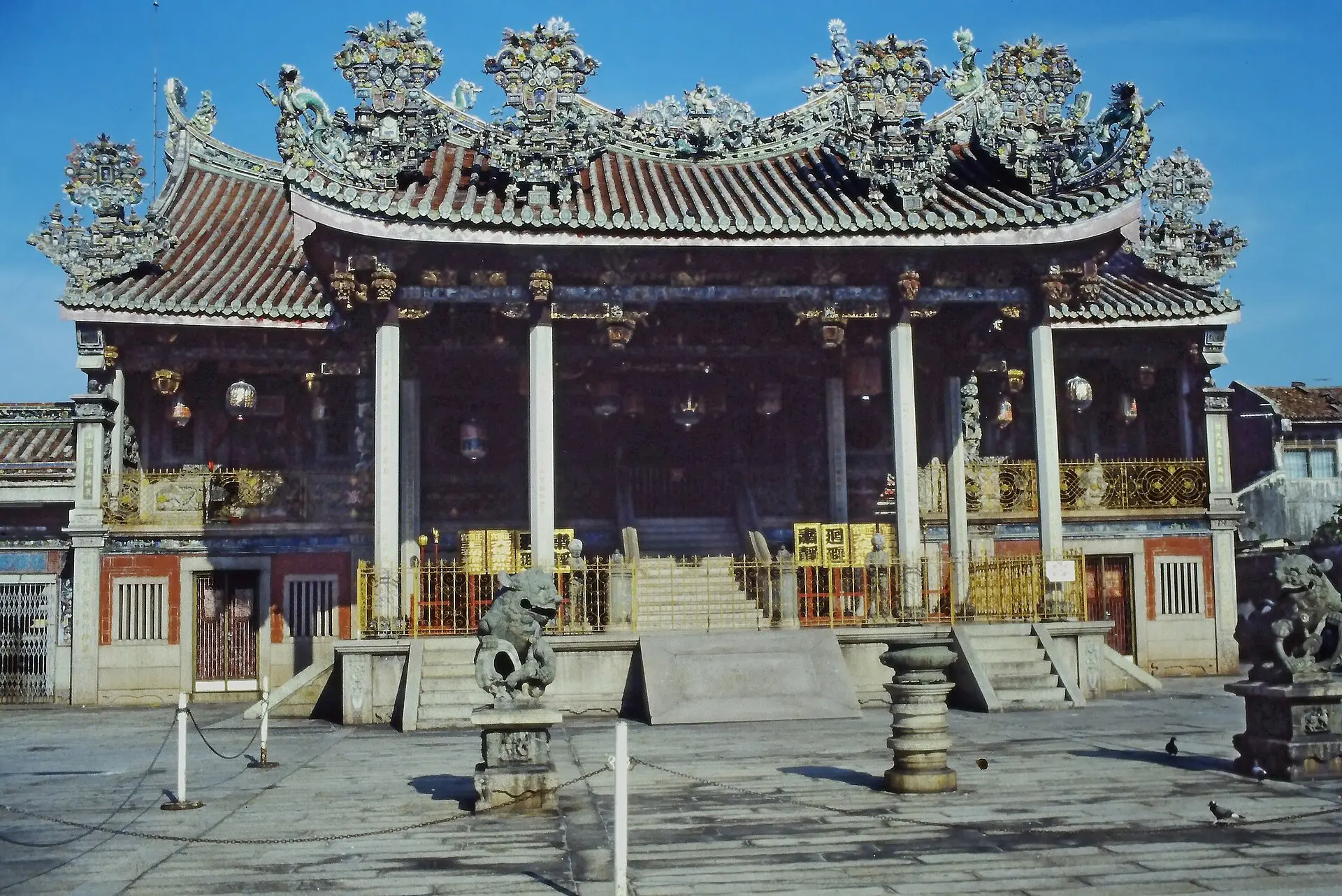
The UNESCO heritage core
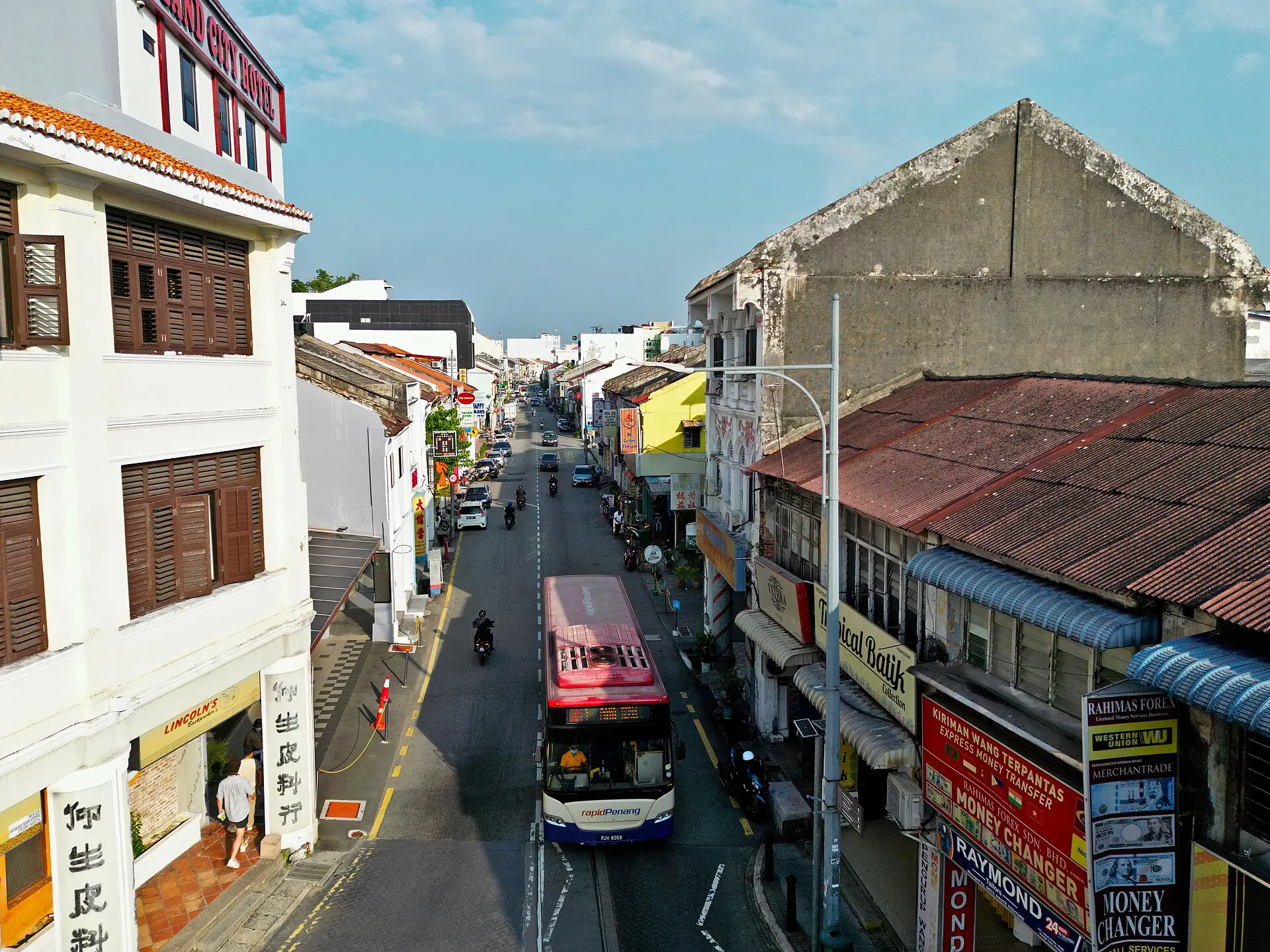
Best for people who want to walk to cafes, street art and hawker stalls. Expect older shophouses, variable wiring and some night noise. Test internet and air conditioning before paying a deposit.
KOMTAR, Macalister Road and Northam Road
The commercial belt around the old core: malls, offices and condos. Good for a practical, urban base with fast transport and many services.
Gurney Drive and Pulau Tikus
Waterfront condos, malls and well-known eating streets. A strong choice if you want modern buildings, a gym and a short ride to the centre.
Tanjung Tokong and Tanjung Bungah
Upmarket northern suburbs with sea views, quieter streets and plenty of condos. Good for a calm routine, but you will use ride-hailing or a car.
Batu Ferringhi
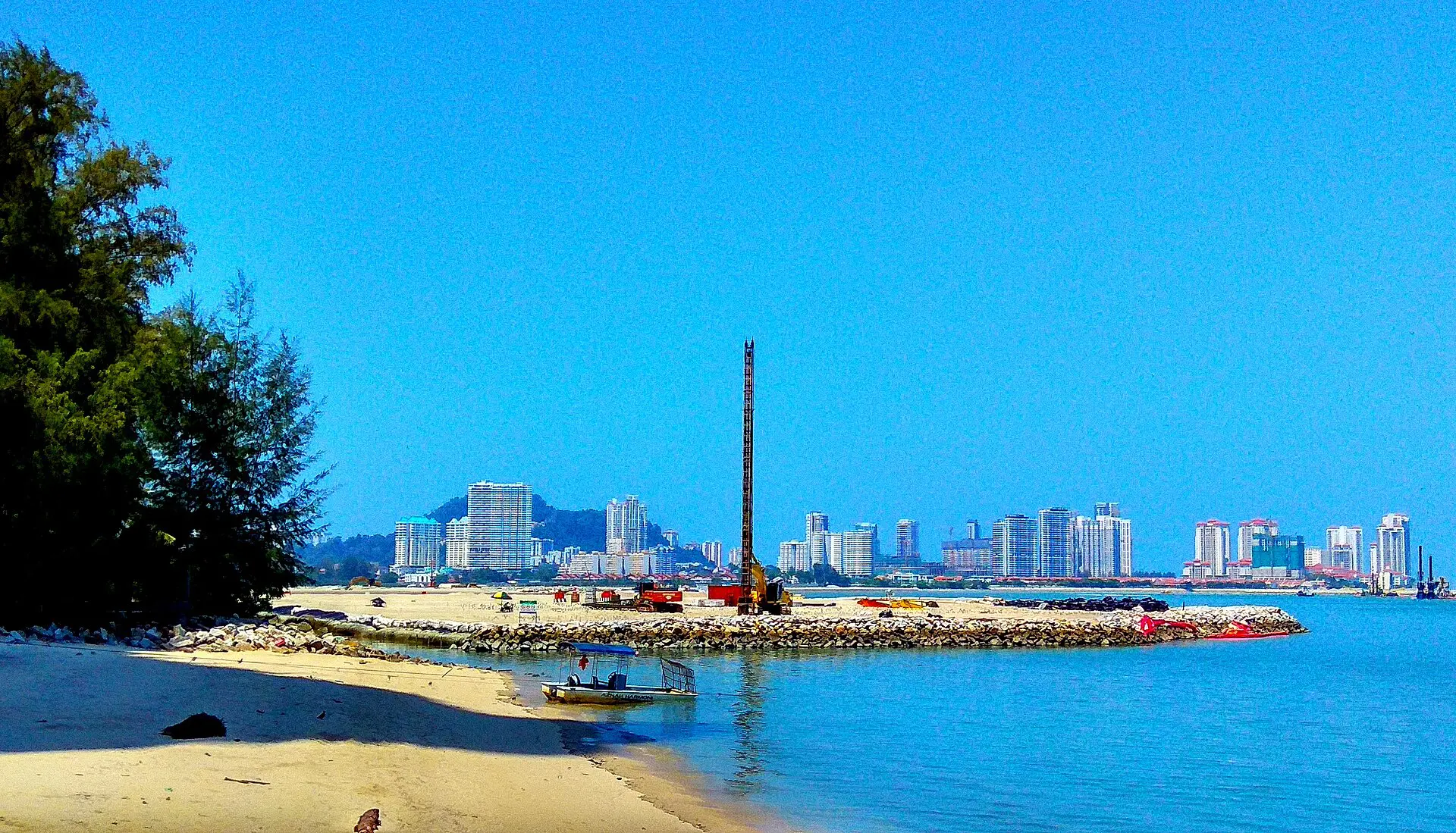
The beach strip, popular for its golden sand. Pleasant for a slower month by the sea, but it is far from George Town’s food streets and the commute adds up.
Bayan Lepas
Near the airport and a major industrial zone, with a more industrial feel. Practical if you fly often or work with the technology sector nearby, less so for atmosphere.
Work-friendly spots in George Town by type
We are not naming places here. We have not tested any, and cafes open and close often. Look for these types and test them yourself.
- Coworking spaces: several shared offices tend to serve the technology and freelance crowd. Compare day passes, monthly desks, meeting rooms and opening hours, and ask whether a phone booth is free for calls.
- Cafes: plentiful in the heritage core. Look for air conditioning, sockets and a menu that makes a long stay normal.
- Condo facilities: some condos have co-working rooms or quiet lounges. Ask what is included in the rent.
- Apartment desk: a proper desk and cool room often beat any cafe in the afternoon heat.
Internet and power in George Town: what to check yourself
Fibre broadband is common in Malaysian cities, and the island has a large technology sector, but speeds depend on the building and provider. Ask the host for the plan speed and provider and run a speed test on your own device at the hours you work. Check upload speed and a video call, not just download.
Malaysia uses 240 V sockets of the British type, so bring an adapter if needed. Power is generally reliable, but heavy rain can disrupt service, so keep a power bank and a local SIM with data as backup.
Visa and stay length for Penang
This is the part to verify twice, because a month of work depends on it.
Rules depend on your passport and change, so verify them with the official Malaysian immigration site or a consulate before booking. Many nationalities can enter Malaysia without a visa for up to about 90 days, while others need a visa or eNTRI-type approval in advance. Malaysia has also promoted a longer-stay digital nomad pass with income requirements, but terms and fees change, so read the current official page. For wider context, see the Malaysia travel guide.
Routine and recovery in a hot, humid city
George Town is hot and humid all year, with rain at times, so the working day bends around the weather. An early walk or swim, a focus block in an air-conditioned room, a hawker lunch and a late-afternoon stroll through the old streets works well. Evenings are for food, which is the city’s strongest point.
Rain tends to arrive in short heavy bursts, so keep an umbrella in your bag and plan calls indoors. Avoid walking long distances at midday, and take a taxi or ride-hailing car when the heat peaks.
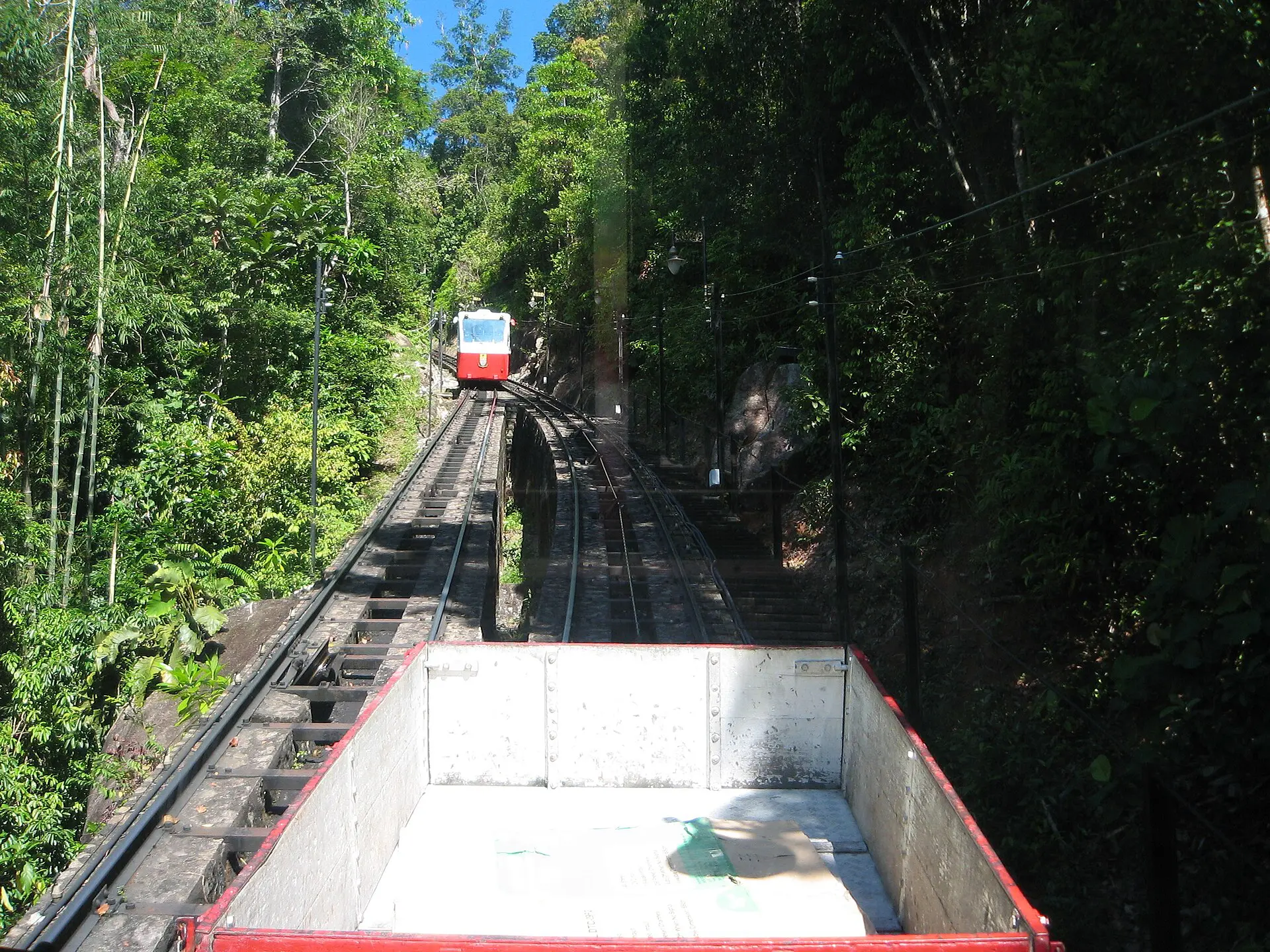
Weekends can mean the beach at Batu Ferringhi, Penang Hill above Air Itam or the Kek Lok Si Temple. Penang Hill is a hill station overlooking the whole city. I would book at least one day a week with no screen, because a food city makes it easy to work late and eat later.
The airport at Bayan Lepas has regional flights, and a ferry and two road bridges link the island to the mainland, according to Wikipedia. Day-to-day, ride-hailing and buses cover most trips, and many people use ride-hailing from the condo belt to the old core, so check typical fares and rush-hour delays before choosing a suburb.
Test Penang in your first week
- Speed-test your flat in the morning and evening, and run a video call.
- Work from a cafe, a coworking day pass and your own desk, and compare.
- Check the air conditioning bill and noise levels at night.
- Time a ride from your flat to the heritage core in rush hour.
- Try a local SIM as backup.
- Compare heritage-core and condo living by spending two days in each if you can.
- Confirm your stay length and any pass requirements.
A Penang digital nomad month is easier when you have run this list first.
FAQ about the Penang digital nomad life
Is Penang good for digital nomads?
Many remote workers like it for the food, English-friendly services and mix of heritage and modern amenities. It is humid and can be busy. Test your internet, and decide between the old core and a condo area before booking a month.
How much does a month in Penang cost?
A single remote worker could budget roughly US$900 to 2,000 including a furnished flat, food and transport. Rent type is the main swing factor. Prices change, so check current listings and ringgit rates.
Where should I stay in George Town as a remote worker?
The heritage core suits walkers and cafe workers, while Gurney Drive, Pulau Tikus and the northern suburbs offer modern condos and calmer evenings. Choose by commute and noise, and visit before signing a month’s lease. Ask whether the building has a quiet room for calls, a desk and a router you can test. Heritage buildings may have older wiring and thinner walls.
Can I stay in Penang for three months?
Many visitors can enter visa-free for around 90 days, but it depends on your passport and current rules. Verify the allowance and any long-stay pass terms with the official Malaysian immigration source. See the George Town guide for more.